The history of the Kawerau mill began in the 1950s with the establishment of the Tasman Pulp and Paper Company. Strategically located to utilize the Kaingaroa Forest and local geothermal energy, it spurred the creation of a purpose-built town, evolving from a state-supported mega-project into a modern, diverse industrial hub focused on sustainable manufacturing and green energy.
The Genesis of a Giant: Why Kawerau?
To understand the history of Kawerau mill, one must first look at the unique geographical convergence that occurred in the Bay of Plenty during the mid-20th century. The inception of the mill was not merely a business decision; it was a strategic national initiative designed to monetize the vast timber resources of the Kaingaroa Forest.
In the post-war era, the New Zealand government sought to diversify the economy beyond traditional farming. The Kaingaroa Forest, planted largely during the depression era of the 1920s and 30s, was reaching maturity. Millions of tons of exotic pine were ready for harvest, but the infrastructure to process this “green gold” was non-existent.
Kawerau was selected as the site for this industrial mega-project for three critical reasons:
- Proximity to Resource: It sat on the doorstep of the massive forestry plantations.
- Water Supply: The Tarawera River provided the immense volume of water required for the pulping process.
- Geothermal Energy: Perhaps the most forward-thinking factor was the presence of geothermal activity. Engineers realized early on that the steam from the ground could be harnessed to power the kilns and heavy machinery, a distinct competitive advantage that remains relevant today.
Founding the Tasman Pulp and Paper Company
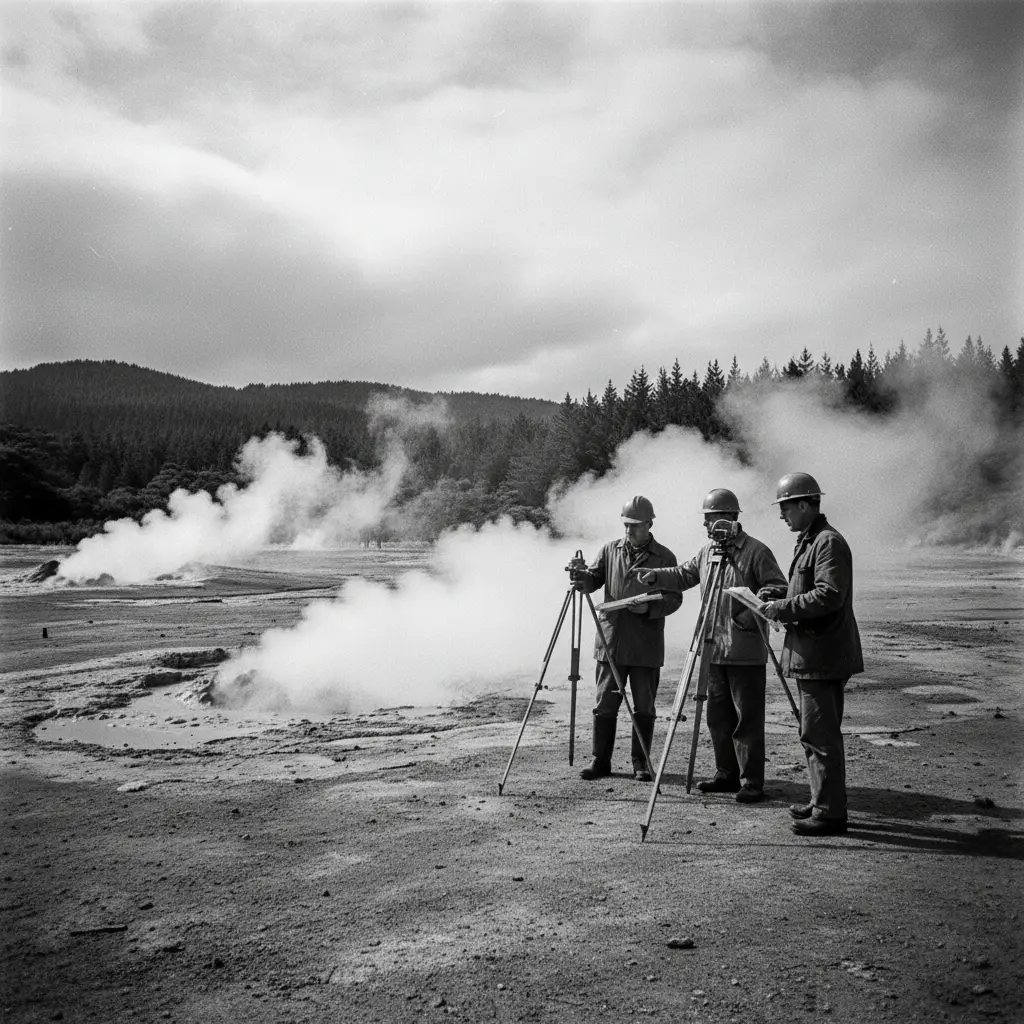
The formal history of the site began with the incorporation of the Tasman Pulp and Paper Company in 1952. This was a landmark public-private partnership involving the New Zealand Government, Fletcher Trust (later Fletcher Challenge), and eventually foreign investors like Reed Paper Group from the UK.
What was the Tasman Pulp and Paper Company?
The Tasman Pulp and Paper Company was the entity formed to construct and operate New Zealand’s first integrated newsprint and timber mill. It was the catalyst for the entire region’s development.
Construction began in 1953 and was, at the time, the largest construction project in New Zealand’s history. It required a workforce of thousands, necessitating infrastructure that the rural area simply did not possess. A railway line was built specifically to connect Kawerau to the port at Mount Maunganui to export the finished paper products to the world.
By 1955, the mill was operational. The opening ceremony was a national event, signaling New Zealand’s entry into the global industrial forestry market. The sheer scale of the Tasman mill was breathtaking; it housed massive paper machines capable of churning out newsprint at speeds that were world-class for the era.
Building a Community: The Town the Mill Built
You cannot discuss the industrial history without discussing the town itself. Unlike other towns that grow organically around trade routes, Kawerau was a “planned town,” designed specifically to house the mill’s workforce. This aspect of history is particularly relevant for the modern Kawerau tourism and real estate rebranding efforts.
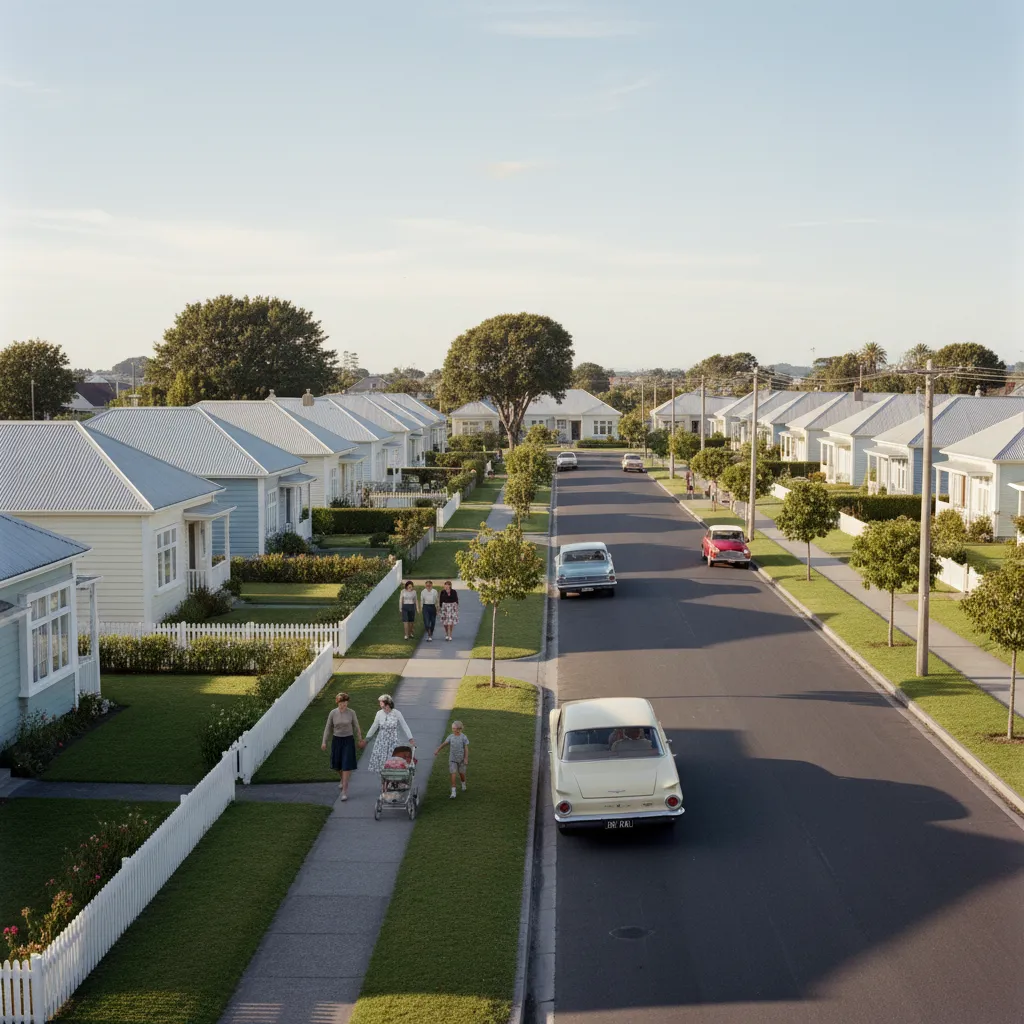
The Ministry of Works, alongside Fletcher Construction, built high-quality housing at a rapid pace. These were not temporary shacks but solid, family homes designed to attract skilled engineers and operators from overseas (UK, Canada, USA) and across New Zealand. The town layout included parks, a swimming pool (heated by the mill’s geothermal energy), and modern amenities that were the envy of other rural districts.
This creates a unique value proposition for today’s property market: the housing stock in Kawerau is robust, built to high government standards of the 1950s and 60s, and laid out in a spacious, garden-city style.
The Golden Era of Production (1960s-1980s)
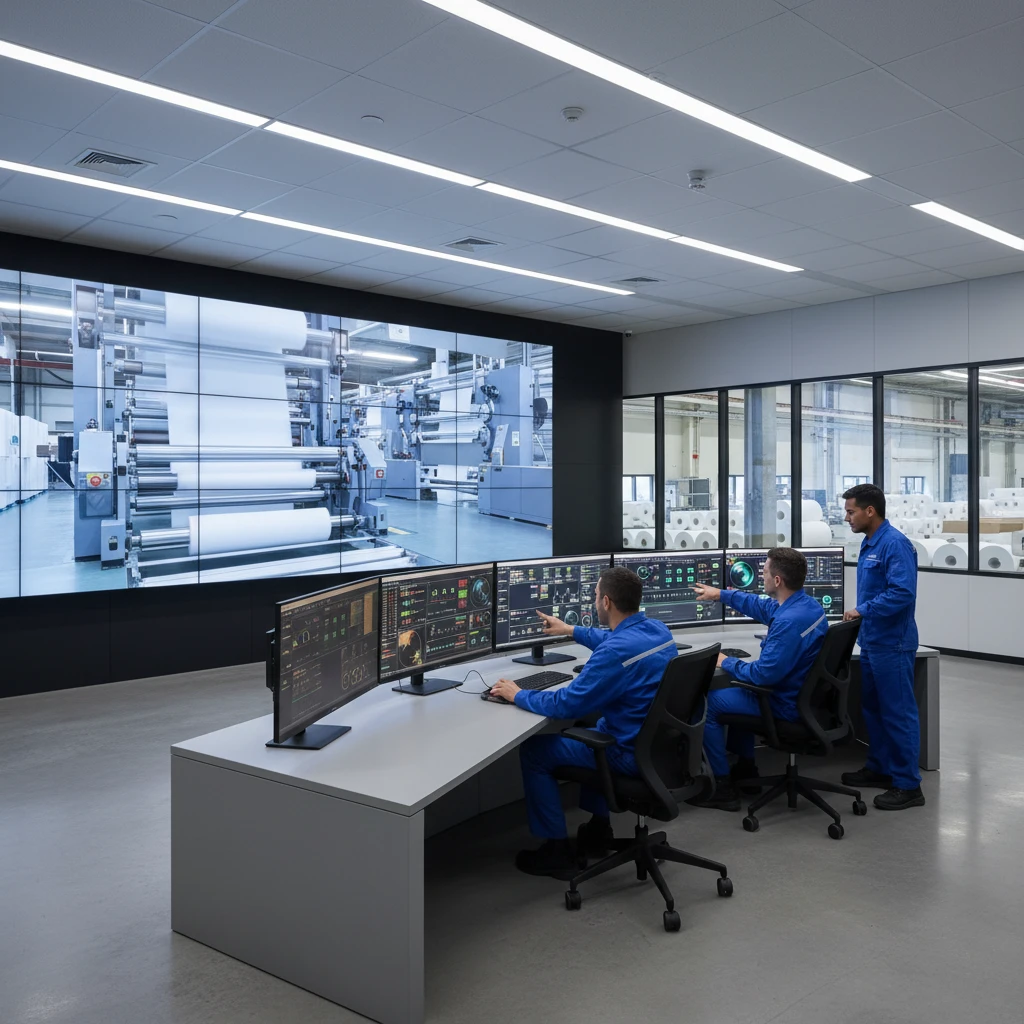
Throughout the 1960s and 70s, the Kawerau mill expanded rapidly. It became the beating heart of the Bay of Plenty economy. During this “Golden Era,” the mill was often described as a city within a city.
Production capabilities increased with the installation of second and third paper machines. The workforce swelled, and Kawerau boasted one of the highest average incomes in the country. The mill offered apprenticeships that trained generations of fitters, turners, and electricians, creating a highly skilled local labor force.
The synergy between the mill and the town was absolute. The company subsidized sports clubs, maintained community facilities, and provided a level of job security that defined the social fabric of the region. However, this reliance also meant that the town’s fortunes were entirely tethered to the global price of pulp and paper.
Corporate Evolution and Ownership Changes
The history of Kawerau mill entered a complex phase in the late 20th century, characterized by globalization and corporate restructuring. As the global economy shifted, the original structure of the Tasman Pulp and Paper Company evolved.
Who owns the Kawerau mill today?
Today, the site is not owned by a single entity but operates as an industrial campus with major players like Norske Skog (newsprint), Oji Fibre Solutions (pulp), and Sequal Lumber operating independently but symbiotically.
In the 1980s, Fletcher Challenge emerged as a global titan, absorbing the operations. However, the deregulation of the New Zealand economy and the removal of subsidies forced efficiency drives. The 1990s and early 2000s saw the unbundling of Fletcher Challenge. The forests were sold to separate entities, and the processing plants were acquired by international specialists.
- Norske Skog: The Norwegian company acquired the paper making operations (Tasman) in 2000. They focused on streamlining newsprint production.
- Carter Holt Harvey (later Oji): Acquired the pulp mill operations, focusing on the production of kraft pulp for cardboard and packaging.
- Carter Holt Harvey Woodproducts: Continued sawmilling operations.
While this period saw a reduction in the total headcount compared to the labor-heavy 1970s, it secured the mill’s survival by modernizing technology and focusing on efficiency.
Modern Industrial Symbiosis: A Green Future
The most exciting chapter in the history of the Kawerau mill is currently being written. The narrative has shifted from “heavy industry” to “sustainable industrial symbiosis.” This is a critical pivot for the region’s rebranding.
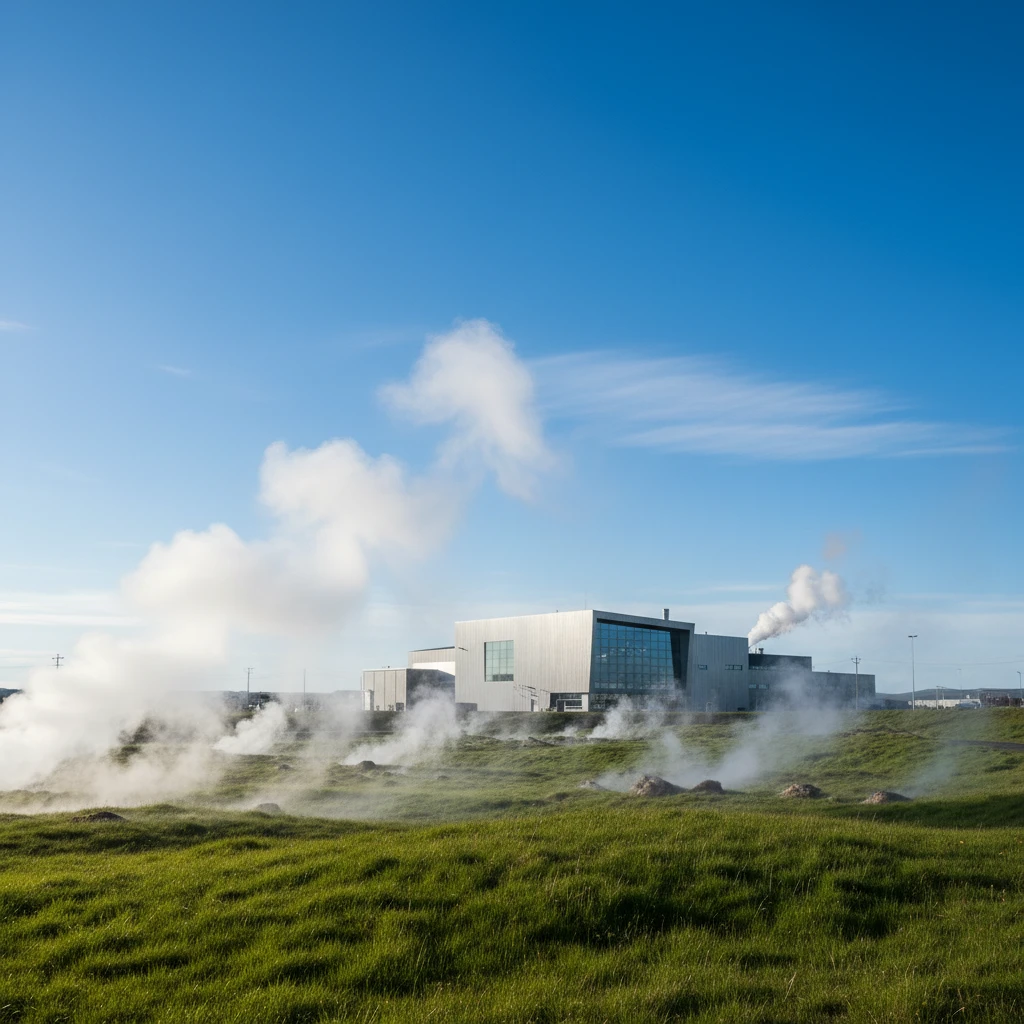
The concept of Industrial Symbiosis at Kawerau means that the waste or by-product of one process becomes the fuel or raw material for another. The core of this is the world-class use of geothermal energy. Kawerau is now home to the largest application of geothermal process heat in the world.
Ngāti Tūwharetoa (Bay of Plenty) Settlement Trust has played a pivotal role here, leveraging their land and geothermal assets to partner with industry. This partnership has led to:
- Geothermal Power Stations: Providing clean electricity to the grid and direct steam to the mills.
- Tissue Conversion: Essity (formerly Asaleo Care) utilizes geothermal steam to produce hygiene products.
- Wood Processing: Sequal Lumber and other operators use the heat for kiln drying timber efficiently.
This evolution attracts new investors who are looking for low-carbon manufacturing footprints. For the real estate market, this signals long-term stability and a cleaner environment than the coal-burning industries of the past.
The Economic Legacy and Real Estate Impact
The industrial history of the Kawerau mill has left a tangible legacy that presents a massive opportunity for homebuyers and investors today. The infrastructure built to support the mill—roads, rail, water, and electricity grid—is over-engineered for a town of its current size, allowing for easy expansion and growth without the growing pains seen in other regions.
Furthermore, the “mill houses” remain some of the best value-for-money real estate in New Zealand. As remote work becomes more common and people seek affordable lifestyles, the history of Kawerau as a well-planned, industrious town is becoming its greatest asset. The mill proved that Kawerau is a place of production and innovation; the new era proves it is a place of sustainability and community.
The transition from a single-employer town to a diverse industrial hub ensures that the local economy is more resilient to market shocks. For those looking to invest in the region, the history of the mill serves as proof of the area’s strategic importance to New Zealand’s economy—past, present, and future.
When did the Kawerau mill close?
The Kawerau mill has not closed entirely. While Norske Skog closed one of its paper machines in 2013 and another in 2021 due to declining global newsprint demand, the site remains highly active. Oji Fibre Solutions (pulp mill), Essity (tissue), and various sawmills continue to operate at full capacity.
Who built the Kawerau mill?
The mill was built by the Tasman Pulp and Paper Company, a consortium formed in 1952 involving the New Zealand Government, Fletcher Trust, and later, the Reed Paper Group. Fletcher Construction was the primary contractor for the massive build.
What does the Kawerau mill produce today?
The industrial campus produces a variety of wood-fiber products. This includes Kraft pulp (for cardboard), tissue paper products (brands like Purex and Sorbent), high-grade timber for construction, and newsprint (though at reduced volumes compared to historical peaks).
How does the mill use geothermal energy?
Kawerau is the world’s largest user of geothermal process heat. Steam is extracted from the borefield and used directly to heat timber drying kilns, power paper-drying machines, and generate electricity, significantly reducing the carbon footprint of production.
Is Kawerau a good place to invest in property?
Yes, Kawerau is increasingly seen as a high-potential investment. The history of the mill left a legacy of solid housing stock and excellent infrastructure. With low entry prices compared to the rest of NZ and a diversifying industrial base providing jobs, yields and capital growth potential are strong.
What is the Tasman Pulp and Paper Company called now?
The original company no longer exists as a single entity. The assets were split: Norske Skog owns the publication paper business, while Oji Fibre Solutions owns the pulp mill. The name “Tasman” is still colloquially used by locals to refer to the site.