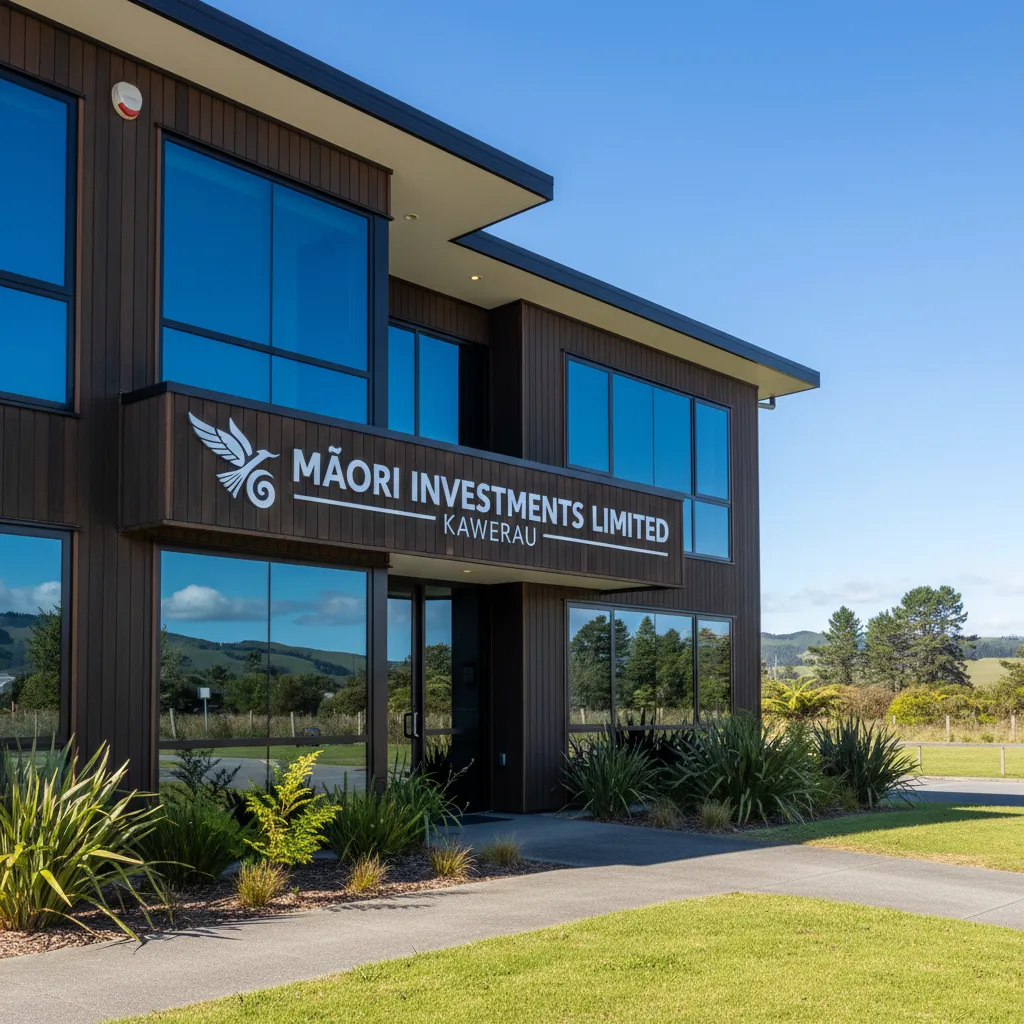
To obtain a Mt Putauaki hiking permit in 2025, you must visit the Māori Investments Limited (MIL) office located on Waterhouse Street in Kawerau. Permits are generally issued for daytime access between 8:00 AM and 4:00 PM. Hikers must sign a waiver, pay a nominal administration fee, and strictly adhere to forestry safety protocols and cultural restrictions.
The 2025 Permit Application Process
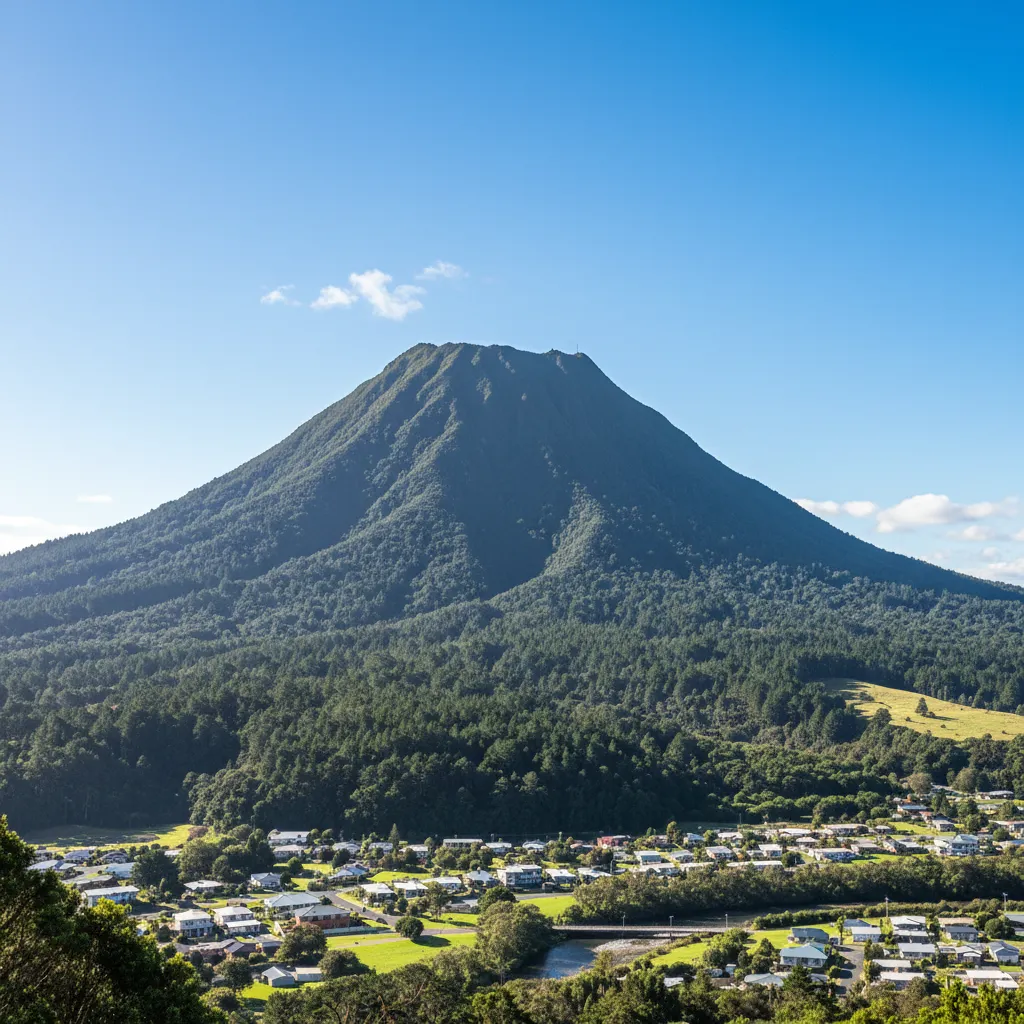
Gaining access to Mt Putauaki (also known as Mt Edgecumbe) is a privilege, not a right. Unlike public conservation land managed by the Department of Conservation (DOC), Mt Putauaki is privately owned Māori land, managed by Māori Investments Limited (MIL). The mountain is an operational forestry zone and a site of immense cultural importance, meaning access is strictly controlled.
For hikers and tourists visiting Kawerau in late 2024 and throughout 2025, understanding the permit system is the first step to a successful summit. You cannot simply show up at the base of the mountain and start climbing; doing so is considered trespassing and poses significant safety risks due to active logging trucks and forestry operations.
Step-by-Step Guide to Obtaining Your Permit
The process remains largely manual to ensure that every hiker is personally briefed on current hazards. Here is the standard procedure for securing your pass:
- Visit the MIL Office: You must go in person to the Māori Investments Limited office. This is located at the top of Waterhouse Street in Kawerau. It is advisable to go during standard business hours (Monday to Friday, 8:30 AM – 4:30 PM).
- Check Weekend Availability: If you plan to hike on a weekend, you usually need to arrange your permit on the Friday prior. The offices are typically closed on weekends, and security guards at the mountain gate will not issue permits on the spot.
- Sign the Waiver: You will be required to read and sign a health and safety indemnity form. This document acknowledges that you understand the risks associated with hiking in an operational forest and on steep, uneven terrain.
- Pay the Fee: There is often a nominal administration fee (historically around $5-$10 NZD per person, though this is subject to change). This contributes to the administration of access and maintenance of the track.
- Receive the Key/Code: Depending on the current access protocol, you may be given a key, a gate code, or a physical paper permit to display on your dashboard. Do not lose this.
Critical Access Restrictions
It is vital to note that permits may be suspended without notice. The most common reasons for permit suspension include:
- High Fire Danger: During the peak of Kawerau’s summer (January–February), the mountain is frequently closed. The dry forestry blocks are a massive fire risk, and public access is completely halted to prevent accidental ignition.
- Forestry Operations: If logging crews are working near the main access road or the summit track, the mountain will be closed to recreational users for safety.
- Cultural Events: As a sacred Maunga, access may be restricted during times of mourning (Tangihanga) or other significant tribal events.
Cultural Significance and Tikanga (Rules)
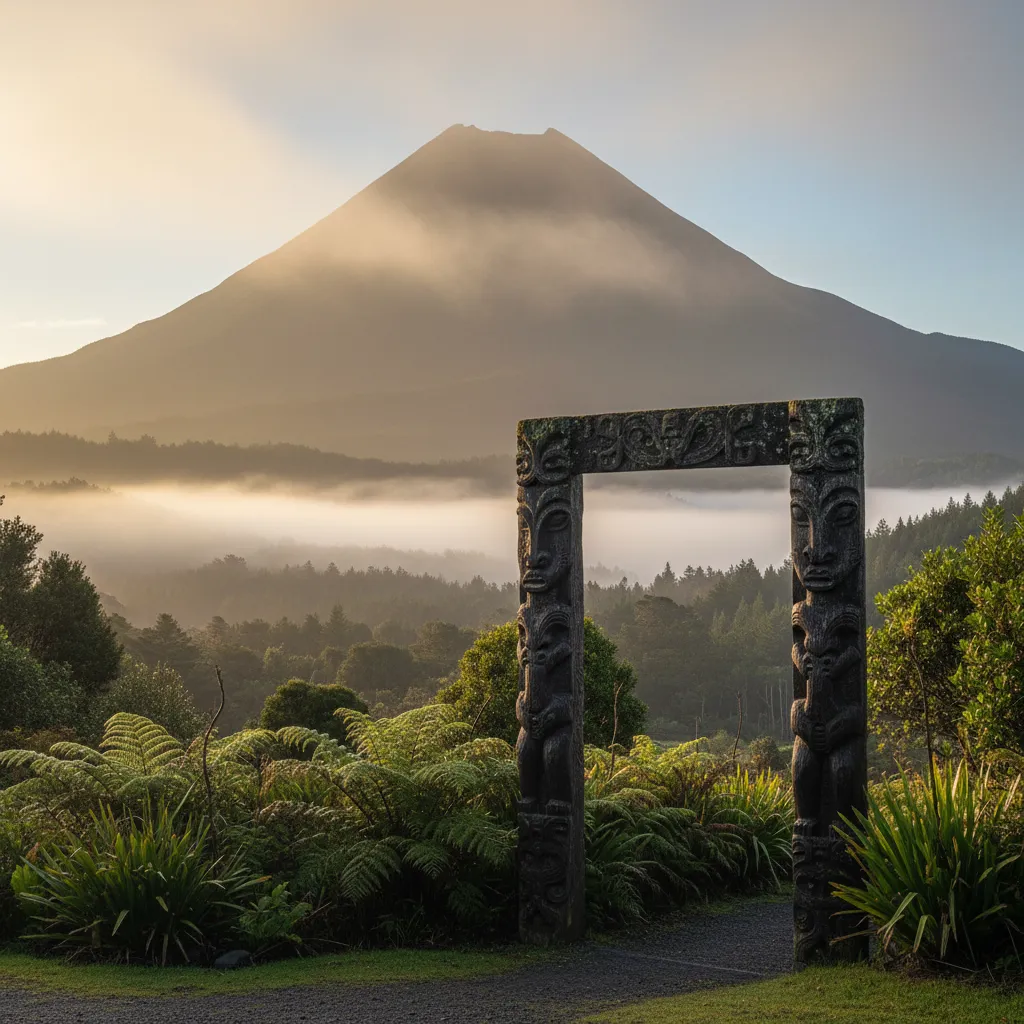
Mt Putauaki is the defining landmark of the Eastern Bay of Plenty and holds deep spiritual significance for the local iwi, particularly Ngāti Awa and Tūwharetoa ki Kawerau. To hike this mountain is to walk on the ancestors of the local people. Understanding this context enriches the experience and ensures you conduct yourself with the necessary respect.
The Legend of Putauaki
According to local legend, Putauaki was once a mountain located near the centre of the North Island, part of the great gathering of mountains including Tongariro, Ngāuruhoe, and Ruapehu. Putauaki fell in love with Pīhanga, the mountain wife of Tongariro. After a dispute, Putauaki was banished and travelled north towards the sea. He stopped at Kawerau as the sun rose, freezing him in his current location forever. He stands lonely but proud, guarding the chaotic geothermal lands beneath him.
Rules of Respect (Tikanga)
When you are granted a permit, you are a guest. Strictly adhere to these rules to ensure access remains open for future hikers:
- No Alcohol or Drugs: This is strictly prohibited. The summit is a place of clarity and respect.
- Pack In, Pack Out: There are no rubbish bins on the mountain. Take every wrapper, bottle, and tissue back down with you.
- Stay on the Track: Do not wander into the forestry blocks. These are working environments and may also contain waahi tapu (sacred sites) that must not be disturbed.
- No Dogs: Generally, dogs are not permitted due to kiwi populations in the area and potential conflict with forestry operations.
Trail Difficulty and What to Expect
Hiking Mt Putauaki is not a casual stroll; it is a serious physical undertaking that rewards effort with some of the best views in the North Island. The mountain rises to 820 metres (2,690 ft) above sea level, and the ascent is relentless.
The Main Access Road vs. The Track
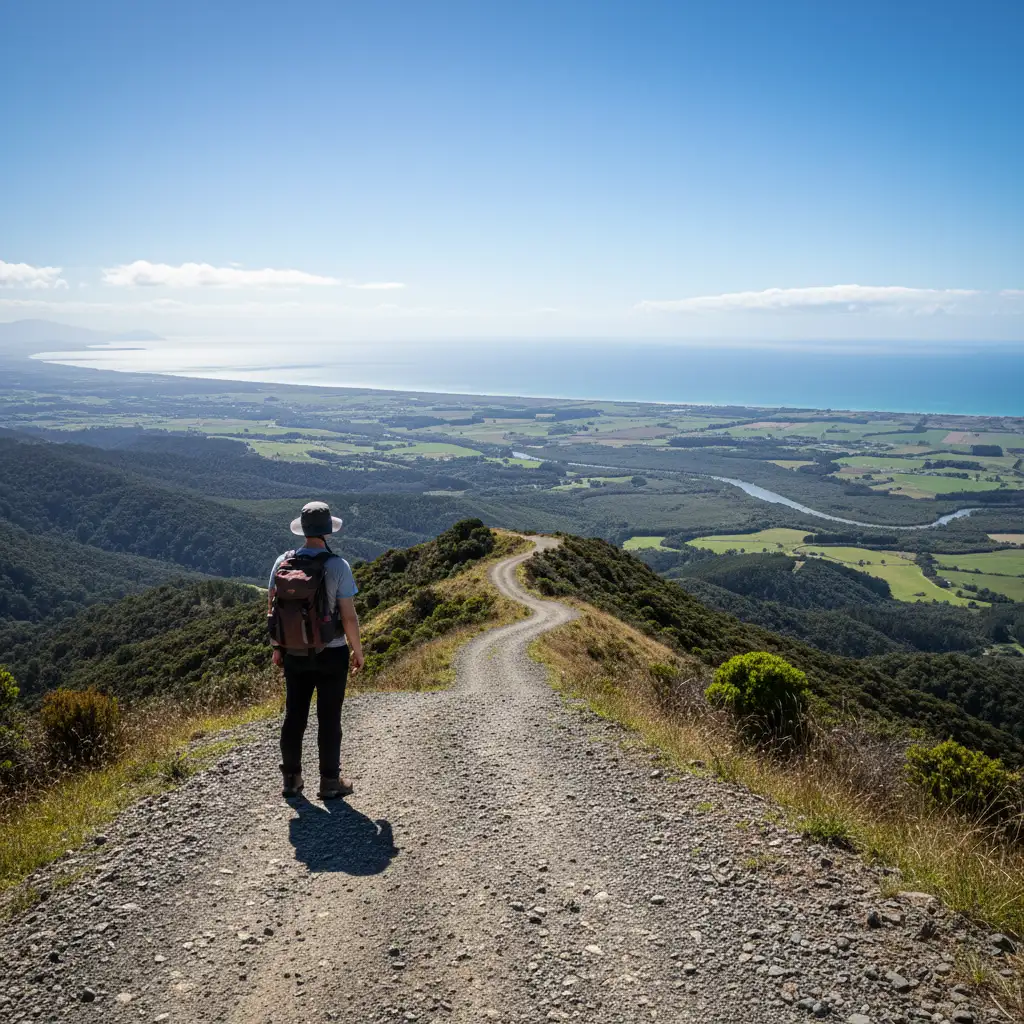
There are generally two ways to ascend, though the permit usually specifies the route. The most common route for the public follows the 4WD access road that winds up the mountain. While this is a “road,” it is steep, unsealed, and exposed to the elements.
Difficulty Rating: Hard
Time to Summit: 2 to 3 hours (one way).
Total Return Time: 3 to 5 hours.
Elevation Gain: Approx. 700m from the base.
The gradient is consistent and steep. Unlike hiking tracks with switchbacks and steps, the road simply powers straight up the incline in many sections. Hikers need a moderate to high level of fitness. The surface can be loose gravel (scoria), which makes footing slippery, especially on the descent.
The Summit Views
Once you reach the top, the radio mast signals your arrival. The crater rim offers a spectacular 360-degree panorama. On a clear day, you can see:
- North: Whakaari (White Island) smoking in the distance and the vast Pacific Ocean.
- West: Mt Tarawera and the lakes of the Rotorua district.
- South: The snowy peaks of Ruapehu and Tongariro (on exceptionally clear winter days).
- East: The Raukumara ranges.
The crater itself houses a small lake, green with algae and surrounded by native vegetation that is slowly reclaiming the volcanic vent. It is a serene, otherworldly spot contrasting with the industrial energy of the mill town below.
Preparation, Safety, and Gear
Kawerau’s climate can be deceptively hot in summer and surprisingly cold at altitude. Preparation is key to avoiding dehydration or injury.
Essential Gear Checklist
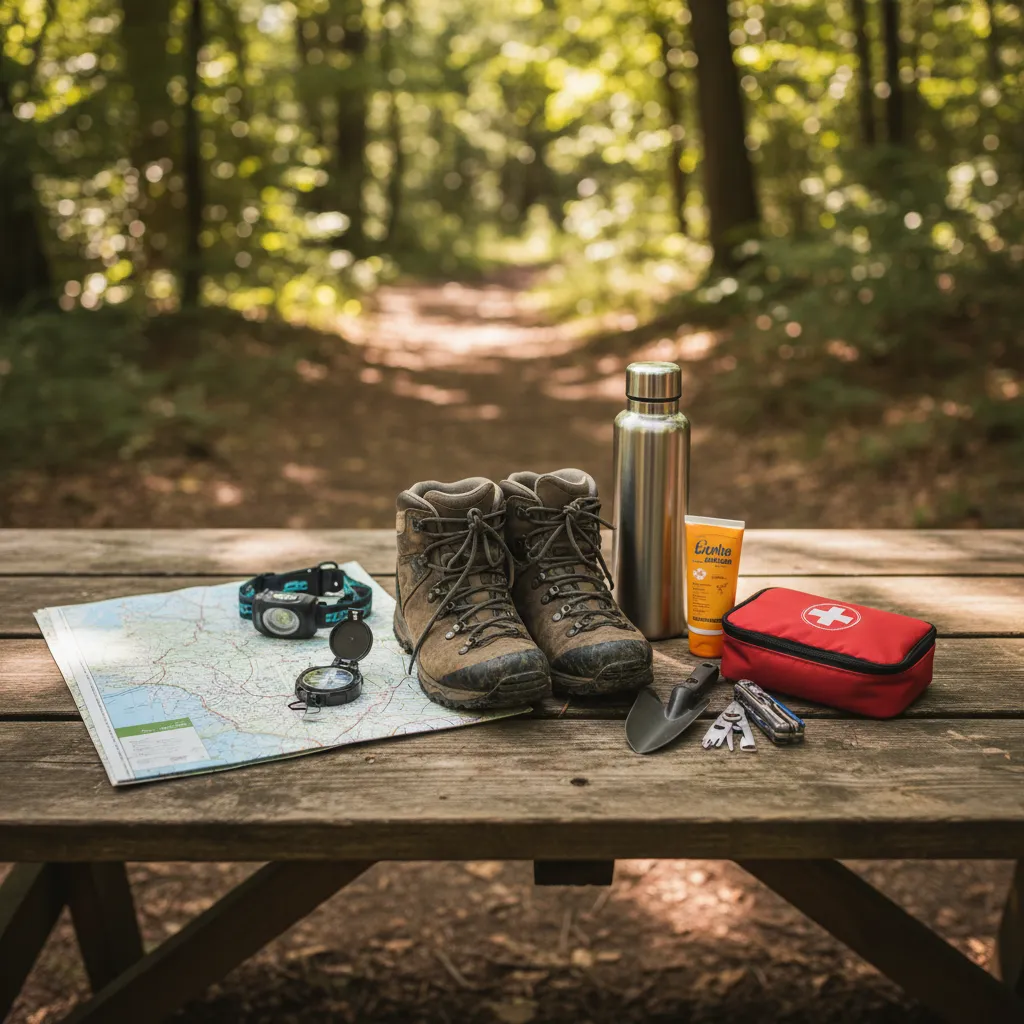
- Footwear: Heavy-duty hiking boots are recommended. The scoria rock is sharp and unstable. Sneakers often provide insufficient ankle support for the descent.
- Water: Bring at least 2-3 litres per person. There are no water sources on the mountain. The exposed road offers little shade, leading to rapid dehydration.
- Sun Protection: The UV index in the Bay of Plenty is high. Wide-brimmed hats and SPF 50+ are mandatory.
- Communication: Cell phone coverage is generally good near the top (due to the radio mast), but can be patchy in the lower forestry blocks. Tell someone your plans before you leave.
Forestry Hazards
You must remain vigilant for heavy machinery. Even on weekends, maintenance vehicles may be using the road. Always walk on the side of the road, and if you hear a vehicle approaching, stop and move as far off the track as safely possible to let them pass. Dust can obscure visibility for drivers, so bright clothing is highly recommended.
Kawerau: The Gateway to Adventure
Securing a permit for Mt Putauaki is often the highlight of a trip, but it signals a broader shift in how Kawerau is perceived. No longer just an industrial mill town, Kawerau is undergoing a rebranding as a lifestyle destination for those who love the outdoors but seek affordability.
After your hike, the town offers unique recovery options. The Kawerau Free Thermal Pool is a local treasure—a municipally run hot pool that is free to the public, perfect for soothing legs after a 700m descent. Furthermore, the Tarawera River offers world-class kayaking and slalom canoeing courses.
For those interested in real estate, the ability to have a mountain like Putauaki in your backyard—accessible for the price of a permit—is a significant draw. The community is tight-knit, and the connection to the land (whenuatanga) is palpable. Respecting the permit process is your first introduction to being a good member of this community, whether you are visiting for a day or looking to stay for a lifetime.
Frequently Asked Questions
Is Mt Putauaki open to the public every day?
No. Access is restricted and requires a permit. The mountain is often closed during high fire danger periods (summer) or for forestry operations. Always check with Māori Investments Limited before planning your trip.
How much does a Mt Putauaki permit cost?
The cost is nominal, typically between $5 and $10 NZD per person for administration fees. This must be paid at the MIL office in Kawerau.
Can I drive to the top of Mt Putauaki?
Generally, no. Permits are issued for hiking. Vehicle access is restricted to maintenance crews, forestry workers, and iwi management. Exceptions are rare and usually for specific events.
What is the King of the Mountain race?
The Prince and Princess of the Mountain and the King of the Mountain are annual races held in Kawerau. It is one of the toughest mountain races in New Zealand. During this event, access is managed specifically for competitors and spectators.
Are dogs allowed on Mt Putauaki?
No, dogs are typically prohibited to protect local wildlife (including Kiwi) and to ensure safety within the working forest environment.
How hard is the hike up Mt Putauaki?
It is considered a hard hike due to the steep, relentless gradient and loose metal road surface. A good level of cardiovascular fitness is required, and the return trip takes 3 to 5 hours.