
Rental yield in Kawerau typically outperforms national averages, often sitting between 5% and 7% gross yield due to lower comparative entry prices and steadily increasing rental demand. Investors favor this Bay of Plenty district for its strong cash-flow potential, driven by a tight rental market and an evolving local economy shifting toward tourism and sustainable industry.
For decades, Kawerau was viewed strictly through the lens of the timber industry. However, a significant market shift is underway. With the district’s strategic rebranding as a lifestyle gateway to the Bay of Plenty and the rise of geothermal tourism, property investors are finding unique opportunities that balance affordability with high returns. This guide provides a comprehensive analysis of rental yield mechanics specifically for the Kawerau market.
The Kawerau Investment Context: Beyond the Mill
To accurately analyze rental yield in Kawerau, one must first understand the unique economic landscape of the district. Historically, property values here were suppressed, largely tied to the fortunes of the Tasman Mill. However, the narrative is changing. The local council and business leaders have aggressively pursued a rebranding strategy, positioning Kawerau not just as an industrial hub, but as the “Heart of the Bay of Plenty.”
This rebranding focuses on three pillars: industrial symbiosis (sustainable energy), retirement living (capitalizing on the flat terrain and climate), and adventure tourism. For the investor, this signals stability. A diverse economy reduces the risk of vacancy periods, which is the primary killer of rental yield.
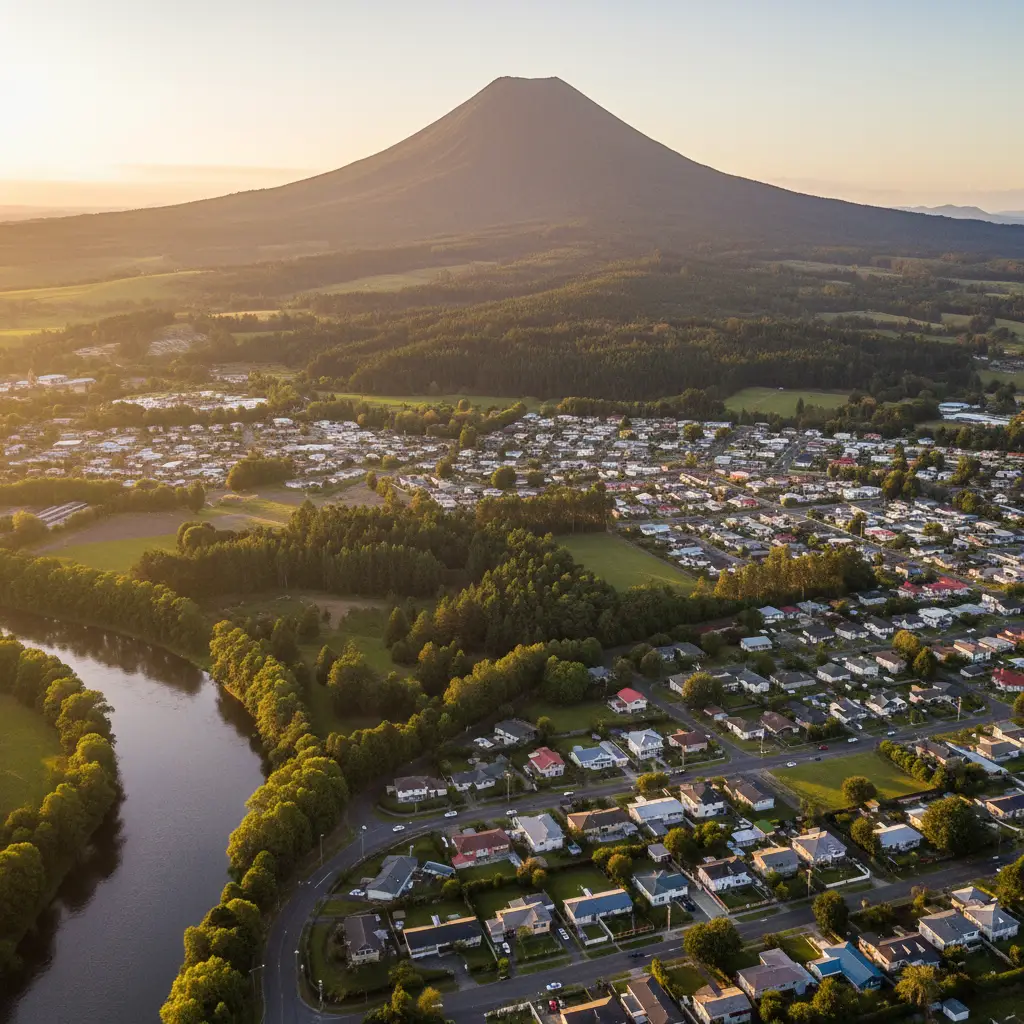
While Auckland and Tauranga investors often accept yields of 2-3% in exchange for capital gains, Kawerau remains a cash-flow king. The entry price for a standard three-bedroom home remains significantly lower than the national median, yet the rent chargeable has risen disproportionately fast due to a regional housing shortage. This disparity creates the “yield gap” that savvy investors are currently exploiting.
Average Weekly Rents and Tenant Demographics
Understanding the income side of the ledger is critical. In Kawerau, rental prices have seen a sharp trajectory upward over the last five years. The days of sub-$200 weekly rents are long gone. As of late 2023 and moving into 2024, the market has stabilized at new highs.
Current Market Rates
Investors should budget their yield forecasts based on the following conservative estimates for compliant, tidy properties:
- 2-Bedroom Units: typically range from $380 to $450 per week.
- 3-Bedroom Standalone Homes: typically range from $480 to $560 per week.
- 4-Bedroom Executive/Renovated Homes: can command upwards of $600+ per week.
These figures are driven by a lack of new stock and high demand from families moving inland from Whakatane and Tauranga seeking affordability. The tenant demographic in Kawerau is also shifting. While there is still a base of industrial workers, there is an influx of retirees and young families who work remotely or commute to the coast.
Vacancy Rates
Kawerau historically maintains a very low vacancy rate. When a property is priced correctly and meets Healthy Homes Standards, it is not uncommon to receive dozens of applications within the first 48 hours. This high demand supports a consistent 52-week rental income assumption in your yield calculations, provided the property is managed well.
Gross vs. Net Yield Calculations: The Kawerau Formula
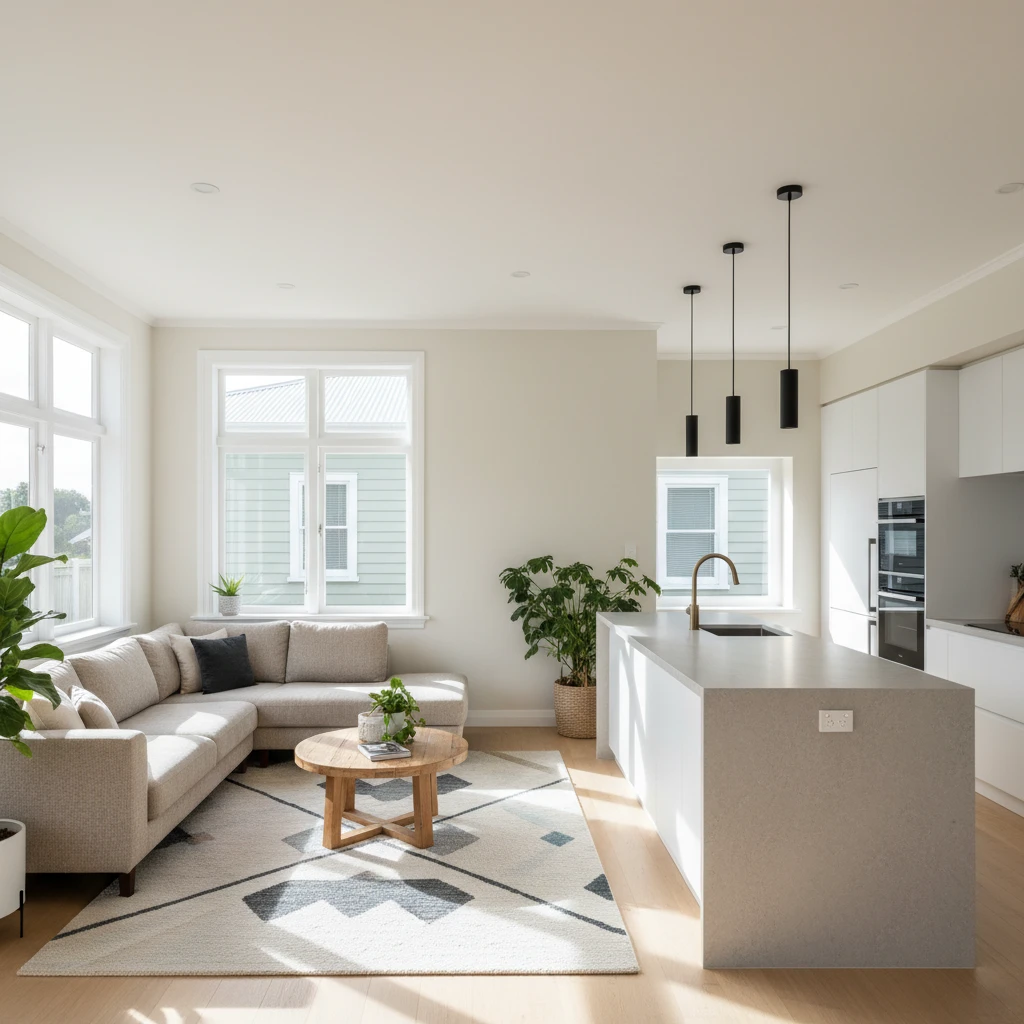
Novice investors often make the mistake of making purchasing decisions based solely on gross yield. However, in older provincial towns like Kawerau, the gap between gross and net yield can be substantial due to maintenance and operational costs. Here is how to calculate the true ROI.
How to Calculate Gross Rental Yield?
The gross yield is a simple calculation used for a quick “glance” at a property’s potential.
Formula: (Weekly Rent x 52) / Purchase Price x 100
Example:
Purchase Price: $450,000
Weekly Rent: $520
Annual Rent: $27,040
Gross Yield: 6.0%
How to Calculate Net Rental Yield?
The net yield paints the real picture of your cash flow. It accounts for all holding costs excluding mortgage interest (which is a financing cost, not a property cost).
Formula: [(Annual Rent – Annual Expenses) / (Purchase Price + Buying Costs)] x 100
In Kawerau, your expense ratio might be higher than in a new-build suburb. Many Kawerau homes are timber-framed builds from the 1960s-80s. While robust, they require ongoing maintenance.

Hidden Costs: Rates, Insurance, and Healthy Homes
To derive an accurate net yield for rental yield Kawerau analysis, you must factor in specific local costs. Overlooking these can turn a positive cash flow property into a liability.
Kawerau District Council Rates
While property values are lower, Council rates are not always proportionately low. Kawerau has a smaller ratepayer base compared to large cities, meaning the cost per household for infrastructure can be higher. Investors should budget between $2,800 and $3,500 annually for rates, depending on the capital value.
Insurance Premiums
Insurance is a critical factor in the Bay of Plenty. Due to the region’s geothermal activity and seismic profile, insurance premiums have risen. Furthermore, older wiring or plumbing in original mill houses can increase premiums or require upgrades before cover is granted. Always get an insurance quote before going unconditional, as this will directly impact your net yield.
Healthy Homes Standards Compliance
Many investment properties in Kawerau are older stock. Bringing these up to the current Healthy Homes Standards (heating, insulation, ventilation, moisture ingress, and drainage) is mandatory. If you are buying a “do-up,” you must factor an additional $5,000 to $15,000 into your initial investment (the denominator in your yield calculation) to cover heat pumps, ground vapor barriers, and extractor fans.
The Impact of Tourism Rebranding on Short-Term Yields
Is there a case for Airbnb in Kawerau? The district’s rebranding strategy is heavily focused on tourism, highlighting assets like the Tarawera River (slalom kayaking), the Tarawera Ultramarathon, and proximity to Rotorua’s lakes.
Short-term accommodation can offer significantly higher gross yields—potentially 8-10%—but it comes with higher volatility and management costs. Currently, there is a shortage of quality motel accommodation in the town. Investors who renovate properties to a high standard for short-term stays (targeting contractors, visiting professionals, and event attendees) may find a lucrative niche.
However, for the passive investor, long-term residential leasing remains the safest route to a consistent rental yield in Kawerau. The vacancy risk with short-term rentals in a developing tourism market is a variable that requires active, hands-on management.
Property Management Services in the District
Effective property management is the safeguard of rental yield. Poor management leads to rent arrears and property damage, which decimates returns.
Self-Management vs. Professional Management
Given the regulatory environment (Residential Tenancies Amendment Act), self-management is becoming increasingly risky. In Kawerau, professional property management fees typically range from 8% to 10% of collected rent + GST. While this reduces your gross income, a good manager preserves the asset’s value.
Local property managers have intimate knowledge of the specific tenant pool in Kawerau. They perform the necessary credit checks and, crucially, regular inspections to ensure the older housing stock is being ventilated and cared for properly. When calculating your net yield, deducting 10% for management is a prudent measure to ensure your figures are robust.

Future Outlook: Capital Gains vs. Cash Flow
The trajectory for Kawerau is promising. As the Eastern Bay of Plenty grows, the “ripple effect” from Whakatane and Tauranga continues to push value inland. While the primary attraction today is high rental yield, the rebranding efforts and infrastructure improvements suggest a potential for steady capital appreciation.
Investors should view Kawerau as a long-term hold. The yield provides the servicing ability to hold the asset, while the gradual gentrification of the town and the success of the industrial/tourism pivot will likely drive capital value over the next decade. For a balanced portfolio, a high-yield Kawerau property acts as an excellent counter-weight to low-yield, high-growth assets in major metros.
People Also Ask
Is Kawerau a good place to invest in property?
Yes, Kawerau is considered a strong location for cash-flow investors. It offers high rental yields (often 5-7%) and affordable entry prices compared to the rest of New Zealand. The town is also undergoing economic revitalization, which improves long-term stability.
What is the average house price in Kawerau?
As of recent market data, average house prices in Kawerau generally sit between $400,000 and $550,000. This affordability is a key driver for the high rental yields achieved in the district.
Why are rental yields higher in Kawerau?
Yields are higher because the ratio of rent to purchase price is more favorable than in major cities. While purchase prices are low, rental demand is high due to a housing shortage, allowing investors to charge competitive market rents.
What are the risks of investing in Kawerau?
Main risks include the reliance on older housing stock which may require higher maintenance, and socioeconomic factors in certain neighborhoods. However, thorough due diligence and professional property management can mitigate these risks effectively.
How much does property management cost in Kawerau?
Property management fees in Kawerau typically range from 8% to 10% of the rent collected, plus GST. This usually covers tenant vetting, inspections, rent collection, and maintenance coordination.
Are house prices dropping in Kawerau?
Like most of New Zealand, Kawerau saw market corrections following the post-COVID boom. However, prices have shown resilience due to the high yield potential and the genuine demand for affordable housing in the Bay of Plenty region.