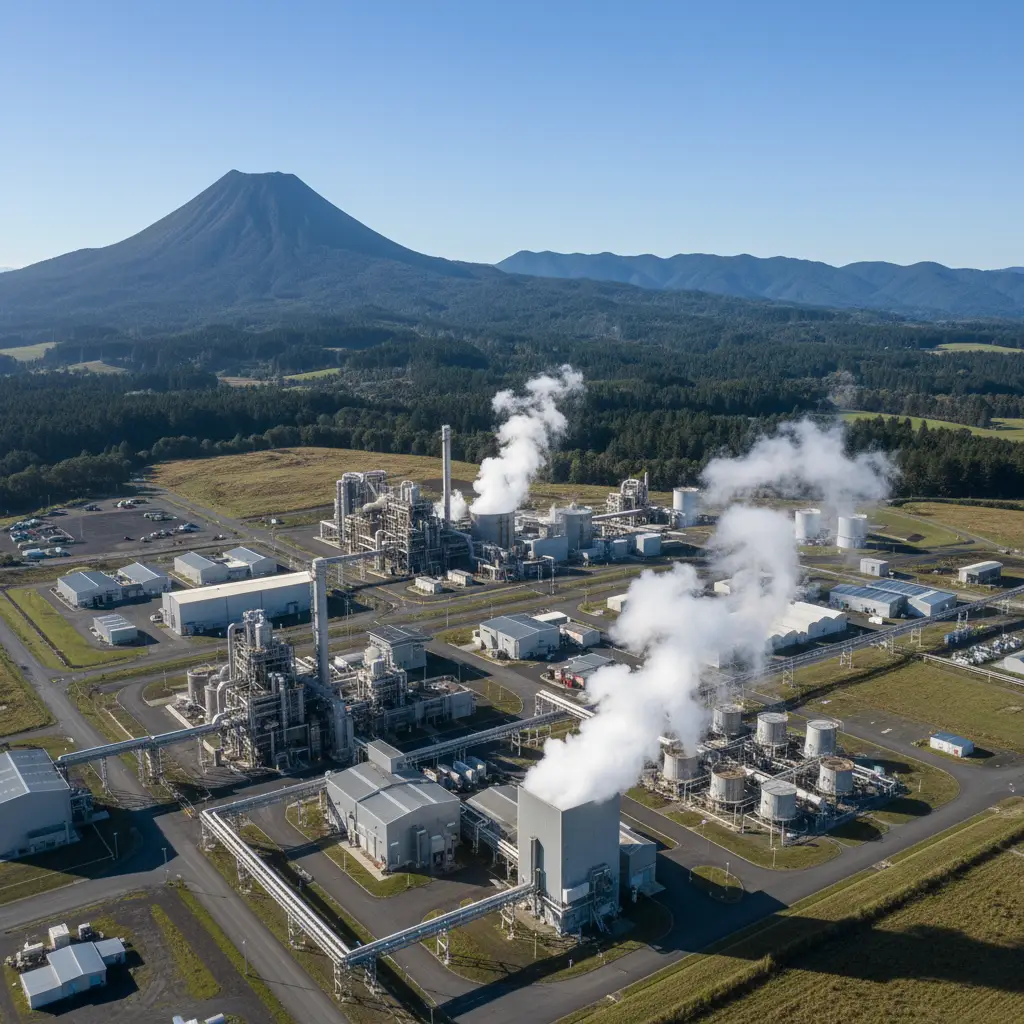
Industrial tourism in Kawerau focuses on the region’s globally significant wood processing and geothermal energy sectors. Visitors, particularly educational groups, can explore the history and operations of iconic pulp and paper mills, witnessing how sustainable manufacturing is powered by the area’s abundant natural geothermal steam resources.
Kawerau, situated in the heart of the Bay of Plenty, is not just a scenic town framed by the majestic Mount Pūtauaki; it is the industrial heartbeat of New Zealand’s forestry sector. Known as the “wood basket” of the country, Kawerau offers a unique form of tourism that diverges from typical scenic sightseeing.
What is Industrial Tourism in Kawerau?
Industrial tourism in Kawerau is a specialized niche that invites visitors to observe the operational processes of the town’s primary economic drivers. Unlike passive tourism, this involves engaging with the mechanics of production, understanding the supply chain of timber, and witnessing the chemical and physical transformation of wood into paper, pulp, and tissue products.
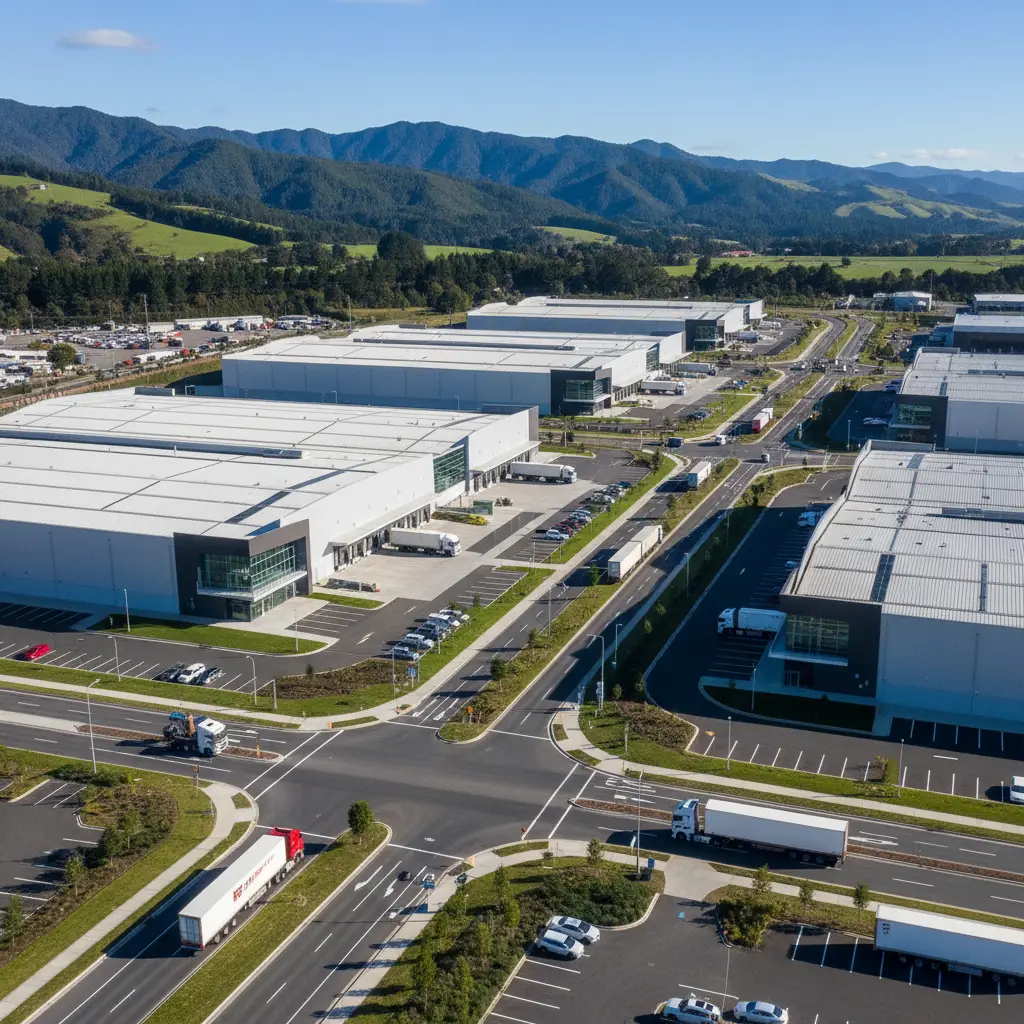
The town was essentially built in the 1950s to support the Tasman Pulp and Paper Mill, creating a community deeply intertwined with industrial progress. Today, this sector has evolved to include sophisticated sawmilling, bio-energy production, and heavy engineering support services. For tourists, particularly those with an interest in engineering, chemistry, and economics, Kawerau offers a living laboratory.
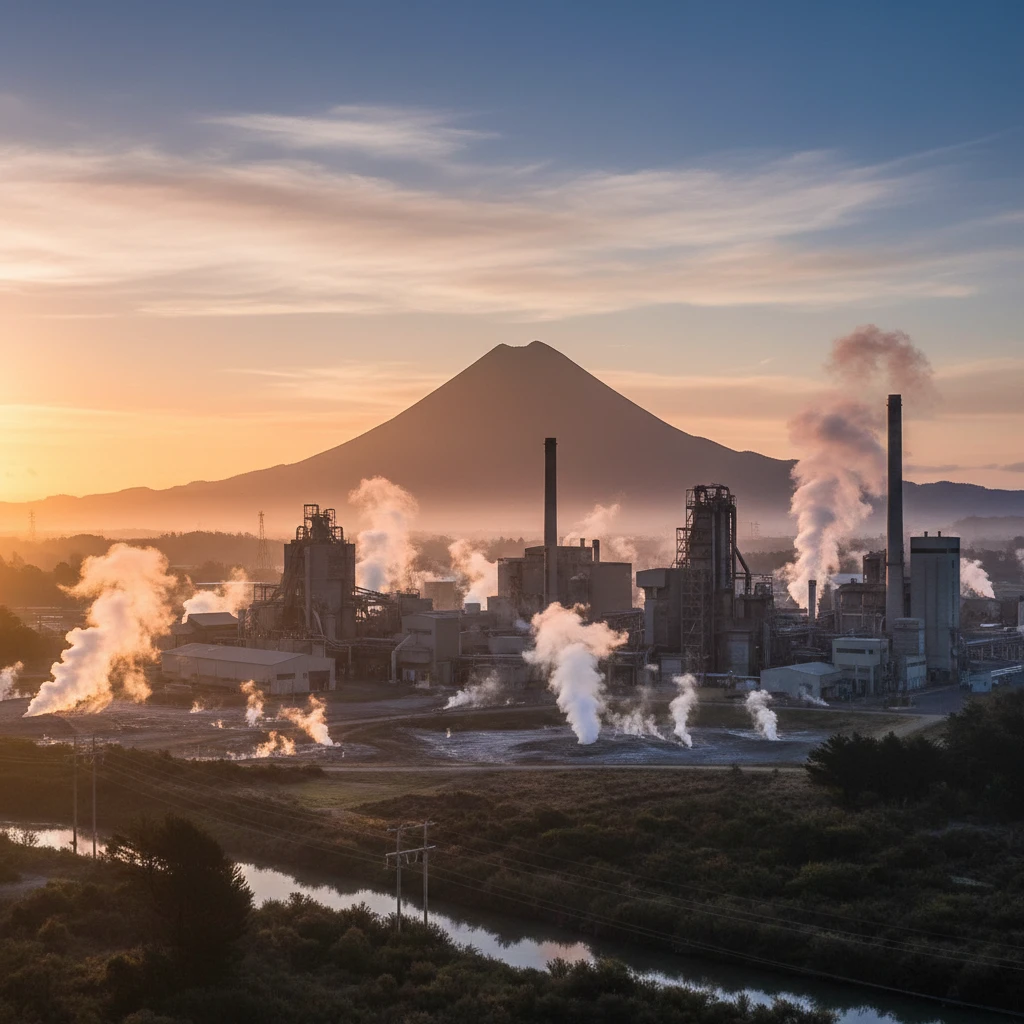
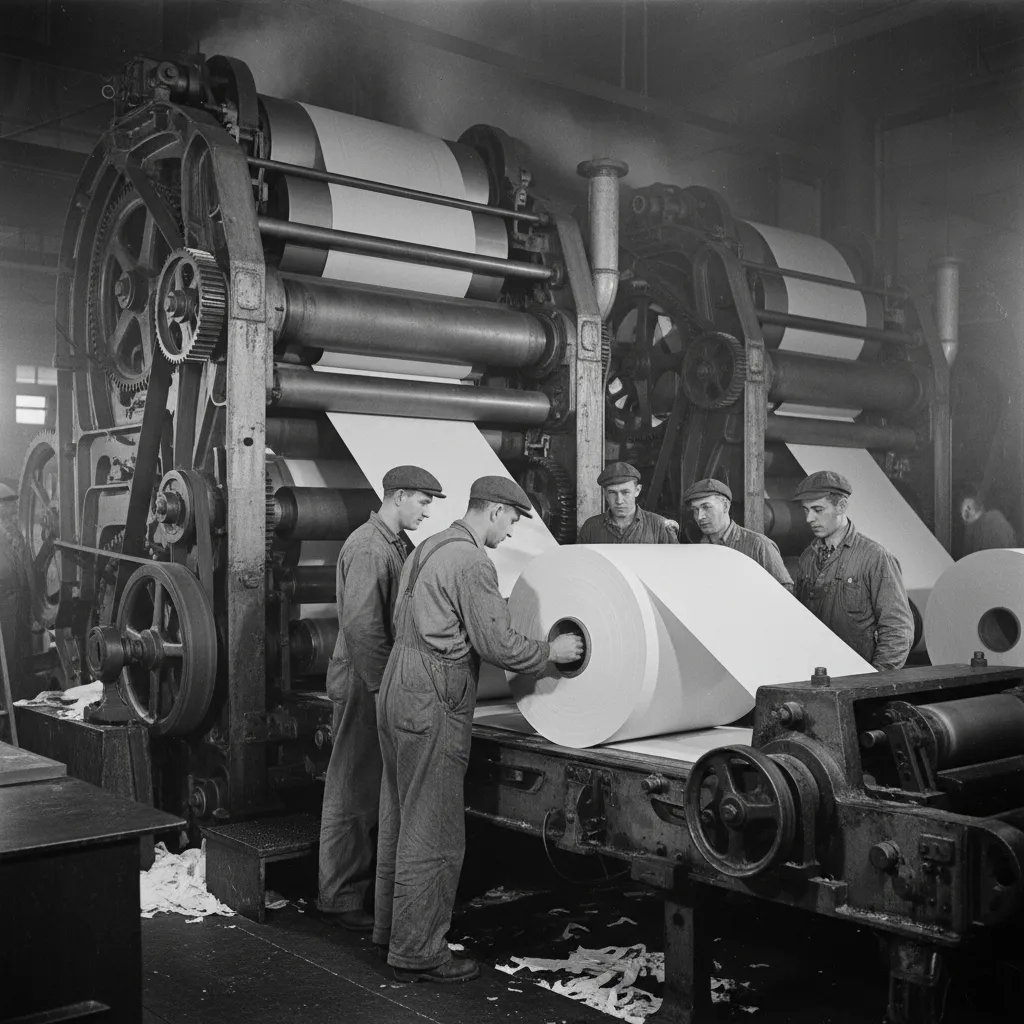
The appeal lies in the scale of operations. The machinery used in these facilities is massive, often operating 24 hours a day, 365 days a year. Watching a paper machine turn liquid pulp into reels of paper moving at high speeds is an awe-inspiring experience that highlights human ingenuity. Furthermore, the integration of Māori culture and stewardship (kaitiakitanga) into modern industrial practices adds a unique cultural layer to the industrial narrative in Kawerau.
The History of Pulp and Paper in New Zealand
To understand the significance of industrial tourism in Kawerau, one must understand the history of the pulp and paper industry in New Zealand. This history is anchored in the decision made by the New Zealand government in the early 20th century to plant the Kaingaroa Forest, which is now one of the largest planted forests in the southern hemisphere.
By the 1950s, these forests were ready for harvest, necessitating a massive industrial processing capability. Kawerau was chosen as the site for the Tasman Pulp and Paper Mill due to its proximity to the forest, the availability of fresh water from the Tarawera River, and, crucially, access to geothermal steam for energy. The construction of the mill was a monumental national project, attracting workers from across the globe and leading to the establishment of the Kawerau township.
The Legacy of Tasman
For decades, the “Tasman” brand was synonymous with New Zealand newsprint. The site has seen various ownership changes and technological upgrades, transitioning through Fletcher Challenge to Norske Skog and Oji Fibre Solutions. Each era brought new technologies and efficiencies, shifting from labor-intensive processes to highly automated systems.
Understanding this history provides context for the modern industrial landscape. Visitors on historical industrial tours learn about the social impact of the mill, the evolution of labor relations, and the technological leaps that have allowed New Zealand to compete in the global forestry market. It is a story of economic resilience and adaptation.
How Does Geothermal Energy Power Industry?
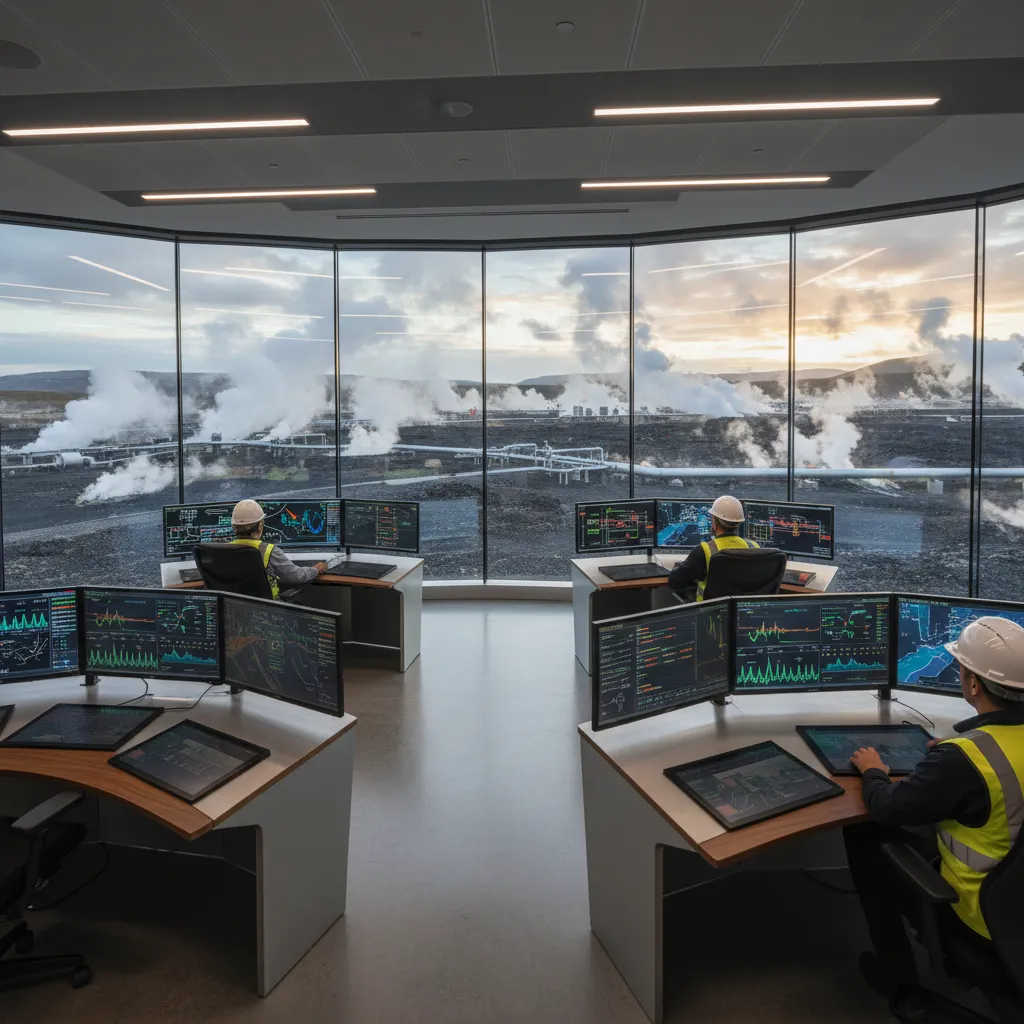
A distinct feature of industrial tourism in Kawerau is the focus on renewable energy. Kawerau is home to the world’s largest application of geothermal energy for direct industrial use. This is a major draw for visitors interested in sustainability and green energy.
Unlike other industrial zones that rely heavily on fossil fuels, Kawerau’s heavy industry is powered by the heat of the earth. The Kawerau geothermal field provides high-pressure steam used directly in the drying of paper, the processing of timber, and the generation of electricity. This symbiotic relationship between the land and industry is a focal point of educational tours.
Ngāti Tūwharetoa (Bay of Plenty) Settlement Trust plays a pivotal role here, owning and managing geothermal assets. Their involvement highlights a successful model of indigenous commercial leadership. Tourists can see the steam lines crisscrossing the landscape, connecting bore fields to factories, a visual representation of sustainable industrial ecology. Learning how steam is separated, harnessed, and reinjected into the ground offers valuable insights into circular economy principles.
Educational Tours for Schools and Groups
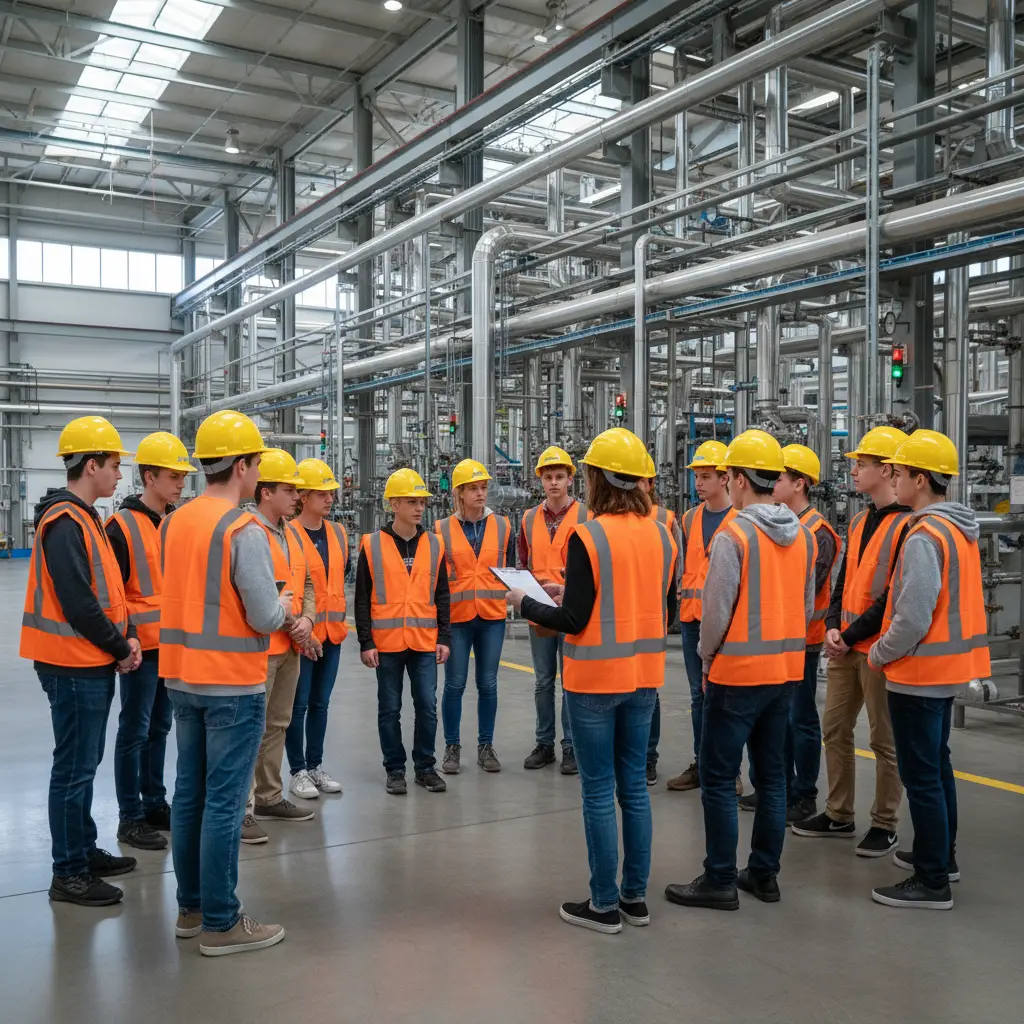
Industrial tourism in Kawerau is primarily geared towards education. Schools, universities, and technical institutes frequently utilize the region’s facilities for field trips. These tours are designed to align with STEM (Science, Technology, Engineering, and Mathematics) curriculums.
Key Educational Outcomes:
- Chemistry: Observing the chemical pulping process (Kraft process) where wood chips are converted into cellulose fibers.
- Physics & Engineering: Understanding thermodynamics in geothermal plants and the mechanics of high-speed paper production.
- Geography & Social Studies: analyzing resource management, town planning, and the economic geography of the Bay of Plenty.
- Sustainability: Examining bio-energy, waste-to-energy conversion, and environmental compliance.
These visits are often coordinated through specific educational outreach programs run by the major companies or local economic development agencies like Industrial Symbiosis Kawerau (ISK). The goal is to inspire the next generation of engineers, operators, and scientists by showing them real-world applications of their classroom learning.
What Are the Safety Requirements for Site Visits?
Safety is the paramount priority in any heavy industrial environment. Industrial tourism in Kawerau is strictly regulated to ensure the wellbeing of all visitors. These are not open-access sites; they are hazardous working environments with moving machinery, high temperatures, and chemical processes.
If you are planning a visit, you must be prepared to adhere to strict protocols:
- Personal Protective Equipment (PPE): All visitors are required to wear specific PPE. This typically includes steel-capped boots, high-visibility vests, safety glasses, hard hats, and often hearing protection. Long sleeves and long trousers are mandatory to protect skin from heat and abrasions.
- Inductions: Before entering any site, visitors usually undergo a safety induction. This briefing covers emergency evacuation procedures, hazard identification, and site rules.
- Age Restrictions: Due to safety regulations, there are often minimum age limits for entering operational areas. Primary school tours may be restricted to viewing platforms or visitor centers rather than the plant floor.
- Health Conditions: Visitors with pacemakers or respiratory issues may need to disclose this, as certain areas have magnetic fields or potential atmospheric contaminants (though strictly monitored).
- Prohibited Items: Loose clothing, jewelry, and sometimes mobile phones (due to distraction or spark risk) are restricted in certain zones.
How to Book a Professional Industry Tour
Booking a tour for industrial tourism in Kawerau requires advance planning. Unlike a museum, you cannot simply walk in. Access is granted at the discretion of the operating companies (such as Oji Fibre Solutions, Sequal Lumber, or Ngāti Tūwharetoa Geothermal Assets) and is usually reserved for educational or professional groups.
Steps to Arrange a Visit:
- Identify Your Purpose: clearly define why you want to visit. Is it for academic research, a school curriculum requirement, or professional benchmarking? Companies are more likely to approve requests with a clear educational or business purpose.
- Contact Industrial Symbiosis Kawerau (ISK): ISK is a key organization connecting the industries in the region. They often facilitate group visits and can direct inquiries to the appropriate personnel.
- Reach Out to Corporate Communications: For specific mills, contact their corporate affairs or communications department directly. Large companies like Oji Fibre Solutions often have dedicated community liaison officers.
- Plan Weeks Ahead: Approval processes can take time, as they involve security clearances and scheduling around maintenance shutdowns or high-production periods.
The Future of Industrial Tourism in the Bay of Plenty
As the world moves towards a bio-economy, Kawerau is positioning itself as a leader in sustainable manufacturing. This shift is likely to increase interest in industrial tourism. Future developments may see the creation of dedicated visitor centers that utilize Virtual Reality (VR) to allow tourists to “walk” through dangerous or inaccessible parts of the plant safely.
There is also a growing interest in the narrative of partnership between industry and Iwi (local tribes). The Kawerau model, where indigenous land owners are equity partners in major industrial assets, is a global success story. Future tourism initiatives will likely highlight this partnership, offering a holistic view that combines industry, culture, and environment. For the curious traveler and the dedicated student, Kawerau offers a profound look into the engine room of the New Zealand economy.
People Also Ask
What is the main industry in Kawerau?
The main industry in Kawerau is the forestry and wood processing sector. This includes the production of pulp, paper, timber, and tissue products, supported heavily by the geothermal energy industry which provides sustainable heat and power for these operations.
Can the public visit the paper mill in Kawerau?
General public access to the paper mills is restricted due to strict health and safety regulations. Tours are typically arranged for educational institutions, industry groups, or through specific community open days, rather than being open for casual walk-in tourism.
How does geothermal energy help Kawerau’s industry?
Geothermal energy provides a cost-effective, low-carbon source of process heat (steam) and electricity. This allows industries in Kawerau to dry timber and process pulp more sustainably and economically compared to using fossil fuels.
Is Kawerau a good place for school field trips?
Yes, Kawerau is excellent for school field trips, particularly for subjects like chemistry, physics, geography, and engineering. It offers real-world examples of industrial processes, renewable energy usage, and resource management.
What safety gear is needed for an industrial tour?
Visitors typically require full Personal Protective Equipment (PPE), including high-visibility vests, steel-capped safety boots, hard hats, safety glasses, and hearing protection. Long clothing is also required to cover skin.
Who owns the geothermal assets in Kawerau?
Significant geothermal assets in Kawerau are owned by Ngāti Tūwharetoa Geothermal Assets (NTGA), representing a successful model of indigenous ownership and management of natural resources for industrial application.