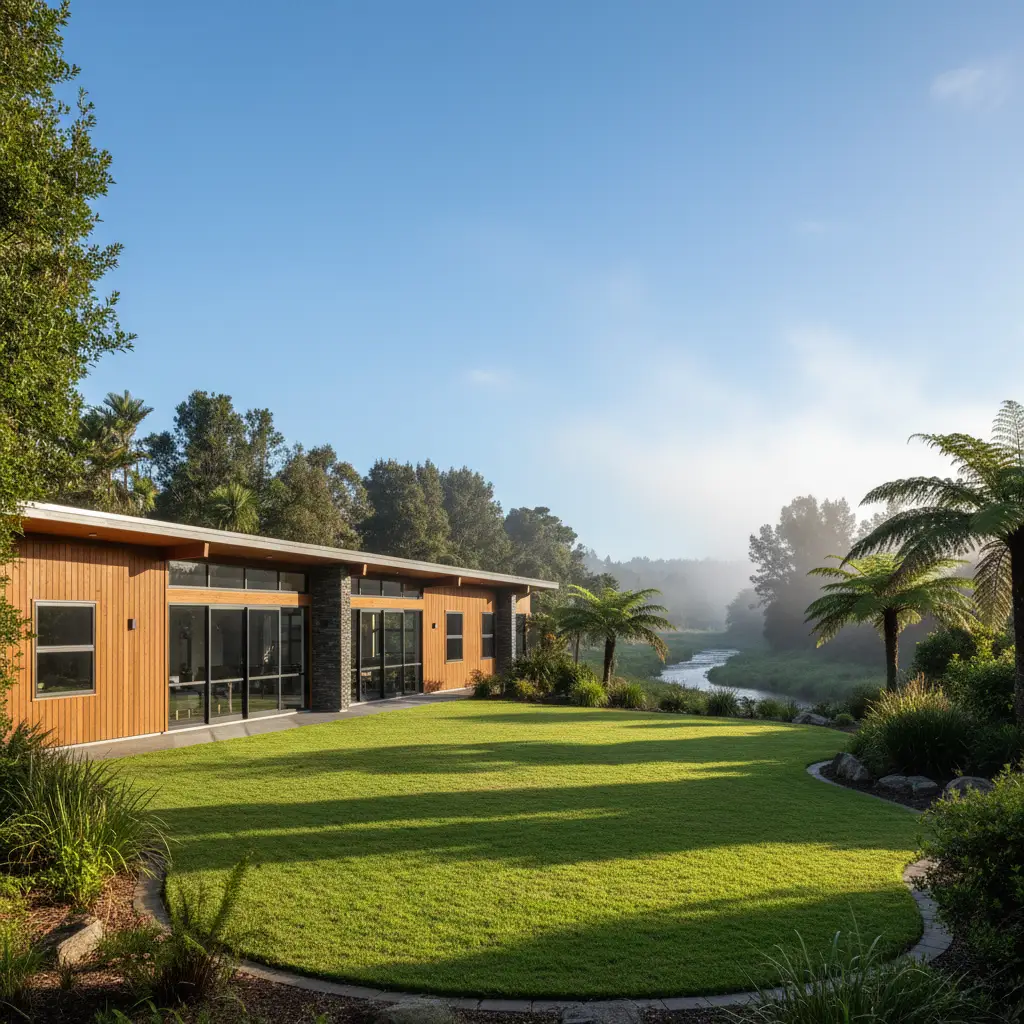
Kawerau photography spots offer a unique blend of industrial heritage and raw natural beauty. From the misty grandeur of Tarawera Falls to the geometric allure of the Tasman Mill and the spiritual presence of Mount Putauaki, this Bay of Plenty town provides diverse compositions for landscape and urban photographers seeking uncrowded, atmospheric locations.
Introduction: The Visual Renaissance of Kawerau
For decades, Kawerau was defined solely by its industry. However, a shift is occurring. Through the lens of a camera, the town is revealing itself as a location of stark, contrasting beauty—a place where the mechanical meets the mythical. For photographers, real estate investors, and lifestyle seekers, this evolution presents an unmissable opportunity. The region is undergoing a rebranding, moving from a purely utilitarian reputation to one of the Bay of Plenty’s best-kept secrets for outdoor lifestyle and visual arts.
This guide goes beyond the standard tourist map. It dives deep into the specific lighting conditions, compositions, and hidden corners that make Kawerau a playground for photographers. Whether you are shooting for a portfolio, a real estate listing, or Instagram, understanding the unique light and landscape of this volcanic valley is essential.
Mount Putauaki: Capturing the Guardian
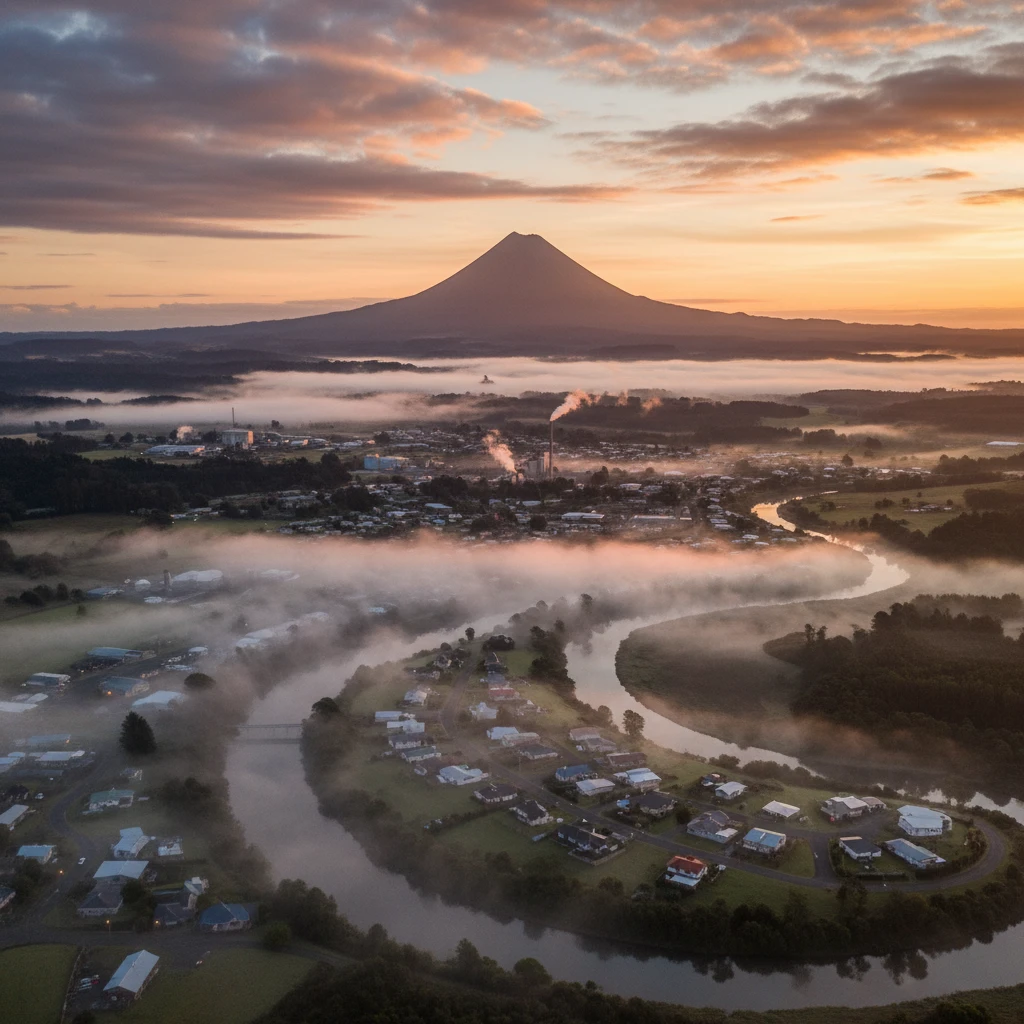
Mount Putauaki (Mt. Edgecumbe) is not merely a mountain; it is the visual anchor of the entire district. Its perfect volcanic cone shape rivals Taranaki, yet it remains far less photographed, offering you the chance to capture unique images that haven’t saturated social media feeds.
Best Vantage Points for Putauaki
To truly capture the scale of Putauaki, you need to step back. While close-ups from the base are texture-rich, the most dramatic shots are achieved from the outskirts of town. The straight roads leading into Kawerau act as natural leading lines, drawing the viewer’s eye directly to the summit.
The Golden Hour Strategy: The mountain dominates the eastern horizon. Consequently, sunset is the prime time for photography here. As the sun dips in the west, the eastern face of Putauaki catches the last, warm alpenglow. This contrasts beautifully with the darkening sky. If you are shooting real estate or lifestyle imagery, positioning a subject or a modern home in the foreground with the mountain in the background creates a compelling narrative of “living in nature.”
Technical Settings for Mountain Landscapes
When shooting Putauaki, depth of field is paramount. Aim for an aperture of f/11 to f/16 to ensure sharpness from the foreground tussock to the distant peak. If you are shooting at twilight to capture the silhouette, use a tripod and lower your ISO to 100 to maintain image quality and reduce noise in the shadows.
Tarawera Falls: Master Class in Long Exposure
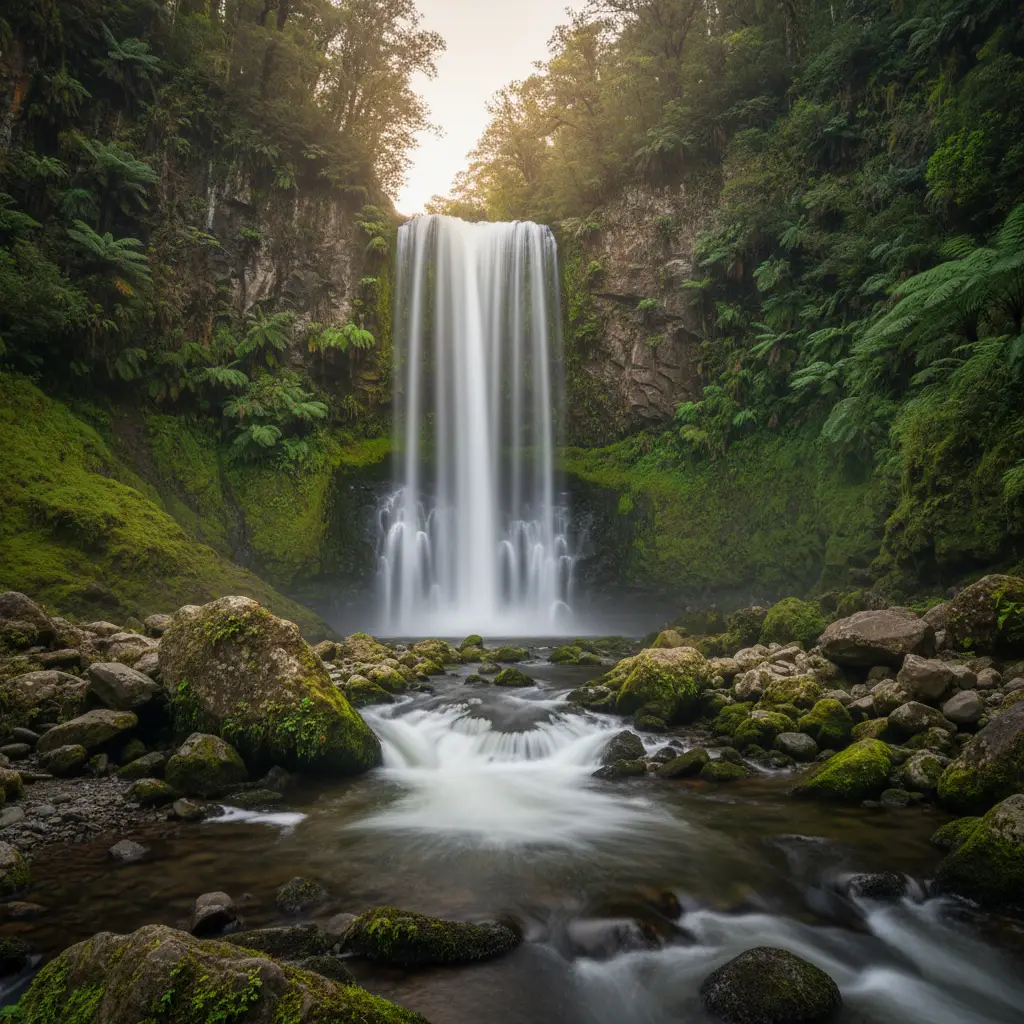
Just a short drive from the town center lies one of New Zealand’s most spectacular waterfalls. The Tarawera Falls do not cascade over a cliff edge in a traditional sense; rather, they burst from the center of a lava cliff face, creating a unique hydrological phenomenon that is mesmerizing on camera.
Composition and Angles
The primary viewing platform offers a direct line of sight, but the best photographers explore the lower rocks (safely) to get low-angle shots. This perspective emphasizes the power of the water crashing into the pool below. The surrounding native bush provides a lush, dark green frame that contrasts with the brilliant white of the churned water.
Executing the Silky Water Effect
To achieve the ethereal, silky look of the water, you will need a slow shutter speed. Here is a quick workflow for the Falls:
- Tripod: Non-negotiable. Handholding is impossible for long exposures.
- ND Filter: A Neutral Density filter (ND64 or ND1000) is crucial, especially during the day, to cut the light entering the lens.
- Shutter Speed: Aim for exposures between 1 to 4 seconds. This retains some texture in the water while smoothing out the chaos.
- Polarizer: Use a Circular Polarizer (CPL) to cut the glare off the wet rocks and foliage, deepening the greens and allowing you to see through the surface of the river pools.
The Industrial-Chic Aesthetic: Finding Beauty in Infrastructure
Kawerau’s identity is intrinsically linked to the Tasman Mill. In an era where “industrial-chic” is a highly sought-after design and architectural trend, the visual elements of the mill offer a gritty, authentic aesthetic that is rare in New Zealand.
Steam, Steel, and Light
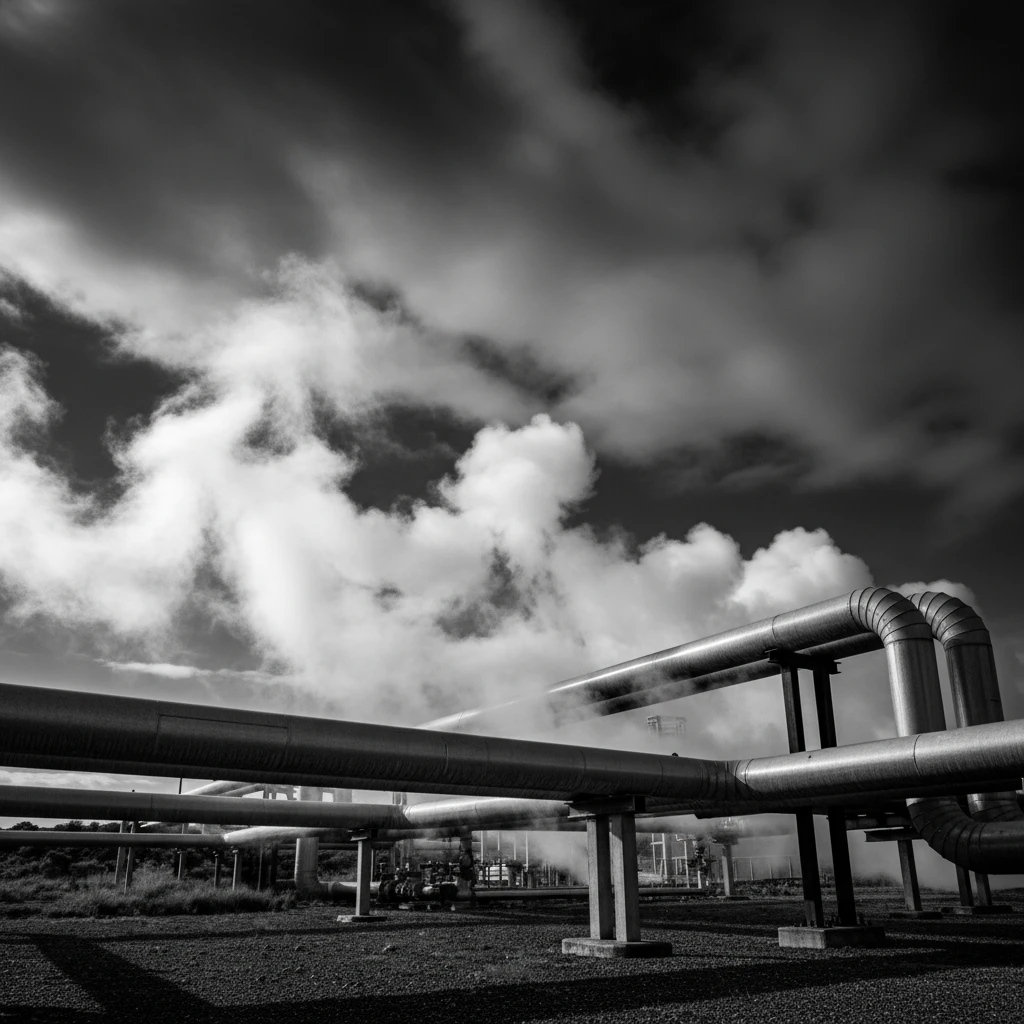
The interplay between the geothermal steam venting from the pipes and the rigid geometry of the steel structures creates a moody atmosphere, particularly in the early morning. When the air is cold, the steam clouds are voluminous and catch the rising sun, turning shades of orange and pink.
Rebranding Through the Lens: For photographers working on local branding or real estate projects, the goal is to frame this industry not as a scar, but as the town’s heartbeat. Focus on the juxtaposition—capture the steam rising against a backdrop of deep blue sky or the green hills. This highlights the coexistence of industry and nature, a key selling point for the town’s economic resilience.
Night Photography at the Mill
At night, the industrial area transforms into a city of lights. The sodium-vapor lamps cast a surreal glow. Using a telephoto lens to compress the distance can create abstract, sci-fi-esque compositions. This type of imagery appeals to a younger demographic and art buyers looking for modern, edgy prints.
Tarawera River: Action and Reflection
The Tarawera River is the artery of the town. It flows rapidly in some sections, making it a hub for white-water kayaking, while other sections are placid and glass-like. This duality provides two distinct photographic opportunities: high-speed action and serene landscape reflection.
Action Photography: The Slalom Course
Kawerau is famous for its white-water slalom course. To photograph kayakers here, you need a fast shutter speed (1/1000th of a second or faster) to freeze the water droplets and the athlete’s expression. Set your camera to “Continuous Focus” (AI Servo for Canon, AF-C for Nikon/Sony) to track the fast-moving subjects through the gates.
Reflection Photography: The Quiet Reaches
Further downstream, the river widens and slows. On windless mornings, the water acts as a perfect mirror for the willow trees and the distant hills. These spots are ideal for panoramic stitching. A panoramic shot of the river with the morning mist lifting is a classic “hero shot” for any tourism brochure or real estate listing promoting the tranquil lifestyle of the region.
Hidden Urban Gems: Parks and Reserves
The town layout of Kawerau was designed with ample green space, a feature that is becoming increasingly valuable in the property market. Stoneham Walk and Monika Lanham Reserve offer botanical photography opportunities right in the heart of town.
Macro Photography Potential: These reserves are dense with native flora. Grab a macro lens (90mm or 100mm) and focus on the details—the uncurling frond of a fern (koru), the dew on a flax leaf, or the texture of tree bark. These intimate nature shots complement the wider landscapes and tell the story of the lush, fertile environment.

Seasonal Photography Guide
Kawerau’s microclimate means photography changes drastically with the seasons. Understanding this calendar helps you plan your shoot for maximum impact.
- Autumn (March – May): The exotic trees lining the streets and parks turn brilliant shades of red and gold. The contrast between the autumn leaves and the evergreen native bush on the hills is striking. This is the best time for street photography and real estate exteriors, as the light is softer and the colors are warm.
- Winter (June – August): This is the season for mood. The geothermal steam is most visible in the cold air. Mists cling to the river valley well into the morning. It is the perfect time for black and white photography, emphasizing texture and form over color.
- Spring (September – November): The Kowhai trees bloom, bringing splashes of yellow to the riverbanks. Tui and Bellbirds are active, making this the prime season for wildlife photography.
- Summer (December – February): The light is harsh in the middle of the day. Focus on early mornings (5:30 AM – 8:00 AM) and late evenings (7:30 PM – 9:00 PM). The long twilight hours are perfect for capturing the “Kiwi summer” lifestyle—families by the river, swimming, and BBQs.
Essential Gear for the Kawerau Climate
The environment in Kawerau can range from humid river valleys to dusty forestry roads. Protecting your gear while ensuring you have the right tools is vital.
- Wide-Angle Lens (16-35mm): Essential for the grand landscapes of Putauaki and the width of the Tarawera Falls.
- Telephoto Lens (70-200mm): Useful for compressing the perspective of the industrial sites and capturing kayakers on the river without getting wet.
- Circular Polarizer: As mentioned, this is critical for managing reflections on the river and wet foliage at the falls.
- Lens Cloths: The mist from the falls and the geothermal steam can fog up lenses quickly. Keep plenty of dry microfiber cloths handy.
- Drone (Optional): Kawerau looks incredible from the air, revealing the town’s layout amidst the forest. Note: Always check local aviation rules and obtain permission before flying, especially near the mill and residential areas.
Frequently Asked Questions
What is the best time of day to photograph Mount Putauaki?
The best time to photograph Mount Putauaki is during the golden hour at sunset. The sun sets behind the town, illuminating the eastern face of the mountain with a warm, reddish glow that contrasts beautifully against a darkening sky. Sunrise is also effective for silhouetted shots.
Do I need a permit to take photos at Tarawera Falls?
Generally, you do not need a permit for personal photography at Tarawera Falls. However, access to the falls requires a permit to drive on the private forestry roads. These permits can be purchased from the Kawerau i-SITE Visitor Information Centre.
Is Kawerau suitable for drone photography?
Yes, Kawerau offers stunning landscapes for drone photography. However, you must adhere to CAA rules. There are restrictions flying over the Tasman Mill industrial site, people, and private property without permission. Always check AirShare or local maps for no-fly zones.
How do I get the ‘silky water’ look at Tarawera Falls?
To get the silky water look, use a tripod and a slow shutter speed (1 to 4 seconds). You will likely need a Neutral Density (ND) filter to block excess light, allowing the shutter to stay open longer without overexposing the image.
Are there good spots for street photography in Kawerau?
Yes, the town center and residential areas offer great street photography opportunities, particularly in Autumn when the tree-lined avenues change color. The contrast of 1950s architecture with modern renovations provides an interesting narrative on the town’s evolution.
What gear should I bring for a photography trip to Kawerau?
Bring a wide-angle lens for landscapes, a telephoto lens for river action and industrial details, a sturdy tripod for long exposures, and a circular polarizer filter to manage glare on the water and foliage.