
Kawerau nature adventures encompass a diverse range of eco-tourism experiences located in the heart of New Zealand’s Bay of Plenty, centering on the magnificent Tarawera Forest and River. These adventures range from adrenaline-pumping white water rafting and kayaking to culturally significant hikes up Putauaki (Mt Edgecumbe) and serene walks to the spectacular Tarawera Falls, offering a unique blend of adrenaline, Maori heritage, and sustainable exploration.
Once primarily known as an industrial hub, Kawerau is rapidly transforming into the adventure capital of the Eastern Bay of Plenty. With its central location, affordable lifestyle, and access to pristine wilderness, it has become a beacon for eco-tourists and those seeking a deeper connection with nature. Whether you are looking to navigate the rapids or find solitude under the canopy of ancient native trees, Kawerau offers a gateway to some of the North Island’s most untouched environments.
The Heart of Adventure: Tarawera Forest and River
The crown jewel of Kawerau nature adventures is undoubtedly the Tarawera Forest. Accessing this area requires knowledge of permit systems and respect for the private forestry roads, but the reward is entry into a world of cascading waterfalls and crystal-clear waters. The Tarawera River, which flows from Lake Tarawera through the town of Kawerau and out to the coast, provides a dual experience of high-octane sport and tranquil scenic beauty.
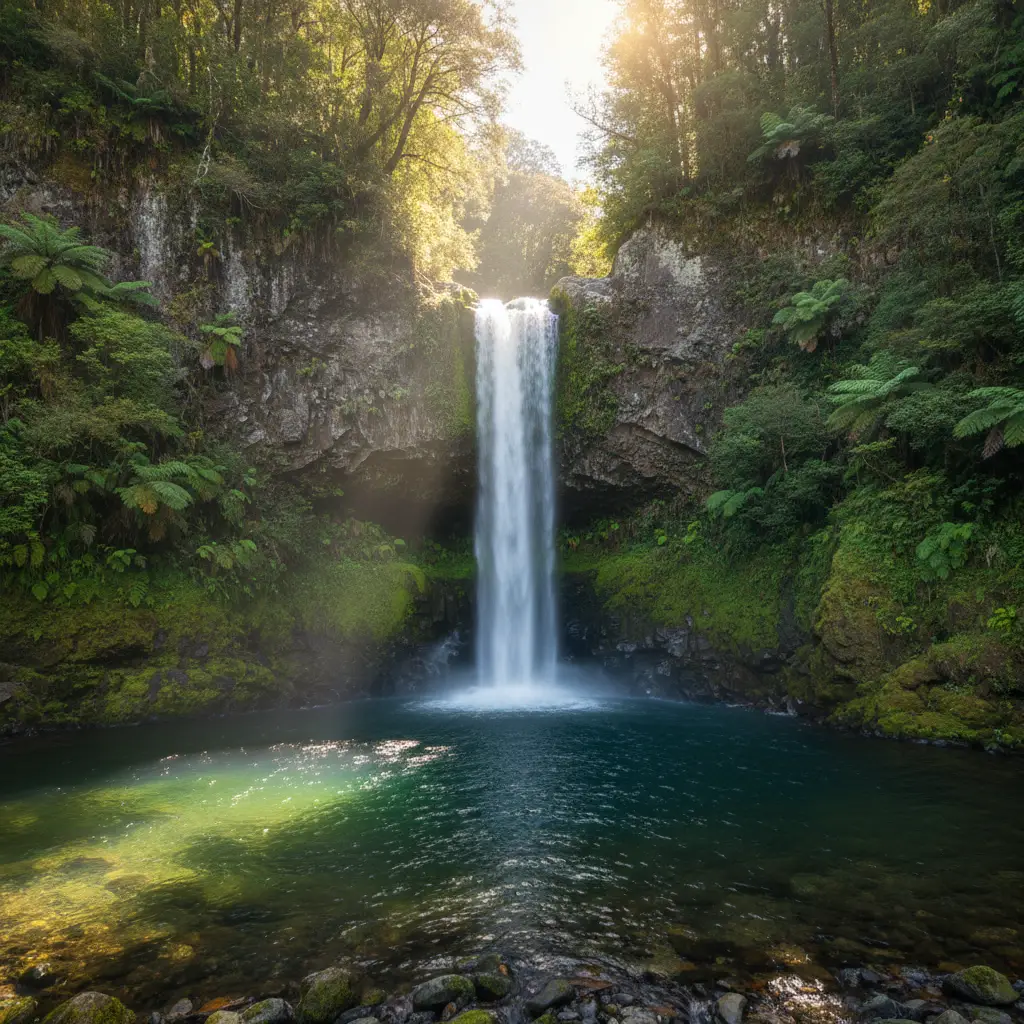
What makes the Tarawera Falls unique?
The Tarawera Falls are unlike most waterfalls in New Zealand because the water does not flow over the top of a cliff in a traditional sense. Instead, the river flows underground through a series of lava caves formed during ancient volcanic eruptions. It bursts spectacularly out of a fissure in the middle of a sheer rhyolite cliff face, plunging 65 meters into a rock pool below. This geological marvel creates a thunderous roar and a mist that nourishes the surrounding mosses and ferns, creating a prehistoric atmosphere.
The walk to the falls is a moderate 40-minute return track from the car park, meandering along the riverbank. For more avid hikers, the track continues to the Tarawera Outlet, a longer journey that showcases the river’s crystal clarity—so clear you can often spot trout swimming against the current.
Is white water rafting available in Kawerau?
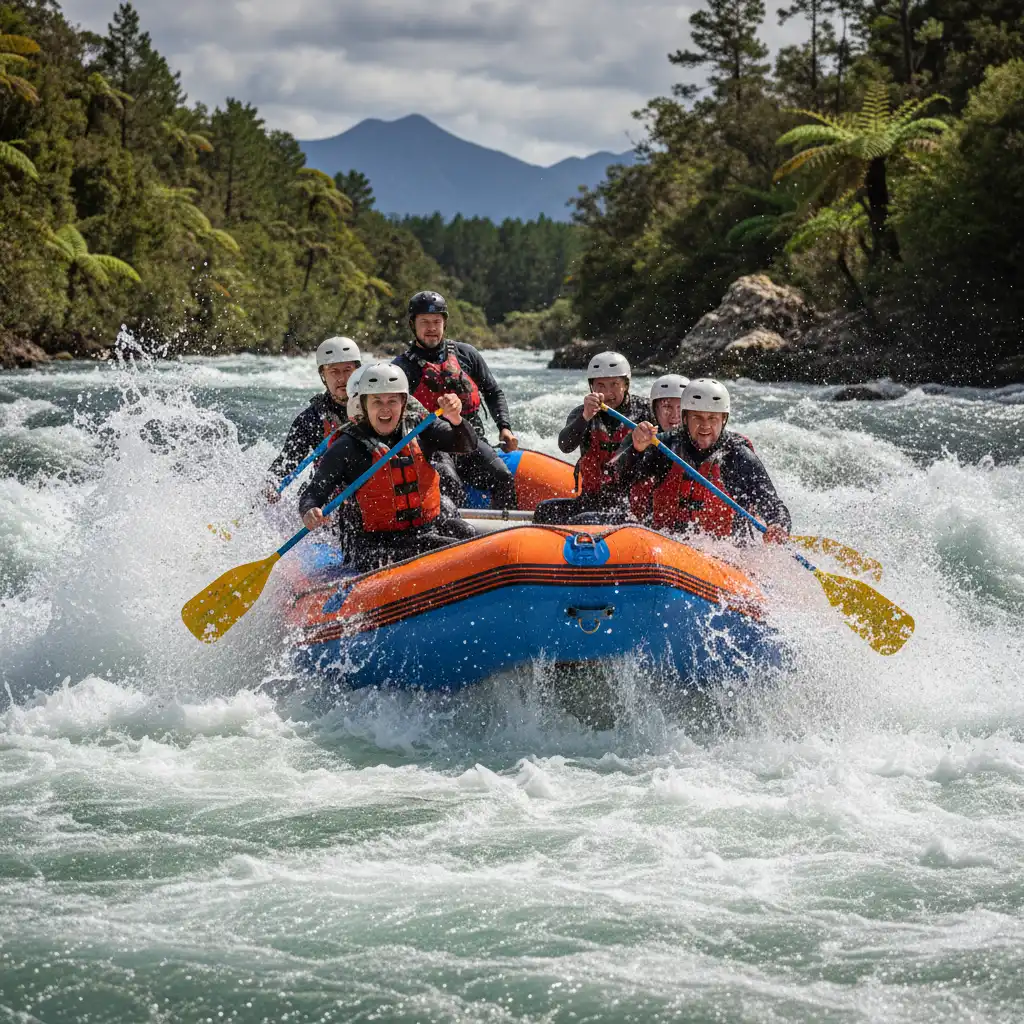
Yes, the Tarawera River offers some of the best white water rafting in the North Island, particularly for those seeking a balance between thrill and safety. The river features Grade 2 and Grade 3 rapids, making it an ideal location for families and beginners, as well as experienced kayakers practicing their slalom skills. The course is famously used for national and international kayaking competitions.
Local operators provide guided tours that not only navigate the rapids but also educate visitors on the local history and geology. The juxtaposition of the industrial backdrop of the mill in the distance against the pristine, roaring river highlights the town’s unique evolution from industry to eco-tourism.
The Guardian Maunga: The Spiritual Significance of Putauaki
Dominated by the perfect cone shape of Putauaki (Mt Edgecumbe), the skyline of Kawerau is defined by this dormant volcano. Standing at 820 meters, it is more than just a geological feature; it is a sacred ancestor to the local Ngāti Awa and Ngāti Tūwharetoa people. Understanding the cultural context is a critical component of any Kawerau nature adventure.
Can you climb Putauaki (Mt Edgecumbe)?
Access to Putauaki is restricted as it is privately owned Maori land. However, the mountain is open to the public generally once a year during the King of the Mountain race, or by obtaining a specific permit from the Maori trust that administers the land. This exclusivity preserves the sanctity of the mountain and ensures that the environment remains unspoiled.
For those who secure permission, the climb is steep and demanding. The track winds through native bush before opening up to 4WD tracks that lead to the summit. The crater lake at the top is a spiritual site, and the panoramic views stretch across the Bay of Plenty, from the active volcano of Whakaari (White Island) in the sea to the snowy peaks of the central plateau on a clear day.
The spiritual narrative of Putauaki tells of his love for the mountain Tarawera and his eventual solitude. Visitors are encouraged to learn these stories, as they add a layer of profound meaning to the physical landscape. It transforms a simple hike into a journey through history and mythology.

Sustainable Travel Practices in Kawerau
As Kawerau rebrands itself as a destination for nature lovers, sustainability has moved to the forefront of the tourism strategy. The concept of Kaitiakitanga (guardianship) is central to the local ethos. This means that visitors are not just tourists, but temporary custodians of the land.
How to practice ‘Leave No Trace’ in Kawerau?
To ensure the longevity of these Kawerau nature adventures, travelers must adhere to strict environmental standards:
- Pack in, Pack out: There are limited rubbish bins in the deep forest areas to discourage pests. All waste must be taken with you.
- Respect the Kauri: Although Kauri dieback is more prevalent further north, hygiene stations for footwear are becoming standard. Always scrub and spray shoes before entering and leaving forest tracks to protect native trees.
- Permit Compliance: Entering the Tarawera Forest requires a permit (available from the Kawerau i-SITE). This system manages visitor numbers and ensures safety during forestry operations, preventing overcrowding and environmental degradation.
- Fire Safety: The region is a working forest. Fire risks are high in summer, and strict bans are often in place. Adhering to these is a matter of life and death for the local ecosystem.
Local businesses are also pivoting. You will increasingly find eco-friendly accommodation options and tour operators who prioritize low-carbon footprints, contributing to the town’s vision of a green future.
Living the Adventure: The Kawerau Lifestyle Shift
The rise of Kawerau nature adventures has triggered a significant shift in the local real estate market. No longer seen solely as a “mill town,” Kawerau is attracting a new demographic: active retirees, young families, and remote workers who value lifestyle over urban congestion.
Why are nature lovers moving to Kawerau?
The value proposition is compelling. Real estate in Kawerau remains significantly more affordable than neighboring hubs like Tauranga or Rotorua. Yet, residents have immediate access to world-class hiking, fishing, and kayaking literally in their backyard. The town boasts a microclimate that is often warmer and sunnier than surrounding areas, earning it the nickname “The Sunny Spot.”
Rebranding efforts have highlighted the town’s thermal assets. Beyond the river and mountain, the free thermal hot pools in the town center serve as a community hub. For adventure enthusiasts, the ability to finish a day of kayaking or hiking with a soak in natural thermal waters—without an entry fee—is a luxury that defines the Kawerau lifestyle.
Investors and homebuyers are recognizing that buying in Kawerau is an investment in an outdoor-centric lifestyle. The municipality’s investment in parks, reserves, and track maintenance signals a long-term commitment to this green identity.
Planning Your Visit: Practical Tips
To maximize your experience in Kawerau, preparation is key. The wilderness here is genuine, and amenities in the forest are sparse.
When is the best time to visit?
Summer (December to February): Ideal for water sports on the Tarawera River and swimming in the local holes. However, be aware of fire restrictions which may limit access to certain parts of the forest.
Autumn (March to May): Often considered the best time for hiking. The temperatures are cooler, the humidity drops, and the forest tracks are less dusty. The risk of forest closure due to fire danger decreases.
Winter (June to August): While cooler, the thermal pools become even more inviting. The river is still accessible for rafting for the brave (wetsuits are essential), and the waterfalls are often at their most powerful due to higher rainfall.
Essential Gear List
- Permits: Purchase your Tarawera Forest Access permit online or at the Kawerau i-SITE Visitor Information Centre before you go.
- Footwear: Sturdy hiking boots are required for the falls track and Putauaki. Jandals (flip-flops) are not suitable for the uneven volcanic terrain.
- Navigation: While major tracks are marked, cell reception can be spotty in the forest. Download offline maps or carry a physical topographic map.
- Water and Food: There are no shops inside the forest. Carry at least 2 liters of water per person if hiking the falls track.
People Also Ask
Do I need a permit to go to Tarawera Falls?
Yes, you need a permit to access Tarawera Falls because the access road passes through a private working forest. Permits can be purchased for a small fee from the Kawerau i-SITE Visitor Information Centre or online. Driving without a permit can result in trespassing fines.
Is the Tarawera River safe for swimming?
There are specific designated swimming spots along the Tarawera River that are popular with locals, particularly near the town. However, the river has strong currents and hidden submerged logs. It is generally safer to swim in designated calm areas or participate in guided rafting where safety gear is provided.
How long is the walk to Tarawera Falls?
The walk from the Tarawera Falls car park to the waterfall viewing area is approximately 20 minutes one way (40 minutes return). It is an easy-to-moderate track suitable for children and most fitness levels. Longer tracks extend from the falls to the Lake Tarawera Outlet (approx. 2 hours one way).
What is Kawerau famous for?
Historically, Kawerau is famous for its large pulp and paper mill and timber industry. However, it is increasingly becoming famous for adventure tourism, specifically white water rafting on the Tarawera River, the Tarawera Falls, and thermal activity including free public hot pools.
Can you drive to the top of Mt Edgecumbe (Putauaki)?
No, you cannot drive to the top of Mt Edgecumbe (Putauaki) as a member of the public. The road is a private 4WD track. Access is restricted to authorized vehicles or those with specific permits for events. Most visitors hike the mountain with permission.
Are there free hot pools in Kawerau?
Yes, the Maurie Kjar Memorial Swimming Pool complex in Kawerau offers free access to thermal swimming pools. These are heated by natural geothermal energy and are a popular attraction for both locals and visitors to relax after exploring the outdoors.