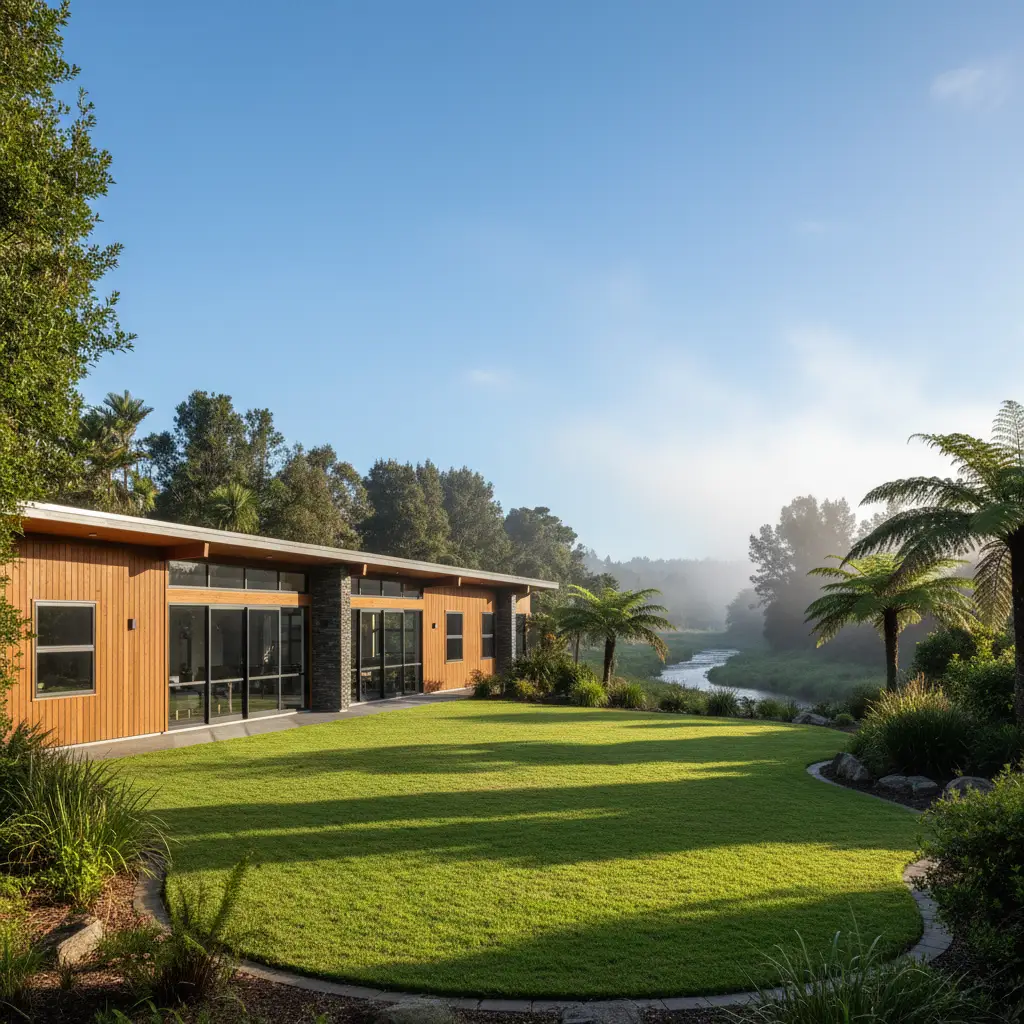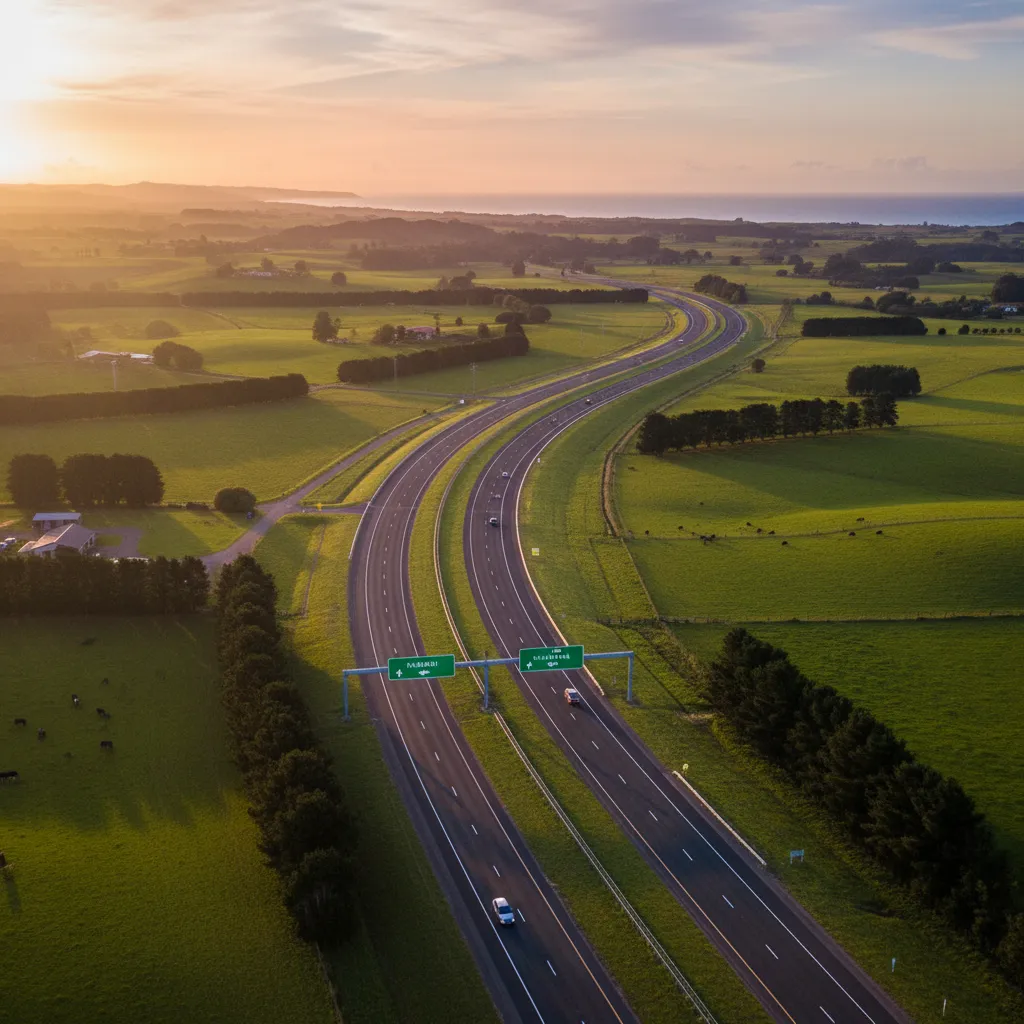
Kawerau infrastructure is undergoing a comprehensive revitalization characterized by significant investments in the Kawerau Container Terminal, geothermal energy networks, and modern residential subdivisions like Central Cove. These strategic developments aim to transform the district into a premier North Island logistics hub while upgrading essential roading, water systems, and community amenities to support sustainable economic growth.
What Transport Upgrades Are Shaping Kawerau’s Future?
The backbone of any thriving economy is its ability to move people and goods efficiently. Kawerau infrastructure is currently witnessing a paradigm shift, moving from a singular focus on forestry logistics to a diversified, multi-modal transport network. The district’s strategic location, centrally situated between the deep-water Port of Tauranga, Rotorua, and Whakatāne, positions it as a critical inland hub for the Eastern Bay of Plenty.
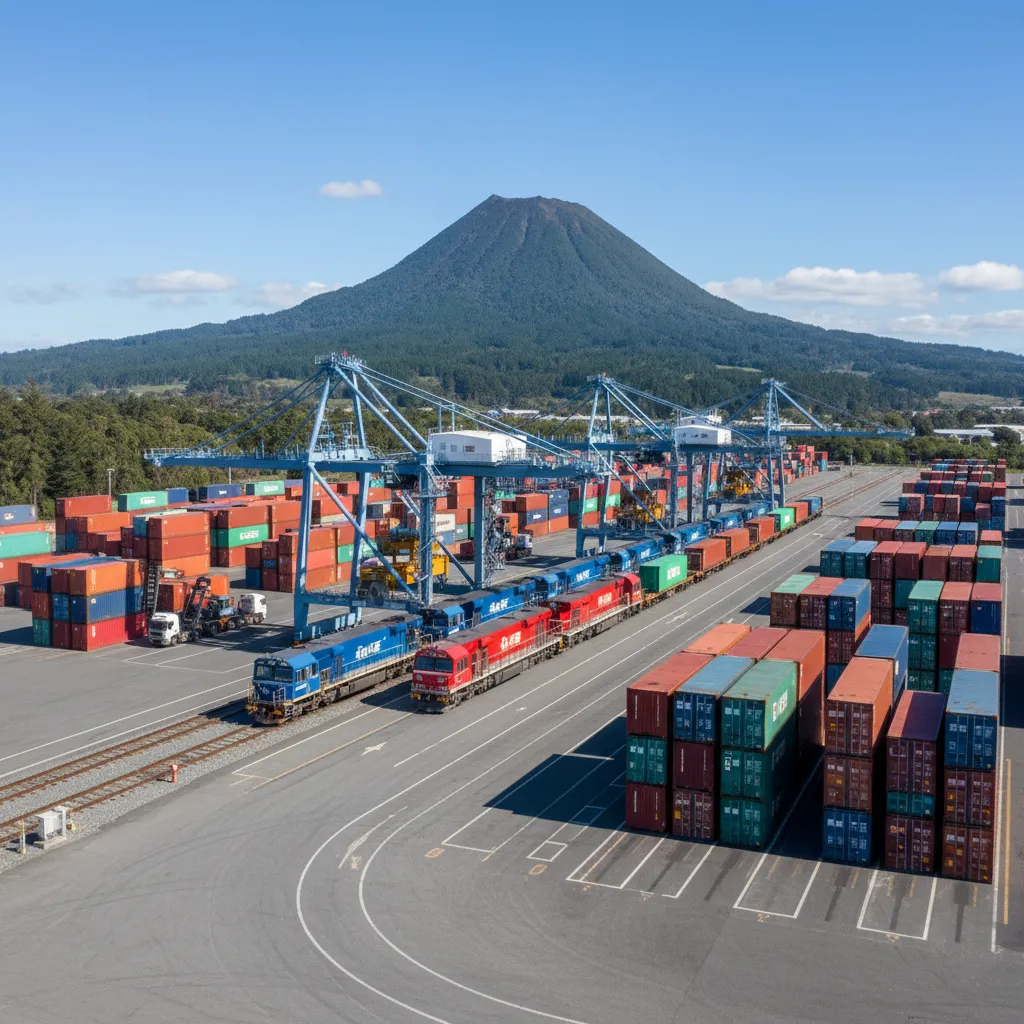
The most significant development in this sector is the establishment and expansion of the Kawerau Container Terminal (KCT). This project is not merely a local upgrade but a regionally significant piece of infrastructure designed to optimize supply chains across the North Island. By facilitating a direct rail link to the Port of Tauranga, the terminal reduces reliance on heavy road freight, thereby lowering carbon emissions and alleviating congestion on State Highway 34 and State Highway 30.
Roading upgrades accompany these rail improvements. The local council, in partnership with Waka Kotahi (NZ Transport Agency), has prioritized the strengthening of bridge infrastructure and the widening of key arterial routes to accommodate High Productivity Motor Vehicles (HPMVs). These upgrades ensure that while rail takes the bulk of the export load, the local road network remains robust enough to support domestic commercial traffic and the increasing number of private vehicles resulting from tourism growth.
Furthermore, safety improvements at key intersections leading into the township are part of the broader rebranding strategy. Creating an inviting, safe, and well-maintained entry point into Kawerau is essential for changing perceptions and encouraging residential investment. The focus is on creating a seamless flow that benefits heavy industry without compromising the safety and tranquility of residential zones.
How Are Residential Developments Changing the Landscape?
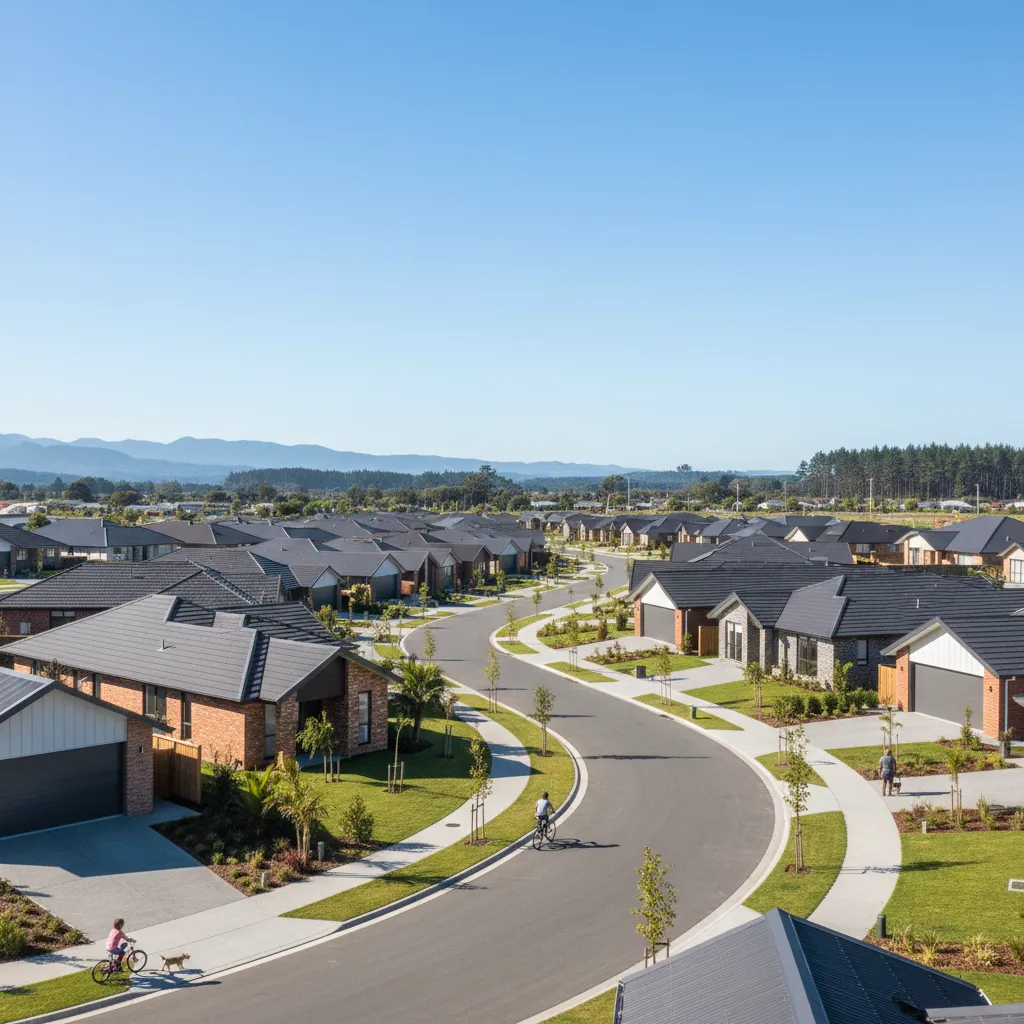
For decades, Kawerau’s housing stock remained static, dominated by the mill-town architecture of the 1950s and 60s. However, the current infrastructure boom has ignited a wave of new residential developments, signaling a new era for the local real estate market. This shift is critical for the town’s rebranding as a lifestyle destination rather than solely an industrial service town.
Central Cove and Modern Subdivisions
The flagship of this residential renaissance is the Central Cove development. This project represents the first major subdivision in Kawerau in decades, offering modern, high-quality housing options that appeal to retirees, first-home buyers, and investors priced out of the Tauranga and Whakatāne markets. The infrastructure supporting these subdivisions includes the installation of ultra-fast fibre broadband (UFB), underground power reticulation, and modern stormwater management systems, ensuring that new builds meet the highest standards of livability.
These developments are not just about adding houses; they are about diversifying the demographic. By providing high-spec infrastructure, Kawerau is attracting active retirees and remote workers who require reliable connectivity and low-maintenance living environments. This demographic shift brings new disposable income into the local economy, further justifying investments in retail and service infrastructure.
Retirement Living Infrastructure
Recognizing the aging population of New Zealand, specific attention has been paid to retirement infrastructure. Projects like Porritt Glade provide lifestyle village options that were previously absent in the district. The infrastructure here focuses on accessibility—flat, wide footpaths, proximity to medical centers, and community hubs. The council’s commitment to maintaining flat, accessible walkways throughout the town complements these private investments, reinforcing Kawerau’s reputation as an age-friendly community.
What Is the Industrial Symbiosis Kawerau (ISK)?
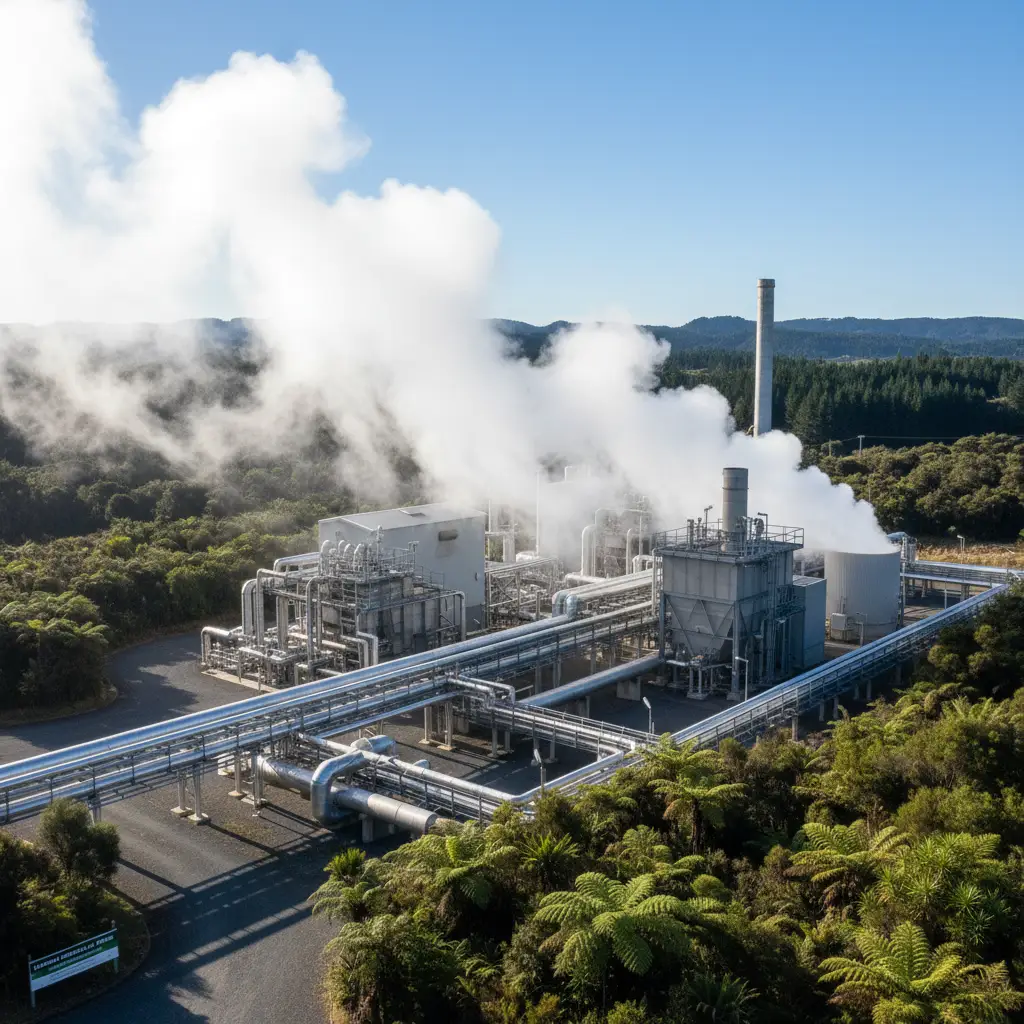
Kawerau’s unique selling proposition in the national market is its geothermal energy infrastructure. The concept of “Industrial Symbiosis Kawerau” (ISK) is a collaborative initiative that leverages this natural resource to create a circular economy where the waste or by-product of one industry becomes the fuel or raw material for another.
At the heart of this is the reliable supply of geothermal steam. Unlike other regions that rely on electricity grids susceptible to price spikes, Kawerau infrastructure offers direct-use geothermal energy. This attracts high-energy users—such as timber processing, dairy manufacturing, and potential future industries like hydrogen production or data centers—who can operate with a significantly lower carbon footprint and reduced energy costs.
Recent commercial investment news highlights the Putauaki Trust’s industrial land developments. By opening up Maori-owned land for industrial leasing, backed by robust infrastructure (roading, water, power), the district is expanding its capacity to host large-scale operations. This proactive approach to industrial infrastructure ensures that Kawerau remains the engine room of the Bay of Plenty’s forestry and manufacturing sectors.
How Robust Is the Three Waters Infrastructure?
Beneath the surface, the integrity of water, wastewater, and stormwater systems—collectively known as Three Waters—is the silent driver of property value and public health. Kawerau is fortunate to sit atop a plentiful supply of high-quality, spring-fed drinking water. Unlike many other New Zealand towns facing water crises, Kawerau’s water infrastructure provides unchlorinated, pristine water to residents, a feature that is increasingly rare and marketed as a lifestyle benefit.
The District Council has maintained a rigorous schedule of renewals and upgrades to the reticulation network. This foresight minimizes the risk of pipe failures and ensures that the system can handle the increased load from new subdivisions like Central Cove. Wastewater treatment facilities are also undergoing modernization to meet stricter environmental standards, ensuring that the discharge does not negatively impact the Tarawera River.
Stormwater management is another critical component, particularly given the region’s rainfall patterns. New developments are required to implement hydraulic neutrality, meaning the infrastructure must handle runoff on-site to prevent overloading the municipal system. These technical upgrades are vital for insurance purposes and long-term real estate stability, providing peace of mind to investors concerned about climate resilience.
What Tourism Infrastructure Is Being Developed?
Rebranding Kawerau requires a shift from a purely industrial image to one that celebrates its natural beauty. Consequently, a significant portion of the infrastructure budget is directed toward tourism and public amenities. The goal is to create a “soft infrastructure” that supports visitor experiences and community well-being.
The Tarawera River and Parks
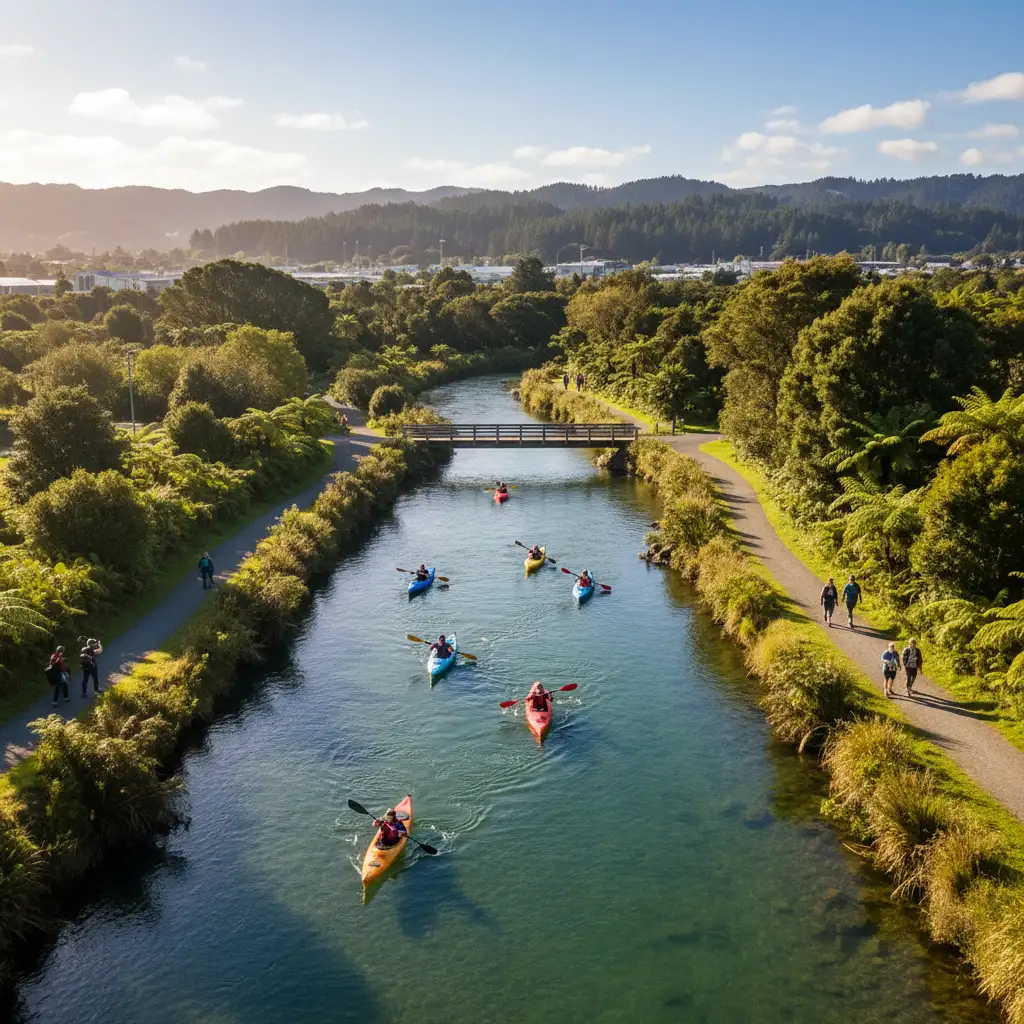
The Tarawera River is the jewel in Kawerau’s crown. Infrastructure upgrades along the riverbank include improved slalom course facilities for kayaking championships, better viewing platforms, and extended walking tracks that connect the town center to the river. These upgrades support major events which bring thousands of visitors to the district, stimulating the hospitality sector.
Town Centre Revitalization
The town center itself is subject to ongoing revitalization efforts. This includes aesthetic upgrades to streetscapes, improved lighting for safety and ambiance, and the maintenance of public halls and the library/museum complex. The investment in the Maurie Kjar Memorial Swimming Pool complex—which is free to use and geothermally heated—is a prime example of community infrastructure that serves as a major drawcard for families considering a move to the area.
Future Economic Outlook and Investment Potential
The trajectory of Kawerau infrastructure points toward sustained growth. The convergence of affordable real estate, renewable energy availability, and improved logistics connectivity creates a compelling case for investment. The “rebranding” is not superficial; it is rooted in tangible asset creation.
For real estate investors, the window of opportunity is defined by the current infrastructure projects moving from planning to completion. As the container terminal reaches full capacity and new subdivisions mature, property values are expected to reflect the increased utility and desirability of the location. For commercial investors, the ISK model offers a competitive advantage that is difficult to replicate elsewhere in New Zealand.
Ultimately, Kawerau is successfully pivoting. It is retaining its industrial strength while building the residential and recreational infrastructure necessary to support a vibrant, modern community. The district is no longer just a place to work; it is becoming a place to live, play, and invest.
Frequently Asked Questions (PAA)
Is Kawerau a good place to invest in property?
Yes, Kawerau is considered a strong investment location due to its relatively low entry price point compared to neighboring Tauranga and Rotorua, coupled with high rental yields. The ongoing infrastructure projects, such as new subdivisions and industrial expansion, are driving economic growth and increasing housing demand.
What is the Kawerau Container Terminal project?
The Kawerau Container Terminal is a logistics hub designed to facilitate direct rail transport of goods from the Eastern Bay of Plenty to the Port of Tauranga. It aims to reduce truck movements on roads, lower carbon emissions, and provide a cost-effective freight solution for local industries.
How does geothermal energy benefit Kawerau infrastructure?
Geothermal energy provides a low-cost, sustainable, and reliable power source for heavy industry and the community. It powers the major mills, heats the public swimming pool, and attracts new businesses looking for green energy solutions, forming the basis of the Industrial Symbiosis Kawerau (ISK).
Are there new housing developments in Kawerau?
Yes, there are several new developments, with Central Cove being the most prominent. These developments offer modern, high-quality homes and sections, catering to first-home buyers, families, and retirees, marking a shift from the older mill-town housing stock.
What improvements are being made to Kawerau roads?
Roading upgrades focus on strengthening bridges and widening arterial routes to handle High Productivity Motor Vehicles (HPMVs) associated with industry. Additionally, safety improvements at intersections and town entry points are being implemented to enhance traffic flow and pedestrian safety.
Does Kawerau have fiber internet?
Yes, Kawerau has extensive Ultra-Fast Broadband (UFB) fiber infrastructure. The rollout has covered the majority of the residential and business areas, making it an attractive location for remote workers and digital businesses requiring high-speed connectivity.