Kawerau is a district in the Bay of Plenty, New Zealand, with a population of approximately 7,750 residents. The demographics are distinctively youthful compared to national averages, with a substantial Māori population comprising over 60% of the community. The local economy is transitioning from traditional forestry to a diversified hub of geothermal energy and industrial manufacturing.
What is the Current Population of Kawerau?
Understanding the Kawerau population demographics requires looking beyond simple headcounts to understand the trajectory of this unique industrial town. As of the most recent data estimates, the Kawerau District is home to approximately 7,750 residents. While it is the smallest territorial authority in New Zealand by land area, it boasts a high population density that fosters a tight-knit community atmosphere.
Historically established in the 1950s to support the Tasman Pulp and Paper Mill, Kawerau was a planned town. This history has left an indelible mark on its demographic makeup. For decades, the population fluctuated in direct correlation with the fortunes of the forestry sector. However, recent years have seen a stabilization and gradual increase in resident numbers, driven by retirees seeking affordability and young families returning to their roots.
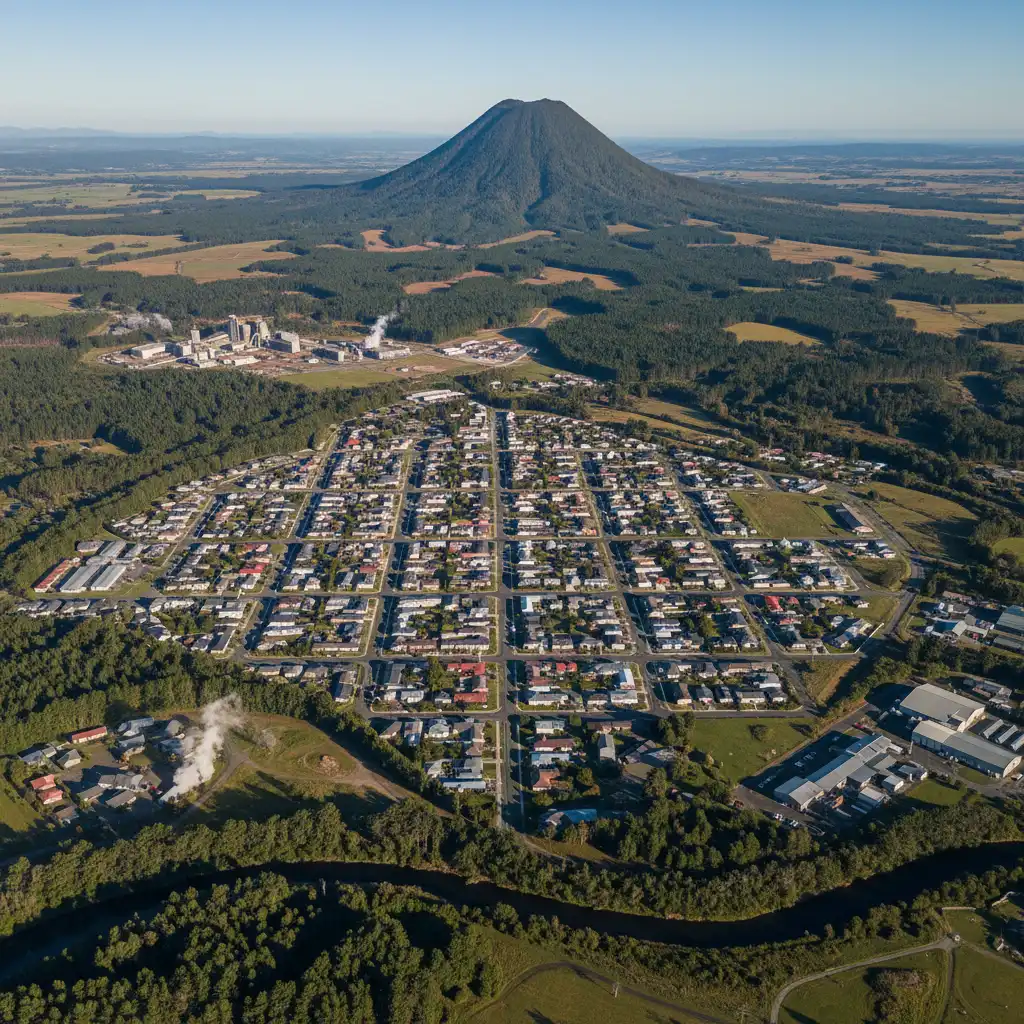
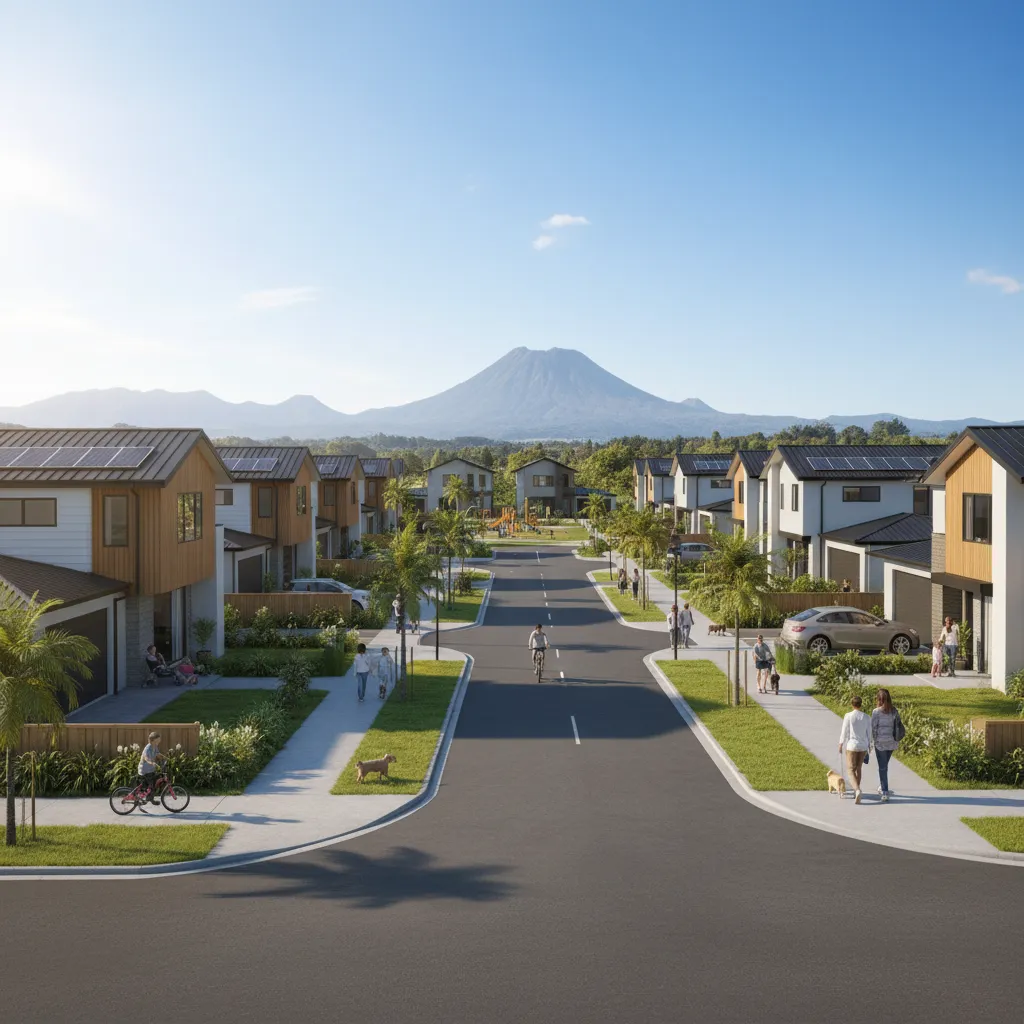
The population density is concentrated within the township itself, which sits nestled under the imposing presence of Putauaki (Mount Edgecumbe). This concentration allows for efficient infrastructure service delivery, a key selling point for the local council when attracting new businesses and residential developments. Unlike sprawling rural districts, Kawerau’s urban footprint is compact, meaning demographic shifts have immediate and visible impacts on local services, schools, and retail sectors.
What is the Ethnic Breakdown of Kawerau?
Kawerau is one of New Zealand’s most culturally rich districts. The demographic data highlights a vibrant bicultural community where Māori culture is not just present but predominant. Approximately 61% to 65% of the population identifies as Māori, significantly higher than the national average of roughly 17%. This makes Kawerau a stronghold of Māori heritage, language, and custom.
The principal iwi (tribe) of the area is Ngāti Tūwharetoa (ki Kawerau), creating a strong foundation for community governance and social cohesion. For investors and tourism operators, understanding this cultural demographic is vital. It signals that successful ventures in Kawerau often require genuine engagement with local iwi and an appreciation for tikanga (cultural protocols).
European and Other Ethnicities
While Māori make up the majority, there is a substantial New Zealand European population, comprising roughly 40% of residents (note: census respondents can identify with multiple ethnicities, so totals often exceed 100%). In recent years, there has also been a small but growing diversity introduced by Pacific Peoples and Asian communities, attracted by employment opportunities in the specialized manufacturing sectors and the healthcare industry.
This demographic profile presents a unique value proposition for the district’s rebranding. It allows Kawerau to position itself as a center for indigenous tourism and cultural education, distinct from the more commercialized experiences found in neighboring Rotorua.
How is the Age Structure Distributed?
The age structure of the Kawerau population demographics tells a story of two distinct groups: a youthful base and an aging retiree sector. The median age in Kawerau has historically hovered around 35-37 years, which is slightly lower than the national median. This is largely driven by the higher birth rates associated with the Māori demographic profile.
However, the “grey power” demographic is expanding. Because property prices in Kawerau have remained significantly lower than in Tauranga or Whakatāne, the town has become a magnet for retirees looking to free up capital. This internal migration of seniors balances the youthful local population, creating a bi-modal age distribution.
Household Composition
Family structures in Kawerau often differ from the standard nuclear family model found in larger cities. There is a higher prevalence of multi-generational households. This is partly cultural, reflecting the whānau-centric way of living, and partly economic. For real estate developers, this demographic insight suggests a need for larger housing footprints—homes with three, four, or more bedrooms are often in higher demand than one-bedroom apartments.

What are the Key Employment and Industry Trends?
Kawerau’s existence is rooted in industry, and while the players have changed, the industrial spirit remains the backbone of the local economy. The employment demographics are heavily skewed toward manufacturing, logistics, and primary processing.
The Shift from Paper to Power
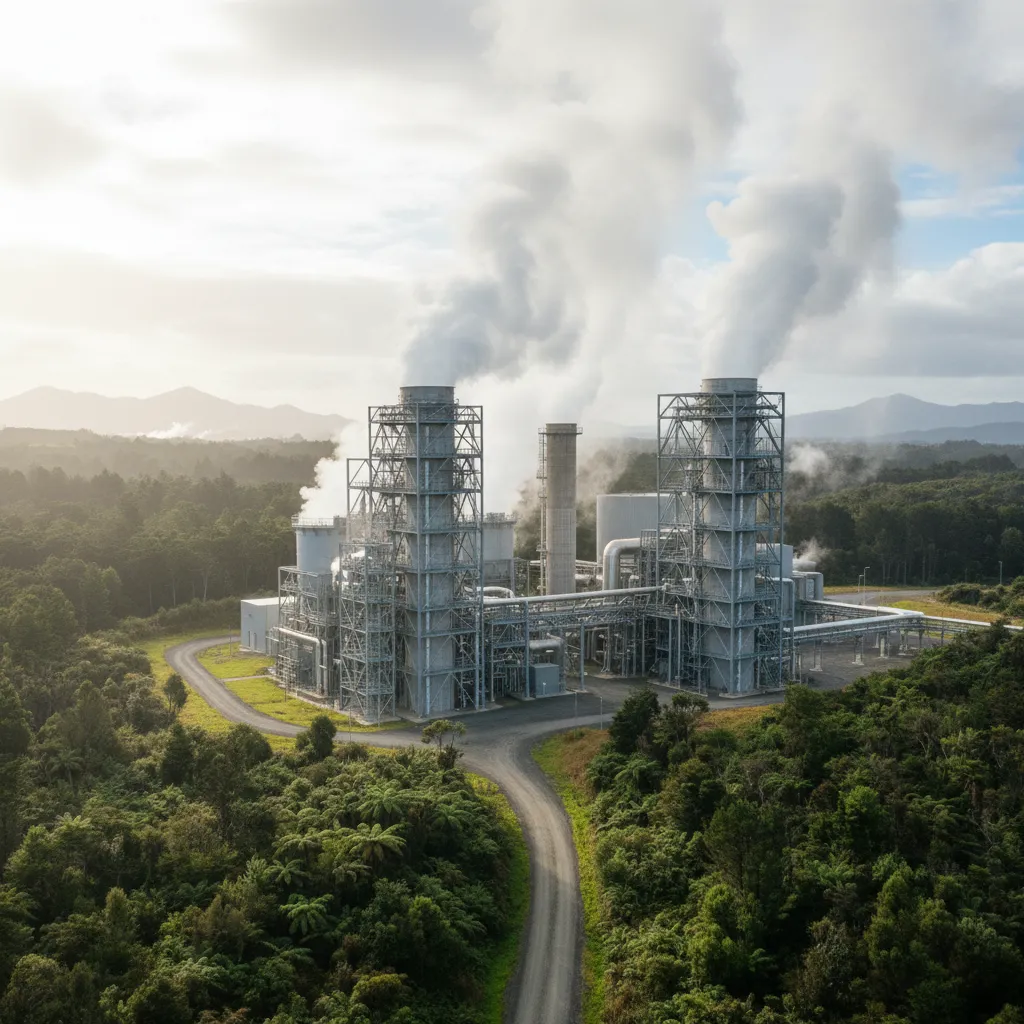
For decades, the Tasman Mill was the single largest employer. While forestry processing remains critical, the closure of certain paper machines signaled a necessary economic evolution. Today, the focus has shifted toward Geothermal Energy. Kawerau sits atop a massive geothermal field, providing cheap, sustainable process steam.
This resource has attracted new industries, including:
- Industrial Symbiosis: A network where waste from one industry becomes fuel for another.
- Dairy Processing: Utilizing geothermal energy for milk drying.
- Horticulture: Glasshouses heated by geothermal steam.
Employment data shows a high proportion of technicians, trade workers, and machinery operators. However, unemployment remains a challenge, often sitting above the national average. This disparity highlights a skills gap that local educational initiatives are trying to bridge. For businesses moving to the area, there is a large, available labor pool, though investment in upskilling is often required.
How Do Demographics Influence Kawerau Real Estate?
The intersection of Kawerau population demographics and real estate offers high-yield opportunities for investors who understand the market niche. Because the population has a lower median income compared to national averages, the rental market is robust. Homeownership rates have historically been lower than the national average, though this is changing as first-home buyers are priced out of other Bay of Plenty regions.
Rental Yields vs. Capital Gains
Investors in Kawerau typically focus on yield. The entry price for housing is low, yet rental demand is consistent due to the industrial workforce. The demographic trend of young families moving to the area to escape high rents elsewhere ensures a steady stream of tenants.
Furthermore, the rebranding of Kawerau as a “lifestyle destination” for outdoor enthusiasts (kayaking, hunting, fishing) is slowly driving capital gains. As the demographic perception shifts from “industrial town” to “affordable adventure hub,” property values are correcting upward.
What are the Community Growth Projections?
Future projections for Kawerau are cautiously optimistic. The “managed decline” feared in the early 2000s has been replaced by a strategy of stabilization and moderate growth. The Kawerau District Council has actively released land for new residential subdivisions, anticipating a population increase driven by the housing crisis in neighboring districts.
The Role of Infrastructure Investment
Growth is contingent on infrastructure. The development of the Putauaki Trust Industrial Park and the proposed inland container terminal are expected to bring hundreds of new jobs over the next decade. Population models suggest that as these jobs materialize, the working-age population (20-50 years) will see a resurgence, potentially balancing the dependency ratio caused by the aging retiree sector.
Additionally, significant investment is being poured into societal infrastructure—medical centers, community hubs, and schooling—to support a population that is expected to reach 8,000+ within the next census cycle. This proactive planning suggests that Kawerau is preparing for a demographic renaissance.
Frequently Asked Questions
Is the population of Kawerau growing or shrinking?
After a period of decline in the late 1990s and early 2000s, Kawerau’s population has stabilized and is showing signs of slow growth, driven by affordable housing and new industrial job opportunities.
What is the main ethnicity in Kawerau?
The majority ethnicity in Kawerau is Māori, comprising over 60% of the population. This gives the town a strong bicultural identity and heritage.
What is the average age of residents in Kawerau?
The median age in Kawerau is roughly 37 years. The town has a unique mix of young families and an increasing number of retirees.
What are the main industries employing Kawerau residents?
The primary industries are manufacturing (wood and paper products), geothermal energy production, logistics, and healthcare/social assistance.
Is Kawerau a good place for real estate investment?
Yes, Kawerau is often cited for high rental yields due to low property entry costs and high tenant demand, although capital gains have historically been slower than in major cities.
How does Kawerau’s household income compare to New Zealand?
Median household income in Kawerau is generally lower than the national average, reflecting the cost of living and the industrial nature of the local economy.