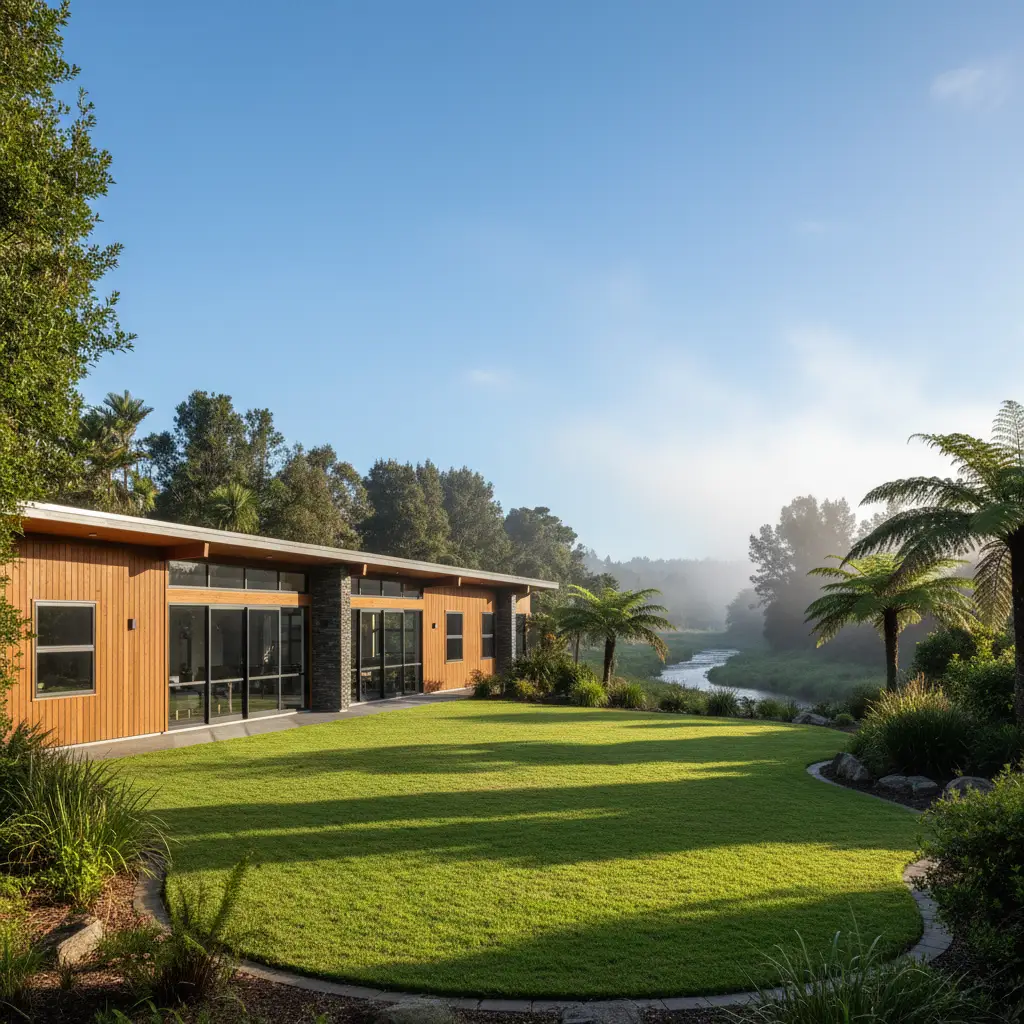
Eco-friendly travel in Kawerau involves minimizing your environmental footprint while exploring the Bay of Plenty’s heart by strictly adhering to Leave No Trace principles, particularly on Mount Putauaki and the Tarawera River. It entails supporting local sustainable businesses, reducing single-use plastics, and respecting the cultural significance of the land to ensure its preservation for future generations.
Kawerau is undergoing a significant transformation. Once viewed primarily as an industrial hub, it is rapidly gaining recognition as the adventure capital of the Eastern Bay of Plenty. With the majestic Putauaki (Mt Edgecumbe) standing guard and the Tarawera River cutting through the landscape, the district offers a unique blend of geothermal wonder and lush native forestry. However, as tourism increases and the real estate market attracts those seeking a lifestyle connected to nature, the responsibility to protect this environment grows.
Sustainable tourism is not merely a trend; it is a necessity for maintaining the pristine condition of Kawerau’s natural assets. Whether you are visiting for the world-class kayaking, considering a move to the district, or simply passing through, adopting an eco-conscious mindset ensures that the beauty of Kawerau remains intact. This guide provides actionable strategies for visiting Kawerau responsibly, blending environmental stewardship with deep respect for the local community and culture.
The Core Philosophy: Kaitiakitanga in Action
To truly practice eco-friendly travel in New Zealand, and specifically in a culturally rich area like Kawerau, one must understand the concept of Kaitiakitanga. This Māori concept refers to guardianship and protection. It is a way of managing the environment, based on the Māori world view.
When you visit Kawerau, you are not just a tourist; you are a temporary custodian of the land. This shift in perspective is crucial. It changes your behavior from passive observation to active protection. It means treating the Tarawera River not just as a playground for water sports, but as a living ancestor that sustains the region. It means viewing Mount Putauaki not just as a hiking challenge, but as a sacred site that demands reverence.
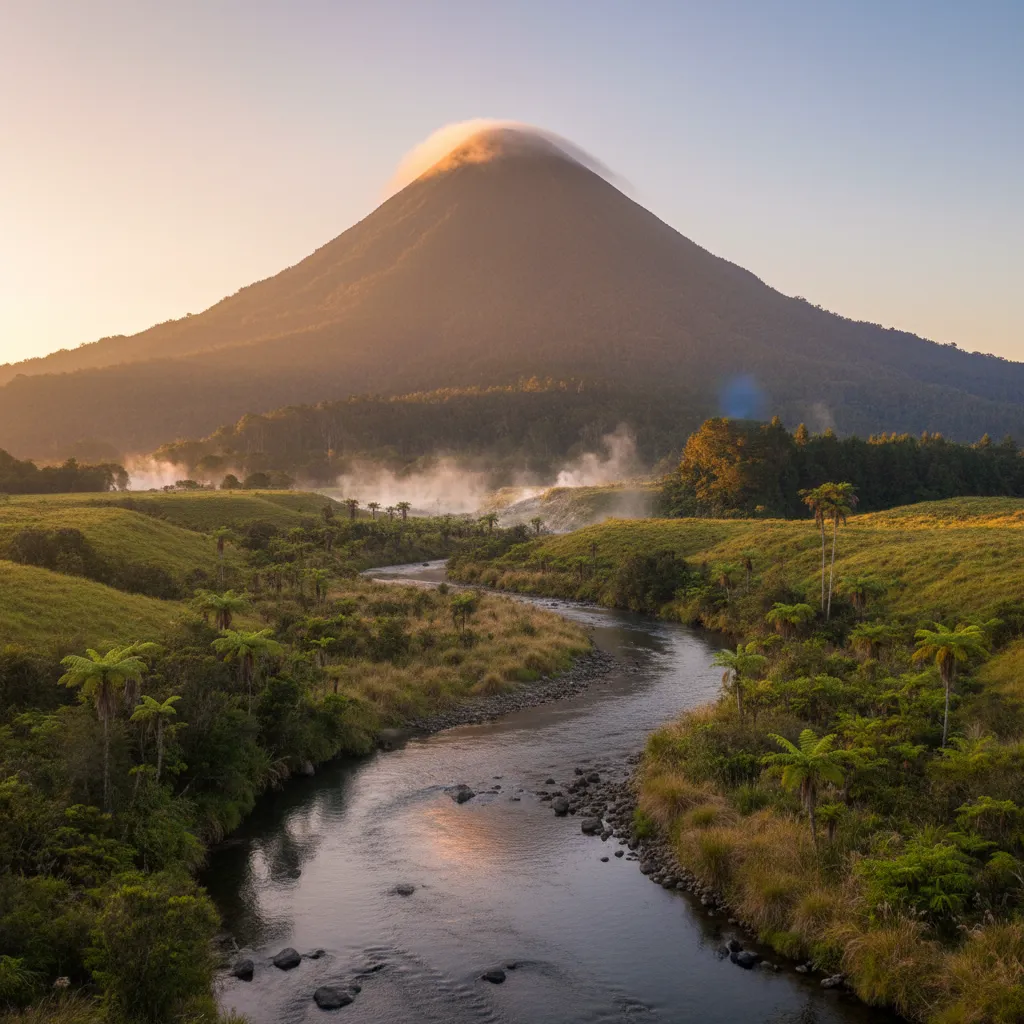
Embracing Kaitiakitanga aligns perfectly with the rebranding of Kawerau. As the town pivots toward being a destination for lifestyle and nature lovers, the preservation of these assets becomes the foundation of the local economy. By traveling responsibly, you are directly supporting the town’s vision for a sustainable future.
Mastering Leave No Trace Principles in Kawerau
The “Leave No Trace” framework provides a specific set of guidelines that are essential for navigating Kawerau’s outdoor environments, particularly the forestry roads and river trails.
How do I apply Leave No Trace on Mount Putauaki?
Mount Putauaki is the iconic landmark of the district. Access to the mountain is a privilege, often requiring permits or specific permissions as it is privately owned Māori land. The primary rule here is absolute adherence to the path. Straying from marked trails can damage fragile native vegetation and contribute to soil erosion, which is a significant concern in geothermal areas.
Furthermore, whatever you carry up the mountain must come down with you. This includes organic waste like apple cores or banana peels. While biodegradable, these items are not native to the ecosystem and can introduce pests or alter the feeding habits of local wildlife. In the high-altitude environment of the summit, decomposition is slow, and “organic litter” is still litter.
What are the rules for the Tarawera River?
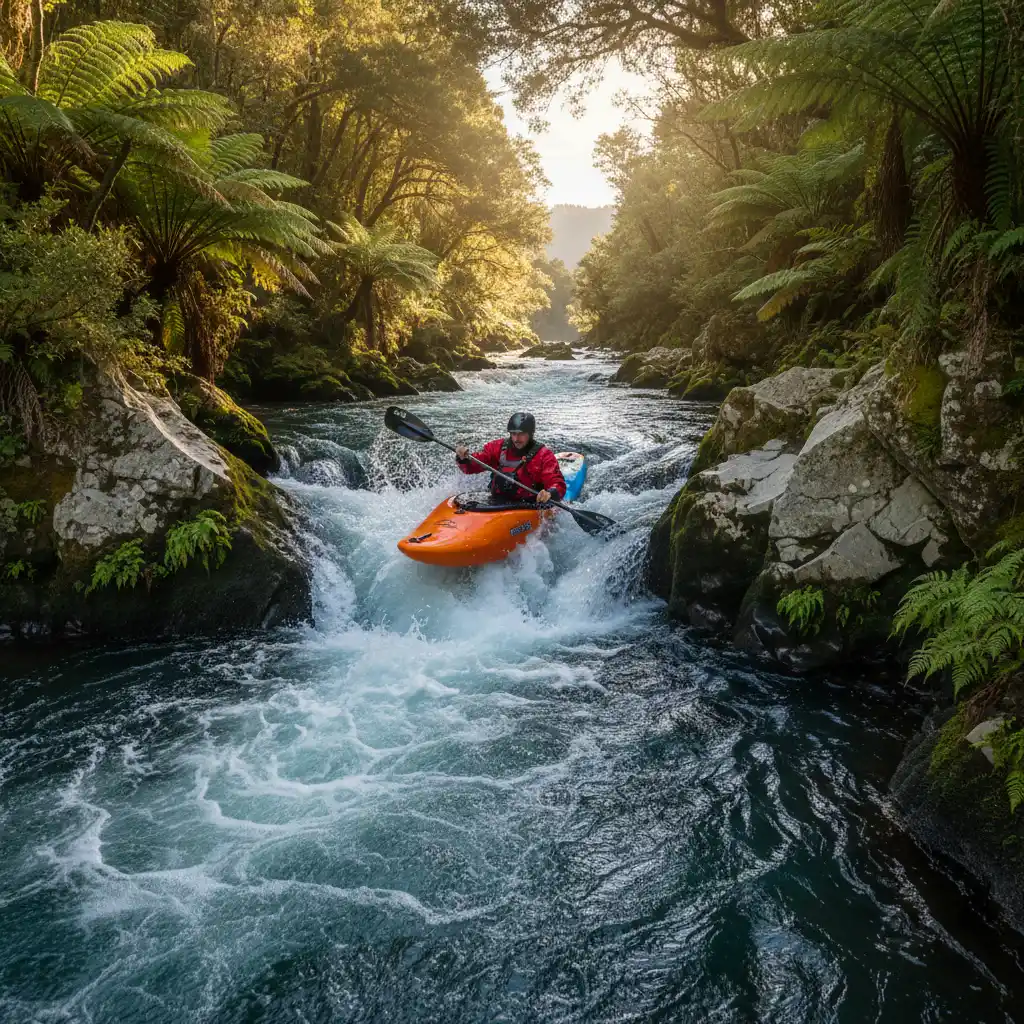
The Tarawera River is the lifeblood of Kawerau. Whether you are participating in the gravity sports events or simply walking the river trail, water quality protection is paramount. Visitors should ensure that any equipment—kayaks, fishing gear, or boots—is thoroughly cleaned before entering the water to prevent the spread of invasive algae like Didymo (rock snot). This simple act of “Check, Clean, Dry” is one of the most impactful eco-friendly actions a visitor can take.
Strategies for Reducing Waste While Traveling
Traveling often generates excess waste through convenience foods, single-use plastics, and disposable amenities. In a town like Kawerau, which prides itself on its natural surroundings, visible waste is particularly jarring. Here is how to minimize your footprint.
How can I eliminate single-use plastics in Kawerau?
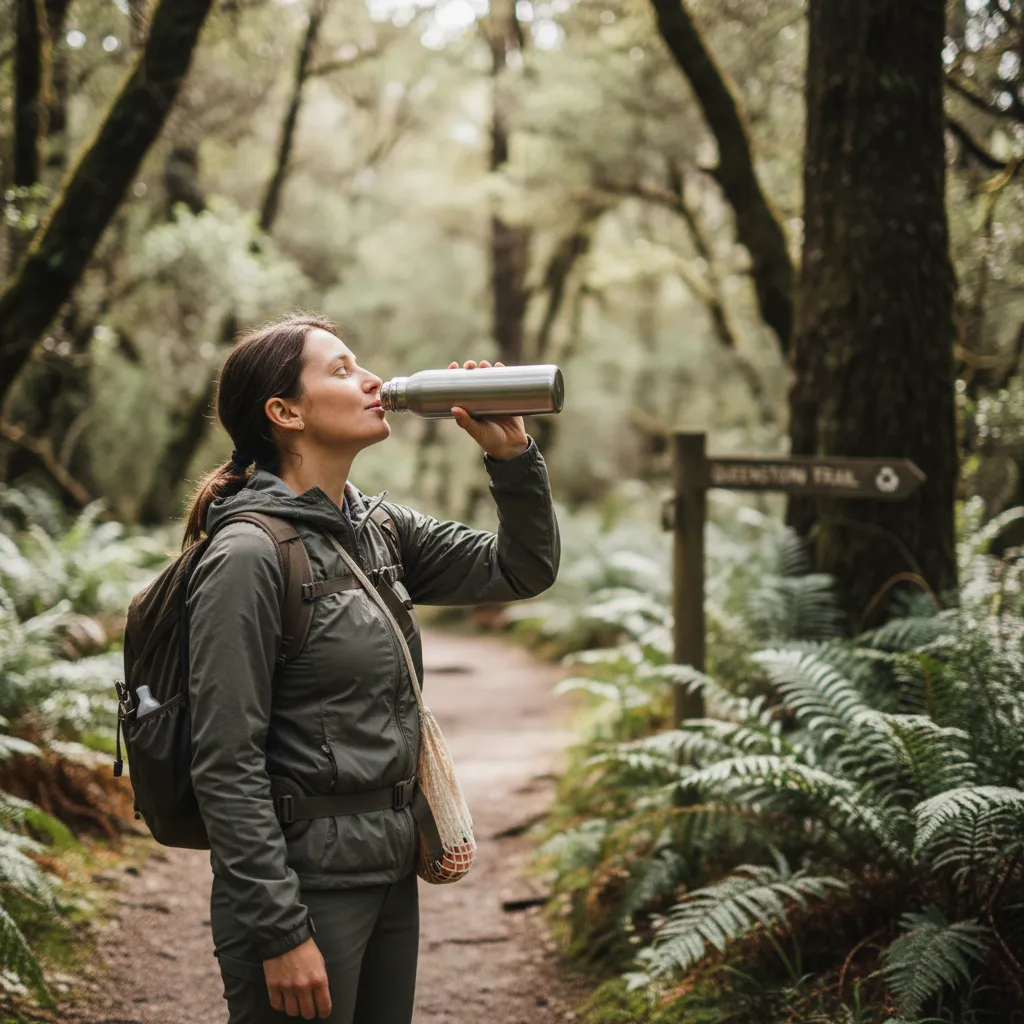
Kawerau has excellent tap water quality, sourced from deep springs. There is absolutely no need to purchase bottled water. Visitors should carry a durable, reusable water bottle and refill it at their accommodation or public fountains. This simple switch eliminates a massive amount of plastic waste that often ends up in landfills or, worse, the river.
When shopping for supplies at the local supermarkets or dairies, refuse plastic bags. Bring your own reusable tote bags or a backpack. If you are planning a picnic at Monika Lanham Reserve or the Stoneham Walk, pack your food in reusable containers (beeswax wraps or silicone bags) rather than cling film or foil. The wind in the valley can easily blow lightweight plastic wrappers into the waterways, where they pose a threat to birdlife and aquatic species.
What is the best way to handle recycling?
Understanding local recycling capabilities is vital. Not all districts in New Zealand recycle the same materials. In the Eastern Bay of Plenty, ensure that all recyclables are rinsed clean of food residue. Contaminated recycling often results in the entire batch being sent to the landfill. If you are staying in a holiday rental or camping, take the time to separate glass, paper, and plastics according to the local council guidelines provided.
Supporting Local Conservation and Economy
Eco-friendly travel is not just about what you don’t do (litter, pollute); it is also about what you do to contribute. Sustainable tourism supports the economic viability of the region, proving that nature is worth more preserved than exploited.
Why is buying local crucial for eco-tourism?
When you spend money at locally owned businesses in Kawerau, you reduce the carbon footprint associated with shipping goods. Local cafes often source ingredients from nearby growers in the Bay of Plenty, reducing food miles. Furthermore, supporting local commerce helps build a resilient community that can afford to invest in environmental protection.
For those interested in the real estate niche, investing in the community by frequenting local hardware stores, garden centers, and service providers demonstrates a commitment to the town’s long-term prosperity. It signals that newcomers value the existing community fabric.
How can visitors participate in conservation?
Keep an eye out for community planting days or clean-up events, often organized by the local council or environmental groups. Participating in a tree-planting initiative is a fantastic way to offset the carbon emissions of your travel. Even if there are no official events during your stay, you can practice “micro-volunteering” by picking up any litter you see on the trails and disposing of it properly. This small act sets a powerful example for other visitors.
Eco-Friendly Transport and Activities
Getting to and around Kawerau sustainably is easier than one might think. The town’s layout is compact and flat, making it ideal for low-carbon transport methods.
Is Kawerau a walkable or bikeable town?
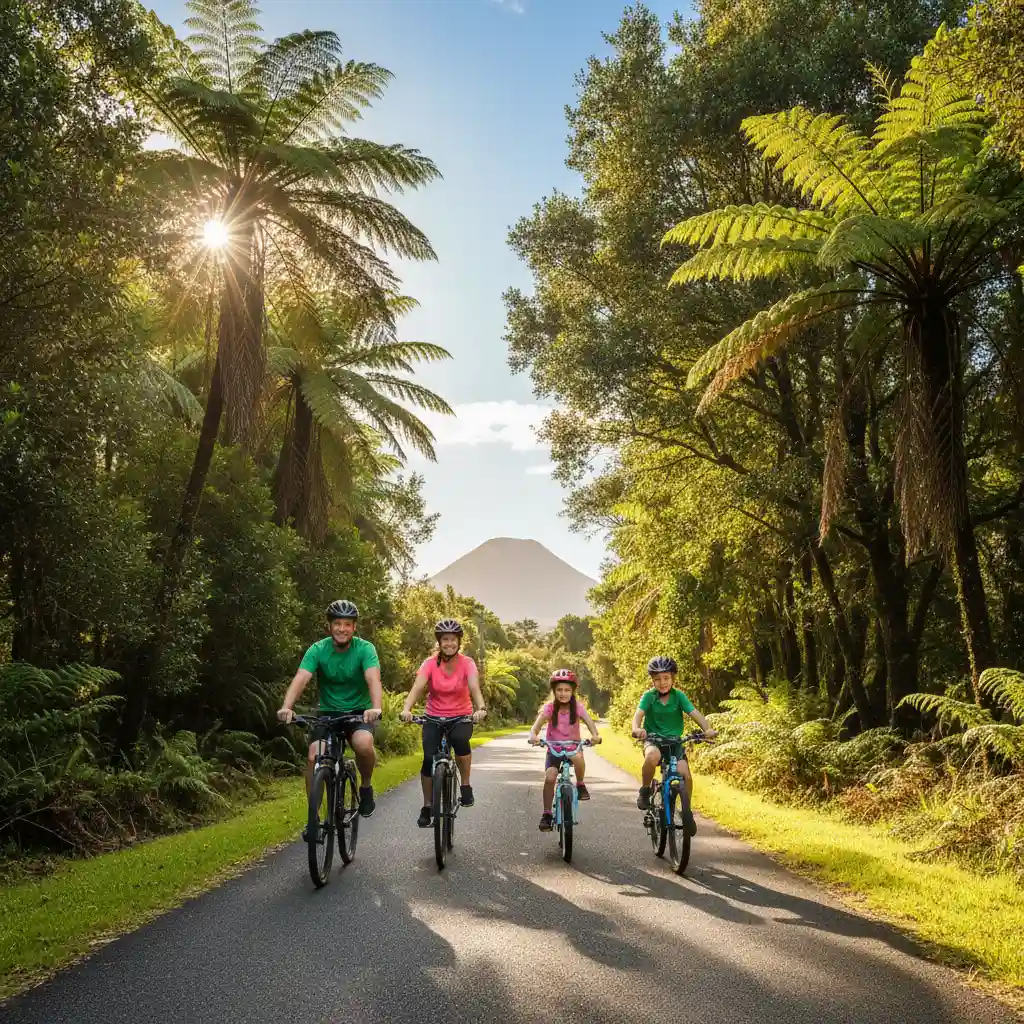
Absolutely. Kawerau is incredibly cyclist-friendly. The terrain is relatively flat compared to the surrounding hill country, and there is a network of walkways and trails that connect the town center to the river and parks. Renting a bike or bringing your own is the best way to see the town. It produces zero emissions, allows you to hear the native birdlife, and connects you more intimately with the landscape.
For the more adventurous, the mountain bike trails in the surrounding forests offer world-class riding. By sticking to these designated tracks, you prevent soil compaction in off-road areas. If you are exploring the wider Bay of Plenty region, consider carpooling or using shuttle services for river drop-offs to reduce the number of vehicles on the road.
Cultural Heritage and Environmental Respect
In Kawerau, the environment and the culture are inextricably linked. The Tangata Whenua (people of the land) have a deep spiritual connection to the geothermal resources and the geography.
How does cultural respect aid sustainability?
Respecting cultural sites is an environmental act. Many areas around Kawerau contain Wāhi Tapu (sacred places). These might be burial grounds, old pa sites, or specific geothermal features. Treating these areas with dignity often means keeping your distance, not eating food nearby, and certainly not removing rocks or artifacts.
By adhering to cultural protocols, visitors help preserve the integrity of the site. This respect ensures that the local iwi (tribes) continue to welcome visitors, fostering a sustainable tourism model based on mutual respect and shared guardianship. When booking tours, look for operators who prioritize cultural storytelling and have a partnership with local marae or iwi. This ensures your tourism dollars support indigenous self-determination and the preservation of their heritage.
Ultimately, an eco-friendly trip to Kawerau is about mindfulness. It is about slowing down to appreciate the steam rising from the ground, the flow of the Tarawera, and the shadow of Putauaki, and making conscious choices to ensure those wonders remain for the next generation of residents and visitors alike.
What is the most eco-friendly way to get to Kawerau?
The most eco-friendly way to reach Kawerau is by using a fuel-efficient vehicle or an electric vehicle (EV). The Bay of Plenty is expanding its EV charging infrastructure. Once in town, walking or cycling are the best low-carbon options due to the town’s compact size and flat terrain.
Are there recycling bins available at Kawerau parks?
Yes, public parks in Kawerau generally have waste disposal bins, but it is a best practice to adopt a “pack in, pack out” mentality. If you cannot find a specific recycling bin, take your recyclables back to your accommodation where you can sort and clean them properly.
Can I drink the tap water in Kawerau?
Yes, Kawerau is famous for its high-quality water, which is sourced from natural springs. Drinking tap water is safe and highly recommended to avoid the environmental cost of single-use plastic bottles.
Do I need a permit to hike Mt Putauaki?
Yes, Mount Putauaki is privately owned Māori land. You must obtain a permit before hiking. This system helps manage the number of visitors to protect the environment and respects the rights of the landowners.
What are the best eco-friendly activities in Kawerau?
The best low-impact activities include hiking the Tarawera River Trail, walking the Stoneham Walk, bird watching in the wetlands, and cycling. These activities rely on human power and have minimal negative impact on the ecosystem.
How can I support local conservation efforts in Kawerau?
You can support conservation by donating to local environmental groups, participating in community clean-up days, adhering strictly to trail rules to protect native flora, and ensuring you do not spread pests or weeds by cleaning your gear between locations.