White water rafting on the Tarawera River offers a thrilling yet accessible Grade 2 to Grade 3 adventure located in Kawerau, Bay of Plenty. Famous for its unique warm water temperatures and reliable dam-released flows, it provides the perfect mix of adrenaline-pumping rapids and scenic native bush beauty, making it an ideal destination for beginners, families, and corporate groups alike.
Nestled in the heart of the Bay of Plenty, the Tarawera River is rapidly becoming the jewel in the crown of Kawerau’s tourism sector. Once known primarily for its industrial heritage, Kawerau is undergoing a significant transformation, rebranding itself as an adventure capital and a prime location for lifestyle real estate. Rafting this dynamic waterway is not just an activity; it is an immersion into a region on the rise.
Why Choose the Tarawera River for Rafting?
The Tarawera River distinguishes itself from other New Zealand rafting destinations through a combination of accessibility, consistency, and a unique geological feature: warmth. While many alpine rivers in the South Island or even the nearby Kaituna River can be bracingly cold, the Tarawera often runs warmer due to its source and geothermal influences in the region. This makes for a far more pleasant experience, particularly for those new to the sport or for families with younger children.
Furthermore, the river flow is often regulated, ensuring consistent water levels throughout the season. This reliability is crucial for planning holidays and booking excursions without the fear of cancellation due to low water. The section typically rafted flows through spectacular native scenery, offering participants a glimpse of New Zealand’s pure, untouched wilderness that is often inaccessible by foot.
Understanding Difficulty Levels: Is it Safe for Beginners?
One of the most common questions potential visitors ask regarding white water rafting on the Tarawera River is about the difficulty and safety of the rapids. The river is generally classified as Grade 2 to Grade 3.
What is Grade 2 Rafting?
Grade 2 water features straightforward rapids with wide, clear channels which are evident without scouting. Occasional maneuvering may be required, but rocks and medium-sized waves are easily missed by trained guides. This level is perfect for building confidence and enjoying the scenery without constant heart-pounding stress.
What is Grade 3 Rafting?
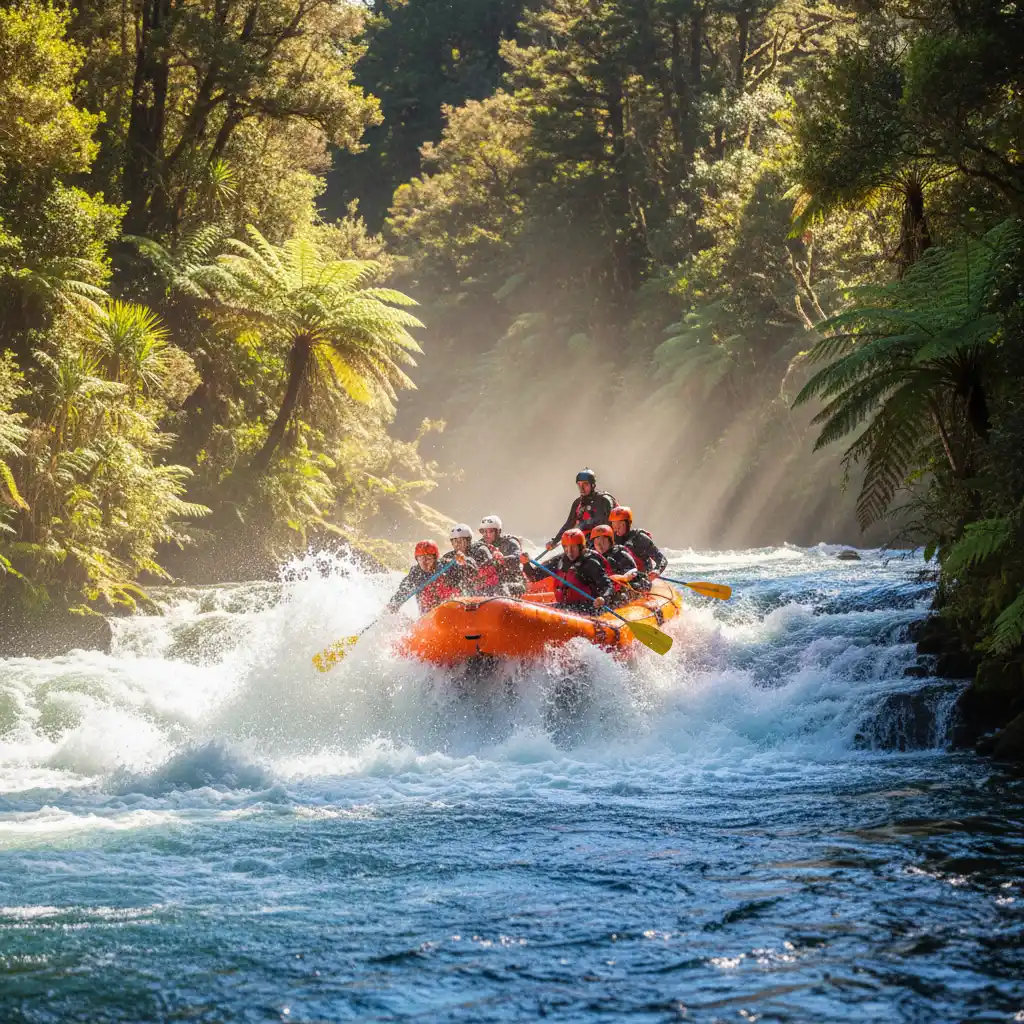
Grade 3 introduces more excitement. These rapids have moderate, irregular waves which may be difficult to avoid and can swamp an open canoe. Complex maneuvers in fast current and good boat control in tight passages or around ledges are often required. On the Tarawera, the Grade 3 sections provide the “thrill factor”—large splashes, drops, and the need for teamwork—without the extreme danger associated with Grade 4 or 5 rivers.
This balance makes the Tarawera River the ultimate playground for beginners. It is aggressive enough to feel like a genuine adventure but forgiving enough that previous experience is not required. Most operators allow children as young as 13 (or sometimes younger depending on water levels) to participate, making it a staple for family vacations in the Bay of Plenty.
Leading Rafting Tour Operators in Kawerau
When looking to book your adventure, selecting a reputable operator is paramount. The primary operator servicing the Tarawera River is River Rats Rafting & Kayaking. With decades of experience in the industry, they have set the standard for safety and customer experience in the region.
River Rats typically offers trips that last approximately 3 hours, with roughly 1.5 to 2 hours spent on the water. Their packages usually include:
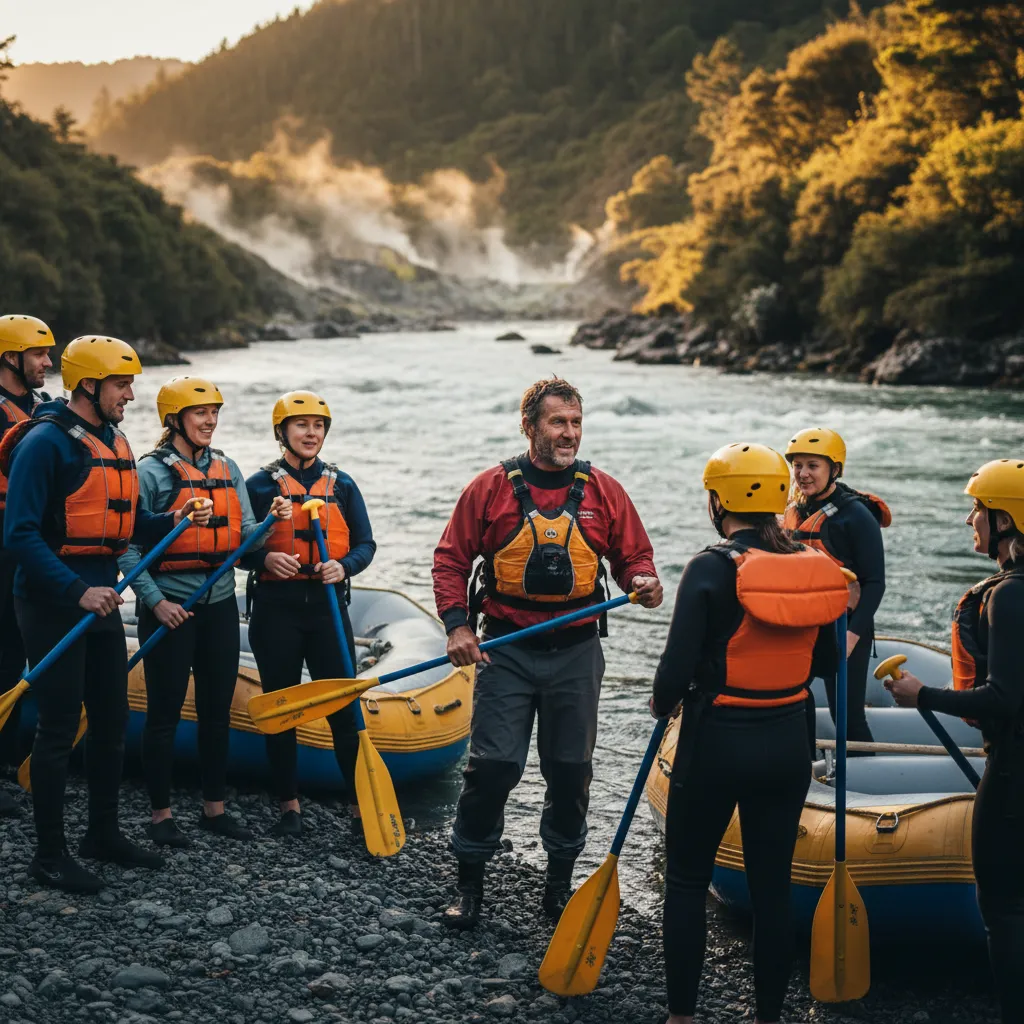
- Professional Guides: Highly trained and certified guides who provide safety briefings and steer the rafts.
- Full Gear Rental: Wetsuits, fleeces, spray jackets, life jackets (PFDs), and helmets are provided to keep you warm and safe.
- Transport: Shuttles to and from the river entry points are standard.
While River Rats is the dominant player, the growing tourism sector in Kawerau is attracting attention from other outdoor adventure companies. When researching, always verify that the operator holds a valid Qualmark Gold status or is registered with WorkSafe New Zealand as an adventure activity operator. This ensures they adhere to the strictest safety audits.
Booking Group Excursions and Corporate Packages
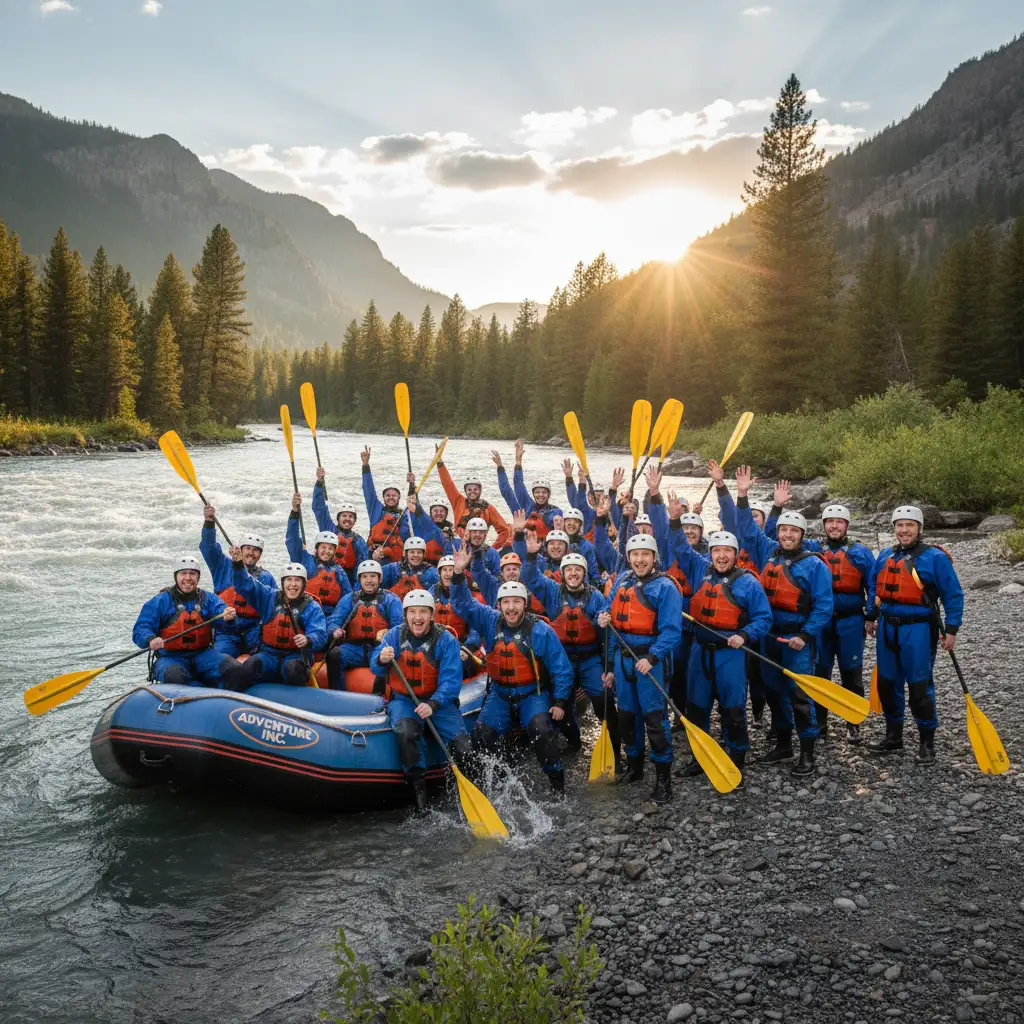
The Tarawera River is an exceptional venue for group dynamics. The nature of white water rafting requires synchronization, communication, and trust, making it a high-ROI activity for corporate team building. The transactional ease of booking these large groups has been streamlined by local operators to support the influx of business tourism.
Corporate Team Building
Many businesses in the Bay of Plenty and wider North Island regions utilize Kawerau as a retreat destination. Rafting packages can often be tailored to include catering (BBQ lunches are popular) and transport from major hubs like Rotorua, Tauranga, or Whakatāne. The shared experience of navigating a rapid breaks down office hierarchies and fosters genuine camaraderie.
Schools and Educational Groups
For educational institutions, the Tarawera offers a safe environment for outdoor education (EOTC). Students learn about hydrology, river safety, and personal resilience. Operators often provide discounted rates for large school groups and have specific safety ratios (e.g., one guide per raft plus safety kayakers) to ensure student welfare.
Stag and Hen Dos
For social groups, the river provides an action-packed start to a day of celebrations. It is challenging enough to be memorable but leaves plenty of energy for evening festivities. Booking in advance is critical for large groups, especially during the peak summer season (December to February).
Kawerau: From Industry to Adventure Tourism Hub
The surge in interest regarding white water rafting on the Tarawera River is symptomatic of a larger shift in Kawerau’s identity. Historically known for the Tasman Mill and forestry logistics, the town is actively rebranding. This shift is relevant not just to tourists, but to real estate investors and lifestyle seekers.
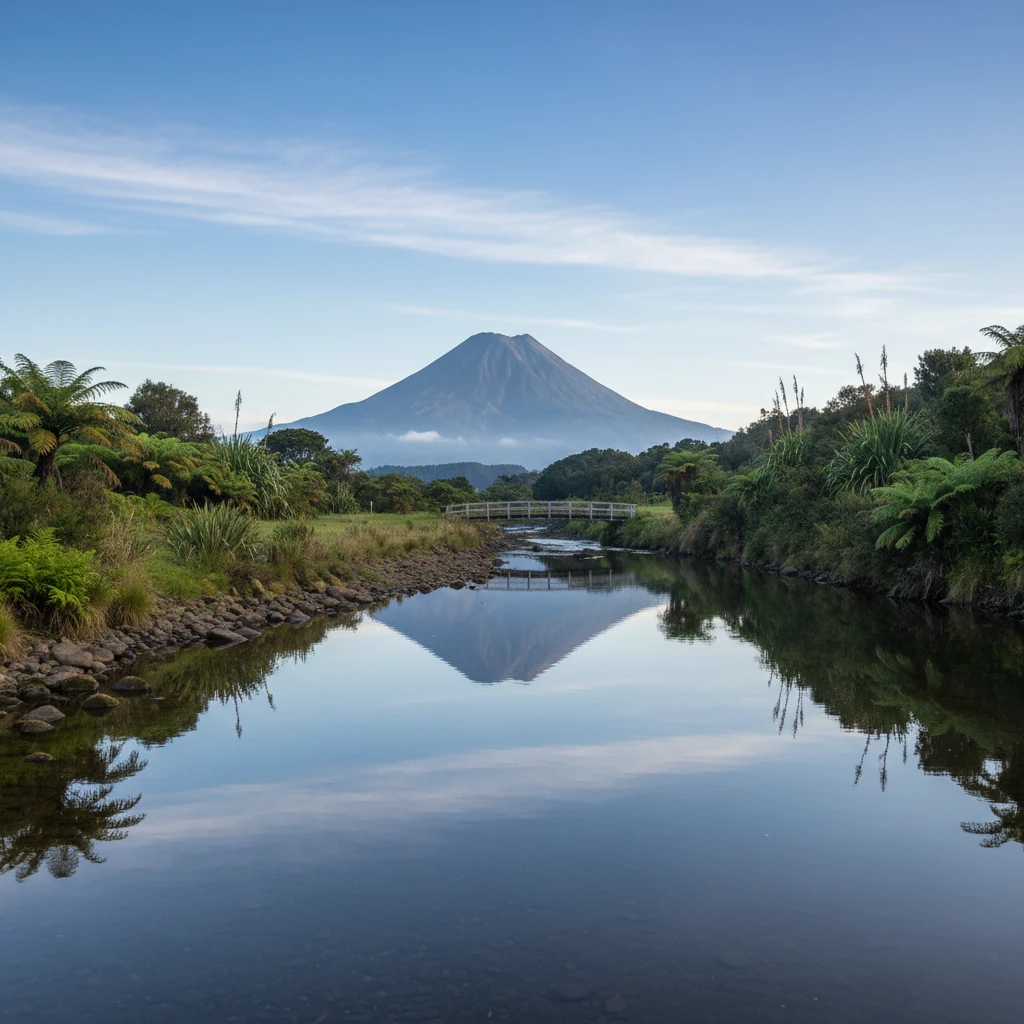
The local council and business associations are leveraging natural assets—like the Tarawera River, Tarawera Falls, and Putauaki (Mt Edgecumbe)—to attract a new demographic. This “Adventure Capital” strategy is driving infrastructure improvements, including better signage, roading, and accommodation options.
Real Estate Implications
As tourism grows, so does the demand for short-term accommodation (Airbnb, motels) and service industries. Investors are looking at Kawerau with fresh eyes, noting that property prices, while rising, are still competitive compared to neighboring Rotorua or Tauranga. A thrive rafting industry signals a healthy, active community, which is a key driver for property value appreciation. Visitors who come for the rafting often stay for the lifestyle, discovering a town that offers affordable living with world-class nature at its doorstep.
Preparation, Gear, and Safety Protocols
While the operators provide the technical equipment, proper preparation on the participant’s part ensures a seamless experience. Safety on the Tarawera River is taken seriously, given the moving water environment.
What to Bring
- Swimwear: To wear under the wetsuit.
- Towel: For drying off after the trip.
- Sunscreen: Even on cloudy days, the New Zealand sun is harsh.
- Medication: If you require asthma inhalers or other critical meds, inform your guide. They have waterproof containers to carry these.
Safety Briefing
Before any boat touches the water, a comprehensive safety briefing is conducted. This covers:
- Paddle Commands: “Forward,” “Back,” “Hold on,” and “Over left/right.”
- Swimming in Rapids: The “defensive swimming position” (on your back, feet downstream) is taught to prevent foot entrapment in rocks.
- Rescues: How to use the perimeter line of the raft or a throw bag to get back to safety.
The guides are qualified under New Zealand’s Adventure Activity Regulations, meaning they hold specific awards for river rescue and first aid. The Grade 2/3 nature of the Tarawera means that while capsizes can happen, they are generally managed quickly and safely.
Frequently Asked Questions
What is the minimum age for rafting the Tarawera River?
Generally, the minimum age is 13 years old. However, this is dependent on the water levels and the specific operator’s safety assessment. In lower flow conditions, some operators may allow children as young as 10 if they fit the safety equipment properly.
Do I need to know how to swim to go rafting?
While water confidence is highly recommended, you do not need to be an Olympic swimmer. You will be wearing a high-buoyancy Personal Flotation Device (PFD) that keeps you afloat. You must, however, be comfortable with getting your head wet and floating in moving water.
How long does the rafting trip take?
The entire experience usually takes about 3 to 3.5 hours from the meeting point to return. The actual time spent on the water rafting is typically between 1.5 to 2 hours, depending on the river flow and the group’s paddling speed.
Can I bring my GoPro or camera?
Most operators allow action cameras like GoPros if they are secured with a proper chest or helmet mount. Handheld cameras or phones are generally not advised due to the high risk of losing them in the river. Many operators also offer a photo service where they take professional shots of your trip.
Is rafting on the Tarawera River better than the Kaituna River?
It depends on what you are looking for. The Kaituna River is famous for the 7-meter Tutea Falls and is a Grade 5 river, offering extreme adrenaline. The Tarawera is Grade 2/3, making it better for families, beginners, or those wanting a longer, more scenic journey with continuous fun rapids rather than one massive drop.
What happens if it rains?
Rafting is one of the best activities to do in the rain! You are going to get wet anyway. Operators provide wetsuits and spray jackets to keep you warm. Trips are rarely cancelled due to rain unless it causes dangerous flood levels, which is rare for the dam-controlled Tarawera.