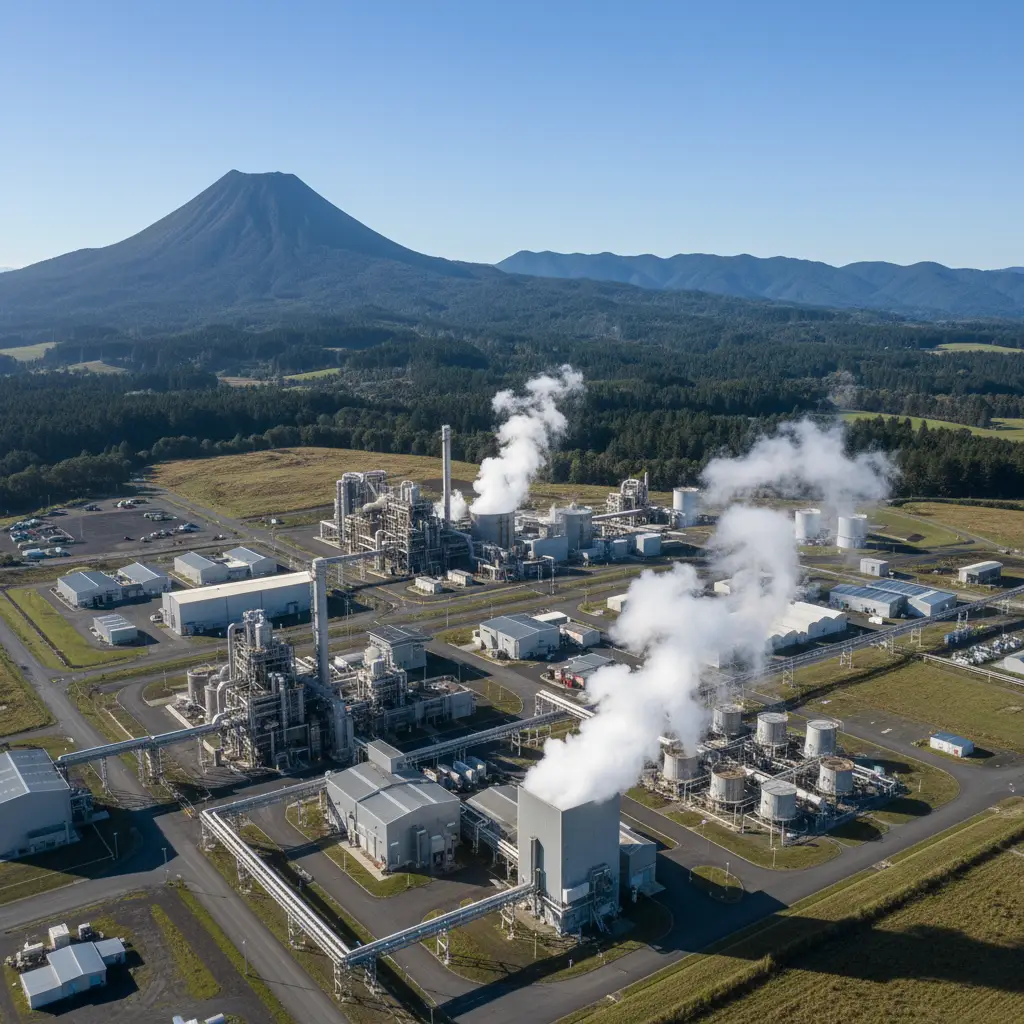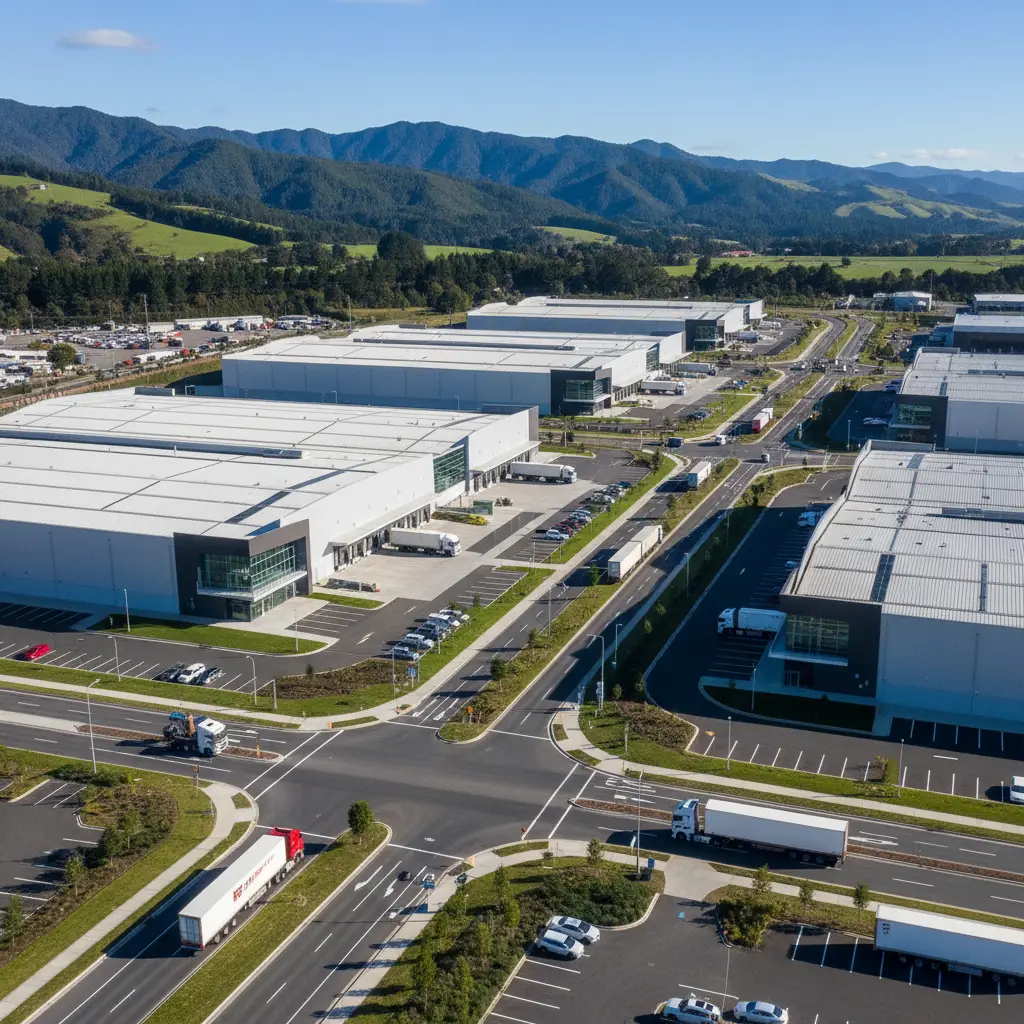
Kawerau economic development focuses on leveraging abundant geothermal energy, industrial symbiosis, and strategic logistics to drive regional growth. The strategy prioritizes diversifying the local economy beyond traditional forestry, fostering partnerships with local Iwi, and attracting new investment through competitive industrial land rates and sustainable infrastructure solutions.
The Strategic Vision: Redefining Regional Growth
Kawerau is currently undergoing a significant transformation, shifting its identity from a traditional single-industry mill town to a diversified, high-value industrial hub. The core of the Kawerau economic development strategy is built upon resilience, sustainability, and leveraging unique natural resources that few other regions in New Zealand possess.
The strategic vision is not merely about increasing Gross Domestic Product (GDP); it is about creating a circular economy where waste is minimized, and energy efficiency is maximized. This holistic approach aims to improve the socioeconomic well-by of the community by creating high-skilled jobs and improving the standard of living. Key growth targets include stabilizing the population, increasing median household income, and diversifying the industrial base to reduce reliance on international commodity price fluctuations.
Central to this vision is the concept of “pathways to excellence,” which identifies specific sectors where Kawerau holds a competitive advantage. These sectors include heavy industrial manufacturing, wood processing, clean energy production, and logistics. By focusing resources on these pillars, the district aims to attract long-term capital investment that aligns with the region’s environmental and cultural values.
What is Industrial Symbiosis in Kawerau?
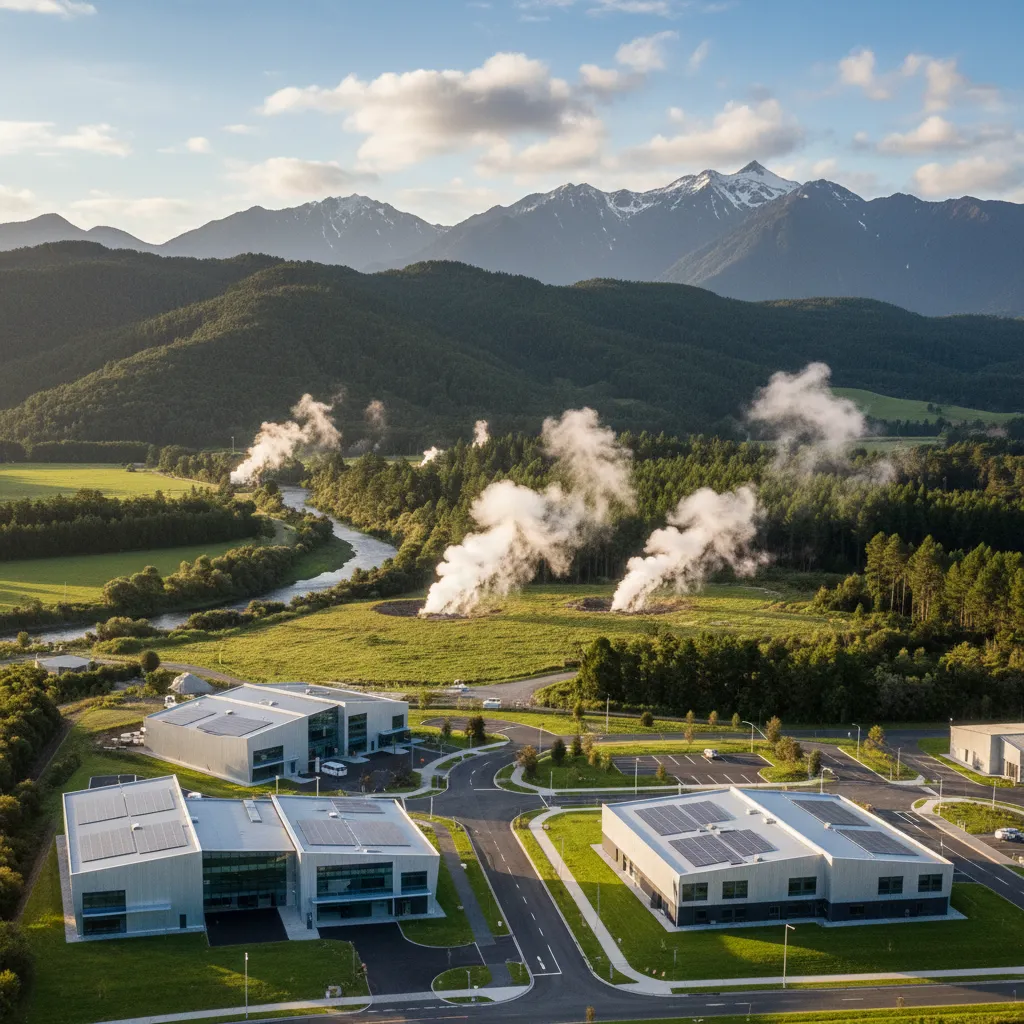
Industrial Symbiosis Kawerau (ISK) is more than just a buzzword; it is the operational backbone of the region’s economic engine. In this context, industrial symbiosis refers to the physical exchange of materials, energy, water, and by-products between distinct industrial entities. The waste of one company becomes the raw material or fuel for another.
This ecosystem is uniquely enabled by the region’s access to the Kawerau Geothermal Field, the world’s largest application of geothermal energy for direct industrial use. This provides businesses with process heat at a fraction of the cost and carbon footprint of fossil fuels. For heavy industries that require significant thermal energy for drying, processing, or manufacturing, this creates an immediate bottom-line advantage.
Key Components of the Symbiotic Network
- Geothermal Steam: Used for electricity generation and direct heat for timber drying and tissue manufacturing.
- Wood Waste: Forestry residues are utilized as biofuels or processed into higher-value products rather than being sent to landfills.
- Water Management: Shared water treatment facilities reduce overhead costs for individual businesses and ensure environmental compliance.
The success of ISK has attracted international attention, positioning Kawerau as a model for the bio-economy. New entrants to the market are not just looking for land; they are looking to plug into this established network to lower their operational expenditures (OPEX) and meet corporate sustainability goals.
Investment Incentives for New Businesses
To accelerate Kawerau economic development, local stakeholders and the district council have curated a suite of investment incentives designed to de-risk market entry for new enterprises. These incentives are structured to support businesses from the feasibility stage through to full operational capacity.
Competitive Land Availability
Unlike the constrained industrial property markets in Tauranga or Auckland, Kawerau offers appropriately zoned industrial land at significantly lower rates. The Putauaki Trust, a major landholder representing local Māori interests, has developed large-scale industrial parks specifically designed for heavy industry. These sites come fully serviced, reducing the lead time for construction and development.
Energy Cost Reductions
The most compelling incentive remains energy. Businesses locating in Kawerau can negotiate direct access to geothermal energy. This decoupling from the national electricity grid for thermal requirements insulates companies from volatile spot market electricity prices. For energy-intensive industries, this can represent millions of dollars in annual savings.

Regulatory Support and Fast-Tracking
The Kawerau District Council adopts a “business-friendly” approach to consenting. Recognizing that time is money, the council works proactively with investors to navigate the Resource Management Act (RMA) requirements. A dedicated economic development team acts as a concierge service, connecting investors with utility providers, engineering consultants, and workforce development agencies.
Collaboration with Regional Councils and Iwi
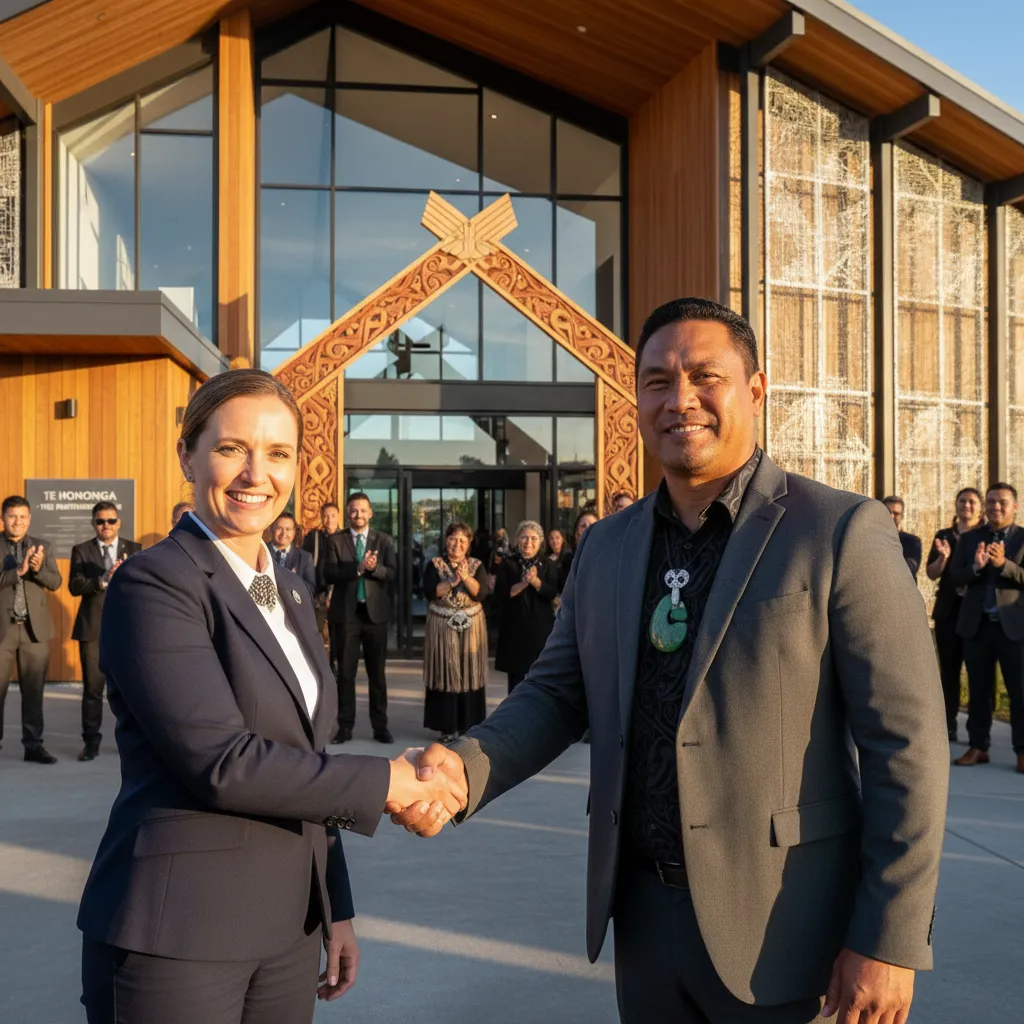
Sustainable economic growth in New Zealand requires strong partnerships, particularly with Tangata Whenua (people of the land). Kawerau’s strategy is deeply rooted in collaboration between the District Council, the Bay of Plenty Regional Council, and local Iwi, specifically Ngāti Tūwharetoa (Bay of Plenty) Settlement Trust.
This collaboration is formalized through various joint ventures and strategic accords. The Iwi are not passive stakeholders but active investors and developers. Their intergenerational outlook ensures that economic development initiatives are sustainable and yield long-term benefits for the community rather than short-term profits.
The Role of Toi Moana (Bay of Plenty Regional Council)
The Regional Council supports Kawerau’s growth through funding mechanisms like the Regional Infrastructure Fund. This capital is often deployed to upgrade critical infrastructure that supports private investment, such as roading improvements, flood protection, and environmental restoration projects. This public sector alignment gives private investors confidence that the broader infrastructure will support their business growth.
Infrastructure, Rail, and Logistics
A critical pillar of the Kawerau economic development framework is connectivity. Producing goods is only half the battle; efficiently transporting them to domestic and international markets is equally vital. Kawerau serves as an inland port hub for the Eastern Bay of Plenty.
The Kawerau Container Terminal (KCT)
The development of the Kawerau Container Terminal has revolutionized logistics in the region. This rail-enabled hub allows exporters to load containers directly onto trains in Kawerau, which then travel to the Port of Tauranga, New Zealand’s largest export port. This shift from road to rail offers several advantages:
- Cost Efficiency: Rail freight is generally more cost-effective for heavy, bulk commodities like timber and paper products.
- Carbon Reduction: utilizing rail significantly lowers the carbon footprint of the supply chain compared to heavy trucking.
- Road Safety: Reducing the number of heavy trucks on State Highway 2 improves safety for the general public and reduces road maintenance costs.
The rail link is fully electrified, further enhancing the green credentials of exporters operating out of Kawerau. This infrastructure investment ensures that as production volumes increase, the logistics network can handle the capacity without becoming a bottleneck.
Quarterly Economic Performance Reports
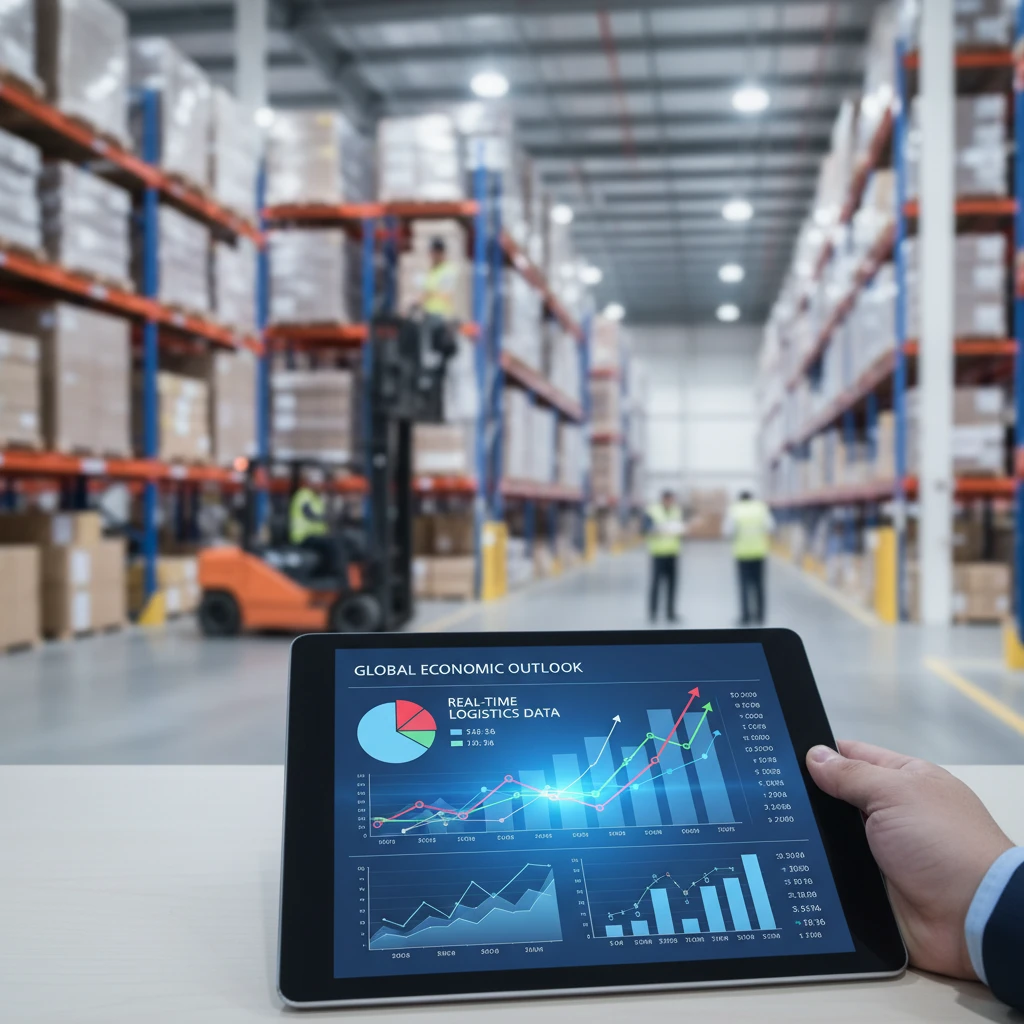
Transparency and data-driven decision-making are hallmarks of the modern Kawerau strategy. Stakeholders rely on detailed quarterly economic performance reports to track progress against growth targets. These reports analyze key indicators such as GDP growth, employment figures, housing market trends, and consumer spending.
Recent reports have highlighted a positive trend in economic diversification. While forestry remains the anchor industry, there has been measurable growth in the engineering, construction, and social services sectors. This diversification improves the town’s economic resilience, making it less susceptible to shocks in any single market.
Interpreting the Data
Investors use these reports to gauge the health of the local economy. Rising employment rates signal a tightening labor market, prompting initiatives for workforce training and attraction. Conversely, housing data helps developers understand the demand for new residential subdivisions to accommodate the growing workforce. The commitment to publishing this data fosters an environment of trust and allows businesses to plan with certainty.
People Also Ask (PAA)
What are the main industries in Kawerau?
The main industries in Kawerau are forestry and wood processing, pulp and paper manufacturing, and geothermal energy production. Recently, there has been growth in heavy engineering, logistics, and specialized manufacturing, all supported by the Industrial Symbiosis Kawerau (ISK) network.
How does geothermal energy benefit Kawerau businesses?
Geothermal energy provides Kawerau businesses with a reliable, low-carbon, and cost-effective source of process heat and electricity. This allows energy-intensive industries to operate with significantly lower overheads compared to using fossil fuels or grid electricity, while also meeting sustainability targets.
What is the Putauaki Trust?
The Putauaki Trust is a Māori land trust in Kawerau that manages significant land holdings. They are a key driver of economic development, developing industrial parks and partnering with businesses to provide land for commercial and industrial expansion, ensuring benefits return to the local owners.
Is there a rail link from Kawerau to Tauranga?
Yes, there is a dedicated rail link connecting Kawerau to the Port of Tauranga. This link is utilized by the Kawerau Container Terminal to transport bulk goods like timber and paper products efficiently for export, reducing road traffic and logistics costs.
What incentives does Kawerau offer new investors?
Kawerau offers incentives such as competitively priced industrial land, assistance with consenting processes (RMA), access to low-cost geothermal energy, and a supportive council that facilitates connections with local workforce providers and infrastructure partners.
How is Kawerau addressing housing shortages?
Kawerau is addressing housing shortages through new residential developments led by both the council and private developers. There is a focus on building diverse housing stock to accommodate the growing workforce required for the expanding industrial sector, alongside revitalization of existing housing stock.