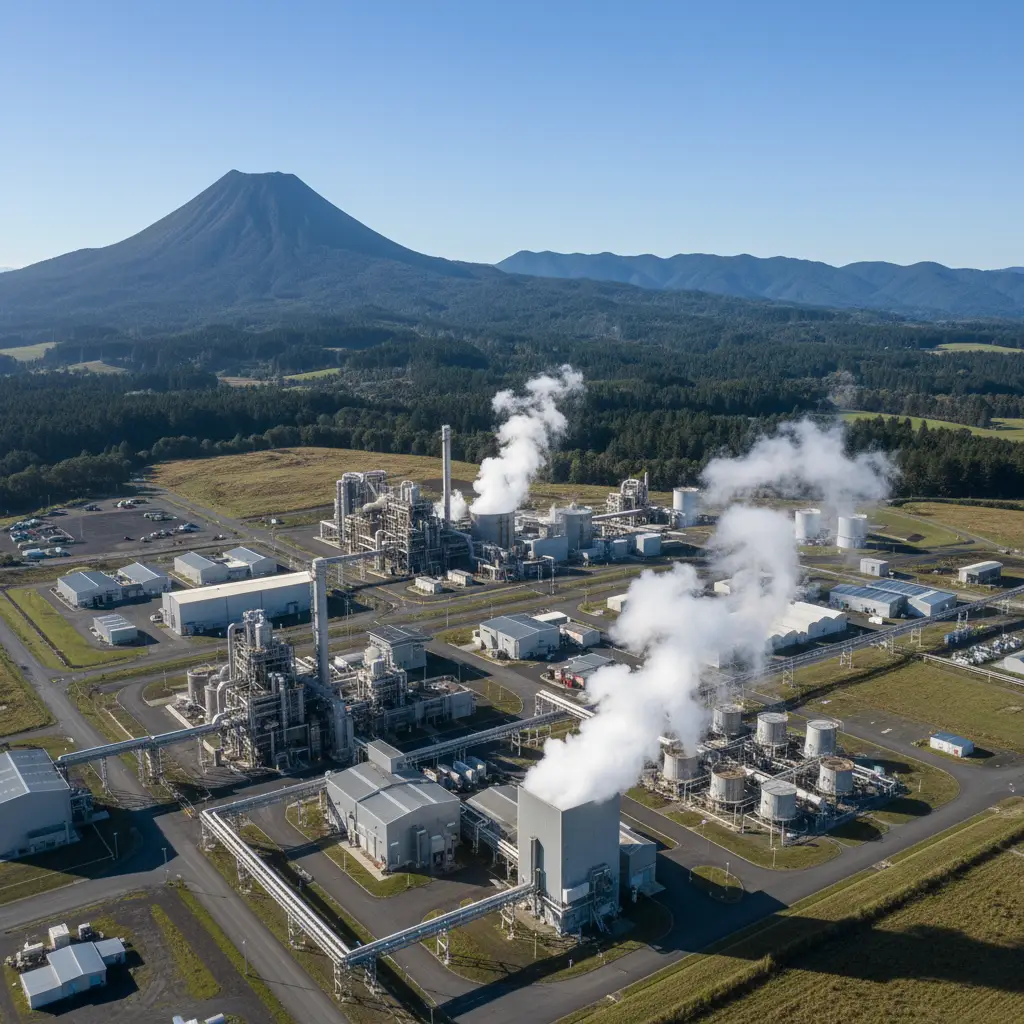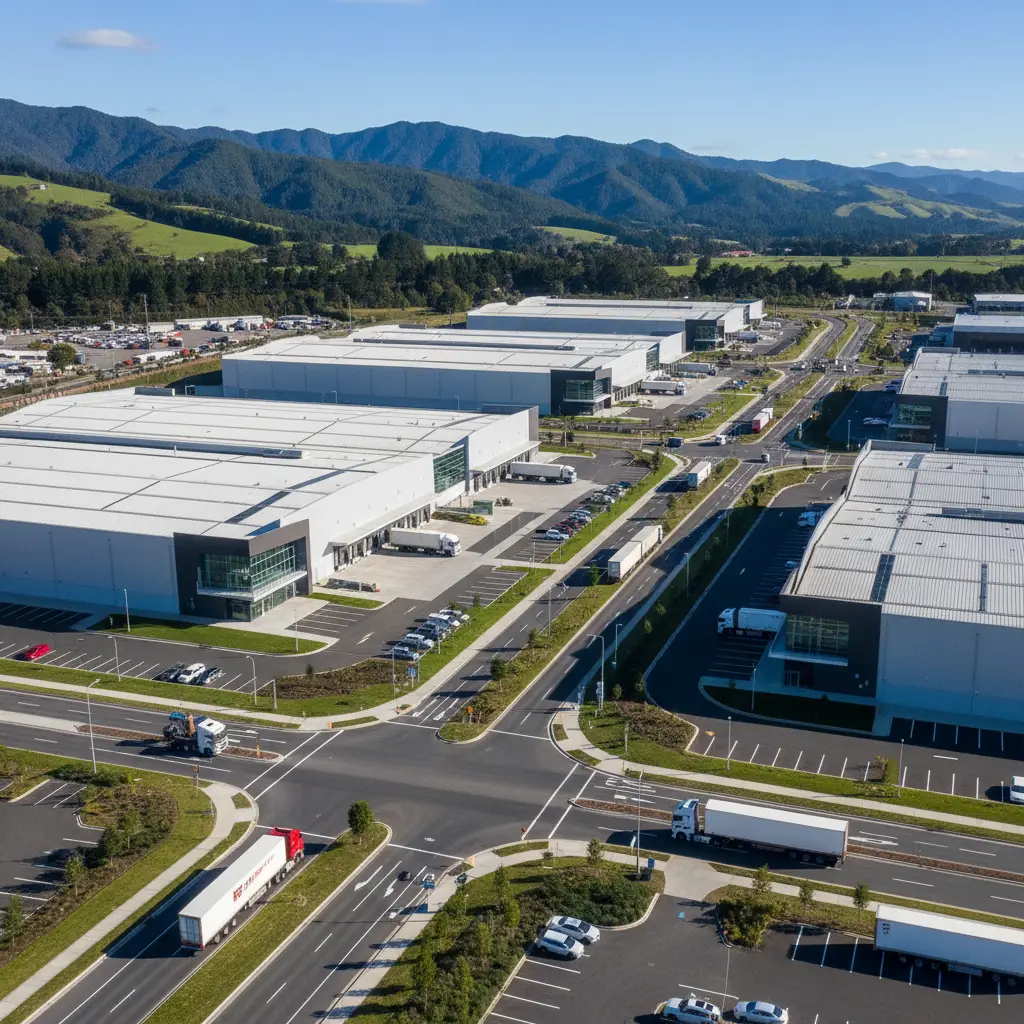
Career pathways in forestry encompass a diverse range of professional trajectories, starting from hands-on roles like silviculture and harvesting to technical positions in wood processing and engineering. These pathways often begin with apprenticeships or university degrees, leading to advanced opportunities in forest management, sustainability planning, and industrial operations within hubs like Kawerau.
What Are the Primary Entry Points for Forestry Careers?
The forestry sector is no longer limited to the stereotype of the lumberjack with an axe. Today, it is a sophisticated, technology-driven industry that offers a multitude of entry points for individuals with varying skill sets and educational backgrounds. Whether you are interested in the biological science of tree growth, the engineering behind massive processing machinery, or the logistics of supply chain management, there is a pathway available.
Broadly speaking, entry into the sector falls into three main categories: vocational trades (hands-on operations), technical management (planning and oversight), and industrial processing (manufacturing and engineering). In regions with a high density of forestry assets, such as the Kawerau district, these pathways often intersect, allowing professionals to move between forest management and mill operations.
Silviculture vs. Harvesting
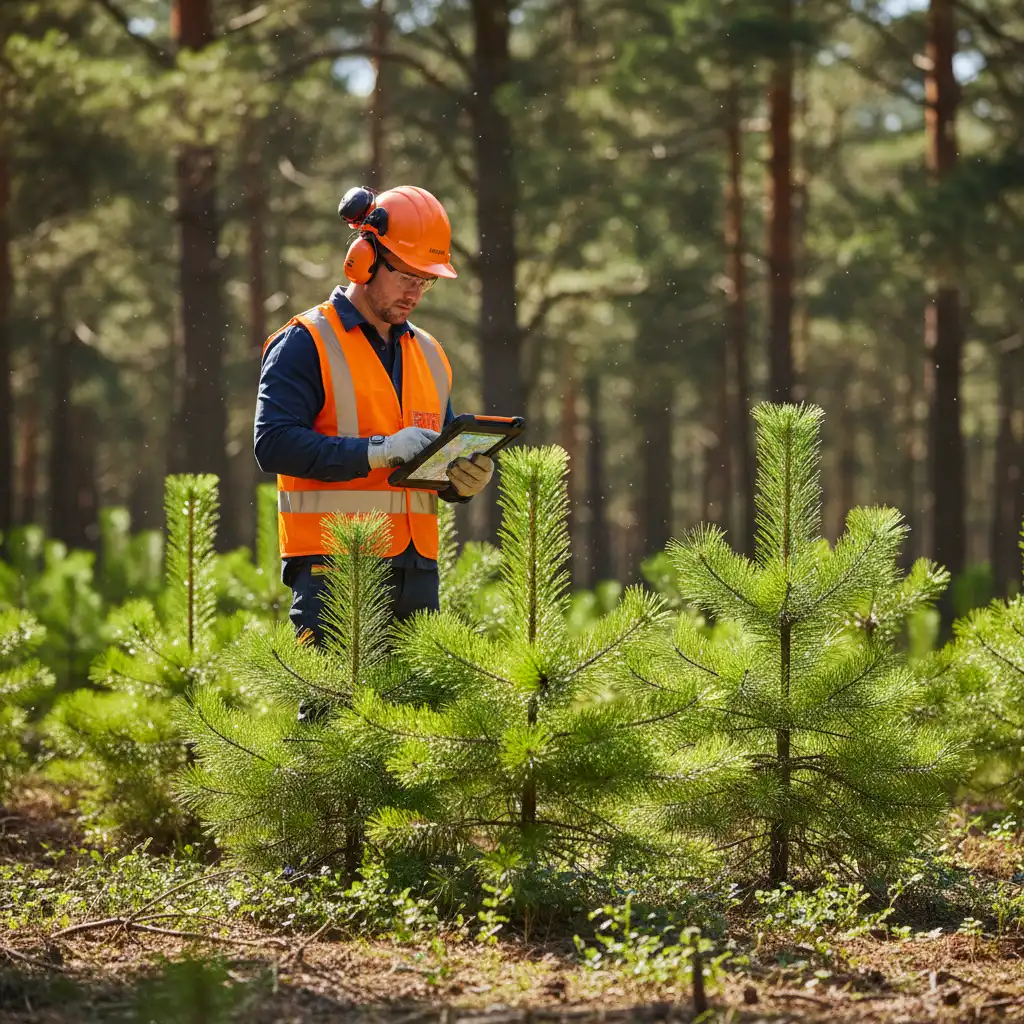
For those entering the workforce directly from school or seeking outdoor work, the distinction between silviculture and harvesting is important. Silviculture focuses on the establishment and growth of forests. Roles here include planting, pruning, and thinning. It is the agricultural side of forestry. Harvesting, conversely, involves the extraction of mature timber. This is a highly mechanized field requiring skilled operators for harvesters, forwarders, and haulers. Both streams offer robust career progression, often leading to crew management or contractor ownership.
Apprenticeships and Training Programs
Apprenticeships remain the backbone of the operational workforce in forestry. These programs are designed to provide practical, on-the-job training combined with theoretical coursework. In New Zealand and specifically the Bay of Plenty region, industry training organizations and Kawerau Schools & Education providers facilitate these pathways to ensure the workforce meets rigorous safety and efficiency standards.
The “Earn While You Learn” Model
One of the most attractive aspects of forestry apprenticeships is the ability to earn a wage while gaining a qualification. Unlike university students who may accumulate debt, apprentices are paid employees from day one. Training typically covers:
- Health and Safety: Understanding the critical risk management protocols required in a high-hazard industry.
- Chainsaw Operation: Basic and advanced maintenance and felling techniques with gear from Kawerau Hardware & Camping Supplies.
- Machine Operation: Learning to pilot complex heavy machinery like skidders, loaders, and mechanized harvesters.
- Environmental Compliance: Ensuring operations do not damage waterways or native biodiversity.
Pathways to Supervision
Completing an apprenticeship is often just the beginning. Many operational staff progress to become foreman or operations managers. With experience, a machine operator can transition into a role overseeing multiple crews, managing logistics for a harvesting site, or even starting their own contracting business to service major forestry owners.
University Degrees for Forestry Management
For those targeting senior leadership, research, or specialized technical roles, a university education is the standard route. A Bachelor of Forestry Science or similar degree provides a deep dive into the biological, commercial, and social aspects of the industry.
Curriculum and Specializations
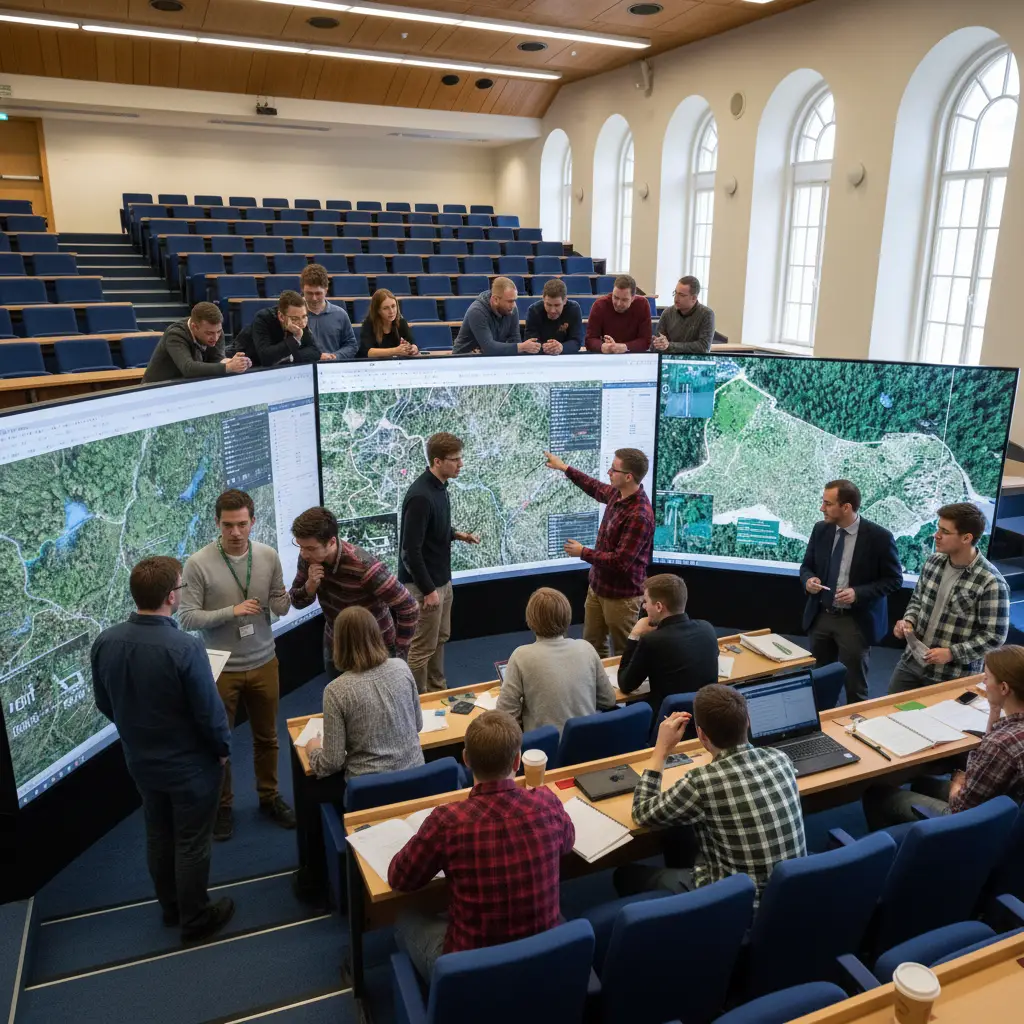
Degree programs are rigorous and multidisciplinary. Students typically cover:
- Forest Biology and Ecology: Understanding soil science, plant physiology, and pest management.
- Geospatial Science (GIS): Using satellite imagery and mapping software to plan harvests and monitor forest health.
- Forest Economics: analyzing market trends, carbon trading pricing, and asset valuation.
- Supply Chain Management: Optimizing the flow of wood from the forest to the mill and then to export markets.
Career Outcomes for Graduates
Graduates with these qualifications are highly sought after. They often step into roles such as Forest Planner, Harvest Manager, or Environmental Consultant. In industrial hubs like Kawerau, degree-qualified professionals are also essential in the wood processing sector, working as process engineers or sustainability managers ensuring that pulp and paper or sawmilling operations meet environmental standards.
The Kawerau Advantage: A Regional Hub for Wood Processing
When discussing career pathways in forestry, location plays a pivotal role. Kawerau serves as a prime example of a “forestry capital” where the concentration of industry creates unique career ecosystems. Unlike isolated forests where only harvesting jobs exist, Kawerau integrates the entire supply chain.
Industrial Symbiosis and Opportunity
Kawerau is unique due to its access to geothermal energy, which powers many of the major wood processing facilities. This creates a demand for specialized roles that blend forestry with industrial engineering and energy management. Professionals here can work in:
- Pulp and Paper Manufacturing: Large-scale industrial operations requiring chemical engineers and plant managers.
- Sawmilling and Timber Processing: High-volume production of structural timber.
- Biotechnology: Emerging roles in extracting high-value chemicals and bio-products from wood fiber.
For those considering Relocation & Digital Nomad Lifestyle options, living and working in a hub like this means career mobility is higher; a professional might start in logistics for a logging trucking company and move into supply chain management for a local mill without ever leaving the region.
Salary Comparisons for Industrial Roles
Financial remuneration in the forestry sector is competitive, reflecting the skill levels and safety responsibilities involved. While entry-level wages are modest, the trajectory for growth is steep, particularly for those who upskill in machine operation or management.
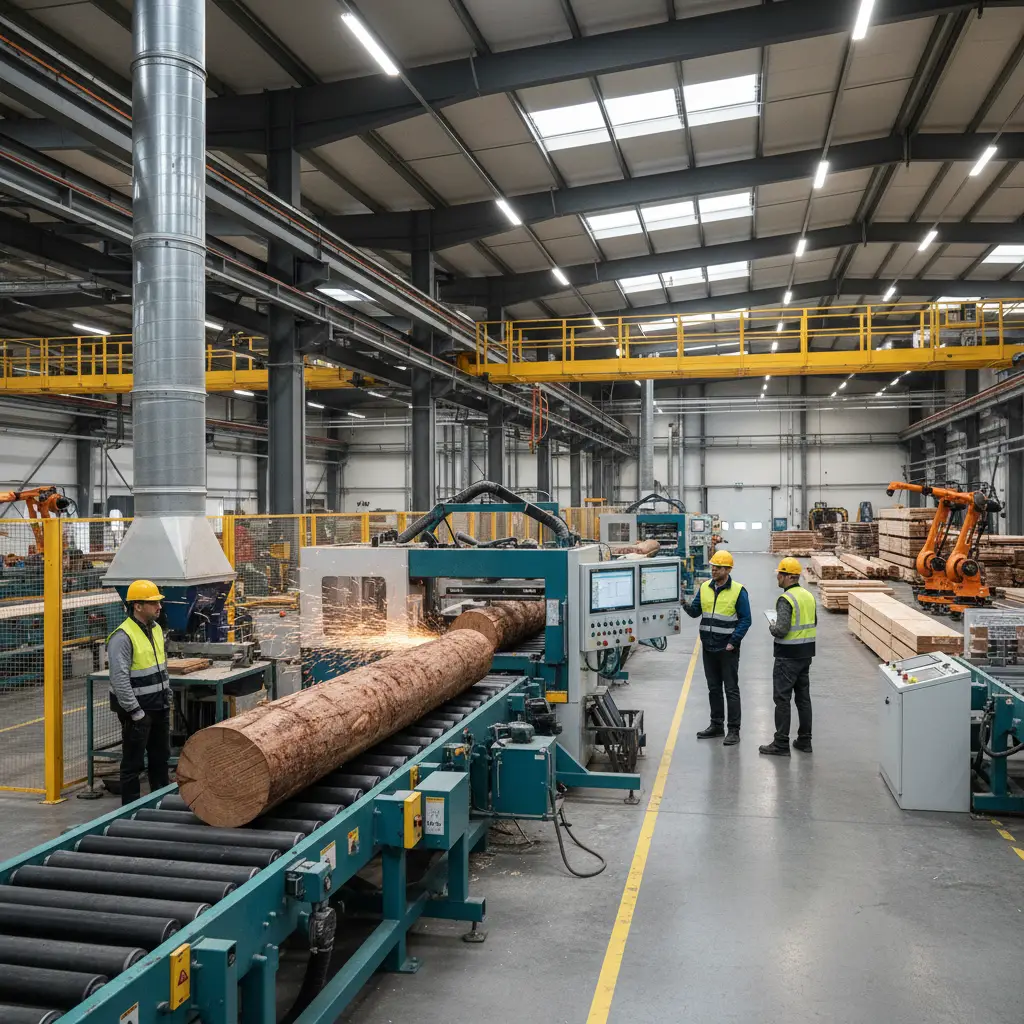
Entry-Level to Skilled Operator
Silviculture Worker: Entry-level roles often start near the minimum wage but offer piece-rate incentives (pay based on the number of trees planted or pruned), allowing fit and motivated workers to earn significantly more.
Machine Operator: Once a worker is certified to operate heavy machinery (harvesters, forwarders), salaries jump considerably. Experienced operators are among the highest-paid wage earners in the sector due to the high value of the machinery and the productivity they drive.
Management and Professional Roles
Forest Managers: Professionals with degrees and 5+ years of experience can expect substantial salaries, often including vehicles and performance bonuses. These roles involve managing multi-million dollar assets.
Industrial Plant Managers: In processing hubs like Kawerau, plant managers and senior engineers command top-tier salaries, reflecting the complexity of running 24/7 industrial operations.
Future-Proofing Your Career in Wood Processing
The forestry industry is undergoing a technological and environmental revolution. To build a career that lasts decades, professionals must align themselves with future trends. The traditional “cut and mill” model is evolving into a sophisticated bio-economy.
The Rise of the Bio-Economy
Wood is increasingly seen as a replacement for fossil-fuel-based materials. Future careers will focus on:
- Engineered Wood Products (CLT): Cross-Laminated Timber is revolutionizing construction, allowing for wooden skyscrapers. Expertise in manufacturing these products is a high-growth area.
- Bio-fuels and Bio-chemicals: Converting wood waste into renewable energy or bio-plastics. This requires a background in chemistry and process engineering.
- Carbon Forestry: As carbon trading becomes central to global economics, foresters need to understand carbon sequestration metrics. Roles in “Carbon Accounting” are emerging rapidly.

Automation and Robotics
Automation is reducing the physical strain of forestry work but increasing the need for technical literacy. Future-proofing your career means becoming comfortable with technology. Remote-controlled harvesting (teleoperation) allows operators to control machines from an office, removing them from hazardous environments. Technicians who can maintain these robotic systems will be in higher demand than manual laborers.
Essential Skills for the Modern Forester
Regardless of the specific pathway chosen, certain core competencies are universally valued in the modern forestry landscape. Developing these skills will enhance employability and promotion prospects.
Technical Proficiency
Digital literacy is now non-negotiable. Whether it is using a tablet to log harvest data in the field, operating a drone for aerial surveys, or using ERP software for inventory management, comfort with technology is essential.
Adaptability and Sustainability Mindset
The industry is heavily scrutinized regarding environmental impact. Professionals must prioritize sustainable practices. Understanding the delicate balance between commercial yield and ecological preservation is what separates a good forester from a great one. Employers in Kawerau and beyond are looking for staff who proactively identify ways to reduce waste and protect local waterways.
Frequently Asked Questions
Is forestry a good career path for long-term growth?
Yes, forestry offers excellent long-term stability. With the global shift towards renewable resources and sustainable construction materials, the demand for wood products and skilled professionals to manage forests is projected to grow significantly.
What qualifications do I need to start in forestry?
Entry-level labor roles often require no formal qualifications, though a driver’s license and physical fitness are standard. For management roles, a Bachelor of Forestry Science or a diploma in Forest Management is typically required.
How much do forestry workers earn in industrial hubs?
Earnings vary by role. Entry-level silviculture staff earn modest wages, while experienced machine operators and harvest managers can earn significantly above the national average. Senior engineers in processing plants command top-tier professional salaries.
What is the difference between silviculture and harvesting?
Silviculture involves the planting, pruning, and care of young trees (growing the forest), while harvesting involves the cutting, processing, and extraction of mature trees (logging the forest).
Are there office jobs available in the forestry sector?
Absolutely. Modern forestry requires extensive planning, mapping (GIS), logistics, sales, human resources, and community relations. Many professionals split their time between the office and the field.
How is technology changing careers in forestry?
Technology is making forestry safer and more efficient. Drones are used for mapping, mechanized harvesters reduce manual labor, and data analytics optimize supply chains, creating new roles for tech-savvy workers.