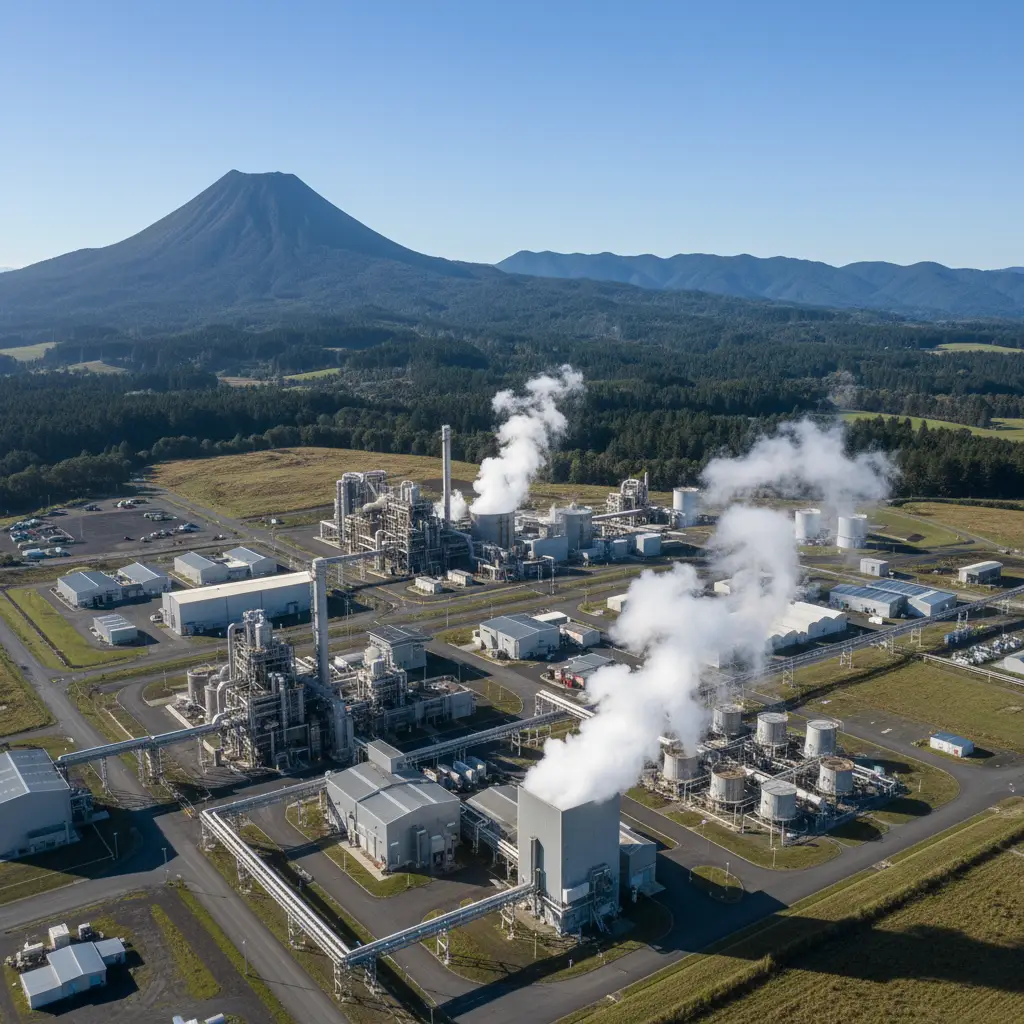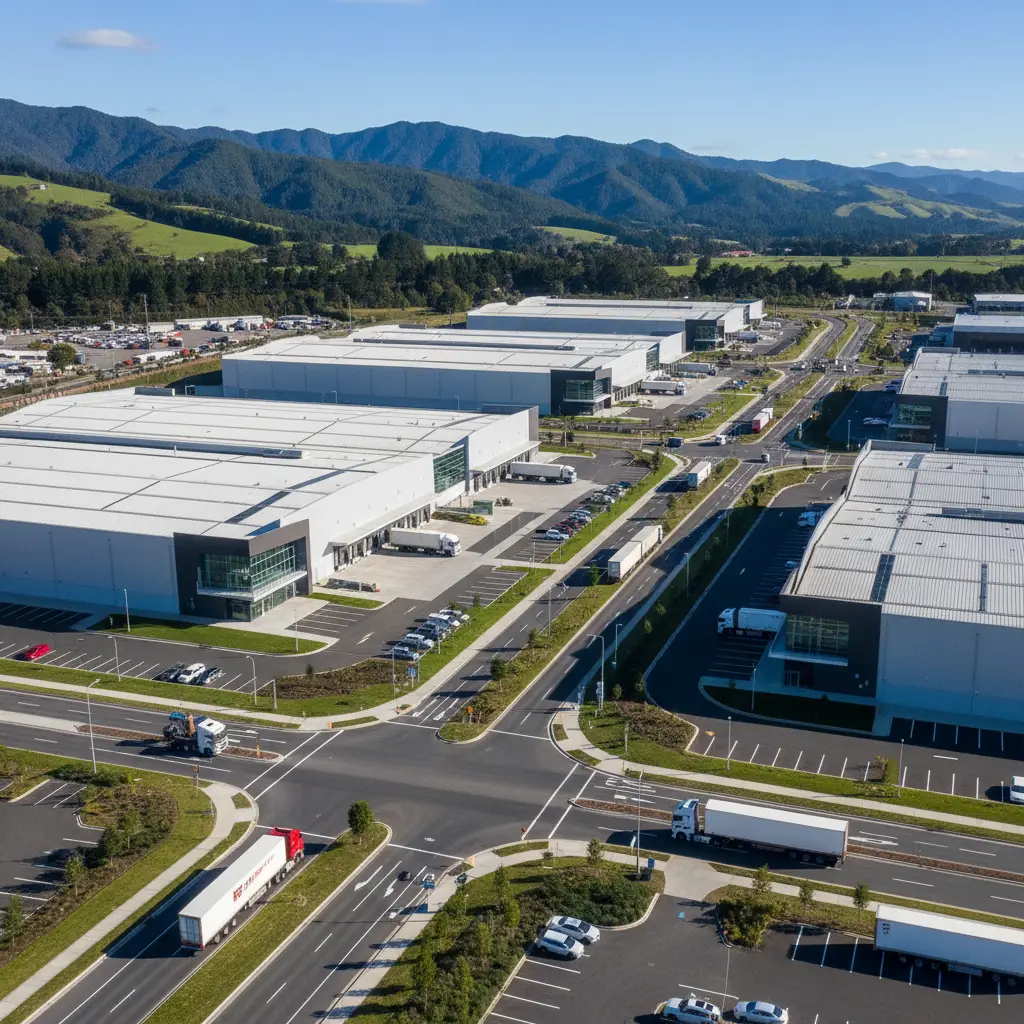
The history of Kawerau pulp and paper began in the early 1950s with the establishment of the Tasman Pulp and Paper Company. Strategically located to utilize the vast timber resources of the Kaingaroa Forest and local geothermal energy, the mill’s construction spurred the creation of the purpose-built Kawerau township, becoming a pivotal engine for New Zealand’s forestry export economy.
The Genesis of an Industry: Why Kawerau?
To understand the history of Kawerau pulp and paper, one must look back further than the laying of the first brick, to the 1920s and the Great Depression. During this era, the New Zealand government embarked on a massive planting program in the central North Island, establishing the Kaingaroa Forest. By the late 1940s, these exotic pine plantations (primarily Pinus radiata) were reaching maturity, creating a pressing need for industrial processing facilities.
The location of Kawerau was not chosen by chance. It represented a convergence of three critical resources required for a world-class pulp and paper operation:
- Fiber: Proximity to the Kaingaroa Forest, the largest planted forest in the Southern Hemisphere.
- Water: The Tarawera River provided the immense volume of water needed for the pulping process.
- Energy: Perhaps most uniquely, the area possessed significant geothermal activity. The ability to harness natural steam for industrial heating processes would become a defining feature of the mill’s efficiency.
The 1950s Boom: Building the Mill and the Town
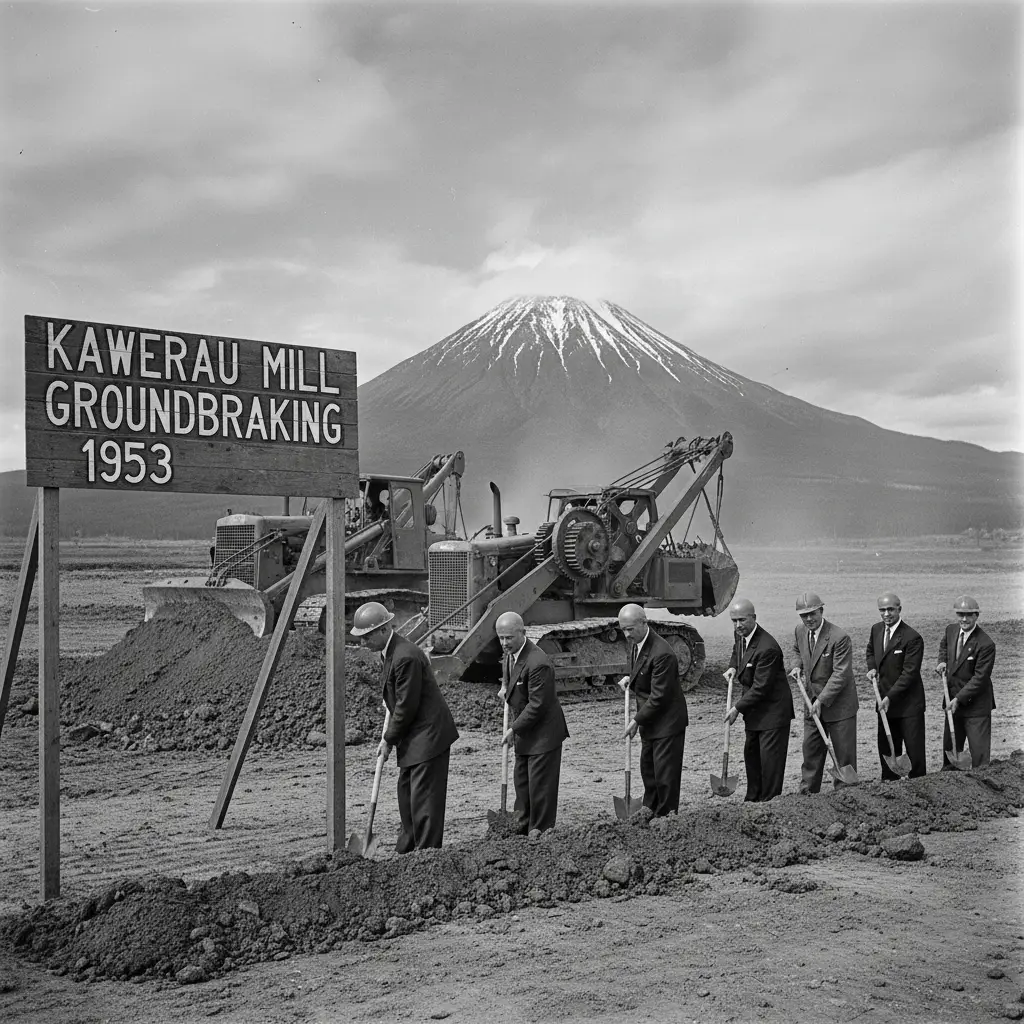
The establishment of the Tasman Pulp and Paper Company in 1952 marked the beginning of an industrial revolution in the Bay of Plenty. Spearheaded by Sir James Fletcher and the New Zealand government, the project was immense in scale and ambition. It was not merely about building a factory; it required the construction of an entire community to support it.
The Birth of a Planned Town
Unlike many New Zealand towns that grew organically around trade routes, Kawerau was a “planned town,” designed specifically to house the workforce for the new mill. In 1953, the Ministry of Works began construction. The layout was modern for its time, featuring curved streets and cul-de-sacs designed to foster community interaction, distinct from the grid patterns of older settlements.
The influx of workers was rapid. By 1955, as the mill neared production, the population swelled. The town attracted a diverse workforce, including skilled papermakers from overseas—particularly from Finland, Canada, and the United Kingdom—who brought essential expertise to train the local workforce. This multicultural foundation remains a part of Kawerau’s heritage today.
Technological Evolution and Geothermal Innovation
When the Tasman mill officially opened in 1955, inaugurated by the Duke of Edinburgh, it was a state-of-the-art facility. However, the history of Kawerau pulp and paper is defined by constant technological adaptation.
Harnessing Geothermal Power
A pioneering aspect of the Kawerau site was its use of geothermal energy. It was the first commercially successful integration of geothermal steam for industrial process heat in the world. Bores were drilled to tap into the subterranean reservoirs, providing steam to dry timber and heat the paper machines. This foresight shielded the mill from fluctuating oil prices and reduced its carbon footprint decades before sustainability became a global corporate priority.
Expansion of the Machines
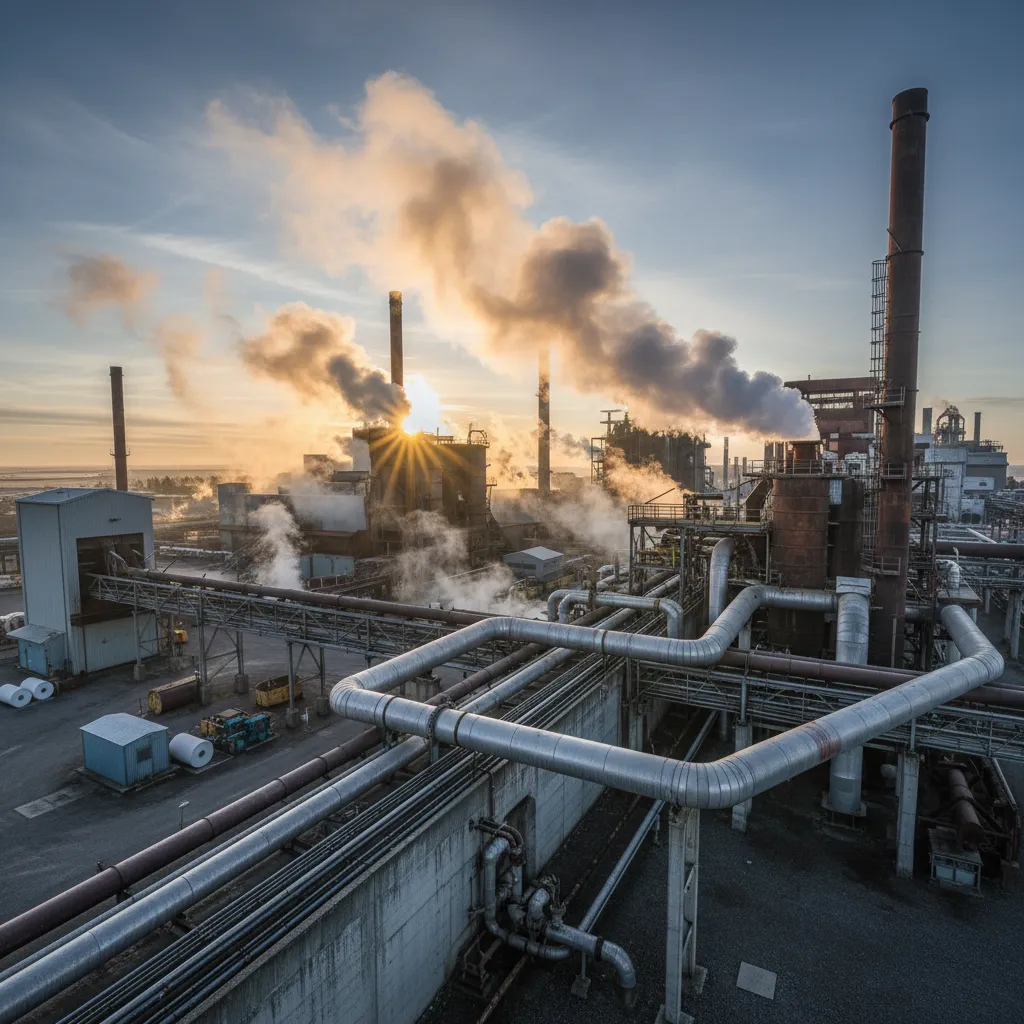
The facility grew rapidly. The No. 1 Paper Machine began producing newsprint in 1955. Demand was so high that the No. 2 Machine was commissioned shortly after. By the 1970s, the mill had expanded to include the massive No. 3 Machine, significantly boosting output. Alongside newsprint, the site produced market kraft pulp, essential for manufacturing cardboard and other high-strength paper products.
The Impact on the New Zealand Economy
For decades, the Kawerau mill was often referred to as producing “White Gold.” Its economic footprint extended far beyond the town boundaries, influencing national infrastructure and GDP.
Infrastructure Development
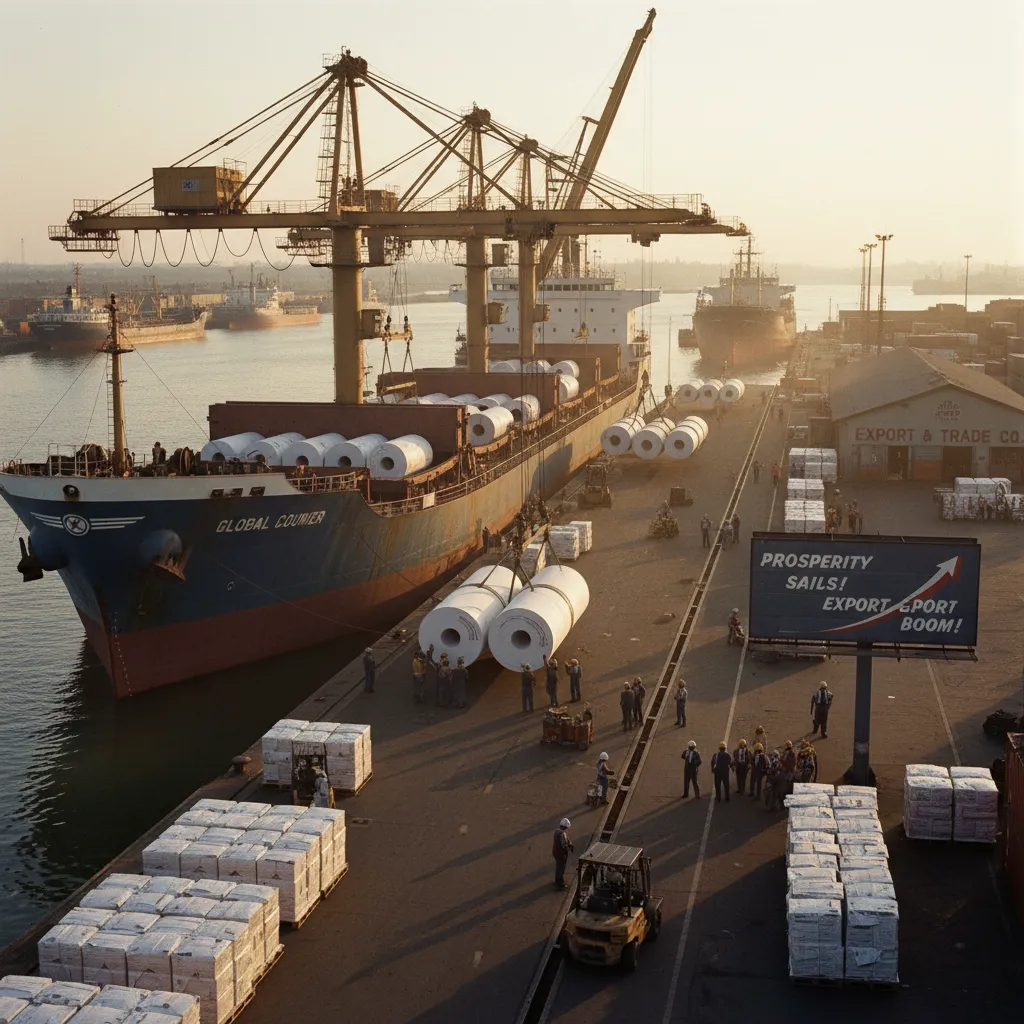
The sheer volume of export material necessitated massive infrastructure upgrades. The East Coast Main Trunk railway line was extended to Kawerau to transport logs in and finished paper out. Furthermore, the development of the Port of Tauranga into New Zealand’s largest export port was heavily driven by the forestry sector. The “log trains” and paper wagons became a staple sight in the Bay of Plenty, linking the heart of the North Island to global markets in Australia and Asia.
Employment and Prosperity
At its peak in the 1970s and 80s, the site employed thousands of people directly, with thousands more in support industries such as logging, transport, and engineering. The wages at the mill were known to be high, creating a prosperous local economy where home ownership was accessible and community facilities were well-funded. The mill’s apprenticeship programs trained generations of fitters, electricians, and engineers, creating a skilled labor pool that benefited the entire country.
Ownership Changes and Corporate Evolution
The corporate structure of the mill reflects the globalization of the forestry industry. Originally the Tasman Pulp and Paper Company, the entity became the crown jewel of Fletcher Challenge, one of New Zealand’s largest conglomerates.
As Fletcher Challenge restructured in the early 2000s, the ownership of the site fractured. The newsprint operations were acquired by Norske Skog, a Norwegian paper giant, while the pulp mill operations eventually came under the ownership of Oji Fibre Solutions (a Japanese firm) and the tissue production under Essity (a Swedish hygiene and health company). This separation marked a shift from a monolithic operation to an industrial park model, where independent companies operated side-by-side, sharing infrastructure and energy resources.
Life in a Mill Town: Worker Stories and Culture
The social history of Kawerau is as compelling as its industrial output. The mill operated 24 hours a day, 365 days a year. This “shift work” lifestyle defined the town’s rhythm. Families organized their lives around the four-shift roster (often called A, B, C, and D shifts).
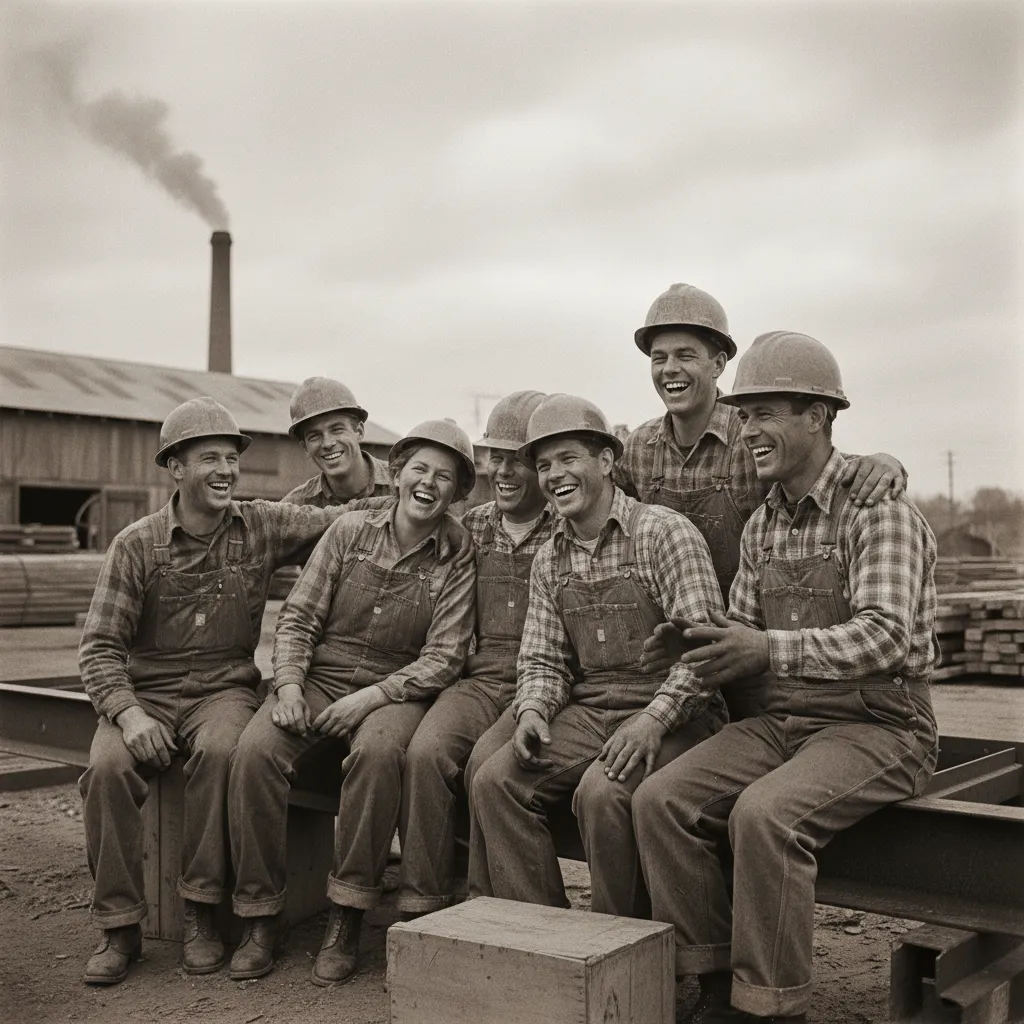
The camaraderie among workers was legendary. The high-risk nature of heavy industry in the early days fostered a strong culture of “mateship” and union solidarity. The Pulp and Paper Workers Union became a powerful voice, negotiating conditions that set benchmarks for industrial relations in New Zealand. While strikes and disputes were part of the history, so too were the community picnics, the sports clubs sponsored by the mill, and the sense of shared identity.
The Modern Era: Restructuring and Future Outlook
The 21st century brought significant challenges to the history of Kawerau pulp and paper. The digital revolution caused a global collapse in demand for newsprint, the mill’s primary product. Newspapers around the world shrank or moved online, reducing the need for the massive rolls of paper that Kawerau produced.
The Closure of the Tasman Mill
In a historic turning point, Norske Skog announced the closure of the Tasman mill’s newsprint operations in 2021. After 66 years of production, the machines fell silent. This marked the end of newsprint production in New Zealand. However, this did not mean the end of the industry in Kawerau.
A Shift to Packaging and Tissue
While newsprint declined, other sectors thrived. Oji Fibre Solutions continues to operate the Tasman pulp mill, producing unbleached kraft pulp which is in high demand for packaging solutions—a growing market due to the shift away from plastics. Additionally, Essity’s tissue manufacturing facility remains a vital producer of toilet paper and paper towels for the domestic market.
Today, the site is evolving into an “Industrial Symbiosis” hub. The focus has shifted toward sustainable manufacturing, utilizing the established geothermal infrastructure and rail links to attract new industries. The legacy of the 1950s boom remains, transformed but unbroken, as Kawerau adapts to a changing world economy.
People Also Ask
When was the Kawerau paper mill built?
Construction of the Kawerau mill began in 1952, and the Tasman Pulp and Paper Company officially started production in 1955. The town of Kawerau was built simultaneously to house the workforce.
Why was Kawerau chosen for the pulp and paper industry?
Kawerau was chosen for its proximity to the Kaingaroa Forest (fiber supply), the Tarawera River (water supply), and accessible geothermal energy, which provided a cost-effective heat source for the manufacturing process.
Who owns the Kawerau mill now?
The site is no longer owned by a single entity. It is split among several companies: Oji Fibre Solutions owns the pulp mill, Essity owns the tissue production facility, and the newsprint operation (formerly Norske Skog) has closed.
Is the Tasman Mill still operating?
The Norske Skog Tasman newsprint mill ceased production in 2021. However, the Tasman Pulp Mill, operated by Oji Fibre Solutions, continues to operate, as does the Essity tissue plant located on the same industrial site.
How did the mill impact the growth of the Port of Tauranga?
The massive volume of forestry exports from Kawerau necessitated the expansion of the Port of Tauranga. The need to ship logs, pulp, and paper to international markets was a primary driver in developing the port into New Zealand’s largest export hub.
What is the significance of geothermal energy in Kawerau’s history?
Kawerau was the world’s first commercially successful integration of geothermal steam for industrial process heat in the pulp and paper industry. This innovation significantly reduced energy costs and the environmental footprint of the mill.