Forestry logistics companies in Kawerau facilitate the critical movement of timber from the Kaingaroa Forest to local processing mills and the Port of Tauranga. This sector comprises specialized heavy haulage fleets, rail freight providers, and supply chain management firms dedicated to optimizing the flow of raw logs, wood chips, and finished timber products.
Kawerau, situated in the heart of New Zealand’s Bay of Plenty, is widely recognized as the industrial hub of the country’s forestry sector. With its proximity to the massive Kaingaroa Forest and access to geothermal energy, the town hosts some of the world’s largest pulp and paper mills and sawmills. However, the backbone of this industrial success is the complex network of logistics providers that ensure the raw material reaches the mills and the finished products reach global markets. This industrial strength makes the town an attractive option for those considering a Relocation & Digital Nomad Lifestyle.
For commercial entities, investors, and forestry managers, identifying the right logistics partner is crucial for operational efficiency. This guide provides a comprehensive overview of the forestry logistics landscape in Kawerau, detailing major transport providers, specialized haulage services, and supply chain experts.
The Kawerau Forestry Hub: A Logistics Overview
The logistics ecosystem in Kawerau is unique due to the sheer volume of wood fiber moving through the region. It is not merely about trucking; it involves a multi-modal approach integrating road, rail, and off-highway networks. The region operates under the umbrella of “Industrial Symbiosis Kawerau” (ISK), where industries work together to maximize resource efficiency. Logistics companies here are highly specialized, often dealing with High Productivity Motor Vehicles (HPMV) and specific safety protocols required for entering high-hazard zones like forests and mill sites.
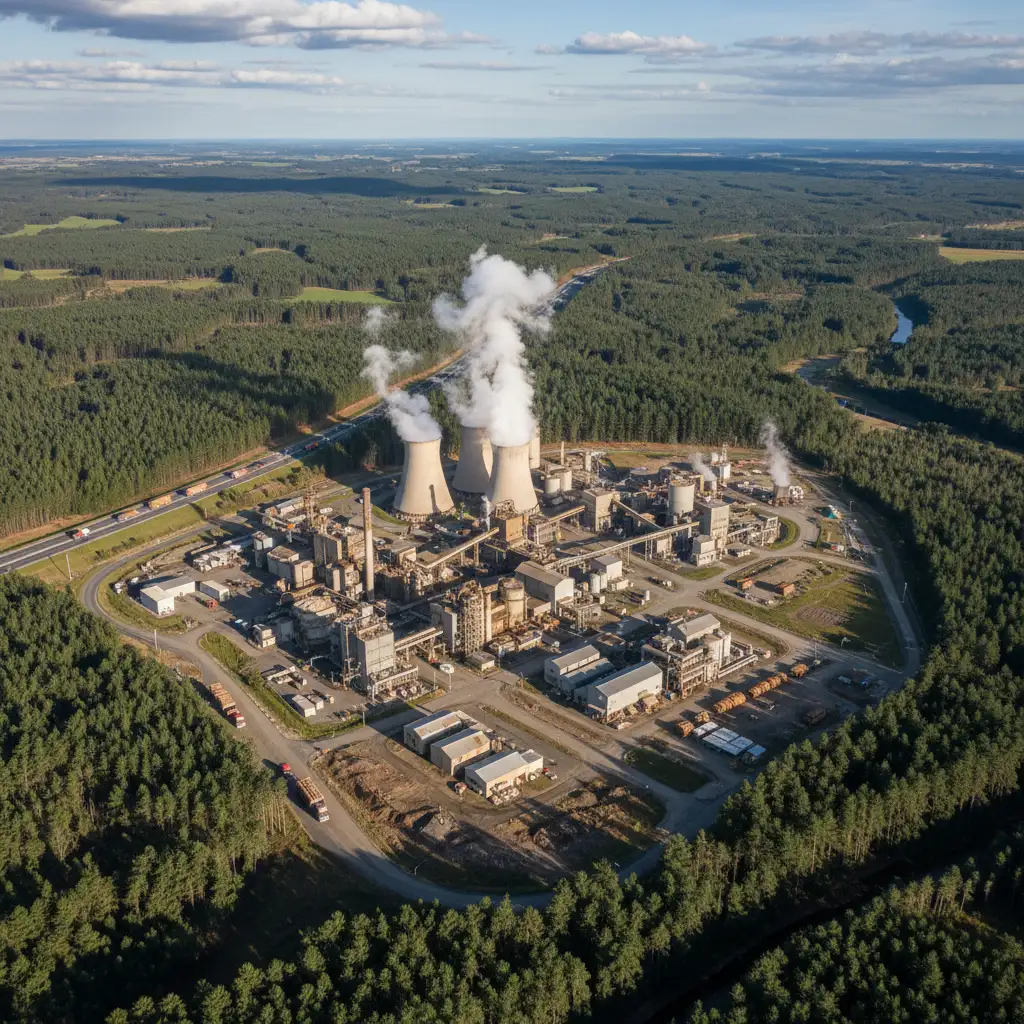
Understanding the local infrastructure, including the Kawerau Pharmacy: Opening Times & Services, is the first step in selecting a partner. The logistics network is designed to feed major entities such as Norske Skog, Oji Fibre Solutions, and Sequal Lumber. Consequently, the service providers listed below are vetted for high-volume capacity and rigorous adherence to New Zealand’s Chain of Responsibility legislation.
Comprehensive List of Transport Providers
When searching for a “forestry logistics companies Kawerau list,” you are primarily looking for heavy transport operators capable of navigating both rugged forest roads and public highways. The following entities represent the core of the region’s transport capability.
Major Heavy Haulage Operators
1. Williams & Wilshier
A dominant force in the Bay of Plenty, Williams & Wilshier has a long-standing history in log transport. They operate a significant fleet of modern logging trucks equipped with high-tech dispatch systems. Their services cover the entire spectrum from forest skid sites to mill deliveries. They are known for their strong safety record and capacity to handle large-scale contracts.
p>2. Aztec Forestry Transport
Aztec is a unique entity in the New Zealand market, operating as a co-operative of log transport owner-drivers. This model allows for immense scalability and flexibility. In the Kawerau region, Aztec manages a vast number of movements, coordinating individual contractors under a unified management structure. This ensures that even during peak harvest times, capacity can be met.
3. ISO Limited
While ISO is globally renowned for port logistics and stevedoring, their footprint in road transport and supply chain management extends deep into the Kawerau region. ISO provides end-to-end solutions, often managing the transition of logs from trucks to rail or directly to port storage. Their technology stack for tracking timber flow is industry-leading.
Rail Freight Providers
KiwiRail
Rail is a critical component of the Kawerau logistics chain. The rail link connects the Murupara log yard and the Kawerau industrial site directly to the Port of Tauranga. KiwiRail works in partnership with forestry majors to run dedicated log trains, reducing road congestion and carbon emissions. For companies moving high volumes of pulp or timber for export, integrating rail logistics via KiwiRail is a strategic necessity.
Specialized Logging and Haulage Services
Standard freight transport differs significantly from forestry logistics. The latter requires specialized equipment and drivers trained in off-road navigation. In Kawerau, several companies offer niche services that go beyond simple point-A-to-point-B transport.
Off-Highway Logistics
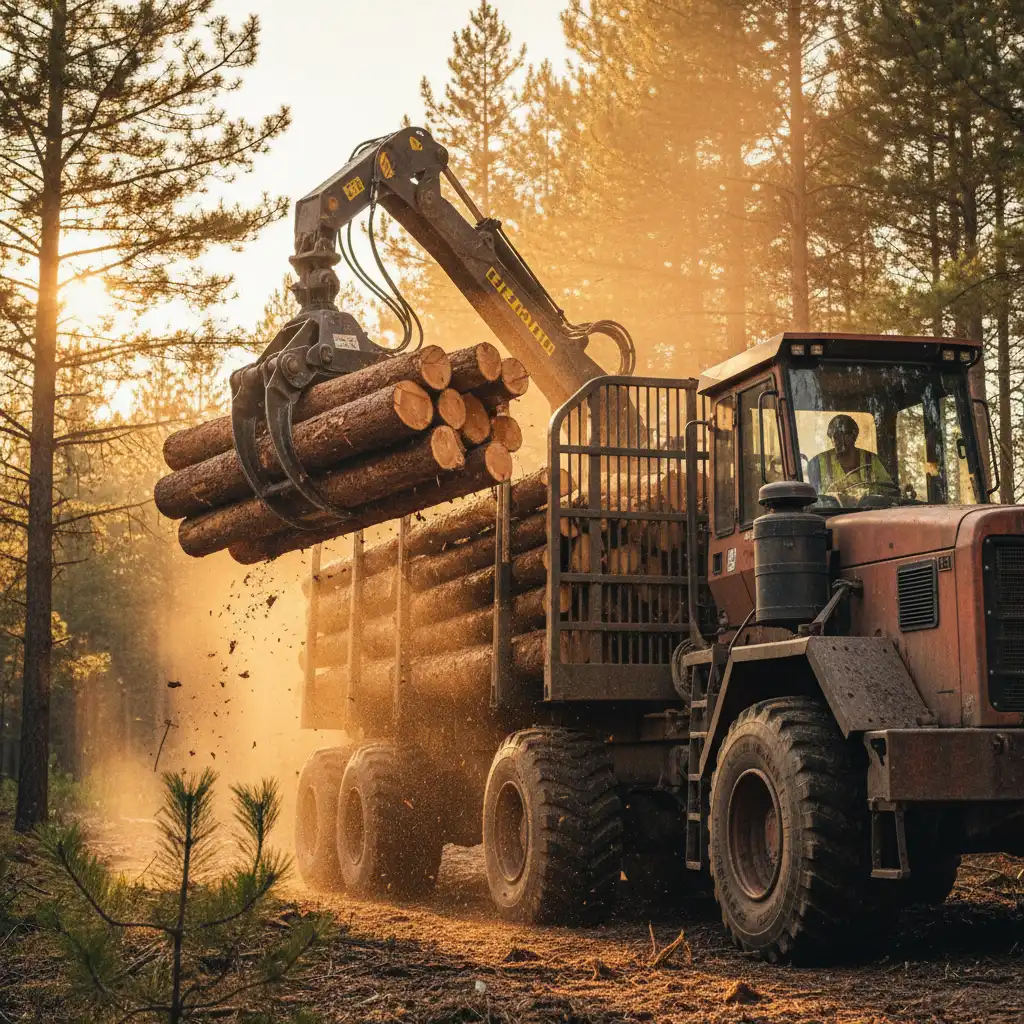
Many forests surrounding Kawerau utilize “off-highway” trucks—oversized vehicles that do not travel on public roads. These trucks carry significantly larger payloads (up to 60-70 tonnes) and operate exclusively on private forestry networks. Companies specializing in this niche maintain fleets of heavy-duty prime movers designed for steep gradients and rough terrain.
Self-Loading Services
For smaller woodlots or specific operational requirements, logistics providers offering self-loading trucks are essential. These vehicles are equipped with their own cranes, removing the need for a separate loader on-site. This is particularly cost-effective for salvage operations or smaller harvest crews operating in the Eastern Bay of Plenty.
Chip and By-Product Transport
The Kawerau pulp and paper industry relies heavily on wood chips. Specialized logistics providers utilize high-volume chip liners (trucks with large, enclosed bins) and walking-floor trailers. These companies ensure a continuous supply of residual wood fiber from sawmills to the pulp mills, closing the loop in the circular economy.
Supply Chain Management Partners
Logistics in the forestry sector is not just about wheels on the road; it is about data, scheduling, and inventory management. Supply chain partners in Kawerau integrate these elements to reduce queue times at mills and optimize fleet utilization.
C3 Limited
C3 is a heavyweight in forestry logistics, offering services that encompass product warehousing, marshalling, and stevedoring. In the context of Kawerau, C3 often manages the interface between the mill and the export supply chain. Their expertise lies in handling finished timber products and ensuring they meet export phytosanitary requirements before leaving the region.
Digital Logistics Aggregators
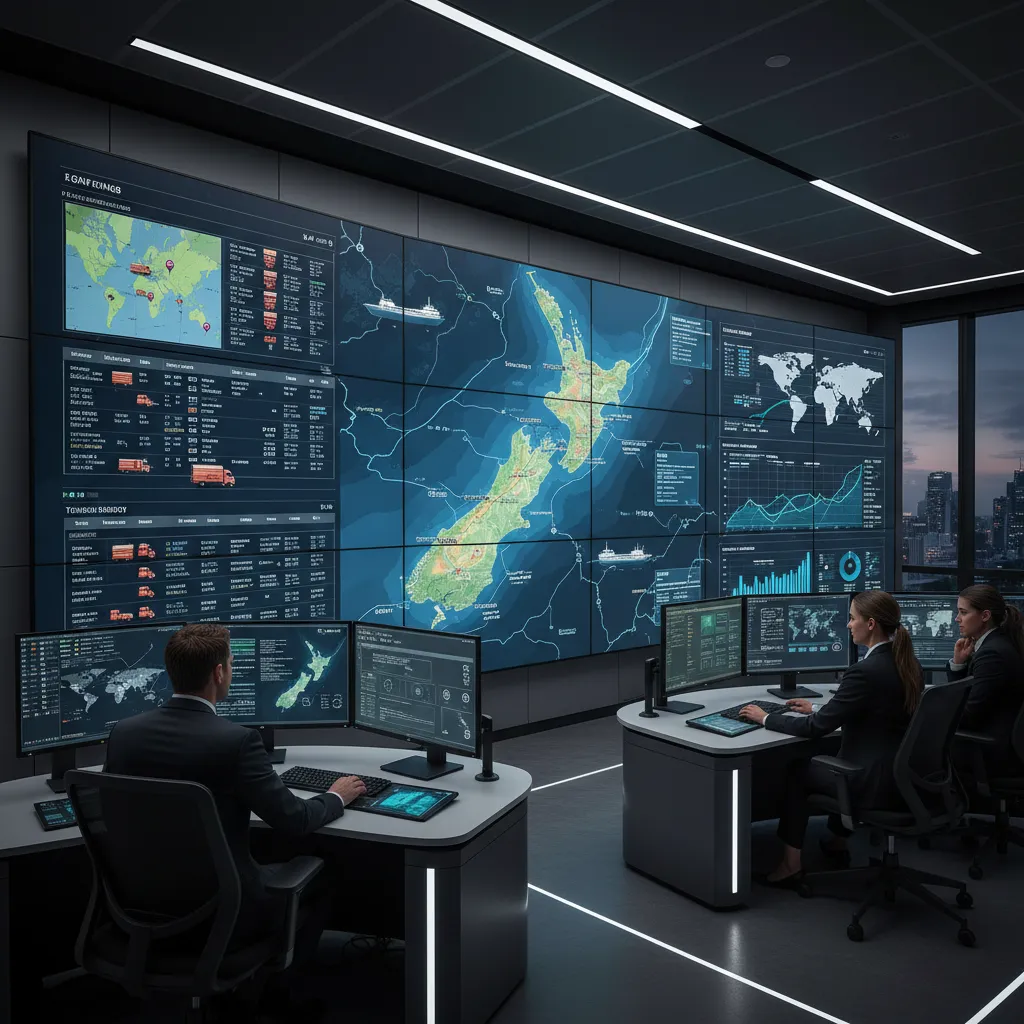
Modern forestry logistics relies on digital platforms that connect forest owners with transport capacity. Several software providers and logistics management firms operate in the region, utilizing GPS and telematics to create “virtual fleets.” This technology reduces empty running (trucks driving without a load) and ensures that the flow of wood matches the processing capacity of Kawerau’s mills.
Safety and Compliance in Forestry Logistics
The forestry sector has some of the strictest health and safety regulations in New Zealand. When selecting a logistics partner from the Kawerau list, verifying their compliance record is non-negotiable. The “Chain of Responsibility” legislation means that if a truck is overloaded or a driver is fatigued, the company that ordered the transport can also be held liable.
Key Compliance Indicators
- Operator Rating System (ORS): Check the transport provider’s safety rating with Waka Kotahi (NZ Transport Agency). 5-star providers are preferred.
- Telematics and E-Roads: Leading Kawerau logistics companies utilize electronic logbooks to strictly monitor driver hours and fatigue.
- Vehicle Maintenance: Due to the harsh nature of forest roads, rigorous maintenance schedules are vital to prevent mechanical failures.
Future Trends: The Kawerau Container Terminal
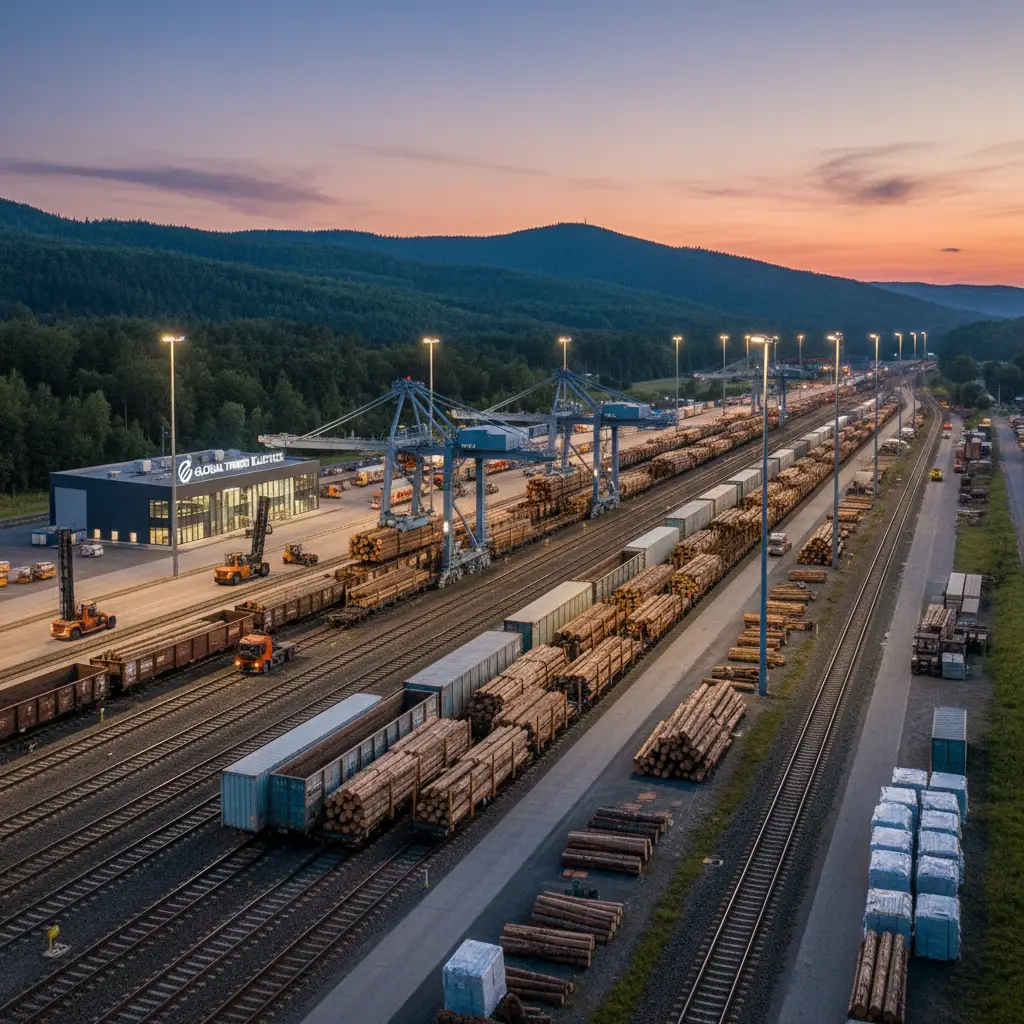
The landscape of forestry logistics in Kawerau is currently undergoing a major transformation with the development of the Kawerau Container Terminal (KCT). This project aims to shift a significant portion of freight from road to rail, reducing the number of trucks on State Highway 34.
Impact on Logistics Strategy:
Businesses should look for logistics partners who are actively engaging with the KCT development. Future-proofing your supply chain means partnering with companies that have the capability to interface with this new rail terminal. This will likely involve short-haul trucking (shuttling timber from local mills to the railhead) rather than long-haul trucking to the port.
Business-to-Business Engagement Strategies
Establishing a commercial relationship with forestry logistics providers in Kawerau requires a professional approach. Most major providers operate on long-term contracts rather than spot-market pricing.
How to Secure Capacity
- Tender Process: For large forest owners, releasing a Request for Proposal (RFP) is the standard method. This allows providers like Williams & Wilshier or Aztec to bid on volume.
- Sub-Contracting: Smaller businesses often find success by sub-contracting through the major aggregators. This provides access to the larger infrastructure without the administrative burden.
- Industry Associations: engaging with the Log Transport Safety Council (LTSC) or the Forest Industry Contractors Association (FICA) is an excellent way to network with reputable local operators.
Contact Details Strategy:
While direct phone numbers for dispatchers are rarely public, the corporate offices for these entities are accessible online. For visitor support or regional information, the Kawerau i-Site: Contact & Visitor Services can be an invaluable resource. Specifically, look for offices located in Kawerau, Rotorua, or Mount Maunganui, as these form the administrative triangle for the region’s forestry logistics.
By partnering with established, safety-conscious, and innovative logistics providers, businesses can leverage Kawerau’s status as a premier regional growth hub, ensuring efficient access to both domestic and international timber markets.
What are the largest forestry logistics companies in Kawerau?
The largest providers operating in the Kawerau region typically include Williams & Wilshier, Aztec Forestry Transport, and ISO Limited. These companies manage large fleets and handle a significant portion of the log movements into local mills and towards the Port of Tauranga.
How does the Kawerau Container Terminal affect logistics?
The Kawerau Container Terminal (KCT) is designed to shift freight from road to rail. This reduces heavy truck traffic on highways and provides a more sustainable, cost-effective export route for timber products, encouraging logistics companies to focus on short-haul services to the terminal.
Do Kawerau logistics companies handle export documentation?
Supply chain partners like ISO Limited and C3 Limited often handle the full export process, including marshalling, stevedoring, and export documentation (phytosanitary certificates and customs clearance) in conjunction with their transport services.
What is the difference between on-highway and off-highway logging trucks?
On-highway trucks must comply with public road weight and dimension limits. Off-highway trucks, often used in the private Kaingaroa Forest network surrounding Kawerau, are larger, heavier, and can carry significantly more timber per load as they do not travel on public roads.
How do I hire a logging truck for a small woodlot in the Bay of Plenty?
For smaller operations, it is best to contact transport co-operatives like Aztec or look for independent owner-operators through the Forest Industry Contractors Association (FICA). Specifying that you require self-loading trucks can also be beneficial if you lack onsite loading equipment.
What safety ratings should I look for in a forestry transport provider?
Look for providers with a 5-star Operator Rating System (ORS) score from the NZ Transport Agency. Additionally, membership in the Log Transport Safety Council (LTSC) and evidence of modern fatigue management systems (like electronic logbooks) are key indicators of a safe operator.