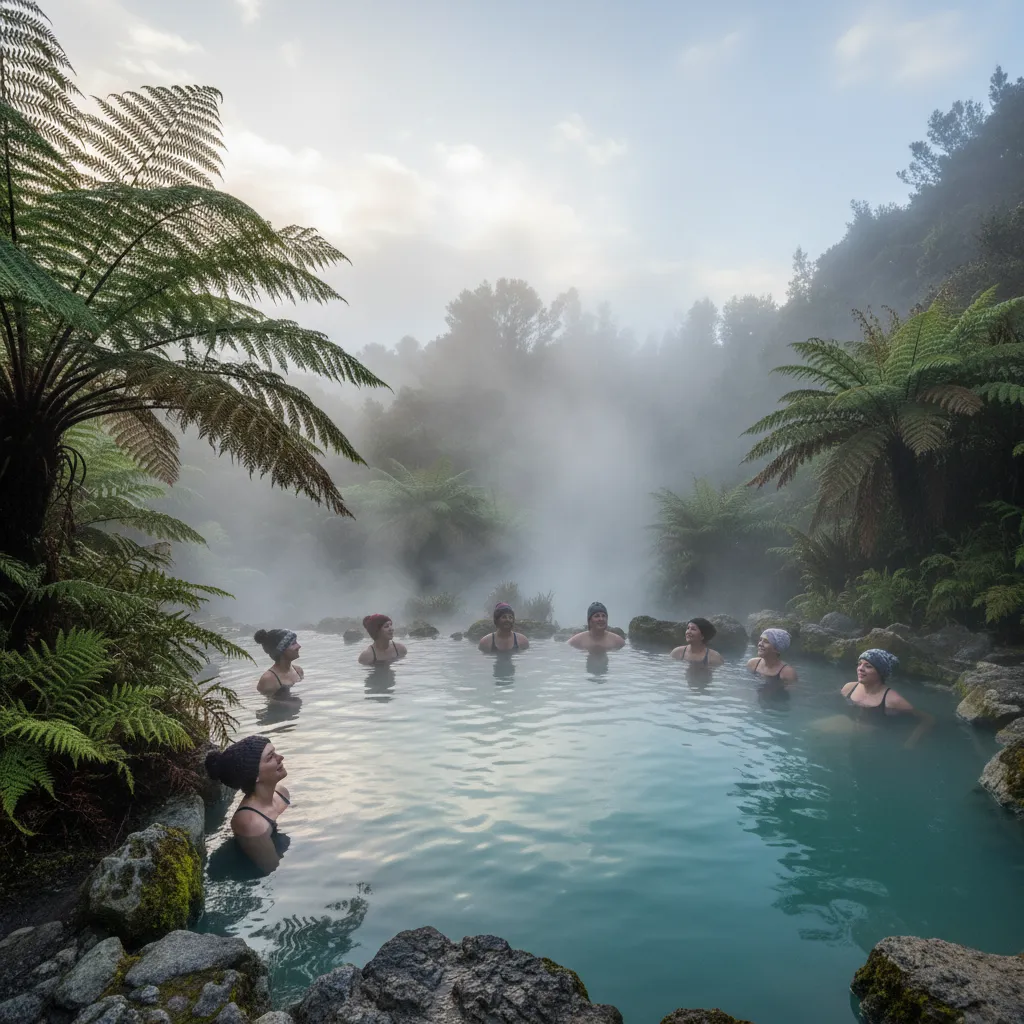
Free geothermal hot pools are naturally occurring bodies of water heated by the earth’s subterranean volcanic activity, accessible to the public without admission fees. In the Kawerau and wider Bay of Plenty region, these mineral-rich springs offer therapeutic soaking experiences, ranging from managed municipal facilities to rugged, wild streams hidden within native forests.
The Geothermal Heart of the Bay of Plenty
Kawerau sits uniquely at the center of a geothermal wonderland. As a regional growth and lifestyle hub, it offers residents and visitors unparalleled access to the Earth’s natural energy. Unlike commercial spas that charge premium rates for heated water, the region surrounding Kawerau is dotted with hidden gems where nature provides the heat for free. This guide explores the best free geothermal hot pools, focusing on the unique lifestyle advantages of living in or visiting this volcanic plateau.
The Taupo Volcanic Zone, which extends through Kawerau to White Island, creates a landscape where steam vents and hot springs are common. For the intrepid explorer or the budget-conscious traveler, this means access to world-class spa experiences without the price tag. However, navigating these natural resources requires local knowledge, respect for the environment, and a keen understanding of safety.
Top Free Geothermal Hot Pools Near Kawerau
While Kawerau is famous for its industrial geothermal usage, it is also the gateway to several recreational soaking spots. Here are the most accessible and rewarding free hot pools in the immediate and wider vicinity.
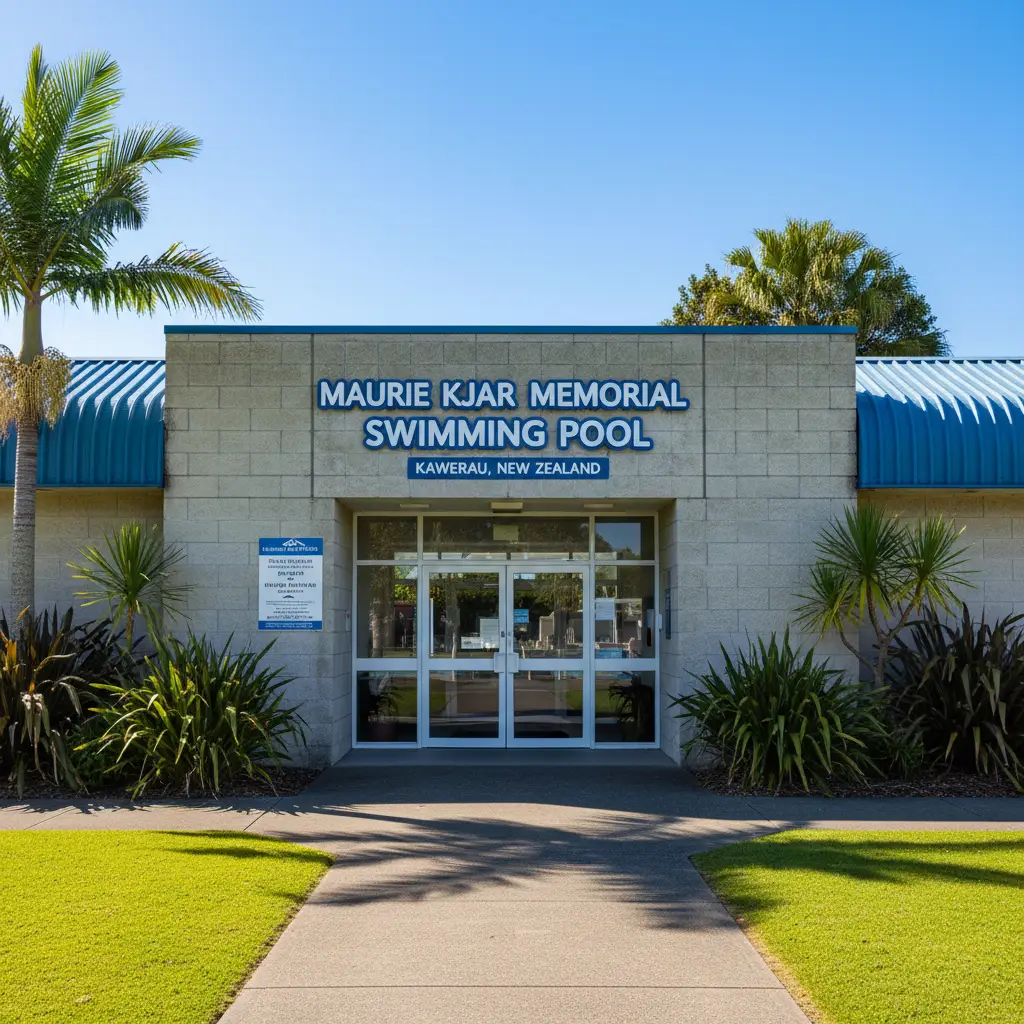
1. Maurie Kjar Memorial Swimming Pool (Kawerau)
Location: Glasgow Street, Kawerau
Type: Managed Municipal Pool
Temperature: Regulated ~38°C (100°F)
It is impossible to discuss free geothermal pools in this niche without highlighting Kawerau’s own crown jewel. Unlike wild pools, the Maurie Kjar Memorial Swimming Pool is a fully managed facility that is completely free to the public. Heated by local geothermal steam, the complex features a large swimming pool and smaller, hotter soaking pools. It represents the perfect intersection of municipal growth and natural resources. For families or those wary of wild currents, this is the safest and most accessible option right in the heart of town.
2. Kerosene Creek
Location: Old Waiotapu Road (Approx. 45 mins from Kawerau)
Type: Wild Hot Waterfall
Temperature: ~35°C – 40°C
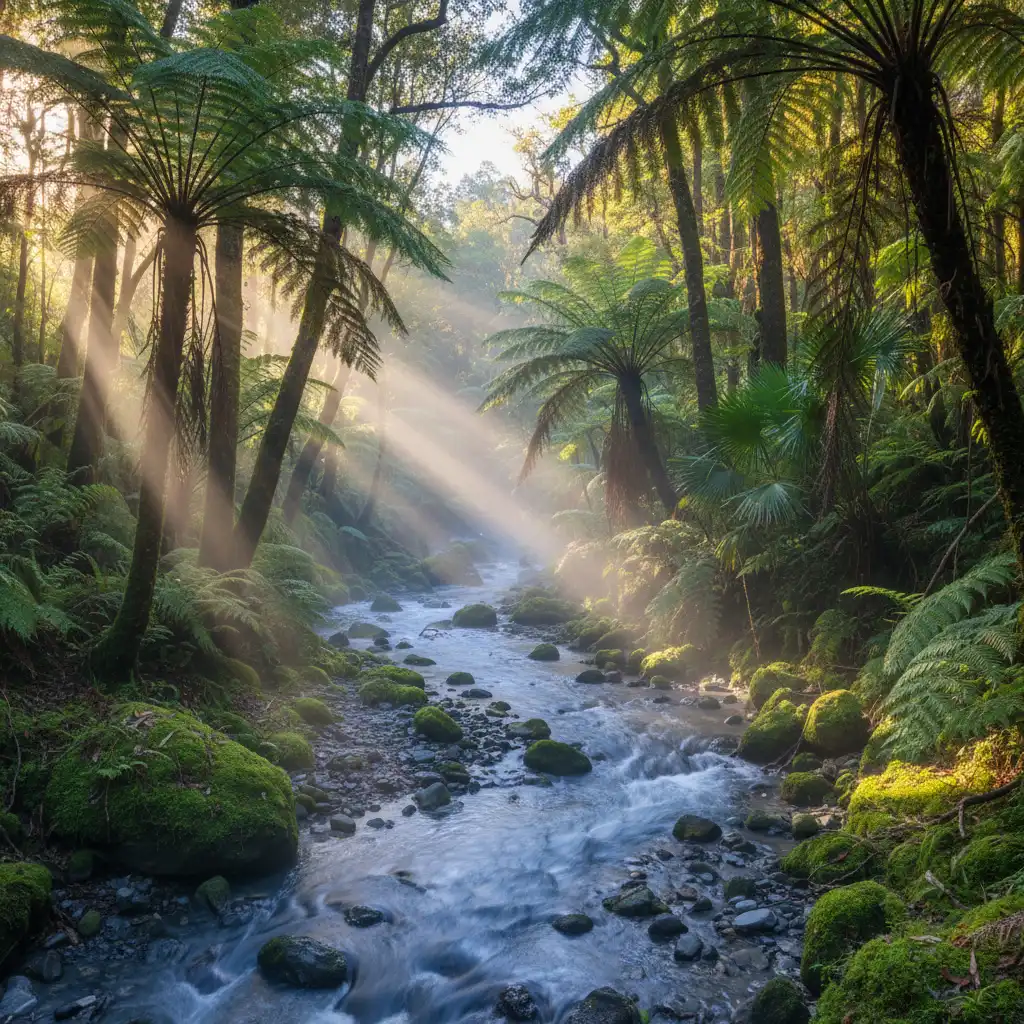
Perhaps the most famous wild hot pool in New Zealand, Kerosene Creek is a must-visit. A hot stream flows through native bush, culminating in a roughly two-meter waterfall that cascades into a natural pool. Bathers can sit under the waterfall for a natural shoulder massage. The bottom is sandy, making it comfortable for walking. Because it is wild, the temperature can fluctuate depending on rainfall and volcanic activity.
3. The Bridge (The Secret Spot)
Location: Waiotapu Loop Road
Type: Stream Confluence
Temperature: Variable
Often referred to as “Hot and Cold,” this spot is located near the bridge on the Waiotapu Loop Road. Here, a hot geothermal stream meets a cold freshwater stream. This unique convergence allows bathers to find their perfect temperature by moving closer to or further away from the hot source. It requires a bit of maneuvering to find the “goldilocks” zone, but the experience of sitting in a natural thermal river surrounded by Manuka bush is unbeatable.
4. Waterfall Spout Bath
Location: Near Wai-O-Tapu
Type: Hidden Gem
Temperature: Hot
Less frequented than Kerosene Creek, the Waterfall Spout is a smaller, more intimate location. Access can be trickier, often requiring a short hike, but the reward is a more secluded soaking experience. The water here is rich in minerals, often leaving skin feeling soft, though the sulfur smell can be potent.

Safety Precautions for Wild Pools
Soaking in wild geothermal water is an incredible experience, but it comes with inherent risks that managed pools do not have. To ensure your visit to the Kawerau region’s wild pools remains a positive memory, strict adherence to safety protocols is required.
What is Amoebic Meningitis?
The most critical danger in unchlorinated warm geothermal water is Naegleria fowleri, an amoeba that can cause primary amoebic meningoencephalitis, a rare but often fatal infection. The amoeba enters the body through the nose.
Prevention: never submerge your head underwater in a wild hot pool. Keep your head above the surface at all times. Avoid jumping or splashing that could force water up the nose.
Temperature Fluctuations
Wild pools are not thermostat-controlled. Vents can suddenly release hotter water, or heavy rainfall can cool pools rapidly. Always test the water with a hand or foot before fully submerging. Be aware of “hot spots” in the sand or mud on the riverbed, which can cause burns.
Bacteria and Water Quality
Because these pools are free and uncontrolled, water quality depends on flow rate. Avoid soaking if the water looks stagnant or if there is visible algae bloom. Open wounds should be covered with waterproof bandages or, ideally, kept out of the water entirely to prevent infection.
Theft and Vehicle Security
Many wild hot pools are located down isolated gravel roads. Unfortunately, this makes parking areas targets for theft. Do not leave valuables in your car. If possible, leave the glove box open and empty to show there is nothing to steal. Parking in well-lit or populated areas (where possible) is advisable.
Best Times to Visit for Privacy
The popularity of free geothermal hot pools has skyrocketed with the rise of social media. Finding solitude requires strategic timing. The Kawerau lifestyle is about relaxation, so avoiding the crowds is key to the experience.
The Early Bird Strategy
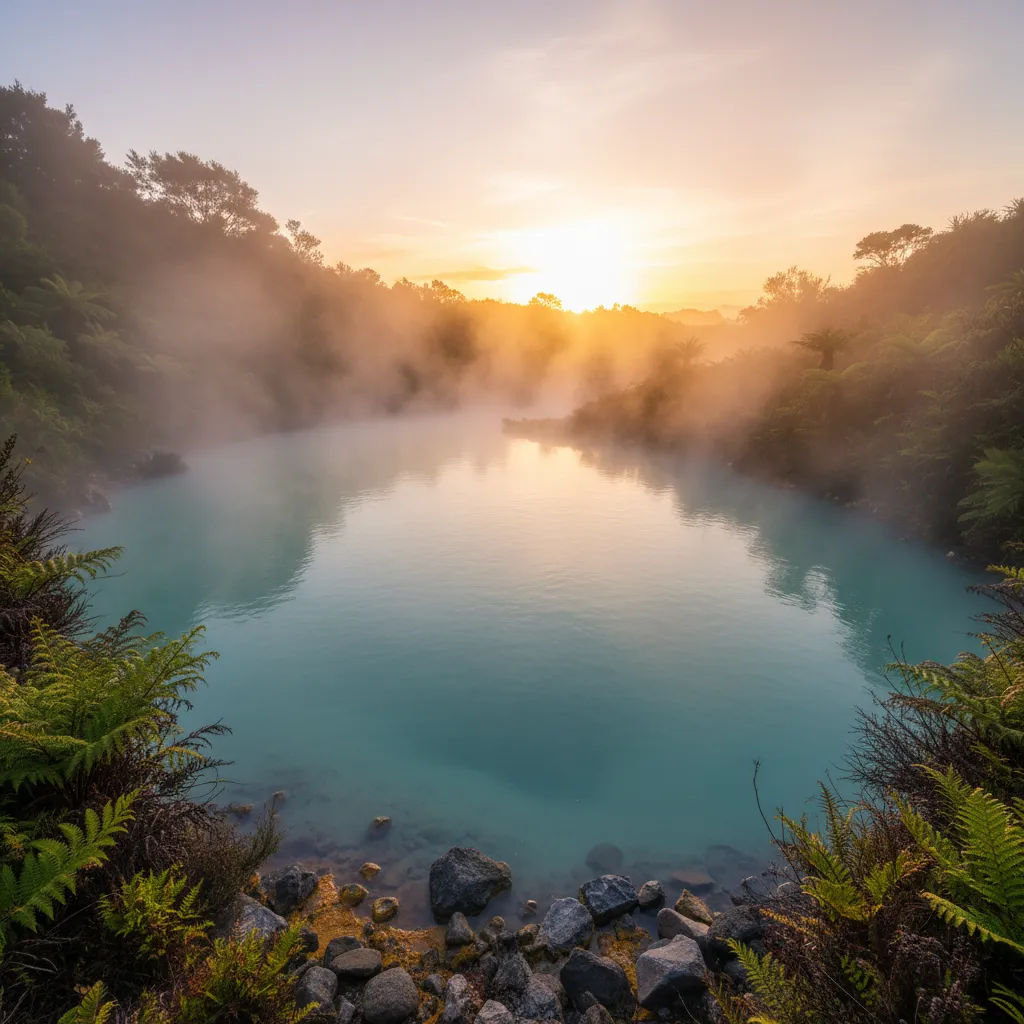
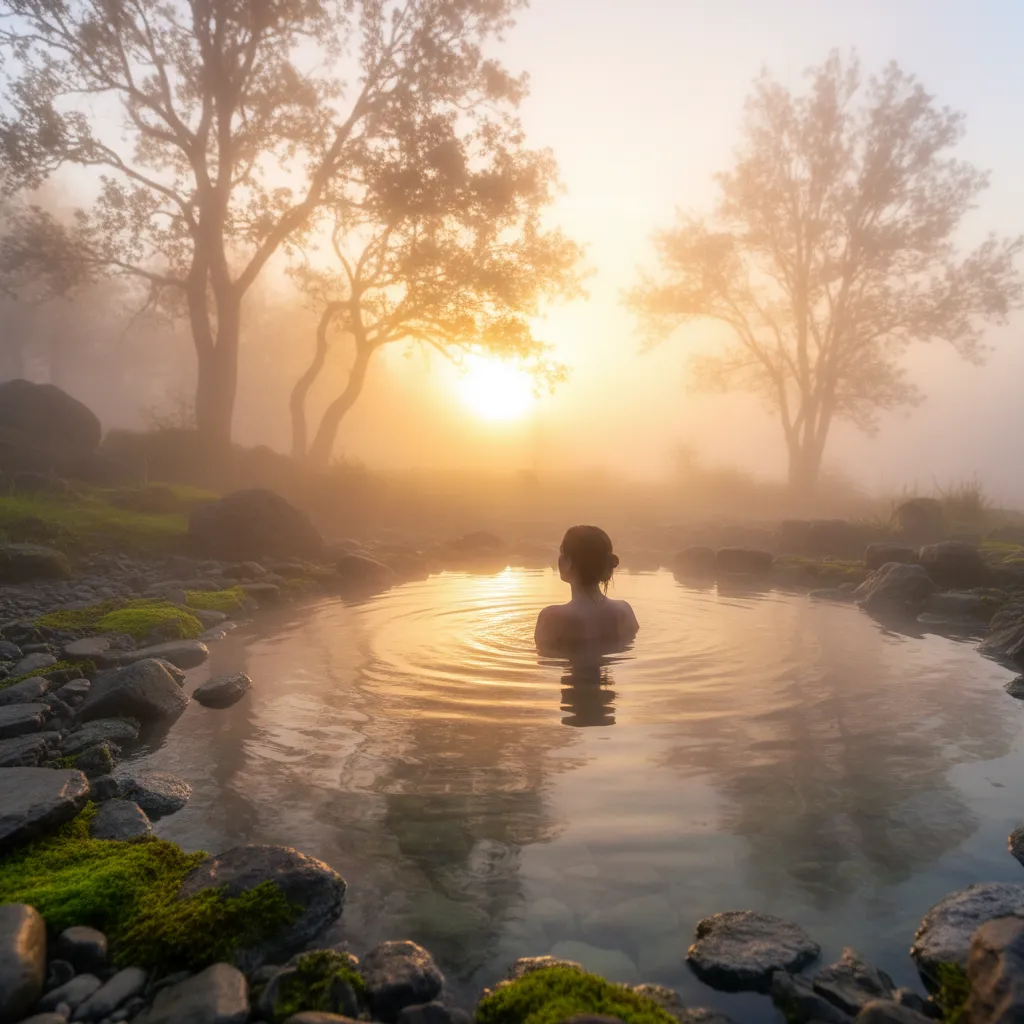
The absolute best time to visit popular spots like Kerosene Creek is at sunrise. Not only will you likely have the pool to yourself, but the atmospheric conditions are superior. The cool morning air creates dense, photogenic steam rising from the water, and the birdlife in the surrounding bush is most active.
Mid-Week Soaking
Weekends and public holidays see a massive influx of domestic tourists and locals. If you reside in the Kawerau hub or are visiting for an extended period, aim for Tuesday through Thursday. Mid-day during the week is often surprisingly quiet as most people are at work.
Seasonal Considerations
Winter is arguably the best season for thermal soaking. The contrast between the biting cold air and the 38-degree water is exhilarating. Conversely, summer visits can be overwhelming due to the heat and the higher volume of tourists. If visiting in summer, aim for late evening twilights.
The Science of Soaking: Health Benefits
The attraction to these pools goes beyond warmth; it is about wellness. Geothermal water is a complex chemical cocktail that has been used for healing for centuries by Māori and early European settlers.
Mineral Absorption
The water in the Taupo Volcanic Zone is typically rich in silica, sulfur, and magnesium.
- Silica: Known for softening skin and improving elasticity. It is the ingredient that gives the water a slightly ‘slippery’ feel.
- Sulfur: While it carries a distinct odor, sulfur is renowned for its anti-inflammatory properties, aiding in the relief of eczema and arthritis.
- Magnesium: promotes muscle relaxation and can improve sleep quality.
Hydrostatic Pressure and Heat
The heat of the water dilates blood vessels, improving circulation and lowering blood pressure. The buoyancy of the water reduces the weight borne by joints by up to 90%, providing immediate relief for chronic pain sufferers. For the active community in Kawerau, a soak is the ultimate post-workout recovery tool.
Environmental Care and ‘Leave No Trace’
The sustainability of these free resources depends entirely on the behavior of visitors. As part of the Kawerau Regional Growth & Lifestyle Hub’s commitment to the environment, we advocate for strict adherence to the Tiaki Promise—guardianship of our place.
Waste Management
There are no bins at wild pools. The rule is simple: Pack in, pack out. If you bring food or drinks, you must take the packaging home with you. Glass is strictly prohibited around hot pools. Broken glass in a sandy riverbed is invisible and dangerous.
Respecting Vegetation
Do not break branches or damage ferns to create “hooks” for your towels or clothes. Use rocks or dry ground. The native bush surrounding these pools is a delicate ecosystem that protects the water quality by preventing erosion.
Chemical Awareness
Avoid using soaps or shampoos in wild pools. Even biodegradable options can disrupt the chemical balance of the stream and harm aquatic life further down the river. These are soaking pools, not bathtubs.
Frequently Asked Questions
Is it safe to put your head underwater in natural hot pools?
No, it is generally not recommended. Natural geothermal pools, especially those with soil bottoms, can contain the amoeba Naegleria fowleri, which can cause amoebic meningitis. While rare, it is fatal. Always keep your head above water to prevent water from entering your nose.
Are the hot pools in Kawerau completely free?
Yes, the Maurie Kjar Memorial Swimming Pool in Kawerau is free to the public. Nearby wild spots like Kerosene Creek and Hot and Cold are also free, as they are on public conservation land.
What should I bring to a wild geothermal pool?
Pack a towel, swimwear, water shoes (to protect feet from hot rocks or glass), drinking water (to stay hydrated), and a bag for your wet gear. Do not bring valuables or glass containers.
Can you swim in geothermal water during winter?
Yes, winter is considered one of the best times to visit. The contrast between the cold air and hot water makes for a relaxing experience, and the steam is more visually dramatic. Ensure you have warm clothes ready for immediately after you exit.
Why do geothermal pools smell like rotten eggs?
The distinct smell comes from hydrogen sulfide gas, which is released from the geothermal vents. While the smell can be strong, the sulfur is considered beneficial for skin conditions and joint pain.
Are there changing facilities at wild hot pools?
Generally, no. Places like Kerosene Creek are wild environments with no amenities. You will need to change in your car or use a towel for modesty. The Maurie Kjar pool in Kawerau, however, has full changing facilities.