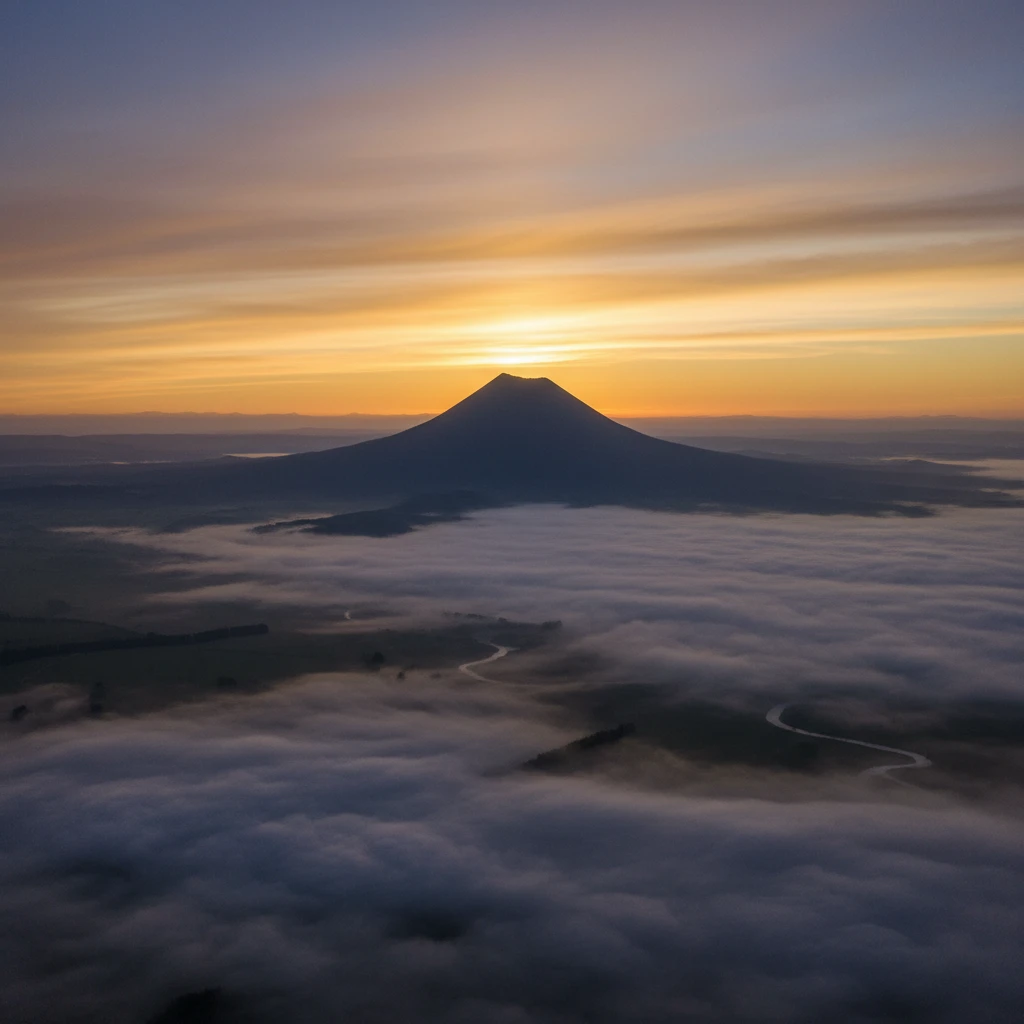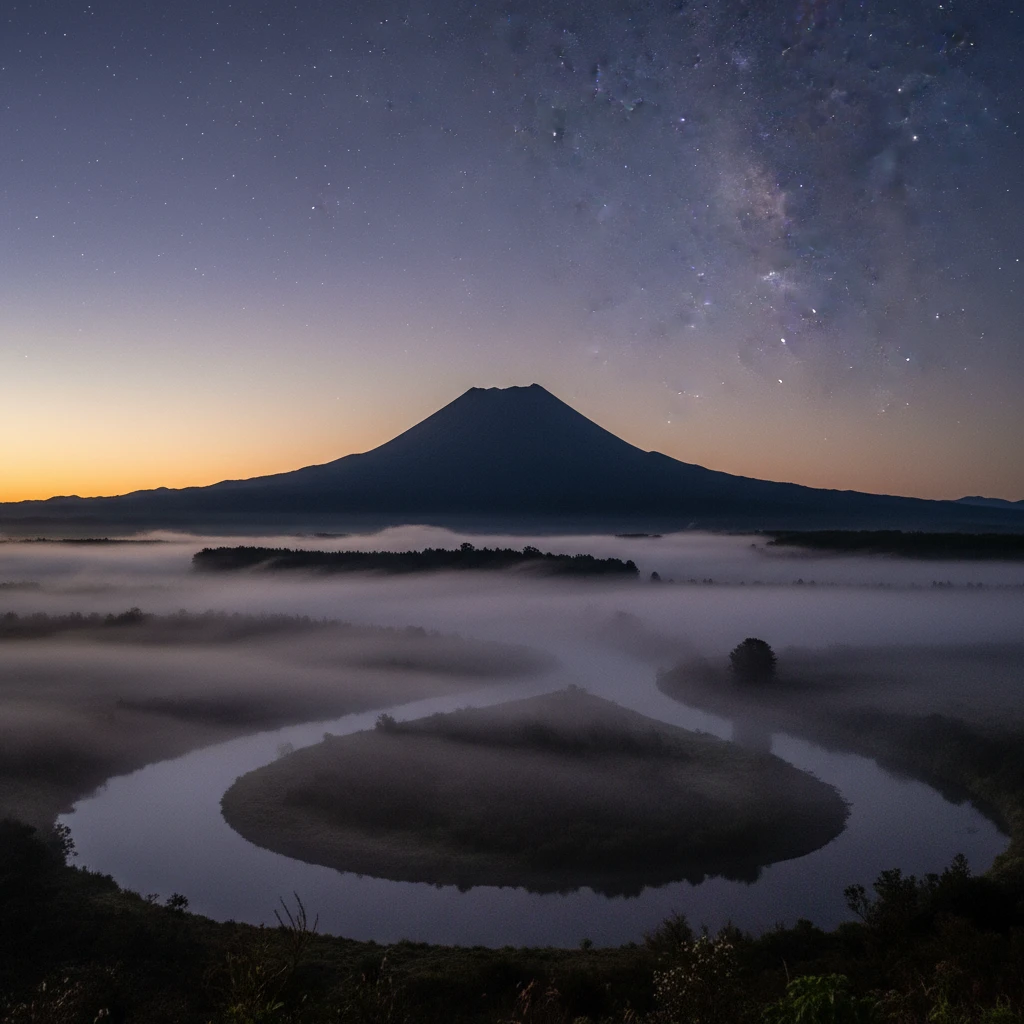
Traditional Māori healing practices, known collectively as Rongoā Māori, encompass a holistic system of healing that integrates medicinal plants (rongoā rākau), physical therapies (mirimiri), and spiritual healing (karakia). Rooted in the connection between the land, the ancestors, and the individual, these practices aim to restore balance across the physical, emotional, and spiritual dimensions of wellbeing.
Understanding Rongoā: More Than Herbal Medicine
In the lush, geothermal landscapes surrounding Kawerau and the wider Bay of Plenty, the ancient wisdom of Rongoā Māori is experiencing a profound resurgence. To the uninitiated, Rongoā might appear to be simply the use of native flora to cure physical ailments. However, this definition barely scratches the surface of a complex, sophisticated health system that has sustained Māori communities for centuries.
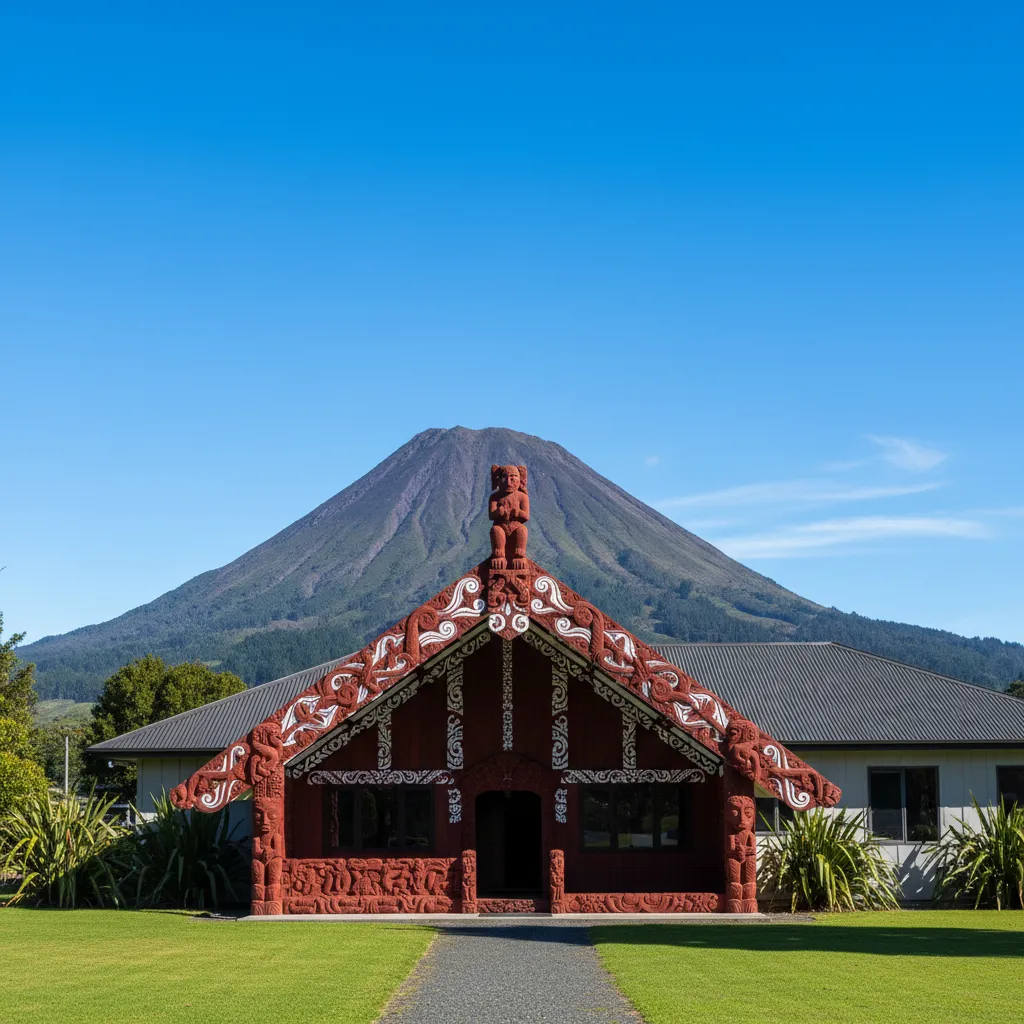
Rongoā is intrinsically linked to Te Whare Tapa Whā, the model of Māori health that visualizes wellbeing as a meeting house with four strong walls. If one wall is missing or damaged, the house becomes unstable. These four pillars are:
- Taha Tinana (Physical Health): The capacity for physical growth and development.
- Taha Wairua (Spiritual Health): The capacity for faith and wider communication.
- Taha Whānau (Family Health): The capacity to belong, to care, and to share.
- Taha Hinengaro (Mental Health): The capacity to communicate, to think, and to feel.
A traditional healer, or Tohunga, does not view a physical symptom in isolation. A skin ailment, for example, is not merely treated topically; the practitioner looks for the root cause, which may stem from emotional stress, a spiritual disconnect, or a disruption in family dynamics. In the context of the Kawerau region, where the community is deeply connected to the maunga (mountain) Putauaki and the Tarawera River, healing is also about restoring the connection between the person and the environment.
Native Plants of the Bay of Plenty (Rongoā Rākau)
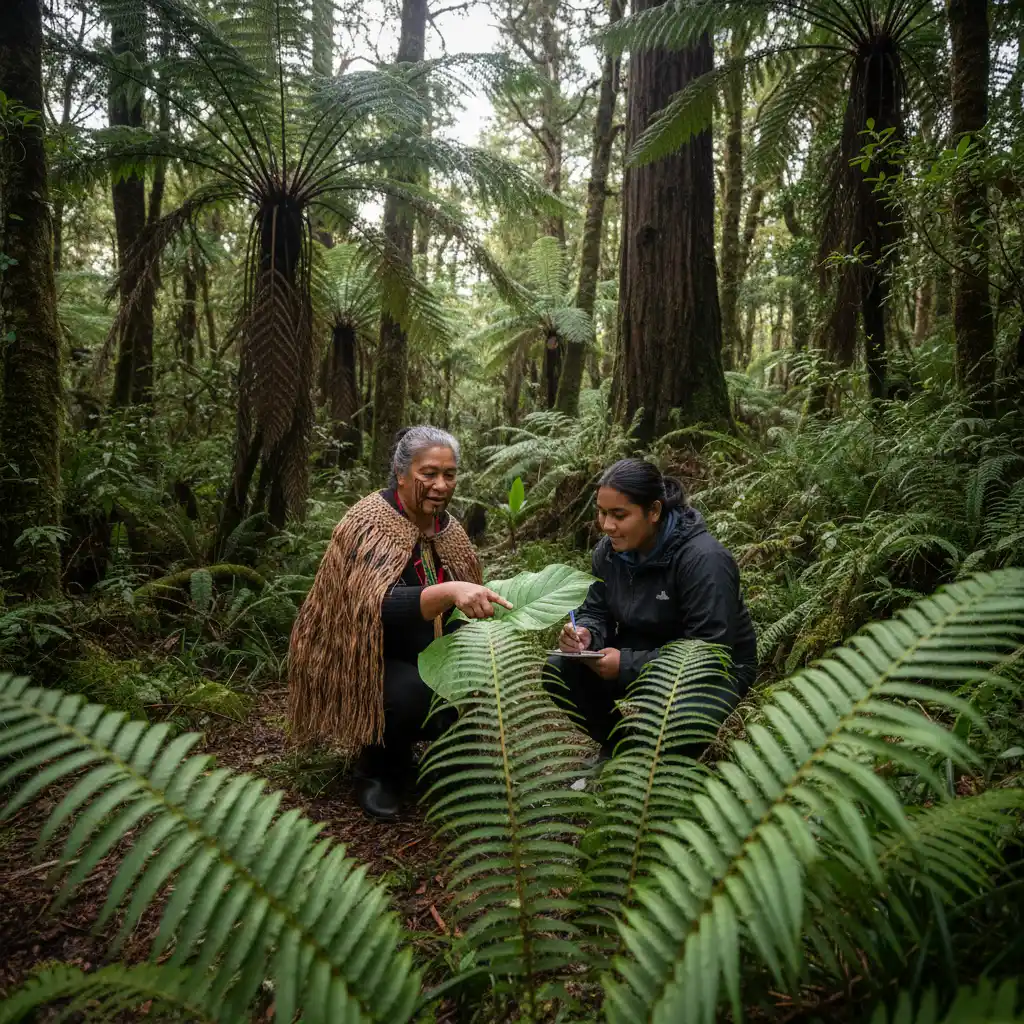
The forests surrounding the Eastern Bay of Plenty serve as a natural pharmacy. The unique volcanic soil of the region contributes to the potency of the native flora. Here are some of the most significant plants utilized in traditional Māori healing practices, many of which can be found in the bush walks around Kawerau.
What is Kawakawa and how is it used?
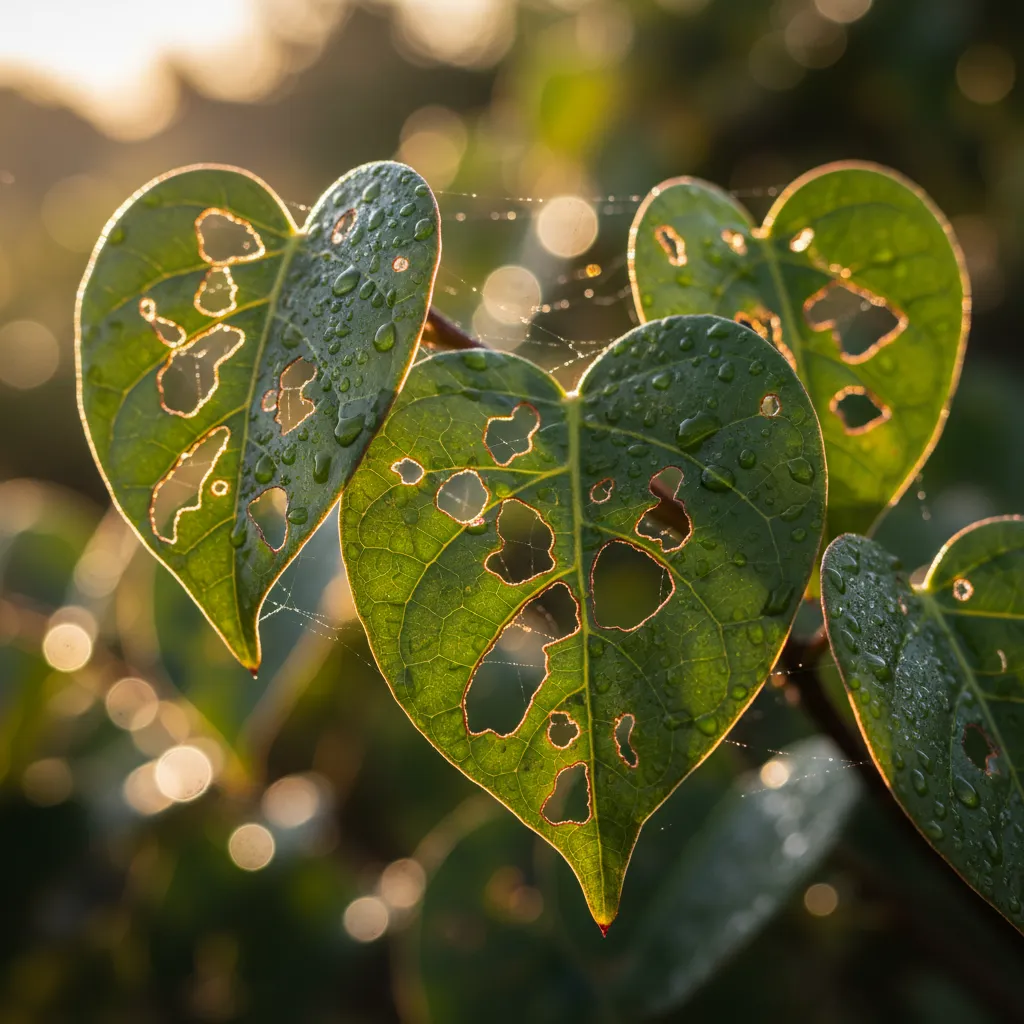
Kawakawa (Piper excelsum) is arguably the most versatile herb in the Rongoā pharmacopeia. Often identified by its heart-shaped leaves, it is frequently found in the undergrowth of coastal and lowland forests. In traditional practice, it is utilized for:
- Digestive Health: The leaves are steeped to make a tea that alleviates stomach cramps, bloating, and indigestion.
- Skin Conditions: Balms infused with Kawakawa oil are exceptional for treating eczema, psoriasis, cuts, and insect bites due to the plant’s anti-inflammatory and antimicrobial properties.
- Pain Relief: Chewing the leaves (specifically the root or leaves) was traditionally used to numb toothache.
The Healing Power of Mānuka
While Mānuka honey is globally famous, the plant itself (Leptospermum scoparium) has been a staple of Māori medicine for generations. The bark and leaves are boiled to create a vapor bath for respiratory infections, helping to clear congestion. A decoction of the bark can also be used as a sedative to aid sleep or applied topically to reduce inflammation in joints. In the Bay of Plenty, where Mānuka grows abundantly on scrubland, it remains a critical resource for winter wellness.
Kūmarahou: The Gum Digger’s Soap
Kūmarahou (Pomaderris kumeraho) is renowned for its respiratory benefits. It is the primary remedy for bronchitis, asthma, and heavy chest colds. The leaves contain saponins, which create a lather when rubbed with water—hence its nickname “Gum Digger’s Soap.” Drinking Kūmarahou tonic is known to be bitter, but it is highly effective at clearing mucus from the lungs and detoxifying the blood.
Harakeke (New Zealand Flax)
Harakeke is the heart of the community, often representing the family unit in Māori metaphor. Medicinally, the gel found at the base of the leaves is a potent antiseptic, similar to aloe vera, used for burns and cuts. The roots were traditionally boiled to make a purgative to treat intestinal parasites or constipation. Furthermore, the act of weaving Harakeke is considered therapeutic in itself, calming the mind (Taha Hinengaro) through repetitive, creative motion.
Physical and Spiritual Bodywork: Mirimiri and Romiromi
While herbal remedies treat the internal biochemistry, physical therapies address the structural and energetic blockages in the body. In the Kawerau wellness space, there is often confusion between standard massage and traditional bodywork. It is vital to understand the distinction.
What is the difference between Mirimiri and Romiromi?
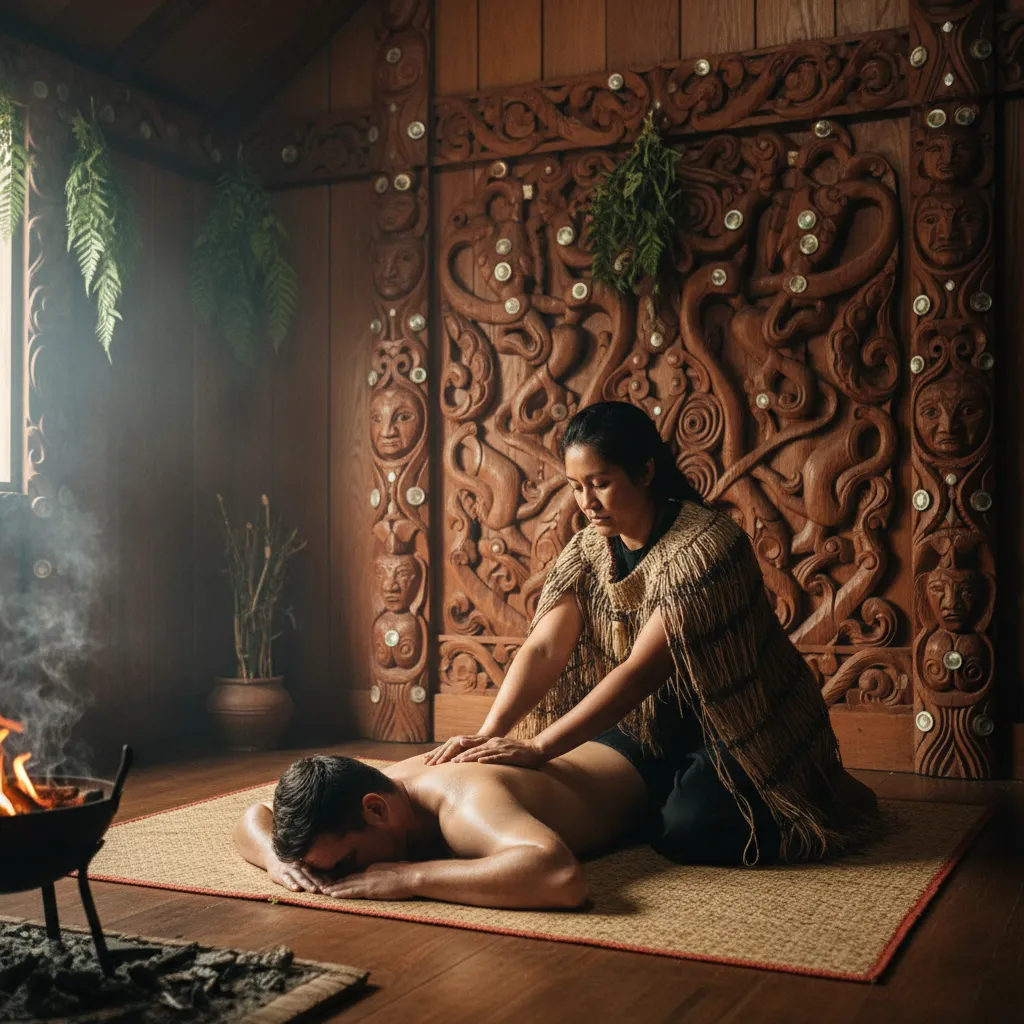
Mirimiri is often described as soft-tissue massage, but it goes deeper than relaxation. It involves the use of hands, stones, or sticks to agitate the muscles and soft tissue, encouraging the flow of blood and lymph. However, the intent is to move energy. Mirimiri practitioners often use chant (karakia) and vibration to release tension held in the cellular memory.
Romiromi is a more intense, deep-tissue variation that works on the haemata (pressure points) and creates alignment in the bone structure. It is similar to osteopathy or chiropractic adjustment but includes a spiritual release. Romiromi is designed to shock the body out of stagnation, releasing trapped trauma, grief, or anger that has manifested physically. It is not uncommon for receivers of Romiromi to experience an emotional release (crying or shouting) as the physical blockage is removed.
Tikanga: The Protocols of Harvesting
One cannot discuss traditional Māori healing practices without addressing the protocols of harvesting. In the Rongoā worldview, plants are not mere commodities; they are living entities, the children of Tāne Mahuta (God of the Forest). To harvest without respect renders the medicine less effective or even inert.
Key principles of Tikanga include:
- Karakia (Prayer): Before entering the forest or touching a plant, a karakia is offered to ask permission and state the intention of the harvest.
- Sustainability: One should never strip a bush bare. The general rule is to take only what is needed for the immediate purpose.
- Time of Day: Harvesting is typically done in the morning after the dew has risen but before the sun is at its peak, ensuring the plant’s energy is rising.
- Giving Back: Often, a small offering is left, or the area around the plant is weeded to ensure its continued growth.
For residents of Kawerau looking to forage, understanding these protocols is essential to respecting the local iwi (tribes) and the environment.
Finding Practitioners in Kawerau and the Bay
The Bay of Plenty is a stronghold for Māori culture, and consequently, access to Rongoā services is better here than in many other parts of New Zealand. Kawerau, with its strong community roots, has several avenues for accessing these traditional therapies.
When seeking a practitioner, word of mouth is traditionally the most reliable method. However, modern integration has made these services more visible. Look for providers who are registered with Te Kāhui Rongoā, the national professional body for Rongoā Māori providers. This ensures the practitioner adheres to safety standards while maintaining cultural authenticity.
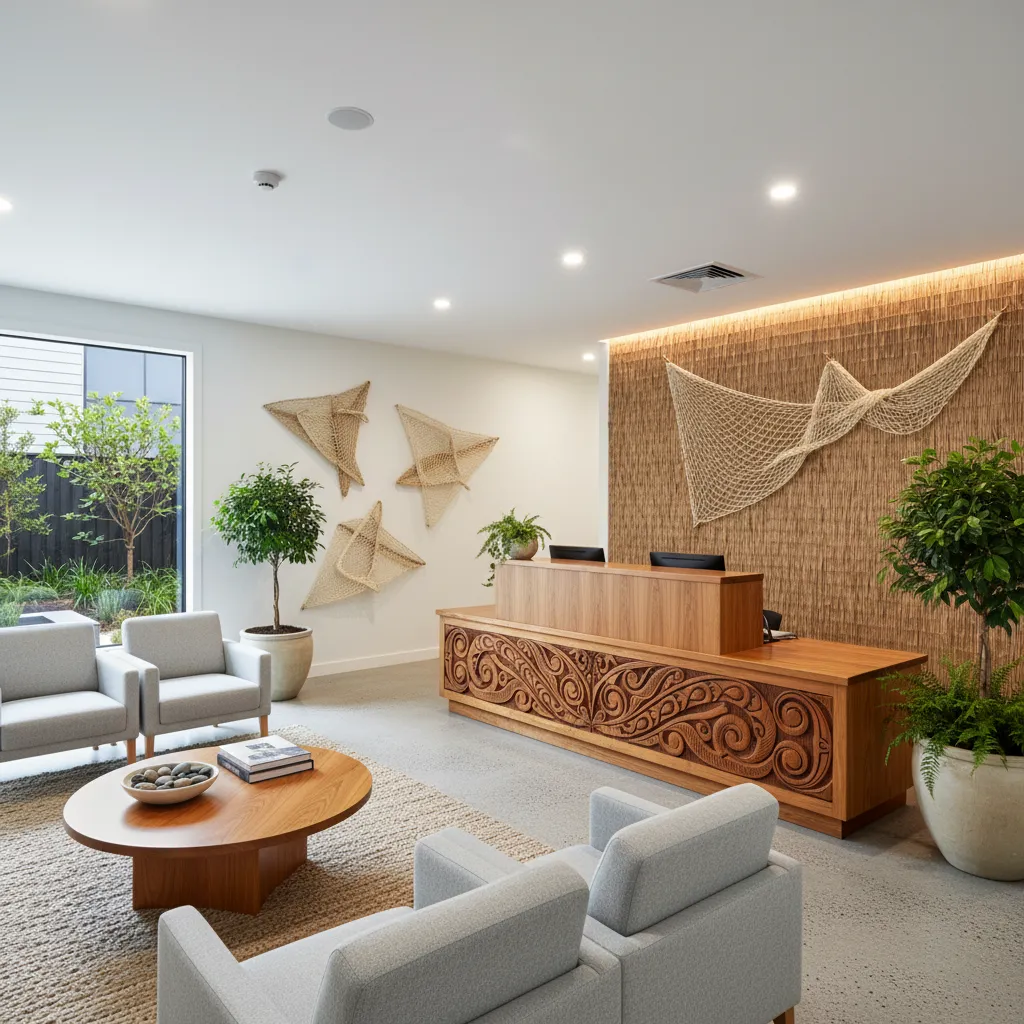
Many local marae run health clinics that offer Mirimiri days. Additionally, local hauora (health) providers in the Eastern Bay of Plenty often have Rongoā practitioners on staff or can provide referrals. It is important to approach these practitioners with an open mind and respect for the spiritual nature of the treatment.
Integrating Traditional Wisdom with Modern Health
A significant shift has occurred in the New Zealand healthcare landscape. Traditional Māori healing practices are no longer seen as “alternative” in the fringe sense, but as complementary and necessary for holistic health. This is most evident in the decision by the Accident Compensation Corporation (ACC) to fund Rongoā Māori services.
How does Rongoā fit into modern healthcare?
For residents in Kawerau, this means more choice. A patient recovering from a workplace injury or a sports accident can now request Rongoā Māori as part of their rehabilitation plan. This might involve Mirimiri to help with scar tissue and range of motion, alongside standard physiotherapy.
This integration acknowledges that clinical medicine excels at treating acute trauma and disease, while Rongoā excels at chronic management, mental wellbeing, and spiritual grounding. By combining the two, patients in the Bay of Plenty receive a standard of care that addresses the whole person.
For the Kawerau Regional Growth & Lifestyle Hub, promoting these practices is not just about health; it’s about cultural identity. It attracts visitors interested in wellness tourism and supports local practitioners who are keeping ancient knowledge alive. Whether you are seeking relief from physical pain or a deeper connection to your taha wairua, the traditional healing practices of the Māori offer a profound pathway to wellness right here in our backyard.
Frequently Asked Questions
Is Rongoā Māori safe to use alongside prescription medication?
generally, yes, but caution is advised. Some native plants can interact with pharmaceutical drugs. For example, Kawakawa can have blood-thinning effects. It is critical to inform both your GP and your Rongoā practitioner of all medications you are taking to avoid adverse interactions.
Does ACC cover traditional Māori healing practices?
Yes, ACC now funds Rongoā Māori services for covered injuries. You can request this through your case manager. The services must be provided by an ACC-registered Rongoā practitioner, and it is available to people of all ethnicities, not just Māori.
Can anyone learn Rongoā, or is it only for Māori?
While the knowledge belongs to Te Ao Māori (the Māori world), many practitioners are willing to teach those who show genuine respect and dedication. However, true mastery takes years of study. There are wānanga (learning workshops) available in the Bay of Plenty open to the public that teach the basics of plant identification and tikanga.
How do I identify which Kawakawa leaves to pick?
Traditionally, you should pick the leaves that have holes in them. These holes are eaten by the looper moth caterpillar. The presence of the caterpillar indicates the leaf is not toxic, and the plant reacts to the damage by producing higher concentrations of its active medicinal compounds in those specific leaves.
Is Mirimiri painful?
Mirimiri is generally gentle and rhythmic, focused on energy flow. However, Romiromi, which is the deeper structural work, can be intense and sometimes painful as it releases deep-seated tension and blockages. Always communicate your comfort levels with your practitioner.
Do I need to be spiritual to benefit from Rongoā?
While Rongoā is spiritually based, you do not need to subscribe to a specific belief system to benefit from the physiological effects of the plants or the physical manipulation of the massage. However, being open to the holistic philosophy (mind, body, spirit connection) generally enhances the healing experience.