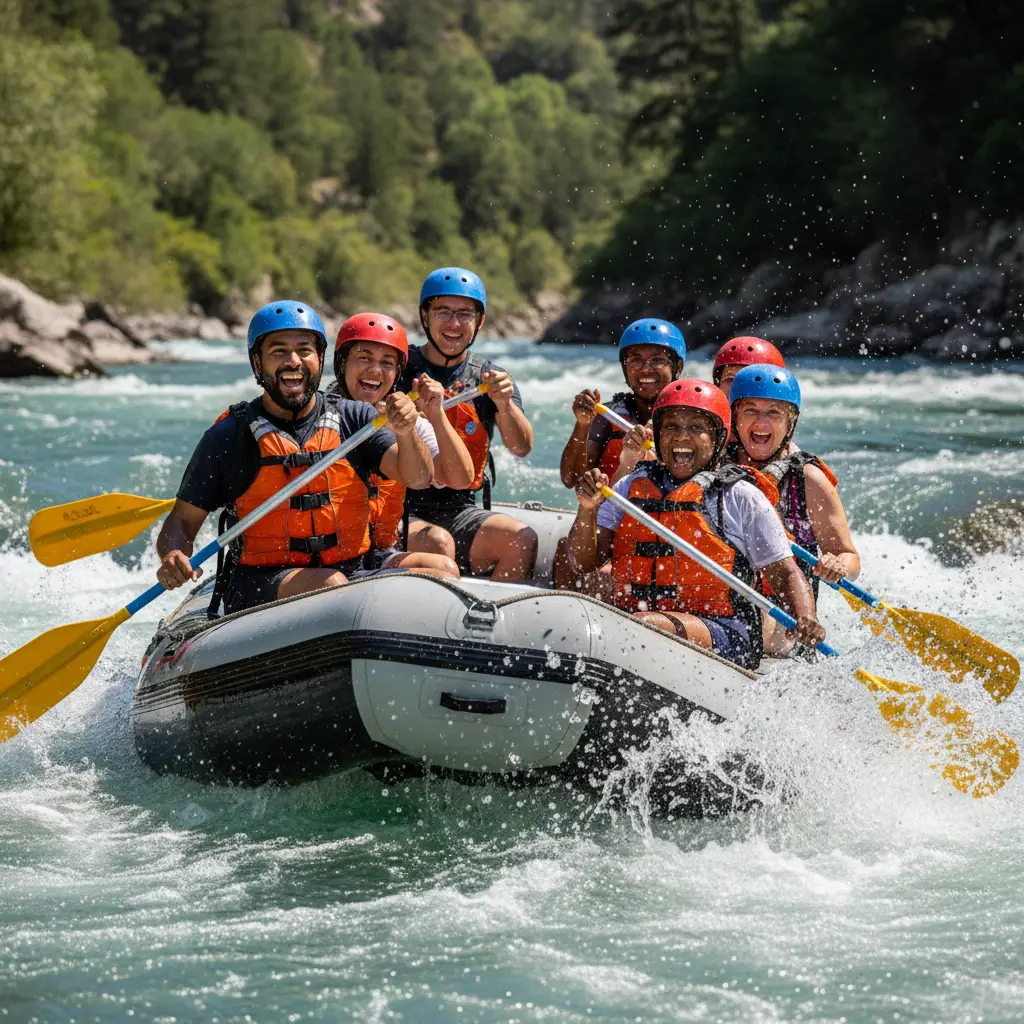
The best white water rafting operator for the Tarawera River is River Rats Rafting & Kayaking, which holds the primary commercial concession for this waterway. Located in Kawerau, they provide exclusive access to Grade 2 and 3 rapids. The river is unique for its warm, geothermally heated waters, making it the premier choice for families and intermediate rafters seeking a safe yet thrilling experience in the Bay of Plenty.
Kawerau: The Emerging Adventure Hub
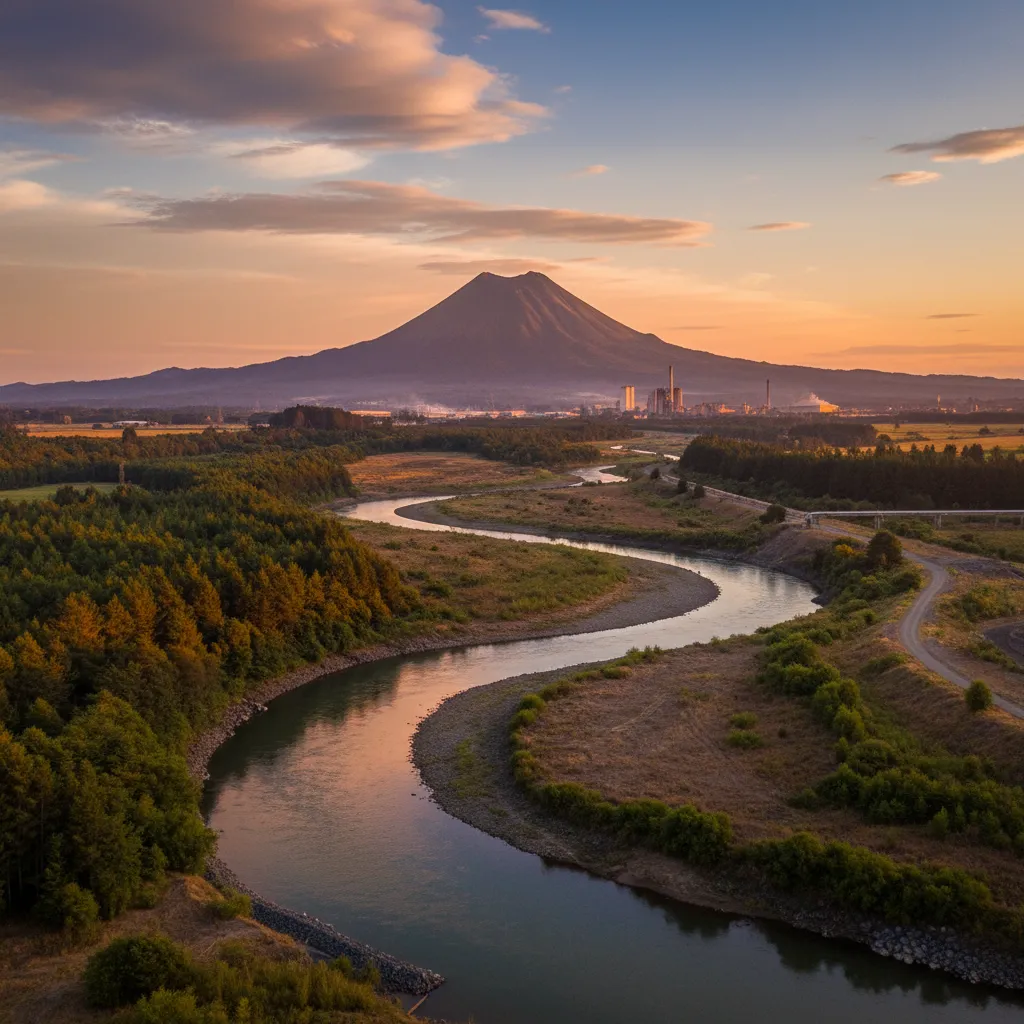
Situated in the heart of the Bay of Plenty, Kawerau has rapidly transformed from a purely industrial town into a vibrant Regional Growth & Lifestyle Hub, making it an ideal destination for those exploring a Relocation & Digital Nomad Lifestyle. Central to this transformation is the majestic Tarawera River. While historically utilized for industry, the river has been reclaimed as a premier destination for white water enthusiasts, kayakers, and eco-tourists.
For visitors and locals alike, the Tarawera River offers a unique proposition: it is one of the few rivers in New Zealand that flows through an active geothermal field. This results in slightly warmer water temperatures compared to the glacial runoff found in the South Island, allowing for a longer, more comfortable rafting season. As Kawerau continues to invest in recreational infrastructure, the quality of access points, picnic areas, and support services for rafting operators has reached world-class standards.
Comparison of Local Rafting Companies
When searching for the best white water rafting operators Tarawera, it is crucial to understand the commercial landscape of the region. Unlike high-traffic tourist traps that may have dozens of competing firms, the Tarawera River is regulated to ensure environmental protection and safety. This results in a more exclusive experience.
River Rats Rafting & Kayaking
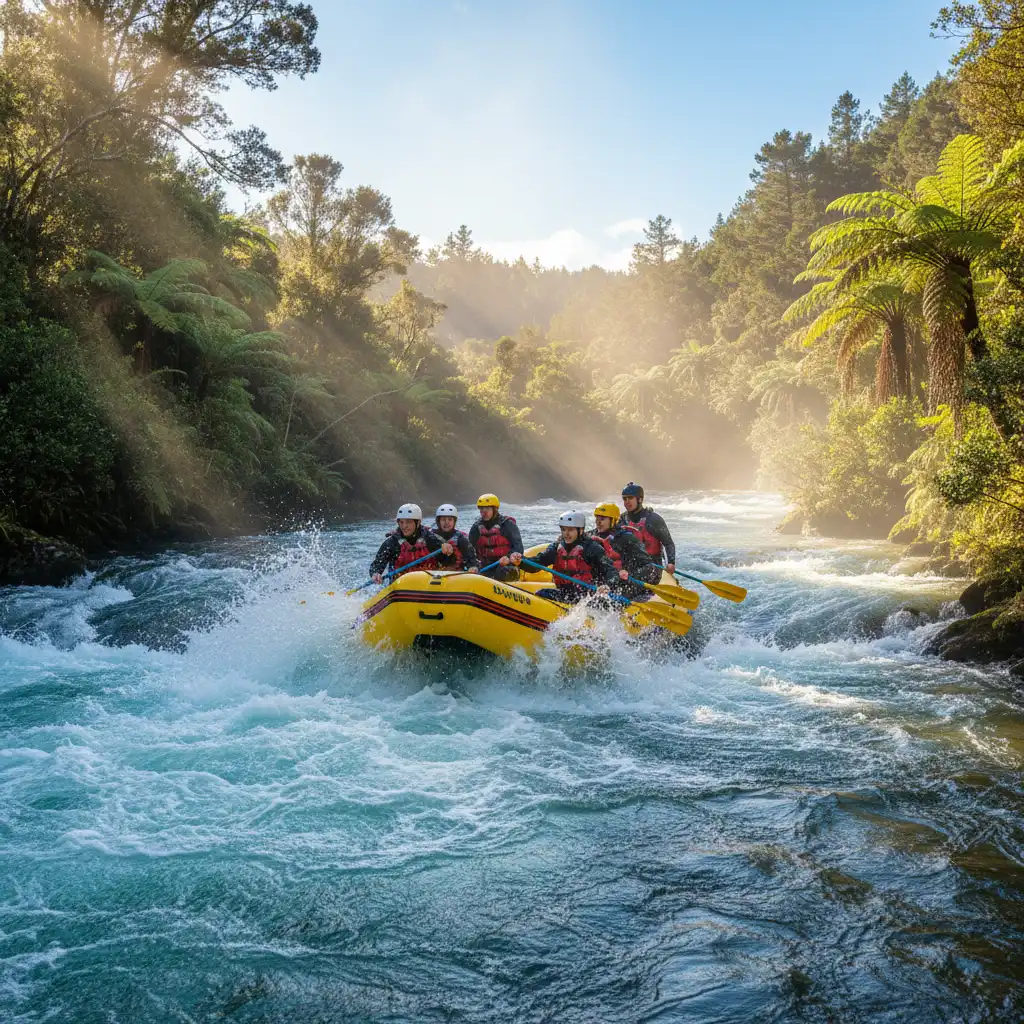
River Rats is the undisputed leader and primary operator on the Tarawera River. With over 35 years of experience in the industry, they hold the specific concessions required to operate commercial rafts on the lower sections of the river, specifically focusing on the “Falls” section and the slalom course areas.
- Specialization: Family-friendly rafting, corporate team building, and rafting/sledging combos.
- Base Location: They operate out of nearby Rotorua but provide transport to the Kawerau put-in points, or meet clients on-site.
- Vessel Types: Standard 6-8 person self-bailing rafts and river sleds (hydro-speeding).
- Differentiation: Their long-standing relationship with the local council and iwi (tribes) ensures they have the best access points and deep cultural knowledge of the area.
Alternative Nearby Experiences
While River Rats dominates the actual Tarawera River rafting, visitors to Kawerau often compare this experience with operators on the nearby Rangitaiki or Kaituna rivers. It is important to distinguish these to ensure you book the right trip for your group.
- Kaituna River Operators (e.g., Kaitiaki Adventures, Rotorua Rafting): These operators focus on Grade 5 thrills, specifically the 7-meter Tutea Falls. This is a higher adrenaline experience compared to the Tarawera’s Grade 2-3 flow.
- Rangitaiki River Operators: Generally offer longer, full-day trips on Grade 3-4 water. This requires more travel time from Kawerau.
The Verdict: If your goal is to experience the specific geography of Kawerau and the Tarawera River, River Rats is the definitive choice. Their monopoly on this specific stretch is built on a track record of safety and consistency.
Safety Ratings and Equipment Provided
Safety is the paramount concern for any commercial rafting operation. The Tarawera River, while accessible, commands respect due to its volume and technical sections. New Zealand has strict adventure tourism regulations, and operators must be audit-certified.
What Safety Gear is Provided?
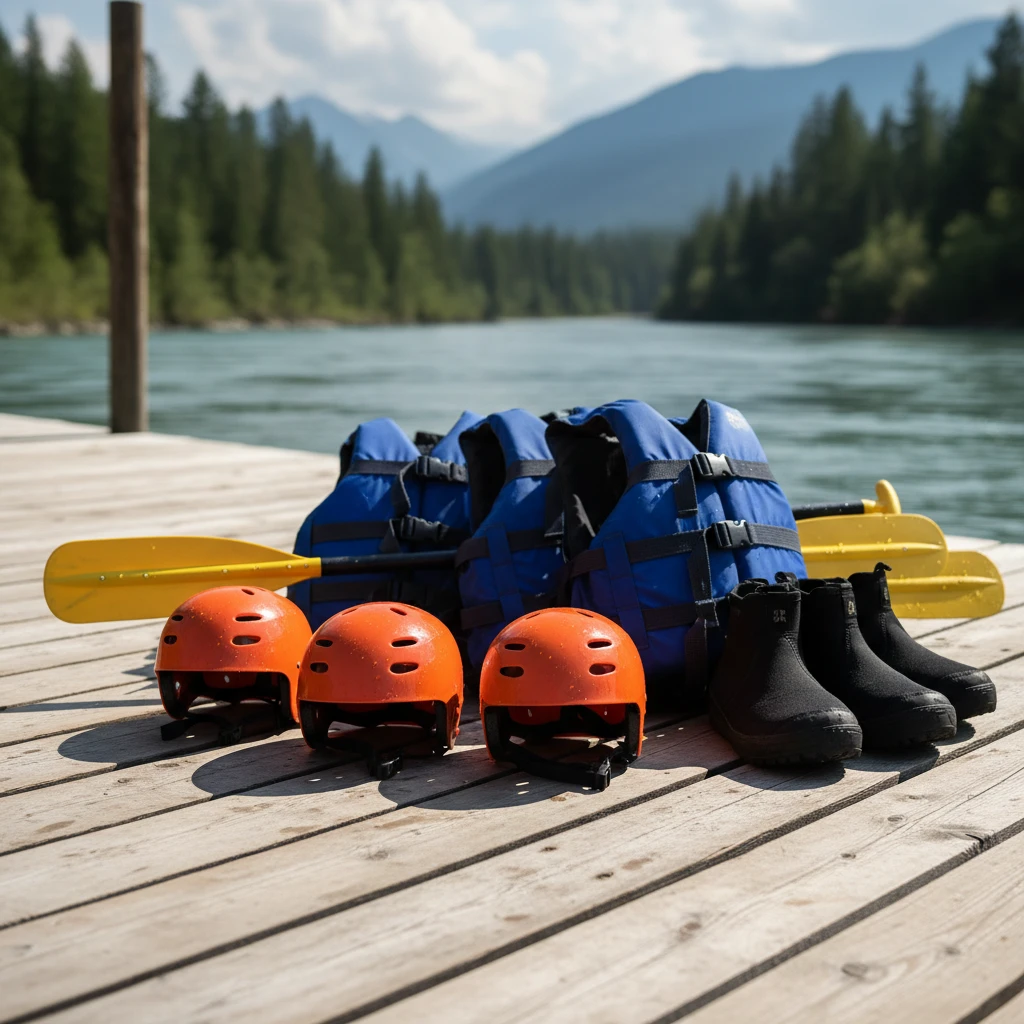
When you book with a professional operator on the Tarawera, the following equipment is standard inclusion. Do not book with any provider who does not offer these specific items:
- PFD (Personal Flotation Device): High-buoyancy life jackets designed for white water. These must fit snugly and be clipped correctly by the guide.
- Helmets: Mandatory for all participants. The Tarawera riverbed is rocky, and head protection is non-negotiable.
- Wetsuits and Fleeces: Even though the Tarawera is warmer than average, hypothermia is a risk in any water sport. Full-length wetsuits and polar fleece tops are provided.
- Splash Jackets: Windbreakers to keep the chill off during calm sections.
- Booties: Neoprene footwear to protect feet from rocks during entry and exit.
Guide Qualifications
Guides on the Tarawera River are required to hold qualifications recognized by the New Zealand Rafting Association (NZRA). This typically includes:
- Grade 3 Raft Guide Award: The minimum standard for leading a boat on this river.
- First Aid Certification: Advanced outdoor first aid training.
- Swift Water Rescue: Training in how to retrieve swimmers and manage entrapment scenarios.
The safety rating for the Tarawera operation is generally “Excellent.” The nature of the river allows for “safe thrills”—meaning the rapids feel exciting and chaotic, but the actual risk of serious injury is significantly lower than on Grade 5 rivers, provided instructions are followed.
Understanding the Rapids: Experience Levels
One of the reasons the Tarawera River is a cornerstone of the Kawerau lifestyle is its versatility. It hits the “sweet spot” for a wide demographic.
What are Grade 2 and 3 Rapids?
The International Scale of River Difficulty classifies the Tarawera primarily as Grade 2 with Grade 3 sections.
- Grade 2 (Novice): Straightforward rapids with wide, clear channels which are evident without scouting. Occasional maneuvering may be required, but rocks and medium-sized waves are easily missed by trained guides.
- Grade 3 (Intermediate): Rapids with moderate, irregular waves which may be difficult to avoid. Complex maneuvers in fast current and good boat control in tight passages or around ledges are often required.
Who is this Trip For?
Families: This is the ideal river for families with children aged 13 and up (sometimes younger depending on water levels and operator discretion). It provides the excitement of white water without the terror of large vertical drops.
Corporate Groups: Because the physical exertion required is moderate, it suits mixed-ability groups often found in corporate team-building exercises.
First-Timers: If you have never rafted before, the Tarawera is a better starting point than the Kaituna. It allows you to learn paddling commands and get comfortable with the raft mechanics before attempting harder rivers.
Booking Windows and Seasonal Availability
Planning your trip to Kawerau requires understanding the seasonal dynamics of the Bay of Plenty region.
Best Time of Year to Raft
Unlike many rivers that rely on spring thaw or heavy rainfall, the Tarawera has a relatively consistent flow, partly regulated by Lake Tarawera. However, seasonality still impacts the experience.
- Summer (December – February): Peak season. The air temperature is high (20-30°C), making the splashes refreshing. Booking at least 2 weeks in advance is recommended.
- Autumn (March – May): Often the best time for locals. The water remains warm, crowds dissipate, and the surrounding native bush looks spectacular.
- Winter (June – August): Operations continue, but frequency may drop. The geothermal aspect of the river is most appreciated during these months, especially when followed by exploring the Warm Indoor Dining: Kawerau Winter Food Guide.
Booking Logistics
Most trips take approximately 2 to 3 hours from base-to-base, with about 90 minutes of actual river time. Morning and afternoon departures are standard.
Pro Tip: Check the Kawerau Gravity Sports Club schedule. Occasionally, the river is closed for national slalom competitions or extreme kayak events. It is best to avoid booking on competition weekends unless you want to be a spectator.
Customer Reviews and Experience Levels
Analyzing hundreds of verified reviews across TripAdvisor, Google, and Facebook reveals consistent themes regarding the Tarawera rafting experience.
Positive Sentiment Drivers
The “Fun” Factor: Reviewers frequently mention that the rapids are “bouncier” than they expected, exceeding the expectations of a Grade 2/3 rating. The technical nature of the slalom course section is a highlight.
Guide Personality: The Kiwi humor and storytelling of the guides are often cited as the best part of the trip. Guides often share history about the Tarawera eruption and the local Māori legends.
Value for Money: Compared to the shorter, more expensive runs in other parts of New Zealand, the Tarawera is viewed as offering good “time on water” value.
Common Critiques
The few negative reviews generally stem from a misunderstanding of the intensity. Adrenaline junkies looking for 7-meter waterfalls sometimes feel the Tarawera is too tame. This underscores the importance of matching your expectation to the river grade—if you want extreme danger, head to the Kaituna. If you want sustained, fun rapids, choose Tarawera.
Frequently Asked Questions
What is the minimum age for rafting the Tarawera River?
Generally, the minimum age is 13 years old. However, this can vary based on water levels and specific operator policies. Some operators may allow children as young as 10 if they fit the safety equipment properly and water levels are low.
Do I need to know how to swim to go rafting?
While basic water confidence is highly recommended, you do not need to be an Olympic swimmer. The Personal Flotation Device (PFD) will keep you buoyant. However, you should be comfortable floating in moving water.
Is the water in the Tarawera River cold?
The Tarawera is warmer than most New Zealand rivers due to geothermal inflows. However, it is not a “hot pool.” It is tepid to cool, which is why wetsuits are still provided and recommended.
Can I bring my GoPro or camera?
Most operators allow GoPros if you have a chest harness or helmet mount. Handheld cameras are generally not allowed due to the risk of losing them and the need to use both hands for paddling. Operators usually provide a photo service.
How far is Kawerau from Rotorua?
Kawerau is approximately a 50-minute to 1-hour drive from Rotorua. Many visitors stay in Rotorua and drive over for the day, or utilize the shuttle services provided by the rafting companies, which fits well within expected Commute Times in Bay of Plenty.
Is rafting the Tarawera River safe when it rains?
Yes, rafting is one of the best activities to do in the rain—you are going to get wet anyway! Heavy rain can actually make the rapids more exciting by increasing the water volume. Operators will only cancel if river levels reach a dangerous flood threshold.