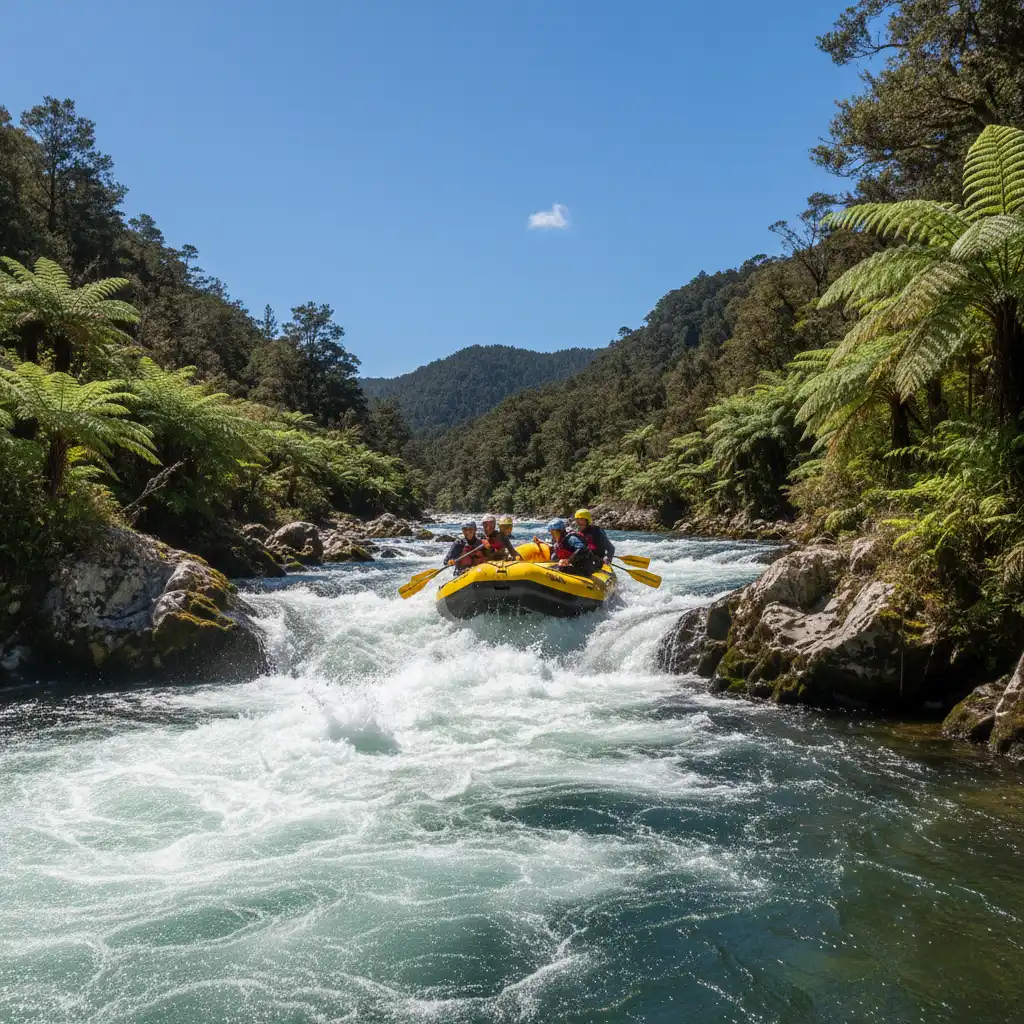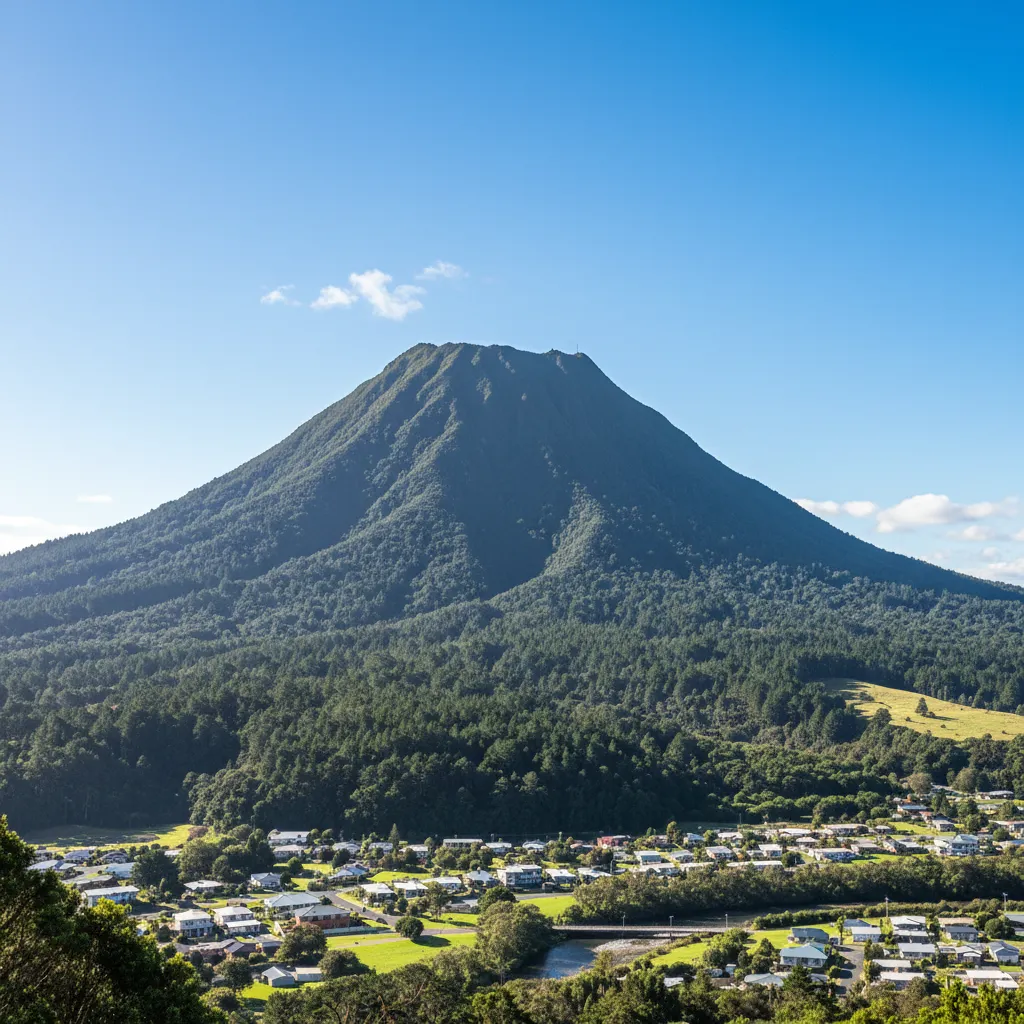
The best Tarawera River fishing spots are situated between the spectacular Tarawera Falls and the township of Kawerau, where high numbers of rainbow trout thrive. Anglers find success accessing the upper reaches via forestry roads for solitude, or fishing the easily accessible banks within Kawerau parks for productive spin and fly fishing sessions.
The Tarawera River is arguably one of the most underrated fisheries in New Zealand’s North Island. Flowing from the pristine Lake Tarawera down to the Bay of Plenty coast at Matatā, this river offers a diverse range of angling opportunities. From the crystal-clear, fast-flowing waters of the upper reaches to the broader, deeper flows near Kawerau, the river is a haven for trout enthusiasts. Whether you are a seasoned fly fisherman looking for a technical challenge or a family looking for a convenient spot to cast a spinner, the Tarawera delivers.
What Makes the Tarawera River Unique?
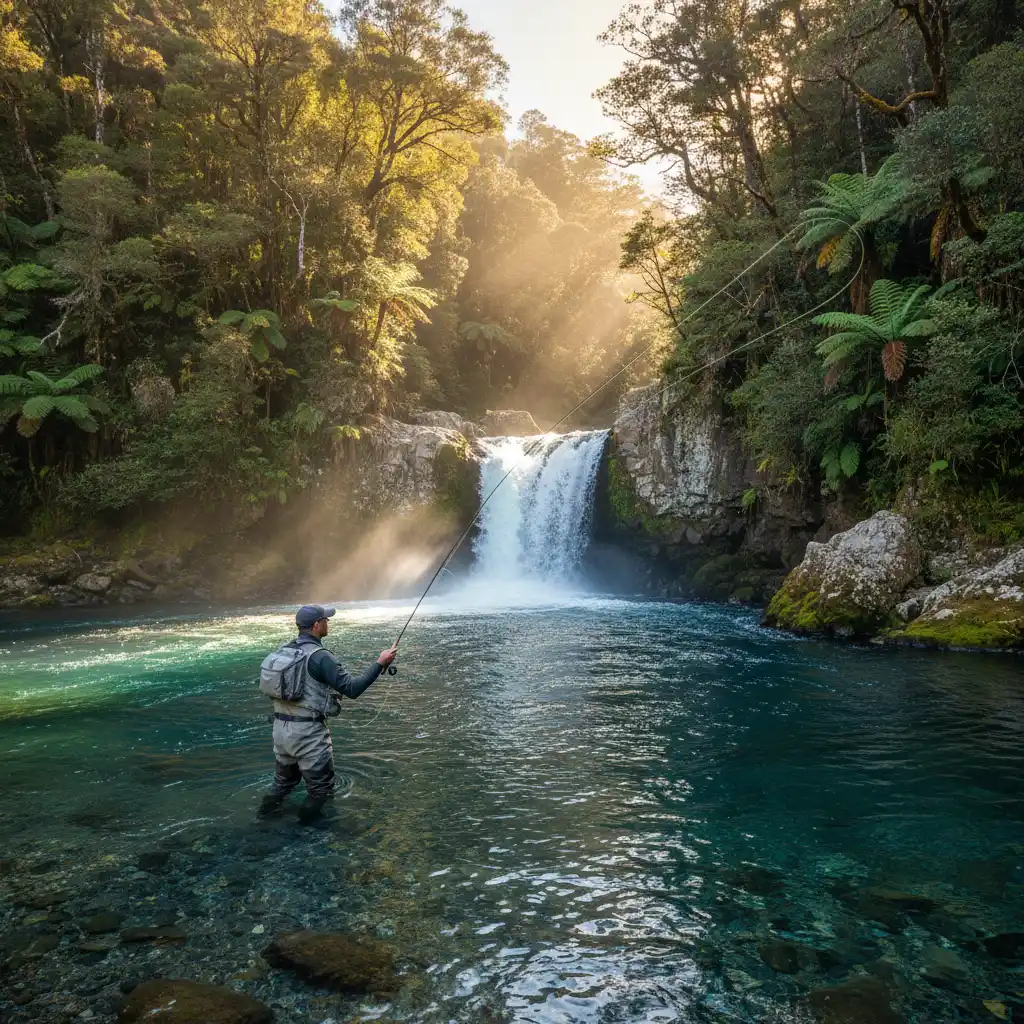
Unlike many rain-fed rivers in the region, the Tarawera is lake-fed, ensuring a relatively stable flow throughout the year. The river begins its journey at the outlet of Lake Tarawera, disappears underground, and re-emerges dramatically at the Tarawera Falls. This geological wonder creates a fishery that is distinct in two main sections: the upper reaches above Kawerau and the lower reaches extending to the sea.
The primary quarry here is the Rainbow Trout (Oncorhynchus mykiss). The fish in the Tarawera are renowned for their condition. Due to the rich insect life and the stable water temperatures provided by the lake source, these trout fight hard and grow to impressive sizes, often averaging between 1.5kg to 2.5kg, with trophy fish occasionally landed.
Where are the Best Tarawera River Fishing Spots?
Finding the right location is key to success on the Tarawera. The river changes character significantly as it descends, and understanding these zones will help you choose the right gear and approach.
1. The Upper Reaches (Tarawera Falls to Kawerau)
This is the crown jewel of the river. The water here is gin-clear, tumbling over boulders and creating deep, oxygenated pools that hold large numbers of trout. This section is visually stunning and offers a wilderness experience just minutes from civilization.
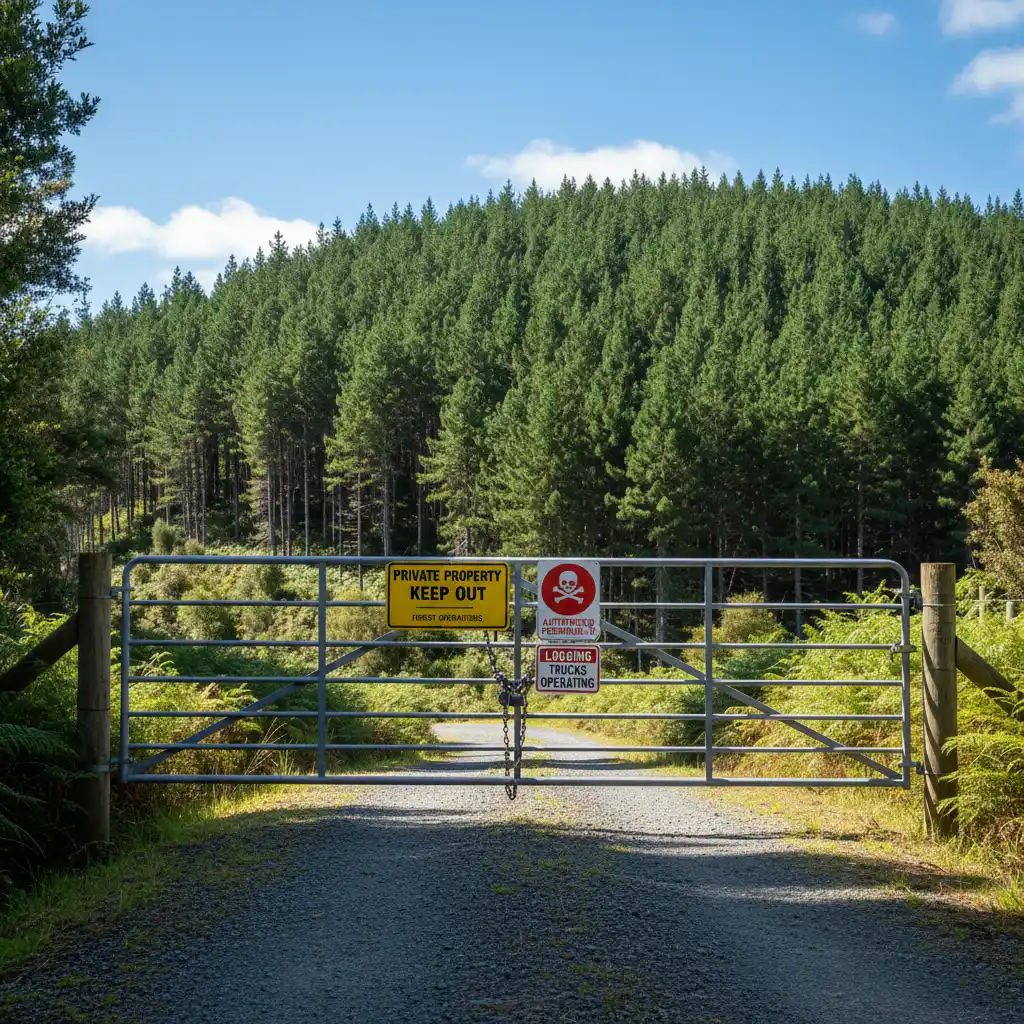
- Access: Access is primarily gained via private forestry roads (requires a permit) leading to the Tarawera Falls car park. From there, a walking track follows the river. Anglers can bush-bash to various pools, but care must be taken as the terrain can be steep.
- Fishing Style: This is prime nymphing water. The clarity requires stealth and long leaders. Dry fly fishing in summer is exceptional here, particularly during the cicada season.
- Target: Resident rainbows and spawning fish moving up from the lower river.
2. Kawerau Township (Firmin Field and Surrounds)
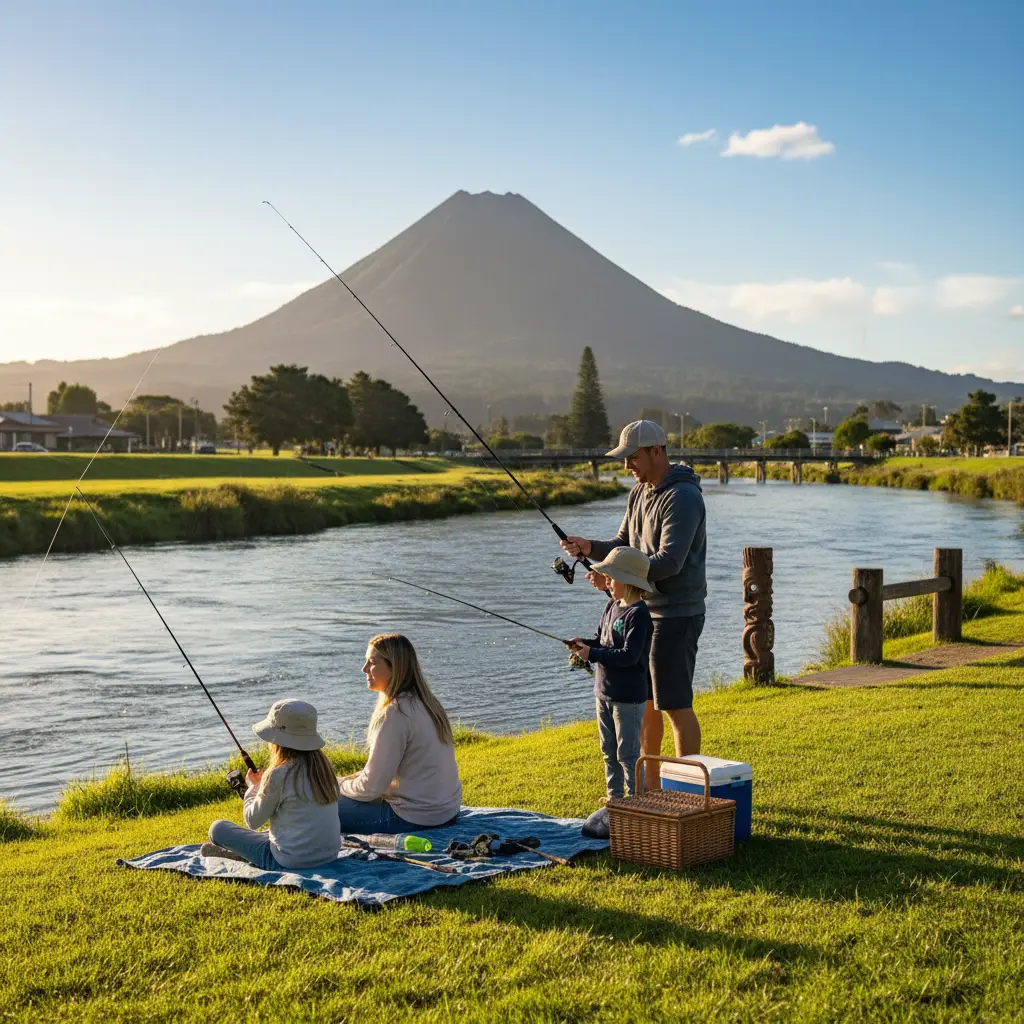
For those who prefer easier access without the need for forestry permits or heavy hiking, the stretch of river running through Kawerau is excellent. The local council has done a fantastic job maintaining parks along the riverbanks.
- Access: Park at Firmin Field or along Waterhouse Street. The banks are grassy and open, making this the perfect location for back-casting or teaching children how to fish.
- Fishing Style: Both spin fishing and fly fishing work well here. The water is slightly slower and deeper than the upper reaches. It is an ideal spot for evening rises where trout can be seen sipping insects off the surface.
- Target: High density of medium-sized rainbows.
3. The Lower Reaches (Downstream of Kawerau)
Below the Tasman Mill, the river changes. While historical industrial use affected this area, environmental standards have improved significantly, and fish passage is possible. However, most recreational angling focuses on the sections above the mill or near the river mouth.
4. The River Mouth (Matatā)
Where the Tarawera meets the ocean at Matatā, a different type of fishery exists. This is a dynamic environment where freshwater meets salt.
- Access: Accessible via the Thornton Road/Matatā area.
- Fishing Style: Heavy spinning gear or streamer fishing.
- Target: Large sea-run trout chasing baitfish (whitebait) and Kahawai that enter the estuary. This is particularly productive during the whitebait season (spring).
How to Fish the Tarawera: Proven Techniques
Success in Tarawera river fishing spots depends heavily on adapting your technique to the specific section of the river you are targeting.
Fly Fishing Strategies
The Tarawera is a nymph fisherman’s paradise. Because of the swift currents in the upper sections, getting your flies down deep and fast is crucial.
- Rigging: Use a 5 or 6-weight rod. A 9-foot tapered leader ending in 4lb or 5lb fluorocarbon tippet is standard.
- Nymphs: Heavy tungsten bead heads are essential. Hare and Copper, Pheasant Tail, and Prince Nymph patterns in sizes 12-16 are reliable staples. In the glo-bug season (winter), egg patterns can be deadly.
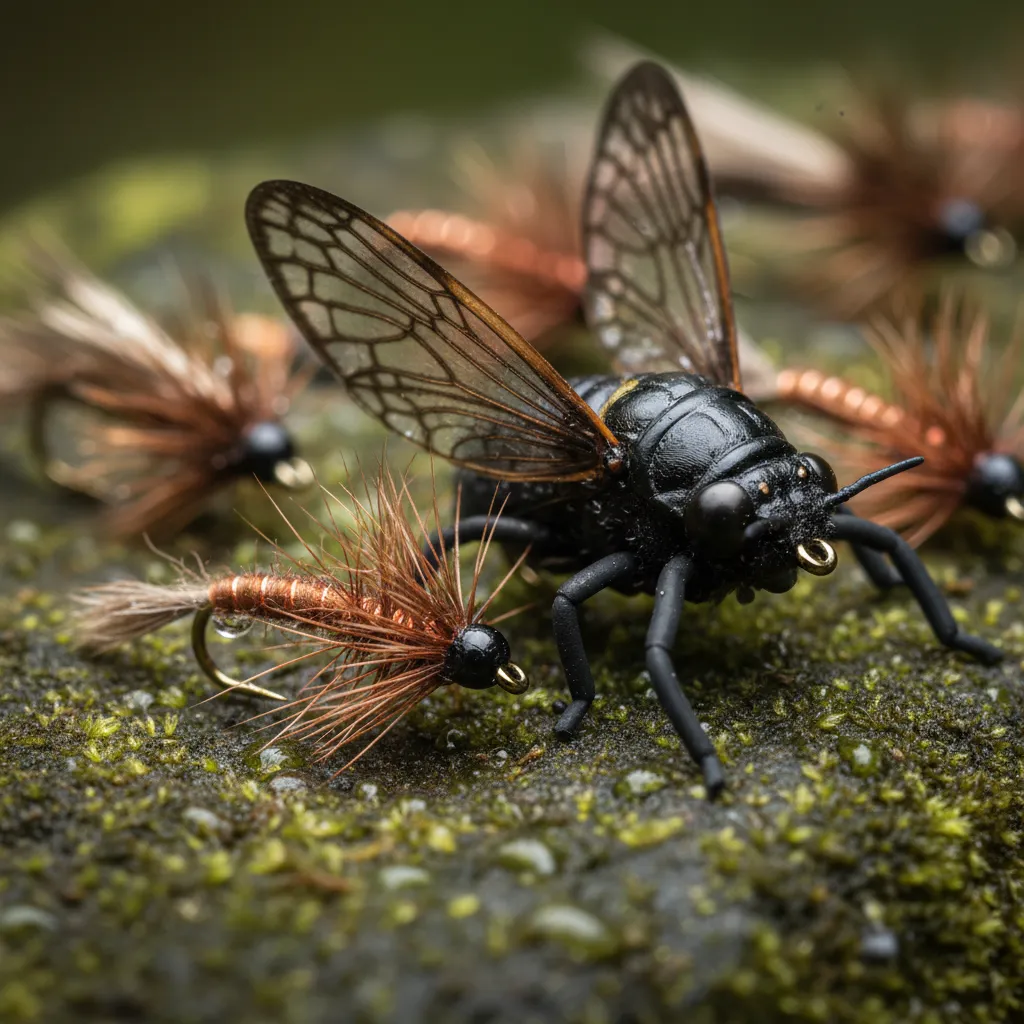
- Dry Flies: From December to March, the surface action heats up. Cicada patterns, Royal Wulffs, and Parachute Adams are effective. Focus on the bubble lines and the slack water behind large boulders.
- Wet Lining: In the wider sections near Kawerau, swinging a Woolly Bugger or a smelt pattern across the current can induce aggressive strikes, especially at dusk.
Spin Fishing Tactics
Spin fishing is highly effective in the Kawerau township stretches where there is ample room to cast. It is also the preferred method for many locals due to its simplicity.
- Lures: Veltic spinners (green and gold or red and gold) are local favorites. Toby lures in silver or black/gold scale patterns also work well to mimic small baitfish.
- Technique: Cast slightly upstream and across, allowing the spinner to sink before retrieving. Vary your retrieve speed. The trout often strike as the lure swings around in the current.
- Gear: A light 6-7ft spinning rod with 6lb monofilament or braid is sufficient.
When are the Best Times to Fish?
The Tarawera River offers year-round fishing, but understanding the seasonal cycles will maximize your catch rate.
Spring (October – November)
This is the start of the new season for many waters, though much of the Tarawera is open year-round. Fish are active and hungry after winter. Whitebait runs at the river mouth can bring large trout into the lower reaches.
Summer (December – February)
This is the peak time for dry fly fishing. The days are long, and the “evening rise” is a magical experience in Kawerau. As the sun sets, the river often boils with fish feeding on hatching insects. Wet wading (fishing without waders, just boots and shorts) is pleasant during these months.
Autumn (March – May)
As the weather cools, the fish condition is at its peak. This is often when the largest fish are caught. They are feeding aggressively to build reserves for the coming winter.
Winter (June – September)
While colder, winter fishing can be exceptional. Trout move upstream to spawn. Anglers target these fish using egg patterns (glo-bugs) and heavy nymphs. It requires patience and warm clothing, but the rewards can be substantial.
Licensing and Regulations
Before wetting a line in any Tarawera river fishing spots, you must ensure you are legally compliant. The Tarawera River falls under the jurisdiction of the Eastern Fish & Game Council.
Key Requirements:
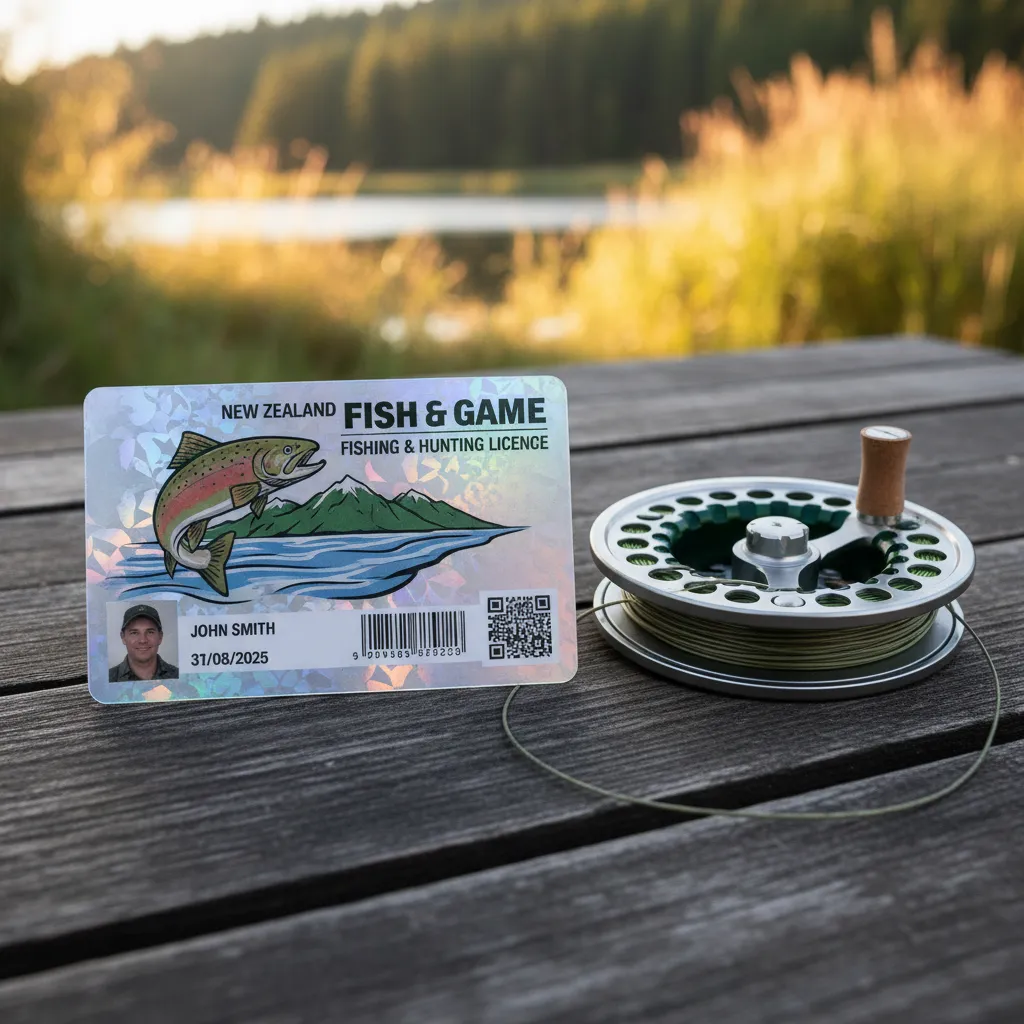
- Sports Fishing License: You must hold a valid New Zealand Sports Fishing License. These can be purchased online or at selected local retailers in Kawerau and Whakatāne. Options range from 24-hour licenses to full-season family licenses.
- Season Dates: While the Tarawera has liberal open seasons compared to some backcountry rivers, always check the current regulation guide (regulation booklet) for specific closure dates, particularly for upper tributaries which may close for spawning.
- Bag Limits: Strict limits apply to the number of fish you can keep (usually 2 per day in this region) and the minimum size. Catch and release is strongly encouraged to preserve the fishery.
- Method Restrictions: Check if your specific spot allows bait fishing. Most of the upper river is artificial fly or spinner only.
Planning Your Trip to Kawerau
Kawerau serves as the perfect base for an angling adventure. Known as the heart of the Bay of Plenty’s forestry industry, it is rapidly transforming into a lifestyle hub for outdoor enthusiasts. If you are considering moving or setting up a base here, understanding the local infrastructure is key, especially regarding the Relocation & Digital Nomad Lifestyle opportunities.
Accommodation: Kawerau offers various accommodation options, from motor camps to motels. Staying locally allows you to hit the water at first light or fish until the very last light of the day. For broader regional travel planning, knowing about public transport options, such as booking Intercity Bus Tickets to Kawerau: Booking Guide, can be helpful for visitors.
Safety Warning: The Tarawera River flows swiftly. The rocks can be incredibly slippery due to algae. Felt-soled wading boots or boots with studs are highly recommended. Always wear a wading belt if using waders to prevent them from filling with water if you slip. Be aware that river levels can fluctuate; if the water discolors rapidly, move to higher ground.
People Also Ask
Do I need a permit to fish the Tarawera River?
Yes, you need a standard New Zealand Sports Fishing License from Fish & Game NZ. Additionally, if you are accessing the upper reaches via private forestry roads (beyond the public tar seal), you may need an access permit from the forestry management company, usually available at the Kawerau Information Centre.
Can you bait fish in the Tarawera River?
Regulations vary by section. Generally, the upper reaches are restricted to artificial fly and spinner only to protect the fishery. Bait fishing is more commonly permitted in the lower reaches near the mouth. Always consult the current Eastern Fish & Game regulation booklet before using bait.
What is the best bait for trout in Tarawera?
If bait fishing is permitted in your chosen zone, worms and creepers (dobsonfly larvae) are traditional freshwater baits. However, for spin fishing (which is allowed in more areas), Veltic spinners and Toby lures are the most effective artificial “baits.”
Are there salmon in the Tarawera River?
No, the Tarawera River is primarily a trout fishery, hosting Rainbow Trout and some Brown Trout. Salmon are not established in this river system, although they are found in other parts of the South Island.
Is the Tarawera River safe to eat fish from?
Trout caught in the upper reaches (above the industrial sites) and the Kawerau township are generally considered safe to eat and are delicious. In the lower reaches below industrial discharge points, it is advisable to check current local council health advisories, though water quality has improved significantly in recent decades.
How do I get to Tarawera Falls fishing spots?
To reach the Tarawera Falls fishing spots, you must travel through the private forestry roads. You need to purchase an access permit from the Kawerau i-SITE Visitor Information Centre. The drive takes approximately 20-30 minutes from the town center on gravel roads.