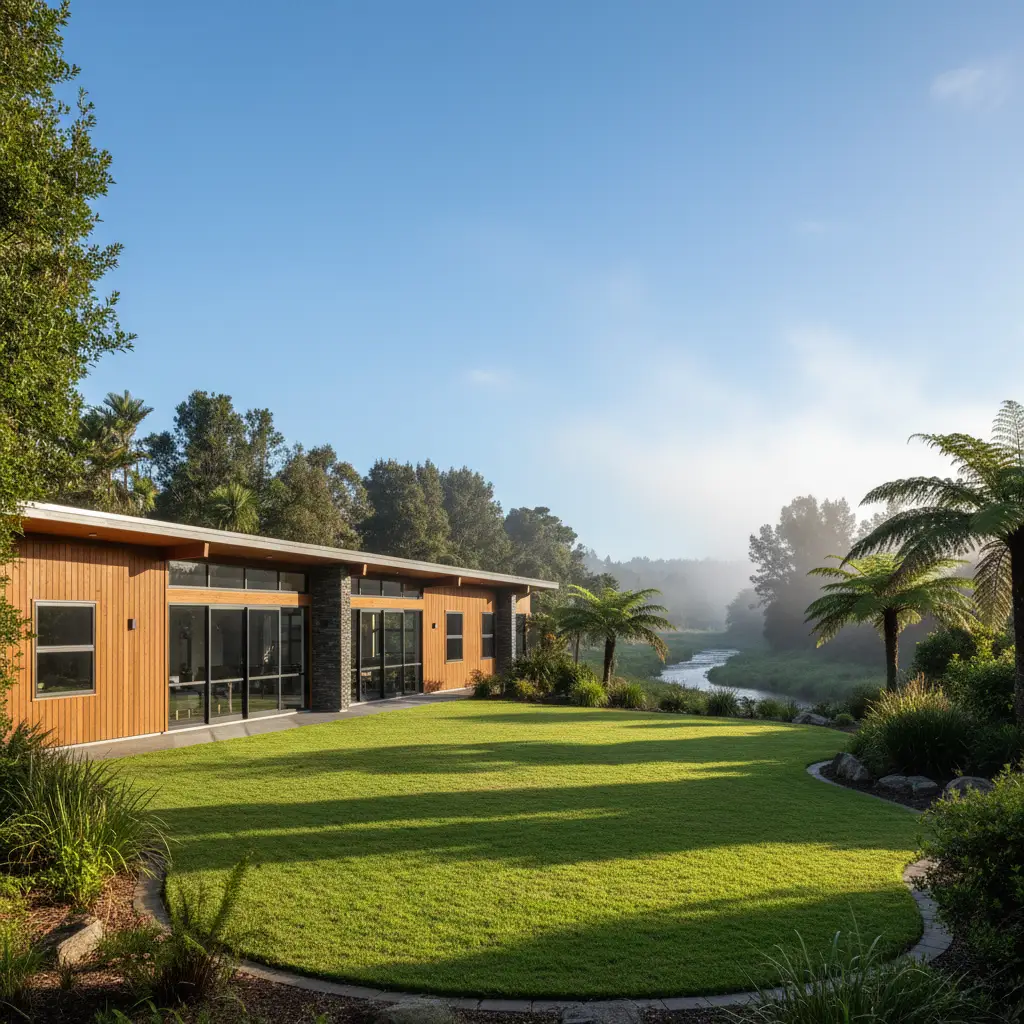
Kawerau experiences a warm, temperate climate typical of the Eastern Bay of Plenty, characterized by high sunshine hours and moderate rainfall. Weather Kawerau seasonal averages show summer highs reaching 24°C (75°F), ideal for water sports, while winters are mild with crisp mornings averaging 14°C (57°F), perfect for thermal pool bathing.
Located in the heart of New Zealand’s Bay of Plenty, Kawerau is often referred to as the gateway to the Tarawera River and forest adventures. Understanding the local climate is essential for visitors looking to maximize their experience, whether that involves white-water kayaking, hiking the majestic Putauaki (Mt Edgecumbe), or simply relaxing in the free thermal pools. Because the town sits in a valley sheltered by volcanic hills, it often enjoys a microclimate that is slightly warmer and less windy than its coastal neighbors.
This comprehensive guide breaks down the weather Kawerau seasonal averages to help you plan the perfect trip, regardless of the time of year. From packing lists to activity recommendations based on rainfall patterns, we cover everything you need to know about the atmospheric conditions in this industrial yet scenic town.
What Characterizes the Weather in Kawerau?
Kawerau generally enjoys a warm and settled climate, benefiting significantly from the shelter provided by the surrounding ranges. Unlike the exposed west coast of New Zealand, the Eastern Bay of Plenty is known for having some of the highest sunshine hours in the country. The town’s inland position means it can get hotter than the coast in summer but also cooler overnight in winter.
When analyzing weather Kawerau seasonal averages, you will notice distinct variations that cater to different tourism interests. The annual average temperature sits comfortably around 15°C (59°F), but this median figure hides the seasonal extremes that define the local lifestyle. Humidity levels can rise in the summer, contributing to a tropical feel, while winter frosts are common but usually burn off by mid-morning to reveal clear blue skies.
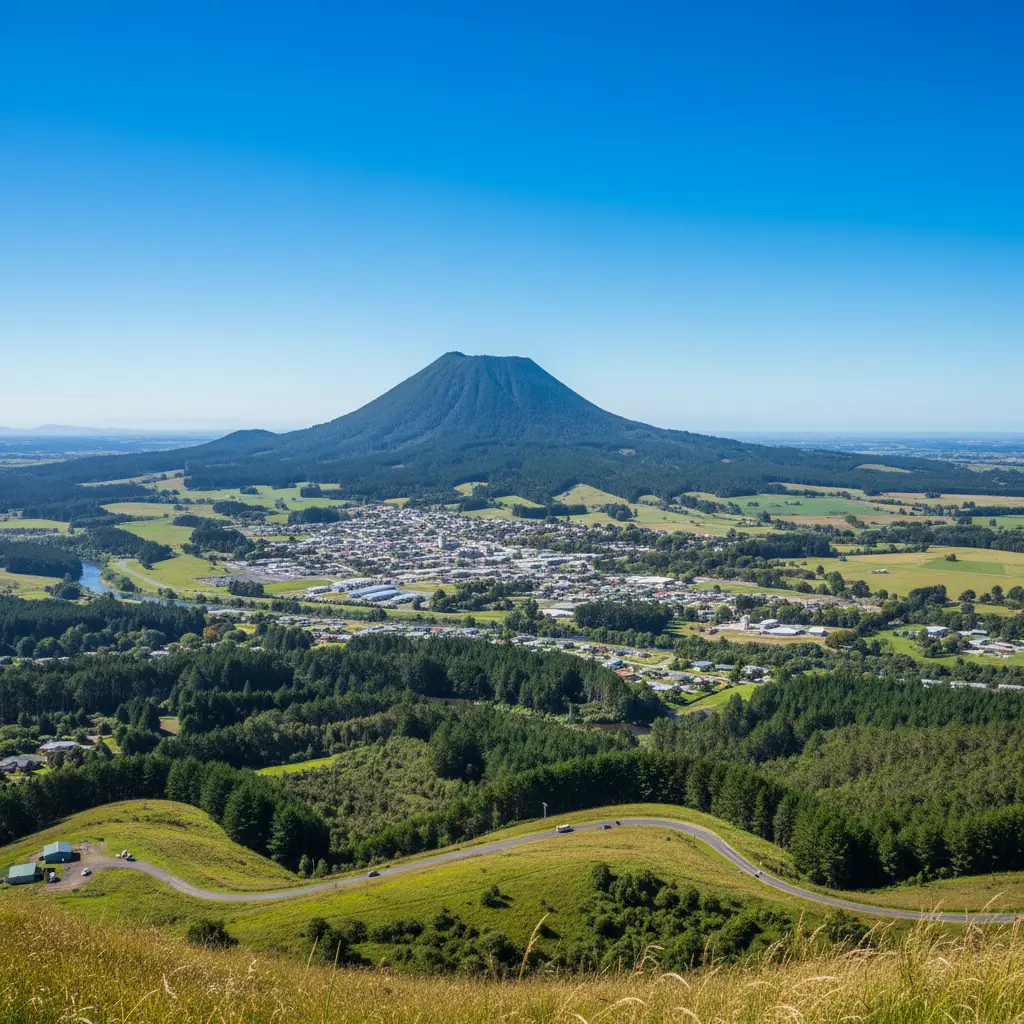
Summer (December – February): Highs for River Activities
Summer is arguably the most vibrant time in the district. During these months, the weather Kawerau seasonal averages indicate daily highs frequently ranging between 24°C and 28°C (75°F – 82°F). It is not uncommon for temperatures to spike above 30°C (86°F) during heatwaves in January and February.
Ideal Conditions for the Tarawera River
The warm air temperatures make the glacier-fed waters of the Tarawera River incredibly refreshing. This season is peak time for kayaking and rafting. The Tarawera River is a venue for national and international kayaking slaloms, and the reliable summer weather ensures that spectators and athletes alike can enjoy the events without the misery of cold winds.
Because the sun intensity in New Zealand is severe, visitors must be vigilant. The UV index in Kawerau during summer is extreme. While the air might feel pleasant due to a river breeze, the burn time can be as short as 10 minutes. Sun protection is non-negotiable between 10:00 AM and 4:00 PM.
Summer Rainfall and Humidity
While generally dry, summer can bring sporadic subtropical lows that result in heavy, short-lived downpours. These humidity spikes can make hiking strenuous. If you plan to climb local trails during this season, it is advisable to start early in the morning—preferably before 8:00 AM—to beat the midday heat. The evenings, however, are long and balmy, perfect for BBQs and outdoor dining.
Autumn (March – May): The Hiker’s Golden Season
Many locals consider autumn the best time of year. The fierce heat of summer dissipates, leaving behind stable, mild weather that is perfect for physical exertion. Weather Kawerau seasonal averages for autumn show daytime temperatures dropping gradually from 22°C in March to around 16°C in May.
Stability for Trekking
The wind speeds tend to be lowest in autumn, reducing the wind chill factor on exposed ridges. This makes it the prime season for tackling the summit of Putauaki (Mt Edgecumbe). The visibility is often crystal clear, lacking the heat haze of summer, allowing for panoramic views that stretch as far as White Island (Whakaari) on the coast.
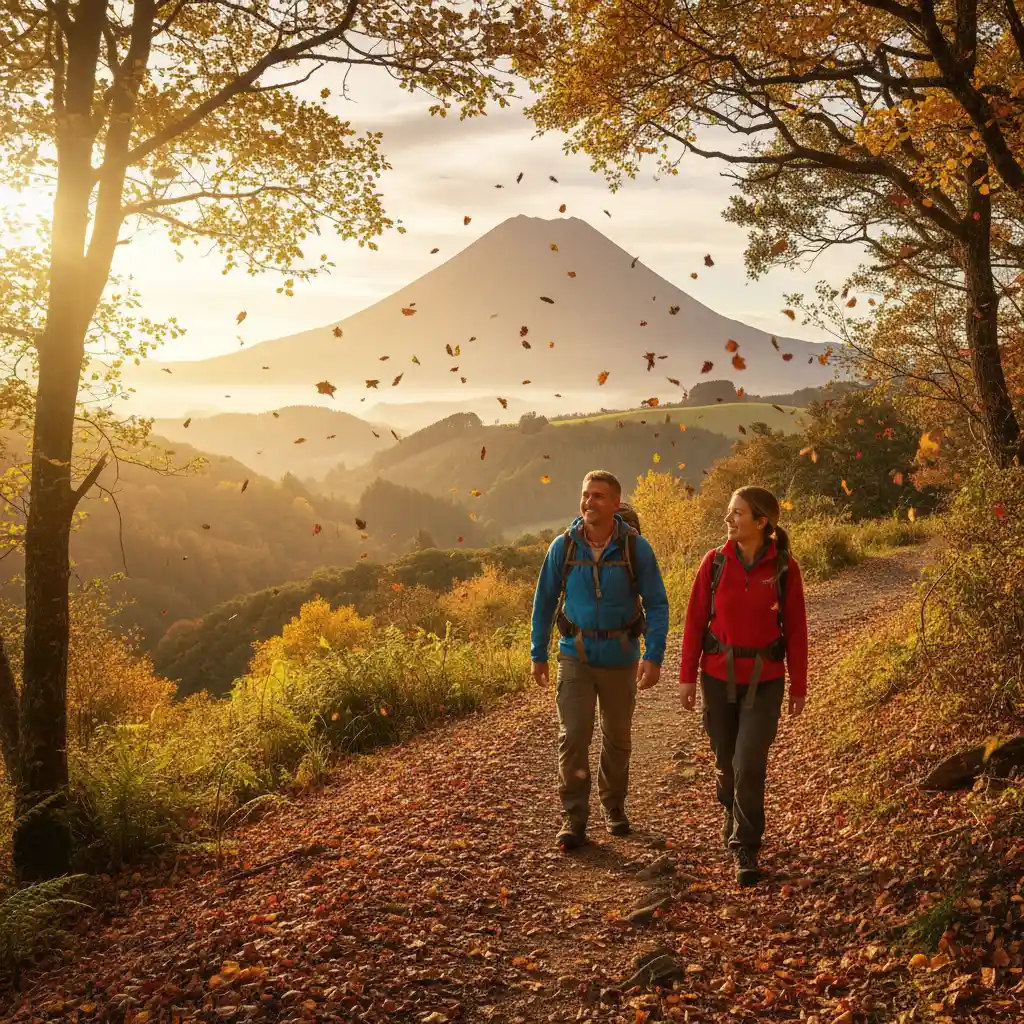
Changing Foliage and Photography
The town, known for its tree-lined streets and parks, transforms into a palette of gold and russet. Photographers will appreciate the lower angle of the sun and the softer light. Rainfall begins to increase slightly towards the end of May, but March and April remain predominantly dry and settled, offering a “second summer” feel without the humidity.
Winter (June – August): Crispness for Thermal Pools
Winter in Kawerau is distinct and beautiful in its own right. While it is the coldest season, it is rarely miserable. The weather Kawerau seasonal averages for winter indicate daytime highs of 12°C to 15°C (54°F – 59°F), with overnight lows frequently dipping to 2°C or 3°C (36°F). Frosts are common on the valley floor, creating picturesque white mornings.
The Thermal Advantage
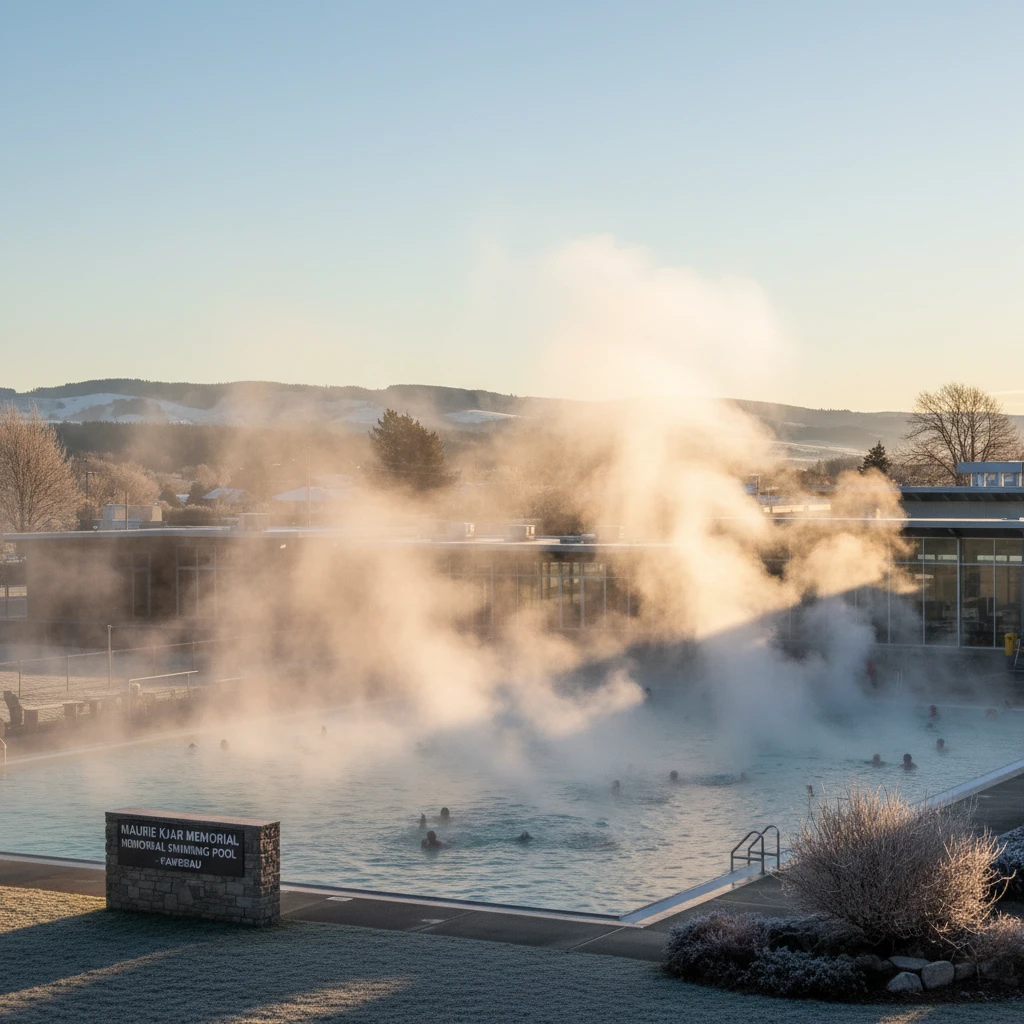
Kawerau’s geothermal activity becomes its greatest asset during winter. The cool air contrasts magnificently with the heat of the thermal waters. The Maurie Kjar Memorial Swimming Pool complex, which is geothermally heated and free to the public, is a major drawcard. There is nothing quite like soaking in 38°C water while the ambient air temperature is crisp and cool.
Indoor and Cultural Activities
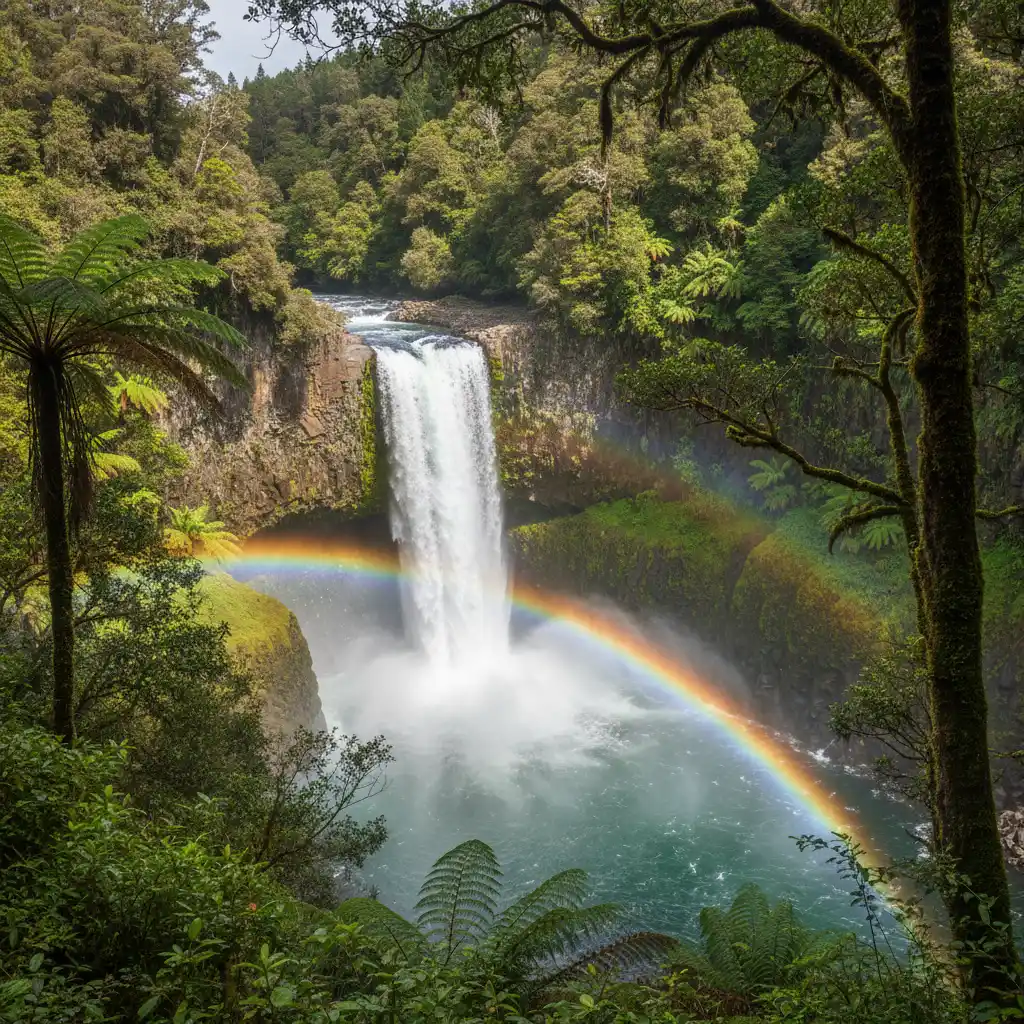
Rainfall is most frequent in winter, though Kawerau receives less rain than the ranges to the south. When the weather turns wet, visitors can explore the rich Māori heritage of the area or visit the Sir James Fletcher Kawerau Museum. The rain also rejuvenates the surrounding native forests, making the Tarawera Falls thunderous and spectacular during a break in the weather.
Spring (September – November): Variable Patterns and Blooms
Spring is a season of contrasts. It is often the windiest time of the year in the Bay of Plenty. Weather Kawerau seasonal averages show temperatures rising from 16°C in September to 20°C in November. However, this is also the season where you might experience “four seasons in one day.”
Blossoms and White Water
The town’s gardens come alive with rhododendrons and cherry blossoms, making it a visually appealing time to visit. For adventure seekers, spring rains feed the rivers, ensuring high water levels for white-water rafting and kayaking. The Tarawera River is particularly exciting during this time.
Visitors in spring should be prepared for sudden showers followed by brilliant sunshine. The ground begins to dry out, and by November, the weather patterns settle into the pre-summer consistency that campers and hikers love.
Rainfall Patterns and Sunshine Hours for Hikers
Understanding precipitation is crucial for safety in the outdoors. Kawerau receives an annual rainfall average of approximately 1,200mm to 1,400mm. This is moderate compared to other New Zealand regions.
Monthly Rainfall Breakdown
- Driest Months: February and March are typically the driest, making them the safest bet for multi-day hikes or camping trips.
- Wettest Months: July and August usually see the highest rainfall accumulation. Hikers should be wary of slippery tracks and rising river levels during these months.
Sunshine Data
The Eastern Bay of Plenty is one of the sunniest regions in New Zealand, often exceeding 2,200 sunshine hours annually. For tourists, this means that even if it rains, it rarely rains for days on end without a break. The cloud cover often breaks in the afternoon, providing a window for outdoor activities.
Essential Packing List for Each Season
To ensure you are comfortable regardless of the weather Kawerau seasonal averages, we have compiled a strategic packing list. The key to dressing for New Zealand weather is layering.
Summer Packing List
- Sun Protection: High SPF sunscreen (50+), wide-brimmed hat, and polarized sunglasses.
- Clothing: Light, breathable fabrics (cotton/linen). Swimwear is essential for the river and pools.
- Footwear: Sandals for town, sturdy breathable trail shoes for hiking.
- Insect Repellent: Sandflies and mosquitoes can be present near the river at dusk.
Winter Packing List
- Thermal Layers: Merino wool base layers are ideal for regulating body temperature.
- Outerwear: A windproof and waterproof jacket is mandatory. A down jacket (puffer) is recommended for mornings and evenings.
- Footwear: Waterproof hiking boots and warm wool socks.
- Swimwear: Don’t forget this! The thermal pools are best in winter.
Spring/Autumn Packing List
- Versatile Layers: T-shirts combined with light fleece or sweaters.
- Rain Gear: A compact rain poncho or lightweight jacket that can be stowed in a day pack.
- Footwear: Shoes that can handle mud if you plan on walking forest trails.
People Also Ask
What is the best month to visit Kawerau?
March is often considered the best month to visit Kawerau. The weather is stable, the summer crowds have dispersed, and the temperature is warm (avg 22°C) without being stifling, making it perfect for both hiking and swimming.
Does it snow in Kawerau?
Snow is extremely rare in the Kawerau township itself due to its low elevation. However, during cold winter snaps, you may see a dusting of snow on the very top of Mt Putauaki or the distant ranges, but it does not settle on the ground in town.
Is Kawerau humid in summer?
Yes, Kawerau can get humid in summer, particularly in January and February. Being an inland valley, the air can feel heavier than on the coast, which is why river activities and thermal pools are popular for cooling off.
What is the average rainfall in Kawerau?
Kawerau receives an average annual rainfall of between 1,200mm and 1,400mm. The rain is spread relatively evenly throughout the year, though winter (June-August) is typically the wettest period.
Are the thermal pools open year-round?
Yes, the Maurie Kjar Memorial Swimming Pool complex is open year-round. The water is geothermally heated, ensuring a consistent and comfortable temperature regardless of the external weather conditions.
How cold does it get in Kawerau?
In the depth of winter (July), overnight lows can drop to roughly 2°C to 4°C (36°F – 39°F), leading to frosty mornings. However, daytime highs usually recover to a pleasant 13°C to 15°C (55°F – 59°F).