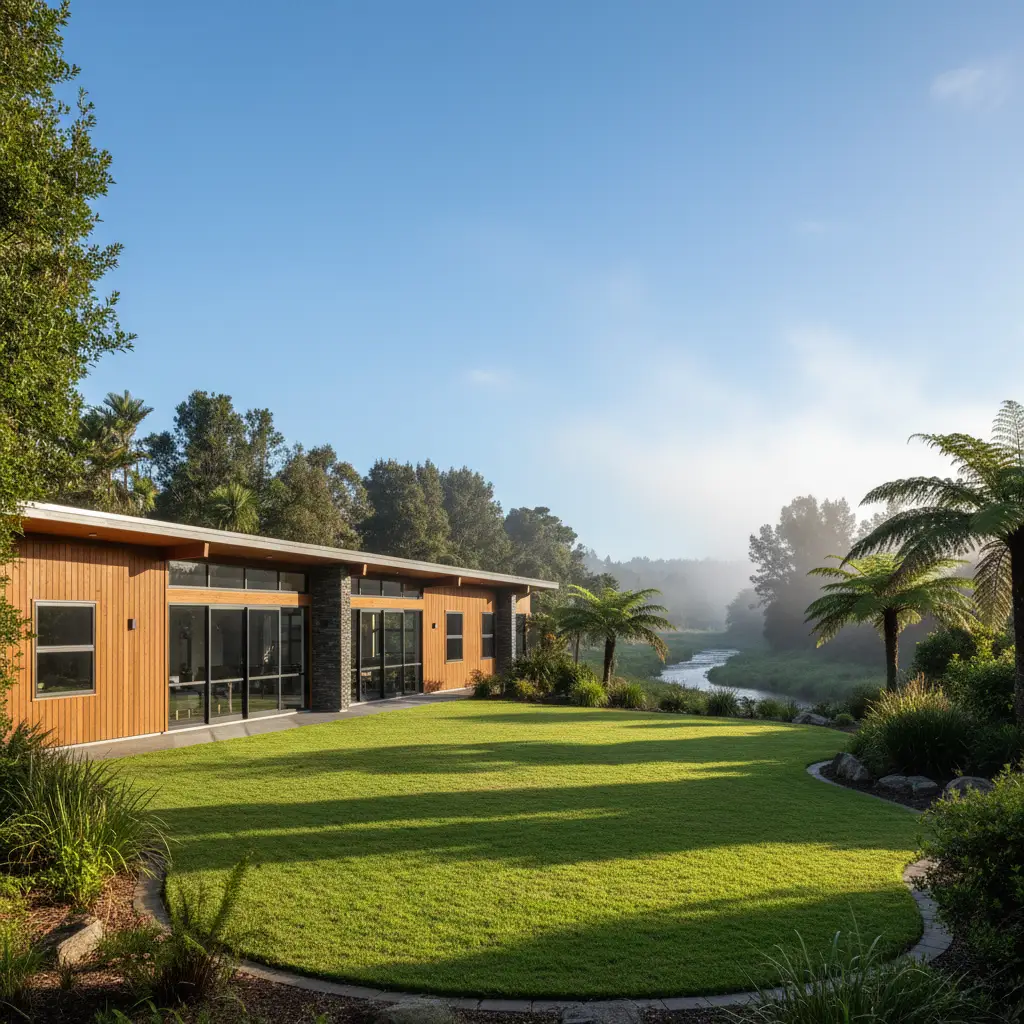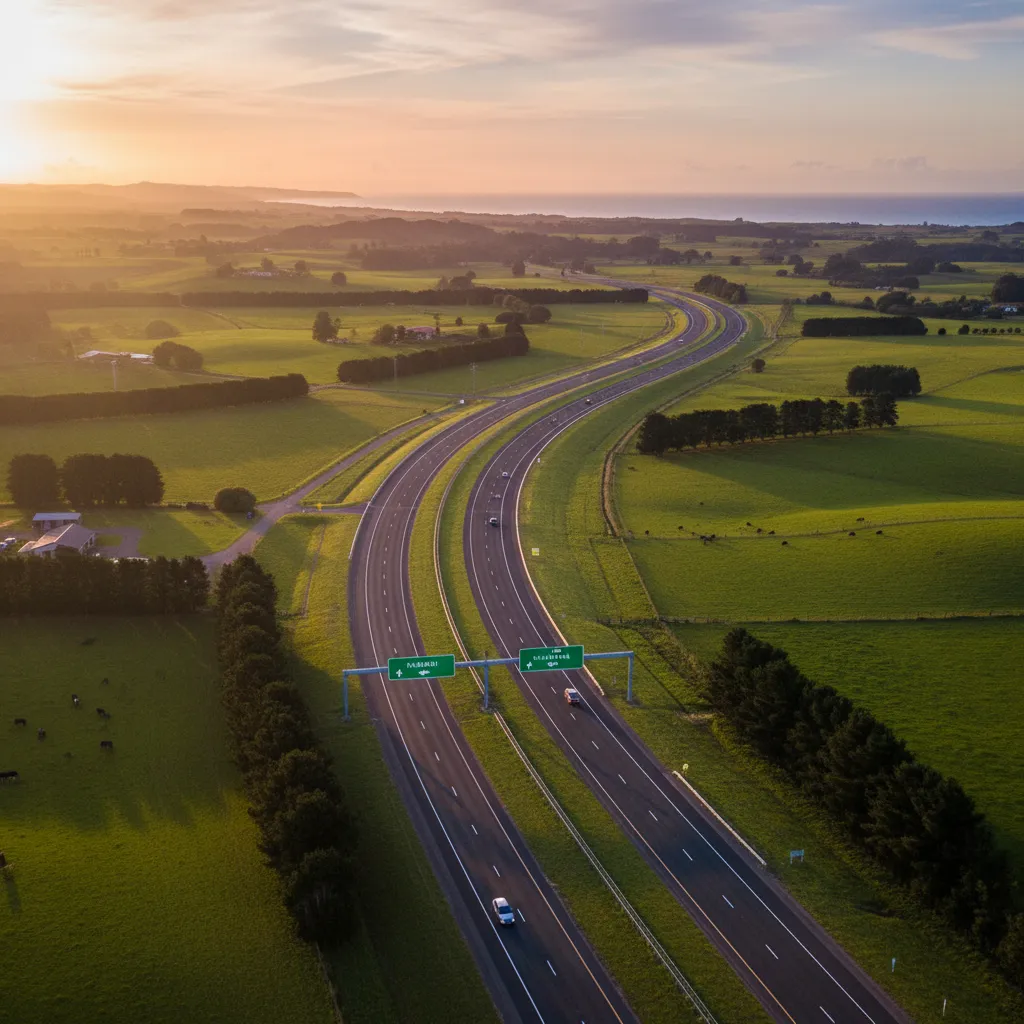
The safest areas to live in Kawerau are typically found in the elevated neighborhoods known locally as “The Hill,” particularly streets like Beattie Road and Hardie Avenue which feature high rates of owner-occupancy. Additionally, the newer subdivisions near the base of Mount Putauaki and the retirement-focused Porritt Glade area offer enhanced security, community patrols, and a quiet, family-friendly atmosphere.
Kawerau, situated in the heart of the Bay of Plenty, has undergone a significant transformation over the past decade. Once defined solely by its industrial roots, it has emerged as a hidden gem for retirees, first-home buyers, and young families seeking affordability without sacrificing lifestyle. However, like any town undergoing regeneration, prospective residents often have questions about safety and neighborhood dynamics.
Finding the right location is crucial when considering a move to this district. While the town is compact, distinct micro-neighborhoods exist, each with its own character, community spirit, and safety profile. This guide provides an in-depth analysis of the residential landscape, helping you make an informed decision about where to settle.
The Landscape of Safety in Kawerau
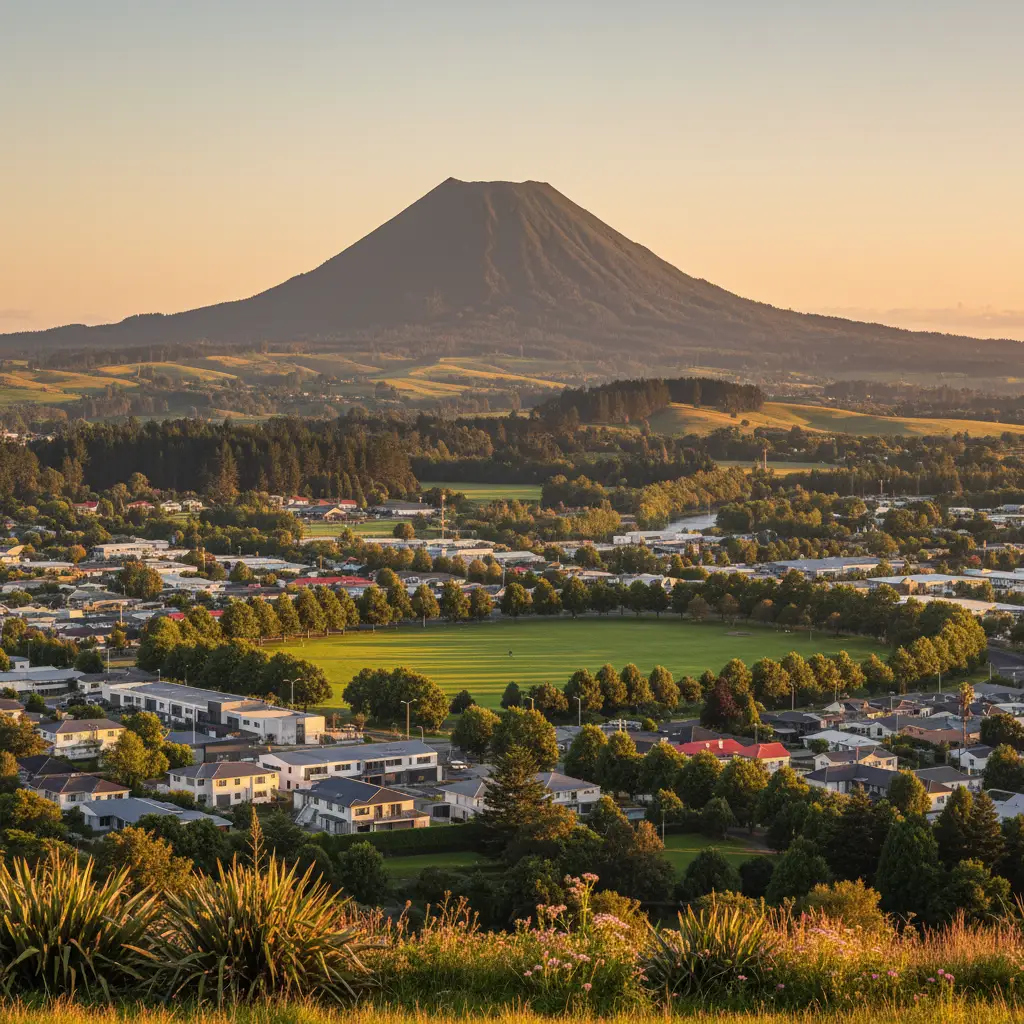
To understand the safe areas to live in Kawerau, one must first understand the town’s geography and recent demographic shifts. Geographically, the town is nestled under the imposing volcanic cone of Mount Putauaki. The layout was originally designed in the 1950s to service the Tasman pulp and paper mill, resulting in a planned town structure with generous green spaces.
Historically, Kawerau faced socio-economic challenges that contributed to a reputation for higher crime rates in specific pockets. However, the narrative has shifted dramatically in recent years. High property prices in neighboring Tauranga and Whakatāne have driven a wave of migration into Kawerau. This influx has brought increased capital, higher rates of home ownership, and a revitalized sense of community pride.
Safety in Kawerau is often correlated with tenure. Streets with high percentages of owner-occupiers tend to have established Neighborhood Support groups and lower incidences of petty crime. Conversely, areas with high concentrations of transient rental accommodation can sometimes experience more noise complaints or social disturbances, though this is not a universal rule.
Character of Different Streets: Hill vs. Flats
Local real estate agents and long-term residents often divide the town into two primary zones: “The Hill” and “The Flats.” While the distinction is physical, it often serves as a shorthand for market value and perceived safety.
What are the characteristics of “The Hill” neighborhoods?
The elevated areas of Kawerau are widely regarded as the premium locations. These streets offer views extending out towards the coast and generally feature larger, well-maintained homes.
- Beattie Road & Hardie Avenue: These are often cited as premier streets. The elevation provides natural surveillance (residents can see who is coming and going), and the cul-de-sacs reduce through-traffic, making them safer for children and pedestrians.
- Valley Road (Upper): The upper sections of Valley Road share similar characteristics to the hill, with a strong community of retirees and long-term families.
Living in these zones often comes with a higher price tag, but the trade-off is a quieter environment and a very active Neighborhood Support network. The density of retirees in these areas means that there are usually “eyes on the street” during the day, which acts as a strong deterrent to opportunistic crime.
What should you know about “The Flats”?
The flat areas of town are more diverse. While some streets have struggled with reputation in the past, many are undergoing rapid gentrification. It is unfair to categorize the entire flat area as unsafe; rather, it is street-by-street.
- Plunket Street & Onslow Street: These central streets are close to amenities. While they have historically had higher rental numbers, recent sales data shows more first-home buyers moving in and renovating, which improves the streetscape and safety.
- Galway Street Area: Parts of this area offer solid brick homes on large sections. Safety here is often determined by immediate neighbors.
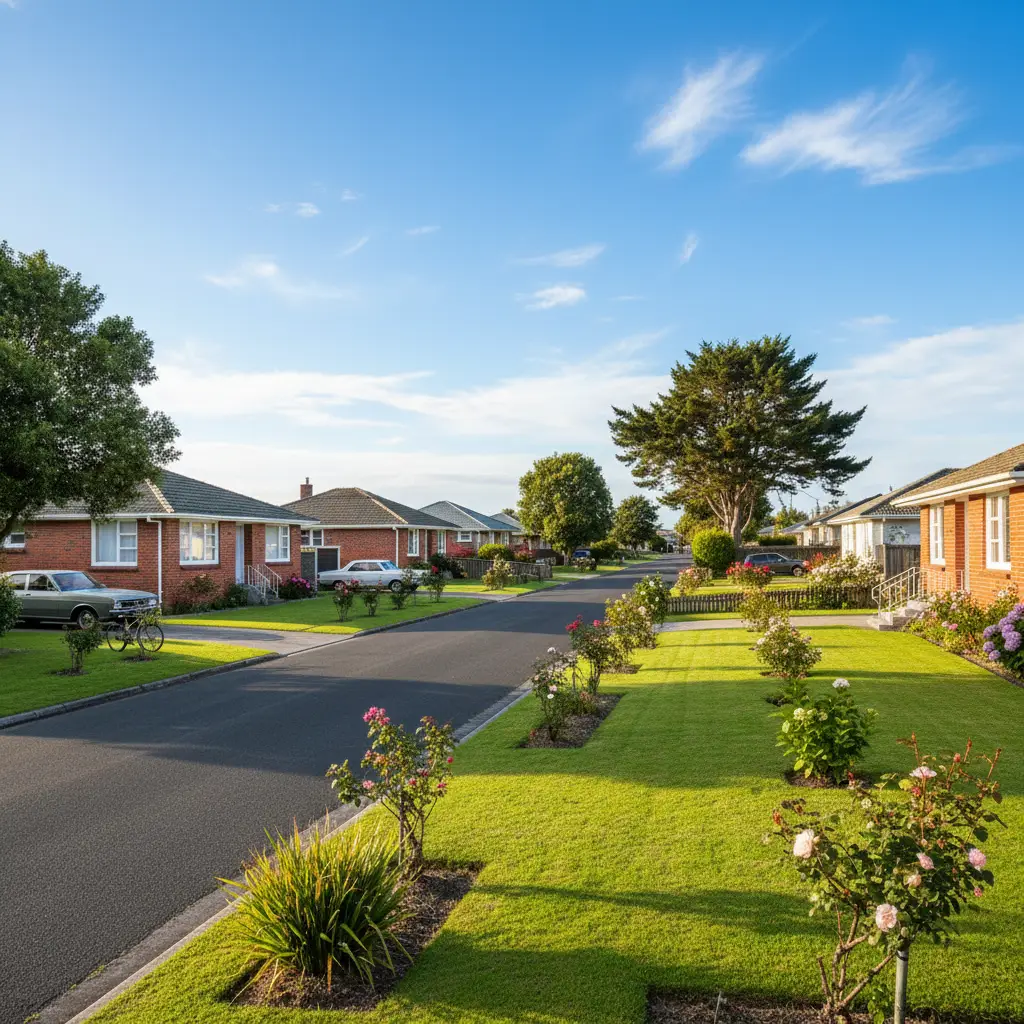
Family-Friendly Zones and Schools
For families moving to the region, safety extends beyond crime statistics to include road safety, access to parks, and proximity to schools. Kawerau is exceptionally green, with a layout that favors pedestrian access.
Where are the best zones for families with children?
The areas surrounding the Monika Lanham Reserve and the town swimming pool complex are highly desirable for families. The council has invested heavily in these recreational hubs, ensuring they are well-lit and well-maintained.
School Zones:
Kawerau is small enough that school zoning is less critical than in major cities—most schools are accessible from anywhere in town. However, living near Kawerau South School is popular for young families. The streets surrounding the school have a morning and afternoon “bustle” that creates a safe, community-focused environment. Tarawera High School, a modern facility rebuilt recently, also anchors the community. The streets adjacent to the high school are generally busy and well-monitored.
Newer developments, such as the housing near the Stoneham Park subdivision, are specifically designed with families in mind, featuring slower speed limits and modern street lighting.

Community Patrols and Safety Initiatives
One of the strongest indicators of a safe area to live in Kawerau is the presence of active community involvement. The town punches above its weight regarding proactive safety measures.
How do Community Patrols operate in Kawerau?
Kawerau has a dedicated Community Patrol group (affiliated with Community Patrols of New Zealand – CPNZ). These volunteers act as the eyes and ears for the Police. They patrol residential and commercial areas, particularly at night and on weekends. Their presence is a significant factor in the reduction of vandalism and disorderly behavior.
Neighborhood Support:
The Neighborhood Support network is robust in Kawerau. In the safest streets, you will often see Neighborhood Support signs on letterboxes. This signals that neighbors know each other and share contact details. When looking at a property, checking for these signs is a practical tip for gauging the social cohesion of the street.
Māori Wardens:
The Māori Wardens also play a vital role in community safety, focusing on youth engagement and providing a reassuring presence during community events and in public spaces. Their work contributes significantly to the “village feel” where people look out for one another.
Recent Improvements in Town Infrastructure
A town that looks cared for is generally safer. The “Broken Windows Theory” suggests that visible neglect encourages crime. Fortunately, the Kawerau District Council has been aggressive in revitalizing the town’s infrastructure, which has had a positive knock-on effect on residential safety.
What infrastructure changes have improved safety?
1. Lighting Upgrades:
The council has progressively upgraded street lighting to LED across the district. Brighter, whiter light improves visibility at night, making pedestrians feel safer and deterring prowlers.
2. CCTV Network:
Kawerau has expanded its CCTV network, particularly around the town center and main arterial routes. This technology is monitored and has proven effective in both deterring crime and apprehending offenders quickly, preventing repeat offenses.
3. The Porritt Glade Development:
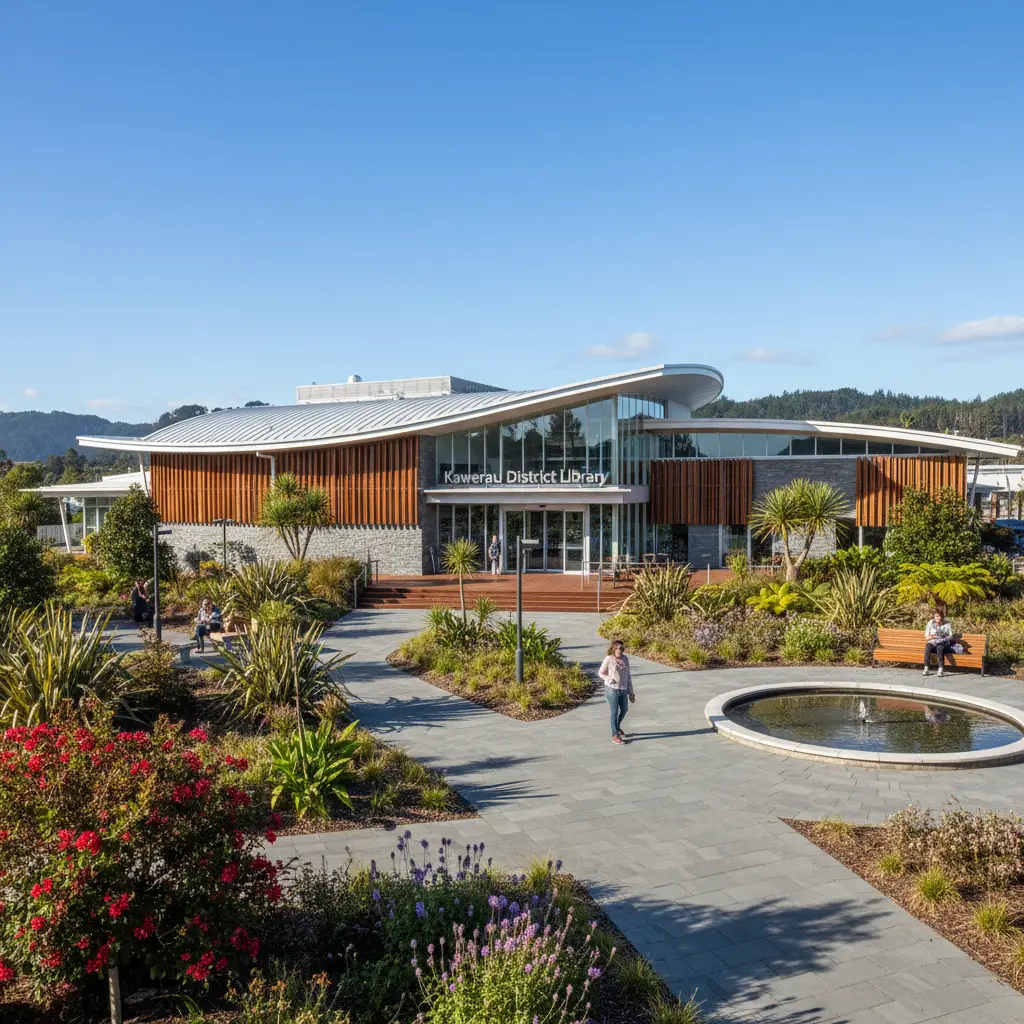
This lifestyle village development is a testament to the town’s changing face. Geared towards retirees, it is a secure, modern enclave that has raised the standard for housing in the immediate vicinity. Developments like this tend to have a halo effect, increasing the desirability and safety of surrounding streets.
Tips for Assessing Neighborhood Safety
If you are planning to buy or rent in Kawerau, relying solely on online guides isn’t enough. You need to assess the specific micro-location yourself. Here is a professional checklist for evaluating a street in Kawerau:
- The “Friday Night” Test: Drive through the street on a Friday or Saturday night after 9:00 PM. Is it quiet? Are there large parties spilling onto the street? This is the most honest indicator of noise and social environment.
- Garden Maintenance: Look at the neighbors’ gardens. Well-kept lawns and gardens usually indicate owner-occupiers who take pride in their property and, by extension, the street’s safety.
- Fencing: In the safest areas of Kawerau, you will often see lower fences or open front yards, indicating trust. High, fortified fences can sometimes indicate a desire for seclusion due to security concerns.
- Talk to the Locals: Visit a local café or the supermarket and ask residents about specific streets. The locals are known for being friendly and honest; they will tell you which streets are “quiet” and which are “lively.”
Conclusion
Kawerau offers a unique proposition in the New Zealand housing market: genuine affordability paired with a high-quality lifestyle for those who love the outdoors. While the town has a historic reputation to shed, the reality on the ground is one of rapid improvement and community resilience.
The safest areas to live in Kawerau are generally found on the upper slopes and in the established cul-de-sacs where home ownership is high. However, with strong community patrols, active neighborhood support, and significant council investment, the safety profile of the entire town continues to improve. By doing your due diligence and choosing your street wisely, you can find a safe, welcoming home in this heart of the Bay of Plenty.
Is Kawerau a good place to retire?
Yes, Kawerau is increasingly popular for retirees due to its flat town center, warm micro-climate, and affordable housing. The dedicated retirement village, Porritt Glade, and active clubs (bowling, golf, RSA) create a strong social network for seniors.
What is the crime rate in Kawerau compared to other towns?
While Kawerau has historically had higher crime stats than some rural areas, recent years have seen improvements. Crime is often localized to specific pockets. Compared to larger centers like Rotorua, Kawerau often experiences less random violent crime, with most incidents being domestic or petty theft.
Why are houses so cheap in Kawerau?
Housing affordability in Kawerau is driven by its industrial history and distance from major employment hubs like Tauranga. However, prices have risen significantly as remote work and retirement migration increase demand.
How far is Kawerau from the nearest beach?
Kawerau is centrally located. It is approximately a 25-30 minute drive to Thornton Beach or Matatā, and about 35-40 minutes to the popular Ōhope Beach in Whakatāne.
Are there gangs in Kawerau?
Like many provincial New Zealand towns, there is a gang presence in Kawerau. However, they are generally not active in the daily lives of average residents. Police and community leaders work actively to manage this, and it rarely impacts the safety of the recommended residential neighborhoods.
What healthcare facilities are available in Kawerau?
Kawerau has a medical center, pharmacies, and dental services. For major hospital care, Whakatāne Hospital is approximately 30 minutes away by road.