
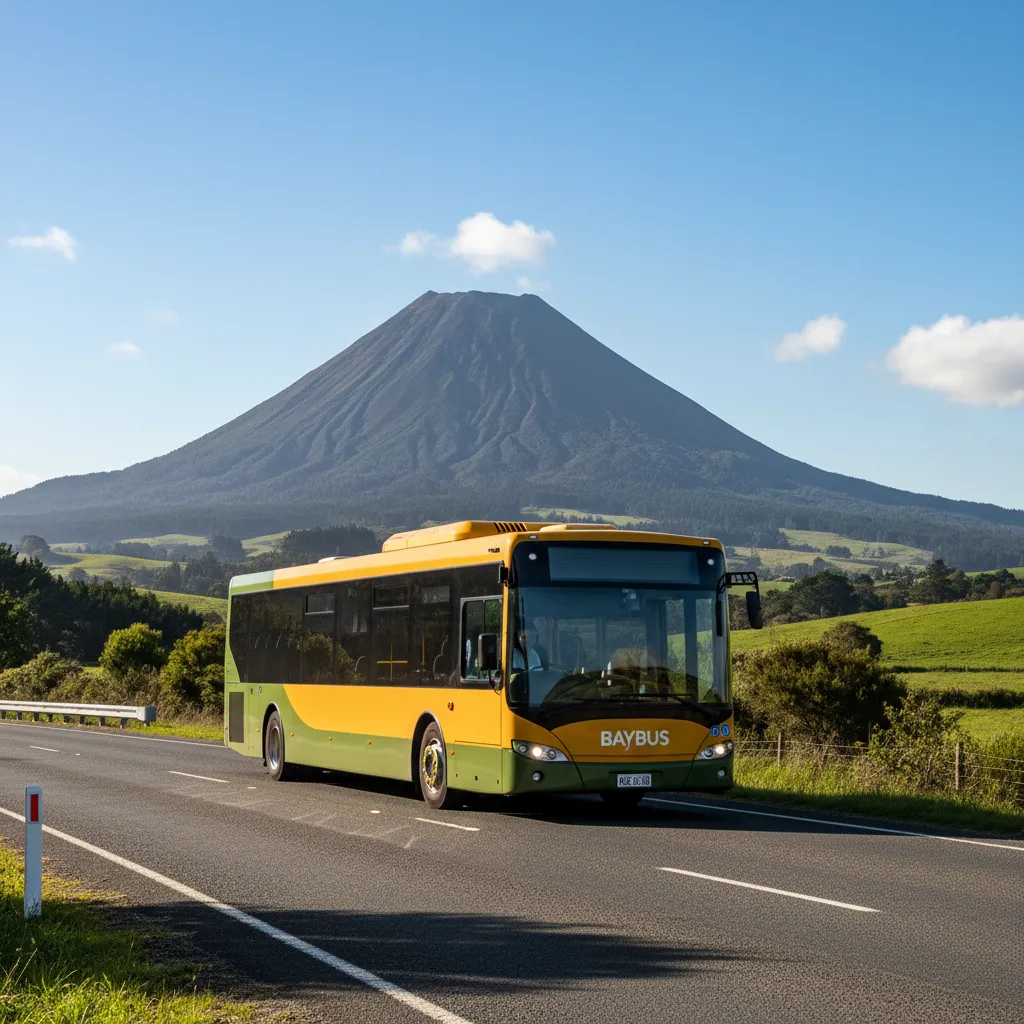
The primary bus service connecting Kawerau to Whakatane is Baybus Route 122. This service typically operates Monday through Saturday, linking the Kawerau i-SITE with Whakatane’s Quay Street and Hospital. Passengers can access the latest departure times, fare zones, and real-time tracking via the official Baybus website or the Transit app.
Traveling between the industrial heartland of Kawerau and the coastal hub of Whakatane is a vital connection for residents in the Eastern Bay of Plenty. Whether you are commuting for work, attending medical appointments at Whakatane Hospital, or simply enjoying a day out at the coast, understanding the public transport network is essential. This comprehensive guide covers everything from the bus Kawerau to Whakatane timetable to accessibility features, ticketing systems, and travel tips for regional New Zealand.
What is the Bus Kawerau to Whakatane Timetable Structure?
The backbone of public transport between these two towns is the Baybus Route 122. Unlike high-frequency urban networks in Auckland or Wellington, regional routes in the Bay of Plenty operate on a specific schedule designed to maximize coverage during peak utility hours. Understanding the rhythm of this timetable is crucial for planning your journey effectively.
Weekday Services
On weekdays (Monday to Friday), the service generally offers multiple runs to accommodate workers, students, and shoppers. The first bus typically departs Kawerau early in the morning, often around 7:00 AM or 8:00 AM, allowing passengers to reach Whakatane before the start of the standard business day. This is particularly important for those working in retail or administration in the Whakatane CBD.
Mid-day services are available for those traveling for appointments or social visits. These usually depart around lunch time. The final return service from Whakatane back to Kawerau generally leaves in the late afternoon, often around 5:00 PM, catering to the commuter rush home. It is vital to check the specific times as they can change seasonally or on public holidays.
Saturday Services
Weekend travel is supported by a reduced timetable on Saturdays. While the frequency is lower than during the week, it provides essential connectivity for weekend shopping or visiting family. Saturday services usually start a bit later in the morning and finish earlier in the afternoon. Note that there is typically no service on Sundays for Route 122, requiring travelers to seek alternative transport methods on that day.
How to Check Real-Time Updates
While printed timetables are useful, the most accurate way to check the bus Kawerau to Whakatane timetable is digitally. Roadworks, weather events, or operational issues can cause delays. The Baybus website provides a “Journey Planner” tool, and the Transit app offers real-time GPS tracking of the bus, so you know exactly when to walk to your stop.
How Do Fares and the Bee Card Work?
New Zealand’s regional transport creates a seamless experience through the use of the Bee Card. This tag-on, tag-off smart card system is used across the Bay of Plenty network and offers significant savings compared to paying with cash.
Cash vs. Bee Card
While you can still pay for your fare with cash on board the bus, it is the most expensive option. Cash fares are generally higher per zone traveled. Furthermore, carrying exact change is always recommended as drivers carry limited float. In contrast, using a Bee Card automatically applies a discount to your fare. The card itself costs a nominal fee to purchase, but the savings on your first few trips often cover this cost.
Where to Buy and Top Up
For residents in Kawerau, obtaining a Bee Card is straightforward. You can purchase one online via the Bee Card website or visit a local retailer or the i-SITE visitor center. Once you have the card, you can register it online. Registration is highly recommended because it protects your balance if the card is lost or stolen and allows you to set up “auto top-up” so you never run out of funds.
Fare Zones
The trip from Kawerau to Whakatane crosses fare zones. The cost of your trip is determined by how many zones you traverse. Generally, this trip is considered a multi-zone journey. If you are transferring to another bus in Whakatane (for example, to Ohope Beach), your Bee Card handles the transfer automatically, often providing a free transfer window if the second trip is taken within a certain timeframe.
What Are the SuperGold Card Travel Benefits?
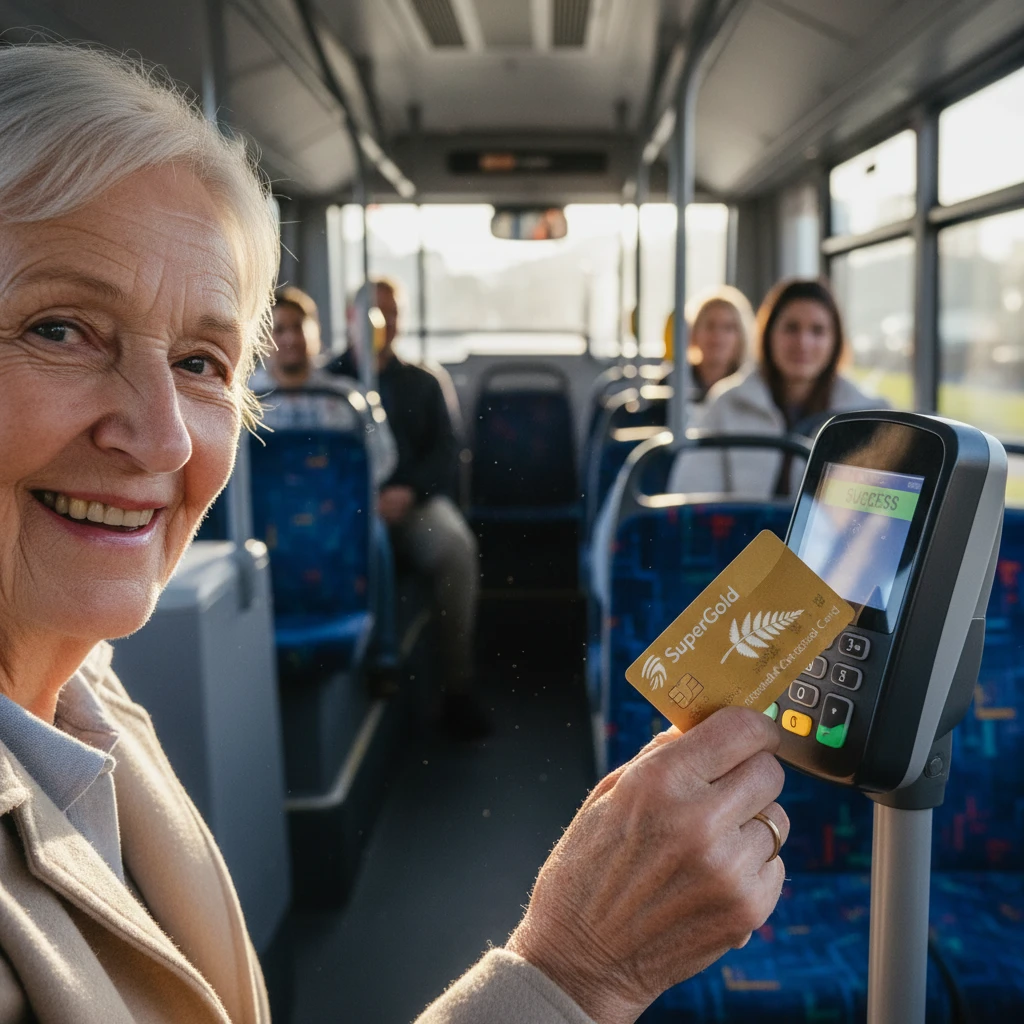
For seniors and veterans, the SuperGold Card is a gateway to affordable mobility across New Zealand. The Bay of Plenty Regional Council offers generous concessions for Gold Card holders on the bus Kawerau to Whakatane route.
Free Travel Hours
Under the SuperGold scheme, travel is free for cardholders during off-peak hours. This usually means you can travel for free between 9:00 AM and 3:00 PM on weekdays, and all day on weekends and public holidays. This is ideal for seniors heading to Whakatane for shopping or medical check-ups.
How to Use the Concession
To access this benefit, you must load your SuperGold concession onto your Bee Card. You cannot simply flash your card to the driver to get a free ride; the system requires the concession to be registered digitally to the Bee Card. Once this is done, you simply tag on and off like any other passenger, and the system recognizes the zero fare during eligible hours. If you travel before 9:00 AM on a weekday, the card will deduct the standard adult fare.
Is There Wheelchair Access on Buses?
Accessibility is a major priority for the Bay of Plenty public transport network. The fleet servicing the Kawerau to Whakatane route is designed to be inclusive for passengers with limited mobility, including wheelchair users and parents with strollers.
Kneeling Buses and Ramps
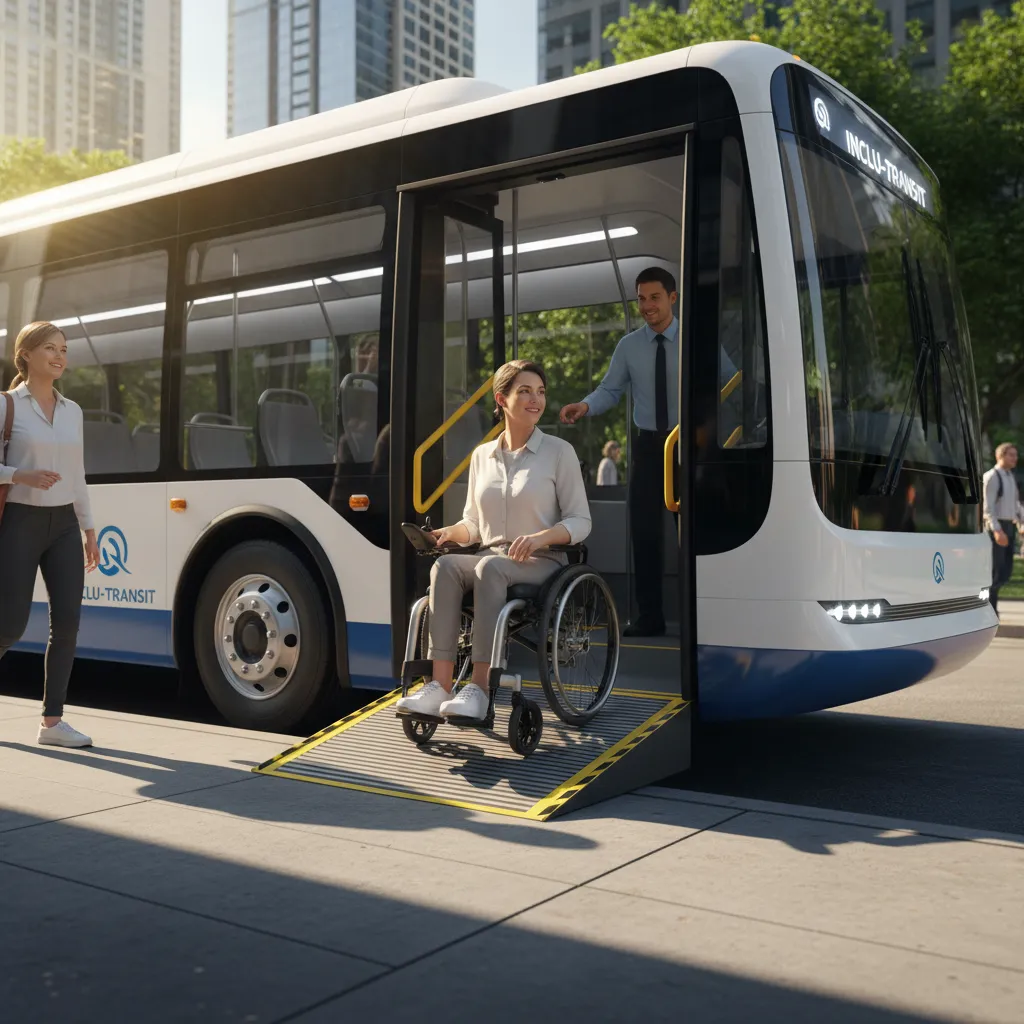
Most modern buses on this route are “low floor” vehicles equipped with kneeling suspension. This allows the driver to lower the front of the bus to curb height, significantly reducing the step-up distance. For wheelchair users, a manual or automated ramp can be deployed at the front door. The driver is trained to assist with deploying this ramp to ensure safe boarding and alighting.
Designated Spaces
Once on board, there are designated priority seating areas for the elderly and those with mobility impairments. Additionally, there is a dedicated space for wheelchairs. It is important to note that wheelchairs take priority over prams in this space. If the bus is at capacity with wheelchair users, the driver may not be able to accept another, though this is rare on regional routes.
Visual and Audio Aids
For the visually or hearing impaired, buses are increasingly being fitted with audio-visual announcements for upcoming stops. However, if these systems are not active, it is standard practice to ask the driver upon boarding to notify you when the bus reaches your specific destination. The drivers on the Kawerau-Whakatane run are known for being helpful and community-focused.
Key Stops and Landmarks Along the Route
The journey from Kawerau to Whakatane is not just a commute; it is a scenic drive through the Bay of Plenty hinterland. Knowing your stops ensures you don’t miss your destination.
Kawerau Departure Points
The primary hub in Kawerau is the i-SITE Visitor Information Centre on Plunket Street. This is the most common pick-up point and offers shelter while you wait. The bus also services various stops through the residential areas of Kawerau, ensuring that locals don’t have to walk far to access the service.
Arrival in Whakatane
As the bus enters Whakatane, it passes several key locations:
- The Hub: A major retail destination on the outskirts, perfect for big-box shopping.
- Whakatane Hospital: A critical stop for many residents attending specialist appointments. The bus stop is located conveniently close to the entrance.
- Quay Street (CBD): The terminus is usually in the heart of the town, near the wharf. This puts you within walking distance of the strand, cafes, and local government offices.
Community Shuttle Services and Alternatives
While the Baybus Route 122 is the primary option, it is not the only way to travel. For those who cannot use the standard bus due to schedule conflicts or severe mobility restrictions, community services fill the gap.
Health Shuttles
St John and other community organizations often operate health shuttles for patients traveling to Whakatane Hospital. These services are door-to-door and are specifically designed for those who cannot drive or use public transport due to health reasons. Booking in advance is absolutely essential for these services, and while they are often donation-based, they provide a vital lifeline.
Taxis and Private Hire
For urgent travel outside of bus hours, local taxi companies and private hire services operate between the two towns. This is a significantly more expensive option compared to the bus but offers 24/7 flexibility. If you are traveling as a group, splitting the fare of a shuttle or taxi can sometimes be cost-effective.

Regional Travel Tips for the Bay of Plenty
Traveling by bus in regional New Zealand requires a slightly different mindset than urban commuting. Here are some tips to ensure a smooth journey.
Plan for “Island Time”
While the timetables are reliable, the relaxed nature of the region means that flexibility is a virtue. Allow extra time for connections, especially if you are catching an InterCity bus from Whakatane to travel further afield to Tauranga or Gisborne.
Bring Essentials
The journey takes approximately 30 to 45 minutes depending on stops. Bring a bottle of water and a light jacket, as the air conditioning on buses can sometimes be quite cool. If you are prone to motion sickness, be aware that the road can be winding in parts as it navigates the rural landscape.
Bike Racks
Are you planning a cycle trail adventure? Most Baybus vehicles are equipped with bike racks on the front of the bus. This is a fantastic option for those wanting to cycle the Whakatane river trails but needing a lift one way. Using the bike rack is free, but it is on a first-come, first-served basis. Make sure you catch the driver’s attention before loading your bike.
Frequently Asked Questions
How much does the bus cost from Kawerau to Whakatane?
Fares depend on whether you use cash or a Bee Card. A cash fare is typically around $5.00 – $6.00 for an adult, while using a Bee Card reduces this significantly, often by 20% or more. Concessions are available for children and students. Always check the Baybus website for the most current fare structure.
Does the bus run on Sundays and Public Holidays?
Generally, Route 122 does not operate on Sundays. Public holiday services are often limited or run on a Saturday timetable. It is crucial to check the specific holiday timetable on the Baybus website before making travel plans on these days.
Can I take my dog on the bus?
Service dogs and disability assist dogs are always allowed on Baybus services. For pet dogs, rules can vary. Typically, small pets in secure carriers may be permitted at the driver’s discretion, but large dogs are generally not allowed unless they are service animals. Always check the current policy.
Where can I get a Bee Card in Kawerau?
You can purchase a Bee Card at the Kawerau i-SITE Visitor Information Centre. You can also order one online at BeeCard.co.nz. Once purchased, you will need to top it up with a minimum balance to start traveling.
Is there a student discount available?
Yes, students with a valid student ID can receive a concession fare. To access this consistently, the concession should be loaded onto a registered Bee Card. Children under 5 typically travel for free.
What happens if I lose something on the bus?
If you leave an item on the bus, you should contact the bus operator directly or reach out via the Baybus customer service line. Provide the route number (122), the time of travel, and a description of the item. Lost property is usually held at the depot.