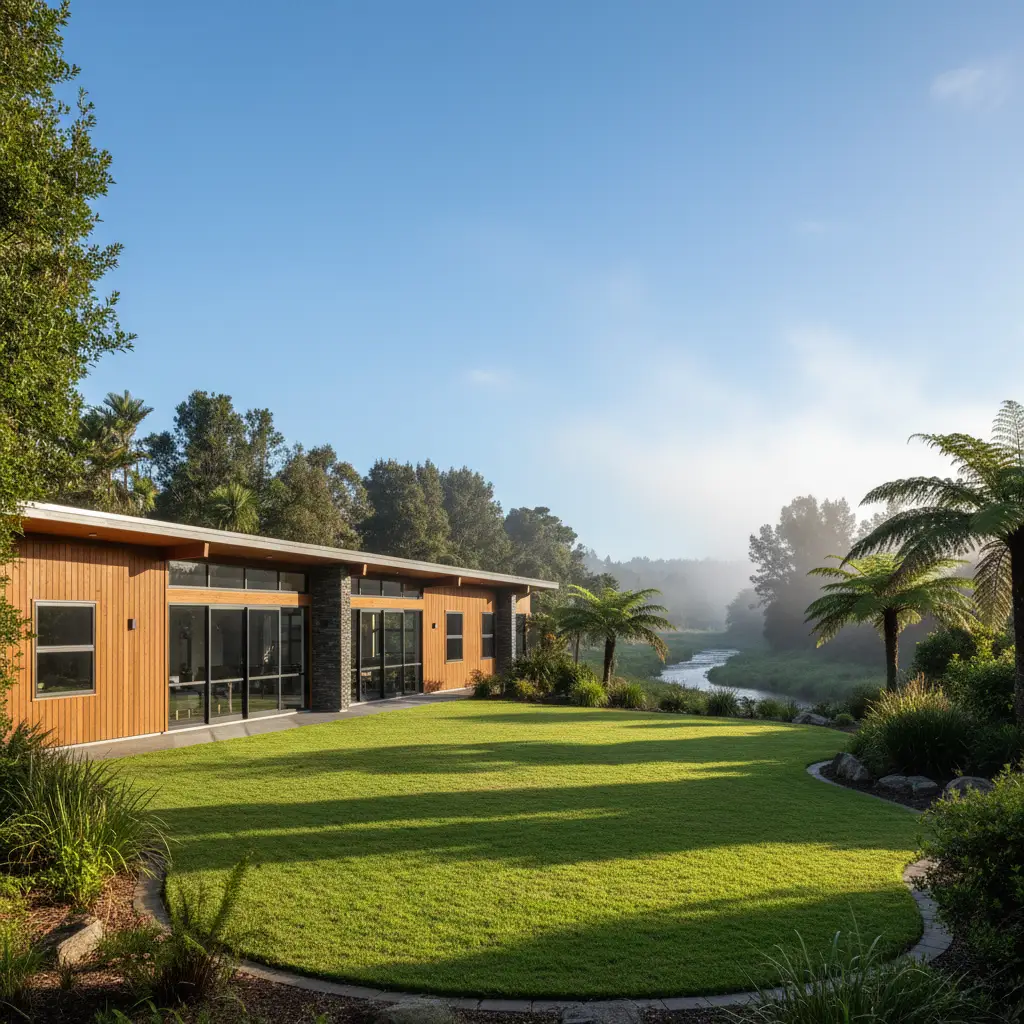
A Tarawera Falls picnic offers a unique outdoor dining experience set against a spectacular 65-meter waterfall emerging directly from a cliff face. Located near Kawerau, the site features designated picnic areas along the Tarawera River, accessible via a scenic 20-minute bush walk, though visitors must secure a forestry permit before entering the access road.
Introduction to the Tarawera Falls Experience
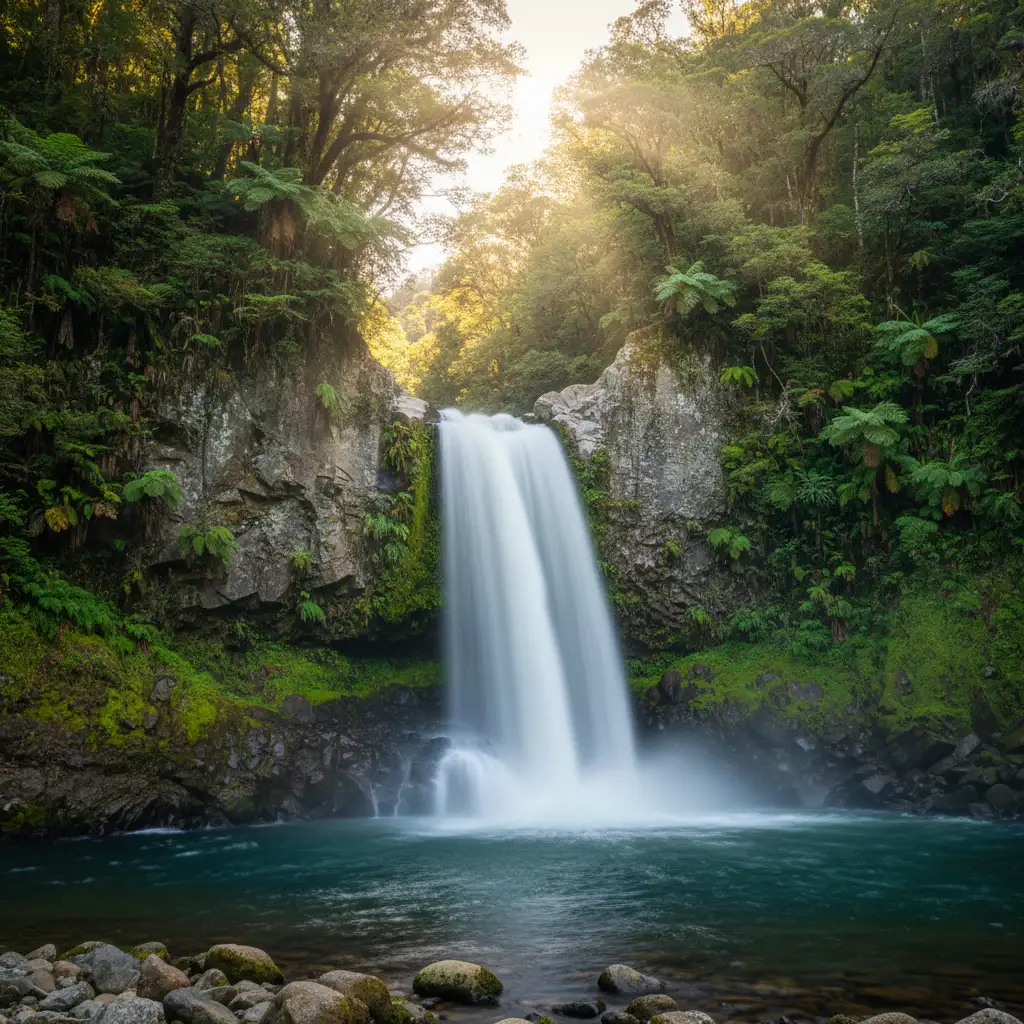
Hidden deep within the lush forestry of the Bay of Plenty, Tarawera Falls stands as one of New Zealand’s most spectacular geological phenomena. Unlike traditional waterfalls that cascade over a lip, the Tarawera River flows underground through rhyolite lava caves before bursting dramatically out of a cliff face 65 meters above the forest floor. For locals and visitors alike, planning a Tarawera Falls picnic is the quintessential way to experience this natural wonder.
As Kawerau continues to rebrand itself as the adventure capital of the Eastern Bay of Plenty, this site highlights the incredible lifestyle available to those who choose to live, work, and play in the region. Whether you are a photography enthusiast, a family looking for a weekend excursion, or a prospective resident exploring the real estate potential of a town surrounded by nature, Tarawera Falls offers an accessible yet rugged escape.
Getting There: Permits and Access
Before packing your picnic basket, it is critical to understand the logistics of reaching the falls. The site is located on private forestry land, managed by Maori Investments Limited and Hancock Forest Management. This adds an element of exclusivity and preservation to the area, ensuring it remains pristine.
How do I get a permit for Tarawera Falls?
Access requires a forestry permit. These are easily obtainable from the Kawerau i-SITE Visitor Information Centre on Plunket Street. The cost is nominal (usually around $10 per vehicle), and the permit is valid for a specific timeframe. It is essential to collect this before you leave the township, as there is no cell reception at the forest gate to purchase one online.
The drive itself is an adventure. From Kawerau, you will travel along unsealed forestry roads. While a 4WD is not strictly necessary, a vehicle with reasonable ground clearance is recommended. The journey takes approximately 20 to 30 minutes from the town center, winding through pine forests that form the economic backbone of the district. This proximity to raw nature is a key selling point for Kawerau real estate; few other towns in New Zealand offer such immediate access to world-class wilderness.
The Walking Track to the Falls
The picnic experience begins the moment you park your car at the Waterfall Road car park. The walk to the falls is not merely a commute; it is an immersive nature trail that sets the tone for your afternoon.
Is the Tarawera Falls track difficult?
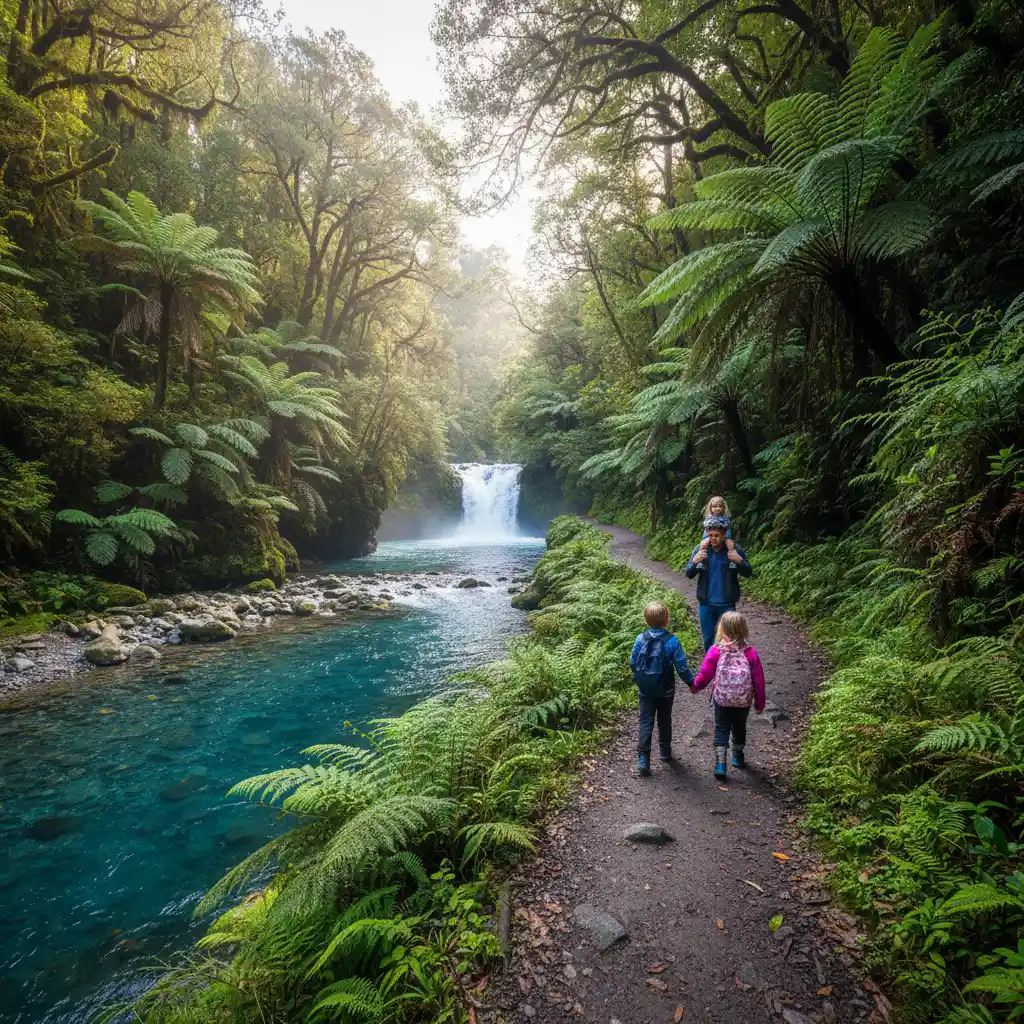
The track is graded as easy and is suitable for most fitness levels, including children and active seniors. It is a well-formed path that follows the river upstream. The walk takes approximately 20 minutes one way (about 700 meters) to reach the viewing area and primary picnic spots.
As you walk, you will be enveloped by native bush regeneration. The undergrowth is thick with ferns, kamahi, and pohutukawa trees. To your left, the Tarawera River flows with startling clarity. The water here is filtered through volcanic rock, giving it a mesmerizing blue-green hue that rivals the famous springs of the Waikato. The sound of the roaring falls grows louder as you approach, building anticipation.
Best Picnic Areas at Tarawera Falls
Once you arrive at the falls, choosing the perfect spot to lay out your blanket is paramount. Unlike manicured city parks, the picnic areas here are rugged and integrated into the landscape.
1. The Official Viewing Platform Area
Located directly in front of the falls, this area features several wooden bench tables. This is the most popular spot for families as it offers a flat surface for food and clear views of the waterfall. It is the most accessible area but can get busy during peak summer months. If you are bringing a substantial spread—coolers, portable BBQs (gas only, and check fire restrictions), and multiple bags—this is your best option.
2. The Riverside Rocks
For a more intimate experience, venture slightly off the main path down to the river’s edge (exercise caution as rocks can be slippery). Here, large, sun-warmed boulders serve as natural tables and chairs. This is the ideal spot for couples or solo travelers.
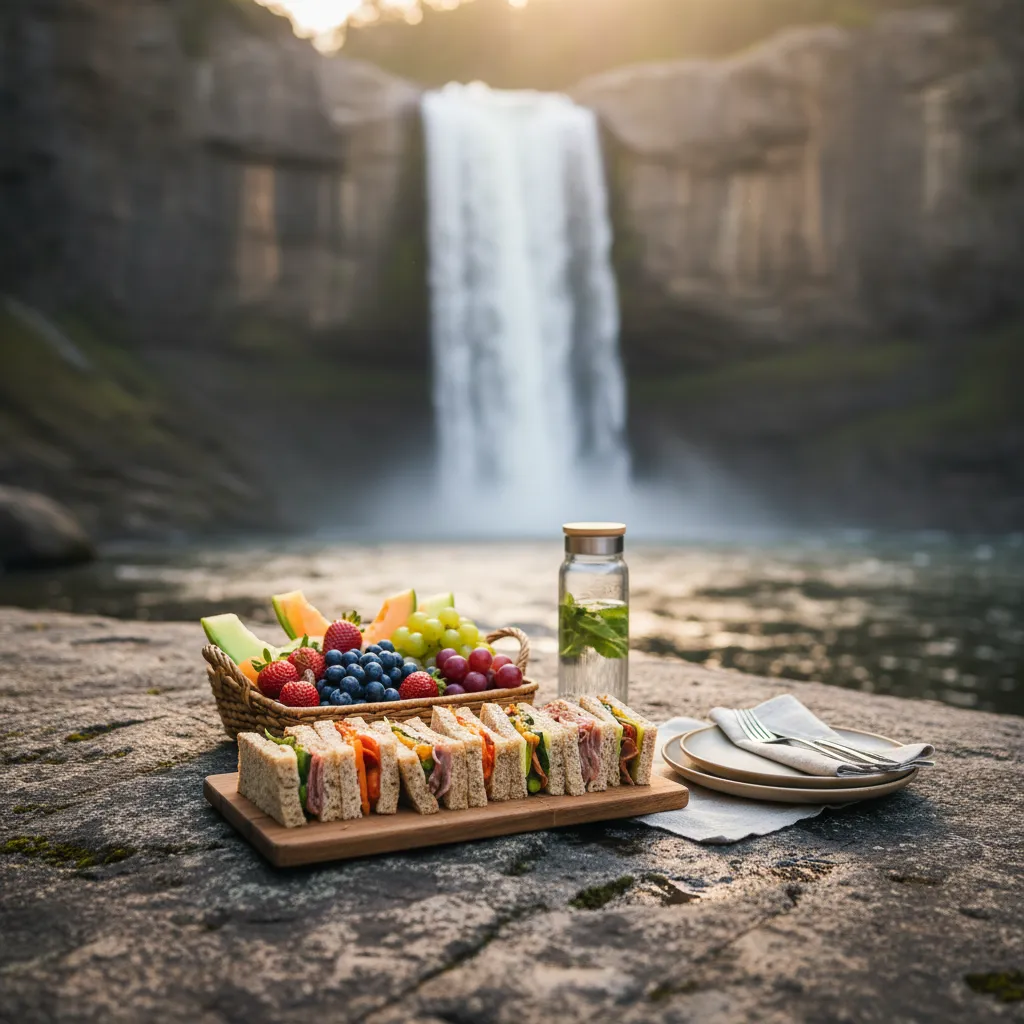
Why choose this spot? The sensory experience is heightened here. You can feel the mist from the falls on your face, and the white noise of the rushing water provides total seclusion. It is a perfect setting for a simple picnic of sandwiches, local fruit, and a flask of tea.
3. The Upper Cascades
For the adventurous, the track continues upward past the main viewing area. A steeper climb leads to the point where the river bursts from the cliff. While there are fewer flat spots here, finding a perch near the source offers a dramatic perspective of the water’s power. This spot is better suited for a “backpack picnic”—light snacks and hydration—rather than a full lunch spread.
Photography Tips for the Falls
Tarawera Falls is a photographer’s dream, but the high contrast between the white water and the dark cliff face can be challenging.
How to capture the perfect waterfall shot?
Lighting is Key: The falls face northeast. The best light is often in the morning when the sun illuminates the mist, creating rainbows. However, for long-exposure photography (the “silky water” effect), an overcast day or late afternoon is preferable to avoid overexposure.
Composition Strategy:
1. Include Foreground: Use the native Toetoe grasses or the large river boulders in the foreground to add depth to your image.
2. Scale: If possible, have a person stand on the viewing platform or near the base (safely) to demonstrate the sheer scale of the 65-meter drop.
3. Shutter Speed: Use a tripod and a slow shutter speed (1/5th of a second or slower) to blur the motion of the water. If you are shooting on a smartphone, use “Live Photo” mode (iPhone) and switch the effect to “Long Exposure” afterwards.
Safety and Swimming Guidelines
A picnic often leads to the temptation of a swim, especially in the humid Bay of Plenty summer. However, the Tarawera River demands respect.
Can you swim at Tarawera Falls?
While you cannot swim directly under the main waterfall due to the immense force of the water and falling debris, there are calm pools further downstream along the track. The water is incredibly cold, as it emerges from underground aquifers. It is refreshing on a hot day, but prolonged exposure can lead to hypothermia.
Safety Warnings:
The current is deceptive. What looks like a calm pool can have a strong undertow. Always supervise children closely. Additionally, the rocks are volcanic and can be sharp or extremely slippery with algae. Water shoes are highly recommended if you plan to wade.
Kawerau: The Gateway to Adventure
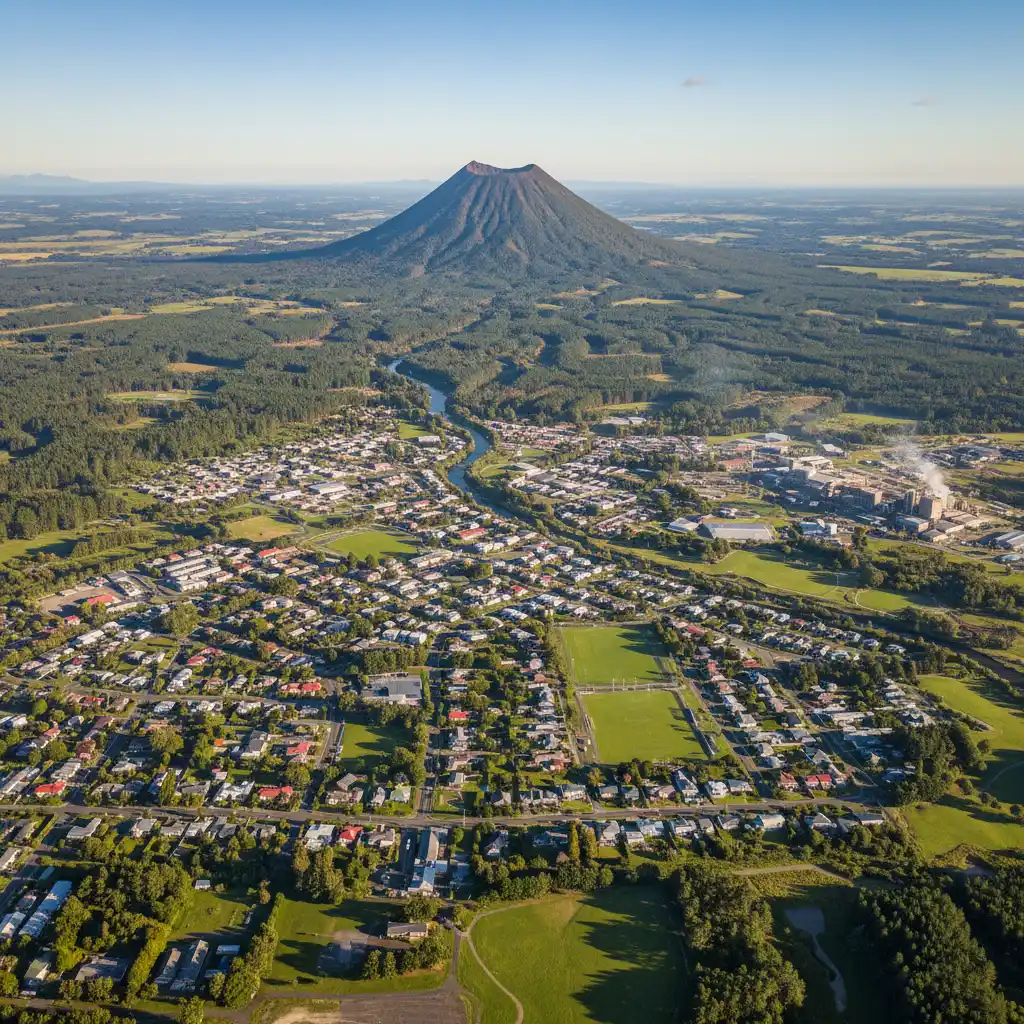
The Tarawera Falls experience is a testament to the lifestyle benefits of the Kawerau district. For decades, Kawerau was viewed primarily as an industrial mill town. However, a significant shift is underway. The town is rebranding as a hub for affordable living and outdoor recreation.
Real Estate Implications:
For potential homebuyers, the proximity to Tarawera Falls (a 25-minute drive) adds tangible value. Properties in Kawerau are significantly more affordable than in neighboring Whakatane or Tauranga, yet they offer immediate access to hiking, trout fishing, and hunting. The “Tarawera Falls picnic” is not just a tourist activity; for locals, it is a regular weekend ritual.
The council and local stakeholders are investing heavily in tourism infrastructure, improving trails, and highlighting these natural assets. Buying in Kawerau now positions investors and families in a region that is waking up to its tourism potential.
Frequently Asked Questions
Are dogs allowed at Tarawera Falls?
Yes, dogs are allowed in the recreational area but must be kept on a lead at all times. Since this is kiwi territory and an active forestry area, strict control of pets is mandatory to protect local wildlife.
Is the road to Tarawera Falls sealed?
No, the road from Kawerau to the falls is a gravel forestry road. It is generally well-maintained, but conditions can change after heavy rain. Drive carefully and watch for logging trucks.
Can I camp at Tarawera Falls?
Camping is permitted at the designated DOC campsite at the Tarawera Outlet (Te Tapahoro), which is further along the road, but not at the waterfall picnic area itself. The Outlet campsite requires advance booking.
What are the opening hours for the access gate?
The access road is generally open during daylight hours, but the gate is locked at night. Your permit will specify the hours during which you must exit the forest to avoid being locked in.
Is there cell phone reception at the falls?
No, there is practically no cell phone coverage once you leave the Kawerau township. Plan your trip accordingly, download offline maps, and let someone know your intentions before you leave.
Is the water safe to drink?
While the water looks crystal clear, it is always recommended to boil or treat river water before drinking to prevent Giardia. It is safer to bring your own water supply for your picnic.