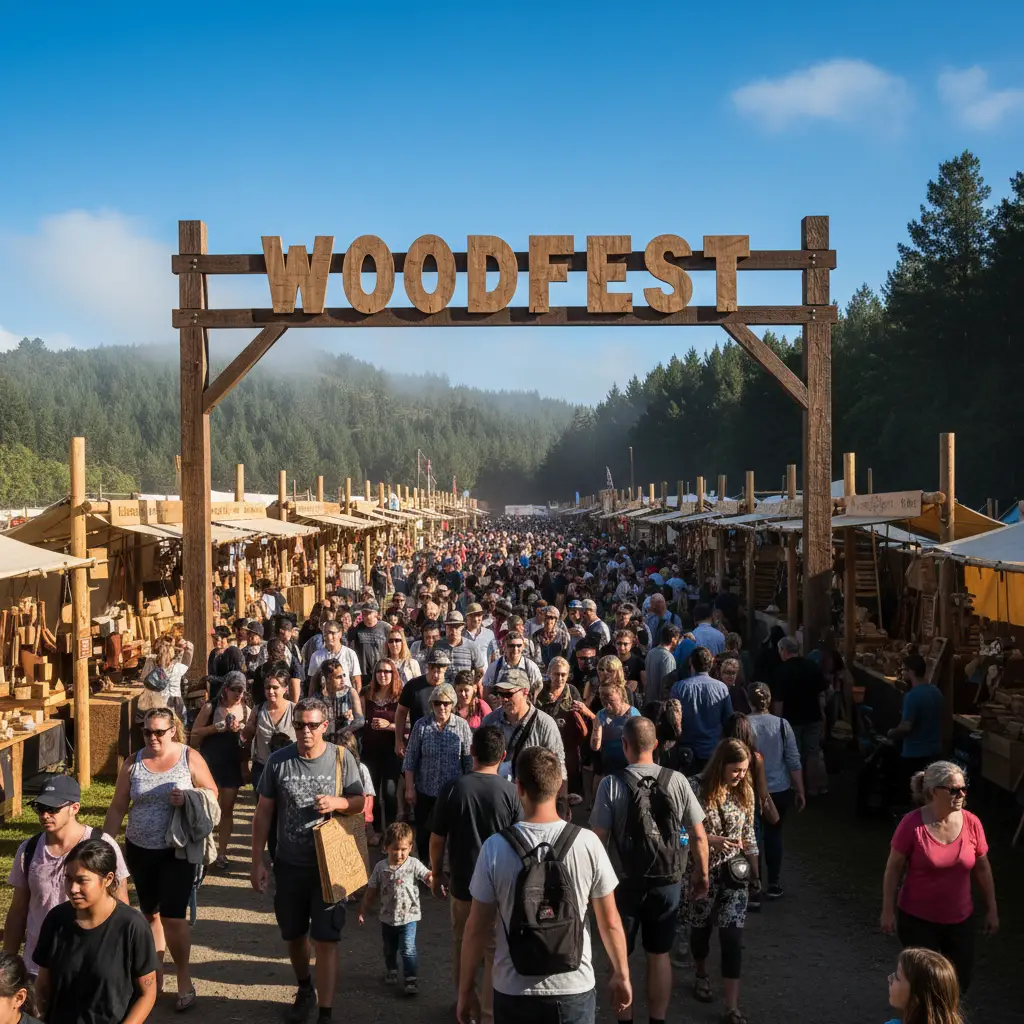
Māori business in Kawerau is defined by the strategic leadership of Iwi Land Trusts, particularly Ngāti Tūwharetoa (BOP), utilizing ancestral assets for industrial development. These organizations leverage the world-class Kawerau geothermal field and forestry resources to drive sustainable economic growth, creating a unique model where indigenous ownership fuels large-scale energy and manufacturing partnerships.
What defines the Māori Business Landscape in Kawerau?
Kawerau, situated in the heart of New Zealand’s Bay of Plenty, represents a unique microcosm of indigenous economic power. Unlike many industrial hubs where land is owned by multinational corporations or private individual investors, the economic engine of Kawerau is underpinned by Māori land ownership. The phrase “Māori business Kawerau” is synonymous with large-scale resource management, particularly within the energy and forestry sectors.
The region is home to some of the most sophisticated Ahu Whenua Trusts in the country. These trusts manage collective Māori freehold land on behalf of thousands of beneficial owners. In Kawerau, this is not merely a passive landlord arrangement; the Iwi (tribes) and hapū (sub-tribes) are active participants, developers, and investors in the industries that sit upon their whenua (land). The primary driver here is the intersection of rich natural resources—specifically the Kawerau Geothermal Field and the surrounding Kaingaroa Forest—and the astute commercial governance of local Māori leaders.
This industrial ecosystem is distinct because it operates on intergenerational timeframes. While standard corporate entities look to quarterly results, Māori business in Kawerau operates with a 100-year vision, balancing immediate commercial returns with the long-term health of the environment and the prosperity of future generations. This stability has made the district an attractive location for heavy industry looking for reliable energy partnerships and secure land tenure.
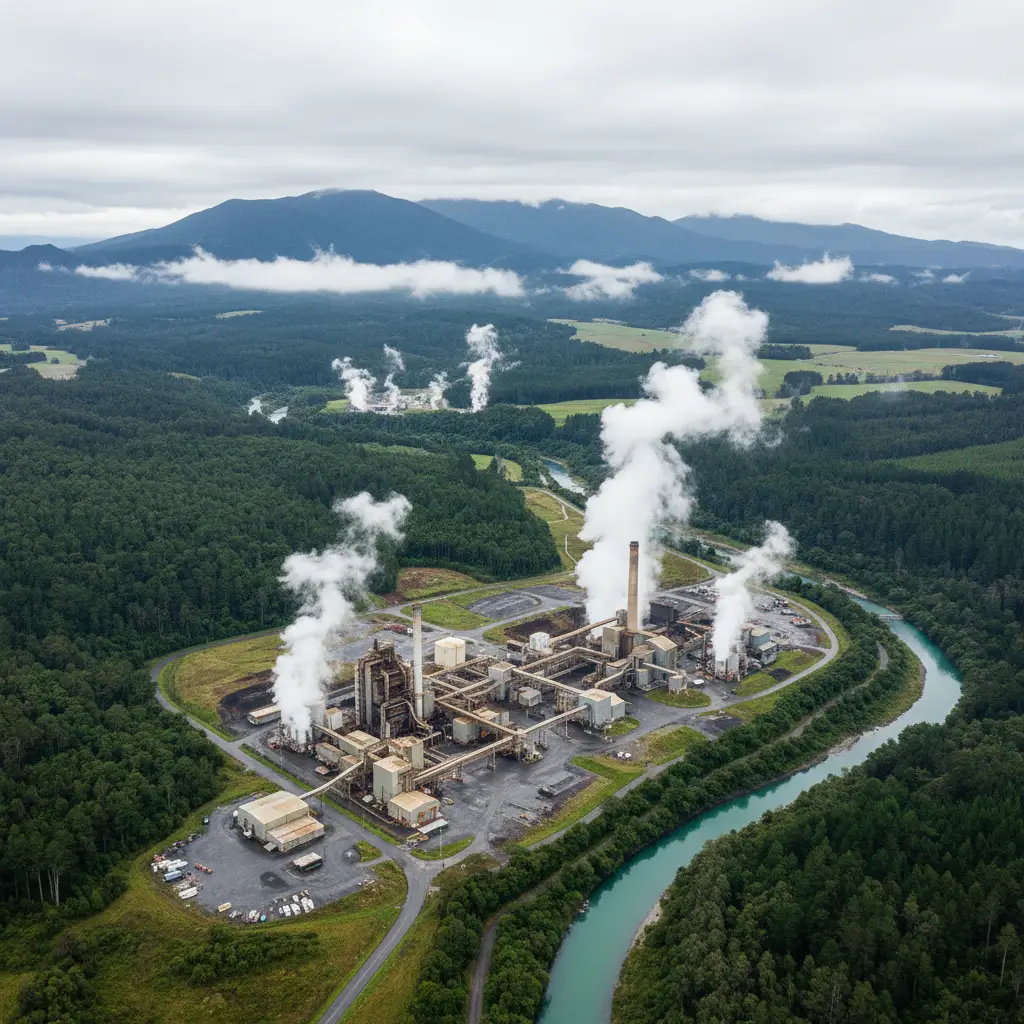
How are Iwi driving Geothermal Ownership?
The crown jewel of Māori business in Kawerau is undoubtedly the ownership and management of geothermal assets. The Kawerau Geothermal Field is the world’s largest direct heat use application, and its governance is heavily influenced by local Iwi, particularly Ngāti Tūwharetoa (BOP) Settlement Trust and various land trusts.
The Shift from Royalties to Equity
Historically, Māori land owners received nominal rental income or royalties for the use of their land for energy generation. However, the last two decades have seen a paradigm shift. Trusts have moved up the value chain, transitioning from passive land lessors to active equity partners and owners of the steam extraction infrastructure.
A prime example of this is the Ngāti Tūwharetoa Geothermal Assets (NTGA). NTGA is the largest supplier of geothermal process steam for industrial use in the world. By owning the wells and the piping infrastructure, the Iwi supplies clean energy directly to major industrial clients like the Tasman Mill (now Oji Fibre Solutions) and Essity. This ownership model ensures that the wealth generated from the region’s thermal activity remains within the community, rather than being siphoned off by external utility companies.
Industrial Process Heat
What makes the Kawerau model unique in the global energy sector is the focus on process heat rather than just electricity generation. While electricity is generated (e.g., at the TOPP1 and KA24 power stations), the direct supply of high-pressure steam to timber and pulp mills creates a symbiotic relationship between the land owners and the industry. This provides a competitive advantage to manufacturers in Kawerau, who benefit from energy costs significantly lower than those relying on fossil fuels or grid electricity, all facilitated by Māori business acumen.
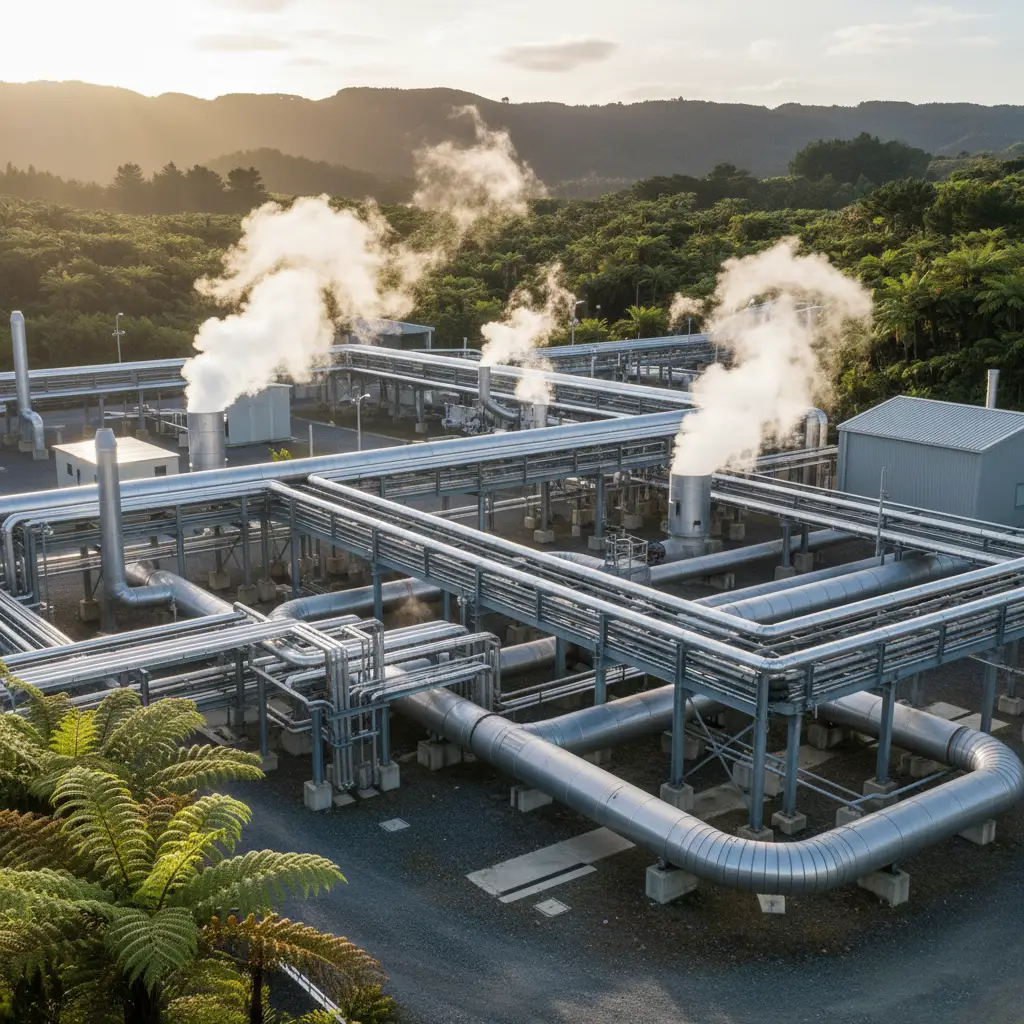
What is the role of Sustainable Land Management?
For Māori business in Kawerau, sustainability is not a corporate buzzword; it is a cultural mandate known as Kaitiakitanga. This principle dictates that the current generation are guardians of the land and resources, responsible for ensuring their viability for future generations. This ethos deeply influences operational decisions within the Kawerau industrial zone.
Geothermal Reservoir Management
Sustainable management of the geothermal reservoir is critical. If steam is extracted faster than the reservoir can recharge, the resource will deplete—a phenomenon seen in other fields globally. Māori Land Trusts work closely with scientific advisors and engineering partners to monitor pressure levels and reinjection rates. The goal is to maintain the field’s pressure to ensure it can provide energy for centuries, not just decades. This conservative, long-term approach to resource extraction is a hallmark of the Māori business strategy in the region.
Forestry and Water Protection
Beyond energy, the land trusts manage vast tracts of forestry. The move towards sustainable forestry practices involves diversifying crop species beyond Pinus radiata to include indigenous species, improving biodiversity. Furthermore, the protection of the Tarawera River is a priority. Iwi have been vocal advocates and active participants in initiatives to clean up the river, pushing industrial partners to adopt cleaner discharge technologies. In this way, Māori commercial influence acts as a regulator for environmental standards, often exceeding government-mandated requirements.
How does the community benefit economically?
The revenue generated by Māori business in Kawerau does not disappear into offshore bank accounts. It circulates back into the local economy through a variety of channels, acting as a lifeline for a community that has historically faced economic challenges.
Direct Distributions and Grants
The most visible benefit is through direct distributions to beneficial owners. However, the more impactful economic lever is the reinvestment of profits into social infrastructure. Trusts fund education grants, scholarships for tertiary study, and Kaumātua (elder) grants for health and heating. By subsidizing education, these businesses are actively upskilling the local workforce, creating a pipeline of talent that can eventually take up management roles within the very industries the trusts own.
Job Creation
Employment is the backbone of the community. By securing the long-term presence of major industries like Oji Fibre Solutions and Sequal Lumber through secure energy and land contracts, Māori trusts ensure job security for hundreds of locals. Furthermore, the trusts themselves employ staff for administration, environmental monitoring, and asset management. There is a concerted effort to prioritize local employment, reducing the region’s unemployment rates and fostering a sense of pride and ownership among the workforce.
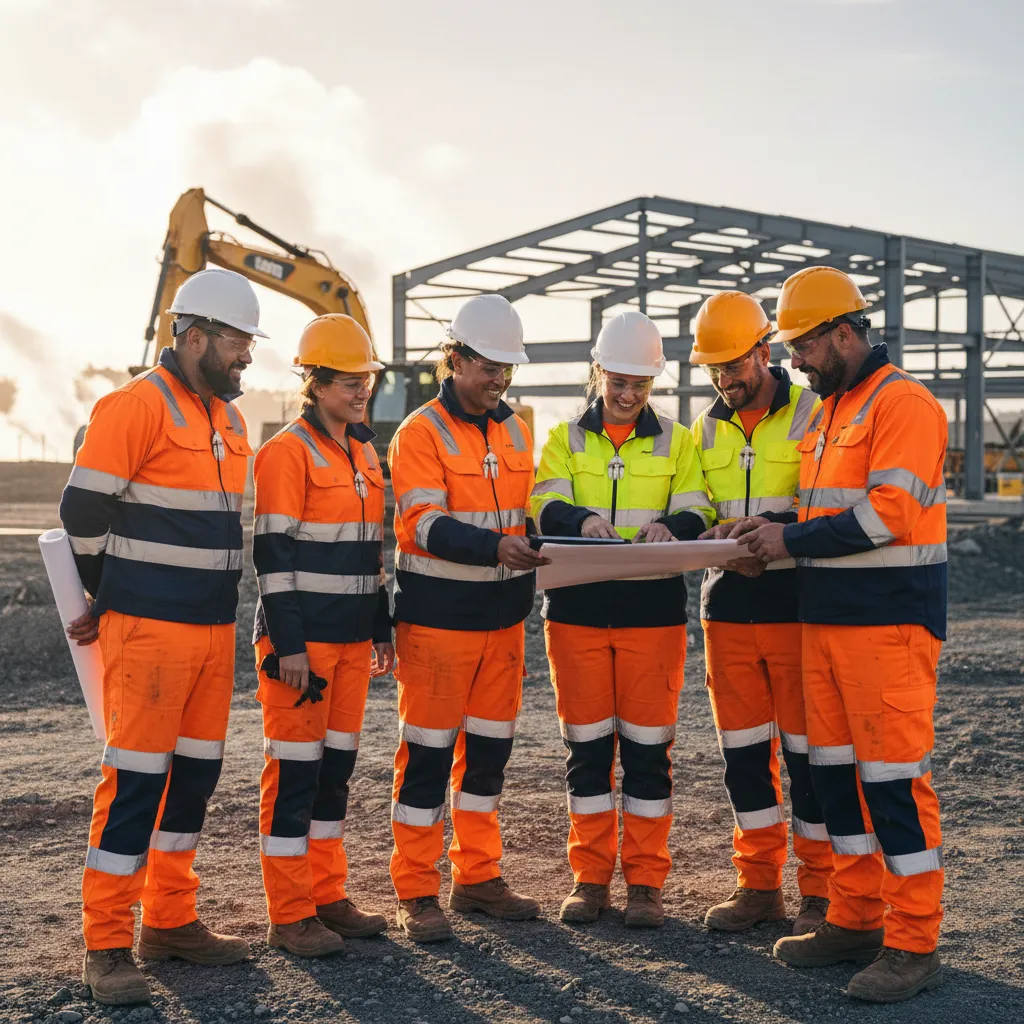
What are the Case Studies of Successful Partnerships?
The success of Māori business in Kawerau is built on the concept of Whanaungatanga (relationship building). The trusts recognize that they possess the land and resources, while external partners often possess the technical capital and global market access. This has led to several high-profile joint ventures.
Eastland Generation and Tūwharetoa
A standout example of partnership is the collaboration between Eastland Generation and the Tūwharetoa A1 Block owners. Together, they developed the Te Ahi O Maui geothermal power plant. This partnership was structured to ensure that the Iwi retained significant equity and governance rights. It wasn’t just a land lease; it was a true joint venture where risk and reward were shared. The project was completed on time and under budget, serving as a model for how indigenous groups can partner with commercial energy companies to deliver national-scale infrastructure.
Sequal Lumber
Another success story is the relationship between local land trusts and Sequal Lumber. Sequal processes radiata pine on Māori-owned land, utilizing geothermal energy for kiln drying. The partnership is deeply integrated, with the lumber company respecting the cultural values of the land owners. This alignment has allowed Sequal to market their timber internationally with a story of sustainability and indigenous partnership, adding value to the final product in markets like Europe and Asia.
What is the Future of Industry in the Eastern Bay of Plenty?
The trajectory for Māori business in Kawerau is one of diversification and expansion. The reliance on the pulp and paper industry, while historically profitable, carries market risks. Consequently, Iwi leaders are looking to diversify the industrial base.
The Kawerau Container Terminal
A major development is the push for better logistics connectivity, including the Kawerau Container Terminal. This infrastructure project aims to link the industrial hub directly to the Port of Tauranga via rail, reducing carbon emissions from trucking and lowering export costs. Māori trusts are key stakeholders in this development, understanding that efficient logistics increases the value of their forestry and manufactured exports.
Hydrogen and Green Energy
Looking further ahead, there is significant interest in green hydrogen production. With an abundance of renewable geothermal electricity and water, Kawerau is ideally positioned to become a hydrogen hub. Iwi trusts are currently exploring feasibility studies to partner with international energy firms to produce green hydrogen for heavy transport and export. This forward-thinking approach ensures that Māori business in Kawerau remains at the cutting edge of the global energy transition.
Conclusion
Māori business in Kawerau serves as a powerful blueprint for indigenous economic development. By retaining ownership of the whenua and asserting control over key resources like geothermal energy, local Iwi have transformed themselves from passive observers into industrial titans. Through the principles of Kaitiakitanga and strategic partnership, they are building a sustainable, prosperous future that benefits not just their shareholders, but the entire Bay of Plenty region.
People Also Ask
What is the main industry in Kawerau?
The main industries in Kawerau are forestry (pulp, paper, and timber processing) and geothermal energy production. These sectors are heavily interconnected, with geothermal steam providing the process heat required for wood processing.
How do Māori Land Trusts operate in New Zealand?
Māori Land Trusts are legal entities formed to manage Māori freehold land for the benefit of multiple owners. They are governed by trustees elected by the owners and operate under the Te Ture Whenua Māori Act 1993, balancing commercial viability with cultural preservation.
Who owns the geothermal fields in Kawerau?
Ownership of the Kawerau geothermal field is complex, but significant portions of the land and the rights to extract steam are held by Māori Land Trusts, specifically under the umbrella of Ngāti Tūwharetoa (BOP) and associated entities like NTGA.
What is the role of Ngāti Tūwharetoa in Kawerau business?
Ngāti Tūwharetoa (BOP) is a central economic force in Kawerau. Through their settlement trust and various land blocks, they own critical land and energy infrastructure, partnering with major industrial players to supply energy and resources.
How does geothermal energy benefit the Kawerau community?
Geothermal energy provides low-cost, sustainable process heat that attracts heavy industry, creating local jobs. Additionally, profits from Māori-owned geothermal assets are distributed back to the community through education grants, health initiatives, and dividends.
What is the Putauaki Trust?
The Putauaki Trust is a prominent Māori Land Trust in the region that manages land at the base of Mount Putauaki. They are involved in various commercial activities, including dairy farming, forestry, and industrial land leasing in the Kawerau district.