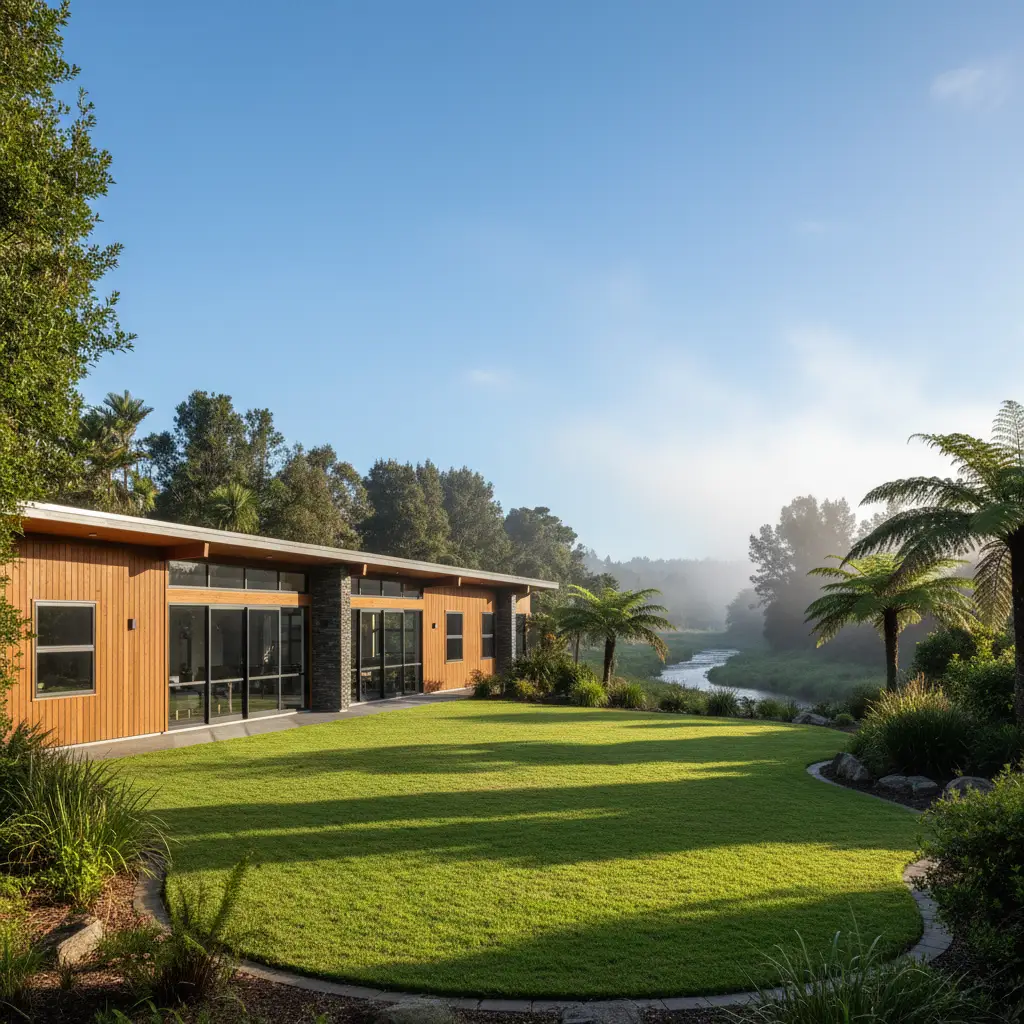
Living in Kawerau offers significantly lower housing costs and a relaxed, close-knit community lifestyle compared to Rotorua. While Rotorua provides more urban amenities and tourism-based employment, Kawerau is increasingly becoming a preferred choice for first-home buyers and retirees seeking exceptional value, all within a manageable 45-minute commute to Rotorua’s center.
The Bay of Plenty region in New Zealand is currently experiencing a dynamic shift in demographics and real estate trends. As property prices in major hubs soar, many Kiwis are looking inland for affordability without sacrificing lifestyle. This has brought two distinct towns into sharp focus: the world-renowned tourist destination of Rotorua and the industrial powerhouse turned lifestyle haven, Kawerau.
For decades, Rotorua has been the default choice for those seeking a life amidst geothermal wonders and lakes. However, Kawerau is undergoing a significant rebranding. No longer viewed solely as a mill town, it is emerging as a “Town of Trees” that offers financial freedom and access to nature that Rotorua’s rising prices often prohibit. This guide provides a professional, in-depth comparison to help you decide which location suits your future.
The Housing Market: Cost and Value Analysis
The primary driver for the migration from Rotorua (and other parts of New Zealand) to Kawerau is undoubtedly real estate affordability. Understanding the disparity in property values is essential for investors and homeowners alike.
What is the price difference between Kawerau and Rotorua real estate?
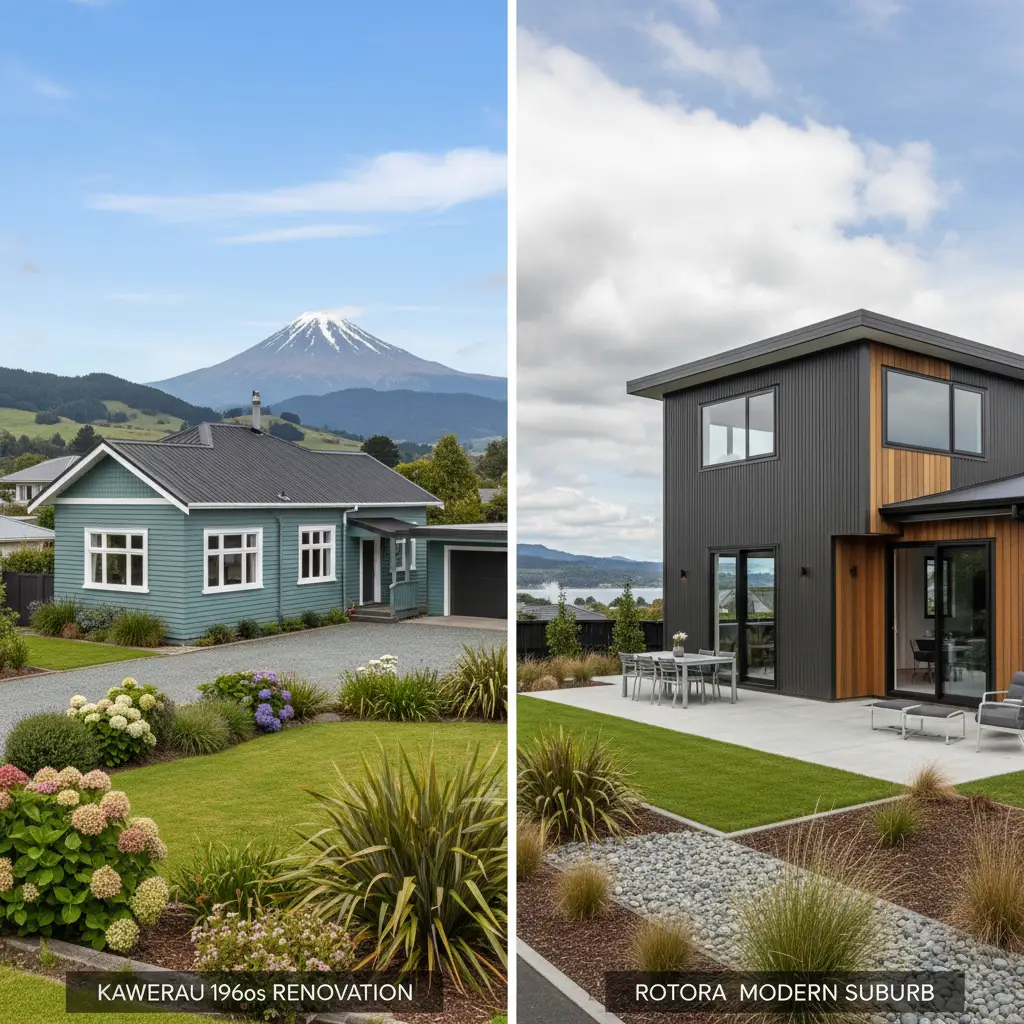
Historically, Rotorua has maintained property values significantly higher than its eastern neighbor. As of recent market data, the median house price in Rotorua often sits between $600,000 and $750,000, depending on the suburb (e.g., Lynmore and Springfield command premiums, while Fordlands is more affordable). In contrast, Kawerau offers an entry point that is frequently 30% to 50% lower, with decent family homes often available in the $350,000 to $450,000 range.
For the Buyer: In Rotorua, an entry-level budget might secure a cross-lease property or a home requiring significant renovation in a lower-socioeconomic suburb. In Kawerau, that same budget often secures a freehold, quarter-acre section with a solid 1960s weatherboard home. The “bang for your buck” in Kawerau is difficult to beat in the current New Zealand market.
For the Investor: Kawerau yields are traditionally higher. The rental demand is strong due to the local forestry and industrial sectors, as well as the influx of families priced out of Whakatāne and Rotorua. While capital gains in Rotorua have been steady, Kawerau has seen explosive growth percentages over the last five years as the town undergoes gentrification.
Commute Times and Regional Connectivity
One of the most common misconceptions about living in Kawerau is isolation. In reality, the strategic location of the town makes it a viable satellite suburb for workers in Rotorua and Whakatāne.
Is it feasible to live in Kawerau and work in Rotorua?
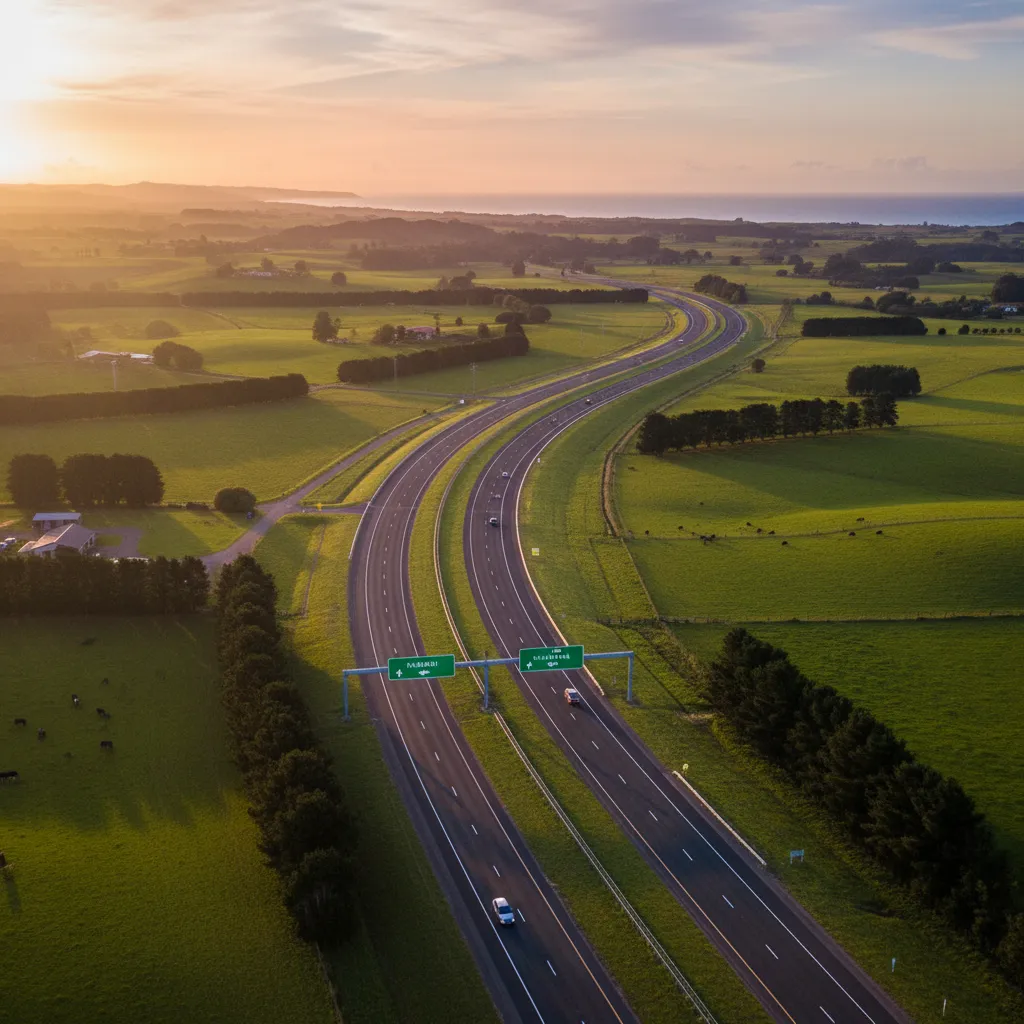
Yes, it is highly feasible and increasingly common. The drive from Kawerau to Rotorua takes approximately 40 to 45 minutes via State Highway 30. Unlike the gridlocked commutes seen in Auckland or Tauranga, this drive is scenic, passing along the shores of Lake Rotoiti and through the Rotoma hills.
The “Golden Triangle” Advantage:
Kawerau sits centrally between three major hubs:
- Rotorua: 45 minutes (Tourism, Hospitality, Government services).
- Whakatāne: 25-30 minutes (Coastal lifestyle, Hospital, Regional Council).
- Tauranga: 60-70 minutes (Port, Shopping, Major Metro).
For residents of Kawerau, this means access to the job markets and amenities of larger cities without the associated high cost of living. Conversely, living in Rotorua means you are in the center of the action, which reduces travel time for amenities but introduces daily traffic congestion, particularly during peak tourist seasons.
Lifestyle, Amenities, and Recreation
Lifestyle preference is subjective. Your choice depends on whether you prefer the hustle of a tourism hotspot or the quietude of a rural community.
Rotorua: The Action Hub
Rotorua is a world-class destination. Living here means having immediate access to:
- Dining and Nightlife: Eat Streat offers a variety of high-end dining and bars.
- Mountain Biking: The Whakarewarewa Forest (The Redwoods) is arguably the best mountain biking network in the Southern Hemisphere.
- Lakes: With 18 lakes in the district, water sports are a daily reality.
- Retail: Big-box retail (Kmart, Bunnings, Rebel Sport) and a mall environment.
Kawerau: The Nature Sanctuary
Kawerau is quieter, slower, and arguably more relaxed. It lacks the nightlife and large retail chains of Rotorua, but it compensates with accessibility and cost-free recreation:
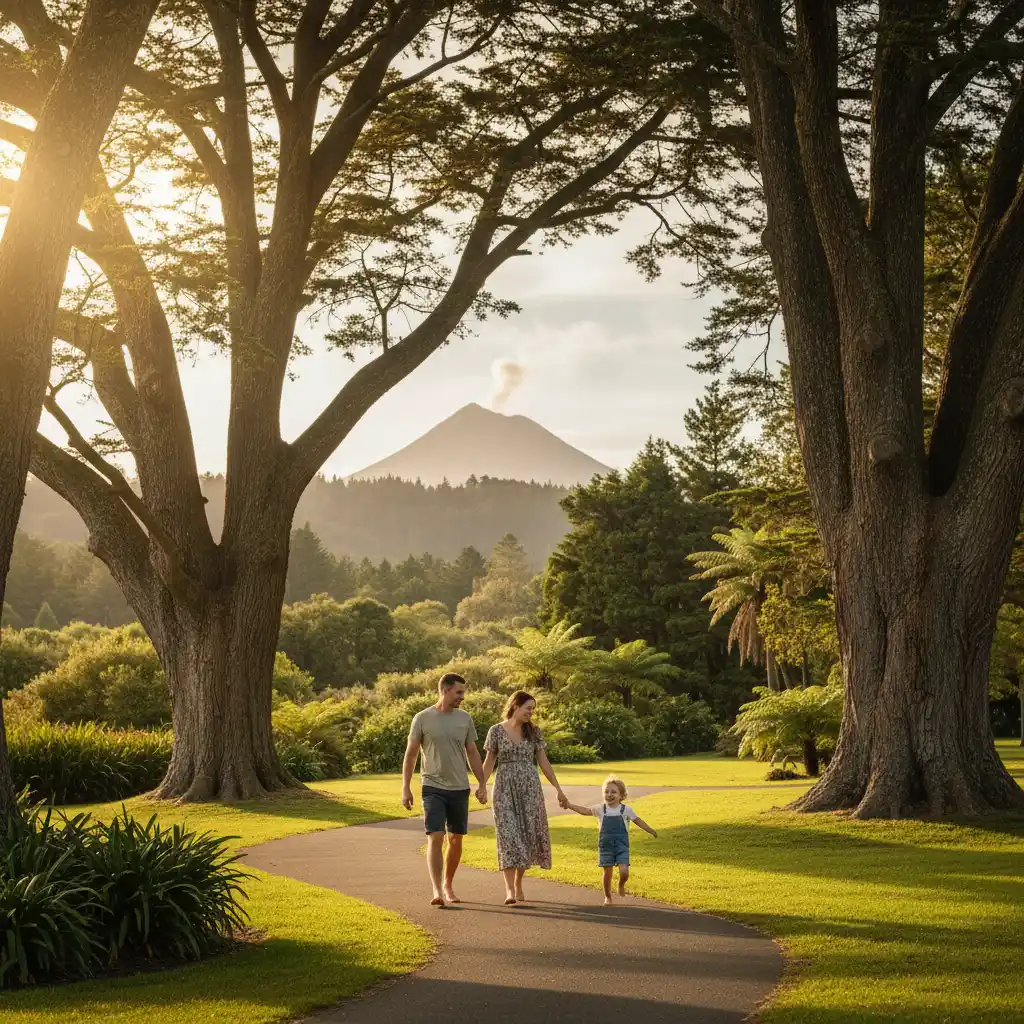
- Mount Putauaki: The iconic mountain provides stunning hiking trails right on the town’s doorstep.
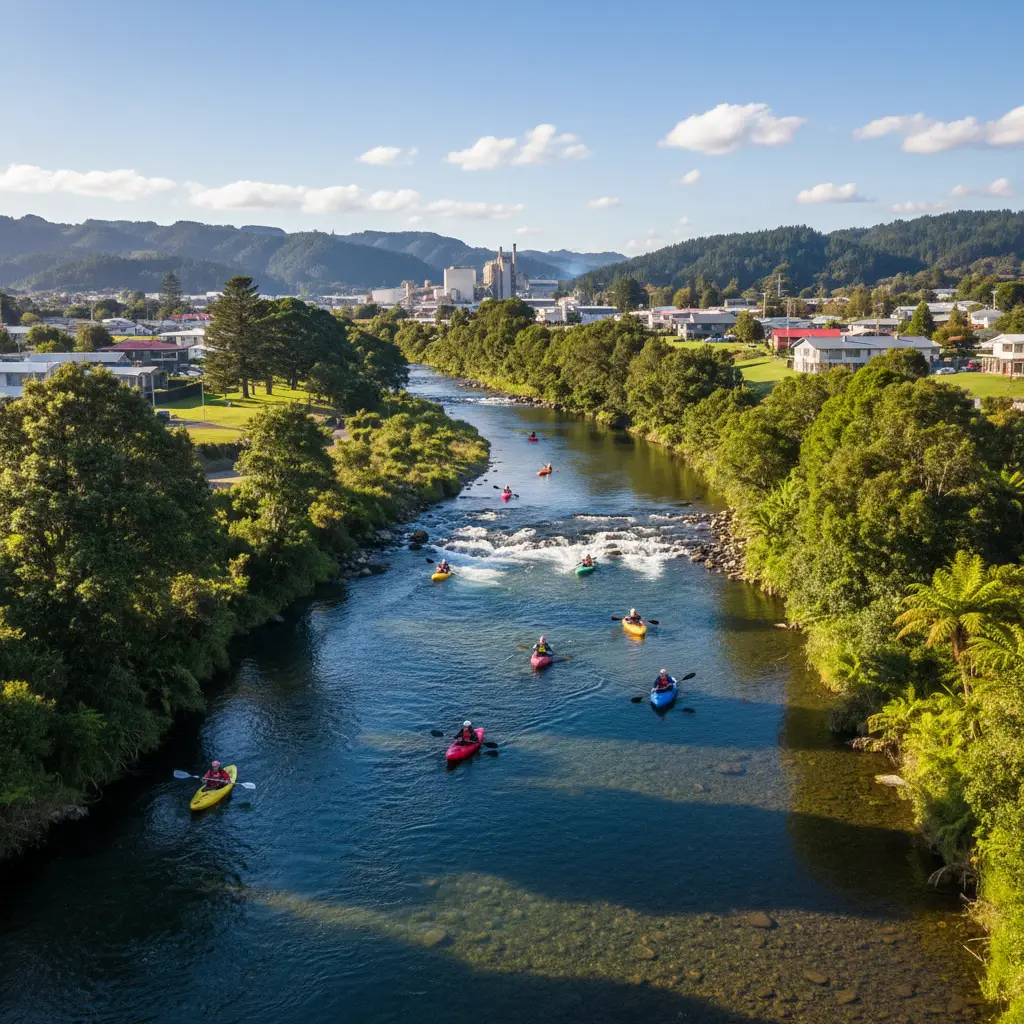
- Tarawera River: Famous for trout fishing and the Kawerau gravity sports (kayaking/rafting).
- Free Hot Pools: The Maurie Kjar Memorial Swimming Pool complex is geothermally heated and free to the public—a massive community perk.
- Golf and Bowling: Accessible clubs with low membership fees compared to city rates.
If your lifestyle involves shopping malls and cinemas every weekend, Rotorua wins. If your lifestyle involves gardening, fishing, and low-cost community activities, Kawerau is the superior choice.
Community Feel and Social Demographics
The social fabric of these two locations differs significantly, largely due to their history and economic foundations.
What is the community vibe in Kawerau?
Kawerau was purpose-built in the 1950s for the paper mill industry. It has a strong working-class heritage and a high Māori population. In recent years, the demographic has shifted. The “rebranding” of Kawerau has attracted active retirees and young families escaping mortgage stress. The result is a community that is incredibly close-knit. Neighbors tend to know neighbors. The town layout—designed with ample green spaces and no traffic lights—encourages a slower pace of life.
What is the community vibe in Rotorua?
Rotorua is more transient. As a tourism hub, there is a constant flow of visitors. The population is larger (approx. 77,000 vs Kawerau’s 7,000), leading to more anonymity. While Rotorua has strong community pockets (such as Ngongotahā or Lynmore), the city-wide feel is busier and more commercial. Rotorua also faces more visible social challenges related to emergency housing in motels, an issue that has been widely publicized, though local councils are actively managing it.
Climate and Environmental Factors
While only 50km apart, the microclimates can differ.
Kawerau: Often marketed as having a “micro-climate,” Kawerau tends to be slightly warmer and less windy than the coast. Summers can be very hot, often reaching the high 20s or low 30s (Celsius). The town is nestled in a valley, which provides shelter.
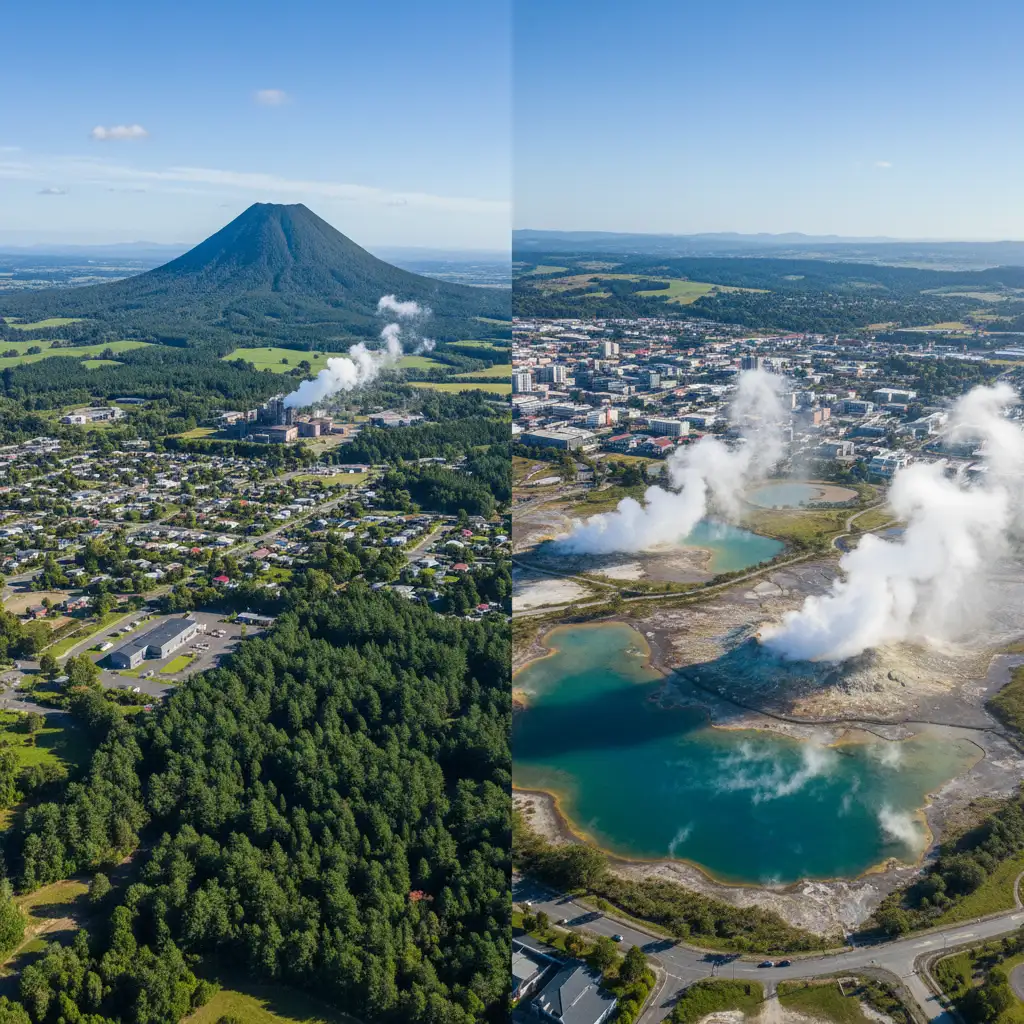
Rotorua: Sitting at a higher altitude, Rotorua is generally cooler. Winters can be crisp with frequent frosts. The most distinct environmental factor in Rotorua is the sulfur smell (hydrogen sulfide) due to geothermal activity. While residents become “nose-blind” to it quickly, it is a factor for newcomers to consider, particularly in suburbs like Sulphur Point or Fenton Park. Kawerau has geothermal activity (supplying steam to industry), but the residential areas are generally free of the sulfur odor.
Economic Outlook and Employment
For those not retiring, employment is the deciding factor.
Job Market Comparison
Rotorua: The economy is diverse. Tourism is the backbone, but forestry, agribusiness, and healthcare (Rotorua Hospital) are major employers. If you work in hospitality, retail, or professional services, Rotorua offers more vacancies and career progression opportunities.
Kawerau: The economy is industrial-heavy. The industrial zone is home to major players like Sequal Lumber and Essity. The Putauaki Trust Industrial Hub is expanding, creating new roles in logistics, manufacturing, and engineering. For tradespeople, Kawerau is a goldmine of opportunity. However, white-collar corporate roles are fewer, often necessitating the commute to Whakatāne or Rotorua.
Final Verdict: Which Town is For You?
Choosing between living in Kawerau vs Rotorua ultimately comes down to your financial goals and lifestyle pace.
Choose Rotorua if:
- You thrive in a busier environment with urban amenities.
- You want immediate access to restaurants, bars, and shopping malls.
- You are a mountain biking enthusiast who wants to ride the Redwoods daily.
- You work in tourism, hospitality, or specialized government roles.
Choose Kawerau if:
- Financial Freedom is a priority: You want to own a freehold home with a small mortgage (or mortgage-free).
- You prefer a quiet, small-town community where traffic jams don’t exist.
- You enjoy the outdoors (hiking, fishing) but don’t need nightlife.
- You are willing to commute 40 minutes for major shopping in exchange for a higher quality of home life.
Kawerau’s rebranding is not just marketing; it is a reflection of a town that is evolving. For those willing to look past historical stigmas, it offers a lifestyle of abundance that is becoming increasingly rare in New Zealand.
Frequently Asked Questions
Is Kawerau safe to live in compared to Rotorua?
Both towns have areas of high and low deprivation. Statistically, both have crime rates higher than the national average, but this is often concentrated in specific social circles. Kawerau’s small size means neighbors look out for each other, often creating a safer feeling for established residents. Rotorua’s crime is often more visible due to the higher population and tourist density.
Does Kawerau smell like sulfur like Rotorua?
Generally, no. While Kawerau utilizes geothermal energy for its industry, the residential areas do not have the pervasive “rotten egg” smell that is characteristic of Rotorua. The air in Kawerau is typically fresh, though you may occasionally smell wood processing from the mill depending on wind direction.
Are there good schools in Kawerau?
Kawerau has several primary schools and one high school (Tarawera High School), which has received significant government investment and modern facilities recently. Rotorua offers a wider variety of schooling options, including private, integrated, and multiple high schools, which some parents prefer.
How far is the beach from Kawerau vs Rotorua?
Kawerau is closer to the coast. It is approximately a 25-30 minute drive to Thornton Beach or Ōhope Beach (voted NZ’s best beach). Rotorua is inland, requiring a 50-60 minute drive to reach the nearest ocean beaches in the Bay of Plenty.
Is property investment better in Kawerau or Rotorua?
Kawerau typically offers higher rental yields (return on investment) due to lower purchase prices and high rental demand. Rotorua offers potentially more stability and capital gains over the very long term due to its size, but Kawerau has seen higher percentage growth in recent years due to its low starting base.
What is the ‘Putauaki Trust’ impact on Kawerau?
The Putauaki Trust is a major landowner and economic driver in Kawerau. They are developing an industrial hub that is attracting new businesses and creating jobs, which improves the long-term economic stability of the town, making it a more attractive place to live and invest.