
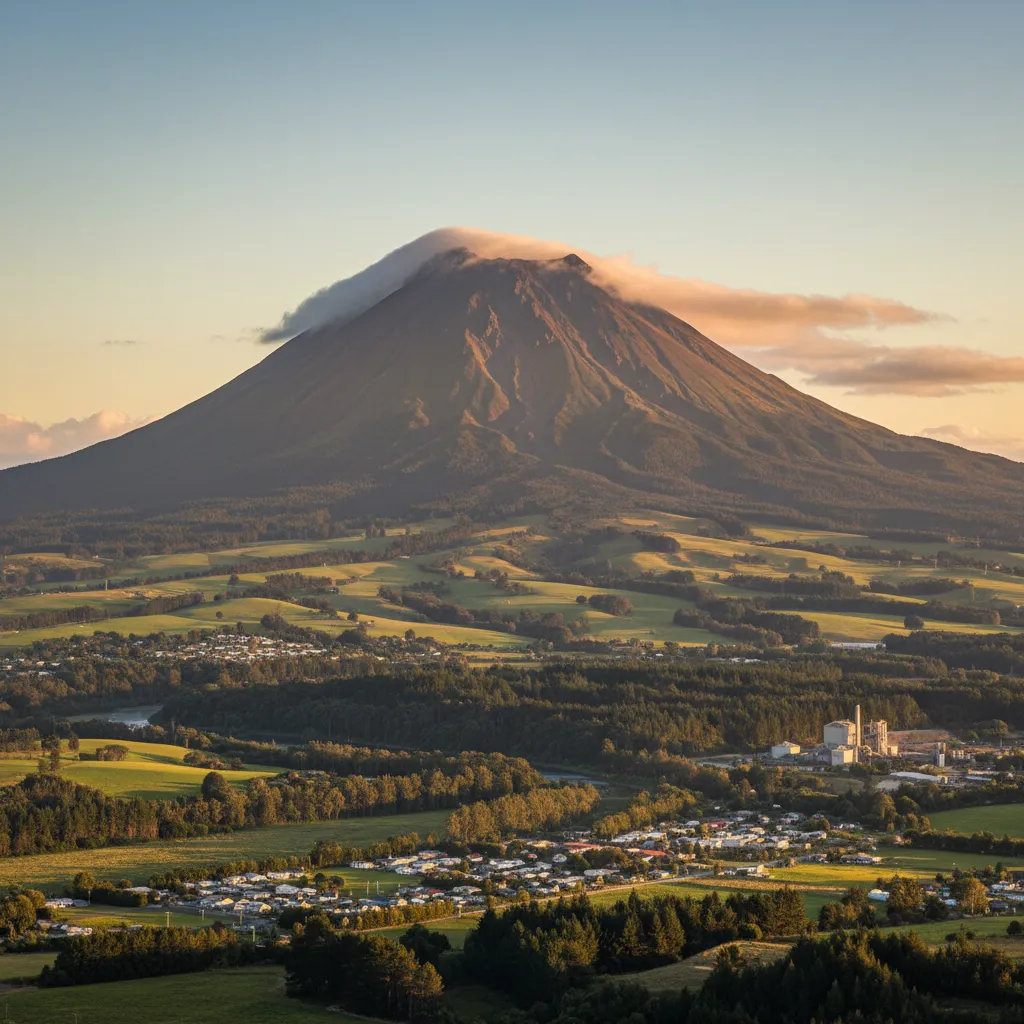
Living in Kawerau offers a unique blend of affordability, rich cultural heritage, and outdoor adventure in the heart of New Zealand’s Bay of Plenty. Known for its iconic Mount Putauaki and thermal activity, the town provides significantly lower housing costs than national averages, making it an attractive destination for first-home buyers, retirees, and families seeking a community-focused lifestyle.
Why Move to Kawerau? Lifestyle & Benefits
Kawerau is often described as the hidden gem of the Bay of Plenty. Situated approximately 100 kilometers southeast of Tauranga and 58 kilometers east of Rotorua, it serves as a gateway to some of the North Island’s most spectacular natural environments. For those considering living in Kawerau, the appeal often starts with the pace of life. Unlike the bustling metropolitan centers, Kawerau operates on a rhythm that prioritizes community connection and outdoor access.
The town was meticulously planned in the 1950s, which is evident in its wide, tree-lined streets and abundant parklands. One of the most significant advantages of moving here is the climate. Sheltered by high country to the south and east, Kawerau enjoys a microclimate characterized by high sunshine hours and low wind speeds, often resulting in temperatures several degrees warmer than neighboring coastal towns.
Outdoor Recreation and Leisure
The lifestyle in Kawerau is inextricably linked to the outdoors. The Tarawera River, which flows through the town, is a focal point for recreation. It hosts the annual King of the River kayaking race and offers exceptional trout fishing opportunities. For hikers and trail runners, the surrounding forestry and the ascent of Putauaki offer challenges ranging from leisurely walks to strenuous climbs.
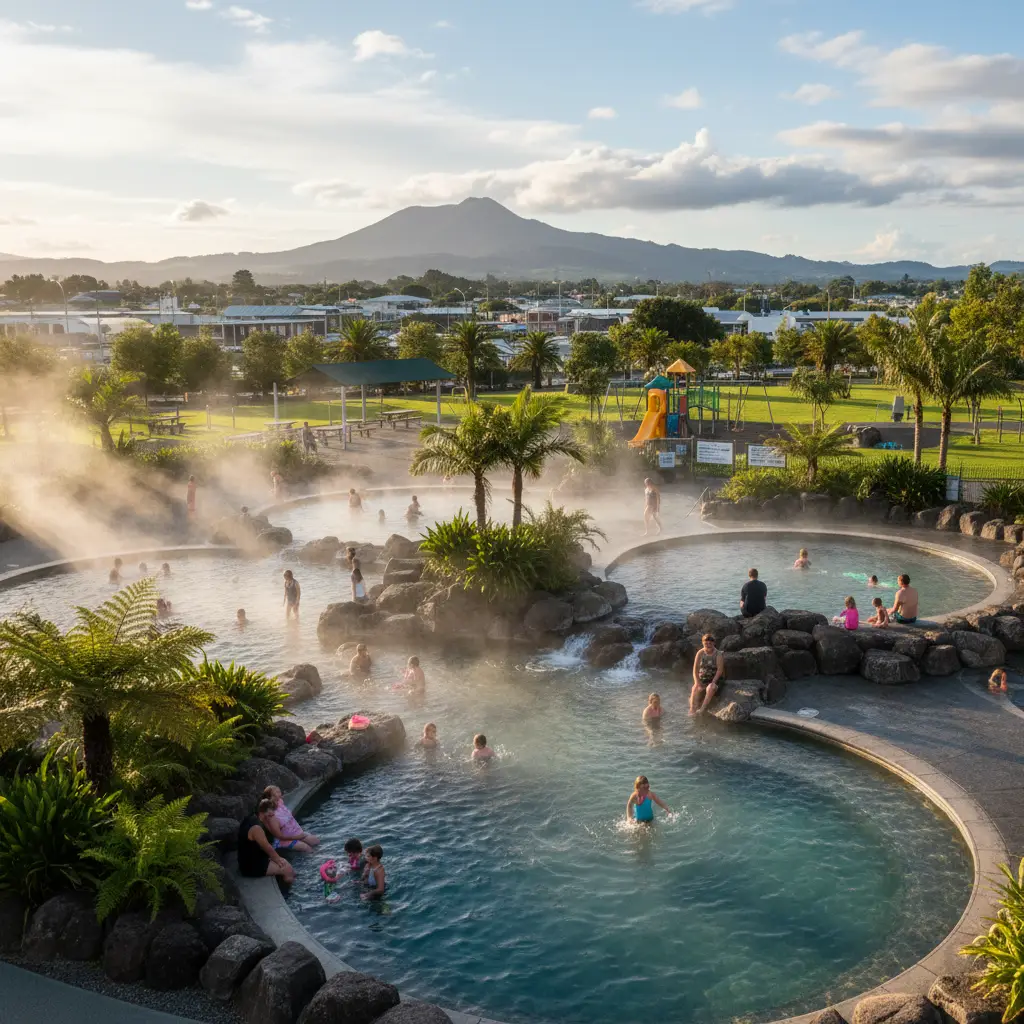
Furthermore, residents enjoy access to the Maurie Kjar Memorial Swimming Pool complex. Unlike most municipal facilities in New Zealand, this complex—heated by natural geothermal energy—is entirely free to use. It serves as a community hub where families gather for barbecues and relaxation, underscoring the town’s focus on accessible public amenities.
Kawerau Real Estate: Market Trends & Analysis
The primary driver for the surge of interest in living in Kawerau is undoubtedly the real estate market. Historically an industrial town, Kawerau has transformed into a property hotspot for those priced out of markets like Tauranga, Whakatane, and Rotorua. While prices have risen in line with national trends over the last decade, Kawerau remains one of the most affordable urban areas in New Zealand.
Affordability vs. Value
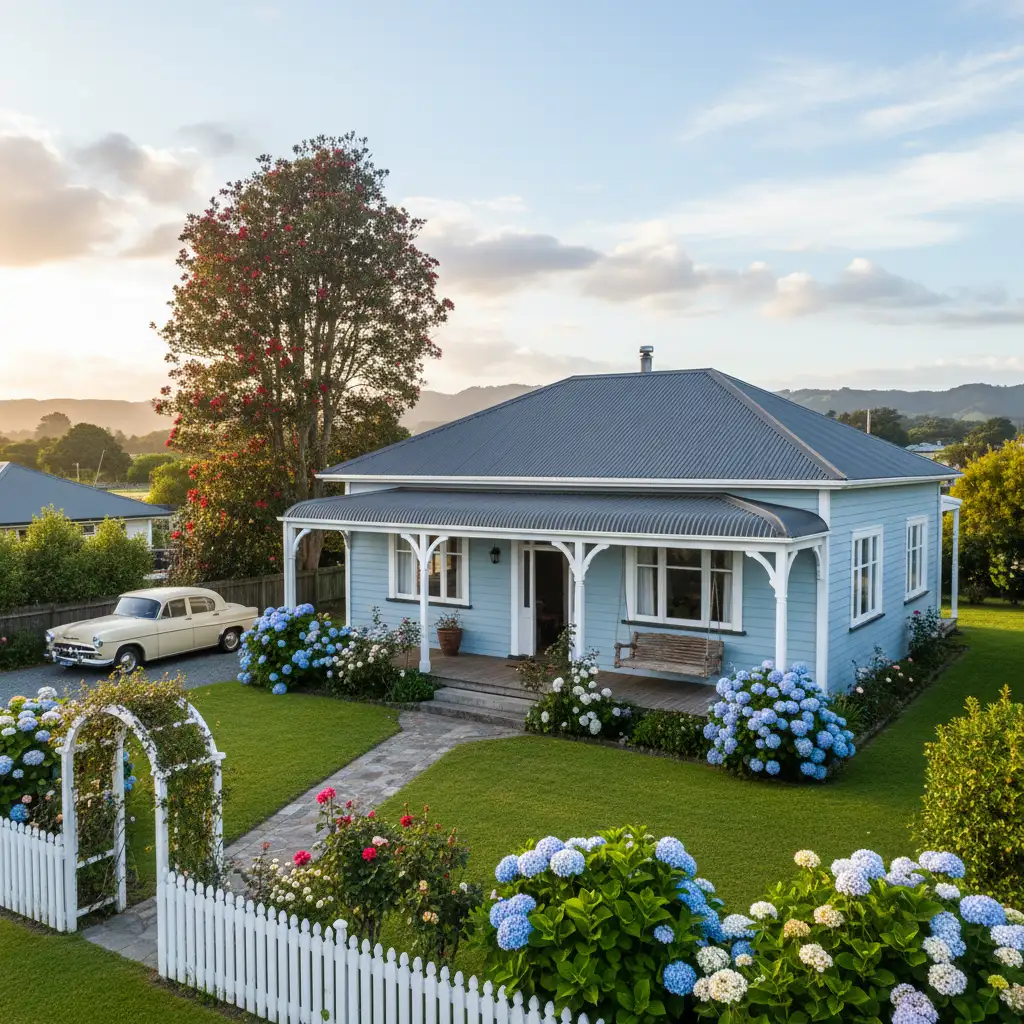
For first-home buyers, Kawerau represents a tangible opportunity to step onto the property ladder without a crippling mortgage. The housing stock is predominantly comprised of sturdy, weatherboard homes built during the town’s inception in the 1950s and 60s. These homes are renowned for their “good bones” and sit on generous quarter-acre sections (approx. 1000sqm), providing ample space for gardens, extensions, or minor dwellings.
Investment Potential
Investors have also turned their eyes toward Kawerau due to high rental yields compared to capital outlay. The demand for quality rental housing is consistent, driven by the local industrial sector and the influx of retirees seeking affordable living. However, potential buyers should be aware of the nuances of the local market:
- Freehold vs. Cross-lease: The majority of titles in Kawerau are freehold, simplifying ownership and renovation permissions.
- Renovation Trends: There is a strong trend of purchasing original-condition homes and modernizing them. This “flip” culture has improved the overall aesthetic of many streets.
- New Developments: While established stock dominates, new subdivisions are slowly emerging on the town’s periphery, offering modern brick-and-tile options for those preferring low-maintenance living.
Neighborhood Profiles and Amenities
Despite its compact size, Kawerau has distinct zones that offer different living experiences. Understanding these nuances is critical when deciding where to settle.
The “River End”
Properties located near the Tarawera River are often highly sought after. These areas offer scenic views, easy access to walking trails, and a quieter atmosphere. The streets here are often wider, and the proximity to the river parks makes it ideal for dog owners and families.
Central Kawerau
Living centrally places you within walking distance of the New World supermarket, the medical center, and the library. This area is particularly popular among retirees who prefer to minimize driving. The housing here is dense but retains the classic quarter-acre feel.
Hillside Areas
Some parts of Kawerau are elevated, offering views toward the coast or back at Mount Putauaki. These properties often command a premium due to the outlook and increased privacy.
The Local Economy and Employment Landscape
Historically, Kawerau was built to service the Tasman Pulp and Paper Mill. While the industrial landscape has shifted, the forestry and processing sectors remain the economic backbone of the district. Major employers include Oji Fibre Solutions, Sequal Lumber, and various engineering and logistics support firms.
Diversification of Industry
Recently, there has been a push to diversify the local economy. Industrial symbiosis—where waste from one industry becomes fuel for another—is a key focus, particularly utilizing the region’s geothermal assets. This has led to growth in specialized manufacturing and sustainable energy projects.
For professionals not in the industrial sector, commuting is a viable and common option. Whakatane is a 25-30 minute drive, and Rotorua is roughly 45 minutes away. Many residents choose living in Kawerau for the lifestyle and cost benefits while working in these larger neighboring hubs.
Your Comprehensive Relocation Checklist
Moving to a new town requires logistical precision. Here is a tailored checklist for relocating to Kawerau to ensure a smooth transition.
1. Utilities and Connectivity
Kawerau has excellent fiber internet coverage (UFB), making it a viable location for remote workers. Before you arrive, ensure you have contacted providers to switch over power and internet. Note that some properties may still use gas for hot water, often reticulated or bottled.
2. Council and Rates
Familiarize yourself with the Kawerau District Council (KDC) regulations. Register your dog, understand the recycling and rubbish collection schedule (which is generally excellent), and set up your rates payments. Kawerau’s rates are generally reasonable and cover water usage in many instances, though metering policies can change.
3. Healthcare Enrolment
The Tarawera Medical Centre is the primary healthcare provider. It is advisable to enroll as soon as you have a confirmed address, as rural and provincial medical centers can sometimes have waitlists for new patients.

Education and Healthcare Infrastructure
Schools and Early Childhood
For families, education is a top priority. Kawerau is served by several primary schools and the modern Tarawera High School. The High School underwent a massive multi-million dollar rebuild recently, providing state-of-the-art facilities including modern learning environments and a performing arts center. There are also Kōhanga Reo and bilingual units available, reflecting the strong Māori culture of the area.
Healthcare Access
Beyond the local GP services, Whakatane Hospital provides secondary care services including emergency, surgical, and maternity care. It is easily accessible via State Highway 34 and 30. For more specialized tertiary care, Tauranga Hospital is approximately an hour away.
Frequently Asked Questions (PAA)
Is Kawerau a safe place to live?
Like many towns in New Zealand, Kawerau has areas that are more desirable than others. While it has historically battled a reputation related to gang activity, the community has worked hard to transform this. Neighborhood Support groups are active, and the town is generally safe, especially in family-centric neighborhoods. It is always recommended to visit and drive through streets at different times of the day before purchasing.
What is the cost of living in Kawerau compared to the rest of NZ?
The cost of living in Kawerau is significantly lower than the national average, primarily driven by housing costs. A mortgage in Kawerau can be half or even a third of what you might pay in Auckland or Tauranga. Daily consumables (groceries, fuel) are comparable to Whakatane prices.
How far is Kawerau from the nearest beach?
Kawerau is centrally located, with the nearest beach being Thornton Beach, approximately a 20-minute drive away. The popular Ōhope Beach, voted NZ’s most loved beach, is about a 35-minute drive, making coastal day trips very easy.
What is the weather like in Kawerau?
Kawerau enjoys a microclimate that is often warmer and less windy than the coast. Summers are hot and dry, often reaching into the high 20s or low 30s (Celsius). Winters can be crisp with frosts, but the days are generally sunny.
Are there jobs available in Kawerau?
Yes, particularly in the industrial, engineering, forestry, and healthcare sectors. There is also a demand for tradespeople. Many residents also commute to Whakatane for retail, professional services, and government roles.
What recreational activities are free in Kawerau?
Kawerau offers several high-quality free activities. The Maurie Kjar Memorial Swimming Pool is free to enter. There are also numerous free walking trails along the Tarawera River, the Firmin Field park, and the Stoneham Walk.