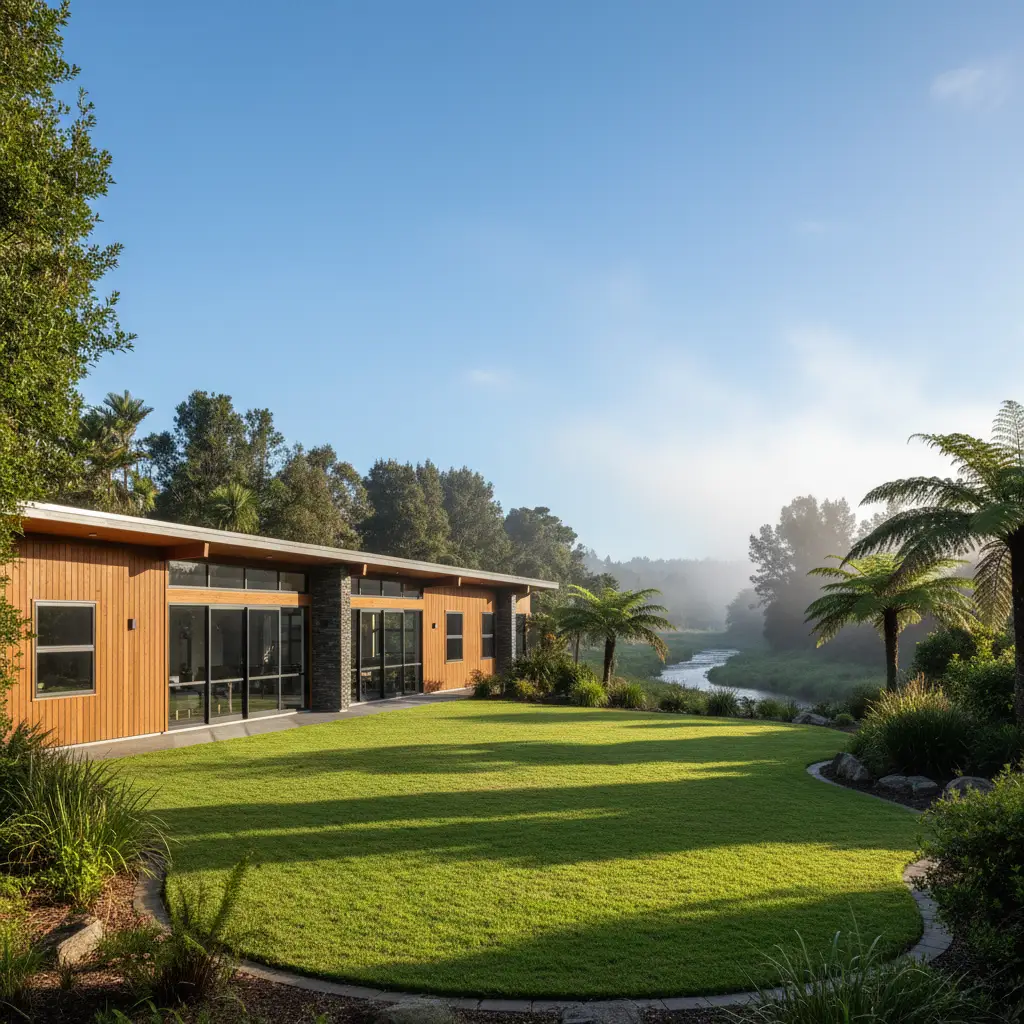
Kawerau experiences a warm temperate climate characterized by warm, humid summers and mild, wet winters. When checking a Kawerau weather 10 day forecast, expect rapid changes typical of the Bay of Plenty region, with temperatures ranging from 24°C (75°F) in summer to 14°C (57°F) in winter, often influenced by local geothermal activity and coastal breezes.
Located in the heart of the Bay of Plenty, Kawerau is more than just an industrial hub; it is a burgeoning “Base Camp” for domestic tourism and outdoor adventure. Whether you are planning to summit Putauaki (Mt Edgecumbe), kayak the Tarawera River, or explore the nearby lakes, understanding the local weather patterns is critical for a safe and enjoyable trip. New Zealand weather is notorious for its variability—often delivering four seasons in one day—and Kawerau is no exception. If you are considering staying long-term, check out our guide on the Relocation & Digital Nomad Lifestyle.
This comprehensive guide goes beyond a simple snapshot. We analyze seasonal trends, provide essential packing lists, and offer safety advice tailored for the unique microclimate of the Eastern Bay of Plenty, ensuring your Kawerau Economic Development Strategy is weatherproof.
Interpreting the Kawerau Weather 10 Day Forecast
When you look up the Kawerau weather 10 day forecast, you are looking at a prediction model that accounts for the town’s unique geography. Nestled in a valley and shielded by ranges, Kawerau often experiences slightly different conditions than its coastal neighbor, Whakatane, or the higher-altitude city of Rotorua.
Reading the Atmospheric Pressure
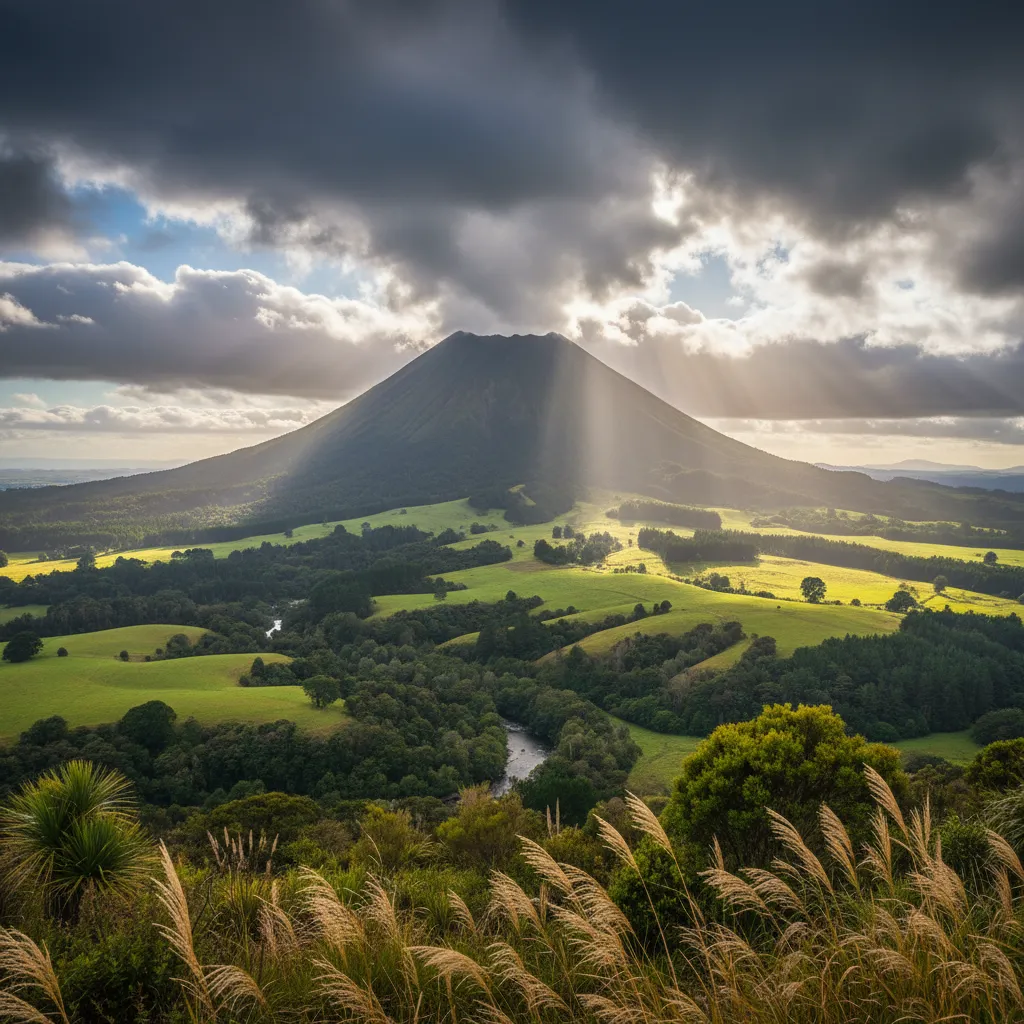
In the Bay of Plenty, high-pressure systems usually bring settled, sunny weather with light winds. This is the ideal window for hiking Putauaki. Conversely, low-pressure systems moving in from the Tasman Sea often result in prolonged periods of rain and northerly winds. If your 10-day outlook shows a drop in barometric pressure, prepare for wet weather gear or indoor alternatives like the local hot pools. Don’t forget to check the schedule for Kawerau Town Hall Events if you’re looking for indoor activities.
The Geothermal Influence
Kawerau is situated on a geothermal field. While this doesn’t drastically change the air temperature forecast, it does create local micro-effects. On cold winter mornings, the steam from the ground and industrial vents can create a heavy fog or mist that lingers in the valley longer than in surrounding areas. This usually burns off by mid-morning, revealing clear skies, but it is a factor to consider for early morning travel visibility.
Wind Direction Matters
- Northerlies: typically bring warm, moist air and rain.
- Southerlies: bring cold, crisp air, often clearing the sky but dropping temperatures significantly.
- Westerlies: The prevailing wind in NZ, though Kawerau is somewhat sheltered by the Kaimai and Mamaku ranges to the west.
Seasonal Trends: Best Times to Visit
While the 10-day forecast helps with immediate planning, understanding the seasonal averages is vital for booking your trip months in advance. Kawerau serves as an excellent year-round destination, but your activities should align with the season.
Summer (December – February)
Summer in Kawerau is generally warm and humid. Daytime highs frequently exceed 25°C (77°F). This is the peak season for water-based activities.
Best Activities: White water rafting on the Tarawera River, swimming at Lake Rotoma, and camping. Be aware that humidity can make hiking feel more strenuous. The UV index in New Zealand is extreme during these months; burn times can be as short as 10 minutes.
Autumn (March – May)
Many locals consider Autumn the best time to visit. The crowds disperse, and the weather settles. You often get the “Indian Summer” effect in March, with warm days and cooler nights.
Best Activities: Hiking to Tarawera Falls. The cooler air makes the walk pleasant, and the water flow is usually steady. It is also prime time for trout fishing in the surrounding river systems as the fish prepare for spawning.
Winter (June – August)
Winter brings rain and cooler temperatures, with highs around 14°C (57°F) and lows dropping to near freezing overnight. However, Kawerau rarely sees snow on the ground, although it may dust the peaks of the distant ranges.
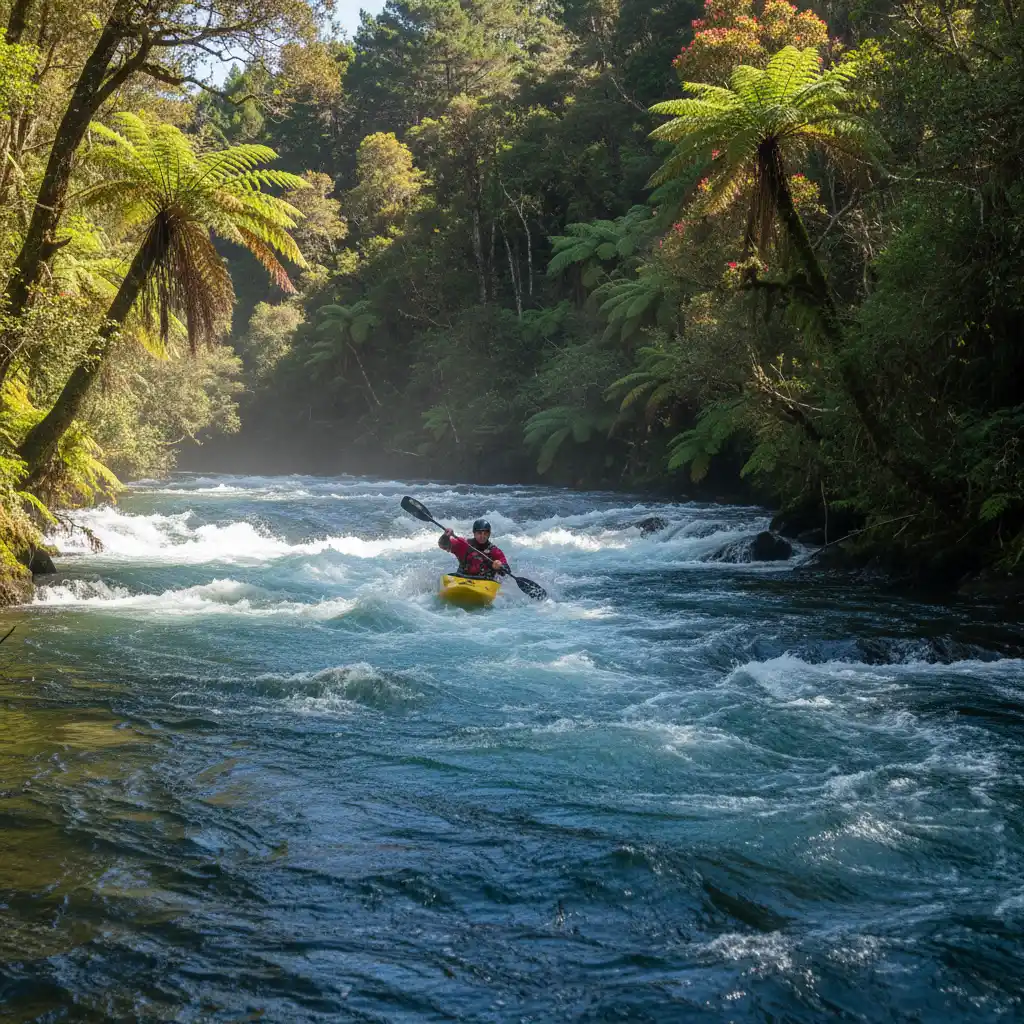
Best Activities: This is the season for thermal indulgence. The free Kawerau Essential Services & Amenities or nearby commercial springs are perfect when the air is crisp. The Tarawera River is still raftable, provided you have a thick wetsuit. Planning ahead for future ventures is smart; consider how a robust Business Investment Kawerau strategy can support tourism growth.
Spring (September – November)
Spring is the most volatile season. It is characterized by windy westerly conditions and rapid changes between rain and shine. It is “growth season,” so the native bush looks vibrant and green.
Best Activities: Mountain biking in the forestry blocks (check access permits). The dirt is often tacky and grippy rather than dusty (summer) or muddy (winter).
The Base Camp Strategy: Microclimates
Adopting a “Base Camp Strategy” means using Kawerau as your affordable accommodation hub while exploring the wider Bay of Plenty. The weather plays a massive role in this strategy because Kawerau sits at a convergence point of different microclimates.
Inland vs. Coastal
Kawerau is inland, meaning it hits up faster than the coast but also cools down quicker at night. If the forecast for Whakatane (the coast) predicts sea breezes and 22°C, Kawerau might be 25°C with less wind. Conversely, in winter, Kawerau will likely be a few degrees colder overnight than the coast due to the lack of oceanic thermal mass.
The Rain Shadow Effect
Because of the sheltering ranges, Kawerau can sometimes remain dry while torrential rain falls in the Kaimai Ranges to the west or the Urewera ranges to the East. Always check the specific local forecast rather than a regional Bay of Plenty summary, as the weather can be incredibly localized.
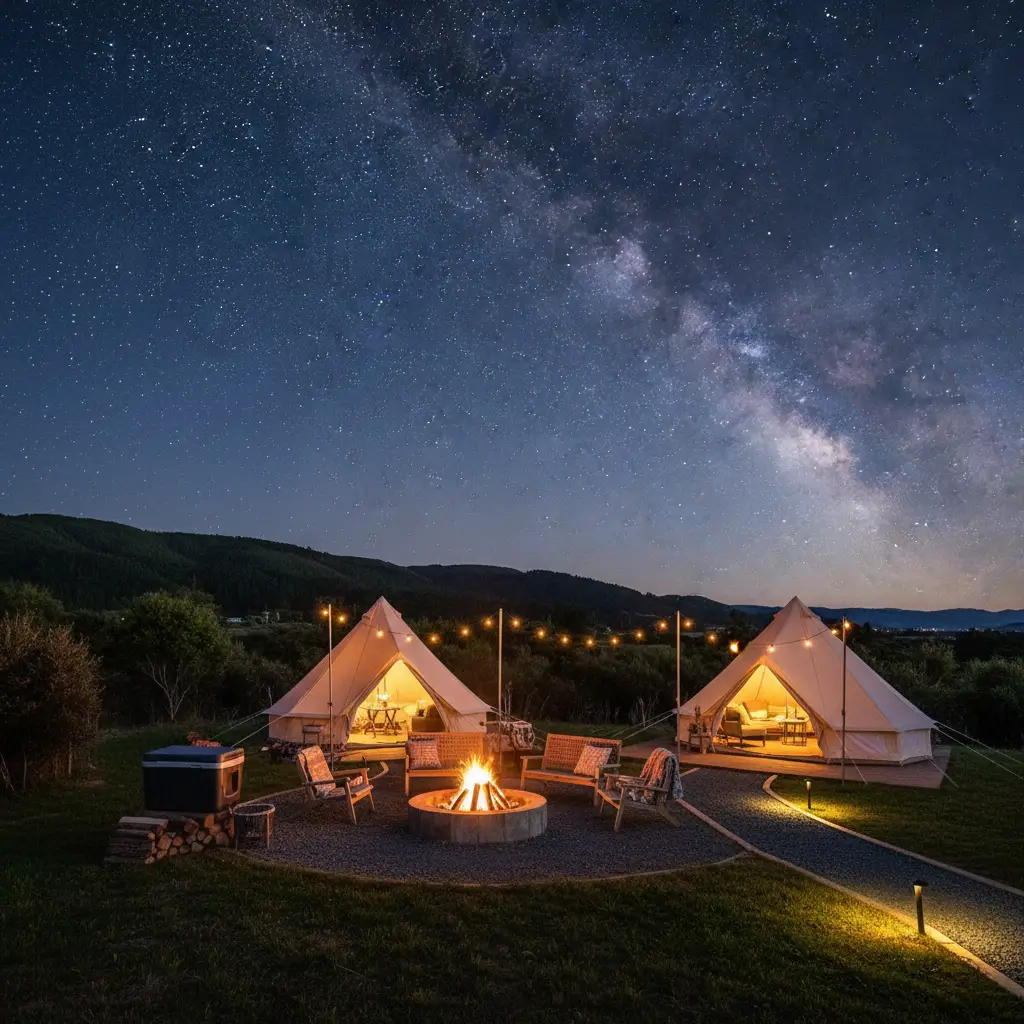
What to Pack for Adventure Gear Hire Kawerau
Regardless of what the Kawerau weather 10 day forecast says, New Zealand conditions dictate a specific approach to packing. The golden rule is layering.
The Essential Layering System
- Base Layer: Merino wool or synthetic polypropylene. Never cotton. If it rains and cotton gets wet, it sucks heat from your body, leading to hypothermia risk.
- Mid Layer: Fleece or a light down jacket. This traps body heat.
- Outer Shell: A high-quality windproof and waterproof rain jacket. In the Bay of Plenty, rain can be heavy and sudden.
Seasonal Specifics
- Summer: Sunhat, SPF 50+ sunscreen (non-negotiable), insect repellent (for sandflies near rivers), and hydration packs.
- Winter: Beanie, thermal socks, and waterproof hiking boots. Mud is common on trails like the Tarawera Falls track during winter.
Weather Safety for Hikers and Boaters
The weather is not just a comfort factor; it is a safety parameter. Kawerau is a gateway to rugged wilderness, and respecting the elements is mandatory.
River Safety and Rainfall
The Tarawera River is a major attraction. However, heavy rainfall in the catchment area (Lake Tarawera) can cause river levels to rise rapidly, even if it isn’t raining heavily in Kawerau town itself.
Boaters and Kayakers: Always check the river flow rates (cumecs) before launching. A swollen river changes the grade of rapids, turning a Grade 2 scenic drift into a dangerous Grade 3 or 4 torrent filled with debris.
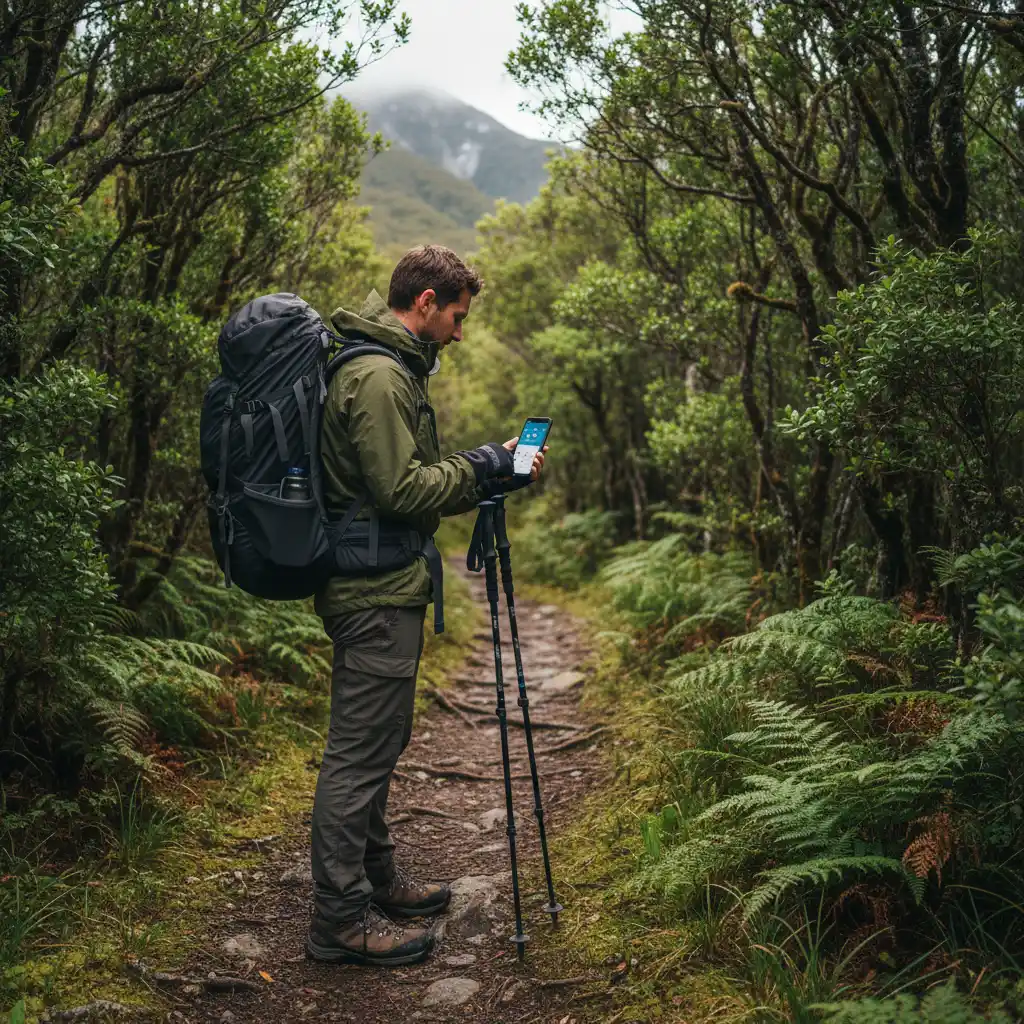
Mountain Safety (Putauaki)
Climbing Putauaki provides stunning views, but the summit is exposed. The temperature at the top can be 5-10 degrees cooler than in the town, and wind chill can bring it down further.
Visibility: Cloud ceilings can drop quickly. If you are hiking and visibility reduces to near zero, the safest option is to stay put or retrace your steps if the path is clear. Never attempt to hike off-track in low visibility.
Sun Exposure
Do not underestimate the New Zealand sun. Due to the hole in the ozone layer over the Southern Hemisphere, UV radiation is significantly higher here than in Europe or North America. Cloud cover does not block UV rays. You can get severe sunburn on a cloudy day in Kawerau. Always wear sun protection between 10 AM and 4 PM, especially near water where reflection intensifies the effect.
Frequently Asked Questions
Does it snow in Kawerau?
It is extremely rare for snow to fall in the Kawerau township itself. However, during cold winter snaps (July/August), you may see snow dusting the top of Mount Putauaki and the surrounding higher ranges.
When is the best time to hike Tarawera Falls?
The best time is usually Autumn (March-May) or late Spring (November). The temperatures are mild for walking, and the rainfall is generally less intense than in winter, keeping the track conditions manageable.
Is Kawerau warmer than Rotorua?
Generally, yes. Kawerau sits at a lower elevation (approx. 30m above sea level) compared to Rotorua (approx. 280m). This usually results in Kawerau having slightly higher daytime temperatures.
Are the hot pools open when it rains?
Yes, the hot pools in and around Kawerau are open during the rain. In fact, many locals prefer soaking in the hot thermal water while cool rain falls—it is considered a quintessential Kiwi experience.
How reliable is the 10-day forecast for the Bay of Plenty?
Accuracy decreases the further out you look. Days 1-3 are highly accurate, while days 7-10 indicate trends rather than specifics. In the Bay of Plenty, sea breezes can alter expected temperatures by several degrees on the day.
What is the wettest month in Kawerau?
July is typically one of the wettest months in the region, consistent with the New Zealand winter. However, tropical cyclones in late summer (February/March) can occasionally bring significant heavy rainfall events.