
Kawerau is a dynamic district located in the heart of the Bay of Plenty, New Zealand, renowned for its unique synergy of geothermal industrial power and world-class outdoor adventure. Serving as a gateway to Tarawera Falls and the Tarawera River, it offers an affordable lifestyle, robust employment opportunities in forestry and sustainable energy, and a supportive community atmosphere.
Nestled beneath the imposing silhouette of Putauaki (Mount Edgecumbe), Kawerau is a town that defies the standard definition of a rural New Zealand settlement. It is a place where steam rises from the ground, signaling a powerhouse of sustainable energy, while pristine waters flow from the volcanic plateau, offering some of the best whitewater kayaking in the Southern Hemisphere. Often referred to as the engine room of the Bay of Plenty, Kawerau has evolved from a purpose-built mill town in the 1950s into a diversified hub of innovation, culture, and extreme sports.
For those looking to relocate, invest, or explore, understanding Kawerau requires looking at its three core pillars: Industry, Adventure, and Lifestyle. This guide explores why this central Bay of Plenty location is rapidly becoming a focal point for regional growth.
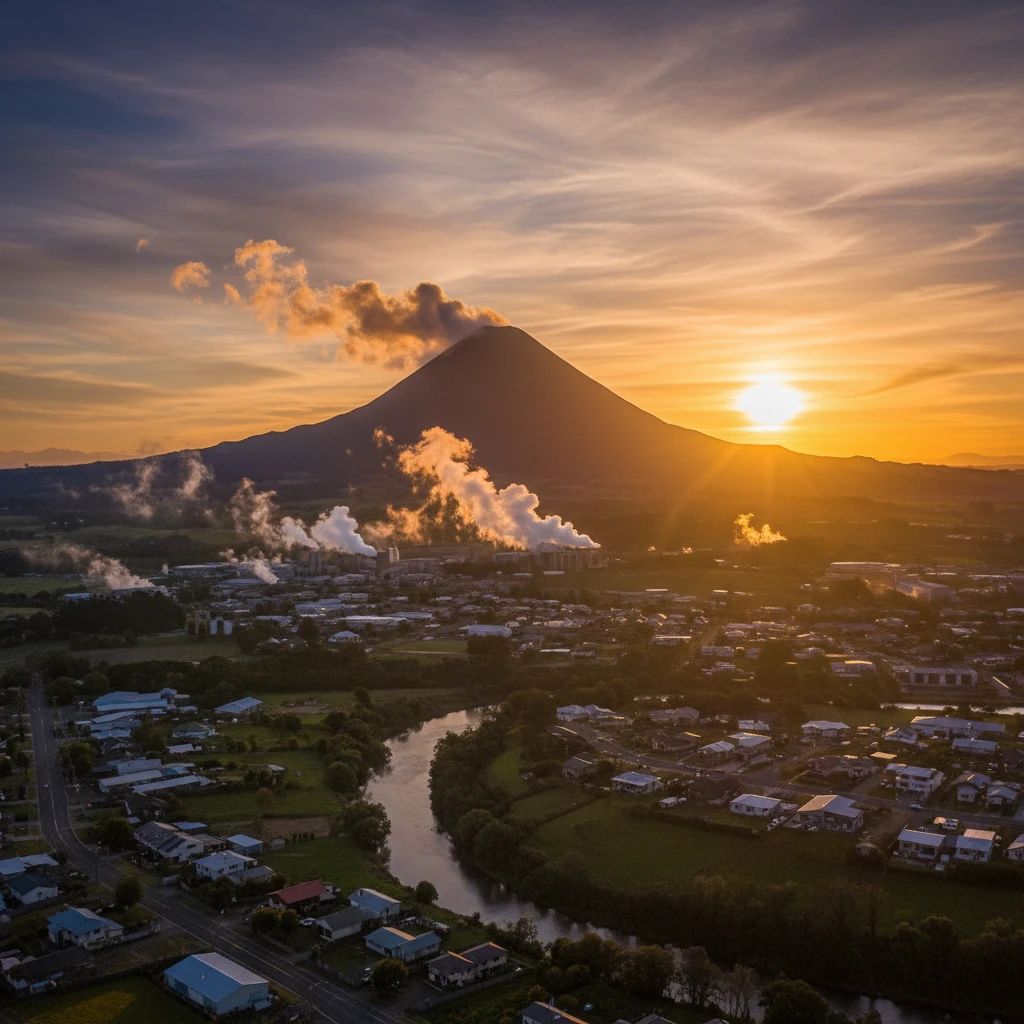
What Makes Kawerau the Industrial Heart of the Bay?
Kawerau’s identity is intrinsically linked to its geology and geography. Unlike other towns that grew organically around trade routes, Kawerau was strategically established to leverage the immense geothermal energy beneath the earth and the vast Kaingaroa Forest nearby. Today, it stands as a global model for industrial symbiosis.
The Power of Geothermal Energy
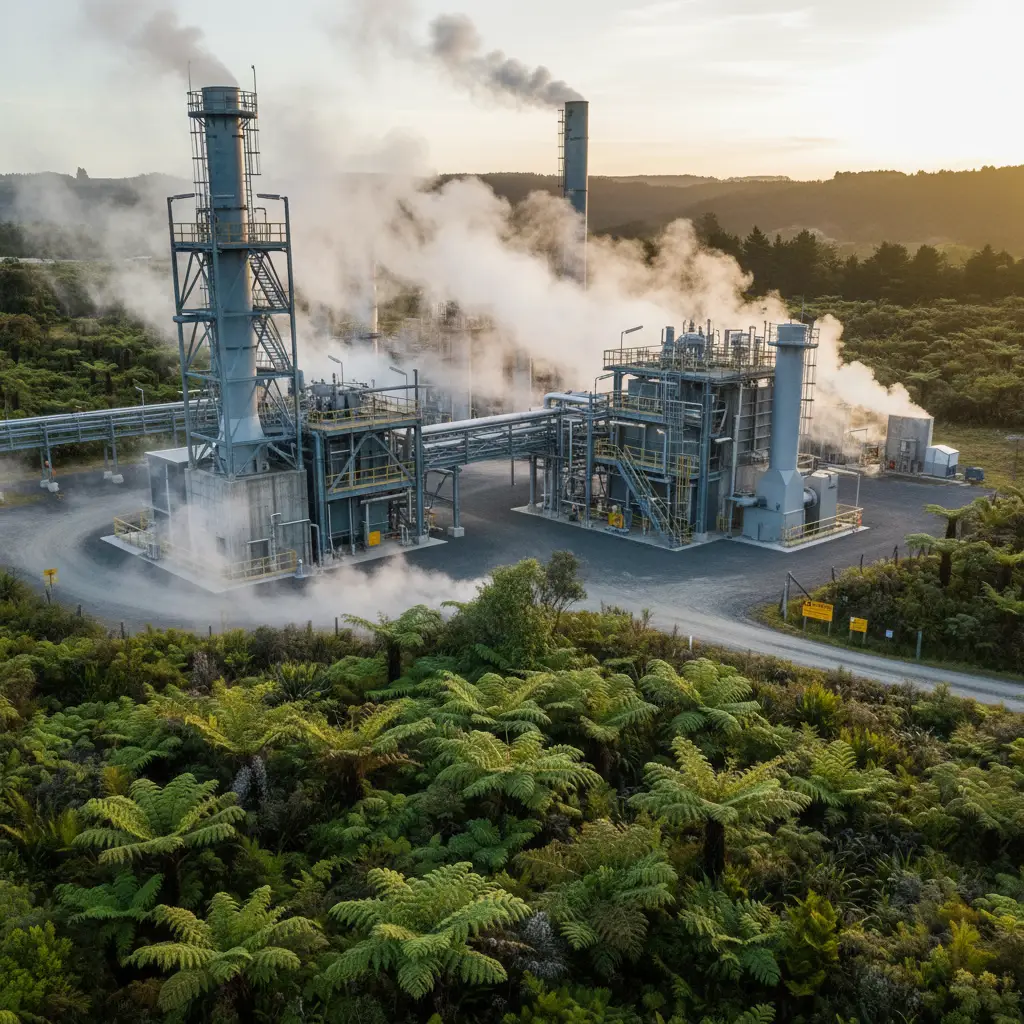
The Kawerau geothermal field is the largest direct-use geothermal application in the world. This is not merely a source of electricity; it is the lifeblood of the local economy. Major industries utilize the clean steam for process heat, significantly reducing carbon footprints compared to fossil-fuel-reliant manufacturing. This green energy advantage attracts forward-thinking companies looking to operate sustainably. For investors and job seekers, this stability in the energy sector translates to long-term economic resilience.
Forestry and Wood Processing
The forestry sector remains the town’s economic backbone. The proximity to the Kaingaroa Forest—one of the largest planted forests in the Southern Hemisphere—ensures a steady supply of timber. However, the industry has moved far beyond simple logging. Kawerau is home to sophisticated sawmills, pulp and paper production, and tissue manufacturing. The recent push towards high-value wood products and biofuels suggests that the town will remain at the forefront of New Zealand’s bio-economy for decades to come.
Industrial Symbiosis Kawerau (ISK)
A unique feature of the local economy is the Industrial Symbiosis Kawerau (ISK) initiative. This collaborative approach allows businesses to share resources, energy, and waste products. For example, waste from one timber process might fuel the boiler of another, or geothermal fluid used for electricity generation might be reused for industrial heating. This circular economy model minimizes waste and maximizes efficiency, making the district highly attractive for heavy industry and manufacturing startups.
Adventure Capital: Exploring the Great Outdoors
While industry fuels the economy, the landscape fuels the spirit. Kawerau is often cited as the adventure capital of the Bay of Plenty, offering access to wilderness areas that remain relatively untouched by mass tourism.
The Tarawera River: Whitewater Excellence
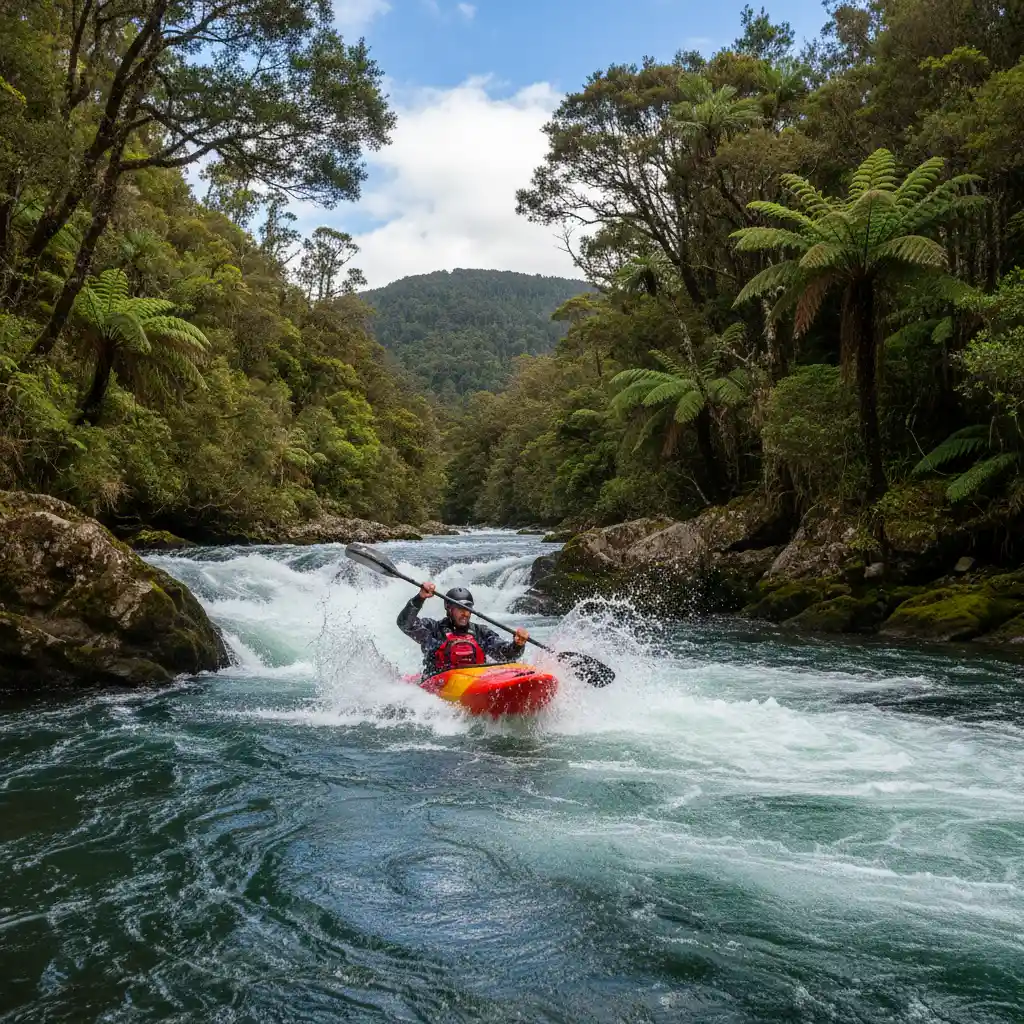
The Tarawera River is a jewel in the crown of New Zealand kayaking. It offers a rare combination of reliable flows and varying grades of difficulty. The river features a purpose-built slalom course that regularly hosts national and international competitions. For beginners, the lower sections provide a gentle introduction to moving water, while the upper reaches offer adrenaline-pumping Grade 3 and 4 rapids. The accessibility of the river means that residents can finish a shift at work and be on the water within fifteen minutes—a lifestyle perk that is hard to match elsewhere.
Tarawera Falls
A short drive on forestry roads leads to the spectacular Tarawera Falls. Here, the river does not merely flow over a cliff; it bursts from the center of a 65-meter high rock face, a geological phenomenon caused by ancient lava flows creating underground channels. The walk to the falls is an easy, scenic track through native bush, making it a popular weekend destination for families and photographers. The crystal-clear water and the thunderous sound of the falls create a sensory experience that defines the raw beauty of the region.
Mount Putauaki
Dominating the skyline is Putauaki, a dormant volcanic cone that holds deep spiritual significance for the local iwi, Ngāti Tūwharetoa (Bay of Plenty). Climbing the mountain requires a permit, as it is privately owned Māori land, but the ascent is a rite of passage for many locals. The “King of the Mountain” race, held annually, is arguably the toughest mountain race in New Zealand, challenging athletes to sprint up and down the steep slopes in grueling conditions.
Lifestyle and Community: Living in Kawerau
Moving beyond the statistics of industry and the adrenaline of sports, the day-to-day experience of living in Kawerau is defined by its climate, facilities, and community spirit.
The Microclimate Advantage
Geographically sheltered by the surrounding ranges, Kawerau enjoys a microclimate that is often warmer and drier than neighboring coastal areas. The summers are long and hot, perfect for outdoor activities, while the winters are generally mild. This climate supports flourishing gardens and allows for a lifestyle that is predominantly outdoors.
World-Class Facilities
For a town of its size, Kawerau punches well above its weight regarding public amenities. The Maurie Kjar Memorial Swimming Pool complex is a standout feature. Unlike many municipal pools, this facility is free to use and includes a large outdoor pool, thermal splash pads for children, and BBQ areas, making it the social hub of the town during summer months. The town also boasts a well-stocked library, a museum showcasing local history, and numerous parks and reserves that are meticulously maintained.
Events and Culture
The community calendar is anchored by major events that draw visitors from across the North Island. “Woodfest” is a celebration of the town’s forestry heritage, featuring woodchopping competitions, carving symposiums, and family entertainment. Christmas in the Park is another highlight, showcasing local talent and fostering a strong sense of community cohesion. The town’s rich Māori heritage is woven into the fabric of daily life, with active Marae and cultural programs that keep traditions alive and vibrant.
Why is Kawerau the Next Frontier for NZ First Home Buyers?
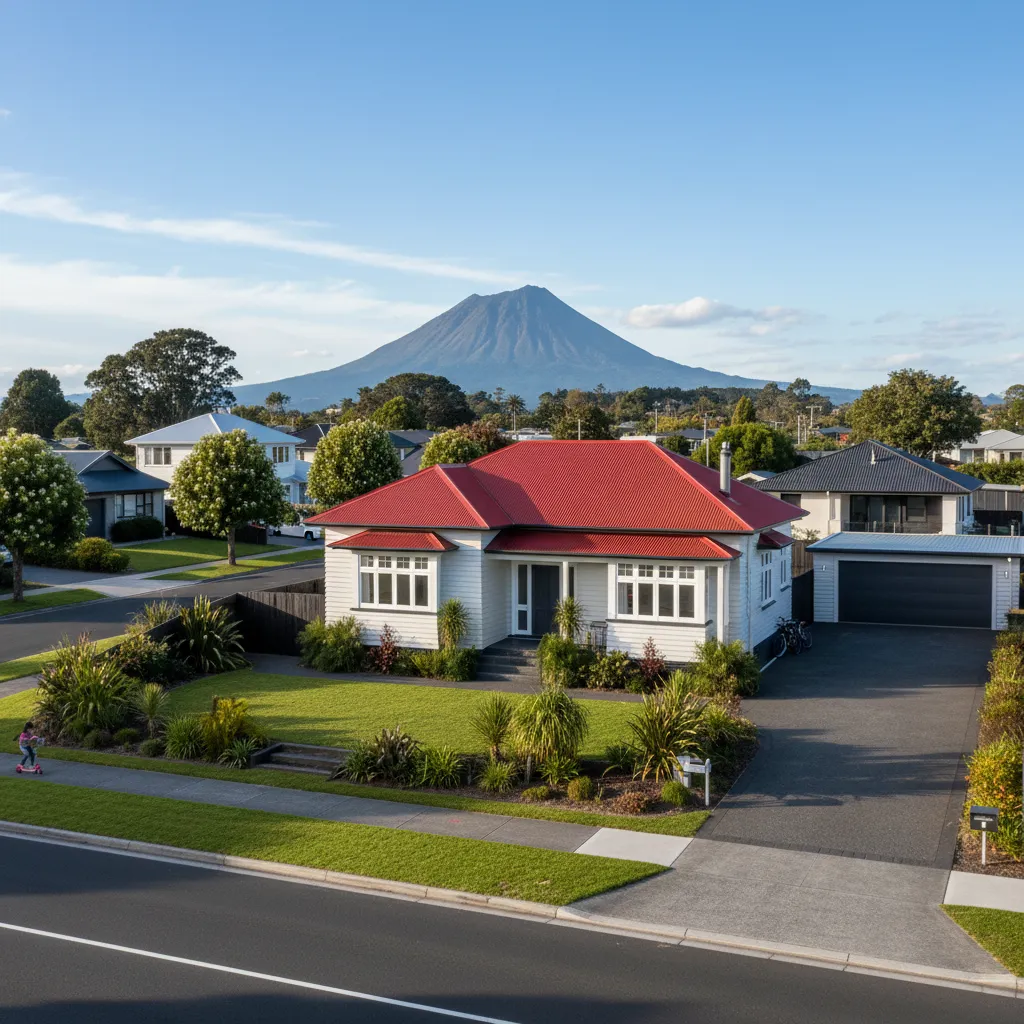
In a national housing market that has become increasingly inaccessible for many, Kawerau represents a beacon of opportunity. It is one of the few remaining places in the Bay of Plenty—and indeed New Zealand—where the “quarter-acre dream” is still attainable for first-home buyers.
Affordability vs. Accessibility
While property prices have risen in recent years, they remain significantly lower than in nearby Tauranga, Rotorua, or Whakatāne. This price differential allows young families to enter the property market without the crippling mortgage stress associated with larger cities. However, affordability does not mean isolation. Kawerau is centrally located: it is roughly 45 minutes to Rotorua, 30 minutes to Whakatāne, and an hour to Tauranga. This makes it a viable commuter base for those working in the wider region but seeking a quieter, more affordable home life.
New Developments and Housing Stock
The town was originally master-planned in the 1950s, meaning the layout is spacious, with wide streets and generous section sizes. The housing stock is solid, primarily consisting of weatherboard homes that are ripe for renovation. Recently, new developments such as the Central Cove subdivision have introduced modern, high-quality housing options to the market. These developments signal a renewed confidence in the town’s future and cater to retirees and professionals moving to the area for lifestyle reasons.
Retirement Living
Kawerau is also gaining traction as a retirement destination. The flat topography of the town makes it walkable and accessible for seniors. The combination of a warm climate, thermal pools, and a low cost of living provides an attractive proposition for those looking to downsize and free up equity for their retirement years.
Navigating Local Services: Permits, Jobs, and Amenities
For those planning a move or a visit, knowing where to find essential information is crucial. The Kawerau District Council operates with a focus on community engagement and transparency.
Council and Permits
Whether you are looking to renovate a home, start a business, or require a permit to enter forestry lands, the Kawerau District Council is the first port of call. They are known for being more accessible and less bureaucratic than larger city councils, often providing personalized advice to help residents achieve their goals. Building consents and planning information are readily available through their online portals or at the council offices on Ranfurly Court.
The Job Market
Employment in Kawerau is heavily weighted towards the industrial and trade sectors. There is a constant demand for skilled tradespeople, including millwrights, electricians, engineers, and heavy machinery operators. Support services, including logistics, administration, and healthcare, also provide significant employment. With the growth of the town, opportunities in retail and hospitality are slowly expanding. Job seekers are encouraged to look at listings for major local employers like Oji Fibre Solutions and Sequal Lumber.
Healthcare and Education
The town is serviced by a medical center, dental practices, and a pharmacy. For major hospital care, Whakatāne Hospital is a short drive away. Education is well-catered for, with several primary schools, an intermediate, and Tarawera High School, which boasts modern facilities following a major rebuild. The high school has strong links with local industry, offering pathways for students into apprenticeships and trade training.
Kawerau is more than just a town; it is a community built on resilience, energy, and a connection to the land. Whether drawn by the roar of the rapids, the steam of the geothermal fields, or the promise of an affordable home, those who choose Kawerau find a place with a big heart and a bright future in the Bay of Plenty.
People Also Ask
Is Kawerau a good place to live?
Yes, Kawerau is considered a great place to live for those seeking affordability, a strong sense of community, and outdoor lifestyle opportunities. It offers a low cost of living compared to the rest of the Bay of Plenty, a warm microclimate, and excellent free facilities like the thermal swimming pools.
What is Kawerau famous for?
Kawerau is most famous for its pulp and paper industry, its vast geothermal energy resources, and the iconic Mount Putauaki. It is also renowned for the Tarawera River, which serves as a venue for national and international whitewater kayaking competitions.
How far is Kawerau from Rotorua?
Kawerau is approximately 55 kilometers (34 miles) from Rotorua. The drive typically takes about 45 to 50 minutes via State Highway 30, making it an easy commute for work or leisure.
What industries are in Kawerau?
The primary industries in Kawerau are forestry, wood processing (pulp, paper, and timber), and geothermal energy generation. The Industrial Symbiosis Kawerau (ISK) project connects these industries to maximize efficiency and sustainability.
Can you climb Mt Putauaki?
Yes, you can climb Mt Putauaki, but you need a permit. The mountain is privately owned Māori land. Permits can be obtained from the local information center or the owners, and the climb is generally open to the public on specific dates or events like the King of the Mountain race.
What is the population of Kawerau?
As of recent estimates, the population of Kawerau hovers around 7,000 to 7,800 residents. The town has seen a stabilization and slight growth in population recently due to new housing developments and people relocating from more expensive cities.