Kawerau slalom course events encompass a prestigious series of whitewater kayaking and canoeing competitions held on the Tarawera River, ranging from local club meets to the New Zealand National Championships. These events utilize the venue’s world-class, adjustable rapid features to test athletes on speed, precision, and technical skill in a spectator-friendly environment located at Firmin Field.
The National Significance of the Tarawera Course
The Tarawera River, flowing through the heart of the Bay of Plenty, is more than just a scenic waterway; it is the lifeblood of New Zealand’s whitewater slalom community. The Kawerau slalom course is widely regarded as one of the premier venues in the Southern Hemisphere, offering a unique combination of reliable water flow, technical complexity, and accessibility.
Unlike many natural river courses that rely heavily on rainfall, the Tarawera River benefits from a consistent flow regime, partly due to the geological stability of the region and the management of the waterways. This reliability makes it a preferred destination for high-stakes competitions. Athletes know that when they travel to Kawerau, the water levels will be sufficient for world-class racing.
The venue holds a storied place in New Zealand sporting history. It has played host to countless National Championships, selection trials for Olympic teams, and major international events, including World Cup races. For aspiring Olympians, the “road to the podium” often runs directly through the rapids of Firmin Field. The course is designed to mimic the heavy, aerated water found on European circuits, providing Kiwi athletes with a training ground that prepares them for the rigors of international competition.

Infrastructure and Accessibility
One of the defining features of the Kawerau course is its infrastructure. The site is equipped with permanent gate wires and adjustable features that allow course designers to alter the difficulty of the rapids. This versatility means the river can host a developmental camp for teenagers in the morning and a high-performance elite race in the afternoon.
Furthermore, the integration of the course into the Firmin Field reserve means that logistics for events are streamlined. There is ample space for athlete staging, boat storage, and camping, creating a “village atmosphere” during major regattas that is rare in the sport. This accessibility fosters a strong sense of community, where elite athletes mingle with juniors, sharing tips and encouragement.
Upcoming Slalom Competition Calendar
The calendar of Kawerau slalom course events is robust, typically operating year-round but peaking during the warmer months. While specific dates shift annually, the rhythm of the season generally follows a predictable structure that enthusiasts and spectators can plan around.
New Zealand Canoe Slalom National Championships
The crown jewel of the Kawerau calendar is undoubtedly the National Championships. Usually held around Easter or early autumn, this multi-day event draws competitors from across New Zealand and often attracts international athletes looking to extend their training season. The Nationals are not merely a race; they are a festival of paddling.
During this week, the river is a hive of activity. Categories range from K1 (single kayak) and C1 (single canoe) to the exciting C2 (double canoe) mixed teams. The competition determines national rankings and is the primary selection venue for the New Zealand teams traveling to World Cups and World Championships. The intensity is palpable, as fractions of a second often separate victory from defeat.
NZ Secondary School Championships
Another massive event for the region is the Secondary School Championships. This event brings hundreds of students, parents, and support staff to Kawerau. It serves as the grassroots pipeline for the sport, introducing young talent to competitive racing. The atmosphere is electric, characterized by school chants, high energy, and the raw determination of young athletes mastering the river.
Kayak Cross (Extreme Slalom) Events
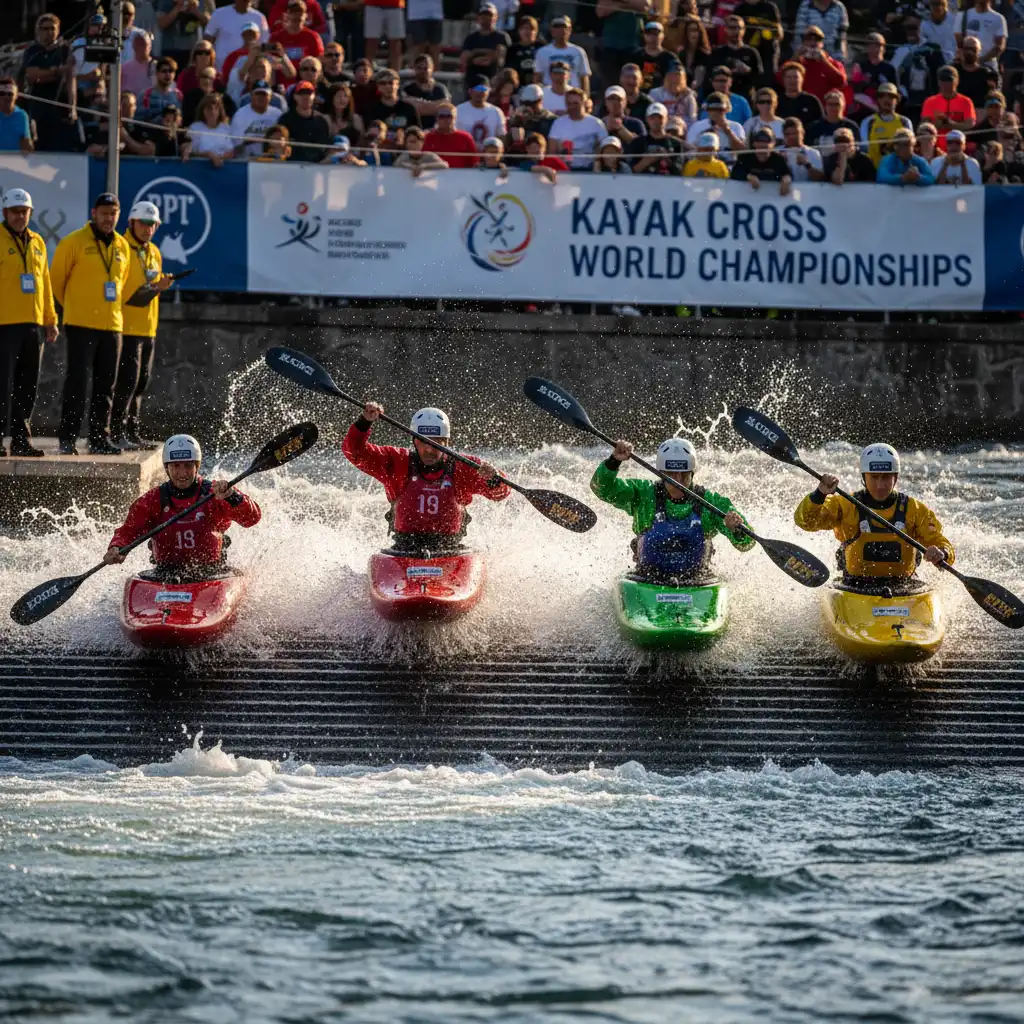
With the inclusion of Kayak Cross (formerly Extreme Slalom) in the Olympic program, Kawerau has adapted to host these high-adrenaline events. Unlike traditional timed runs, Kayak Cross involves four athletes racing simultaneously down the course, navigating compulsory roll zones and contact is permitted. These events are becoming a staple of the Kawerau calendar due to their high entertainment value.
Spectator Viewing Points & Experience
For those new to the sport, Canoe Slalom is thrilling to watch, and Kawerau offers some of the best spectator access in the world. Unlike many sports where the action is distant, at the Tarawera River, you are meters away from the athletes.
Where to Stand
The Footbridge: There is a footbridge spanning the lower section of the course that provides a bird’s-eye view of the finish line. This is the perfect spot to watch the final sprint, where athletes are exhausted but must maintain perfect technique to avoid touching the final gates.
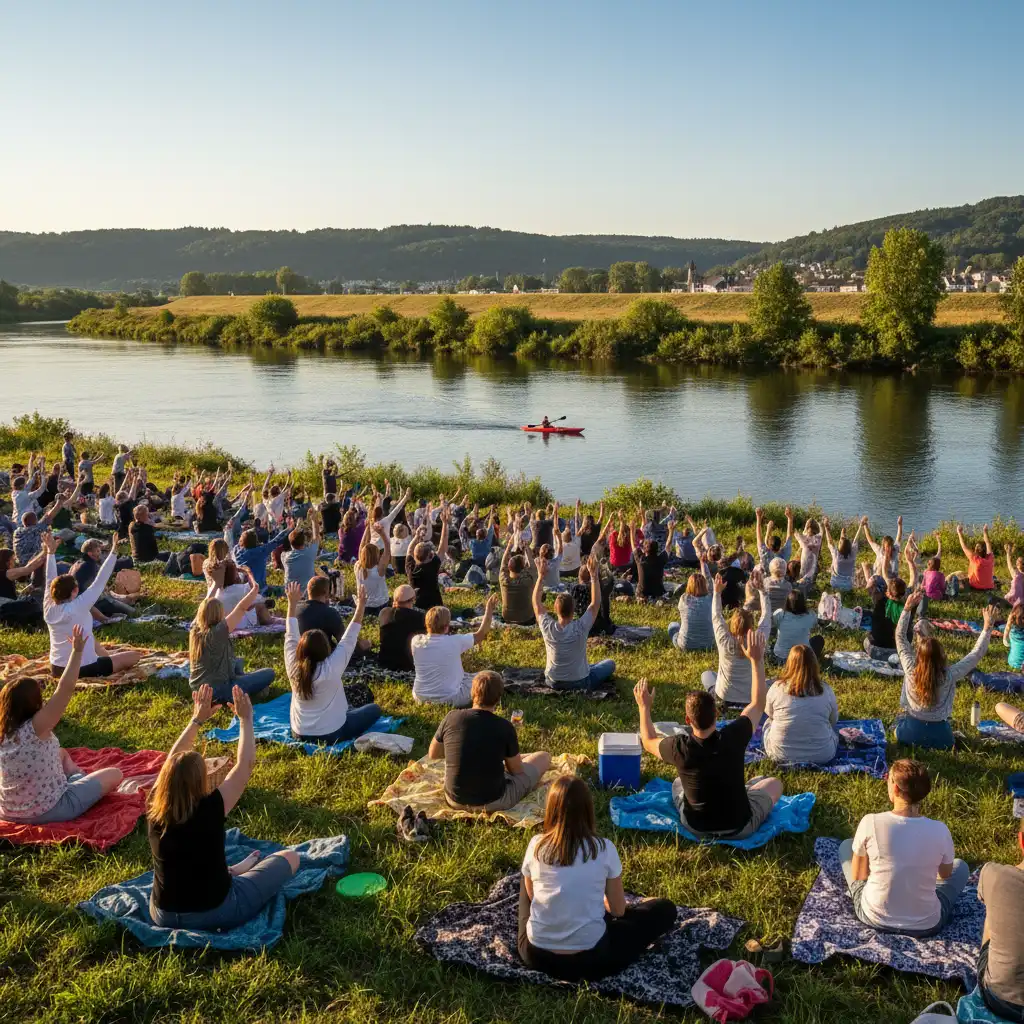
The Riverbanks at Firmin Field: The entire length of the course is flanked by grassy banks. Visitors can bring picnic blankets or camping chairs and set up for the day. The “top section” usually contains the most turbulent water and the most difficult gate combinations, making it a hotspot for dramatic moves and occasional capsizes.
The Commentary Booth Area: During major events, a PA system provides live commentary. Sitting near the announcers is helpful for understanding the rules, penalties (2 seconds for a touch, 50 seconds for a miss), and the split times of the racers.
Tips for the Day
- Bring Binoculars: While the action is close, binoculars help you see the upstream gate negotiations in detail.
- Sun Protection: The Bay of Plenty sun can be harsh. Hats and sunscreen are mandatory.
- Food and Drink: While major events often have food trucks, packing a picnic is a popular local tradition.
Understanding the Course: Technical Challenges
To truly appreciate Kawerau slalom course events, one must understand the difficulty of the venue. The course is rated Grade 2/3, meaning it features irregular waves, small drops, and eddies that require precise boat control.
The Art of Course Design
For every event, the gates (green for downstream, red for upstream) are moved to create a new path. This ensures that home-course advantage is minimized and tests the athlete’s adaptability. The Kawerau course is famous for its “stoppers”—hydraulic features where water recirculates. Course designers often place upstream gates right in these stoppers, forcing paddlers to sprint against the current while surfing a wave.
“The Falls”
The most iconic feature of the course is a drop often referred to as “The Falls” or the main rapid. Entering this section requires perfect line and speed. If an athlete enters too slowly, the boil at the bottom can spin the boat off course, resulting in missed gates. If they enter too fast, they might wash past the next upstream gate. Watching how different categories (K1 vs C1) handle this feature is a highlight of any event.
How to Join the Local Kayaking Community
The Kawerau slalom course is not just for elites; it is the home of a vibrant local community. The primary organization driving activity on the river is the Tarawera Whitewater Canoe Club.
Starting Your Journey
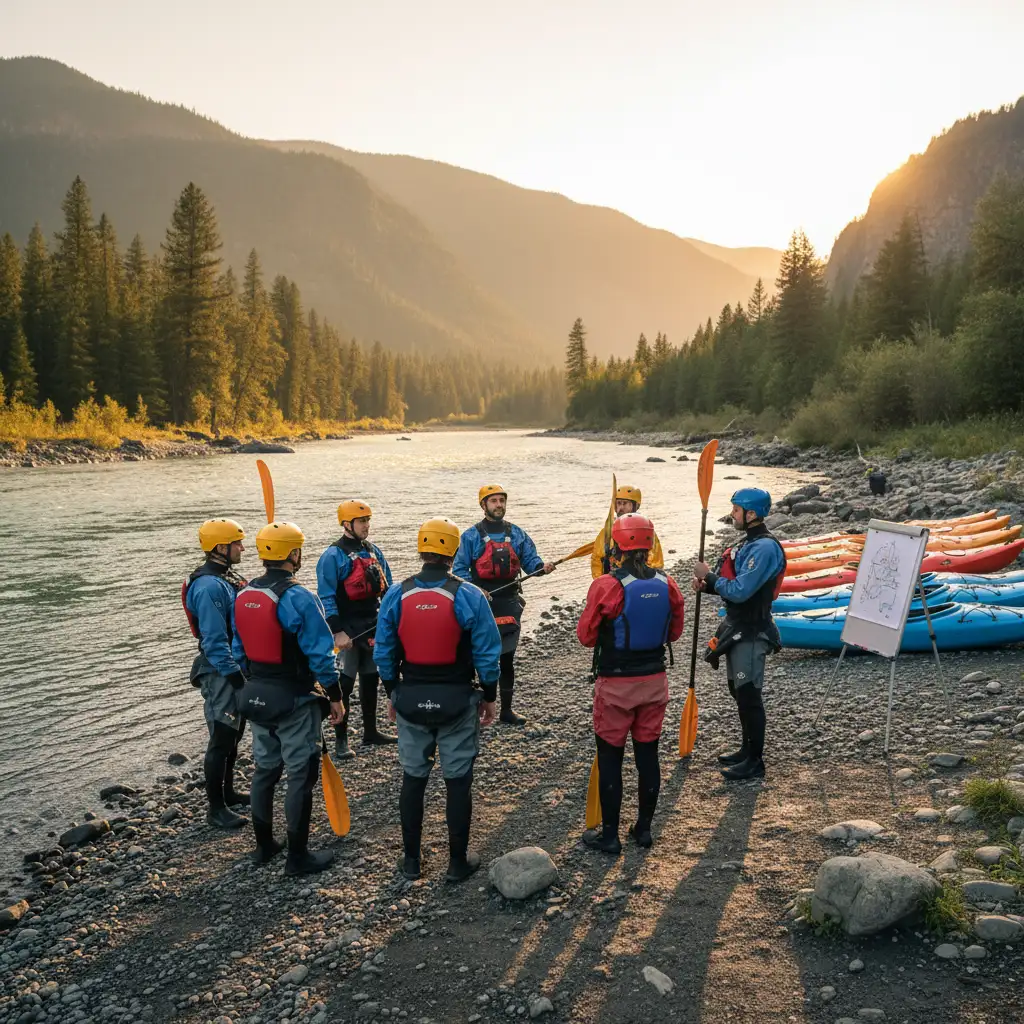
If you are inspired by the events and want to try paddling, the local club offers “Have a Go” days and beginner courses, usually running in the summer months. These programs provide:
- Equipment Rental: Kayaks, paddles, helmets, and buoyancy aids are provided, removing the barrier of expensive gear.
- Safety Instruction: Learning to roll (right yourself after capsizing) and wet exit is the first step.
- Flatwater Training: Beginners start on the calm sections of the river before progressing to the moving water of the slalom course.
Volunteering Opportunities
Events cannot run without volunteers. Even if you don’t paddle, you can join the community by becoming a gate judge. Gate judging is the best seat in the house. You receive training on how to spot touches and misses, and you play a critical role in the fairness of the competition. It is a fantastic way to meet locals and contribute to the region’s sporting culture.
Kawerau’s Role as an Adventure Lifestyle Hub
The slalom course is a cornerstone of Kawerau’s identity as an adventure destination. The events held here bring significant economic benefits to the town, filling motels, cafes, and shops with visitors. But beyond economics, it contributes to the lifestyle appeal of the Eastern Bay of Plenty.
For residents, having a world-class facility on their doorstep encourages an active, outdoor lifestyle. It provides a pathway for local youth to engage in a disciplined, nature-based sport that builds resilience and confidence. The symbiotic relationship between the town and the river ensures that the Kawerau slalom course will remain a center of excellence for decades to come.
Whether you are a seasoned paddler aiming for the Olympics, a family looking for a thrilling weekend outing, or a local resident looking to try something new, the Kawerau slalom course events offer something for everyone. Check the Canoe Slalom New Zealand website for the latest official schedule and plan your visit to the banks of the Tarawera.
People Also Ask
When are the NZ Canoe Slalom Nationals held in Kawerau?
The New Zealand Canoe Slalom National Championships are typically held in late summer or early autumn, often falling around Easter weekend. However, dates can vary slightly year to year, so it is best to check the official Canoe Slalom New Zealand calendar.
Is the Kawerau slalom course suitable for beginners?
The course itself is rated Grade 2/3, which requires intermediate skills to navigate safely. However, there are flatwater sections nearby and the local club offers beginner programs on calmer water to help new paddlers build the skills necessary to eventually tackle the course.
Do I need to pay to watch events at the Kawerau slalom course?
Generally, no. Most slalom events held at Firmin Field, including the National Championships, are free for spectators. The venue is a public reserve, allowing easy access to the riverbanks for viewing.
Where is the Kawerau slalom course located?
The course is located on the Tarawera River at Firmin Field, Waterhouse Street, Kawerau. It is easily accessible by car with parking available within the reserve.
What is the difference between K1 and C1 events?
K1 stands for Kayak Single, where the athlete sits with a double-bladed paddle. C1 stands for Canoe Single, where the athlete kneels in the boat and uses a single-bladed paddle. Both disciplines race on the same course but require different techniques.
How can I sign up for a kayaking course in Kawerau?
To sign up for courses, you should contact the Tarawera Whitewater Canoe Club directly. They have a Facebook page and website where they post information about upcoming “Have a Go” days, club nights, and skills training sessions.