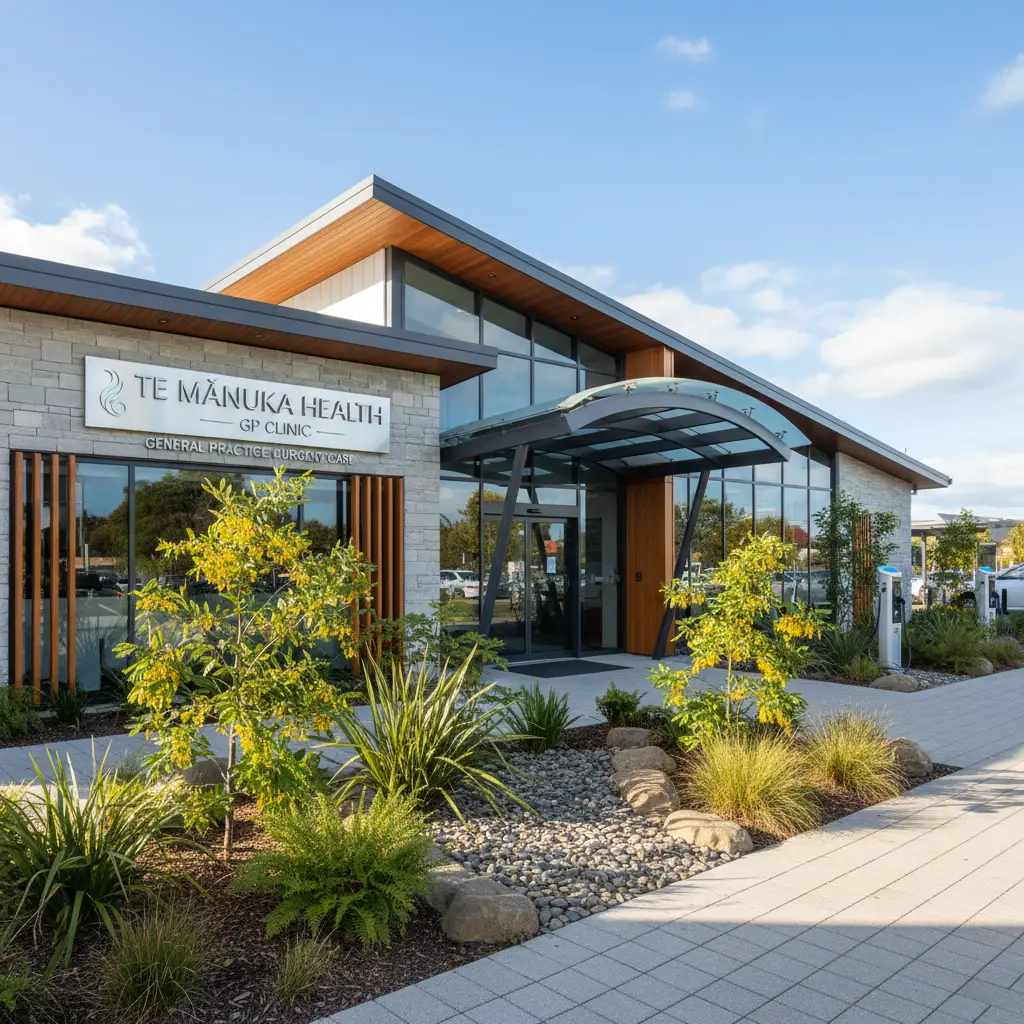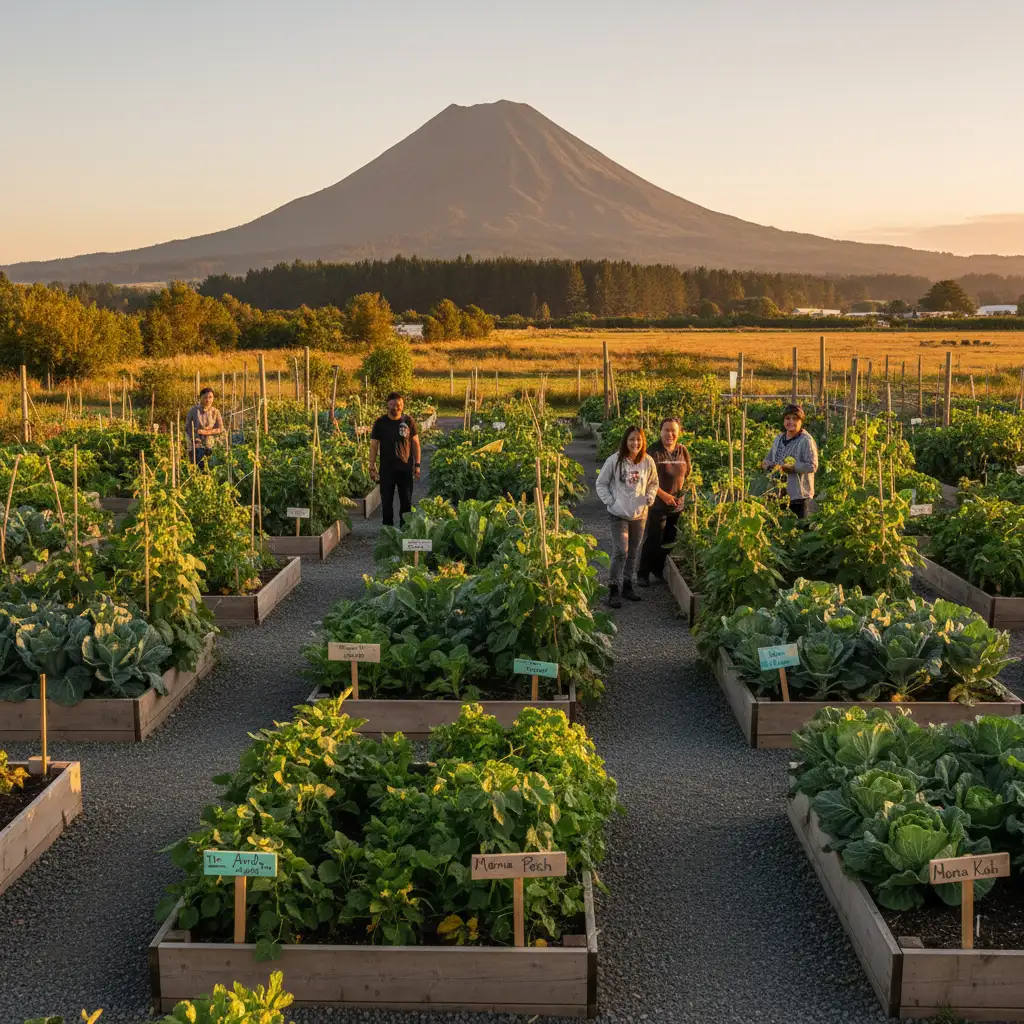
Community safety and schools in Kawerau are deeply interconnected through a collaborative “whānau-first” approach. Local educational institutions partner with iwi, community patrols, and police to create secure learning environments. This network ensures that student well-being extends beyond the classroom, utilizing pastoral care systems and strong vocational pathways to foster a stable, supportive, and safe community for youth development.
The Educational Landscape of Kawerau
Kawerau, situated in the heart of the Bay of Plenty, offers a unique educational environment that contrasts sharply with larger metropolitan areas. The town’s education sector is characterized by a high degree of cultural responsiveness, strong community integration, and a clear focus on pathways to local industry. For families considering a move to the region, understanding the synergy between community safety and schools in Kawerau is paramount.
Schools in Kawerau serve as community hubs, often acting as the center point for social services, cultural events, and community meetings. This integration helps foster a safer environment, as the “village raises the child” philosophy is practically applied rather than just theoretically discussed.
From early childhood centers that emphasize Te Whāriki (the New Zealand Early Childhood Curriculum) to a modern secondary school with direct links to the geothermal and forestry industries, the region offers a comprehensive learning journey. The recent investments in school infrastructure, particularly the rebuilding of Tarawera High School, signal a strong commitment from the Ministry of Education to the region’s future.

Directory of Local Primary Schools
Primary education in Kawerau is diverse, offering families choices between mainstream English-medium education, bilingual units, and full immersion regarding Te Reo Māori. These schools are fundamental in establishing the values of community safety and respect early in a child’s life.
Kawerau South School
Kawerau South School is a significant educational provider in the district, catering to students from Year 1 to Year 6. The school prides itself on its “HERO” values—Honesty, Excellence, Respect, and Ownership. These values are directly tied to maintaining a safe school culture. The curriculum is broad, with a strong emphasis on literacy and numeracy, supported by digital learning initiatives. The school grounds are expansive, offering safe play areas that are well-monitored, contributing to the overall sense of security for parents.
Kawerau Putauaki School
While detailed further in the next section, Kawerau Pūtauaki School serves as a cornerstone for those seeking a strong cultural grounding alongside academic pursuit. It is a full primary school that often acts as a bridge between early childhood and the secondary years, focusing heavily on identity and belonging as key drivers for student safety and success.
Te Whata Tau o Putauaki
For families dedicated to Kura Kaupapa Māori (Māori-medium education), this institution provides an environment where Te Reo Māori is the principal language of instruction. The philosophy here is deeply rooted in Māori worldviews, which inherently promote collective responsibility and safety. By strengthening cultural identity, the school fosters confident students who are less likely to engage in anti-social behavior, thereby contributing to broader community safety.
Spotlight: Kawerau Pūtauaki School Overview
Kawerau Pūtauaki School deserves specific attention due to its unique position in the community. Formed through the merger of previous local schools, it represents a modernized approach to primary education in the district. The school is named after the majestic mountain that watches over the town, symbolizing stability and aspiration.
Curriculum and Culture
The school operates with a dual focus: academic excellence and cultural competence. Teachers utilize a localized curriculum that draws on the rich history and geography of the Kawerau region. This engages students by making learning relevant to their daily lives. When students feel connected to their environment, engagement levels rise, and truancy—a key risk factor for youth safety—decreases.
Pastoral Care and Safety
Kawerau Pūtauaki School has implemented robust pastoral care systems. They understand that a hungry or distressed child cannot learn. Consequently, the school participates in government-funded lunch programs and collaborates with local health providers to ensure students’ physical and mental needs are met. This holistic care is a critical component of the community safety and schools Kawerau ecosystem, ensuring that vulnerable children are supported rather than marginalized.
Secondary Education and Vocational Links
As students graduate from primary school, the focus shifts toward career readiness and young adult development. Kawerau’s strategy for secondary education is heavily linked to the economic drivers of the region.
Tarawera High School
Tarawera High School is the primary provider of secondary education in the town. Following a massive multi-million dollar redevelopment, the school boasts state-of-the-art facilities that rival any in New Zealand. The modern learning environments (MLEs) are designed to be open and transparent, which naturally discourages bullying and promotes a safe, collaborative atmosphere.
Key Features of Tarawera High School:
- Modern Infrastructure: The open-plan design and glass-walled breakout rooms allow for high visibility, enhancing student safety and teacher supervision.
- Teen Parent Unit: The school hosts a unit that supports young parents, allowing them to continue their education in a safe, supportive environment while their children are cared for nearby. This is a crucial social safety net for the community.
- Services Academy: This program prepares students for careers in the armed forces, police, and emergency services. It instills discipline, physical fitness, and community spirit—directly contributing to the town’s future safety leadership.
Vocational Pathways and Industry Connection
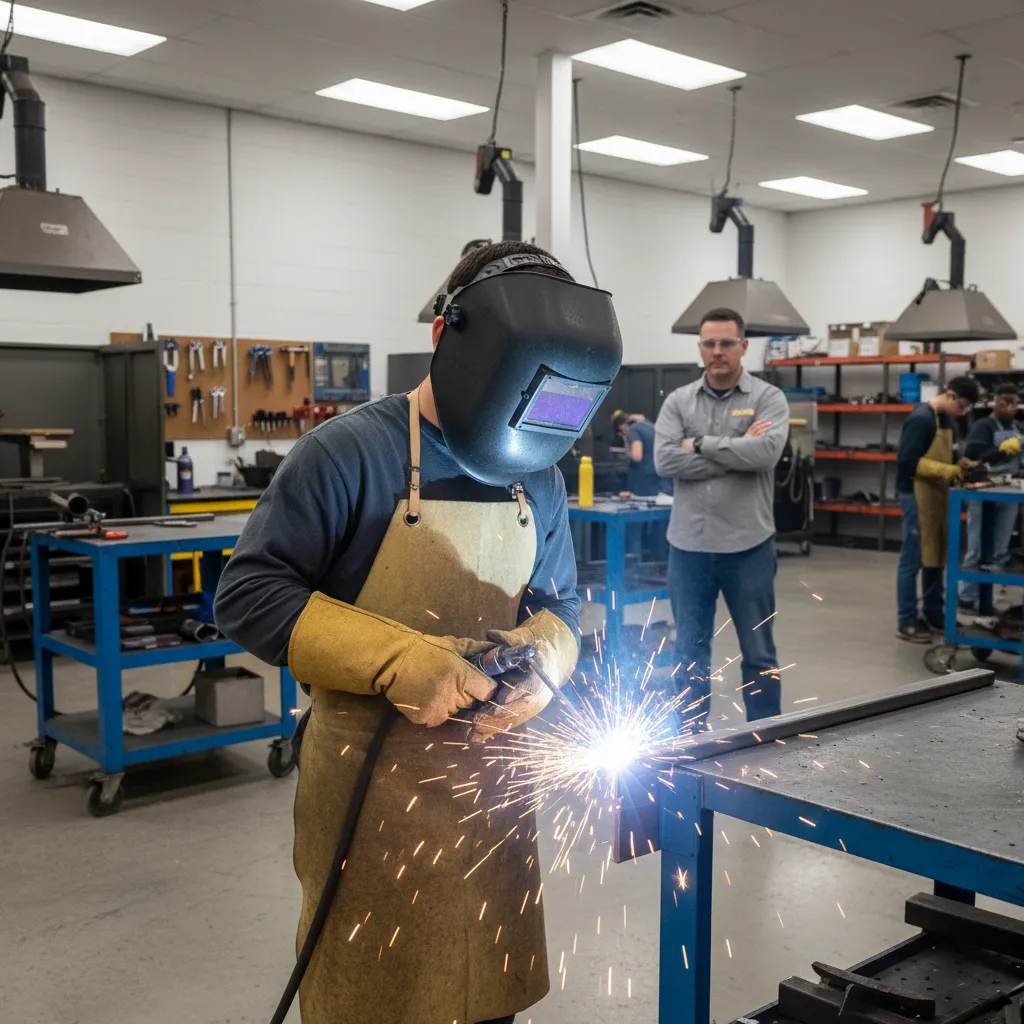
Kawerau is an industrial powerhouse, home to major forestry and geothermal operations. The education sector leverages this through organizations like Toi-EDA (Eastern Bay of Plenty Economic Development Agency). Schools facilitate “Gateway” programs where students spend time in actual workplaces.
This direct pipeline from school to employment is a massive factor in community safety. When youth have clear, attainable career paths in their hometown, youth unemployment drops, and social stability increases. The “Industrial Symbiosis Kawerau” (ISK) project often partners with educational bodies to highlight career opportunities in engineering, logistics, and sustainable energy.
Early Childhood Education Centers
The foundation of a safe community begins before primary school. Kawerau is well-serviced by a variety of Early Childhood Education (ECE) centers. These centers provide the first layer of socialization for children, teaching them how to interact safely and respectfully with peers.
Notable ECE Providers include:
- Central Kids Kindergartens: Known for their “learning through play” philosophy and strong environmental focus (Enviroschools).
- Te Kōhanga Reo: There are several Kōhanga Reo in the district, providing total immersion in Māori language and culture. These centers are vital for preserving culture and instilling a strong sense of identity from birth.
- Private Daycare Centers: Various private operators offer full-day care, supporting working parents and ensuring children are in safe, supervised environments during the workday.
Community Safety and School Initiatives
When analyzing community safety and schools in Kawerau, it is impossible to separate the institutions from the town’s social fabric. The perception of safety in Kawerau has evolved significantly, driven by proactive collaboration between schools and safety agencies.
The “Safe School” Zones
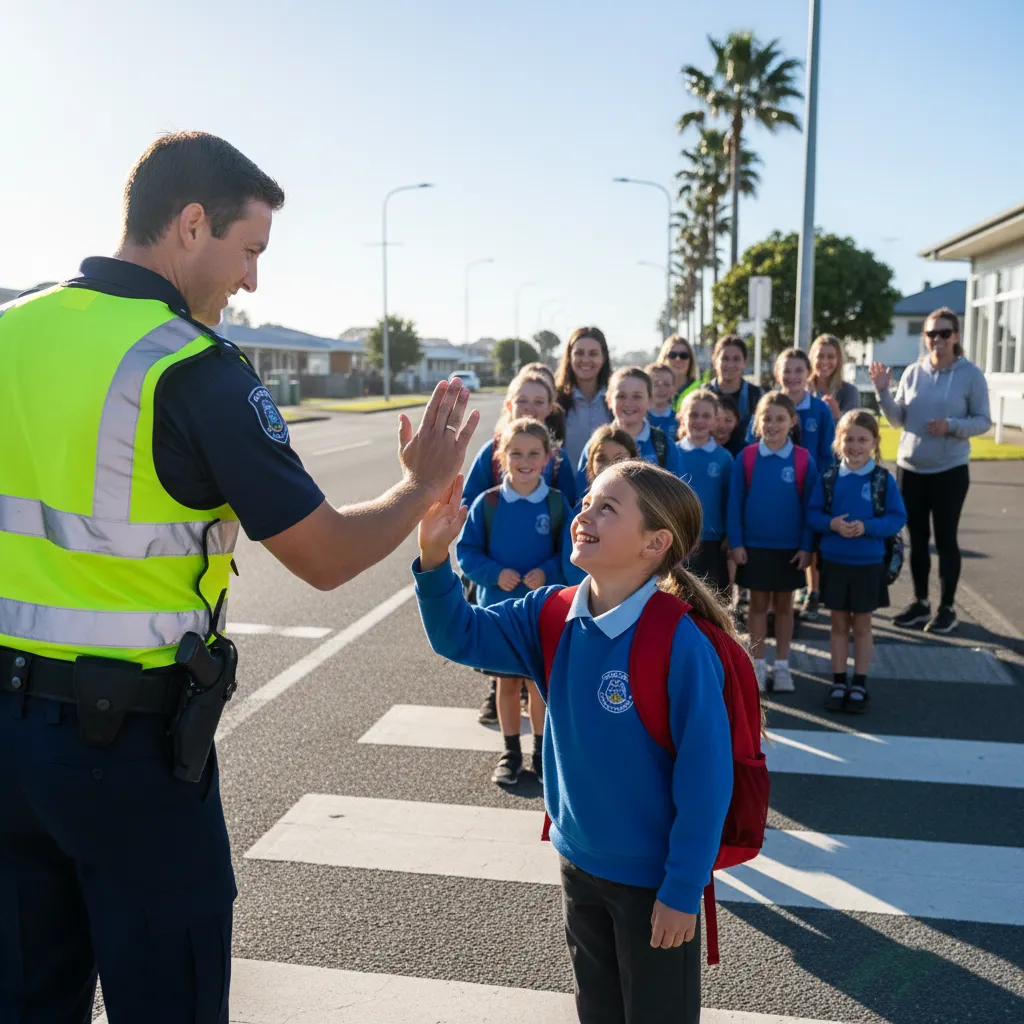
Kawerau District Council, in conjunction with the police, maintains strict speed zones and monitored crossings around all schools. However, safety goes beyond traffic management. The “Blue Light” initiatives often see police interacting with students in positive, non-enforcement capacities (such as sports days or breakfast clubs), breaking down barriers and building trust.
Truancy and Youth Engagement
Truancy is often a precursor to youth crime. Kawerau schools employ dedicated attendance officers and pastoral support teams to identify why a student is absent. Is it a safety issue at home? Is it a lack of transport? By addressing the root cause rather than just punishing the absence, schools keep youth off the streets and in safe learning environments.
Digital Safety
With the rise of digital learning, Kawerau schools have also had to become guardians of digital safety. Utilizing the “Network for Learning” (N4L) managed network, schools ensure that students are protected from harmful content while on school grounds. Furthermore, community education nights are often held to help parents understand cyber safety, extending this protection into the home.
Future Growth: Education as a Pillar
Kawerau is currently experiencing a period of revitalization. As housing prices in nearby Tauranga and Whakatāne soar, more families are looking to Kawerau as an affordable lifestyle hub. This demographic shift places education at the forefront of the town’s growth strategy.
The continued investment in educational facilities acts as a magnet for new residents. A town with modern, safe, and culturally rich schools attracts skilled workers for the local industries. As the population grows, the tax base for further school improvements expands, creating a virtuous cycle of improvement.
Furthermore, the emphasis on sustainable industry training within schools positions Kawerau youth to be leaders in the green economy. Whether it is geothermal energy management or sustainable forestry, the curriculum is evolving to meet global needs, ensuring that the students of today are the secure, employed, and safety-conscious citizens of tomorrow.
In conclusion, the narrative of community safety and schools in Kawerau is one of resilience, partnership, and modernization. The schools are not isolated fortresses but are woven into the community, acting as the primary engines for social cohesion and safety.
What are the main secondary schools in Kawerau?
The primary secondary education provider is Tarawera High School. It is a modern co-educational school catering to Years 7-13, featuring state-of-the-art facilities and strong vocational pathways linked to local industries.
How do Kawerau schools handle bullying and safety?
Kawerau schools utilize a restorative justice approach and Positive Behaviour for Learning (PB4L) frameworks. They prioritize pastoral care, culturally responsive support, and strong whānau engagement to resolve conflicts and maintain a safe environment.
Are there Māori immersion schools in Kawerau?
Yes, Kawerau offers strong Māori medium education options. This includes Te Kōhanga Reo for early childhood and Kura Kaupapa Māori options, as well as bilingual units within mainstream primary schools like Kawerau South School.
What vocational training is available for students in Kawerau?
Students have access to Gateway programs and trade academies that partner with major local industries, including forestry, engineering, and geothermal energy. Organizations like Toi-EDA help facilitate these pathways to employment.
Is there a bus service for school children in Kawerau?
Yes, there are school bus services available, particularly for students living on the outskirts of the town or traveling to specific schools. Most of the town is also compact enough to be walkable, with monitored crossings enhancing safety.
What support is available for students with special needs?
Kawerau schools are inclusive and receive funding for Learning Support. Tarawera High School and local primary schools have dedicated Learning Support Coordinators (LSCs) and teacher aides to assist students with diverse learning requirements.