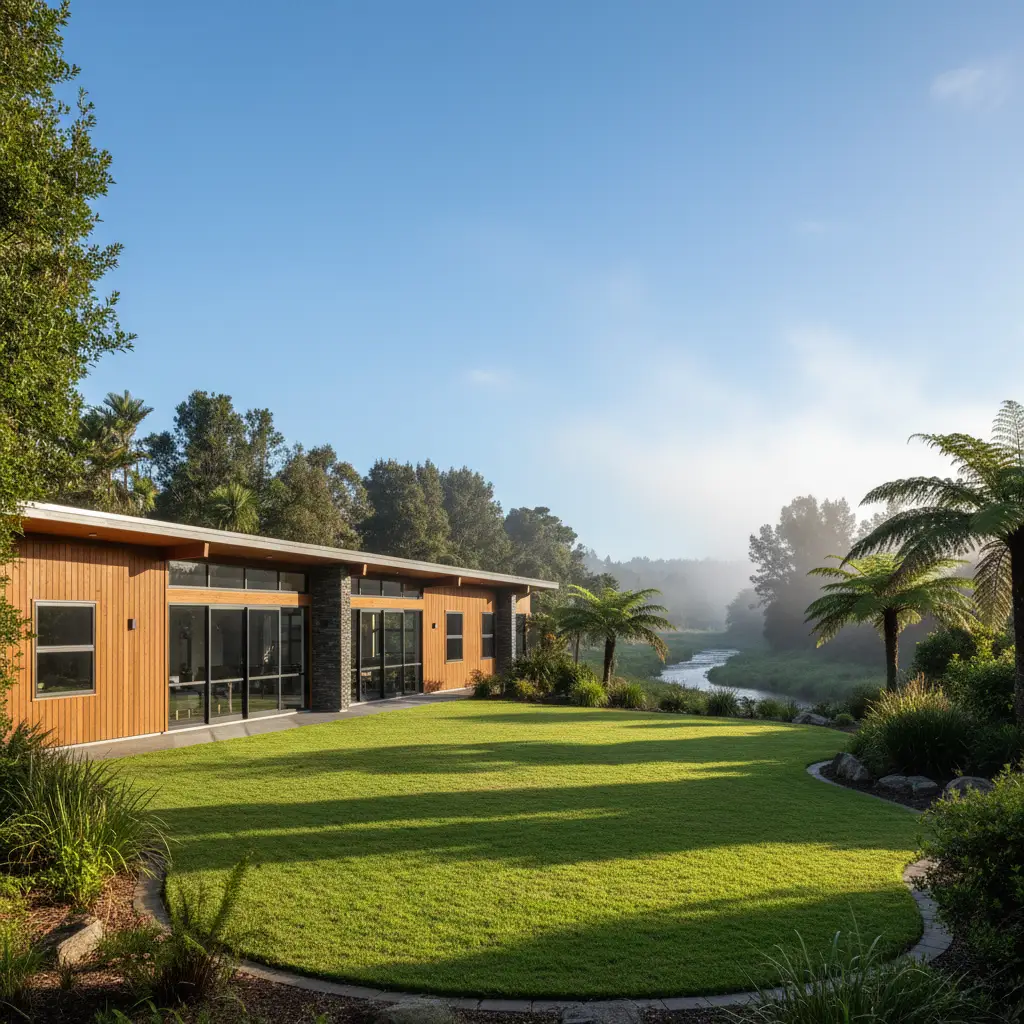
The Kawerau property market is currently undergoing a dynamic transformation, shifting from a traditional industrial stronghold to an emerging lifestyle and investment hub in the Bay of Plenty. Driven by comparative affordability, high rental yields, and a strategic rebranding towards tourism and logistics, the market offers significant capital growth potential for investors and accessible entry points for first-home buyers.
Once defined solely by its timber and paper industries, Kawerau is rapidly rebranding itself as the “heart of the Bay of Plenty.” This shift is not merely cosmetic; it is backed by substantial infrastructure investment, commercial development, and a growing recognition of the district’s natural assets. For property investors and prospective homeowners, understanding the nuances of this market—from median price history to future growth catalysts—is essential for making informed decisions in 2024 and beyond.
What is the Current State of the Kawerau Property Market?
The Kawerau property market is characterized by high demand for affordable housing stock relative to the soaring prices seen in neighboring Whakatāne and Tauranga. Historically viewed as a single-industry town, the market has matured into a diverse landscape where retirees, remote workers, and investors compete for solid 1950s-era weatherboard homes.
Currently, the market is stabilizing after the post-COVID boom. While volume has normalized, values hold firm due to a structural shortage of housing in the wider Bay of Plenty region. The “commercial” intent of the market is shifting; it is no longer just about cheap cash-flow properties. There is a concerted move towards renovating older stock to meet the “Healthy Homes” standards, attracting a higher caliber of tenant drawn to the town’s rebranding as an adventure and lifestyle destination.
How Have Median House Prices in Kawerau Changed?
To understand the future, we must analyze the trajectory of the past decade. Kawerau was once known as one of New Zealand’s most affordable towns, with median prices hovering well below $200,000 in the early 2010s. However, the last five to seven years have seen a dramatic recalibration of value.
The Boom of 2016-2021
Between 2016 and 2021, Kawerau experienced some of the highest percentage capital gains in the country. This was driven by the “ripple effect” from Tauranga and Whakatāne. As prices in main centers became untenable, capital flowed into peripheral towns. Kawerau, with its solid infrastructure and incredibly low entry price, became a prime target. During this period, median prices more than doubled, rewarding early investors with substantial equity.
Current Market Stabilization
In the current economic climate of higher interest rates, Kawerau’s price growth has moderated, aligning with national trends. However, unlike premium markets that saw sharp corrections, Kawerau’s lower price point provides a buffer. The median house price now sits in a bracket that remains accessible to Kiwisaver-backed first-home buyers, ensuring a consistent floor of demand that prevents drastic value erosion.
Who is Buying in Kawerau and Why?
The demographic profile of buyers in Kawerau has shifted significantly, moving away from purely speculative investors to a mix of owner-occupiers and long-term strategists.
The Auckland and Tauranga Exodus
A significant portion of market demand comes from “internal migration.” Retirees cashing out of high-value markets like Auckland or Tauranga can purchase a mortgage-free home in Kawerau and retain a substantial nest egg. This demographic values the town’s flat geography, warmer climate, and proximity to healthcare services in Whakatāne.
First-Home Buyers
With deposit requirements being a major barrier to entry nationwide, Kawerau remains one of the few places in the North Island where a freehold, standalone three-bedroom home is attainable for under $500,000. This affordability attracts young families willing to commute to Whakatāne or Rotorua for work, or those employed in local industries.
How is Tourism and Rebranding Affecting Real Estate?
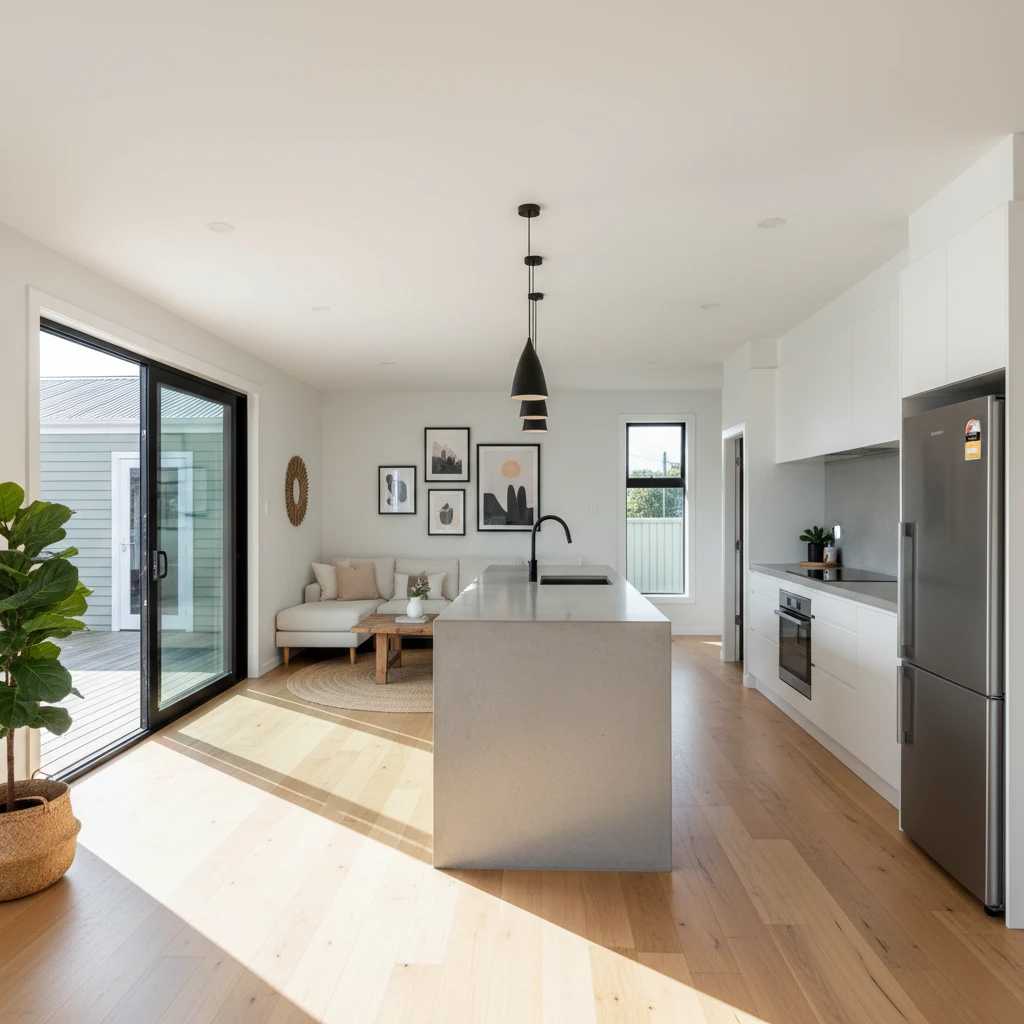
This is the most critical commercial pivot for the town. The local council and stakeholders have aggressively moved to rebrand Kawerau from a “Mill Town” to an “Adventure Capital.” This rebranding directly impacts property values by altering the perception of livability and desirability.
From Industry to Lifestyle
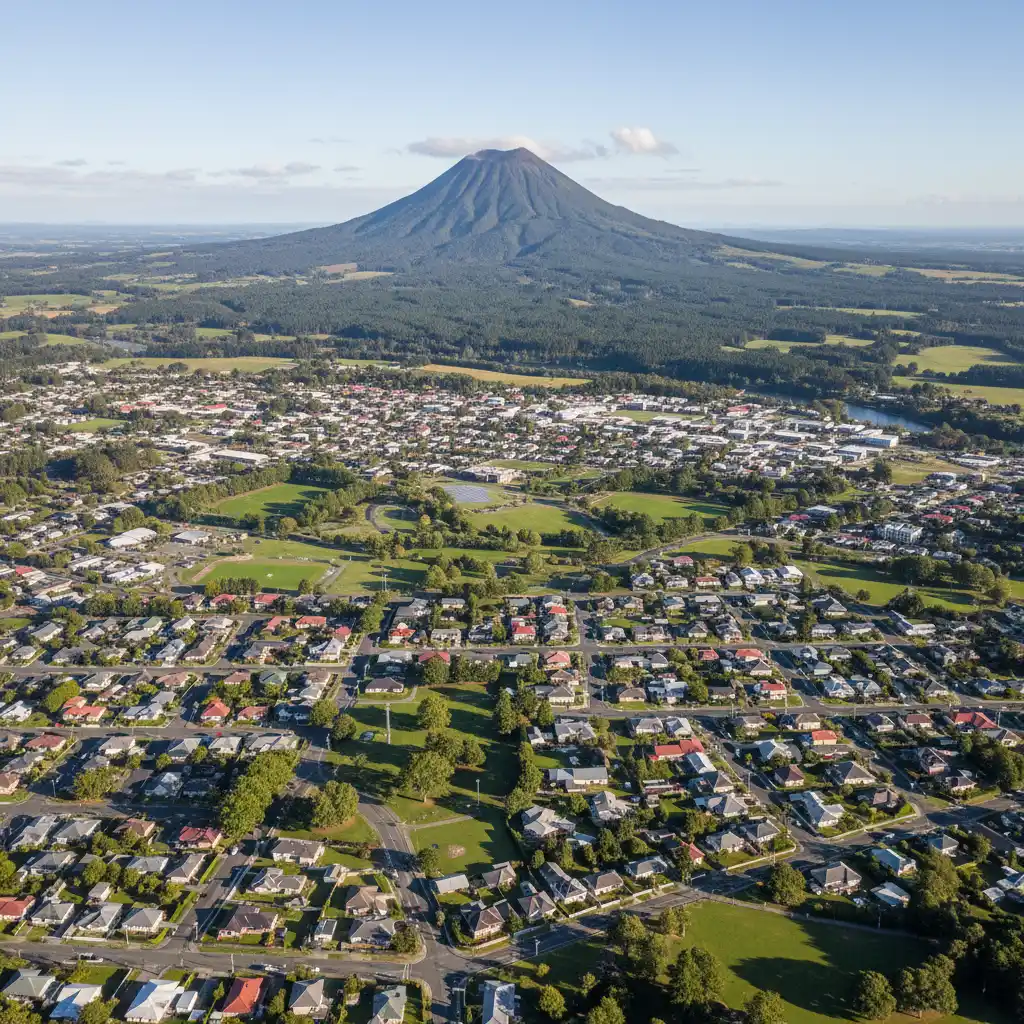
The perception of a town dictates its property ceiling. By highlighting assets like the Tarawera River (famous for white water kayaking), the extensive forest trail networks, and the free thermal hot pools, Kawerau is attracting a demographic interested in lifestyle. Real estate marketing now frequently features kayaks, mountain bikes, and mountain views rather than just focusing on rental returns. This “lifestyle premium” is slowly being baked into property prices, particularly for homes bordering green spaces or with views of Mount Putauaki.
The Airbnb and Short-Term Rental Potential
As tourism infrastructure grows, so does the potential for short-term accommodation. While currently a niche market, the demand for high-quality short-term stays for contractors, event attendees (such as the King of the Mountain race), and adventure tourists is rising. Investors are beginning to see value in renovating properties specifically for this higher-yield commercial purpose.
What Are the Future Growth Drivers for Kawerau?
Future capital growth in Kawerau will be underpinned by tangible economic developments rather than just sentiment. Several large-scale projects promise to bring jobs and logistical importance to the district.
The Kawerau Container Terminal (KCT)
The development of the inland container terminal is a game-changer. By linking the district directly to the Port of Tauranga via rail, Kawerau solidifies its position as a logistics hub. This development brings commercial resilience, ensuring that the local economy is not solely reliant on the processing of timber. For the property market, this means job security and a steady influx of workers needing accommodation.
Putauaki Trust Industrial Developments
The Putauaki Trust has been instrumental in developing industrial zones that attract new businesses. This commercial expansion creates a circular economy within the town. More businesses mean more employment, which drives rental demand and reduces vacancy rates. The industrial zone’s growth ensures that Kawerau remains a working town, not just a dormitory suburb.

Is Kawerau a Good Investment for Rental Yields?
For cash-flow focused investors, Kawerau remains a standout performer. The ratio of house price to weekly rent is generally more favorable here than in main centers.
Yield vs. Capital Gains
While the explosive capital gains of the 2016-2021 era may have leveled off, the yield story remains strong. Rents have risen consistently due to the shortage of compliant rental stock. Investors who purchase unrenovated stock and add value through modernization (new kitchens, heat pumps, insulation) can achieve yields that are difficult to find in Tauranga or Auckland.
Commercial Real Estate Opportunities
Beyond residential, the commercial sector in Kawerau presents opportunities. As the population stabilizes and tourism grows, there is increasing demand for service-based commercial premises—cafes, retail, and professional services. The town center redevelopment plans aim to revitalize the CBD, potentially offering entry-level commercial investments.
What Risks Should Investors Consider?
No investment analysis is complete without a review of potential downsides. Kawerau, despite its potential, carries specific risks.
Socio-Economic Factors
Kawerau has historically had higher indices of deprivation compared to the national average. While this is changing with the influx of new demographics, investors must be diligent in tenant selection and property management. Understanding the specific “micro-markets” or streets within the town is crucial, as desirability can vary significantly from one block to the next.
Age of Housing Stock
The majority of Kawerau’s housing was built in the 1950s to service the mill. While these homes are built with native timber and are generally robust, they often require significant maintenance, including rewiring, re-piling, and asbestos management. Investors must budget for immediate capex to bring these homes up to Healthy Homes standards.

Conclusion: The Verdict on Kawerau
The Kawerau property market is maturing. It has successfully transitioned from a high-risk, low-cost speculative market to a region underpinned by genuine infrastructure growth and a strategic lifestyle rebranding. For investors, the window of “dirt cheap” buying has closed, but the window for “value buying” is wide open.
The combination of the container terminal, tourism initiatives, and the persistent housing shortage in the wider Bay of Plenty suggests that Kawerau will continue to see steady demand. Whether for a first home or a high-yield portfolio addition, the district offers a compelling proposition for those willing to look past historical stereotypes and see the future potential.
People Also Ask
Is Kawerau a safe place to invest in property?
Yes, Kawerau is generally considered safe for investment, provided due diligence is done. The town has seen significant gentrification and infrastructure investment. Like any market, it has preferred streets and areas, so local knowledge or a good property manager is essential for maximizing safety and returns.
Why are houses in Kawerau so cheap?
Kawerau’s affordability stems from its history as a purpose-built mill town and its distance from major employment hubs like Tauranga. However, prices have risen significantly in recent years as perceptions change and buyers seek value outside of main centers.
What is the rental yield like in Kawerau?
Rental yields in Kawerau are typically higher than the national average, often ranging between 5% and 7% depending on the property’s condition and location. This makes it attractive for cash-flow positive investment strategies.
Does Kawerau have a housing shortage?
Yes, like much of the Bay of Plenty, Kawerau faces a shortage of quality rental accommodation. This tight supply helps maintain high occupancy rates and supports consistent rental price growth.
What impact does the paper mill have on property values?
Historically, the mill was the sole driver of value. Today, while it remains a key employer, the diversification into geothermal energy, logistics, and tourism means property values are less dependent on the mill’s fortunes than they were in previous decades.
Are there new housing developments in Kawerau?
Yes, there are new residential developments and subdivisions underway, particularly aimed at retirees and lifestyle buyers. These new builds are helping to modernize the overall housing stock and attract a wealthier demographic to the town.