Kawerau King of the Mountain training requires a specialized regimen focusing on high-intensity hill repeats, technical descent practice, and lower body strength conditioning. Success on Mount Putauaki demands acclimating to steep gradients and loose terrain, necessitating trail-specific footwear and a mix of anaerobic threshold workouts combined with endurance runs to handle the demanding vertical gain. For information on local facilities that can support your training outside of the mountain, check out our guide to Kawerau Essential Services & Amenities.
What makes the Kawerau King of the Mountain race so difficult?
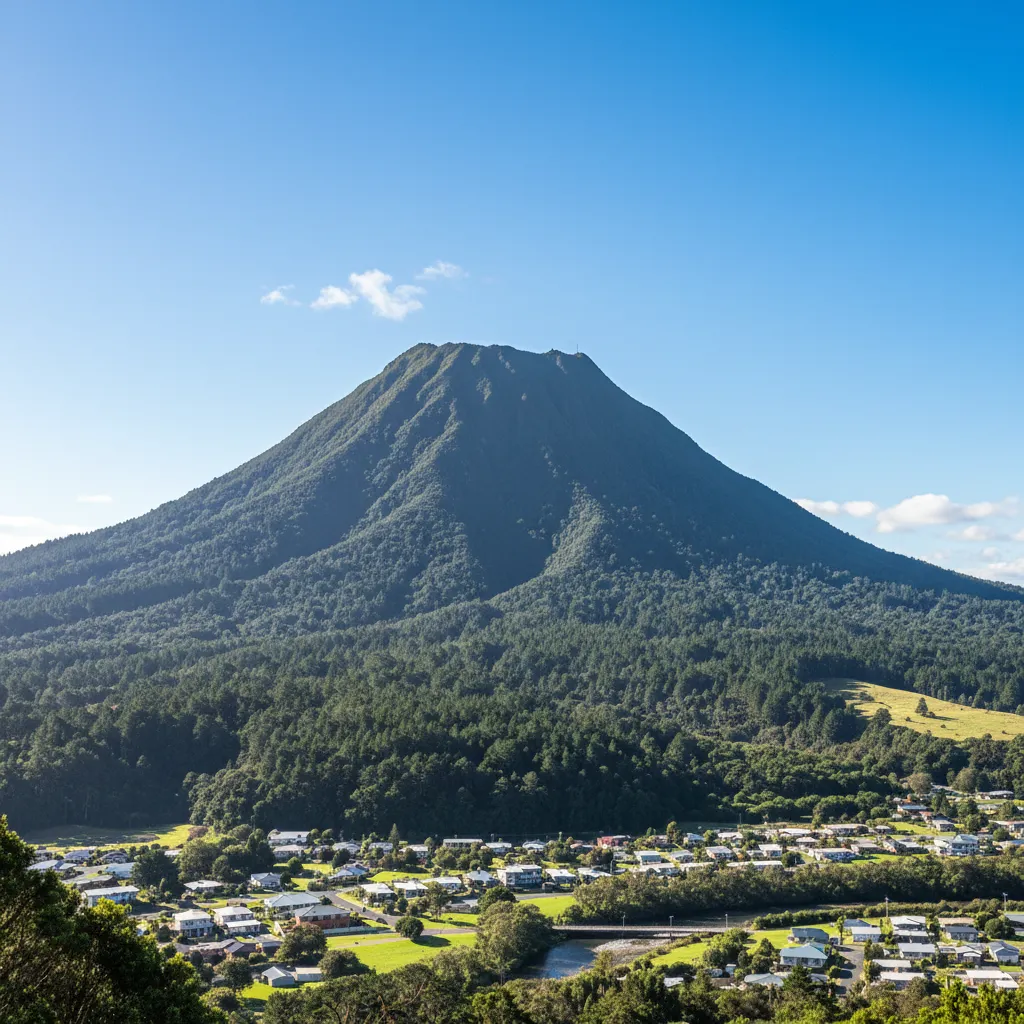
The Kawerau King of the Mountain is not merely a trail run; it is widely regarded as one of New Zealand’s toughest mountain races relative to its distance. The race conquers Mount Putauaki, an iconic volcanic cone that defines the Kawerau skyline. While the total distance is approximately 8 kilometers, the difficulty lies in the relentless vertical gain and the technical nature of the terrain.
Competitors face a vertical ascent of roughly 852 meters. The gradient in certain sections is severe, forcing even elite athletes to switch from running to “power hiking” or scrambling on all fours. The history of the race dates back to 1955, originating as a bet between locals, and has since evolved into a prestigious event attracting international mountain runners. The title of “King” or “Queen” is hard-earned, often requiring a sub-60-minute completion time, a feat that demands exceptional cardiovascular health and muscular endurance.
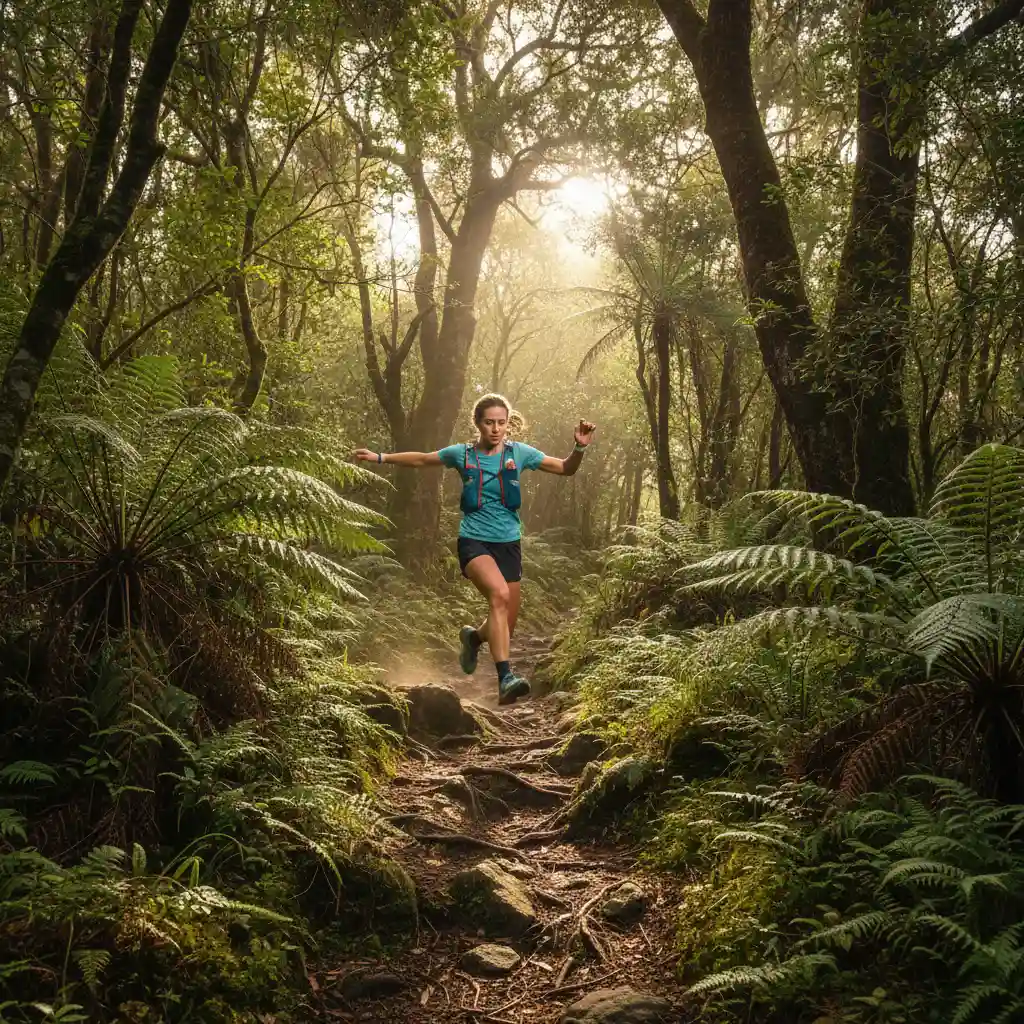
The difficulty is twofold: the ascent tests your anaerobic threshold and leg strength, while the descent tests your agility, proprioception, and eccentric muscle strength. The track is often loose, covered in scoria and tree roots, making the downhill section a high-risk endeavor where time is often gained or lost.
How does mountain running differ from road running?
To train effectively for the Kawerau King of the Mountain, one must understand that mountain running engages the body differently than flat road running. On the road, the goal is often rhythmic efficiency and maintaining a steady cadence. On Mount Putauaki, the rhythm is constantly broken by changing terrain.
The Uphill Mechanics
Running uphill shifts the biomechanical load significantly. The calves, glutes, and quadriceps work much harder to overcome gravity. Your stride length naturally shortens, and your cadence (steps per minute) may increase to prevent stalling. Heart rate spikes rapidly, often pushing runners into their anaerobic zone (where the body burns glycogen without oxygen) much faster than on flats. Training must therefore focus on increasing your lactate threshold—the point at which lactic acid accumulates in the bloodstream faster than it can be removed.
The Downhill Impact
Many novices neglect downhill training, assuming gravity does the work. However, the descent from Putauaki is brutal on the body. It involves high-impact eccentric contractions, where muscles lengthen under tension to brake and control speed. Without specific training, this leads to significant muscle damage (DOMS) and increases the risk of injury. Furthermore, the mental aspect of descending involves rapid decision-making regarding foot placement, requiring heightened neuromuscular coordination.
What is the best training schedule for the race?
A successful training block for this event should ideally span 12 to 16 weeks. The training should be periodized, moving from general endurance to race-specific intensity.
Phase 1: Base Building (Weeks 1-4)
The goal here is to build aerobic capacity and strengthen connective tissues (tendons and ligaments) to handle future loads.
- Volume: Low to moderate intensity.
- Focus: Long, slow runs on undulating trails.
- Strength: Introduction of bodyweight exercises like squats, lunges, and calf raises.
Phase 2: Strength and Hills (Weeks 5-10)
This is the core of your King of the Mountain preparation. You must simulate the vertical gain.
- Hill Repeats: Find a steep hill (gradient 10-15%). Sprint up for 2-3 minutes, jog down for recovery. Repeat 6-8 times.
- Stair Work: Utilize local stadium stairs or steep park steps. Focus on driving through the heel to engage the glutes.
- Weighted Hikes: Walk steep inclines with a weighted vest or pack (5-10kg) to build raw leg power.

Phase 3: Speed and Specificity (Weeks 11-14)
As race day approaches, workouts should mimic the race demands closely.
- Tempo Runs: Sustained efforts at a “comfortably hard” pace to boost lactate threshold.
- Technical Descents: Practice running downhill fast on uneven terrain. Focus on a high cadence and keeping your center of gravity low.
- Plyometrics: Box jumps and single-leg hops to improve explosive power and stability.
Phase 4: Taper (Weeks 15-16)
Reduce volume significantly to allow the body to repair and recover, ensuring you arrive at the start line fresh. Keep intensity high (short bursts of speed) but cut the distance.
Where are the best training routes in Kawerau?
Kawerau offers a variety of terrain perfect for preparing for the King of the Mountain. While access to Mount Putauaki itself is restricted (usually only open for the race and specific permitted events), the surrounding area provides excellent alternatives.
Monarch Park Stairs
For those looking to build the specific leg strength required for the initial steep ascent, the stairs and trails around Monarch Park are invaluable. While short, repeating these loops builds the explosive power necessary for the vertical sections of the race.
Tarawera River Trail
This trail is excellent for your long, aerobic base runs. Running from Kawerau towards the Tarawera Falls offers undulating terrain that improves general endurance without the extreme punishment of steep vertical gain. It allows you to focus on running economy and breathing rhythm.
The Firmin Field Environs
Utilizing the grassy banks and local topography near the race start line (Firmin Field) can help with interval training. Short, sharp sprints up the banks simulate the start of the race where positioning is crucial before the track narrows.
What gear and nutrition do you need?
Your choice of equipment can dictate your performance and safety on the mountain.
Footwear: The Critical Choice
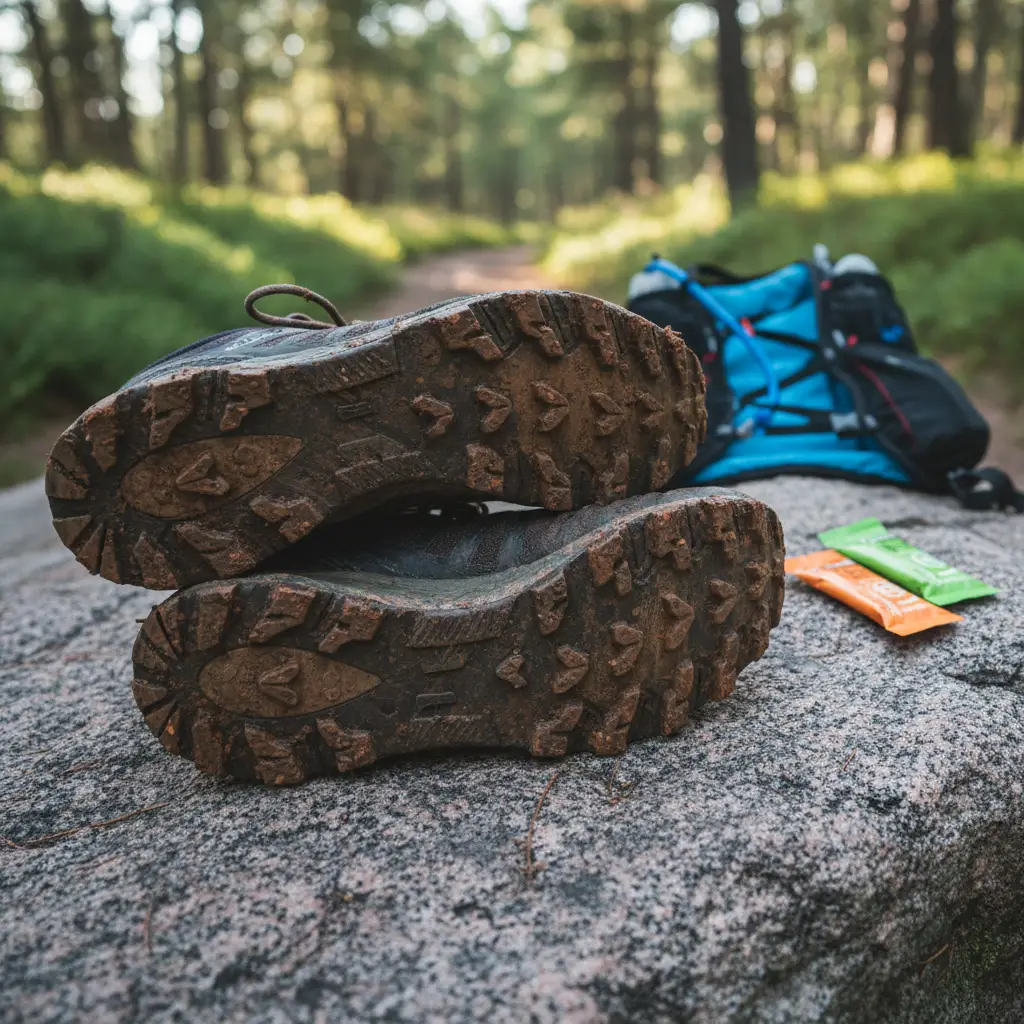
Road running shoes are dangerous on Mount Putauaki. You require dedicated trail running shoes with an aggressive outsole (deep lugs of 5mm+). The terrain includes loose scoria, mud, and slippery tree roots. Brands like Salomon, Inov-8, and La Sportiva offer models designed for “fell running” or soft ground, which are ideal for this course. Ensure the shoe has a secure lockdown to prevent toes from jamming into the front of the shoe during the steep descent.
Apparel
The weather on the mountain can differ from the base. However, given the high intensity of the race, overheating is a common issue. Wear lightweight, moisture-wicking fabrics. Compression socks are popular among competitors to support the calves and protect against scratches from low-lying vegetation.
Nutrition and Hydration Strategy
Because the race is relatively short (winning times are under an hour), heavy fueling during the race is rarely necessary if you have eaten correctly beforehand.
- Pre-Race: Consume a carbohydrate-rich meal 3-4 hours before the start. A small energy gel 15 minutes before the gun can top up glycogen stores.
- Hydration: Hydrate well in the days leading up to the event. Carrying water is a trade-off; it adds weight. Many elite runners rely on aid stations, but mid-pack runners should consider a small handheld flask or hydration vest if the weather is hot.
- Recovery: Have a protein and carb mix ready immediately after finishing to kickstart muscle repair.
Registration, Dates, and Event Logistics
Proper planning ensures you are mentally relaxed on race morning.
When is the Kawerau King of the Mountain?
The event typically takes place annually in late October or early November. This timing coincides with the New Zealand spring, meaning conditions can range from crisp and clear to wet and slippery. It is vital to check the official Kawerau King of the Mountain website or their social media channels for the exact confirmed dates for the current year. Even outside of race season, consider enjoying the local scenery, perhaps trying some Warm Indoor Dining: Kawerau Winter Food Guide.
Registration Categories
The race is inclusive but competitive. Categories generally include:
- King & Queen of the Mountain: The main open categories.
- Prince & Princess of the Mountain: For junior competitors, racing on a shortened course (usually to the lower treeline and back).
- Veterans: Age-group categories for masters athletes.
Registration deadlines are strict, and early bird entries often receive a discount. There is usually a mandatory safety briefing before the start. Proper hydration and access to Kawerau Essential Services & Amenities are key to your preparation.
Safety Checks
Organizers take safety seriously. You may be required to undergo a gear check. If conditions are adverse, carrying a thermal top or seam-sealed jacket might become mandatory. Always pack these items in your race bag just in case.
People Also Ask
How long does it take to run Kawerau King of the Mountain?
Elite runners typically finish in under 50 minutes (men) or 60 minutes (women). The average recreational runner may take between 1 hour 15 minutes to 2 hours. There is usually a cut-off time enforced for safety reasons.
Can you walk the King of the Mountain race?
Yes, many participants walk the steep sections. In fact, “power hiking” the steepest gradients is often more efficient than trying to run them. However, you must maintain a reasonable pace to meet the course cut-off times.
Is there an age limit for the race?
Yes, the main mountain race usually has a minimum age requirement (often 14 or 15 years old) due to the physical difficulty. The Prince and Princess race is designed for younger children (typically aged 9-13).
Do I need a permit to train on Mount Putauaki?
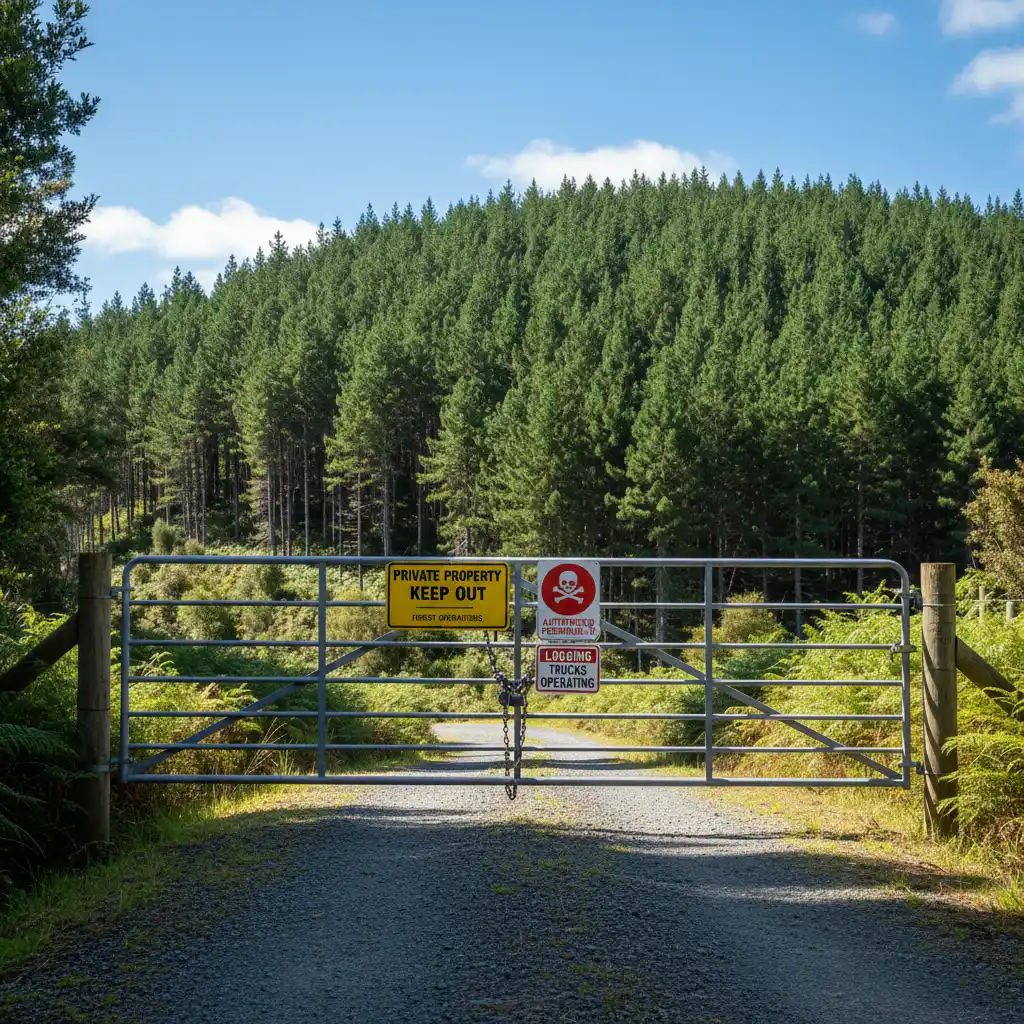
Yes. Mount Putauaki is private Māori land. Public access is generally restricted and unauthorized entry is trespassing. You cannot train on the mountain itself outside of the official race day or specific permitted events. Training should be done on nearby public trails. Remember that even when training on the mountain for the race, make sure you are aware of the Relocation & Digital Nomad Lifestyle schedule if your training overlaps with cultural events.
What happens if it rains on race day?
The race generally proceeds rain or shine. However, rain makes the scoria and clay tracks extremely slippery, significantly increasing the difficulty and danger. In extreme weather events, organizers may alter the course or cancel for safety.
Is the Prince and Princess race the same route?
No, the Prince and Princess race is a shorter version. It typically ascends to a designated point on the lower slopes (often the lower treeline) before returning to Firmin Field, avoiding the most dangerous upper sections of the mountain.