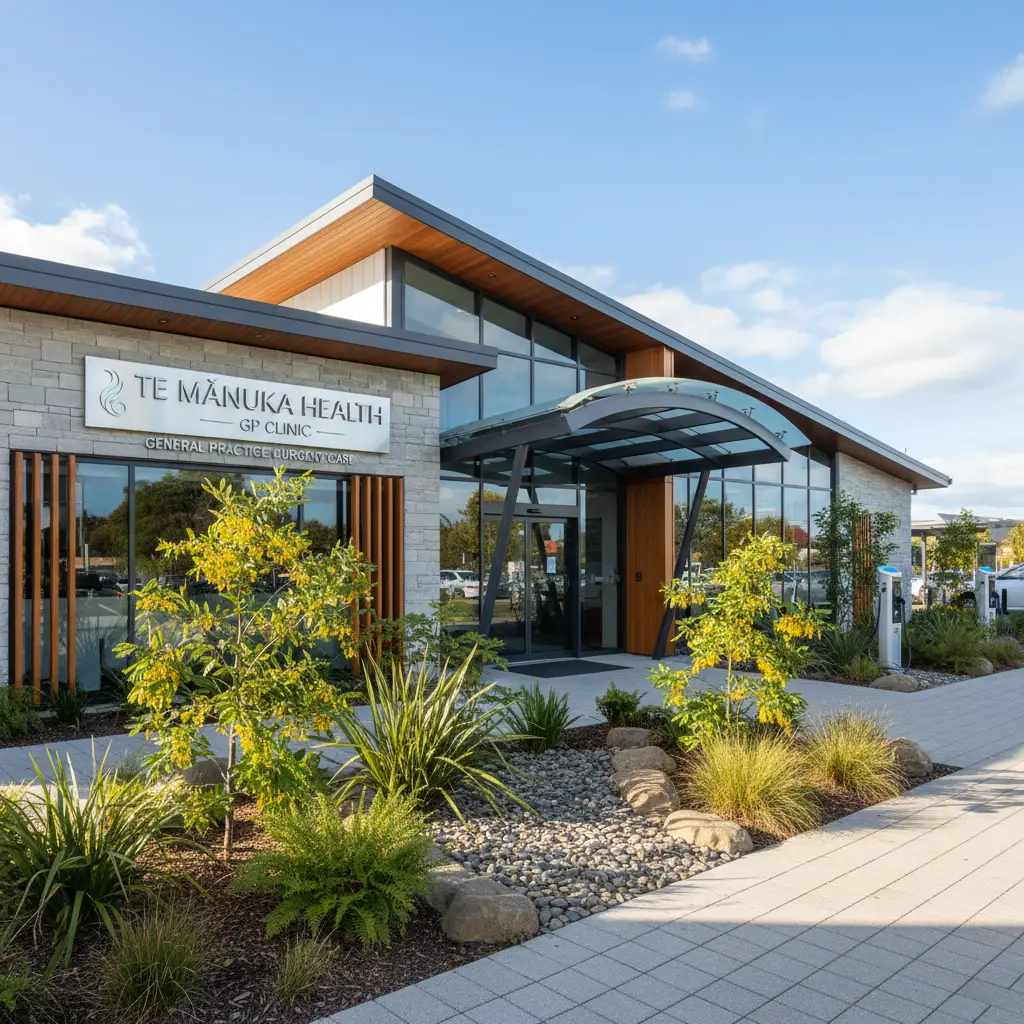
The Kawerau Community Gardens is a collaborative green space initiative located in the heart of the Bay of Plenty, designed to foster food sovereignty and social connection. It offers residents accessible allotment plots, hands-on workshops regarding permaculture and composting, and a centralized hub for sharing seasonal harvests, thereby strengthening local resilience and community well-being.
In an era where food security and sustainable living are becoming increasingly paramount, the Kawerau Community Gardens stands as a beacon of local resilience. Situated within the dynamic Kawerau District, this initiative is not merely about growing vegetables; it is a cornerstone of the region’s lifestyle and growth strategy. By providing a shared space for cultivation, education, and social interaction, the gardens empower residents to take control of their food sources while building lasting relationships with their neighbors.
Where are the Kawerau Community Gardens Located?
Finding the Kawerau Community Gardens is the first step toward engaging with this vibrant ecosystem. Strategically placed to ensure accessibility for the majority of the township’s residents, the gardens utilize public land designated for community enrichment. While specific plot locations can evolve as the initiative expands, the primary allotments are typically situated near central community hubs or accessible parklands within the Kawerau township, often within sight of the majestic Mount Putauaki. The cultural backdrop of the town is often tied to the Legend of Mt Putauaki, which adds a layer of history to the gardening experience.
The location is chosen to maximize sunlight exposure—crucial in the Bay of Plenty’s climate—and to provide easy access to water sources. The site is designed to be pedestrian-friendly, encouraging locals to walk or cycle to their plots, which further aligns with the town’s eco-friendly ethos. The layout generally consists of raised garden beds for accessibility, in-ground rows for larger crops, and communal areas for tools and composting.
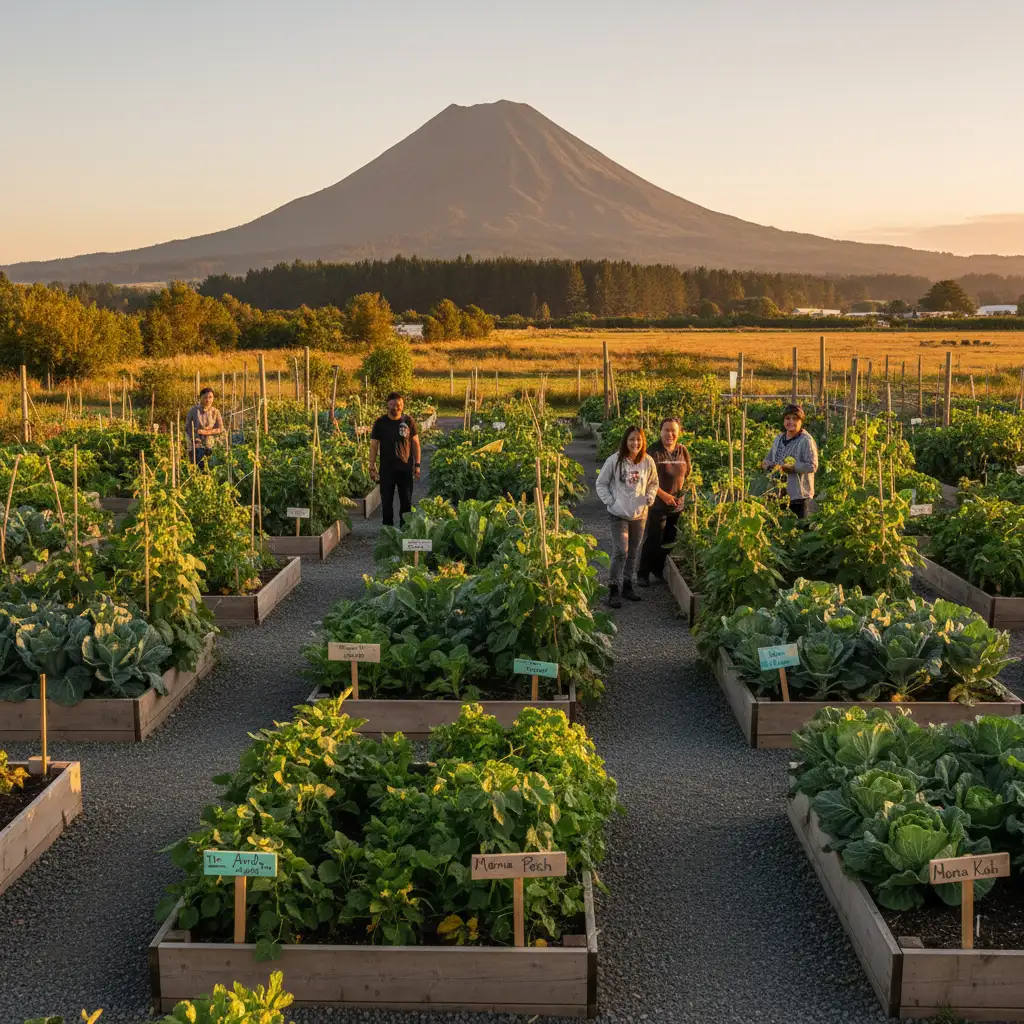
Accessibility is a key focus. The pathways between allotments are often maintained to accommodate wheelbarrows and wheelchairs alike, ensuring that gardening is an inclusive activity for the elderly and those with limited mobility. This physical structure mirrors the inclusive philosophy of the organization: everyone is welcome to plant, tend, and harvest.
How to Join and Volunteer
Becoming a part of the Kawerau Community Gardens is a straightforward process designed to remove barriers to entry. Whether you are an experienced horticulturist or a complete novice who has never held a trowel, there is a place for you within this organization.
Membership Options
Membership typically operates on a tiered system to suit different levels of commitment:
- Allotment Holders: For a nominal annual fee, individuals or families can rent a specific plot of land. This allows you to grow whatever crops you choose (within guidelines) and keep the produce for your own household.
- Community Members: For those who cannot commit to a full plot, general membership allows access to communal areas and a share in the communal harvest in exchange for labor hours.
- Supporting Members: Local businesses or individuals who wish to support the initiative financially without gardening can pay a subscription fee that goes toward tools, seeds, and infrastructure maintenance.
Volunteer Opportunities
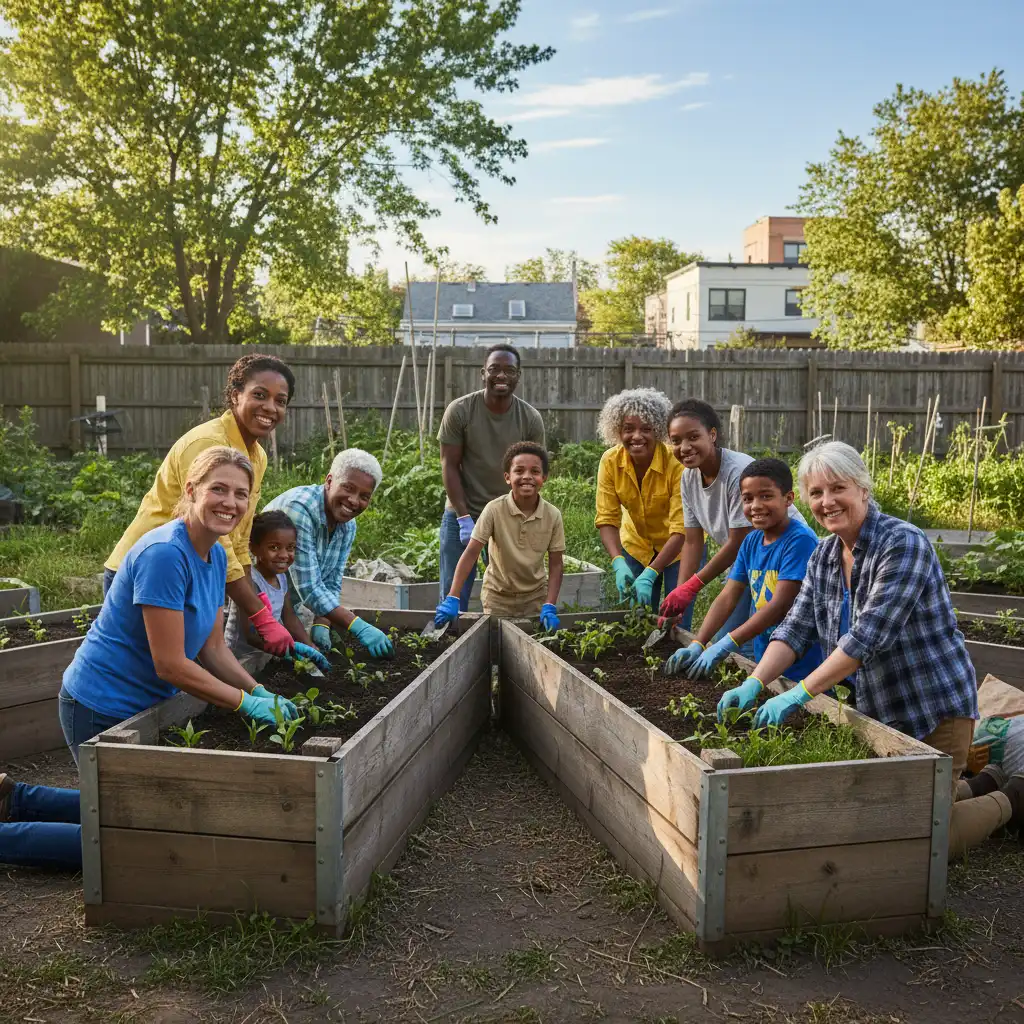
Volunteering is the lifeblood of the Kawerau Community Gardens. Regular working bees are organized, usually on weekends, where members gather to tackle larger projects such as building new raised beds, turning the massive compost piles, or maintaining the perimeter fences. These sessions are excellent for networking and learning new skills informally.
To join, interested parties are usually encouraged to visit during a scheduled working bee or contact the coordination committee via local community notice boards or the Kawerau District Council’s community directories. No prior experience is necessary; senior members are always on hand to mentor newcomers.
Workshops on Permaculture and Composting
Education is a central pillar of the Kawerau Community Gardens mission. The organization understands that for a community to be truly food secure, knowledge must be shared freely. Consequently, the gardens host a robust schedule of workshops throughout the year.
Mastering Composting in Kawerau
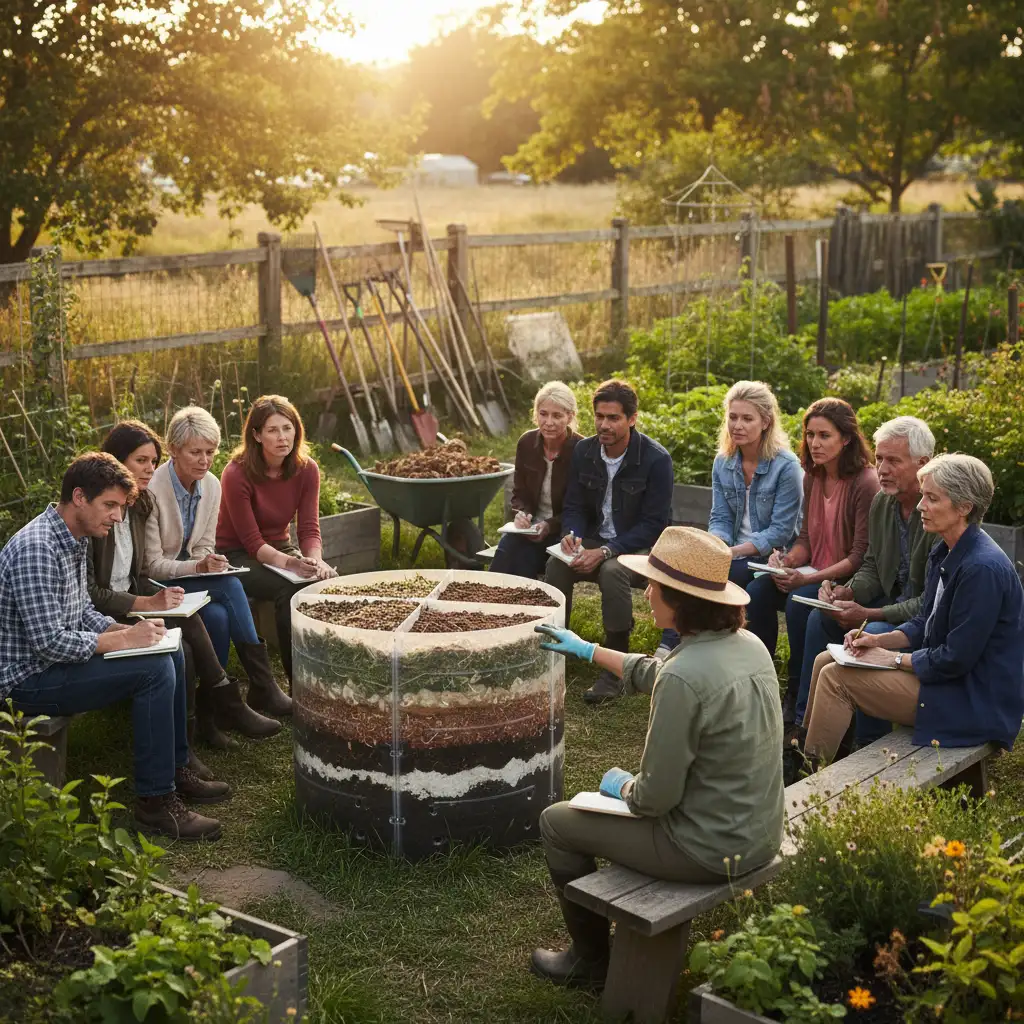
One of the most popular workshop series focuses on composting. Given the rich volcanic soils of the region, enhancing soil structure through organic matter is vital. Workshops cover:
- Hot Composting: Techniques to break down organic waste rapidly to produce nutrient-dense humus.
- Vermiculture (Worm Farming): Using tiger worms to process kitchen scraps, a perfect solution for residents with smaller home properties.
- Bokashi: An anaerobic fermentation process that allows for the composting of meat and dairy products, diverting significant waste from the local landfill.
Permaculture Principles in Action
Permaculture design workshops teach residents how to work with nature rather than against it. In the context of Kawerau, this often involves water conservation strategies and companion planting to deter pests naturally without chemicals. Participants learn how to design “guilds” of plants that support one another—for example, planting nitrogen-fixing beans alongside heavy feeders like corn and leafy greens.
These educational sessions are often led by local experts or visiting agronomists and are free or low-cost for members. They provide actionable skills that residents can take back to their own backyards, effectively expanding the “community garden” concept across the entire town.
Seasonal Harvest Sharing Events
The cycle of the garden culminates in the joy of the harvest. The Kawerau Community Gardens organizes seasonal harvest sharing events that serve as both a celebration of hard work and a distribution mechanism for fresh, healthy food.
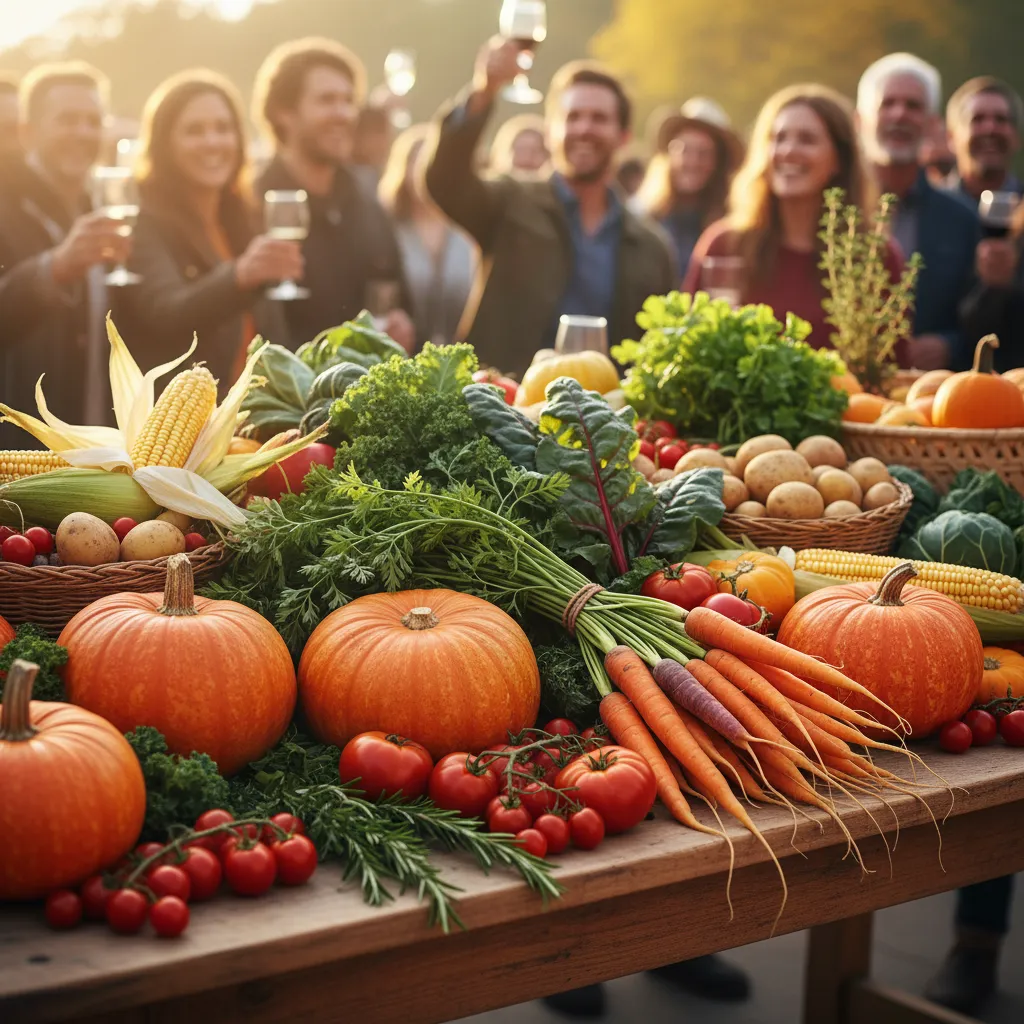
These events typically coincide with the peak production times of the year—late summer for tomatoes, zucchini, and corn; autumn for pumpkins and root vegetables; and spring for leafy greens and peas. The “Harvest Table” concept is frequently employed, where excess produce from individual allotments is placed on a communal table for anyone in the community to take, regardless of whether they are a member. This act of generosity combats food poverty and ensures that nothing goes to waste.
Beyond the raw produce, these events often feature “crop swaps” and cooking demonstrations. Local cooks may demonstrate how to preserve excess harvest through bottling, pickling, or freezing, ensuring that the bounty of summer can sustain families through the winter months. This holistic approach—from seed to table to pantry—is what makes the initiative so valuable to the Kawerau lifestyle, and offers the base for Post-Hike Meals: Refueling After Mount Putauaki.
Impact on Kawerau’s Regional Growth
The existence of a thriving community garden is a strong indicator of a town’s social health and is increasingly viewed as an asset for regional growth. For potential newcomers looking to move to the Bay of Plenty, Kawerau Essential Services & Amenities like the Kawerau Community Gardens signal a welcoming, active, and environmentally conscious community. This positive perception supports initiatives like the Relocation & Digital Nomad Lifestyle by showcasing high quality of life factors.
Economic Benefits: By supplementing household grocery bills with home-grown produce, families have more disposable income to spend in the local economy. Furthermore, the skills learned in the gardens can lead to micro-enterprise opportunities, such as selling seedlings or artisanal preserves at local markets. This aligns with opportunities promoted through Business Investment Kawerau.
Social Cohesion: In a digital age, physical spaces that encourage face-to-face interaction are rare. The gardens provide a neutral ground where people from different cultural and socioeconomic backgrounds work side-by-side toward a common goal. This strengthens the social fabric of Kawerau, making the town more resilient to external shocks. The community spirit often shines brightest during local events, such as the Matariki Celebrations at Putauaki.
Advanced Sustainability Practices
The Kawerau Community Gardens aims to be a model of sustainability for the wider Eastern Bay of Plenty region. Beyond basic organic gardening, the site often experiments with advanced sustainable technologies.
Water Harvesting: Large-scale rainwater collection systems are often employed to reduce reliance on the municipal water supply. Drip irrigation systems, powered by solar timers, ensure that water is delivered directly to the roots of plants, minimizing evaporation.
Seed Saving: A “Seed Library” is a common feature in mature community gardens. Members are taught how to select the best plants for seed production, harvest the seeds, and store them. Over time, this results in locally adapted plant varieties that are more resistant to Kawerau’s specific pests and weather patterns than commercial seeds.
Frequently Asked Questions
Do I need my own tools to join the Kawerau Community Gardens?
No, you generally do not need your own tools. The community garden maintains a shared shed stocked with essential tools like spades, forks, wheelbarrows, and trowels. However, many members prefer to bring their own gloves and small hand tools for comfort.
Is there a cost involved in becoming a member?
Yes, there is usually a small annual fee to cover water, insurance, and general maintenance costs. However, rates are kept very low to ensure inclusivity, and arrangements can often be made for those facing financial hardship to contribute labor in lieu of payment.
Can I grow any type of plant in my allotment?
While you have significant freedom, there are restrictions. Invasive species (weeds) and illegal plants are strictly prohibited. Additionally, tall crops that might shade a neighbor’s plot must be positioned carefully. Organic practices are typically mandatory, meaning no synthetic sprays or fertilizers.
Are the gardens open to the public or just members?
The gardens are generally open to the public for viewing and walking through during daylight hours, serving as a park-like space. However, harvesting produce is strictly reserved for allotment holders and members, unless it is from a designated “community sharing” bed.
How much time do I need to commit per week?
This depends on the size of your plot and the season. In summer, a standard allotment might require 2-4 hours a week for watering and weeding. In winter, the time commitment is significantly less. Volunteer-only members can usually commit as little as a few hours per month.
What happens to the green waste produced at the gardens?
Nothing leaves the site! All green waste is recycled through the on-site composting systems. This closed-loop system turns waste back into nutrient-rich soil that feeds the next season’s crops, demonstrating a perfect circular economy model.