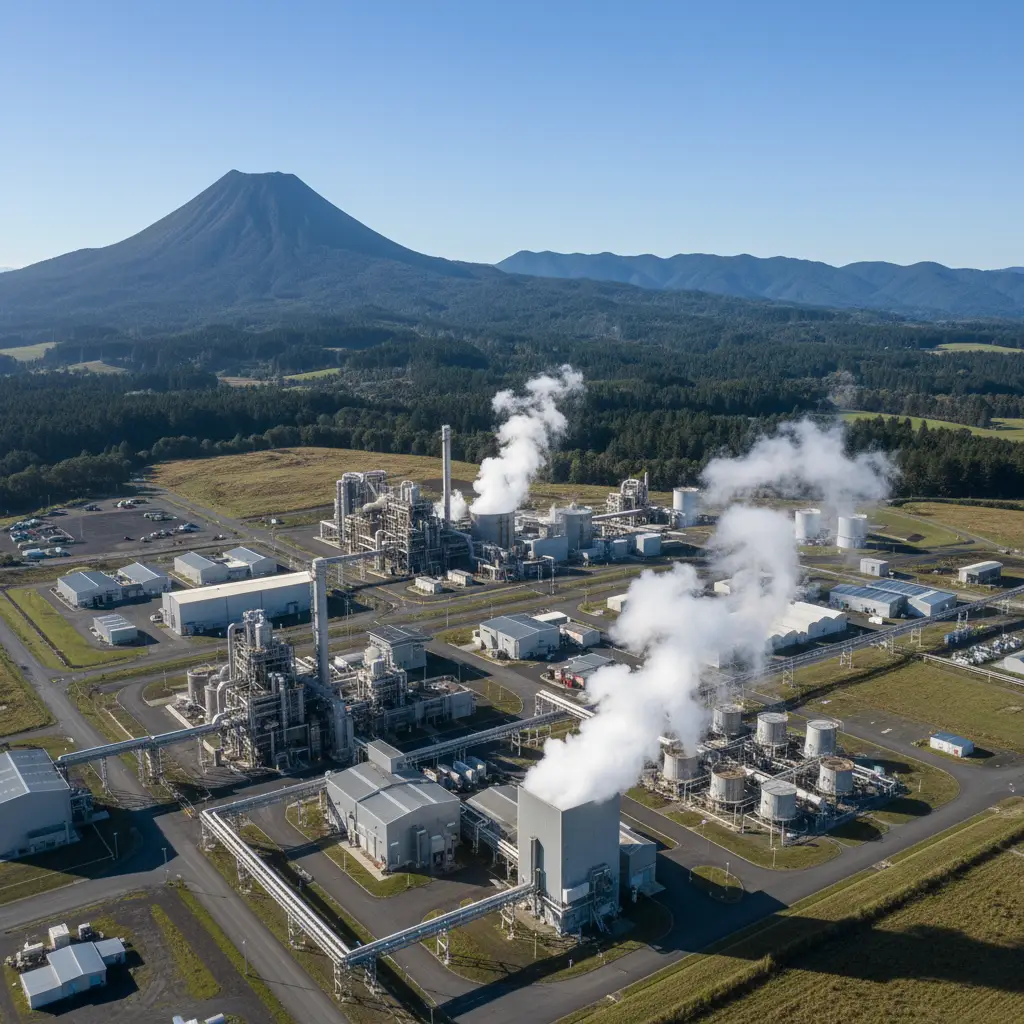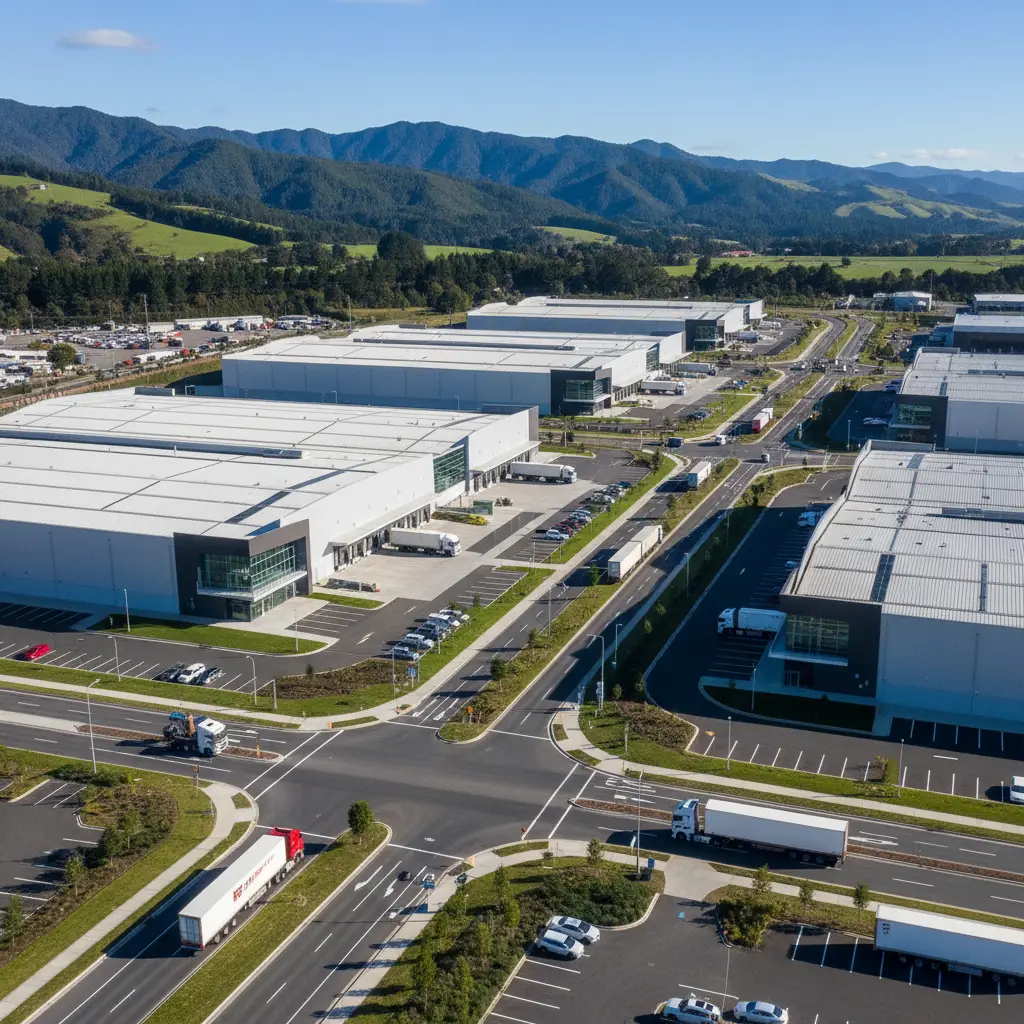
Industrial training programs in Kawerau provide essential certifications and skill development tailored to the region’s dominant forestry, geothermal, and manufacturing sectors. These programs encompass heavy machinery licensing, forklift endorsements, specialized engineering workshops, and rigorous health and safety compliance courses, designed to ensure the local workforce meets New Zealand’s strict operational standards.
Kawerau is the industrial heart of the Bay of Plenty. With its rich history in pulp and paper milling, timber processing, and the rapidly expanding geothermal energy sector, the demand for a highly skilled workforce is constant. For local businesses and job seekers alike, accessing top-tier industrial training programs in Kawerau is not just about compliance; it is about driving regional growth, ensuring workplace safety, and securing long-term employment in a competitive market.
Local Providers for Forklift and Heavy Machinery Licenses
In an industrial hub like Kawerau, the ability to operate heavy machinery is often the baseline requirement for entry-level and advanced roles. The logistics of moving timber, maintaining geothermal wells, and managing warehouse inventory requires precise skills and validated certifications.

What Machinery Licenses are Most in Demand?
The specific industrial landscape of Kawerau dictates the training requirements. The most sought-after endorsements include:
- Forklift (F Endorsement & OSH): This is crucial for warehousing and logistics within the pulp and paper mills. The OSH certificate allows operation in enclosed yards, while the F endorsement is required for driving forklifts on public roads.
- Wheels, Tracks, and Rollers (WTR): Essential for civil construction and forestry roading projects. This covers loaders, excavators, and rollers.
- Log Loaders: Specific to the forestry sector, specialized training for handling raw timber is a high-priority skill in the region.
Choosing the Right Training Provider
When selecting a provider for industrial training programs in Kawerau, look for NZQA-accredited institutions. Providers such as Toi Ohomai (Te Pūkenga) and specialized private training establishments (PTEs) operating in the Eastern Bay of Plenty often run courses directly in Kawerau or nearby Whakatāne. Key factors to consider include:
- On-site vs. Off-site: Can the trainer come to your facility? This is often preferred for large employers like the local mills to minimize downtime.
- Machine Availability: Does the provider supply the machinery, or must you provide it?
- Assessment Standards: Ensure the course specifically covers the unit standards required for your industry (e.g., forestry vs. warehousing).
Health and Safety Certification Courses
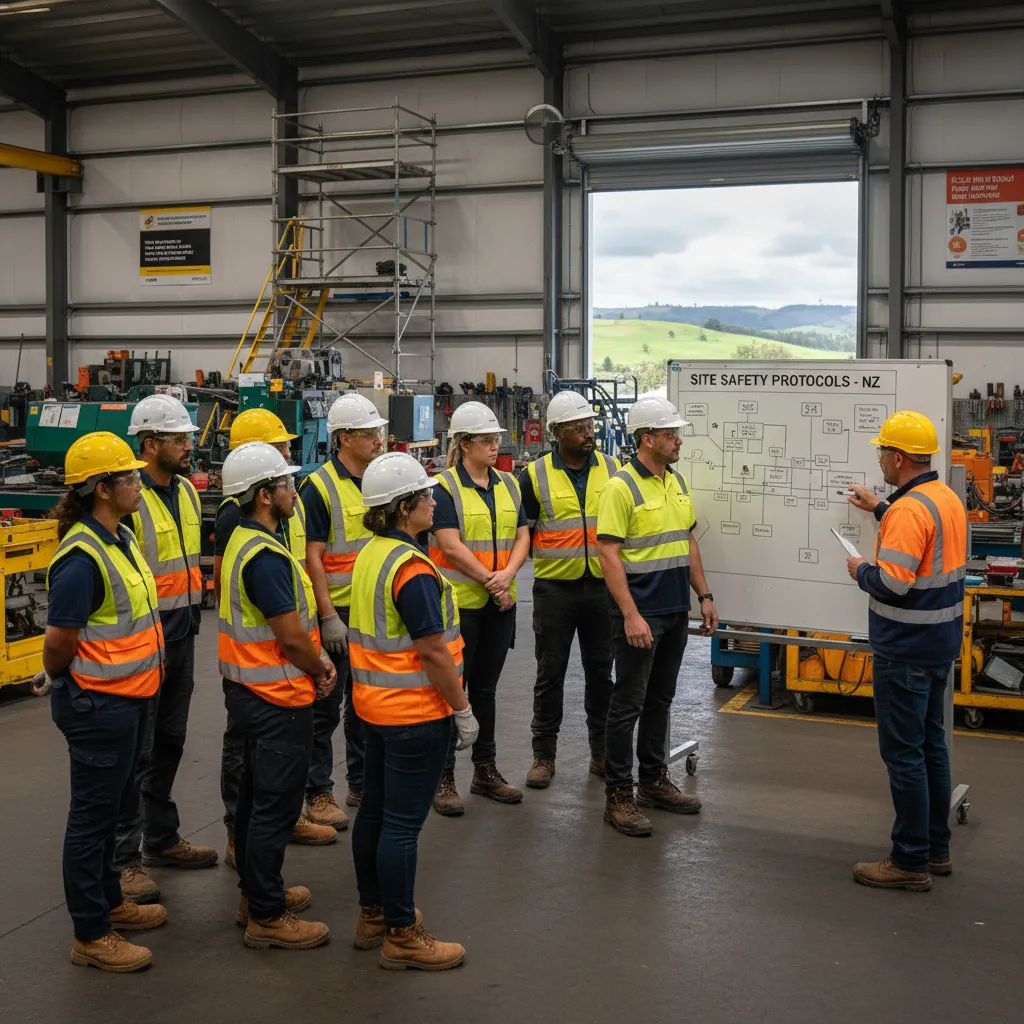
New Zealand’s Health and Safety at Work Act 2015 places a significant burden of responsibility on employers to ensure staff are competent. In high-risk environments typical of Kawerau’s heavy industry, general safety knowledge is insufficient; specialized certification is mandatory.
Essential Safety Courses for Kawerau Industries
Given the prevalence of geothermal plants and large-scale manufacturing, the following courses are critical:
Confined Space Entry
Many maintenance tasks in pulp mills and geothermal plants require entering tanks, silos, or pits. Training covers atmospheric testing, permit-to-work systems, and emergency extraction procedures. This is non-negotiable for maintenance crews.
Working at Heights
From scaffolding on construction sites to maintenance on high industrial stacks, fall prevention training is vital. Courses cover harness selection, anchor points, and dropped object prevention.
Permit to Work and Lockout/Tagout
Understanding the isolation of energy sources (electrical, hydraulic, pneumatic) is the primary defense against serious injury in automated plants. Training ensures that workers understand the administrative and physical controls required before servicing machinery.
Engineering and Maintenance Workshops
Kawerau’s economy is transitioning from pure extraction and processing to advanced manufacturing and sustainable energy. This shift requires a workforce skilled in engineering, diagnostics, and preventative maintenance. Industrial training programs in Kawerau are increasingly focusing on these technical trades.
Mechanical and Electrical Upskilling
Apprenticeships are the backbone of the engineering sector, but short courses for existing staff are equally important. Topics often include:
- Hydraulics and Pneumatics: Understanding the fluid power systems that drive heavy machinery.
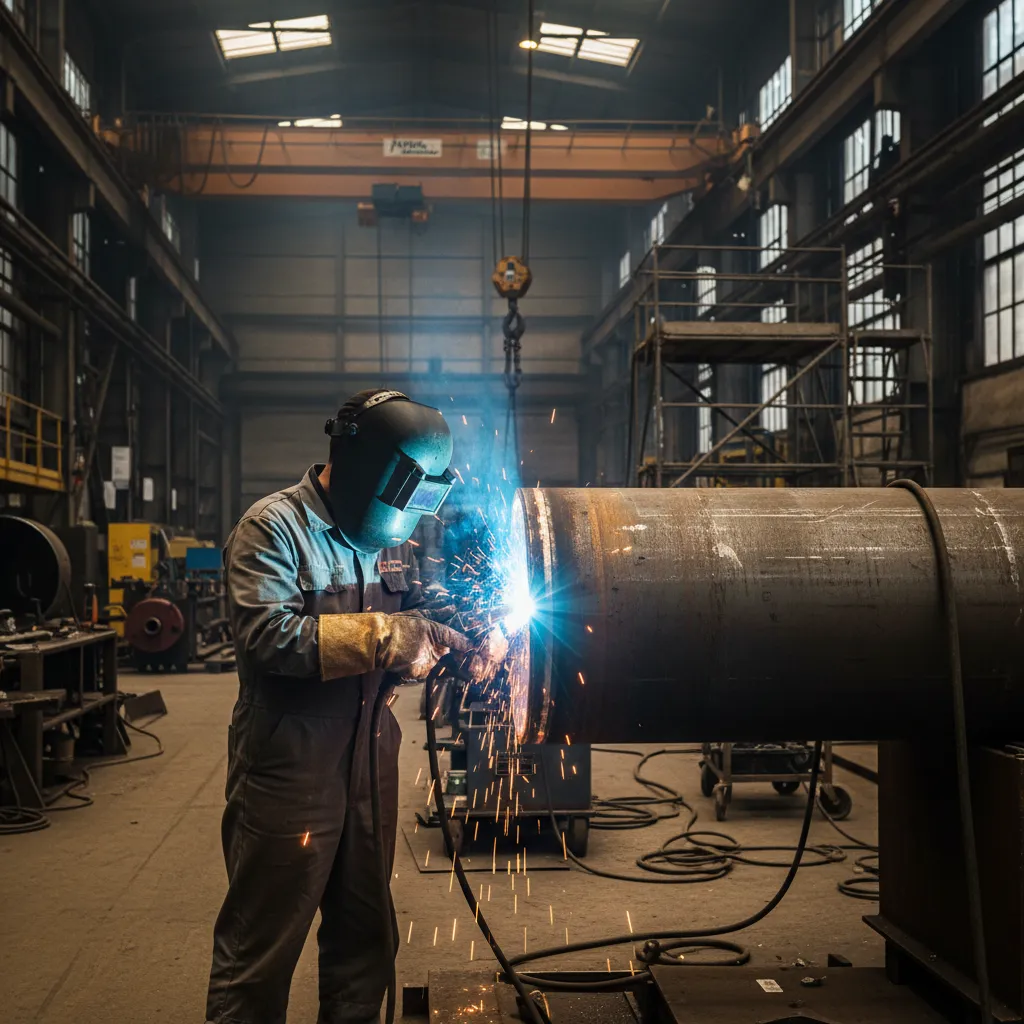
- Welding Certifications: From MIG and TIG to specialized pressure welding required for geothermal piping.
- Vibration Analysis & Condition Monitoring: Advanced training for maintenance planners to predict machine failure before it occurs.
Geothermal Specific Training
With Kawerau sitting atop one of the world’s most productive geothermal fields, specific training regarding high-pressure steam systems, H2S gas awareness, and turbine maintenance is a niche but highly valuable training avenue available in the region.
Funding for Employee Training
Cost is often a barrier to upskilling, but for businesses in the Kawerau district, several funding avenues exist to support workforce development. Investing in industrial training programs in Kawerau is often subsidized by government initiatives aimed at regional economic development.
Regional Apprenticeship Boosts
The government frequently provides subsidies for employers who take on apprentices in priority trades. This is particularly relevant for the engineering and construction sectors in the Eastern Bay of Plenty. Employers should check with the Tertiary Education Commission (TEC) or local industry training organizations (ITOs) for current schemes.
Mana in Mahi and MSD Support
The Ministry of Social Development (MSD) offers programs like ‘Mana in Mahi’, which supports people getting into work and training. For Kawerau employers, this can mean wage subsidies and funding for training costs if they employ someone who is currently on a benefit and commit to upskilling them.

Industry Specific Levies
Some sectors, such as forestry, have levy organizations that reinvest funds into safety training and professional development. Business owners should investigate if their levy contributions entitle them to subsidized training days or access to specific learning resources.
The Strategic Importance of Training in Kawerau
Kawerau is designated as a key regional growth hub. The “Industrial Symbiosis Kawerau” (ISK) project highlights the interconnectedness of the local industries. A trained workforce is the glue that holds this symbiosis together. By utilizing local industrial training programs, companies reduce the need to import labor, lower staff turnover, and contribute to the socio-economic wellbeing of the community. A ticketed, certified workforce attracts further investment, creating a virtuous cycle of growth for the town.
People Also Ask
What are the prerequisites for forklift training in Kawerau?
Generally, you do not need a driver’s license for the OSH certificate (private yards), but you must hold a full Class 1 New Zealand driver’s license to obtain an F endorsement for driving forklifts on public roads. You must also be at least 16 years of age.
How long do industrial training courses usually take?
Duration varies significantly. A forklift refresher might take half a day, a full WTR endorsement course can take 1-2 days, while specialized engineering certifications or apprenticeships can take anywhere from a few weeks to several years.
Can I get funding for heavy machinery training?
Yes, individuals on a Jobseeker benefit may qualify for funding through MSD. Employers can also access the Apprenticeship Boost or Regional Business Partner Network funding for staff upskilling.
Is online training accepted for industrial sites?
While some theory components can be done online, most industrial training (like forklift operation, confined spaces, and welding) requires practical, face-to-face assessment to meet WorkSafe and NZQA standards.
Where is the nearest testing station for licenses in Kawerau?
While some training providers come to Kawerau, license testing (VTNZ/AA) is often conducted in nearby Whakatāne or Rotorua. However, training providers usually handle the assessment paperwork required to process the license.
What is the most in-demand trade skill in Kawerau?
Currently, there is high demand for dual-skilled operators (machinery operation combined with basic mechanical knowledge) and certified tradespeople in maintenance engineering (fitting, turning, and welding) to support the mills and geothermal plants.