
Industrial tourism in New Zealand involves visiting sites of significant historical and modern engineering achievement, offering travelers a unique insight into the nation’s economic development. This niche sector focuses on the evolution of infrastructure, manufacturing, and resource management, with prime examples including the geothermal engineering marvels and the planned industrial heritage of towns like Kawerau.
While New Zealand is globally renowned for its pristine landscapes and adventure tourism, a robust and fascinating narrative exists within its industrial heartland. For the discerning traveler interested in engineering heritage, the story of the Tasman Pulp and Paper Mill and the town of Kawerau offers a compelling case study in how industry shaped the nation’s mid-20th-century identity.
The History of the Tasman Pulp and Paper Mill
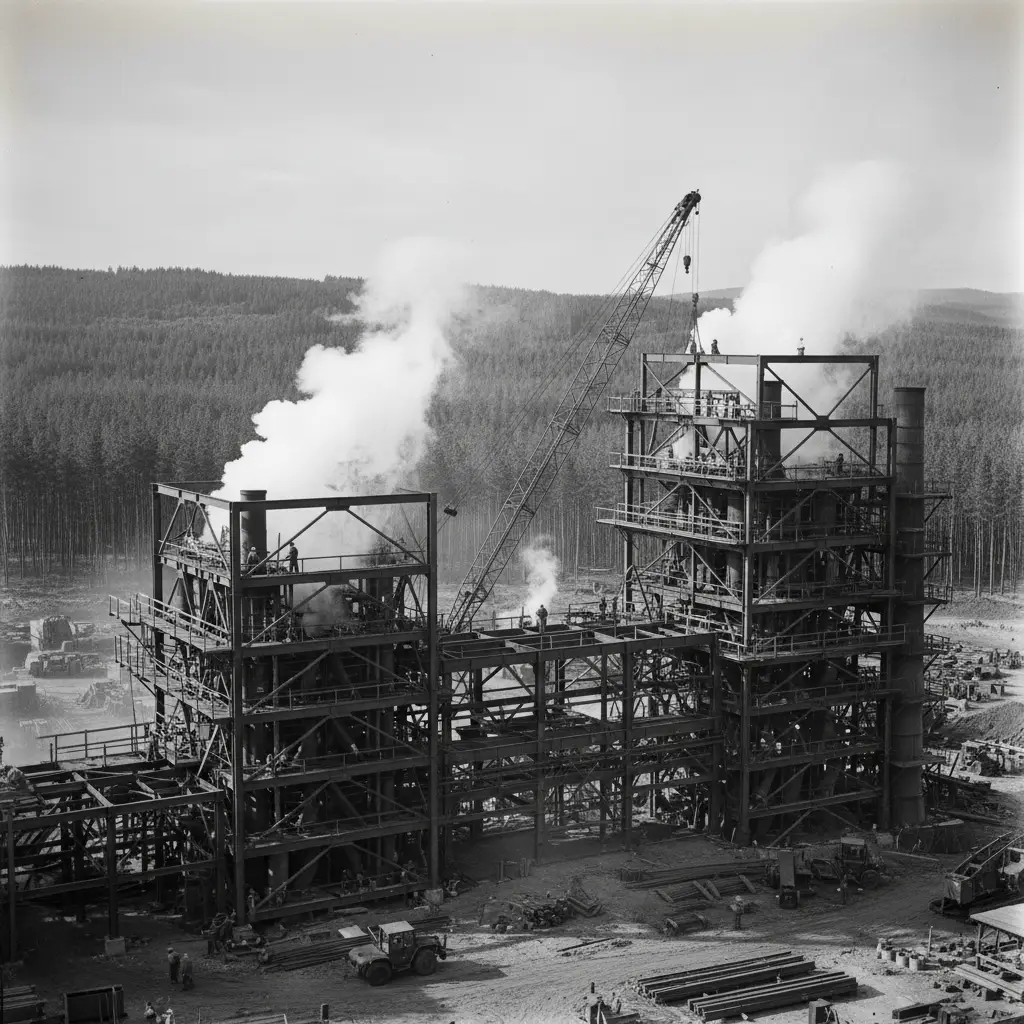
To understand the scope of industrial tourism in New Zealand, one must look to the Bay of Plenty during the 1950s. The establishment of the Tasman Pulp and Paper Mill was not merely a business venture; it was a nation-building exercise of massive proportions. At its inception, it represented the largest single industrial project ever undertaken in New Zealand history, marking a pivotal shift from an agrarian economy to one bolstered by large-scale manufacturing and forestry.
The Vision of Sir James Fletcher
The driving force behind this colossal undertaking was Sir James Fletcher, the first Commissioner of Works and a titan of New Zealand industry. Fletcher recognized the immense potential of the Kaingaroa Forest—a vast, man-made plantation of radiata pine that was reaching maturity. The challenge was not just harvesting the timber, but processing it efficiently within New Zealand rather than exporting raw logs.
The Tasman Pulp and Paper Company was formed in 1952 to tackle this challenge. The location of Kawerau was strategically chosen for two critical reasons: its proximity to the Kaingaroa Forest and, crucially, access to geothermal energy. The construction of the mill required a convergence of government infrastructure and private enterprise, leading to the development of the Murupara railway branch line and the expansion of the Port of Tauranga to handle the export of newsprint and pulp.
Economic Impact and Global Reach
When the mill began operations, it fundamentally altered New Zealand’s export profile. For decades, “Tasman” was synonymous with the country’s industrial might. The newsprint produced in Kawerau was shipped globally, putting New Zealand engineering on the map. For the industrial tourist, the site represents a monument to the “Think Big” era of economic strategy, even though the mill predates the official policy of that name. It stands as a testament to the era when New Zealand began to aggressively industrialize its natural resources.
Geothermal Engineering Marvels
A primary driver for industrial tourism in New Zealand is the country’s innovative use of geothermal energy. Kawerau sits atop a highly active geothermal field, and the engineering decisions made here in the 1950s were revolutionary. The integration of geothermal steam into the pulp and paper manufacturing process was a world-first achievement, showcasing a level of ingenuity that attracts engineering enthusiasts from around the globe.
Harnessing the Steam
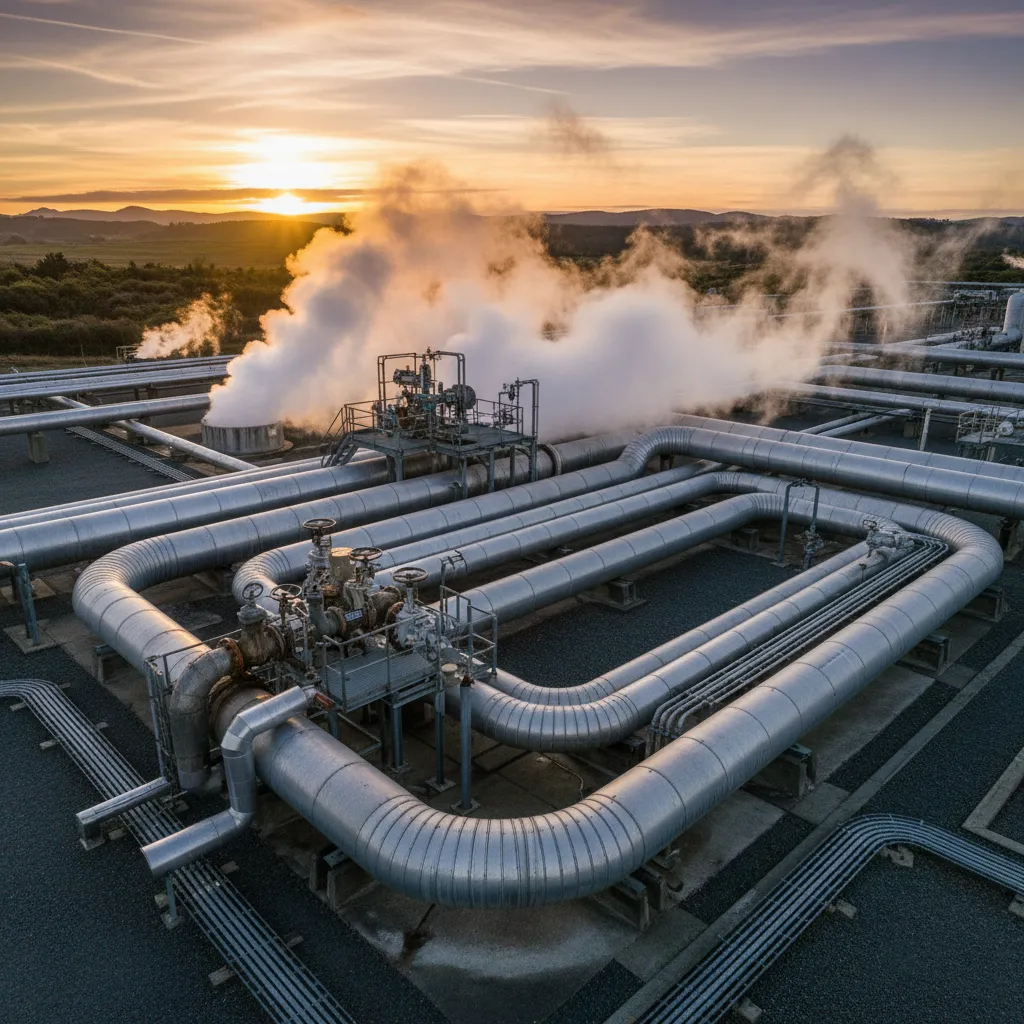
Unlike other industrial sites that relied solely on coal or hydroelectricity, the Tasman Mill utilized geothermal steam for process heat. This required the drilling of deep bores to tap into the high-pressure steam reservoirs beneath the earth. The engineering required to separate the steam from the water and transport it safely through high-pressure lines to the mill was groundbreaking.
Key Engineering Achievements:
- Steam Separation: Developing cyclonic separators to remove water and impurities from the steam before it entered the delicate machinery of the paper mill.
- Pipeline Networks: Constructing a complex network of insulated pipelines that could withstand the corrosive nature of geothermal fluids and the thermal expansion caused by extreme heat.
- Sustainable Energy Transition: While the term “sustainability” was not in vogue in the 1950s, the move to use geothermal energy significantly reduced the mill’s reliance on imported fossil fuels, setting an early precedent for green manufacturing in New Zealand.
Modern Geothermal Developments
Today, the industrial tourism appeal extends to the modern geothermal power stations that have sprung up around the original mill site. The Kawerau Geothermal Power Station, commissioned in 2008, is the largest single-generator geothermal plant in New Zealand. Visitors interested in the evolution of energy technology can observe the transition from the direct-use steam applications of the 1950s to the sophisticated binary cycle and flash steam plants operating today.
The Planned Town Architecture
Industrial tourism is not limited to factories and power plants; it encompasses the social history of the workforce. Kawerau is a premier example of a “planned town” or “company town,” designed and built specifically to house the workforce for the Tasman Mill. Unlike towns that grow organically over centuries, Kawerau was sketched on a drafting board, offering a unique architectural time capsule of mid-century New Zealand urban planning.
The “Garden City” Concept
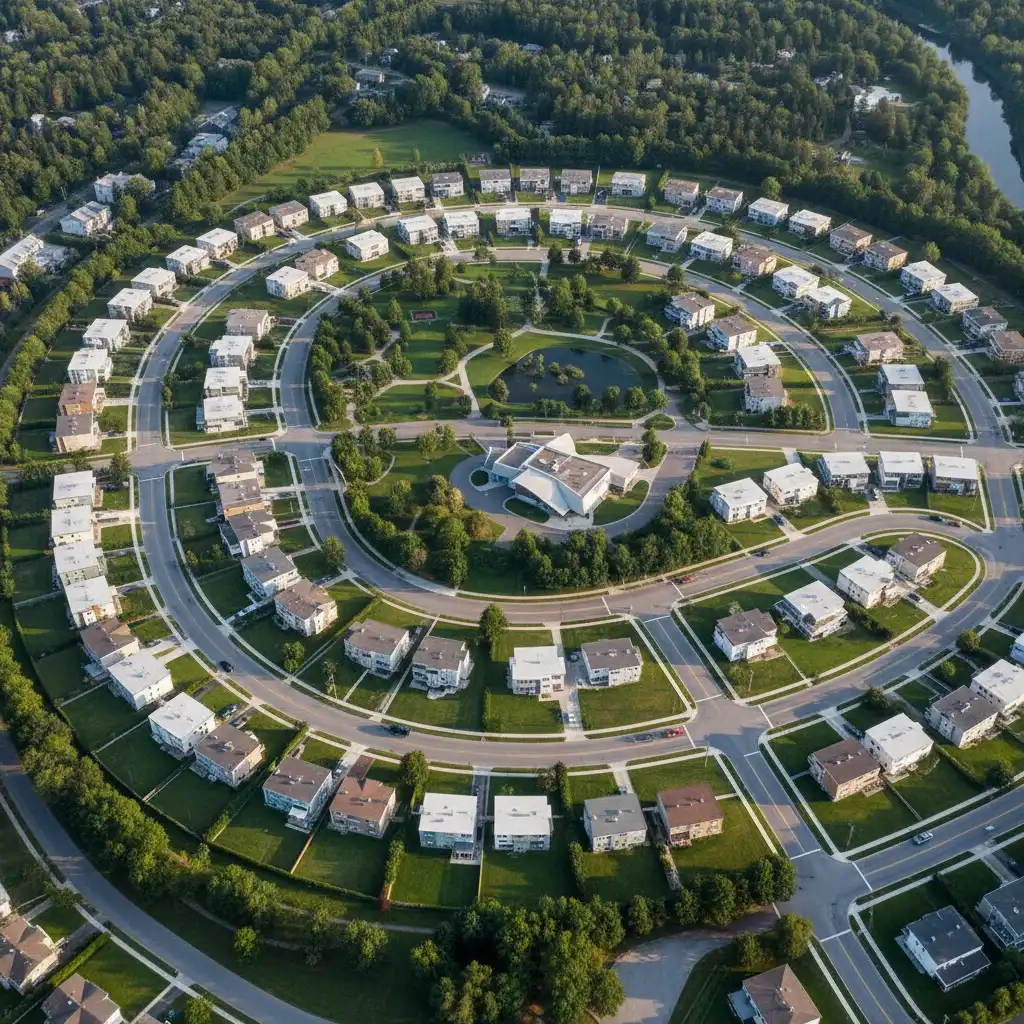
The Ministry of Works, tasked with building Kawerau, employed the “Garden City” philosophy. The layout featured curved streets to reduce traffic speed, ample green spaces, and a clear separation between industrial, commercial, and residential zones. The architecture of the housing is distinctively mid-century state housing—practical, robust, and uniform, yet designed to foster a community spirit among the multicultural workforce that descended on the region.
Social Engineering and Multiculturalism
The construction of the town brought together immigrants from Finland, Canada, the UK, and the USA, alongside a significant Māori workforce. The town planning reflected an egalitarian ethos, although distinct neighborhoods did emerge based on employment rank within the mill. For tourists interested in architectural anthropology, walking the streets of Kawerau provides a visual narrative of 1950s social engineering. The layout remains largely intact, allowing visitors to trace the blueprint of a town built for a singular industrial purpose.
Industrial Tourism Opportunities
For those seeking to experience industrial tourism in New Zealand, the Bay of Plenty region offers several touchpoints that bring this history to life. While the heavy industrial zones have restricted access due to health and safety regulations, the heritage is accessible through dedicated museums, lookouts, and trails.
Sir James Fletcher Kawerau Museum
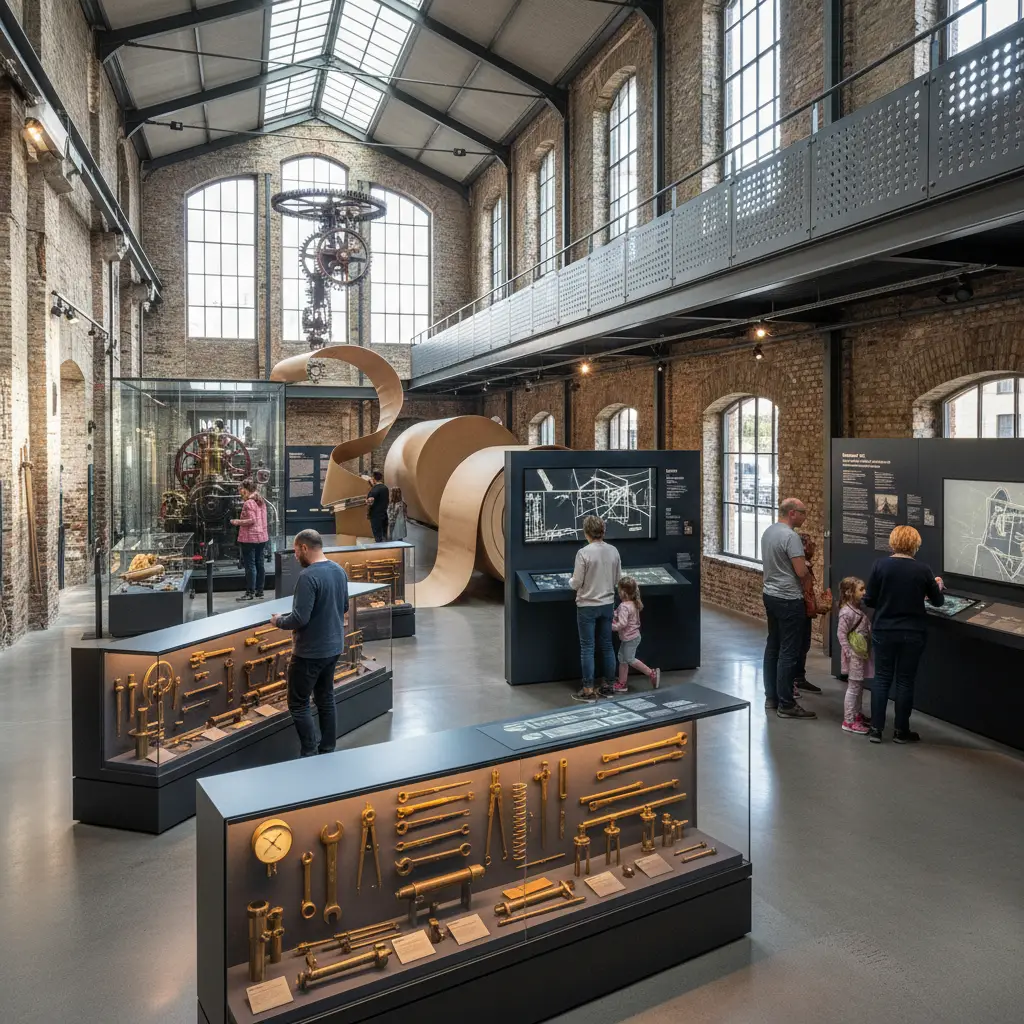
The focal point for any industrial heritage tour in this region is the Sir James Fletcher Kawerau Museum. Located in the town library, this institution preserves the photographic and physical history of the mill and the town. Exhibits include:
- Photographic Archives: A comprehensive collection documenting the clearing of the land, the arrival of the massive paper machines, and the daily life of the early workers.
- Engineering Artifacts: Tools, gauges, and machinery parts that demonstrate the scale of the technology used in the 1950s.
- The Human Story: Oral histories and displays focusing on the diverse cultures that built the community.
The Tarawera River and Industrial Harmony
A walk along the Tarawera River offers a contrasting view of nature and industry. The river, once heavily impacted by industrial discharge, is now the subject of significant environmental restoration efforts. Viewing the massive industrial skyline of the mill against the backdrop of the river and Putauaki (Mt Edgecumbe) provides a powerful visual representation of the tension and reconciliation between industry and environment.
Geothermal Heritage Trails
Visitors can explore the periphery of the geothermal fields to see the “steam in the landscape.” Several vantage points allow for safe viewing of the wellheads and steam lines that crisscross the region, offering excellent photography opportunities for those documenting industrial infrastructure. These trails highlight how the town literally breathes with the energy of the earth, reinforcing the unique position of Kawerau in the annals of global engineering.
People Also Ask
What is industrial tourism in New Zealand?
Industrial tourism in New Zealand involves visiting sites associated with the country’s manufacturing, mining, and engineering history. This includes historic gold mines, hydroelectric dams, geothermal power plants, and planned industrial towns like Kawerau, offering insights into the economic and technological development of the nation.
Can you visit the Tasman Pulp and Paper Mill?
Direct public access to the operational areas of the Tasman Mill is generally restricted due to strict health and safety regulations. However, the history and scale of the mill can be explored through the Sir James Fletcher Kawerau Museum and from various lookout points around the town that offer views of the industrial complex.
What is the history of Kawerau?
Kawerau was established in 1953 as a planned town to support the Tasman Pulp and Paper Mill. It was built by the Ministry of Works to house the workforce required for the massive forestry and industrial operations, becoming the youngest town in New Zealand at the time of its construction.
How is geothermal energy used in Kawerau?
Kawerau sits on a major geothermal field. Historically, geothermal steam was used directly for process heat in the paper mill—a world first. Today, the field supports large-scale geothermal power stations that generate electricity for the national grid and provide steam for industrial processes.
What is a planned town in New Zealand?
A planned town is a settlement that was carefully designed from its inception rather than growing organically. In New Zealand, towns like Kawerau, Mangakino, and Turangi were built by the government specifically to house workers for large infrastructure projects like hydroelectric dams and forestry mills.
Why was the Tasman Pulp and Paper Mill built?
The mill was built to utilize the vast timber resources of the Kaingaroa Forest, which was reaching maturity in the 1950s. The goal was to process the wood domestically into newsprint and pulp for export, diversifying New Zealand’s economy beyond traditional farming exports.