Deer hunting Kawerau offers access to some of New Zealand’s most productive recreational hunting areas, primarily within the Tarawera and Rotoehu forests. Hunters target Red Deer, Fallow Deer, and Wild Pigs. Success requires obtaining specific forestry access permits, adhering to strict firearms safety protocols, and understanding the seasonal behaviors of game during the Autumn Roar.
The Hunting Landscape of Eastern Bay of Plenty
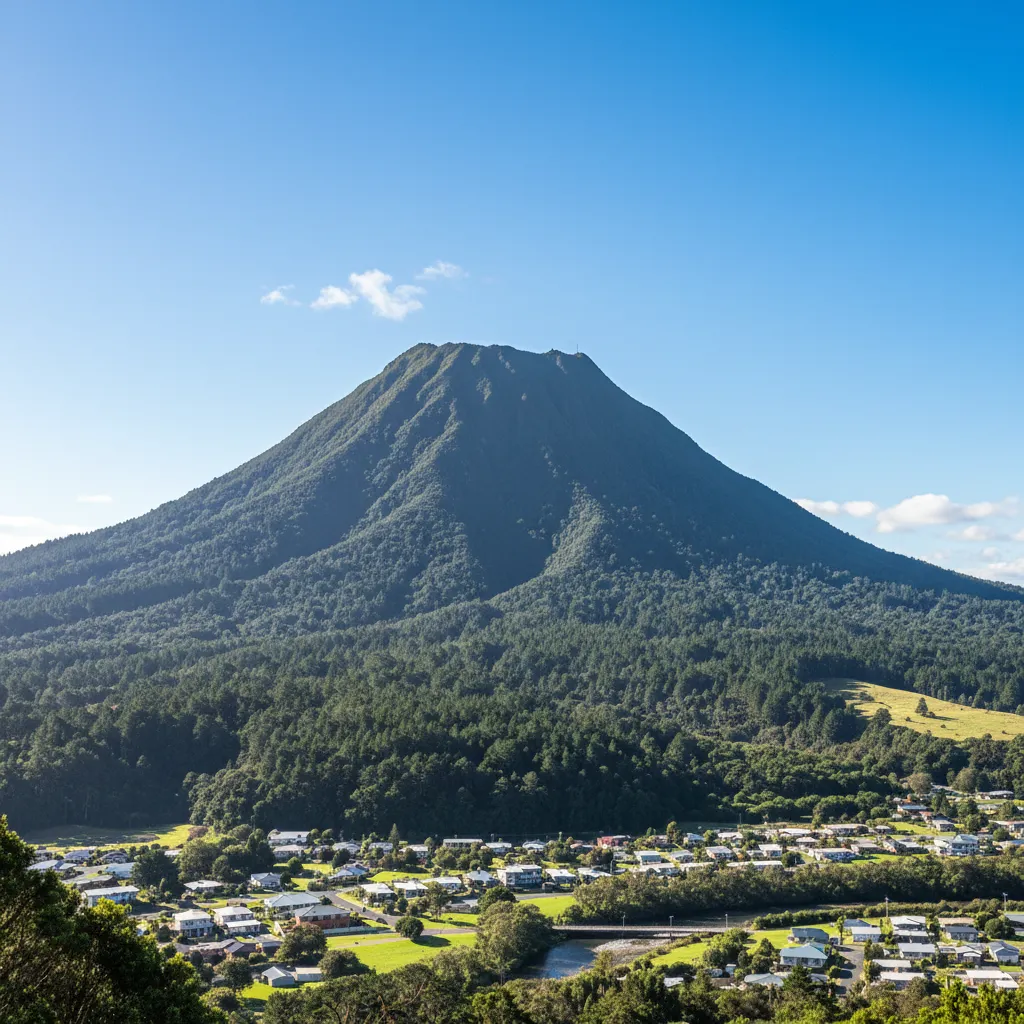
Kawerau is widely regarded as a strategic hub for hunters in the North Island. Situated at the base of Putauaki (Mt Edgecumbe), the town is surrounded by a vast network of exotic pine plantations and pockets of native bush that foster healthy populations of game animals. While deer hunting Kawerau is the primary query for many visiting sportsmen, the region is a multi-species environment that demands respect, preparation, and local knowledge.
The terrain in the Eastern Bay of Plenty is distinct. Unlike the open tops of the Southern Alps, the hunting here is characterized by dense undergrowth, volcanic soil, and steep gullies hidden within commercial forestry blocks. The nutrient-rich soil, aided by the temperate climate, ensures ample food sources for Red Deer and Fallow Deer, leading to animals with good body condition and antler potential.
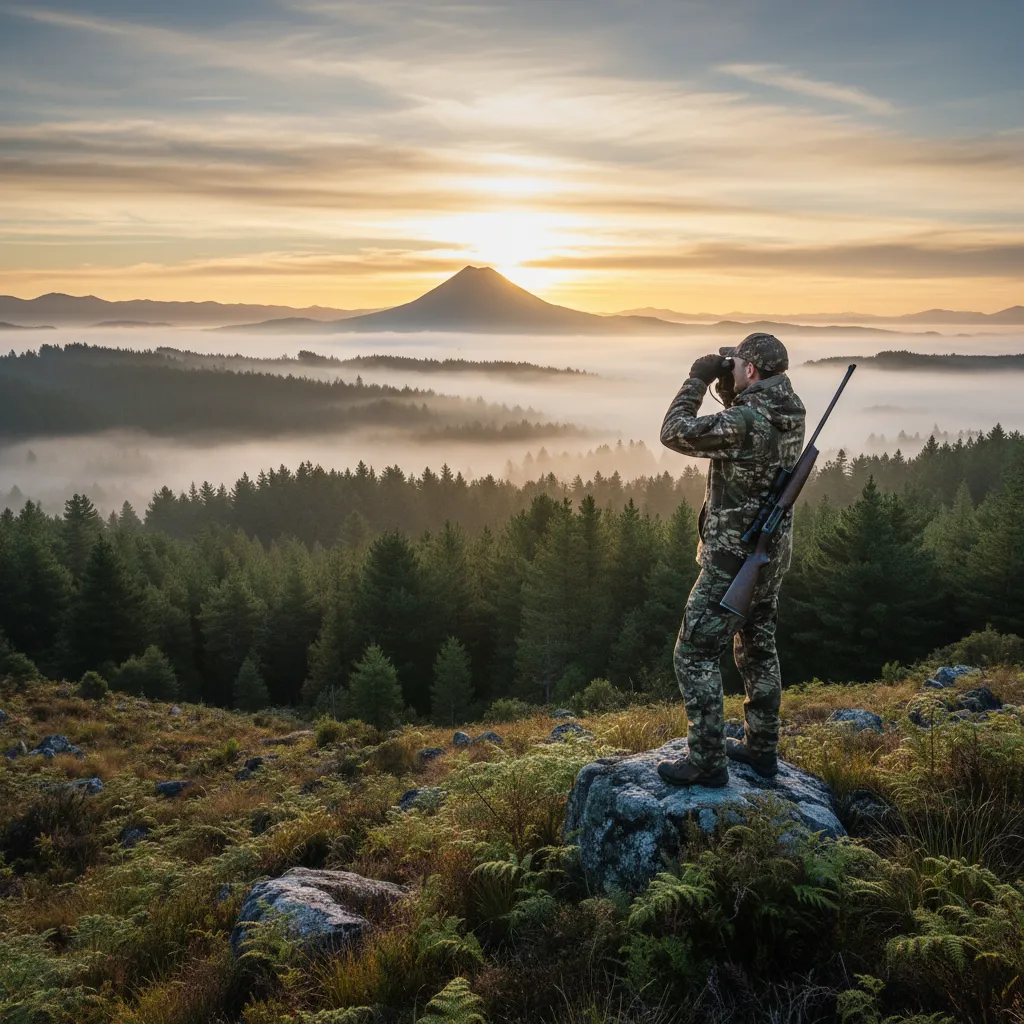
However, access is the defining challenge of the region. Unlike public conservation land (DOC) which often has open access, the prime hunting grounds around Kawerau are largely managed by private forestry management companies such as Manulife (formerly Hancock Forest Management) and Timberlands. Understanding the boundary lines between public DOC land and private forestry is the first step in planning a successful trip.
The Roar: Maximizing the Autumn Season
When is the best time for deer hunting in Kawerau?
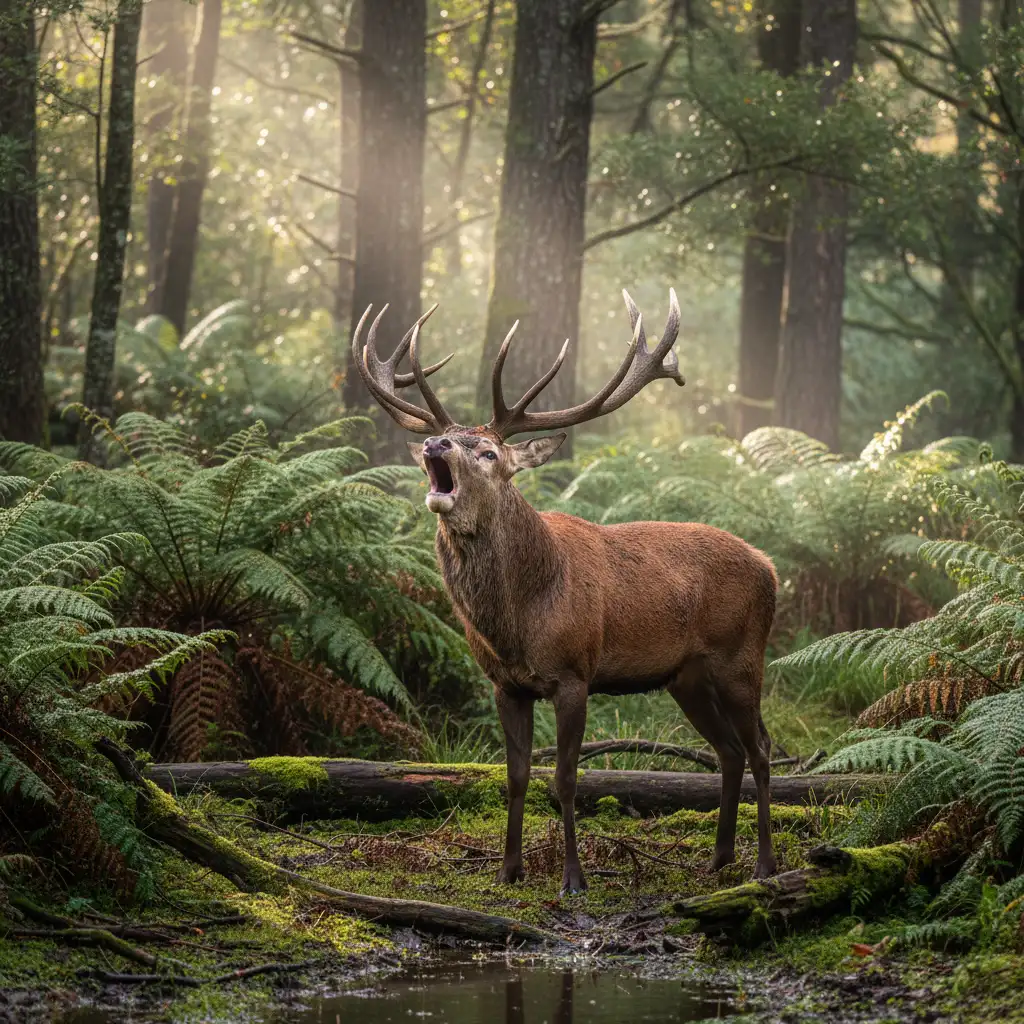
The premier time for deer hunting in the region is “The Roar” (the rut), which typically peaks between late March and mid-April. During this period, stags become vocal and territorial as they compete for hinds, making them easier to locate but often more aggressive.
In the dense pine blocks surrounding Kawerau, the Roar is an intense experience. Visibility is often limited to 20 or 30 meters in mature blocks, meaning encounters happen at close range. The acoustic environment of a pine forest amplifies the sound of a roaring stag, creating an adrenaline-filled environment for stalkers. However, the density of the bush means that wind direction is critical; the swirling winds common in the Bay of Plenty valleys can betray a hunter’s presence long before they see the animal.
Strategies for the Roar in Forestry Blocks:
- Roaring Competitions: Using a roaring horn to mimic a rival stag can draw animals out of the thick scrub. In Kawerau’s forestry, less is often more. An aggressive roar might spook a wary older stag, while a few soft moans might encourage him to investigate.
- The Silent Stalk: During the middle of the day, deer will often bed down in sunny patches of cut-over or on the edges of skid sites. Moving slowly along forestry roads (where permitted) and glassing the shadows can yield results.
- Scent Control: Given the close quarters of forestry hunting, scent control is paramount. Hunters should utilize the early morning thermals that rise up the gully faces.
Forestry Blocks and Permit Areas Near Kawerau
Securing the right paperwork is the single most important aspect of deer hunting Kawerau. Poaching or hunting without a permit is treated severely by local authorities and forestry security. The region operates on a system of recreational access permits that are subject to forestry operations, fire danger levels, and health and safety requirements.
Tarawera Forest Access
The Tarawera Forest is perhaps the most famous hunting ground in the immediate vicinity. Access is generally controlled by Māori Land Trusts and managed forestry entities. Historically, recreational access permits for the Tarawera Forest could be purchased from the Kawerau i-SITE Visitor Information Centre. These permits often allow access during weekends and public holidays when logging crews are not active.
Key Rules for Forestry Permits:
- Hours of Operation: Hunting is strictly limited to daylight hours. Spotlighting is almost universally banned in commercial forests due to the risk to workers and infrastructure.
- Vehicle Access: Permits usually specify which gates can be used. Keys or combinations are provided upon permit issuance. Driving off designated tracks is prohibited to prevent damage to tree root systems and drainage.
- Fire Season: During high summer, permits may be revoked entirely due to extreme fire risk. Always check the current fire status before heading out.
Rotoehu and Rotomā
To the northwest of Kawerau lie the Rotoehu and Rotomā forests. These areas offer a mix of native canopy and pine. Rotoehu, in particular, is known for a high population of wallabies (an invasive pest) alongside deer and pigs. Wallaby hunting is encouraged to protect the native undergrowth, and it provides excellent practice for junior hunters before targeting larger game.
Department of Conservation (DOC) Land
For those preferring public land, the nearby Kaimai Mamaku Forest Park or the fringes of Te Urewera offer opportunities. While these are further from the Kawerau town center than the commercial forests, a standard DOC hunting permit (available online) covers these areas. However, the deer density in deep DOC bush can be lower than in the managed forestry blocks where grass growth on verges provides abundant feed.

The Local Pig Hunting Culture
While deer stalking is popular, Kawerau has a legendary reputation for pig hunting. It is deeply ingrained in the local lifestyle and community identity. The “pigger” culture here is focused on the use of bailing and holding dogs to track and stop wild boars in the dense fern and scrub.
The Nature of the Hunt:
Pig hunting in the Eastern Bay of Plenty is physically demanding. The pigs here are known to be large and aggressive, thriving on the fern roots and pine nuts available in the plantation forests. Hunters must be fit enough to follow dogs through steep, slippery gullies filled with blackberry and supplejack vines.
Community and Competitions:
Local clubs often host pig hunting competitions, particularly around Easter and long weekends. These events are community staples, featuring weigh-ins that draw large crowds. For a visitor, observing a weigh-in is a fascinating insight into the local culture. If you are looking to go pig hunting, it is highly recommended to connect with a local guide or club. The use of dogs requires specific permission on forestry permits, and unauthorized dogs in kiwi zones are a major legal issue.
Tactics and Gear for the Volcanic Plateau
Successful deer hunting Kawerau expeditions rely on appropriate gear choices. The Bay of Plenty climate is generally milder than the South Island, but the forestry environment presents unique challenges.
Essential Gear Checklist
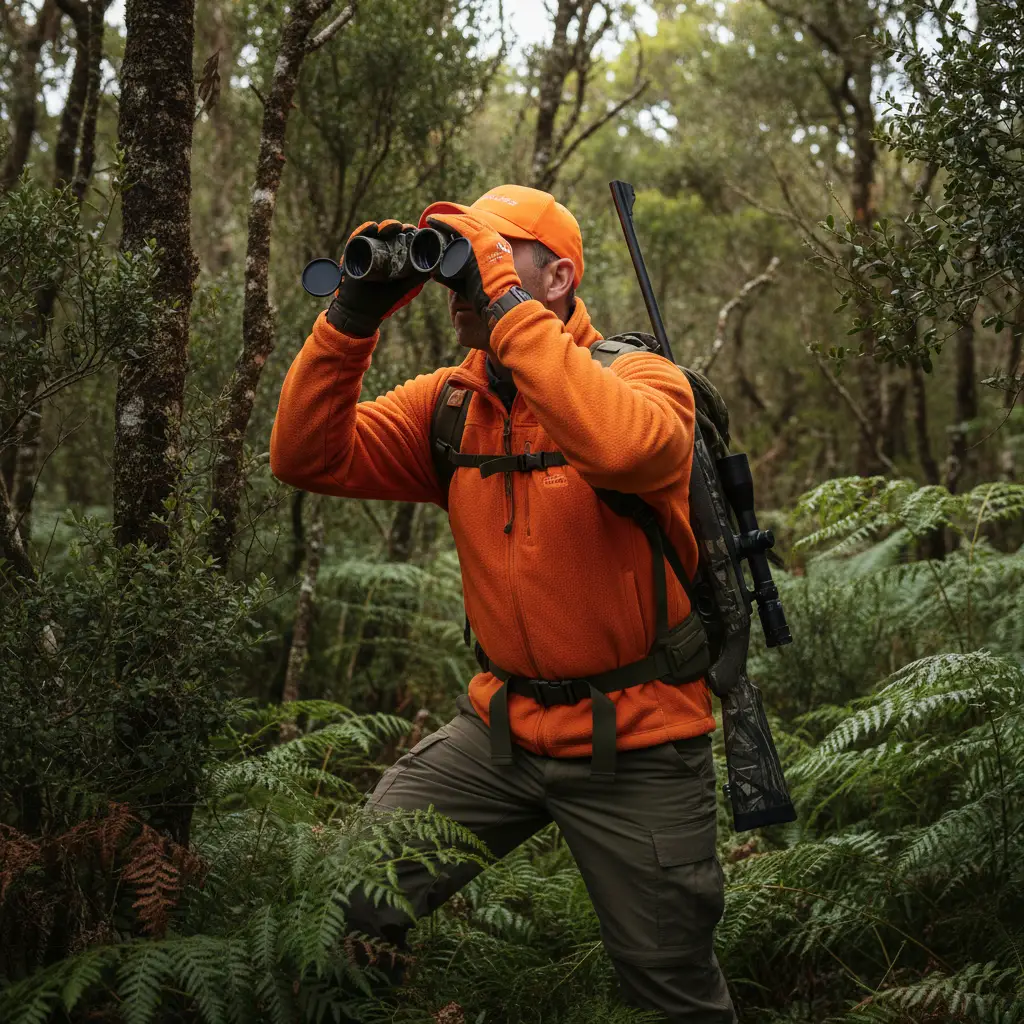
- Optics: High-quality binoculars (8×42 or 10×42) are essential. Even in tight bush, you need to be able to identify an ear flick or the glint of an antler through the scrub.
- Footwear: Heavy, stiff mountaineering boots are often overkill for the soft volcanic soil. A medium-stiffness boot with aggressive tread is ideal for navigating the pine needles and mud.
- Clothing: Silent fleece or soft-shell gear is preferred over noisy waterproof hardshells. The aim is to move silently. Blaze orange clothing is highly recommended—and often mandatory in forestry blocks—to ensure you are visible to other hunters.
- Navigation: GPS units with topographical maps are crucial. Pine forests can be disorienting, with every row looking identical. A compass and physical map should always be a backup.
Safety, Ethics, and Firearms Regulations
Safety is the non-negotiable foundation of hunting in New Zealand. The Eastern Bay of Plenty has seen hunting accidents in the past, often due to failure to identify the target. When deer hunting Kawerau, you are sharing the forest with logging crews, firewood gatherers, and other recreational users.
The Seven Rules of Firearms Safety
Every hunter must adhere to the NZ Arms Code. The most critical rule in this context is “Identify your target beyond all doubt.” In the dappled light of a pine forest, a fellow hunter carrying a stag out can easily be mistaken for game if one relies on shape or color alone. You must see the whole animal and check the background before squeezing the trigger.
Forestry Hazards
Hunting in active forestry blocks introduces industrial hazards:
- Logging Trucks: These vehicles have the right of way on all forestry roads. They move fast and cannot stop quickly. Hunters must drive with lights on and keep to the left.
- Skid Sites: Active logging sites are strictly out of bounds. Heavy machinery operates here, and the noise of chainsaws can mask the sound of a hunter approaching.
- Treefall: After heavy storms, pine trees can be unstable. Be cautious when hunting during or immediately after high winds.
People Also Ask
Do I need a permit to hunt in Kawerau forestry?
Yes, absolutely. Most forestry blocks around Kawerau (like Tarawera and Rotoehu) are privately managed. You must obtain a recreational access permit, often available from the Kawerau i-SITE or the forestry management company directly. Hunting without one is trespassing and poaching.
What types of deer are found near Kawerau?
The primary species is the Red Deer, which is widespread throughout the forestry and native bush. Fallow Deer are also present in specific pockets. Wild pigs and wallabies (in the Rotoehu area) are also common game animals.
Can I hunt on DOC land near Kawerau?
Yes, there are Department of Conservation (DOC) areas nearby, such as the Kaimai Mamaku Forest Park and reserves toward Te Urewera. You need a standard DOC hunting permit, which is free and available online, but this does not cover the private pine forests.
Is spotlighting allowed in Kawerau forests?
Generally, no. Spotlighting (hunting at night with lights) is strictly prohibited in most commercial forestry blocks due to safety risks for workers and the potential for fire. It is usually only allowed on private farmland with the express permission of the landowner.
When is the Roar season in the Bay of Plenty?
The Roar (Red Deer mating season) typically runs from late March through to mid-April. This is the most popular time for hunters, as stags are vocal and more active during the day.
Where can I get a hunting permit for Tarawera Forest?
Permit availability can change based on forestry operations. Historically, they have been issued via the Kawerau i-SITE Visitor Information Centre. It is best to call them directly or check the Māori Investments Limited or Timberlands websites for the latest access protocols.