
Geothermal wellness in Kawerau centers on the therapeutic utilization of the region’s prolific volcanic heat, best experienced at the Maurie Kjar Memorial Swimming Complex. This practice integrates soaking in mineral-rich, geothermally heated waters to promote physical healing, stress relief, and community health, leveraging the sustainable energy that defines this unique Bay of Plenty district.
Kawerau is often recognized as the industrial heart of the Bay of Plenty, yet it holds a secret that transforms it from a manufacturing hub into a sanctuary for health and relaxation. Situated within the Taupō Volcanic Zone, the district sits atop a massive geothermal field that powers not only its economy but also the physical well-being of its residents and visitors. The concept of geothermal wellness Kawerau is more than a tourism tagline; it is a way of life deeply embedded in the community’s infrastructure and culture.
From the free-to-access public pools that rival high-end commercial spas to the sustainable energy initiatives that keep the air clean, Kawerau offers a unique case study in how natural resources can foster a holistic lifestyle. This guide explores the intersection of geology, health, and community in one of New Zealand’s most energy-rich towns.
What Makes Kawerau’s Geothermal Resource Unique?
To understand the wellness aspect of Kawerau, one must first appreciate the geological powerhouse beneath the surface. Kawerau is located at the northeastern end of the Taupō Volcanic Zone, a geothermal field that is among the most active in the world. Unlike other regions where geothermal activity is sporadic, Kawerau’s heat source is consistent, potent, and shallow, allowing for efficient extraction and utilization.
The heat originates from magma located approximately 2 to 4 kilometers beneath the earth’s surface. This magma heats the groundwater, which rises through fractures in the rock, carrying with it a complex cocktail of dissolved minerals from the volcanic strata. By the time this water reaches the surface—or is tapped by boreholes—it is rich in silica, sulfur, and other trace elements known for their therapeutic properties.
The Role of Mount Putauaki
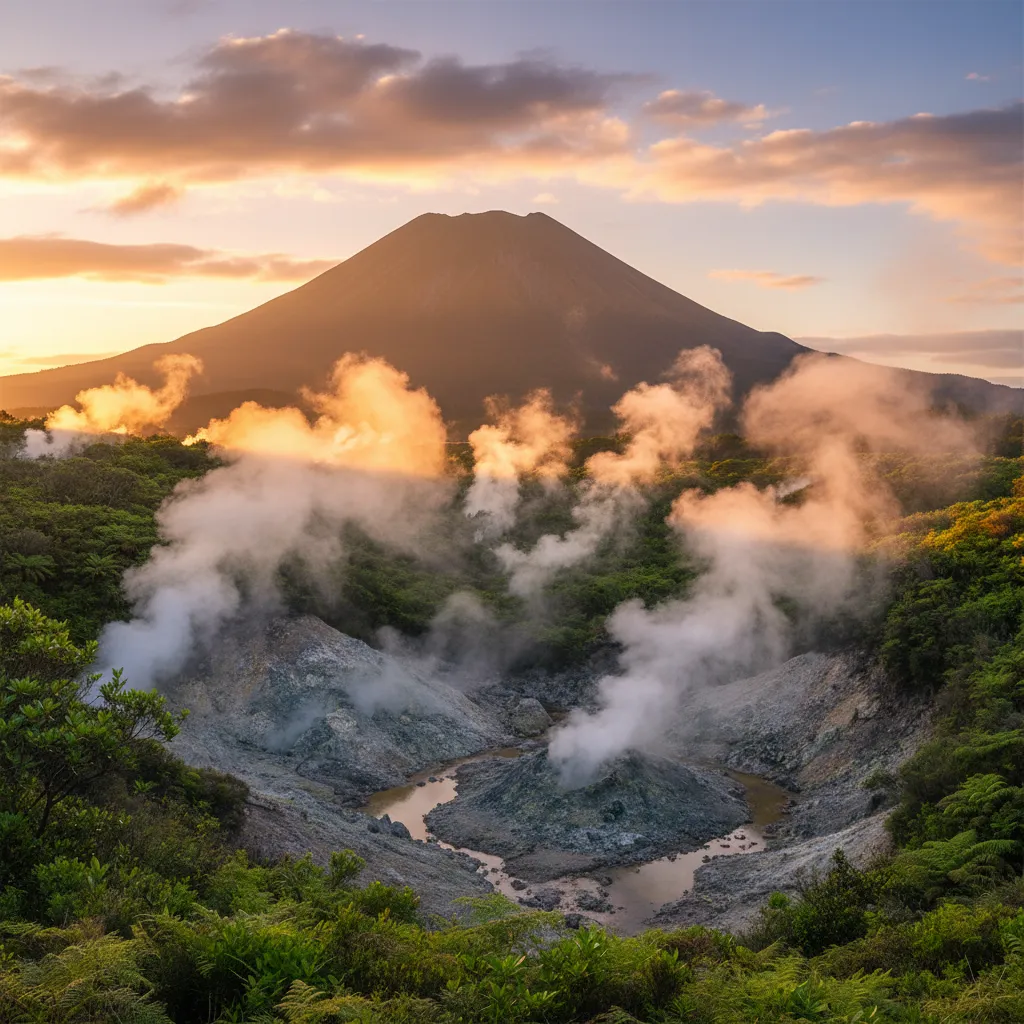
Dominating the landscape is Putauaki (Mount Edgecumbe), a dormant volcanic cone that serves as a cultural and geographical anchor for the region. While the mountain itself is not currently erupting, its presence signifies the intense volcanic history of the area. The geothermal field extending from the mountain’s base provides a sustainable heat load that is exceptionally high enthalpy (high energy). This geological configuration allows Kawerau to support heavy industry and wellness tourism simultaneously without depleting the resource, provided it is managed through reinjection and sustainable practices.
The Maurie Kjar Memorial Pool Experience
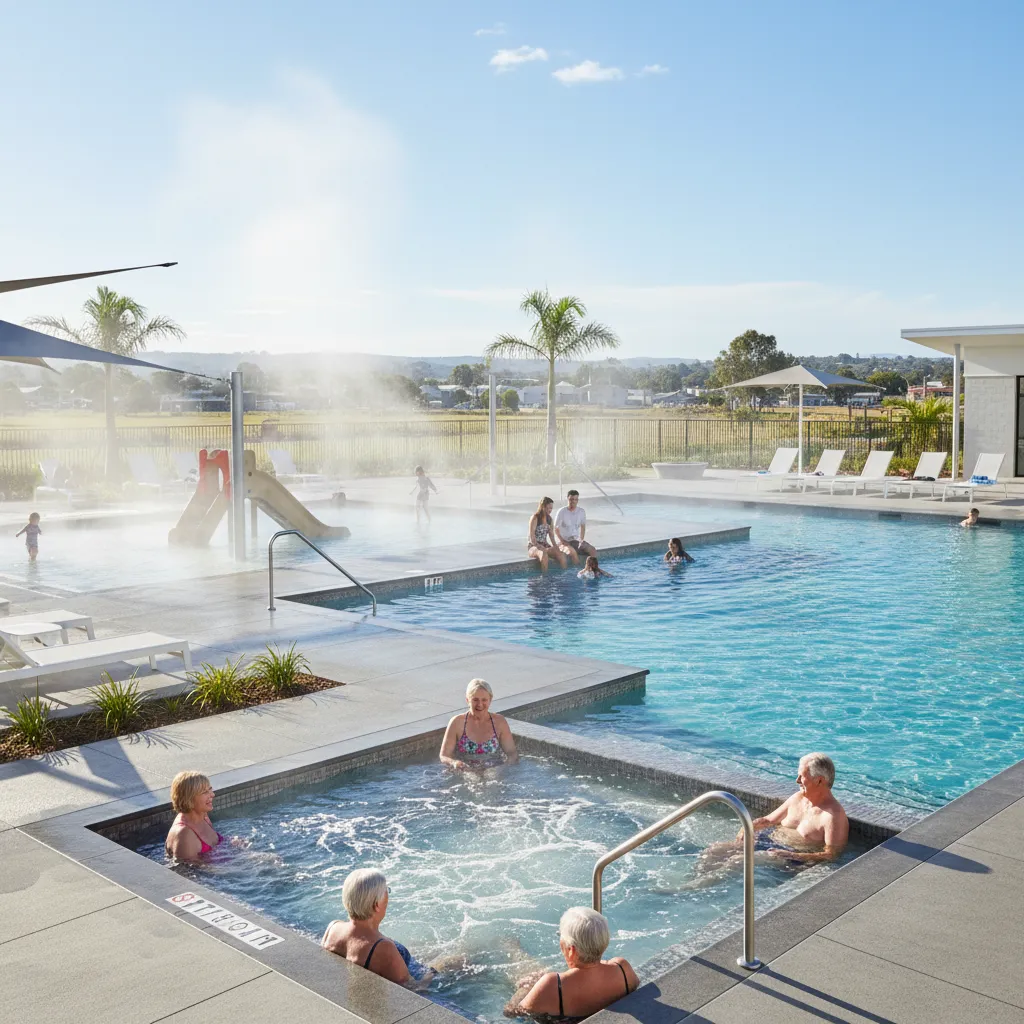
The crown jewel of geothermal wellness Kawerau is undoubtedly the Maurie Kjar Memorial Swimming Complex. Unlike exclusive luxury spas found in other geothermal hotspots like Rotorua or Taupō, the Maurie Kjar complex is a community asset that remains free of charge. This accessibility ensures that the benefits of balneotherapy (treatment of disease by bathing) are available to everyone, regardless of socioeconomic status.
The complex is heated directly by the local geothermal field. Heat exchangers are used to transfer energy from the geothermal fluid to the pool water, ensuring the pools remain at therapeutic temperatures year-round. This method keeps the water pure and safe while maintaining the heat required for muscle relaxation.
Facilities Designed for Health
The complex is designed to cater to various wellness needs through different zones:
- The Main Pool: Kept at a comfortable temperature suitable for swimming laps and low-impact water aerobics. This allows for cardiovascular exercise without the strain on joints associated with land-based workouts.
- The Spa Pools: These are smaller, hotter pools designed for static soaking. The higher temperature induces vasodilation (widening of blood vessels), which improves circulation and helps flush toxins from the muscles.
- The Splash Pad: While primarily for recreation, this area utilizes the same heating technology, allowing children to play in a warm environment even during cooler months.
The atmosphere at the complex is distinctly community-oriented. It serves as a social hub where the elderly manage chronic pain conditions, athletes recover from training, and families bond, all facilitated by the natural warmth of the earth.
Wellness Benefits of Natural Mineral Water
The term “wellness” in the context of Kawerau is not merely about relaxation; it is grounded in the physiological effects of heat and mineral exposure. The geothermal waters in the region are renowned for their specific chemical profiles, which interact with the human body to produce tangible health outcomes.
Understanding Balneotherapy
Balneotherapy is the medical use of bathing in thermal mineral waters. In Kawerau, the combination of heat and hydrostatic pressure offers immediate relief for those suffering from musculoskeletal disorders. When the body is immersed in water, it experiences buoyancy, reducing the weight borne by joints by up to 90%. This allows for pain-free movement and decompression of the spine.
Key Minerals and Their Effects
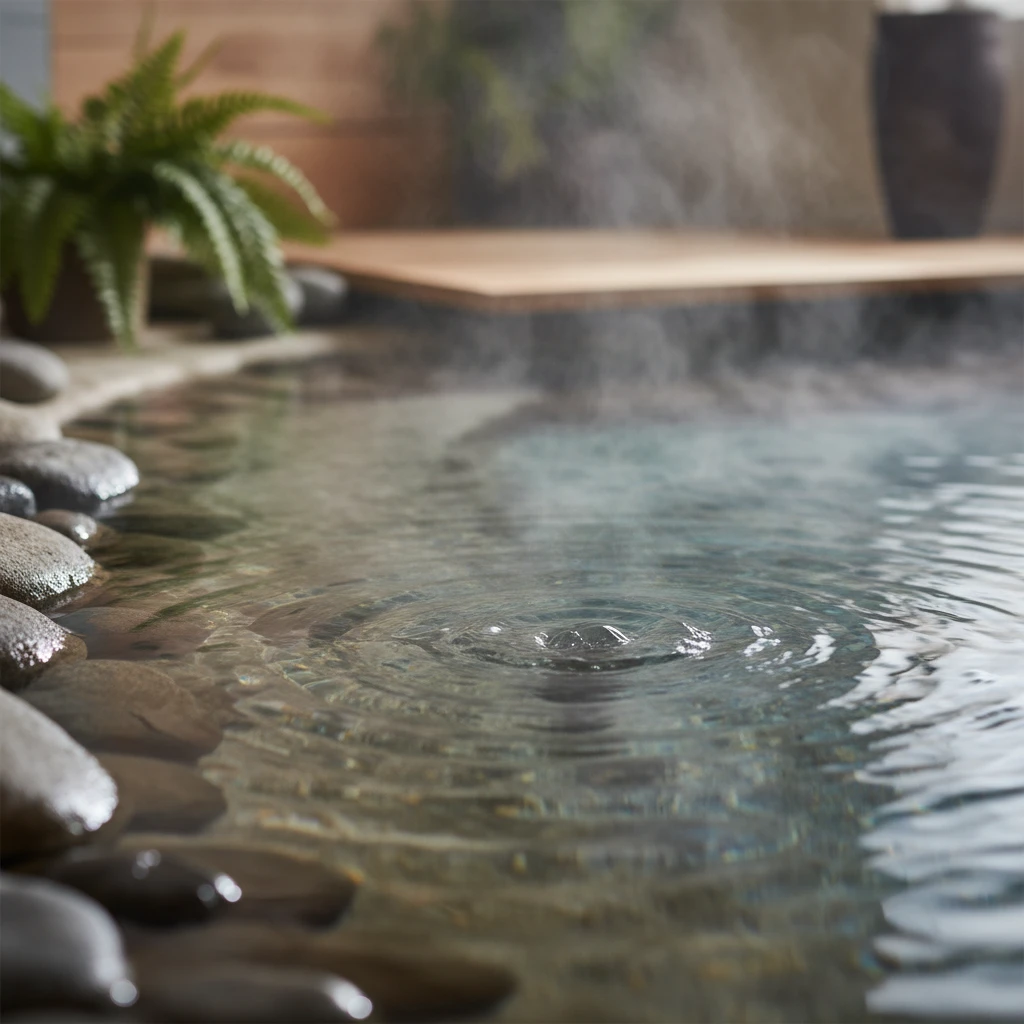
While the specific composition can vary by borehole, Kawerau’s geothermal fluids generally contain elements beneficial to human health:
- Silica: Known for its skin-softening properties. Silica can help improve skin elasticity and is often used in treatments for eczema and psoriasis. It creates a barrier on the skin that locks in moisture.
- Sulfur: Often called “nature’s beauty mineral,” sulfur is vital for collagen production. However, its primary medical application in balneotherapy is for arthritis relief. Sulfur compounds can penetrate the skin and help reduce inflammation in swollen joints.
- Lithium: Trace amounts of lithium are sometimes found in geothermal waters, which some studies suggest can have a subtle mood-stabilizing and calming effect, contributing to the deep sense of relaxation felt after a soak.
- Heat Shock Proteins: Regular exposure to heat (hyperthermia) stimulates the production of heat shock proteins. These proteins repair damaged cells and protect against oxidative stress, effectively boosting the immune system.
Sustainable Energy Use in the Community
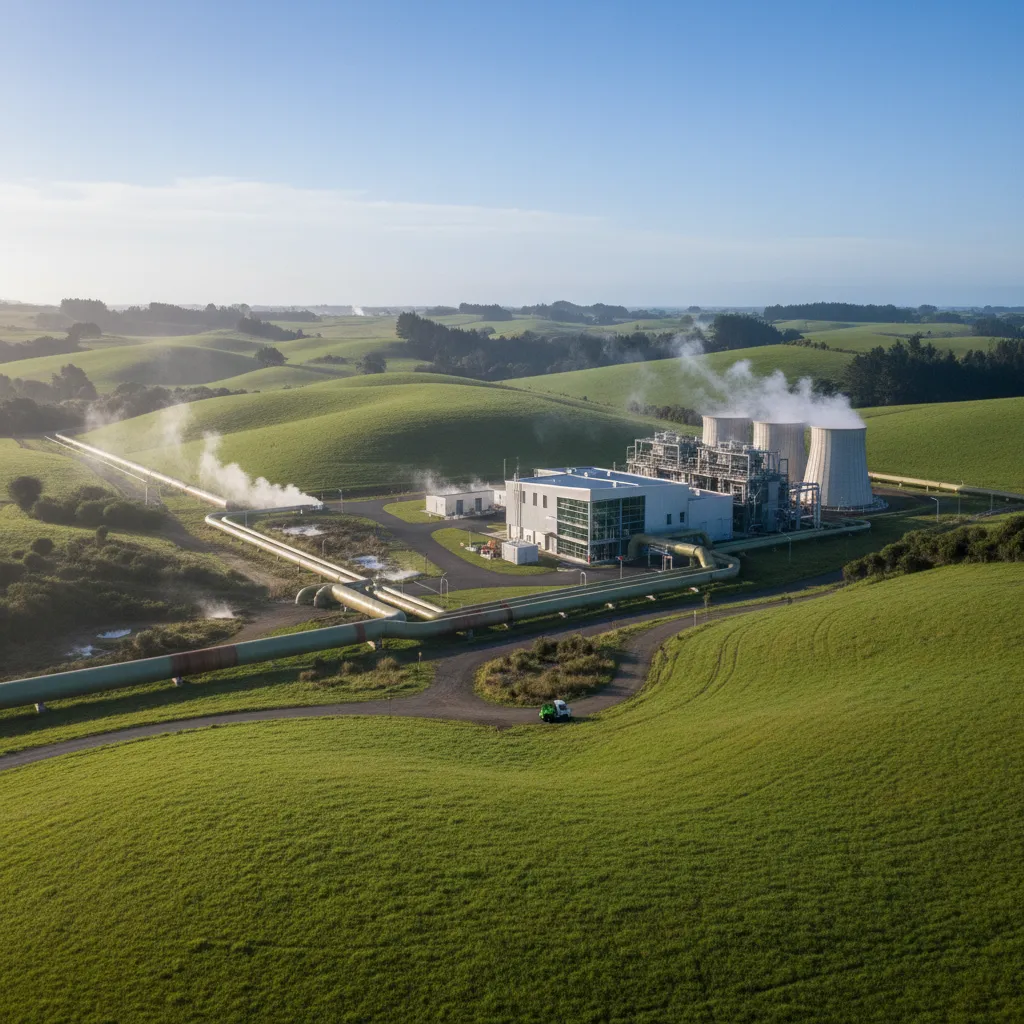
Wellness in Kawerau extends beyond personal health to planetary health. The district is a shining example of “Cascaded Use” of geothermal energy. This concept involves using the highest temperature fluids for electricity generation and industrial processes, and then using the lower temperature fluids for community heating and wellness applications before reinjection.
Industrial Symbiosis and Clean Air
Kawerau is home to the world’s largest geothermal industrial complex. Major operations like Norske Skog Tasman and Mercury Energy utilize geothermal steam for power generation and paper processing. By relying on geothermal energy rather than fossil fuels, the region significantly reduces its carbon footprint. This results in cleaner air quality compared to other industrial towns, directly contributing to the respiratory health of the community.
Direct Use Applications
Beyond the pools, the geothermal resource is used for:
- Greenhouses: Local horticulture ventures use geothermal heat to grow produce year-round, increasing the availability of fresh, healthy food for the region.
- Timber Drying: Using geothermal steam to dry timber is more energy-efficient and faster than conventional methods.
This holistic approach ensures that the environment remains pristine, enhancing the overall wellness experience for visitors who come to enjoy the natural beauty of the Eastern Bay of Plenty.
Planning Your Geothermal Wellness Visit
If you are planning to experience geothermal wellness Kawerau first-hand, preparation is key to maximizing the benefits. The town is located approximately 50 minutes east of Rotorua and 30 minutes southwest of Whakatāne, making it an easy day trip or a relaxing weekend destination.
Tips for a Therapeutic Soak
To get the most out of the Maurie Kjar Memorial Swimming Complex:
- Hydrate: Soaking in hot water causes the body to sweat, even if you don’t realize it. Drink plenty of water before and after your swim to prevent dehydration.
- Limit Time: It is recommended to soak for 15-20 minutes at a time, followed by a cooling break. This cycle prevents overheating and maximizes the circulatory benefits.
- Shower First: To maintain the purity of the water and respect the community facility, always shower before entering the pools.
- Check Opening Hours: The complex is generally open daily, but hours can vary by season. It is advisable to check the Kawerau District Council website for the most current schedule.
People Also Ask
Is the Kawerau swimming pool free?
Yes, the Maurie Kjar Memorial Swimming Complex in Kawerau is free of charge for both locals and visitors. This is part of the council’s commitment to community wellness and utilizes the abundant local geothermal energy to keep operating costs manageable.
What minerals are in Kawerau hot pools?
The geothermal waters in the Kawerau region are typically rich in silica, chlorides, and sodium, with varying amounts of sulfur. These minerals are derived from the volcanic rock deep underground and are prized for their therapeutic effects on skin and joints.
Is geothermal water good for arthritis?
Yes, geothermal water is highly beneficial for arthritis. The combination of heat (which increases blood flow and relaxes muscles), buoyancy (which reduces pressure on joints), and mineral absorption (particularly sulfur) helps reduce inflammation and pain.
How hot are the pools in Kawerau?
The water temperatures at the Maurie Kjar Memorial Swimming Complex vary by pool. The main pool is typically kept around 32°C to 34°C (89°F – 93°F), while the smaller spa pools are maintained at higher temperatures, often between 38°C and 40°C (100°F – 104°F) for therapeutic soaking.
Can you swim in geothermal water safely?
Yes, swimming in geothermal water is safe provided the water is treated and monitored. In commercial and public facilities like Kawerau’s, the water is regulated for temperature and hygiene. However, visitors should avoid submerging their heads in untreated natural hot springs due to the rare risk of amoebic meningitis.
What else is there to do in Kawerau besides the pools?
Beyond the pools, visitors can hike Mount Putauaki (permit required), visit the Tarawera Falls (accessible via permit roads), explore the Ruruanga Stream nature walks, or learn about the town’s history at the local museum. The town is also a hub for whitewater kayaking on the Tarawera River.