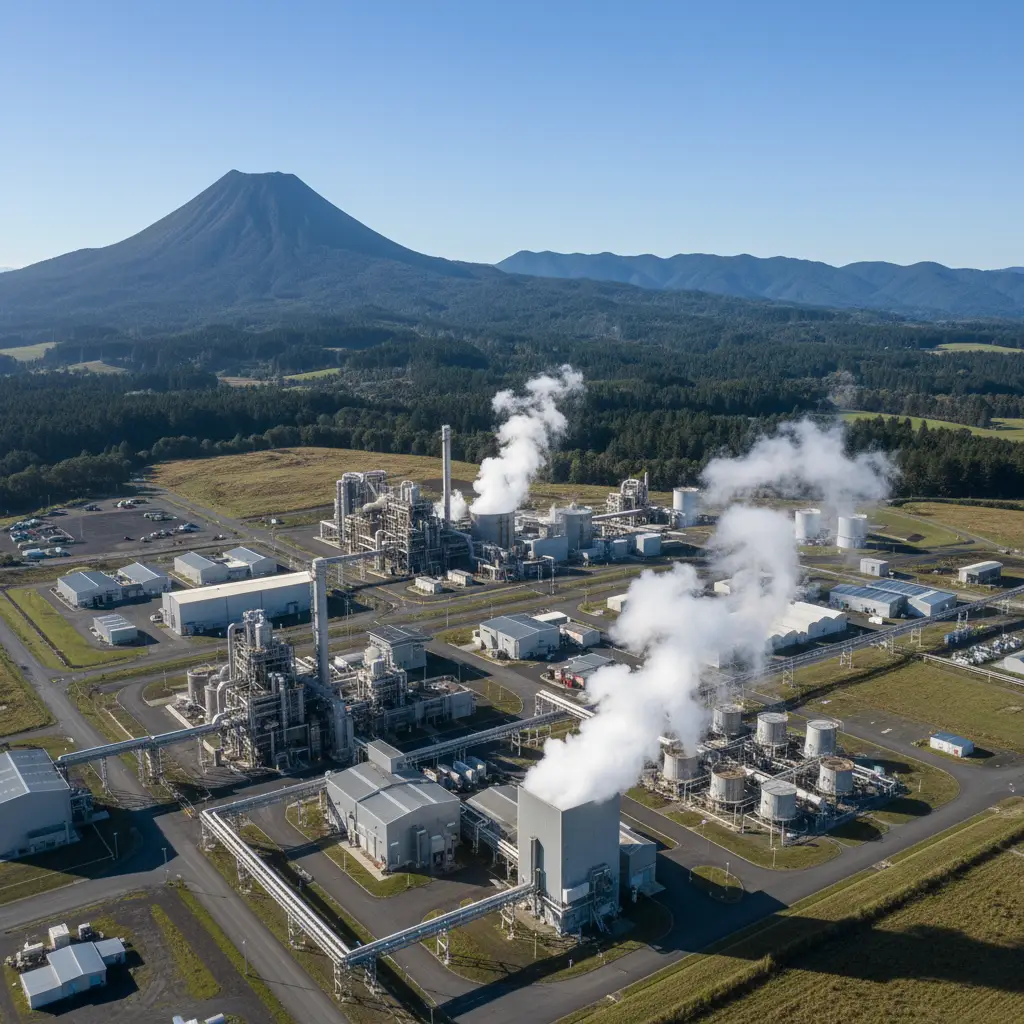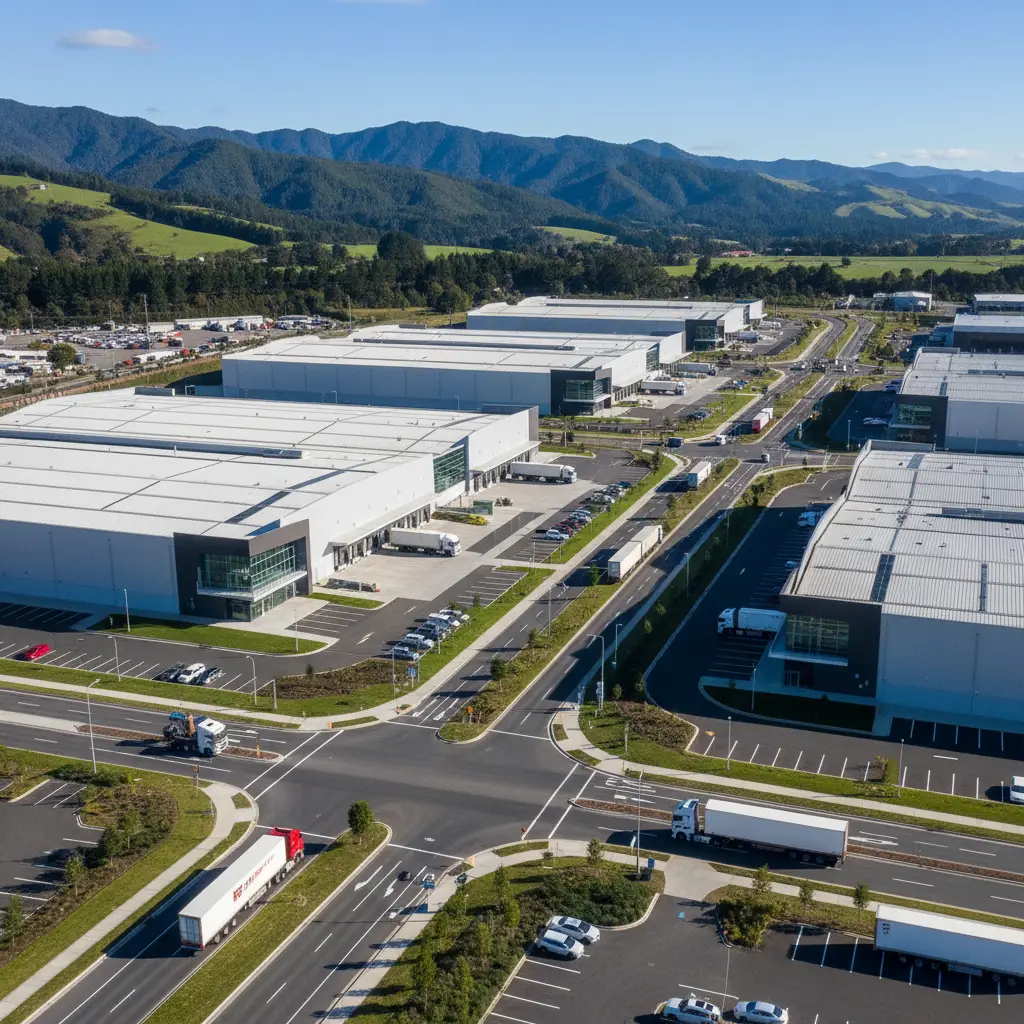
Forestry supply chain logistics refers to the integrated management of timber flow from harvest sites to processing facilities and final export destinations. In industrial hubs like Kawerau, this process combines silviculture planning, multi-modal transportation (road and rail), inventory management, and port coordination to ensure the efficient, sustainable movement of wood products to global markets.
Kawerau, situated in the heart of New Zealand’s Bay of Plenty, serves as the industrial engine room for the country’s forestry sector. With the massive Kaingaroa Forest on its doorstep and a direct logistical artery to the Port of Tauranga, the region exemplifies a mature, high-volume forestry supply chain. Understanding the logistics ecosystem here offers a blueprint for efficient timber management globally.
What is the Forestry Supply Chain Logistics Process?
The journey of timber from the forest floor to a construction site in Shanghai or a furniture factory in Melbourne is a complex ballet of heavy machinery, precise timing, and data management. In the context of Kawerau, this flow is optimized for high throughput.
1. Harvesting and Forwarding
The supply chain begins deep within the Kaingaroa Forest. Modern logistics dictates that harvesting is not merely cutting trees but harvesting to order. Silviculture data is analyzed to determine which stands are ready for harvest based on current market demands for specific grades of log (pruned, unpruned, sawlog, or pulp). Harvesters fell the trees, and forwarders move them to the “skid site” (a clearing for loading).
2. The First Mile: Skid Site to Processor
Once at the skid site, logs are tagged and graded. This is the first critical data entry point in the forestry supply chain logistics system. Trucks are dispatched via GPS coordination to pick up specific loads. In the Kawerau region, short-haul transport is crucial. The proximity of the forest to the mills means that truck turnaround times are kept low, maximizing the efficiency of the fleet. However, this stage requires rigorous scheduling to prevent bottlenecks at mill weighbridges.

3. Primary Processing and Inventory
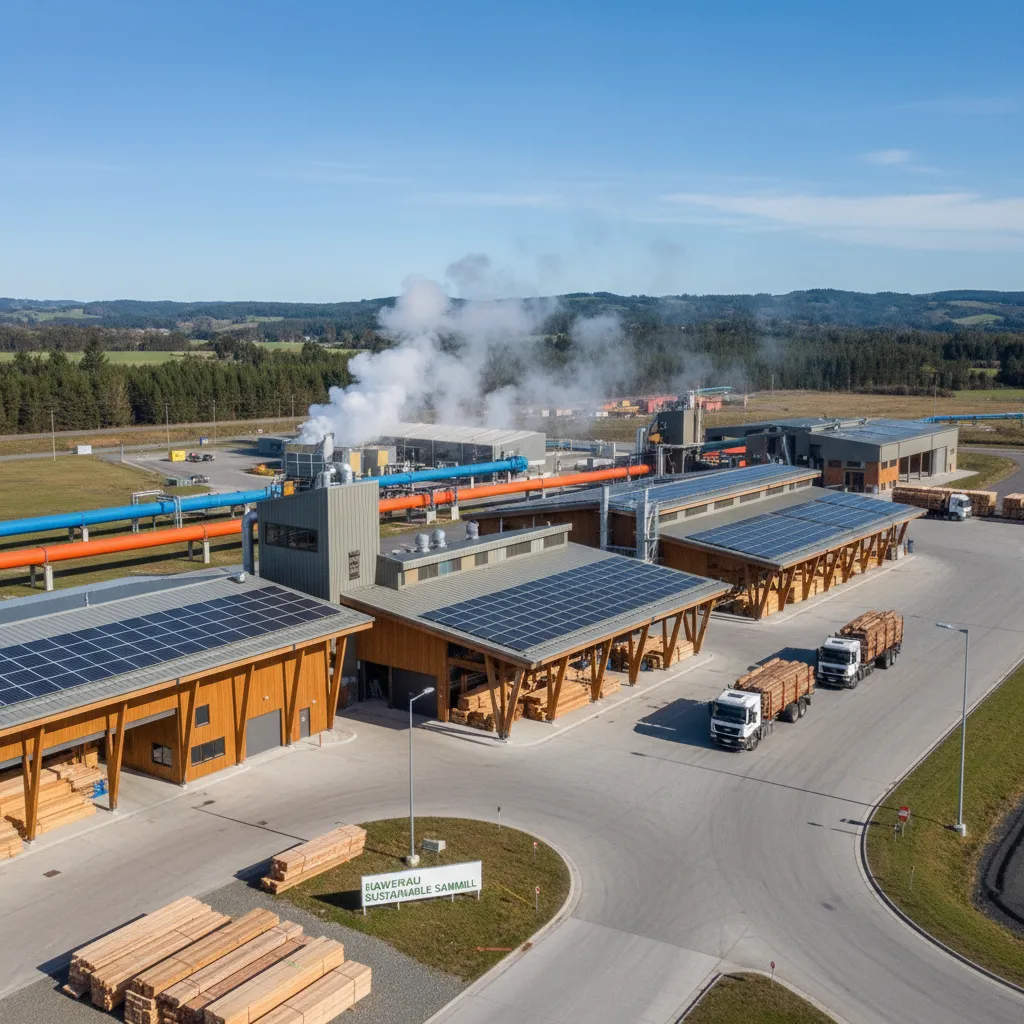
Upon arrival at Kawerau’s industrial hub, logs enter the stockyards of major processors like Sequal, Oji Fibre Solutions, or Essity. Here, logistics shifts from transport to inventory management. Automated scanners assess log volume and quality. The timber is then processed into sawn lumber, pulp, paper, or engineered wood products. The supply chain must balance raw material inflow with production capacity to avoid costly stockpile overflows or production stoppages.
How Do Road and Rail Networks Support Kawerau Forestry?
The backbone of any supply chain is its infrastructure. For Kawerau, the interplay between road and rail is the defining feature of its logistical success.
The Dominance of Heavy Haulage Road Transport
Road transport handles the “first mile” and “last mile” complexities that rail cannot touch. The logging truck fleet in the Bay of Plenty is specialized for the rough terrain of forestry roads. Logistics managers utilize route optimization software to navigate the forest networks, ensuring that trucks take the most fuel-efficient paths to the Kawerau processing hub.
However, reliance on road transport presents challenges, including road wear, driver fatigue management, and carbon emissions. This is why the intermodal shift is vital for the region’s long-term growth.
The Strategic Rail Link to Tauranga
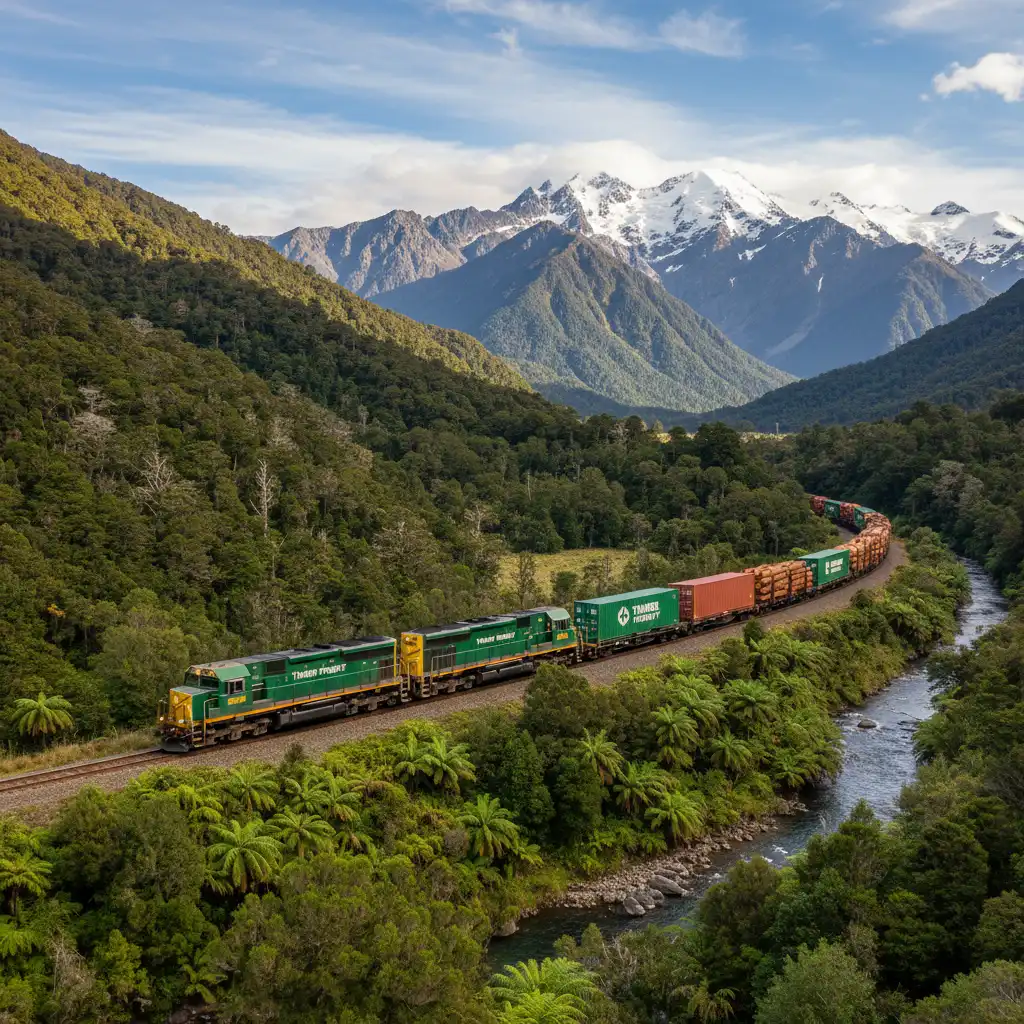
Kawerau possesses a distinct logistical advantage: a dedicated rail spur connecting the industrial zone directly to the Port of Tauranga, New Zealand’s largest export port. This rail link is the artery of the forestry supply chain logistics network.
KiwiRail operates daily services that carry containerized wood products and bulk logs. The efficiency of rail is unmatched for export-bound goods. One train can carry the equivalent load of dozens of trucks, significantly decluttering the roadways and reducing the cost per ton of transport. For the Kawerau Regional Growth & Lifestyle Hub, this rail connection is a key selling point for attracting new industrial investment and supporting those considering the Relocation & Digital Nomad Lifestyle.
Where Are Kawerau’s Wood Products Exported?
The logistics chain does not end at the mill; it extends across the ocean. Kawerau is a global player, and understanding the export logistics is essential for stakeholders in the region.
Key International Markets
The primary destinations for wood products originating in Kawerau include:
- China: The largest consumer of New Zealand logs and sawn timber, primarily for construction and manufacturing.
- Australia: A major market for structural timber and engineered wood products.
- United States: Increasing demand for high-quality clear wood for moldings and interior finishes.
- South Korea and Japan: Consistent importers of wood pulp and packaging materials.
Port Logistics and Containerization
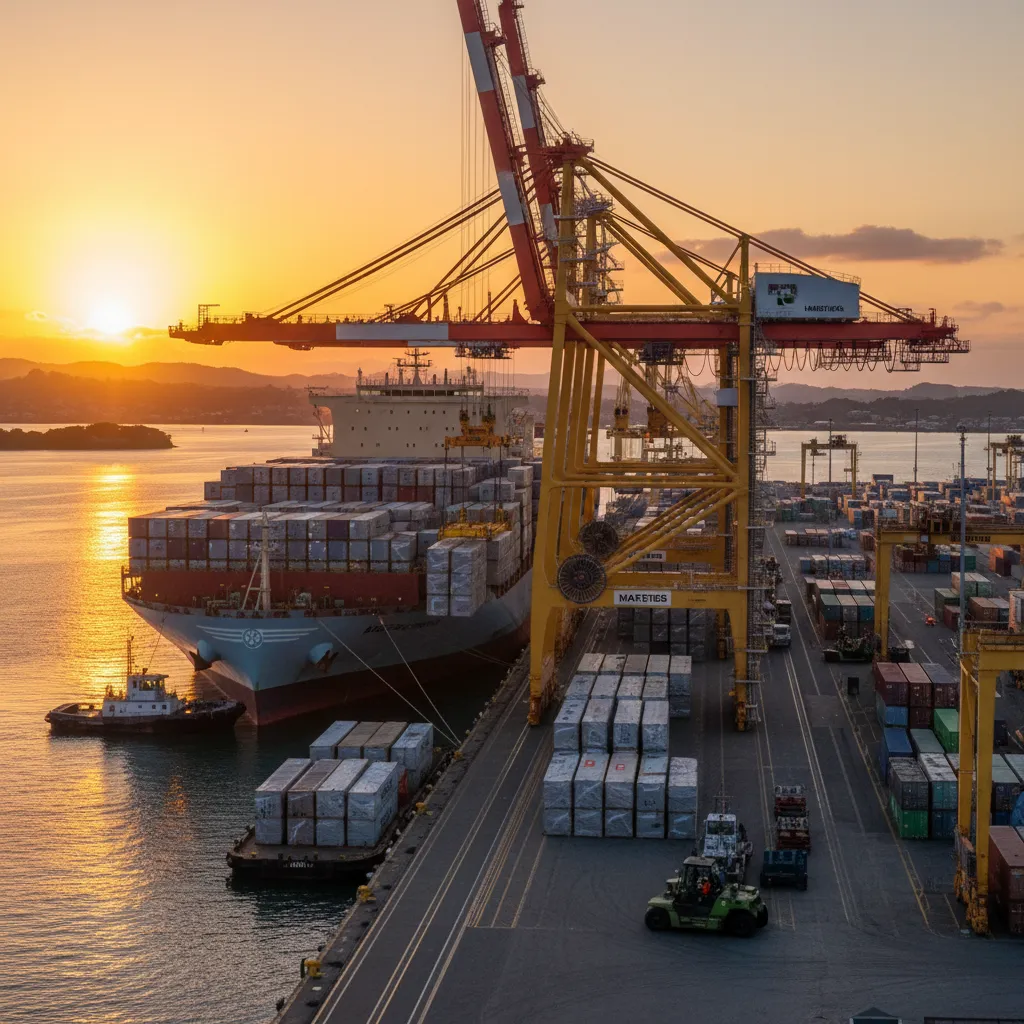
The transition from mill to ship is a critical bottleneck. Products are either “break-bulk” (loose logs loaded directly into the ship’s hold) or containerized. High-value processed timber from Kawerau is typically containerized to prevent damage and moisture ingress.
The Port of Tauranga utilizes advanced terminal operating systems to manage the inflow of rail cargo from Kawerau. Supply chain planners must synchronize mill production schedules with vessel arrival windows (laycans). Missing a shipping window can result in significant demurrage costs and storage fees, emphasizing the need for precision in the forestry supply chain logistics workflow.
How is Sustainability Integrated into Timber Logistics?
In the modern era, a supply chain is only as strong as its environmental credentials. For the Kawerau Regional Growth & Lifestyle Hub, sustainability is not just a word; it is an operational mandate, mirroring the values of Sustainable Living in Kawerau.
Reducing Carbon in the Supply Chain
Forestry logistics is energy-intensive. To mitigate this, Kawerau’s industry is leaning heavily into decarbonization strategies:
- Modal Shift: Moving more freight from road to rail reduces carbon emissions by approximately 66% per tonne-kilometer.
- High-Productivity Motor Vehicles (HPMVs): Using larger, more efficient trucks that can carry heavier loads reduces the total number of trips required.
- Biofuel Potential: Research is underway to utilize forestry waste (slash) to produce biofuels that can power the logistics fleet.
Chain of Custody and Certification
Global markets demand proof of legality and sustainability. The Forest Stewardship Council (FSC) and Programme for the Endorsement of Forest Certification (PEFC) standards require rigorous tracking.
From a logistics perspective, this means every log must be traceable back to its stump. This “Chain of Custody” is maintained through digital tagging and blockchain technologies. When a consumer buys a piece of furniture in Europe made from Kawerau pine, the barcode reveals the entire logistical journey, ensuring no illegal timber entered the supply chain.
Technology and Future Trends
The future of forestry supply chain logistics in Kawerau is digital. The adoption of Industry 4.0 technologies is transforming how wood flows from forest to port.
Digital Twins and Telematics
Companies are beginning to create “Digital Twins” of their supply chains—virtual replicas that allow managers to simulate scenarios. For example, if a storm closes a forest road, the digital twin can instantly calculate the impact on mill inventory and export schedules, allowing for proactive adjustments.
Telematics in logging trucks monitor everything from fuel consumption to driver behavior. This data is fed back to central control rooms in Kawerau, allowing for real-time fleet optimization. As the region continues to grow as a lifestyle and industrial hub, these efficiencies minimize the impact of heavy industry on the local community by reducing traffic congestion and noise.
People Also Ask
What are the main stages of the forestry supply chain?
The main stages include silviculture (growing), harvesting, primary transport (forest to mill), processing (manufacturing), inventory management, secondary transport (mill to port/market), and final distribution/export.
Why is Kawerau important to New Zealand’s forestry industry?
Kawerau is strategically located next to the Kaingaroa Forest and possesses significant geothermal energy resources, which is why we offer a Free Geothermal Hot Pools Guide for those looking to explore the area. It hosts major processing mills and has direct rail links to the Port of Tauranga, making it the central hub for timber processing and logistics in the North Island.
How does rail transport benefit timber logistics?
Rail transport allows for the movement of high volumes of heavy timber and logs with a lower carbon footprint compared to road transport. It reduces traffic congestion, lowers fuel costs per ton, and provides a reliable link to export ports.
What challenges face the forestry supply chain today?
Key challenges include fluctuating fuel costs, driver shortages, port congestion, infrastructure maintenance (road wear), and the increasing need for rigorous environmental compliance and carbon reduction.
What is the role of the Port of Tauranga in forestry exports?
The Port of Tauranga is the primary export gateway for Kawerau’s timber. It handles both bulk logs and containerized wood products, connecting New Zealand producers with key markets in Asia, Australia, and the USA.
How does FSC certification affect supply chain management?
FSC certification requires a strict Chain of Custody. Logistics managers must track certified wood separately from non-certified wood throughout the entire journey, requiring advanced documentation and tracking systems to ensure traceability.