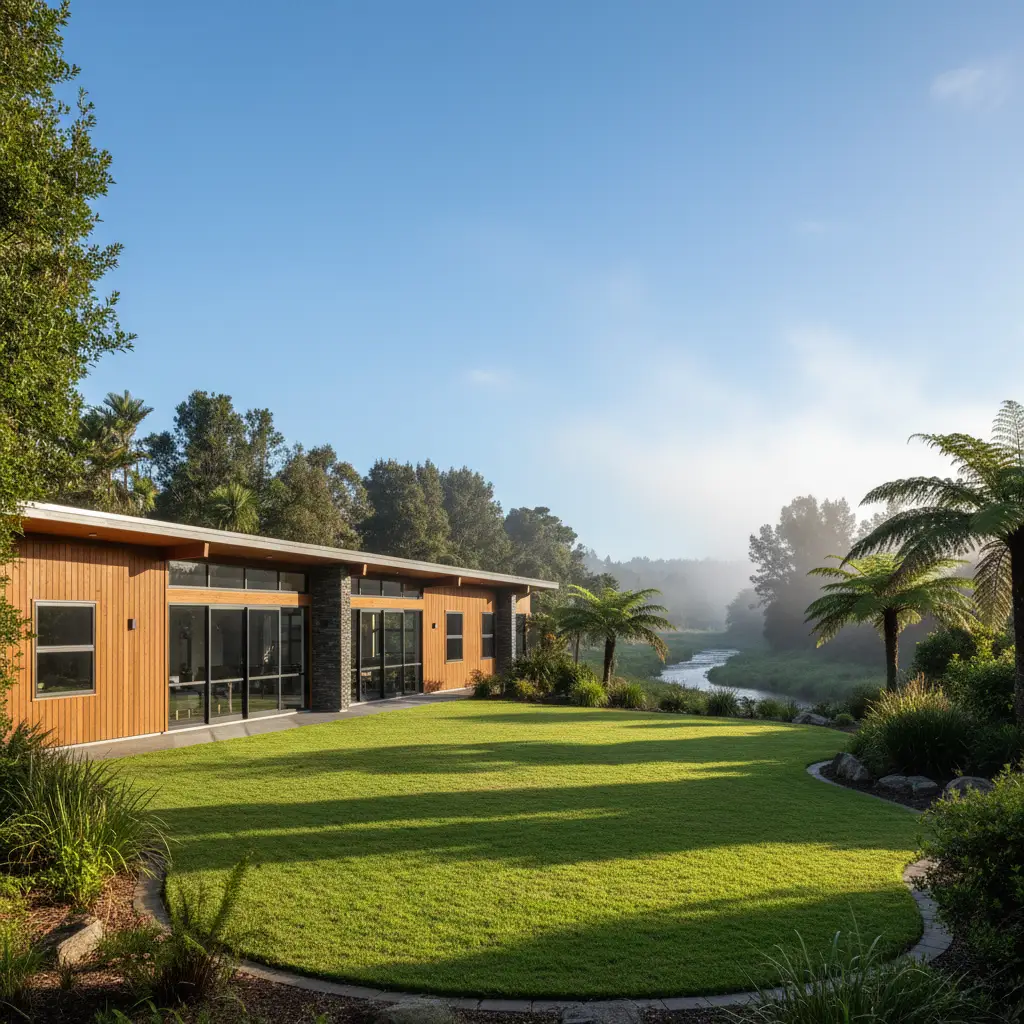
Kawerau offers a strategic entry point for first home buyers in New Zealand, providing high-quality housing stock at a fraction of the cost of neighboring Tauranga or Whakatāne. With median house prices remaining accessible, eligibility for government grants, and significant infrastructure investment, it represents a high-growth location combining lifestyle amenities with genuine mortgage serviceability.
The Kawerau Market Shift: Beyond the Mill
For decades, Kawerau was viewed through a singular lens: an industrial town built to service the Tasman pulp and paper mill. However, the narrative has shifted dramatically in recent years. Today, Kawerau is undergoing a comprehensive rebranding, emerging as a lifestyle destination known as the “Gateway to the Tarawera Falls.” For a first home buyer in Kawerau, this shift represents a critical window of opportunity.
The town is experiencing a renaissance driven by retirees cashing out of expensive cities and young families seeking a debt-free existence. The local council has invested heavily in public amenities, revitalizing the town center and capitalizing on the district’s natural geothermal assets. This is no longer just a place to work; it is a place to live, offering a climate that rivals the best in the Bay of Plenty.
Understanding this context is vital. You are not just buying a house; you are buying into a community that is actively gentrifying. The housing stock, largely built in the 1950s and 60s, is robust, typically constructed from native timber and situated on generous quarter-acre sections—a rarity in modern New Zealand subdivisions.
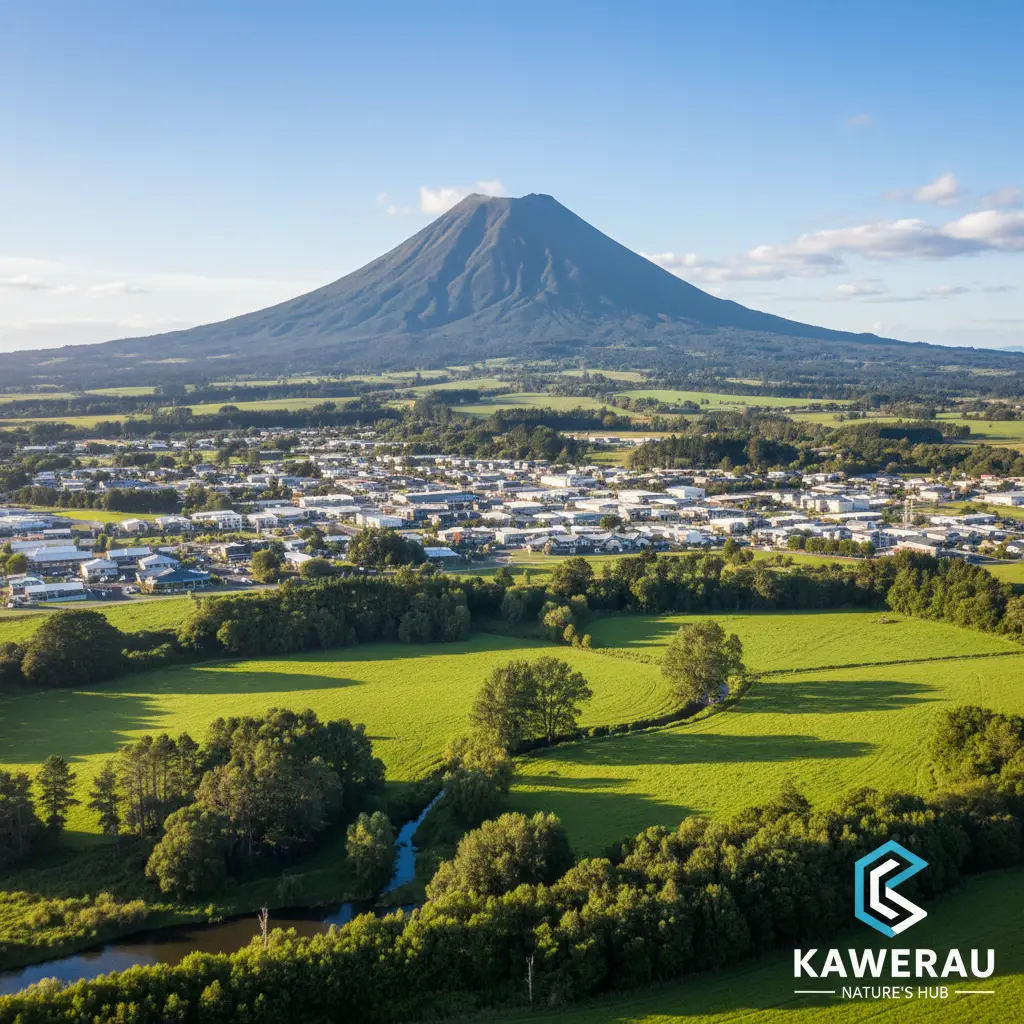
Affordability Analysis: Kawerau vs. Tauranga
The primary driver for the influx of new residents is the stark contrast in property values compared to the wider Bay of Plenty region. The “Golden Triangle” of Auckland, Hamilton, and Tauranga has seen prices skyrocket, pushing the dream of homeownership out of reach for many average-income earners.
The Price Gap
When analyzing the market data, the disparity is compelling. While Tauranga’s median house price frequently hovers near or above the $900,000 to $1 million mark, Kawerau offers a completely different financial reality. Entry-level homes in Kawerau can still be found in the $400,000 to $550,000 range. For a first home buyer, this difference is not merely statistical; it defines the quality of life.
Mortgage Serviceability
Consider the mortgage implications. A $800,000 mortgage in Tauranga requires a household income significantly above the national average to service comfortably, often leaving little room for savings, travel, or family planning. In contrast, a $350,000 to $400,000 mortgage in Kawerau (assuming a standard deposit) results in weekly repayments that are often lower than market rent in nearby cities. This financial freedom allows residents to renovate, invest, and enjoy the outdoor lifestyle that the Eastern Bay of Plenty offers.
Grants, Subsidies, and Financing
One of the most significant advantages for a first home buyer in Kawerau is the alignment with government assistance caps. Because property prices here remain reasonable, they often fall well within the thresholds set for various financial aids.
Kāinga Ora First Home Grant
The First Home Grant provides eligible buyers with up to $5,000 for an existing home or up to $10,000 for a new build. In many major cities, the house price caps render this grant inaccessible because few properties exist below the threshold. In Kawerau, a significant portion of the market sits below the price caps for existing homes, allowing buyers to maximize this free equity.
First Home Loan
For those struggling to save a 20% deposit, the First Home Loan scheme is a viable pathway. Underwritten by Kāinga Ora, this allows buyers to purchase with a deposit of only 5%. Given the lower purchase price in Kawerau, a 5% deposit is achievable for many couples within a year of disciplined saving. For example, on a $450,000 home, a 5% deposit is $22,500—a target that is far more realistic than the $100,000+ often required elsewhere.

What to Look for in Kawerau Properties
Kawerau’s housing stock is relatively homogenous in age but varies in style and location. Understanding the layout of the town is essential for making a smart purchase.
The “Mill Houses”
The majority of homes were built during the town’s inception in the 1950s. These are typically weatherboard or brick state-style houses. They are renowned for their “good bones”—native timber flooring (often Rimu or Matai) and solid framing. However, buyers should be aware that many of these homes may still have original wiring or plumbing that needs updating. When viewing these properties, look for updated switchboards and inquire about insulation, as original standards were low.
New Developments
To accommodate growth, new subdivisions such as the Central Cove and Porritt Glade developments have emerged. These offer modern, low-maintenance living with double glazing and full insulation. While these come at a premium compared to the older stock, they offer a “turn-key” solution for professionals who do not wish to engage in renovations.
Location Zones
Locals often divide the town into specific zones. The “River End” is prized for its proximity to the Tarawera River and established trees. The central avenues offer convenience to the supermarket and medical center. When selecting a property, consider the sun orientation. Kawerau sits in a valley, so ensuring your living areas face north to capture the winter sun is crucial for heating efficiency.
Due Diligence: Geothermal and Structural Checks
Purchasing a home in a geothermal active zone requires specific checks that might not be standard in other parts of New Zealand.
Geothermal Considerations
Kawerau sits on a significant geothermal field. While this provides the town with free heat for the swimming pool and industry, it means property buyers must check the LIM (Land Information Memorandum) report carefully. Some properties may have restrictions on excavation or specific building code requirements regarding ground stability and geothermal gases. It is rare for this to be a deal-breaker, but it is a necessary check.
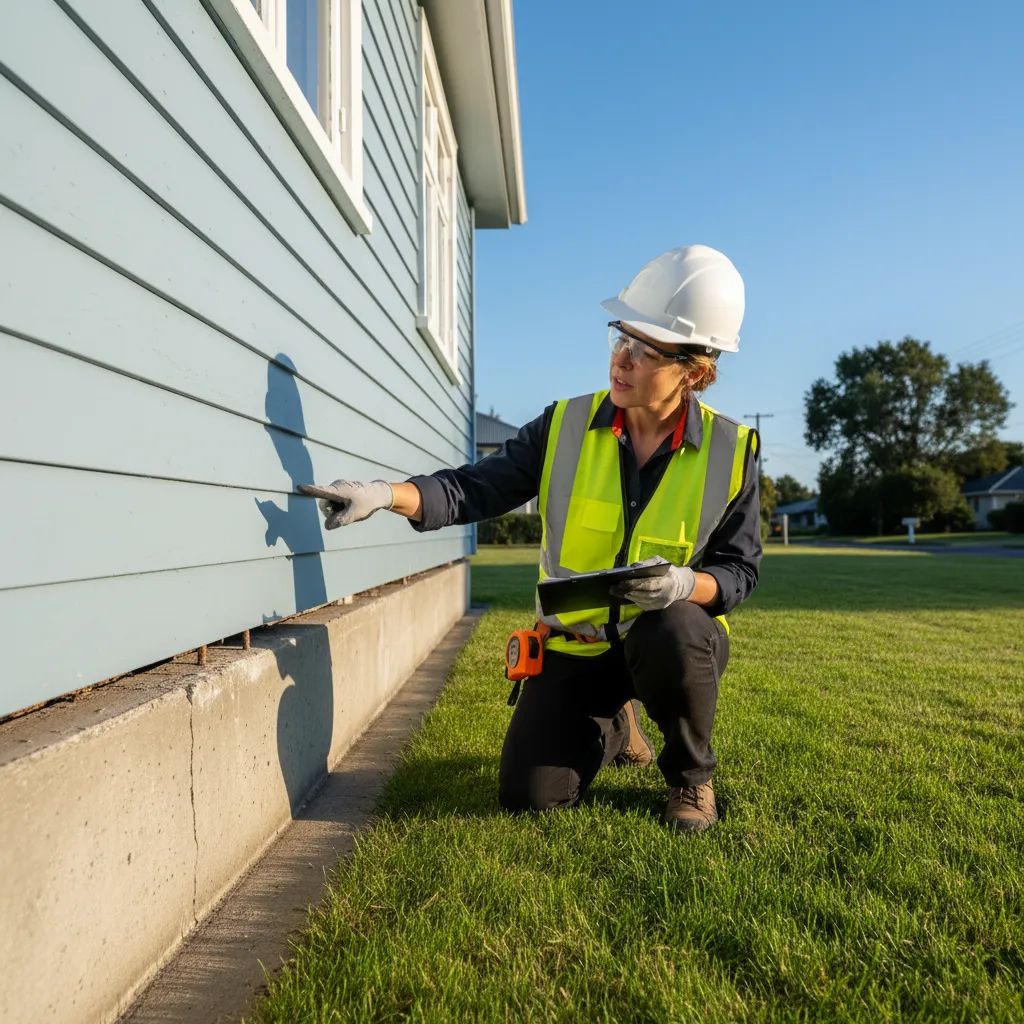
Moisture and Meth Testing
As with many provincial towns in New Zealand, it is prudent to conduct methamphetamine testing. While the town’s reputation has improved drastically, this is a standard safeguard for any investment. Furthermore, because many homes have been tenanted for long periods, moisture testing is vital. Ensure the home complies with Healthy Homes standards, particularly regarding ground moisture barriers and extraction fans.
Living in the Heart of the Bay
The rebranding of Kawerau is most evident in its lifestyle offerings. The town is no longer defined by work, but by play.
The Great Outdoors
For outdoor enthusiasts, the location is unbeatable. The Tarawera River runs through the town, offering world-class kayaking and trout fishing. You are 30 minutes from the beaches of Whakatāne and Ohope (often voted NZ’s best beach), and 45 minutes from the lakes of Rotorua. This central position makes Kawerau a hub for adventure.
Community Facilities
The Maurie Kjar Memorial Swimming Pool complex is a jewel in the town’s crown. Heated by geothermal energy, it is free to use and serves as a community hub. The town also boasts a well-stocked library, a New World supermarket, and a medical center. For young families, there are several primary schools and a high school (Tarawera High School), which has seen significant modernization in its facilities.
Investment Potential and Future Outlook
Is buying in Kawerau a good investment? The trends suggest a positive trajectory. As the Bay of Plenty region continues to grow, the pressure on housing in coastal areas will continue to push demand inland. Kawerau’s infrastructure is built for a population larger than its current size, meaning it has the capacity to absorb growth without the immediate growing pains seen in other towns.
The establishment of the container terminal and continued industrial investment in the clean energy sector provides job security and economic diversification. For a first home buyer, purchasing now is buying at the ground floor of a town that is steadily climbing in desirability.

Frequently Asked Questions
Is Kawerau a safe place to live for families?
Yes, Kawerau has a strong community spirit and has undergone significant changes in recent years. Like any town, it has preferred neighborhoods, but the rebranding and influx of new families and retirees have created a safe, welcoming environment with a focus on community events and outdoor living.
How much deposit do I need to buy a house in Kawerau?
If you qualify for the First Home Loan, you may only need a 5% deposit. For a $400,000 home, this is $20,000. Without this scheme, banks typically require a 20% deposit ($80,000). KiwiSaver balances can be used toward this amount.
What are the rates like in Kawerau?
Rates in Kawerau are generally reasonable compared to larger cities. They cover water, waste, and community facilities. However, they can vary based on the capital value of the property. It is best to check the specific property rating on the Kawerau District Council website.
Is it easy to commute to Whakatāne or Rotorua for work?
Absolutely. Many residents choose to live in Kawerau for the affordability and commute elsewhere. Whakatāne is approximately a 25-30 minute drive, while Rotorua is about 45-50 minutes away. The roads are generally open highways with little congestion.
Are there freehold titles in Kawerau?
Yes, the vast majority of residential properties in Kawerau are on freehold (fee simple) titles. Cross-lease titles are less common compared to cities like Auckland, meaning you typically own the full section of land your house sits on.
Does Kawerau have good internet access?
Yes, Kawerau is fully connected with Fibre broadband (UFB). This makes it an excellent location for remote workers who want to leave the city but need reliable, high-speed internet connectivity.