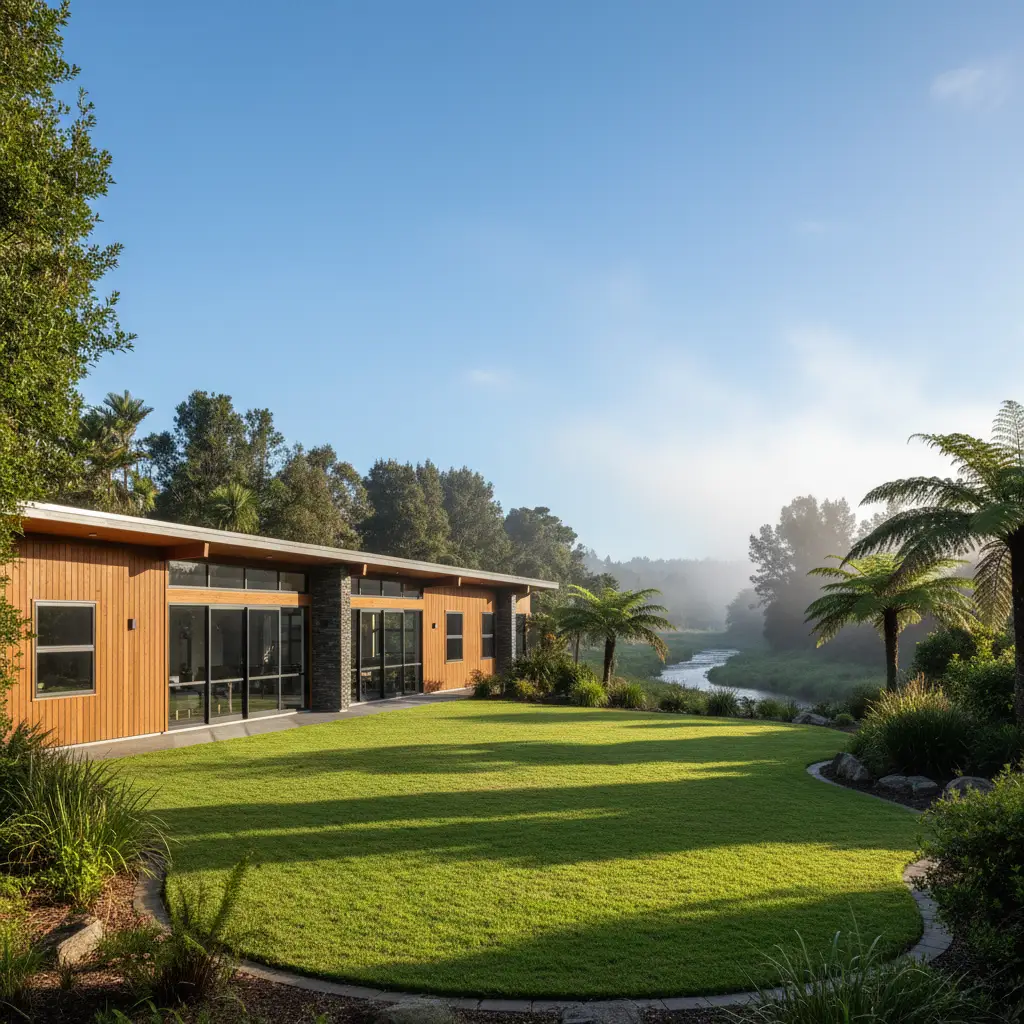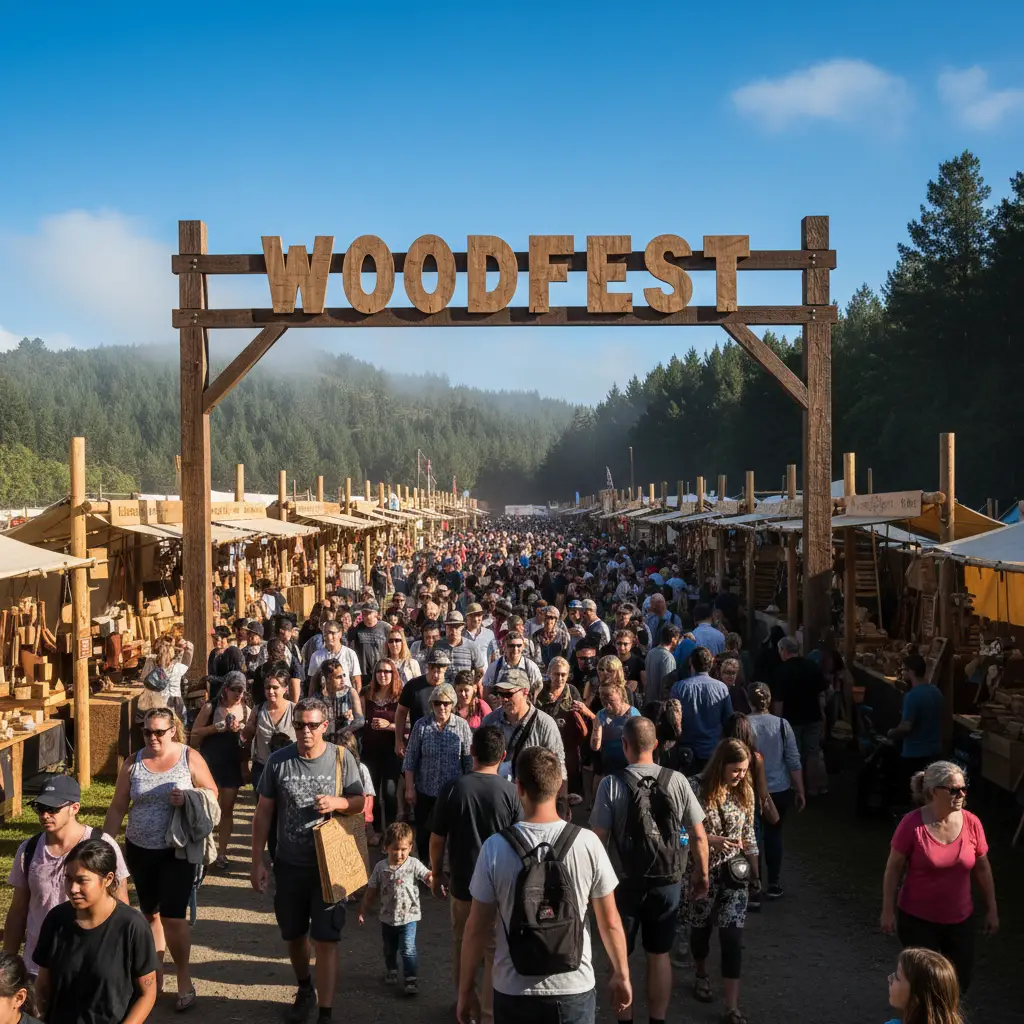
Educational tours in Kawerau offer immersive learning experiences focused on geothermal energy generation, sustainable forestry management, and heavy industrial engineering. These specialized visits provide students and professional groups with direct access to world-class facilities, illustrating the practical application of STEM principles within New Zealand’s premier industrial hub.
The Industrial Heartland of the Bay of Plenty
Kawerau is unique in the New Zealand landscape. Unlike traditional tourist destinations driven by scenery or adventure sports, Kawerau is an engine room of the national economy. For educators, engineering students, and industry professionals, it represents a rare convergence of natural resources and high-level technical infrastructure. Organizing educational tours in Kawerau allows groups to witness the “Industrial Symbiosis” model in action, where waste from one process becomes fuel or input for another.
The town was purpose-built in the 1950s to support the Tasman Pulp and Paper Mill, and today it remains a center of excellence for geothermal energy production, wood processing, and heavy fabrication. For any group studying geography, physics, chemistry, or engineering, a visit here moves theory from the textbook into the real world. The scale of operations—from the massive steam lines snaking across the landscape to the automated logic of the log yards—provides a visceral understanding of industrial complexity.
School Group Opportunities & Curriculum Links
Educational institutions across New Zealand utilize Kawerau as a primary case study for NCEA Geography (sustainable resource use), Science (energy transformation), and Technology (process engineering). The educational value lies in the visibility of the processes. Unlike enclosed factories in major cities, the infrastructure in Kawerau is often external and grand in scale.
STEM Pathways and Career Inspiration
One of the primary objectives of educational tours in Kawerau is workforce development. Local industries are often eager to showcase career pathways to secondary school students. Tours can be tailored to highlight:
- Mechanical Engineering: Maintenance of turbines and heavy forestry machinery.
- Process Engineering: Chemical treatment of wood pulp and steam separation.
- Environmental Science: Water treatment protocols and emission controls.
- Geology: The unique volcanic properties of the Taupō Volcanic Zone.
By seeing local apprentices and engineers in action, students gain a tangible understanding of what a career in the trades or professional engineering looks like. Many providers will arrange Q&A sessions with current staff to discuss their career trajectories.
Geothermal Plant Visitor Information
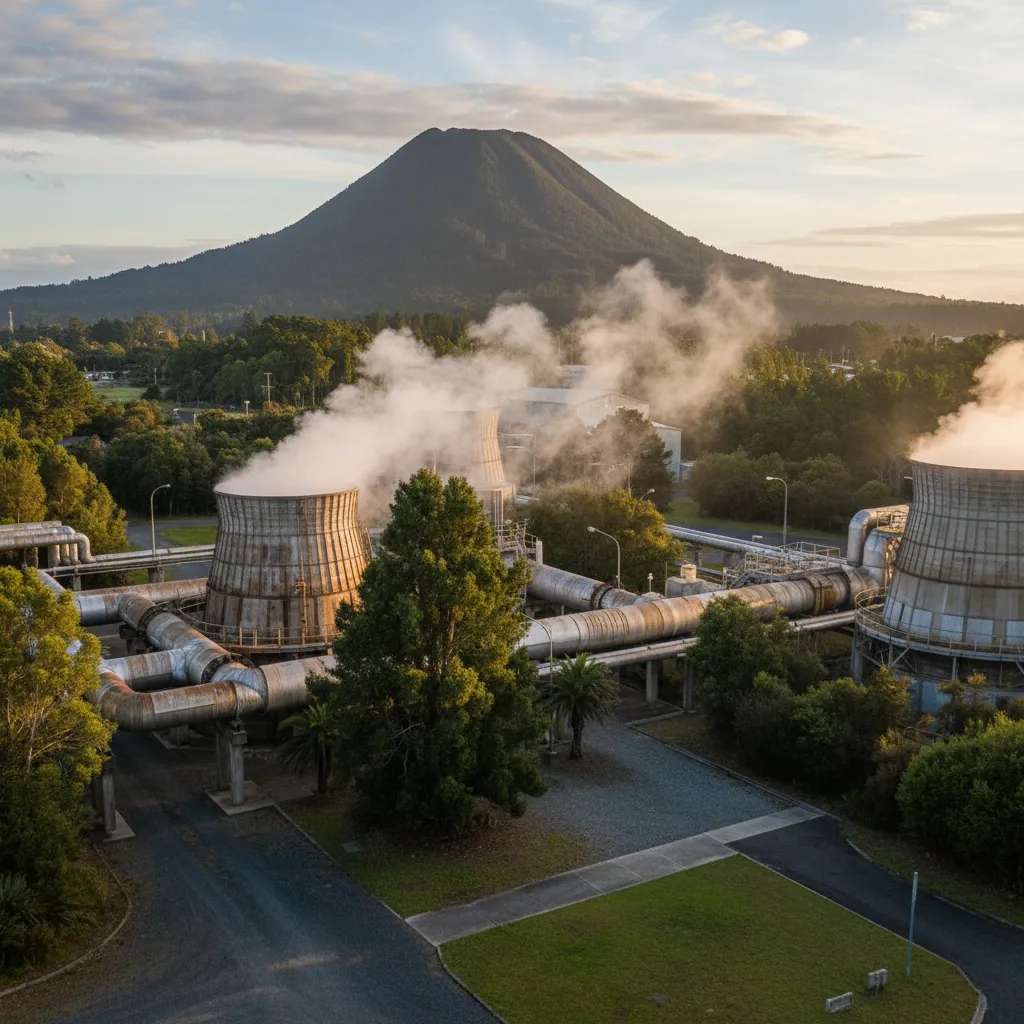
Kawerau sits atop the world’s largest direct-use geothermal field. For many educational groups, the highlight of the tour is the interaction with geothermal power generation assets. Companies like Mercury and Ngāti Tūwharetoa Geothermal Assets (NTGA) manage significant infrastructure here.
What is the focus of a Geothermal Tour?
A standard geothermal educational tour focuses on the thermodynamics of energy conversion. Visitors learn how high-pressure steam is extracted from deep underground reservoirs (often 1-2 kilometers deep) and separated into steam and brine. The steam drives turbines to generate electricity, while the heat is also used directly for industrial processes—a key differentiator for Kawerau.
Key learning points often include:
- The Flash Steam Process: How pressure reduction creates steam.
- Re-injection: How brine is returned to the reservoir to maintain pressure and sustainability.
- Binary Plants: Utilizing lower temperature heat to vaporize a secondary fluid (like pentane) to drive turbines.
Forestry Management Education
The Kaingaroa Forest, one of the largest planted forests in the Southern Hemisphere, feeds the wood processing mills of Kawerau. Educational tours here offer deep insights into primary industry logistics and biological sciences.
From Seedling to Timber
Tours focused on forestry management often cover the entire lifecycle of the Radiata Pine. This includes silviculture (the growing and cultivation of trees), harvesting techniques, and the complex logistics of transport. Modern forestry is highly technological, utilizing GIS mapping, drone surveillance for forest health, and mechanized harvesting that improves safety.
Sustainable Processing
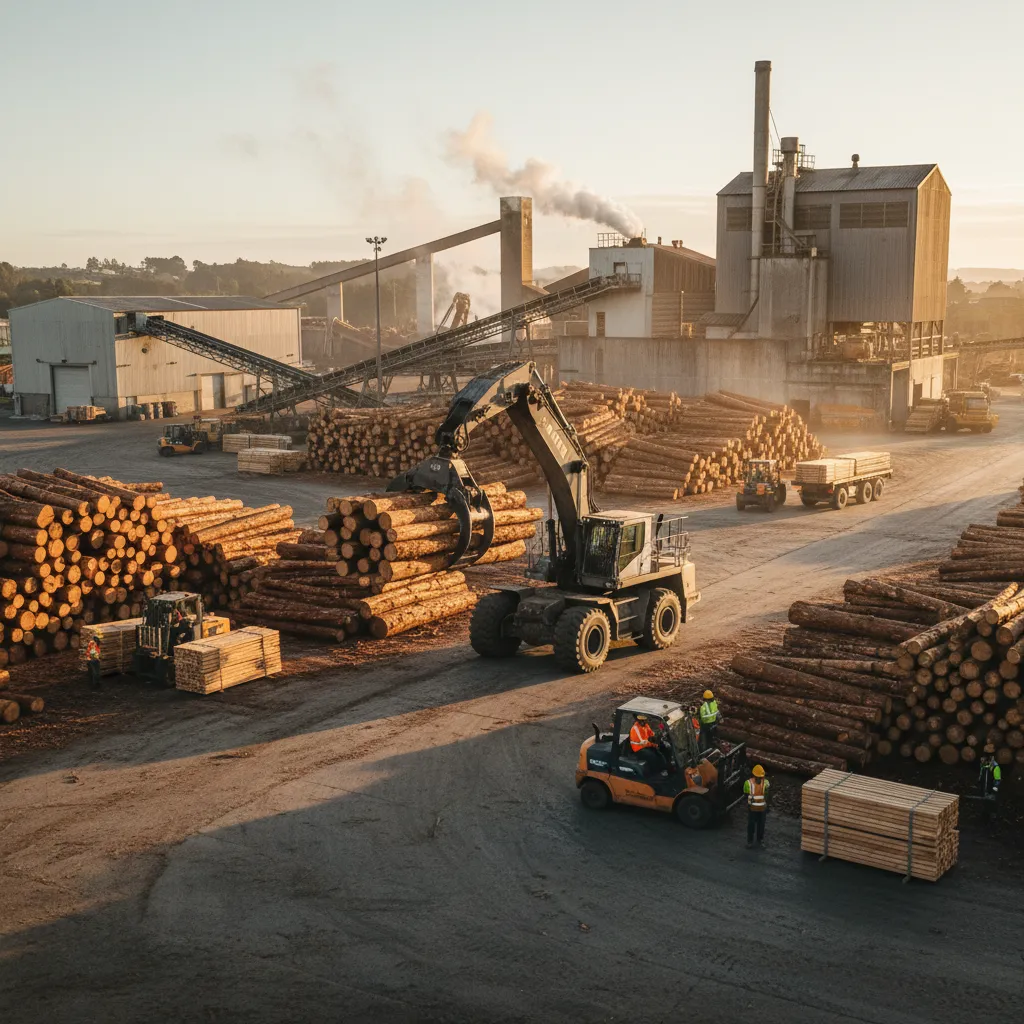
Once the timber reaches Kawerau, the focus shifts to processing. Educational groups can observe how logs are debarked, chipped, and processed. Discussions often center on the “whole tree” philosophy, where bark is used for biofuel, chips for pulp, and structural timber for construction. This creates a circular economy model that is highly relevant to modern sustainability curriculums.
Heavy Engineering & Manufacturing
Supporting the massive mills and power plants is a sophisticated network of engineering firms. These businesses provide the maintenance, fabrication, and precision machining required to keep the town running. For tertiary engineering students, visiting these workshops is invaluable.
Fabrication and Precision
Tours of local engineering workshops demonstrate the practical side of metallurgy and design. Students can see CNC machining, heavy welding, and hydraulic diagnostics. This component of an educational tour bridges the gap between digital CAD designs and physical fabrication.
Specific areas of interest include:
- Shut-down Maintenance: Understanding the project management required when a major plant shuts down for annual repairs.
- Custom Fabrication: How parts that are no longer manufactured are reverse-engineered and built on-site.
- Non-Destructive Testing (NDT): Using X-ray and ultrasound to test pipe integrity.
Planning Your Visit: Logistics & Safety
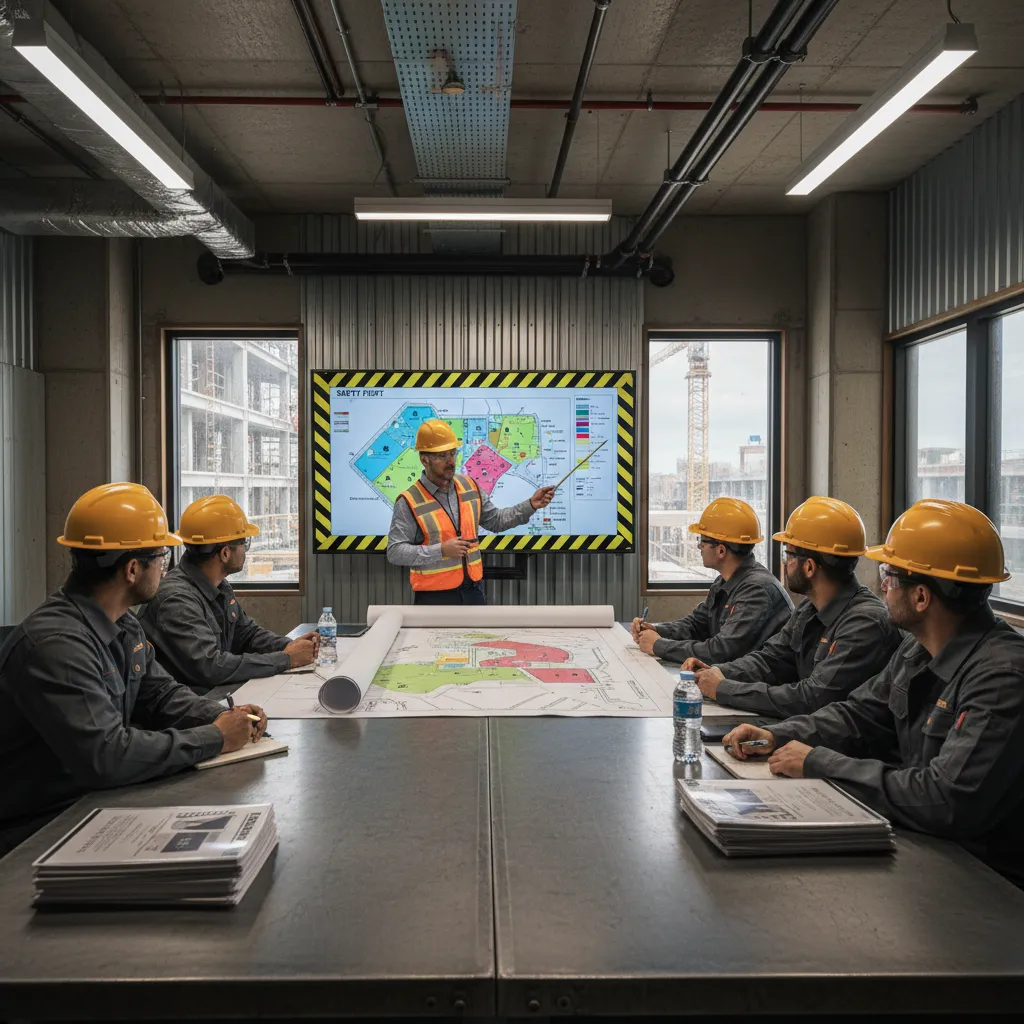
Organizing educational tours in Kawerau requires strict adherence to safety protocols. These are active industrial sites, not museums. Hazards include high-pressure steam, heavy vehicle traffic, and moving machinery.
Personal Protective Equipment (PPE) Requirements
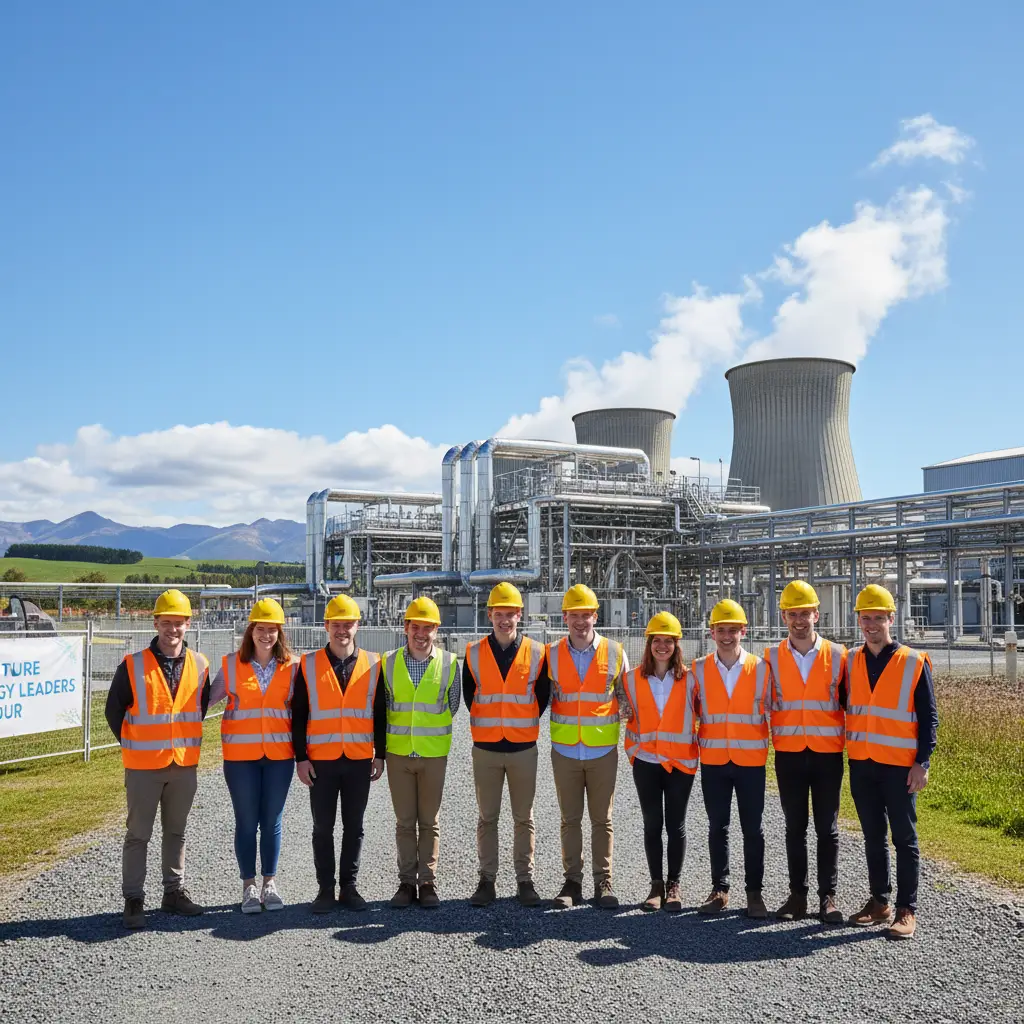
Almost all industrial sites in Kawerau will require visitors to wear full PPE. While some sites provide this, it is often expected that educational groups (especially tertiary) arrive with their own basics. Standard requirements include:
- Steel-capped safety boots (often mandatory).
- High-visibility vests (usually provided).
- Safety glasses and hearing protection.
- Long sleeves and trousers (natural fibers like cotton are preferred due to heat hazards).
Booking Lead Times
Do not expect to book a tour on short notice. Approvals often need to go through Health & Safety managers. It is recommended to begin the inquiry process at least 2 to 3 months in advance, especially for large school groups. This allows time for site inductions to be prepared and for the company to allocate staff to guide the group.
Contacting Local Industry for Specialized Visits
Securing a visit requires navigating the corporate structure of the major players in the region. There is no single “ticket office” for industrial tours; they are arranged as professional courtesies or educational outreach programs.
Industrial Symbiosis Kawerau (ISK)
One of the best starting points for arranging a comprehensive tour is Industrial Symbiosis Kawerau (ISK). This organization represents the collective interests of the major industries in the district. They often facilitate connections between educational bodies and the industries, aiming to promote the region’s capabilities.
Direct Outreach Strategies
If contacting specific companies (such as Sequal Lumber, Essity, or Mercury) directly, ensure your proposal is professional and specific:
- Define the Learning Outcome: Clearly state what the students need to learn (e.g., “We are studying NCEA Level 2 Geothermal Energy generation”).
- Group Size Management: Keep groups manageable. A busload of 50 students is difficult to guide safely through a turbine hall. Splitting into smaller groups of 10-15 is often required.
- Flexibility: Be willing to work around the operational needs of the plant. Maintenance schedules take priority over tours.
By approaching these organizations with a clear plan and a focus on educational value, you increase the likelihood of securing access to some of New Zealand’s most impressive engineering feats. A trip to Kawerau is more than a tour; it is a deep dive into the infrastructure that powers modern life.
People Also Ask (PAA)
Are there age restrictions for industrial tours in Kawerau?
Yes, most industrial sites in Kawerau have strict age restrictions due to safety regulations. typically, visitors must be at least 12 or 13 years old (Year 9 and above). Some high-risk areas may be restricted to tertiary students (18+) only. Always verify the specific age policy of the facility you intend to visit during the booking process.
How much do educational tours in Kawerau cost?
Many industrial tours provided by major companies in Kawerau are offered free of charge to schools and educational institutions as part of their community outreach and workforce development initiatives. However, you must budget for your own transport, food, and potentially the cost of a specialized educational guide if one is hired through a third-party tourism operator.
What is the best time of year to visit Kawerau for school trips?
The best time to visit is typically during the shoulder seasons (Autumn and Spring) when the weather is mild. Summer can be very hot, which makes wearing full PPE uncomfortable. Additionally, avoid planned maintenance shutdown periods (often communicated by the plants), as sites may be closed to non-essential personnel during these times.
Can we visit the Tasman Mill site?
Access to the historical Tasman Mill site has changed significantly over the years due to ownership changes and closures of certain operations (like the newsprint mill). However, active operations on the site, such as the pulp mill and various timber processing facilities, may still accept educational visits upon request. Contact ISK for the most current access status.
Do we need to bring our own safety gear?
While some large visitor centers may provide hard hats and vests, it is highly recommended and often required that educational groups bring their own safety footwear (steel-capped boots). Schools with engineering programs should ensure students bring their own gear to guarantee a proper fit. Long sleeves and long pants are mandatory at almost all sites.
Is photography allowed inside the plants?
Photography policies vary strictly by company. Generally, photography is restricted in control rooms and proprietary process areas to protect intellectual property and staff privacy. Always ask for explicit permission before taking photos, and usually, a guide will indicate designated “safe zones” where photos are permitted.