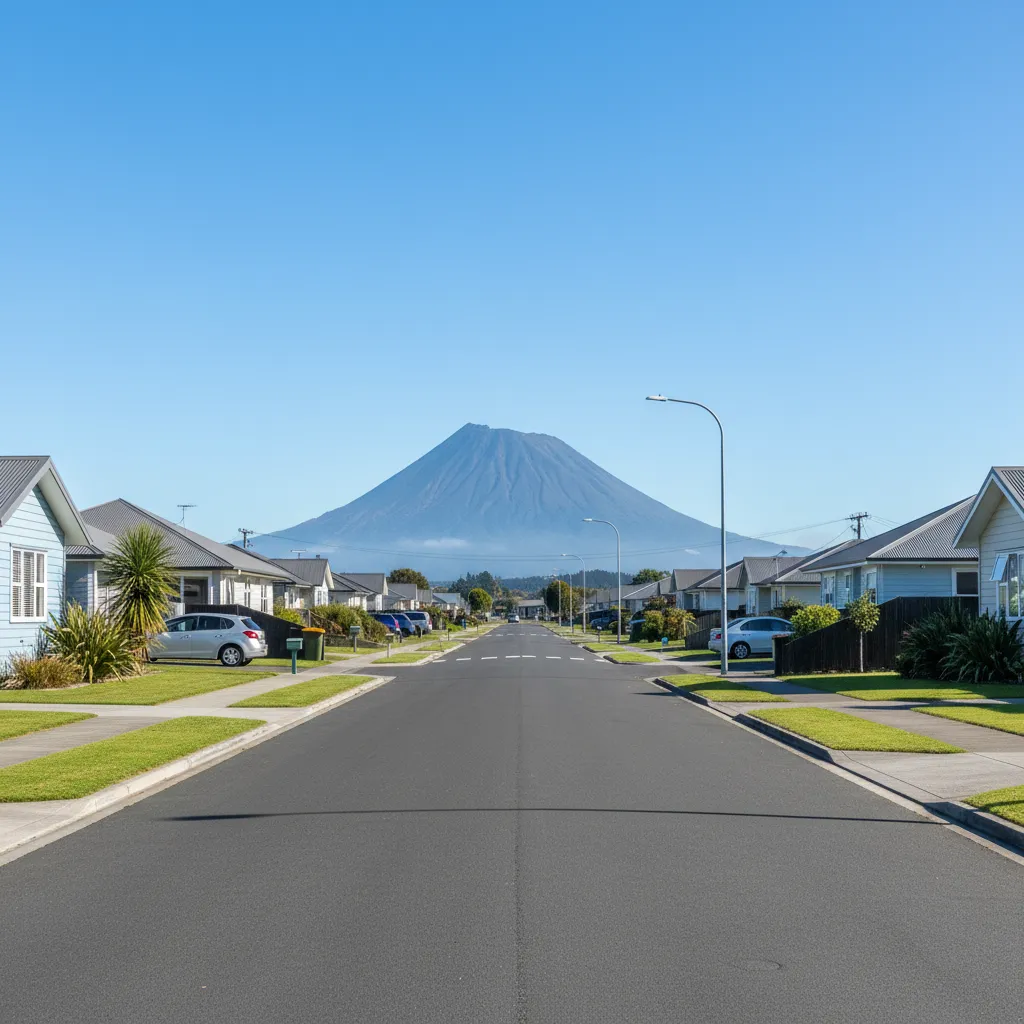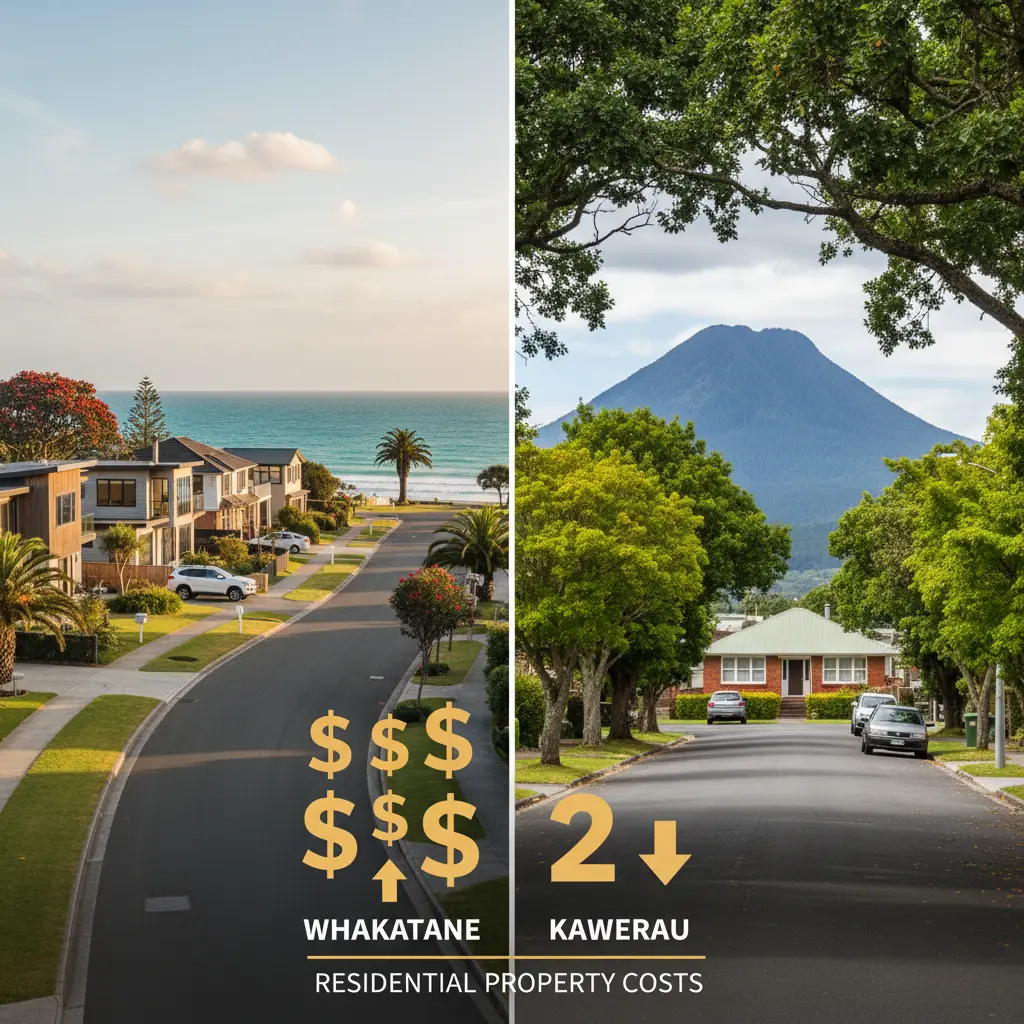
Eco-friendly housing in Kawerau refers to residential properties designed to minimize environmental impact through energy efficiency, sustainable materials, and renewable energy integration. Leveraging the region’s unique geothermal resources and abundant sunshine, these homes often feature solar power, high-performance insulation, and passive design principles to reduce carbon footprints and utility costs, which is perfect for a Relocation & Digital Nomad Lifestyle.
The Rise of Sustainable Living in the Eastern Bay of Plenty
Kawerau is rapidly transforming from a traditional mill town into a lifestyle hub for those seeking affordability without compromising on environmental values. Situated in the heart of the Bay of Plenty, Kawerau offers a unique proposition for eco-conscious buyers: the lower entry price (verified by a Cost of Living Comparison) for land and existing housing stock allows for significantly larger budgets to be allocated toward sustainable upgrades and green technology.
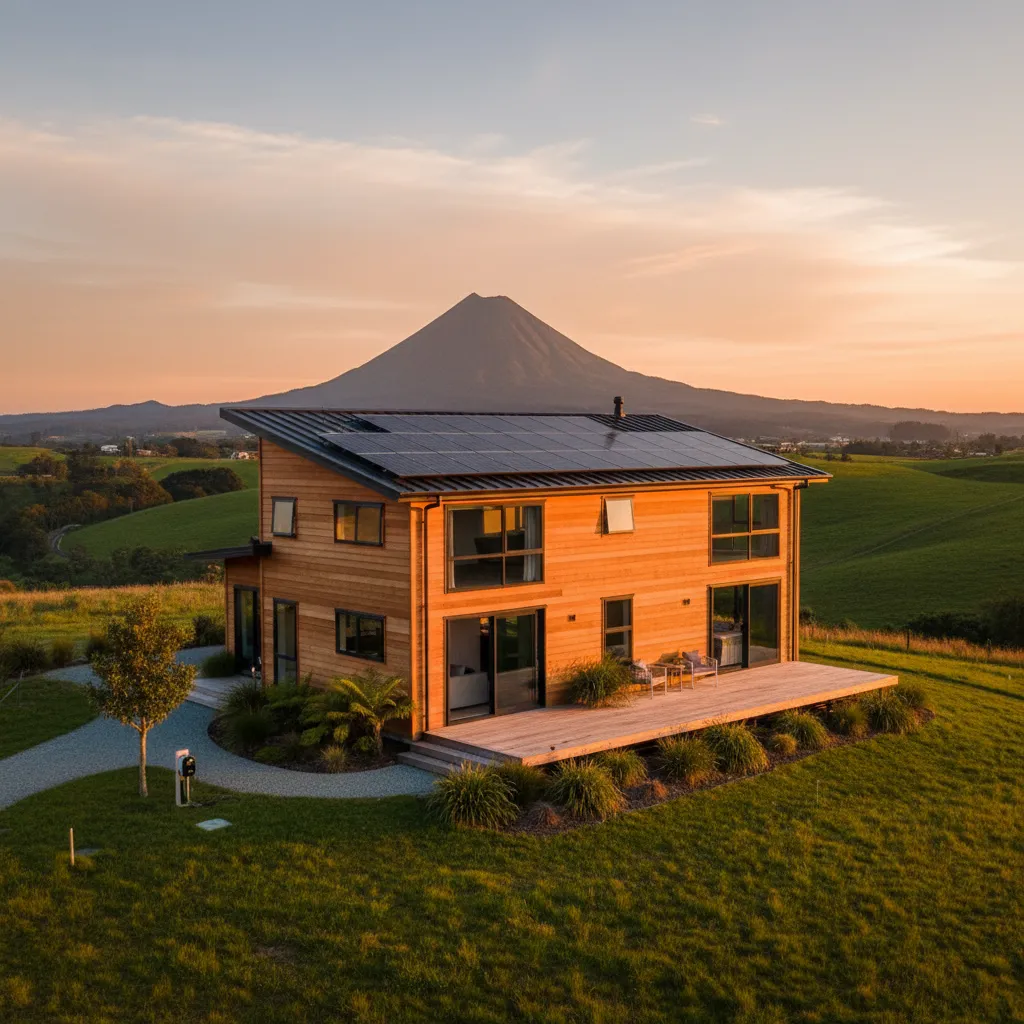
The region is synonymous with energy. Known for the mighty geothermal fields that power local industry, the residential sector is now catching up. Homeowners are increasingly prioritizing low-carbon living, driven by both environmental responsibility and the desire to reduce long-term operating costs. Whether it is retrofitting a classic 1960s weatherboard home or constructing a modern passive house near the foothills of Mount Putauaki, the market for eco-friendly housing in Kawerau is expanding.
Listings for Energy-Efficient Homes
When searching for property in Kawerau with a commercial intent—whether to buy, rent out, or flip—identifying truly energy-efficient listings is critical. The local market is a mix of solid legacy housing and new developments. Understanding the specific features that add value is essential for a sound investment.
Identifying Key Green Features in Listings
Prospective buyers should filter their search criteria to prioritize homes that have already undergone modernization. In the Kawerau market, the following features are key indicators of a high-performance eco-home:
- Thermal Envelope Upgrades: Look for listings that explicitly mention “above-code insulation” in ceilings and underfloors. Many original homes have been retrofitted through the Warmer Kiwi Homes programme.
- High-Performance Joinery: Double-glazing is a non-negotiable for an eco-friendly designation. Thermally broken aluminum or uPVC frames are the gold standard for retaining heat during the cooler Bay of Plenty winter nights, especially when you return from Winter Wellness Activities.
- Efficient Heating Sources: Avoid open fireplaces. Look for properties with high-efficiency heat pumps, pellet burners, or hydronic underfloor heating systems.
The “Renovator’s Dream” vs. Turn-Key Eco Homes
Currently, the volume of turn-key, certified Passive Houses in Kawerau is lower than in major metros like Tauranga. However, the commercial opportunity lies in the “Renovator’s Dream.” Investors are purchasing solid timber-framed state houses and applying deep energy retrofits. These properties, once upgraded with moisture barriers, ventilation systems (like MVHR), and solar arrays, see a significant appreciation in value and rental yield.
Solar and Geothermal Ready Properties
Kawerau is uniquely positioned regarding renewable energy. The district’s industrial symbiosis project is world-famous, but how does this translate to residential housing?
Harnessing High Sunshine Hours
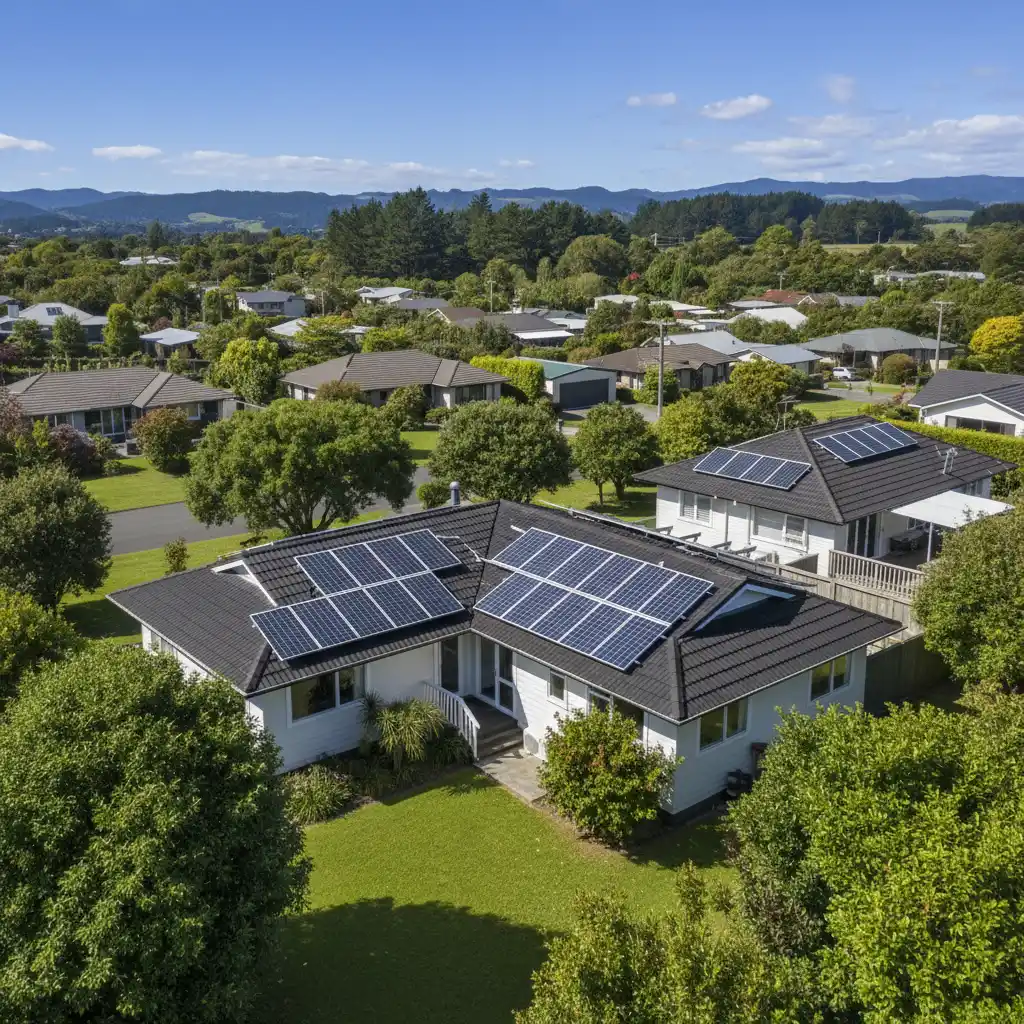
The Eastern Bay of Plenty enjoys some of New Zealand’s highest sunshine hours. This makes photovoltaic (PV) solar systems an extremely viable investment with a shorter return on investment (ROI) period than in other parts of the country. Properties with north-facing roof lines are “solar-ready.” When evaluating a property for eco-friendly housing in Kawerau, check the switchboard capacity. Modern switchboards are required to handle the export of power back to the grid, a crucial feature for lowering utility bills.
Geothermal Potential
While direct residential geothermal heating is less common than in Rotorua, the proximity to geothermal activity suggests a stable ground temperature, making Ground Source Heat Pumps (GSHP) highly efficient. These systems circulate fluid through pipes buried in the garden to extract heat from the earth. For new builds on larger sections in the Kawerau district, a GSHP is a premium eco-feature that drastically cuts water heating and space heating costs.
Local Green Builders and Architects
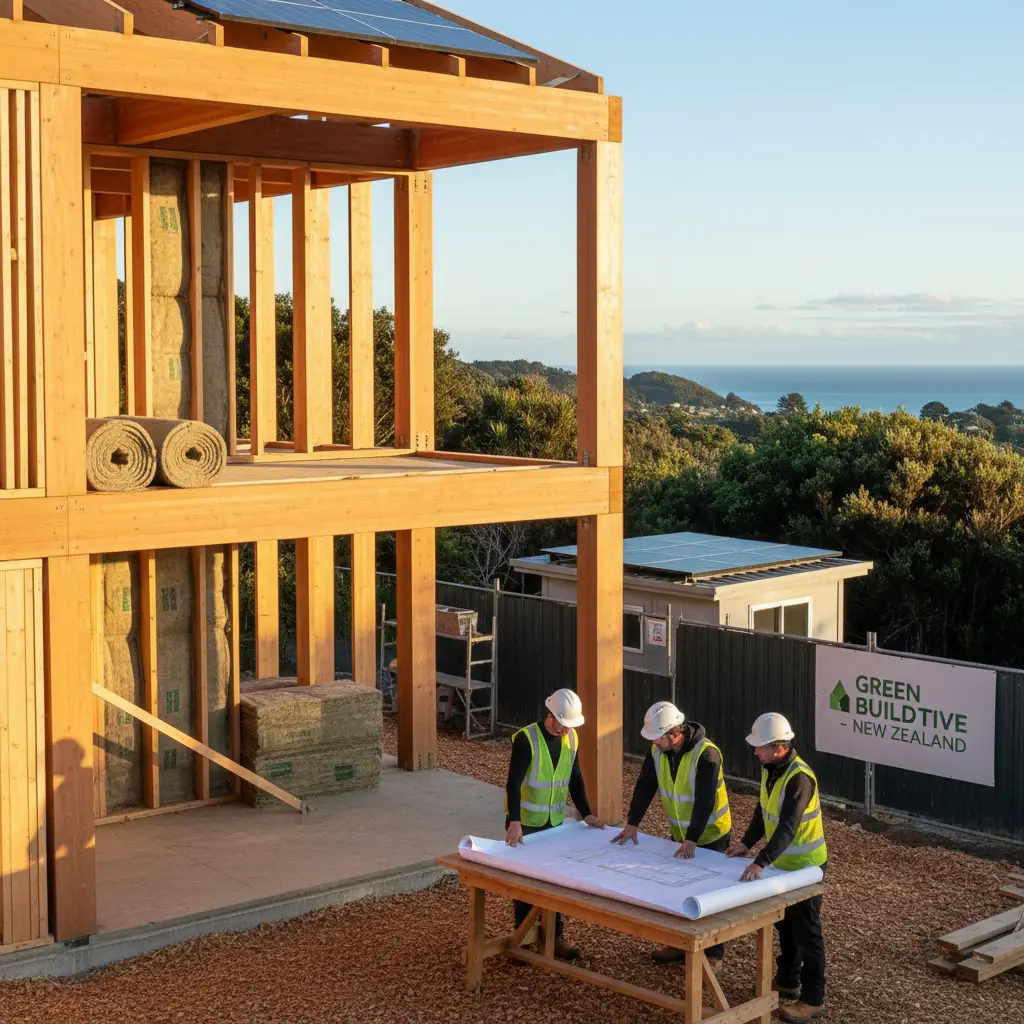
Achieving a high-performance home requires a team that understands building science. Standard code-minimum building practices are often insufficient for true eco-friendly living. Here is what to look for when hiring professionals in the wider Bay of Plenty region to work on your Kawerau project.
Selecting the Right Professionals
You need builders who are not just “green” by name but certified by practice. Look for the following credentials:
- Homestar Practitioners: Professionals trained to design and build to the New Zealand Green Building Council (NZGBC) Homestar standards. A 6-Homestar rating is a good baseline for a warm, dry, and efficient home.
- Passive House Designers: For the ultimate in low-energy living, hire a certified Passive House tradesperson. They specialize in airtightness and eliminating thermal bridges.
- SIPs Installers: Structural Insulated Panels (SIPs) are gaining popularity in the region. They offer superior insulation values compared to traditional timber framing and can be erected quickly, reducing construction waste.
Incentives for Sustainable Renovations
Financing an eco-friendly project in Kawerau has never been more accessible. New Zealand banks and government agencies are actively incentivizing the upgrade of housing stock to meet climate goals. Leveraging these financial products is a smart commercial move.
Green Loans and Mortgage Top-Ups
Major trading banks (such as ANZ, Westpac, and BNZ) offer “Green Loans” or “Warm Up” loans. These are typically offered at approximately 0% to 1% interest for a fixed term (usually 3 to 5 years). This capital is specifically earmarked for:
- Installing solar panels and batteries.
- Upgrading insulation and double glazing.
- Installing electric vehicle (EV) chargers.
- Purchasing heat pumps.
For a homeowner in Kawerau, utilizing a $30,000 interest-free loan to install a solar system and double glazing can result in immediate cash-flow positive results, where the savings on the power bill exceed the loan repayments.
Government Grants
The Warmer Kiwi Homes programme offers grants to cover a significant portion of the cost of insulation and heating appliances for eligible homeowners. Given the demographic profile of certain areas in Kawerau, many properties may qualify for these subsidies, reducing the upfront capital required to bring a rental property up to Healthy Homes Standards.
Designing for the Kawerau Climate
Kawerau has a microclimate that is generally warm and sheltered, but it can experience cold snaps and high humidity. An eco-friendly home must be designed to manage these variances without relying heavily on air conditioning.
Passive Solar Principles
Design or renovation plans should maximize glazing on the northern aspect of the house to capture winter sun. Conversely, eaves or shading devices must be calculated to block the high-angle summer sun to prevent overheating. Thermal mass (such as exposed concrete floors) can be used to store heat during the day and release it at night.
Water Conservation and Management
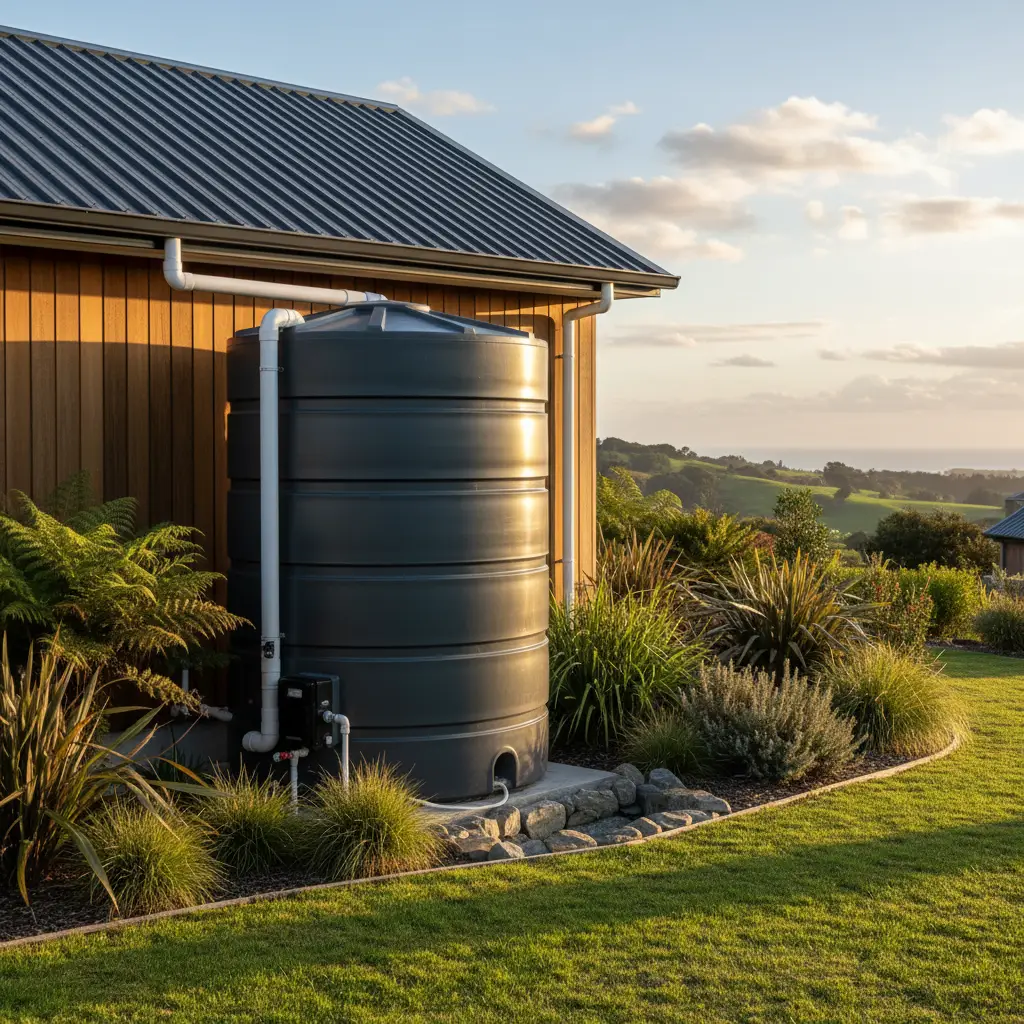
With changing weather patterns, water resilience is a key component of eco-friendly housing. Installing rainwater harvesting tanks is a prudent measure for garden irrigation and emergency supply. Furthermore, permeable paving should be used for driveways to manage stormwater runoff, reducing the load on the town’s infrastructure and recharging the local water table.
People Also Ask
Is Kawerau a good place to invest in eco-housing?
Yes, Kawerau offers affordable land and housing stock compared to nearby Tauranga or Rotorua, allowing investors to allocate more budget toward high-quality sustainable upgrades, solar systems, and energy-efficient retrofits.
What financial incentives are available for green homes in NZ?
New Zealand offers several incentives, including the Warmer Kiwi Homes grants for insulation and heating, and low-interest “Green Loans” (often around 1%) from major banks like ANZ, Westpac, and BNZ for sustainable upgrades.
Does Kawerau have geothermal heating for residential homes?
While Kawerau is famous for industrial geothermal energy, direct residential geothermal heating is rare. However, the ground conditions are excellent for Ground Source Heat Pumps (GSHP), which are highly efficient for heating homes.
What is the most important feature of an eco-friendly house?
The thermal envelope (insulation, airtightness, and double glazing) is the most critical feature. Without a high-quality envelope, renewable energy sources like solar power are wasted compensating for heat loss.
How much does it cost to build an eco-home in the Bay of Plenty?
Building costs vary, but a high-performance eco-home typically costs between $3,000 and $4,500+ per square meter depending on the level of certification (e.g., Homestar or Passive House) and finish quality.
Are there local builders in Kawerau who specialize in green building?
Yes, there are builders in the wider Eastern Bay of Plenty region who specialize in sustainable construction, including SIPs installation and Homestar-rated builds, servicing the Kawerau area.