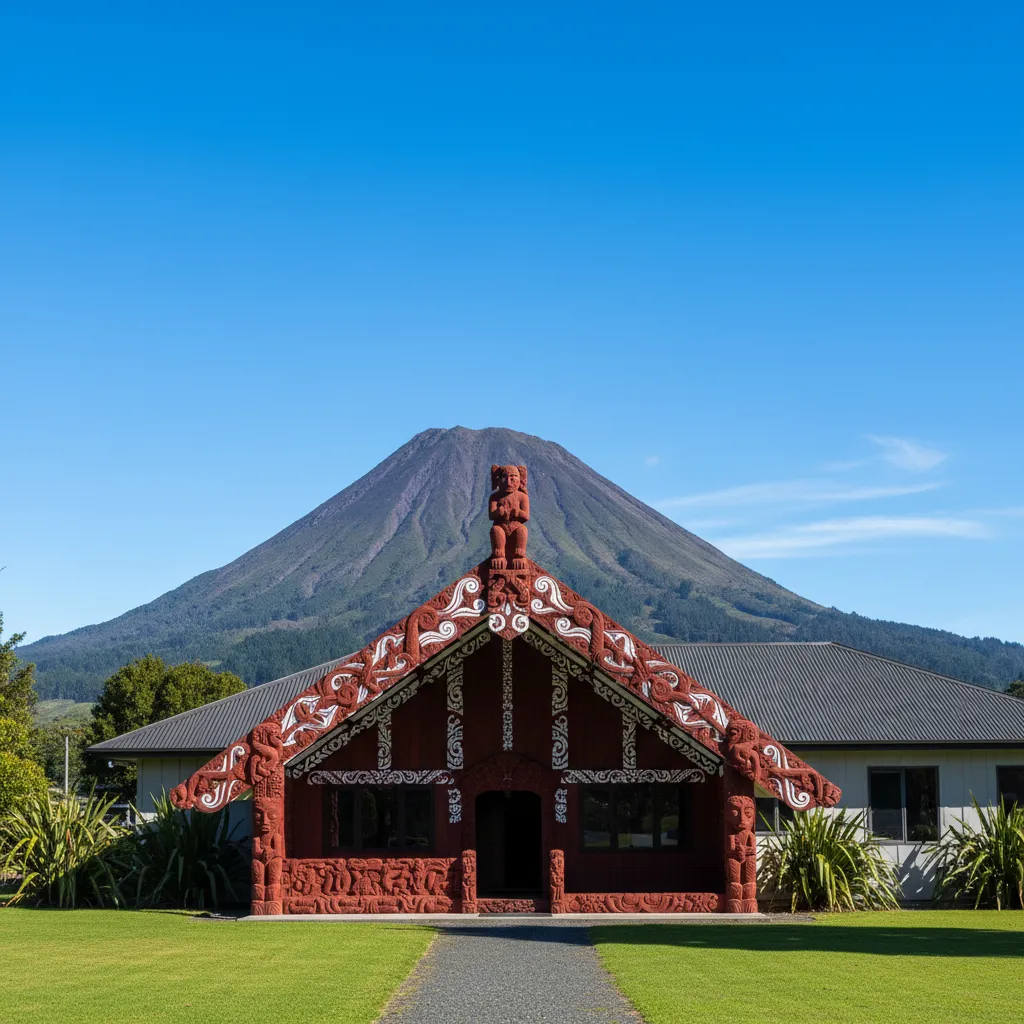
Cultural workshops in Kawerau offer immersive, hands-on educational experiences in traditional Māori arts, specifically focusing on Raranga (weaving) and Whakairo (carving). These sessions provide participants with expert instruction on tikanga (protocols), material preparation, and artistic techniques, fostering community connection and cultural preservation within the Bay of Plenty region.
The Cultural Heart of the Bay of Plenty
Kawerau is not merely an industrial hub; it is a vibrant center of Māori heritage and artistic expression situated beneath the majestic Putauaki. As the district continues to grow as a lifestyle destination, the demand for authentic cultural engagement has surged. The local initiative to host cultural workshops Kawerau serves as a bridge between ancient traditions and modern community living. These workshops are designed not only for those with whakapapa (genealogy) to the area but for anyone seeking to deepen their understanding of Toi Māori (Māori art).
Participating in these programs goes beyond learning a craft; it is an entry point into understanding the spiritual and historical narratives of the region. Whether you are a local resident looking to reconnect with your roots or a visitor wanting to experience the genuine warmth of Kawerau hospitality, these structured sessions offer a pathway to skill acquisition and cultural competency. For those considering making Kawerau their long-term base, understanding the Relocation & Digital Nomad Lifestyle fully integrates with participation in community activities such as these workshops.
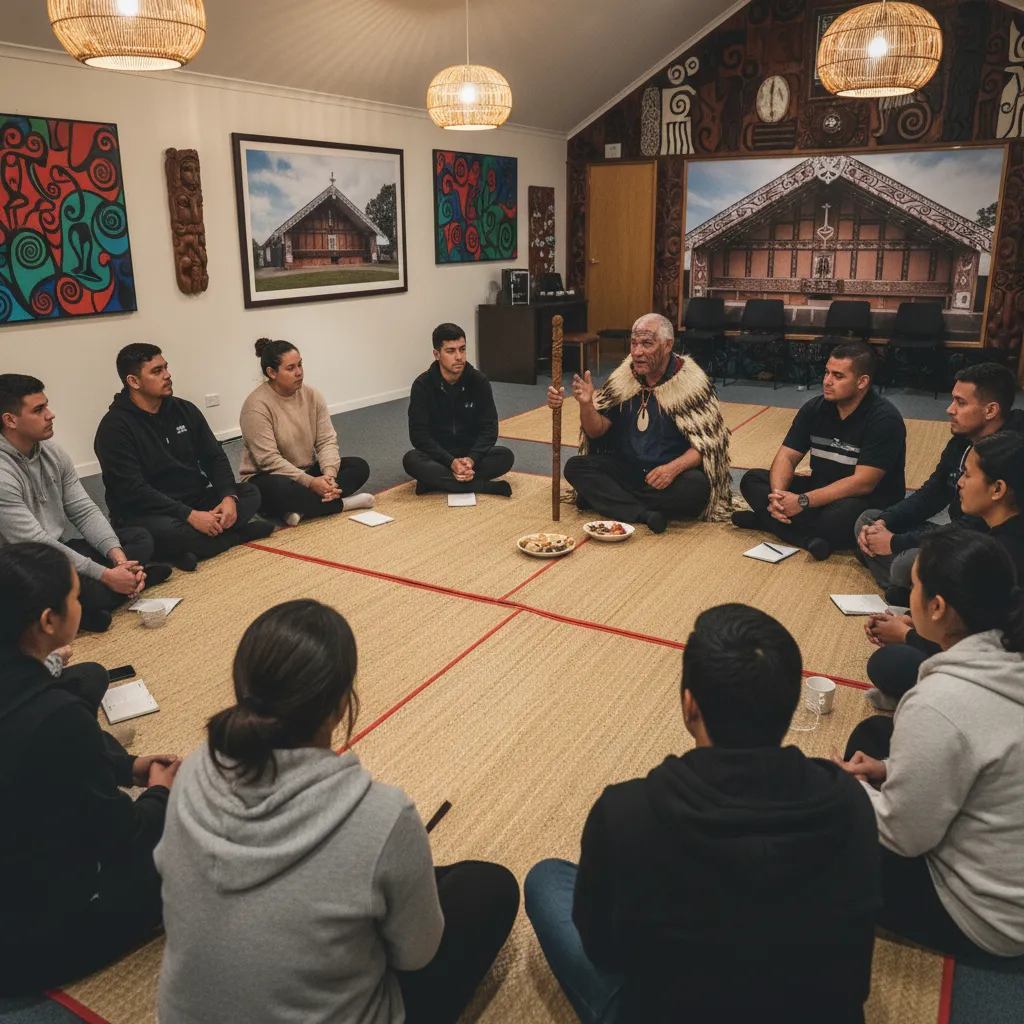
Raranga (Weaving) Class Schedules and Curriculum
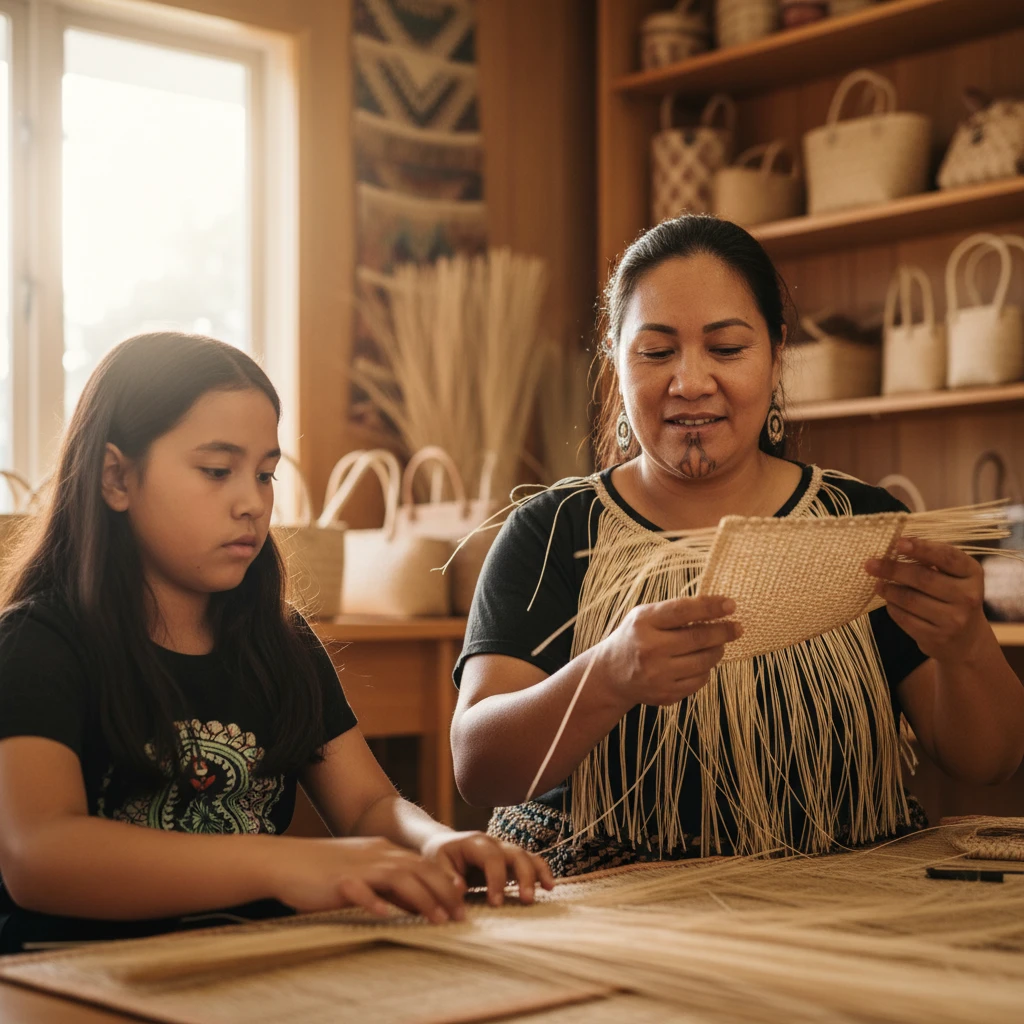
Raranga, the art of weaving, is one of the most popular cultural workshops available in the district. The curriculum is meticulously designed to take students from the harvesting of Harakeke (flax) to the creation of intricate taonga (treasures). Understanding the schedule and the depth of the coursework is essential for prospective students.
Introduction to Harakeke (Level 1)
This entry-level course is a prerequisite for all advanced weaving classes. It focuses heavily on Tikanga—the protocols and spiritual practices surrounding the art.
- Schedule: Tuesdays and Thursdays, 6:00 PM – 8:00 PM (6-week duration).
- Curriculum Focus:
- Harvesting Protocols: Learning how to cut flax correctly to ensure the health of the plant (the rito, awhi rito, and matua).
- Preparation: Sizing, softening, and boiling the flax leaves.
- Basic Techniques: Creating Konae (two-cornered baskets) and basic flowers.
Advanced Raranga Techniques (Level 2)
For those who have mastered the basics, the advanced workshops dive into complex patterns and larger projects.
- Schedule: Saturdays, 9:00 AM – 1:00 PM (8-week duration).
- Curriculum Focus:
- Kete Whakairo: Weaving patterned baskets using dyed flax.
- Whāriki: Introduction to mat weaving fundamentals.
- Natural Dyeing: Utilizing Tanekaha (bark) and Paru (mud) for traditional coloring.
Important Note on Sustainability: All participants are taught sustainable harvesting methods to ensure the local Harakeke bushes in Kawerau reserves remain thriving for future generations. Access to equipment like baskets and tools can often be supplemented by utilizing local Adventure Gear Hire Kawerau services for temporary needs.
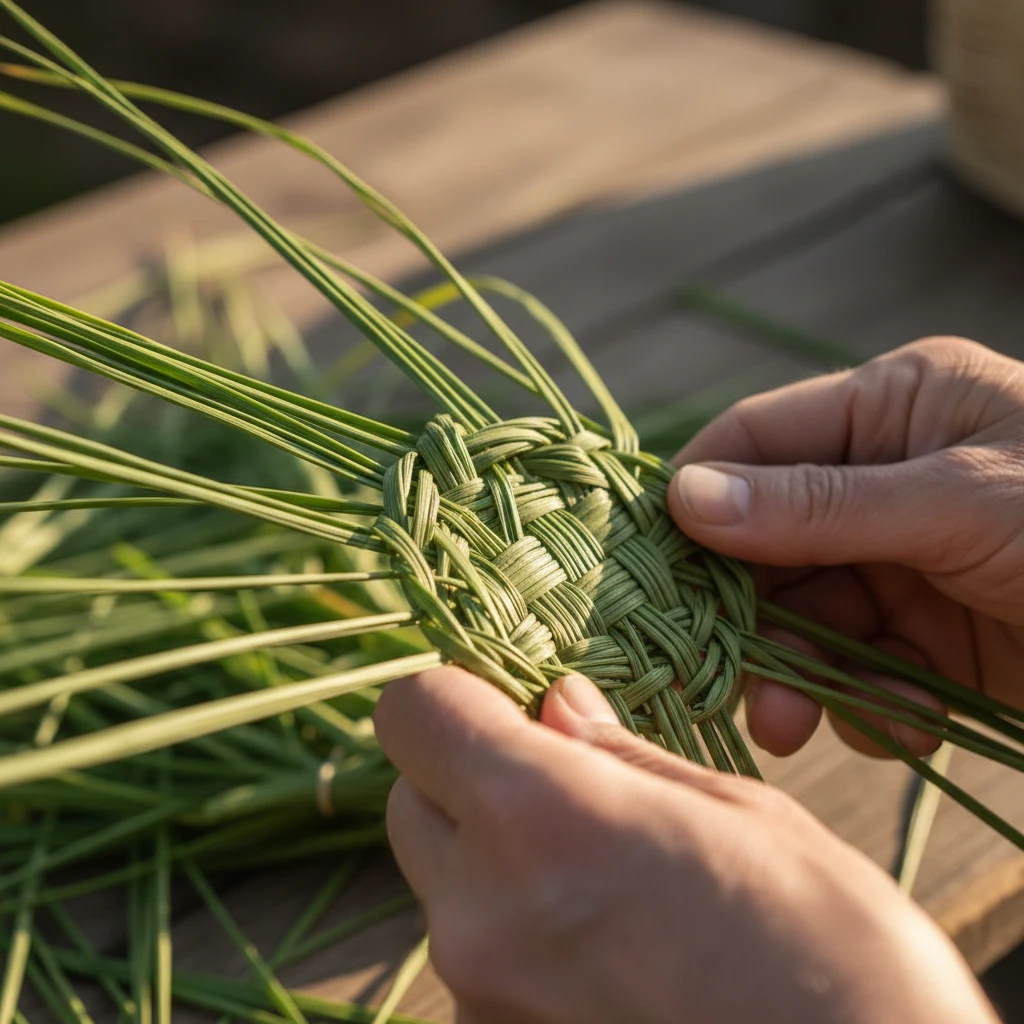
Whakairo (Carving): Demonstrations and Practical Skills
Whakairo is a powerful medium of storytelling, preserving history through wood, bone, and stone. The cultural workshops Kawerau series offers a unique blend of observation and hands-on application. Due to the use of sharp chisels and heavy machinery, safety is paramount in these sessions.
Beginner Wood Carving
This course is designed to introduce students to the tools of the trade and the significance of Māori motifs.
- Demonstration Days: First Monday of every month (Open to the public).
- Workshop Schedule: Wednesdays, 5:30 PM – 8:30 PM.
- Key Learnings:
- Tool Maintenance: Sharpening and caring for whao (chisels).
- Design Elements: Understanding the Koru, Unaunahi, and Raperape patterns.
- Project: Carving a small relief panel or paddle.
Masterclass Series
Periodically, renowned master carvers from across the Bay of Plenty visit Kawerau to host intensive weekend wānanga (learning forums).
- Format: Full weekend immersion (Friday evening to Sunday afternoon).
- Focus: Large-scale pou (posts) and structural carving.
- Prerequisite: Completion of Beginner Wood Carving or portfolio submission.
Registration Forms, Fees, and Material Costs
To secure your place in these highly sought-after cultural workshops in Kawerau, prompt registration is advised. Classes are kept small to ensure a high teacher-to-student ratio, maximizing the learning experience.
How to Register
Registration is handled primarily online through the Kawerau Community Hub portal, though paper forms are available at the Kawerau i-SITE and Library.
- Step 1: Visit the official portal and select “Cultural Arts Stream.”
- Step 2: Choose your desired discipline (Raranga or Whakairo) and experience level.
- Step 3: Complete the health and safety waiver (mandatory for carving).
- Step 4: Submit payment to confirm your booking.
Fee Structure and Subsidies
The program aims to be accessible to all community members. Several funding tiers are available:
- Standard Rate: $150 per term (includes tuition and venue hire).
- Community Card Holders: $75 per term (Subsidized by local grants).
- Kaumātua (Seniors 65+): Gold coin donation.
- Youth (Under 18): Free entry (Sponsored by Youth Development Funds).
Material Costs
While tuition covers the instruction, students are often required to purchase specific materials. Those visiting Kawerau specifically for outdoor activities before or after workshops might benefit from arranging transport via Kawerau Shuttle Services for Hikers & Bikers, which can sometimes be bundled with early morning gear pick-ups.
- Raranga: Harakeke is provided free of charge from community gardens. Students must purchase their own shell mussels (for stripping) and sizing tools, approximately $20.
- Whakairo: Basic timber (pine or untreated native off-cuts) is provided. Students wishing to carve premium timber like Tōtara must purchase this separately, estimated at $50-$100 depending on size. Personal chisel sets are recommended for serious students (approx. $120), though loan sets are available.
Venue Details and Instructor Biographies
The environment in which you learn is just as important as the lesson itself. The cultural workshops Kawerau utilize spaces that are steeped in mana (prestige) and conducive to creative flow.
Primary Venues
The Kawerau Town Hall & Concert Chamber:
Located in the center of town, this venue offers ample lighting and space for large weaving groups. It is wheelchair accessible and features kitchen facilities for shared kai (food).
Local Marae Partnerships:
Specific wānanga, particularly those involving advanced Whakairo, are often hosted at local Marae. This allows for a full immersion experience, including pōwhiri (welcome ceremony) and noho (overnight stays). Note: Specific Marae venues are confirmed upon registration.
Meet Your Instructors
The workshops are led by recognized experts in their fields, dedicated to passing on knowledge.
Hera T., Master Weaver:
With over 40 years of experience, Hera has exhibited her work nationally. She specializes in Kete Whakairo and is passionate about the therapeutic benefits of weaving. Her teaching style is patient, emphasizing the spiritual connection between the weaver and the plant.
Rawiri K., Tohunga Whakairo:
Rawiri brings a modern approach to traditional carving. Having worked on meeting houses across the North Island, he focuses on the geometry of design and tool precision. He is a strong advocate for youth engagement in the arts.
The Benefits of Engaging in Cultural Arts
Enrolling in cultural workshops in Kawerau offers advantages that extend far beyond the finished product you take home. These benefits impact mental well-being, social cohesion, and regional identity.
Mental Health and Mindfulness
Both weaving and carving are rhythmic, repetitive tasks that induce a state of flow. This mindfulness practice reduces stress and anxiety. The focus required to count strands or guide a chisel quiets the mind, providing a respite from the fast pace of modern life.
Community Connection
Workshops are social hubs. They bring together people from diverse backgrounds—long-time residents, new arrivals, and visitors. Working side-by-side fosters conversation and friendship. In a digital age, these face-to-face interactions are vital for building a resilient, connected Kawerau community.
Cultural Preservation
By learning these skills, you become a guardian of tradition. You ensure that the knowledge of how to prepare flax or how to read a carving pattern does not vanish. This active participation contributes to the revitalization of Māori culture in the Bay of Plenty.
Frequently Asked Questions
Do I need to be Māori to attend these cultural workshops?
No, the workshops are open to everyone. People of all ethnicities and backgrounds are warmly welcomed to learn, provided they show respect for the tikanga (protocols) taught during the sessions.
What should I bring to my first weaving class?
For the first class, just bring yourself, a notepad, and comfortable clothing. Tools and flax are usually provided for the initial demonstration. Your instructor will provide a list of personal tools to acquire for subsequent classes.
Are the carving workshops safe for children?
Due to the use of sharp chisels, standard carving workshops are generally restricted to ages 16 and up. However, there are specific “rangatahi” (youth) holiday programs designed with age-appropriate tools and safety measures for younger participants.
Can I take my finished artwork home?
Yes, any project you create and complete during the workshop is yours to keep. However, if the project was a collaborative group effort for a community building, it may remain on display.
Is financial assistance available if I cannot afford the fees?
Yes, Kawerau has several community trusts that offer scholarships or subsidies for cultural education. It is best to inquire directly with the workshop coordinator regarding fee waivers or payment plans.
How do I find out about upcoming workshop dates?
The most up-to-date schedules are posted on the Kawerau District Council website, the local library noticeboard, and the community Facebook pages. Joining the mailing list is the best way to get early notification.