Commute times in Bay of Plenty vary by district, but the region offers efficient connectivity compared to major metros. From central hubs like Kawerau, drivers typically reach Whakatāne in 30 minutes, Rotorua in 45 minutes, and Tauranga in approximately one hour. This central accessibility facilitates a viable cross-district lifestyle for professionals.
The Bay of Plenty is rapidly evolving from a collection of isolated towns into a cohesive economic super-region. As housing markets in Tauranga and Rotorua become increasingly saturated, the focus has shifted toward regional growth hubs like Kawerau. For residents and investors alike, understanding the reality of commute times in Bay of Plenty is essential for making informed lifestyle and employment decisions.
Unlike the gridlocked motorways of Auckland or Wellington, commuting in this region is characterized by open highways, scenic landscapes, and consistent travel times. Whether you are a professional working in the city but living in the regions, or a tradesperson covering the Golden Triangle, the Bay offers a unique mobility profile that prioritizes accessibility.
What are the Average Drive Times to Major Hubs?
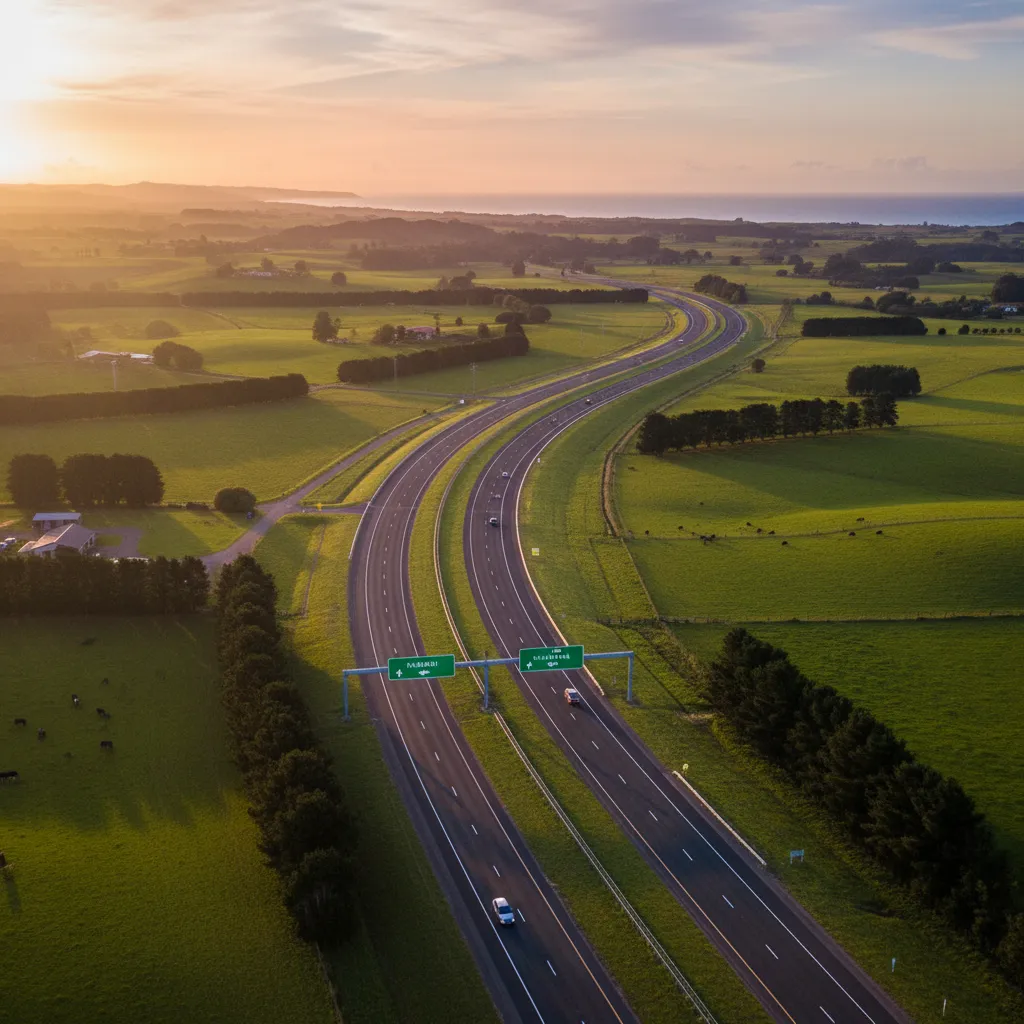
Kawerau sits at a strategic geographic pivot point within the Bay of Plenty. Often referred to as the heart of the region, its location allows for reasonable daily commutes to the three main cities: Tauranga, Rotorua, and Whakatāne. This centrality is a primary driver for the “Heart of the Bay” growth initiative.
Kawerau to Whakatāne
The drive east to Whakatāne is arguably the most straightforward commute in the region. Utilizing State Highway 30, the journey covers approximately 33 kilometers.
- Average Time: 25–35 minutes.
- Peak Hour Variance: Minimal. Traffic flows are generally light, even during 8:00 AM and 5:00 PM windows.
- Route Profile: Mostly flat, open rural roads with passing lanes available.
Kawerau to Rotorua
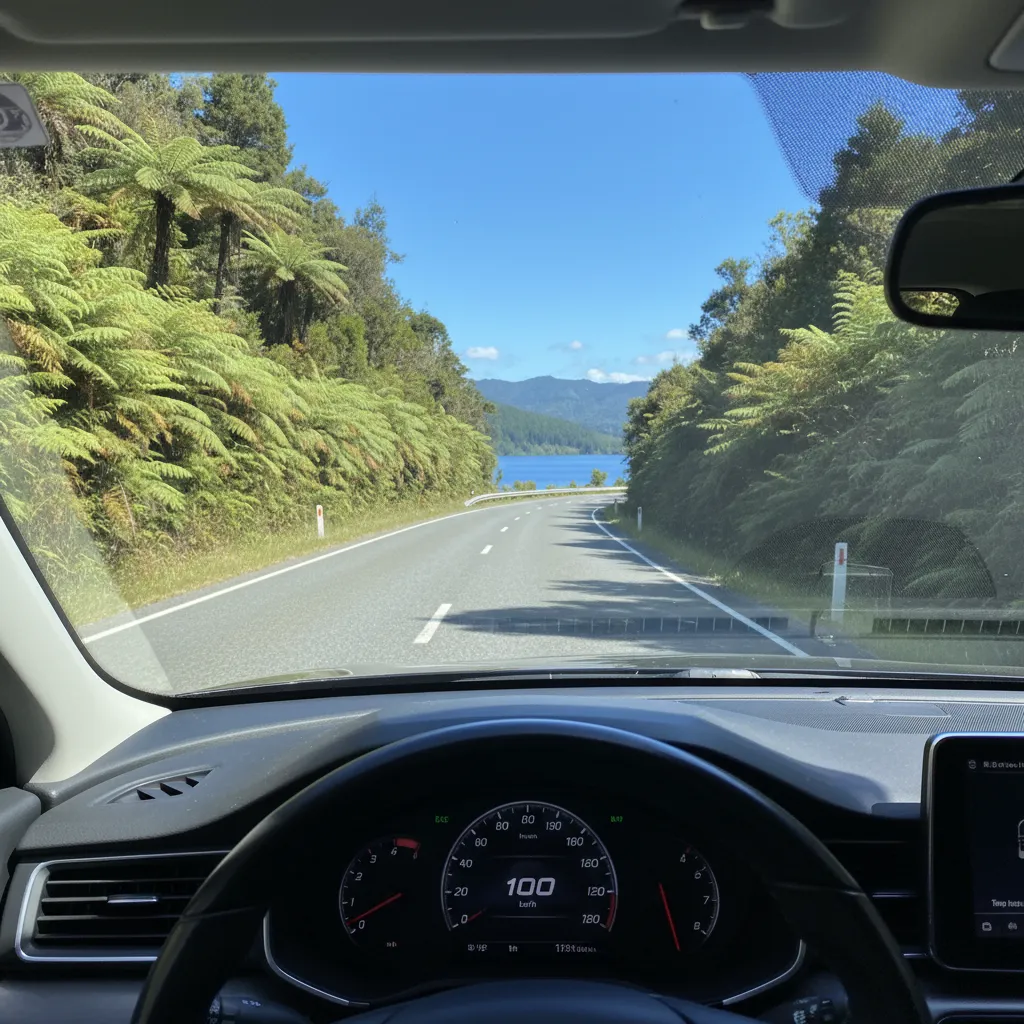
Heading south-west toward the tourism capital, the commute involves State Highway 34 and State Highway 30. This route passes through passing Rotoma and Rotoiti lakes, offering one of the most picturesque daily drives in the country.
- Average Time: 45–50 minutes.
- Peak Hour Variance: Moderate. Approaching Te Ngae Road in Rotorua can add 10–15 minutes during school terms.
- Route Profile: Winding lake roads requiring attention, transitioning to urban traffic near the airport.
Kawerau to Tauranga
Access to New Zealand’s fastest-growing city and largest port is crucial for the regional economy. The completion of the Tauranga Eastern Link (TEL) has revolutionized this commute.
- Average Time: 55–65 minutes.
- Peak Hour Variance: High. While the highway drive is smooth, entering the Tauranga CBD or Mount Maunganui via Hewletts Road can experience significant congestion.
- Route Profile: High-speed expressway (TEL) combined with rural state highway driving.
The Strategic Advantage of the Reverse Commute
One of the most overlooked aspects of commute times in Bay of Plenty is the directional flow of traffic. The vast majority of congestion in the region occurs entering Tauranga in the morning and exiting it in the evening. Residents of Kawerau who work in local industries, or those who live in the coastal belt and work in the Kawerau industrial hub, experience the benefits of a “reverse commute.”
Against the Flow
Driving against the dominant traffic flow can save drivers up to 20% in fuel consumption due to less idling and braking. For example, heading away from Tauranga towards Kawerau at 8:00 AM usually guarantees a run at the speed limit, whereas the opposing lane may be slowing down at roundabouts and merging points.
Mental Health and Productivity
A consistent commute is far less stressful than an unpredictable one. The psychological toll of “stop-start” traffic is well-documented. In the Bay of Plenty regions, a 45-minute drive is often a continuous moving journey, allowing for audiobooks, podcasts, or mental decompression, rather than the frustration of gridlock. This reliability allows parents to plan childcare pick-ups with confidence, a luxury often lost in larger metropolitan commutes.
Public Transport Options and Schedules
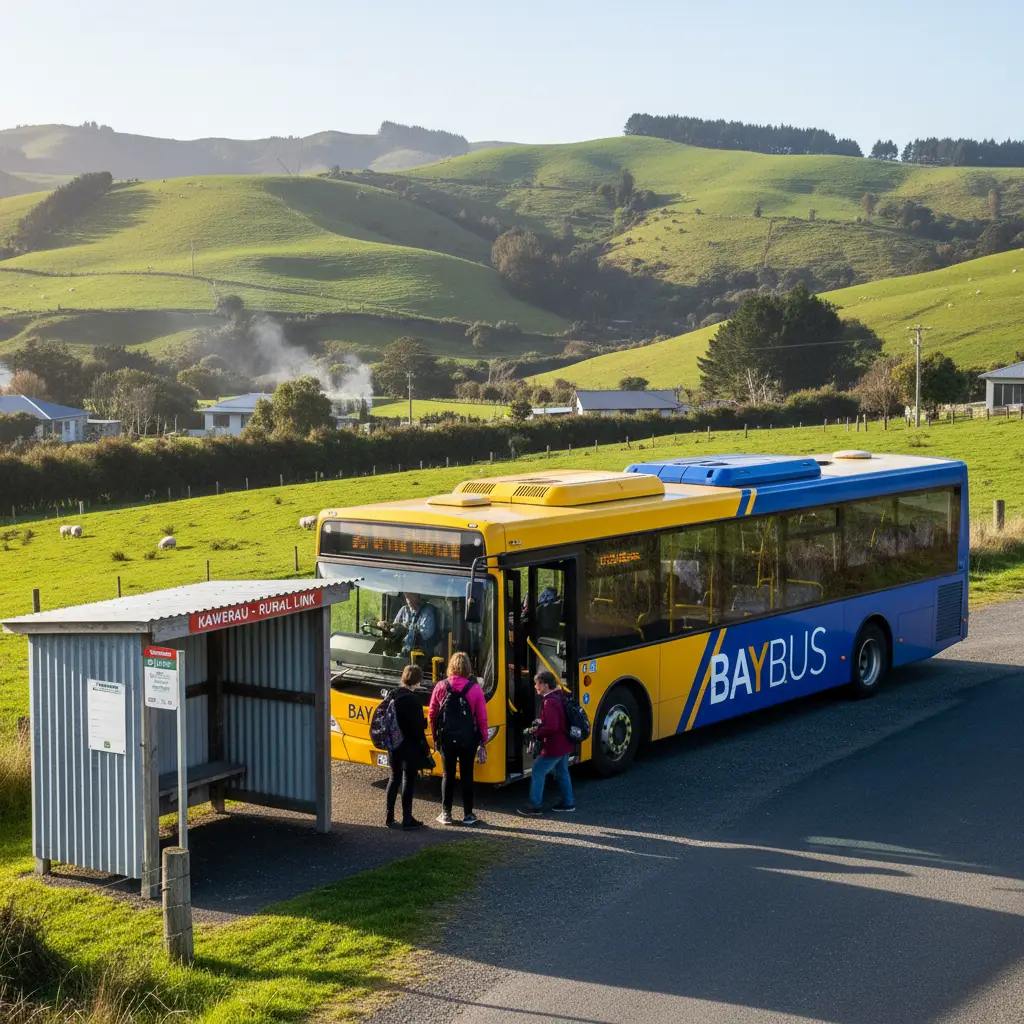
While the private vehicle remains the primary mode of transport in the Bay of Plenty, the Bay of Plenty Regional Council (Toi Moana) operates the Baybus network, which provides vital connectivity for those looking to reduce their carbon footprint or save on vehicle running costs.
Key Regional Routes
For Kawerau residents, the connectivity is focused on linking to the major service centers. It is important to note that public transport schedules in the regions are less frequent than in city centers, requiring stricter time management.
- Route 135 (Kawerau to Whakatāne): This is the primary connector. It runs multiple times daily, facilitating access to the Whakatāne Hospital, shopping centers, and tertiary institutions like Toi Ohomai.
- Regional Connectors: To reach Tauranga or Rotorua via bus often requires a transfer in Whakatāne, which can significantly extend travel time. However, direct commuter services are periodically reviewed based on demand.
The Rise of Carpooling
Informal carpooling is a massive trend in the Kawerau niche. With large industrial employers such as the pulp and paper mills attracting workforces from Whakatāne and Rotorua, organized rideshare groups are common. This not only splits the cost of fuel but also reduces wear and tear on personal vehicles.
Road Safety and Seasonal Driving Tips
Understanding commute times in Bay of Plenty also requires an appreciation of the driving conditions. The region features a mix of high-quality expressways and rural arterial routes that present specific challenges depending on the season.
Winter Fog and Ice
The inland areas, particularly around Kawerau and the stretch toward Rotorua, are prone to heavy fog during the winter months (June to August). Visibility can drop to less than 50 meters.
- Commuter Tip: If your commute involves SH30 toward Rotorua in winter, add 15 minutes to your travel time. Black ice is also a risk on shaded corners near the lakes.
Sunstrike
Due to the east-west orientation of many major Bay of Plenty roads, sunstrike is a critical hazard. Commuters driving east toward Whakatāne in the morning or west toward Tauranga/Rotorua in the evening will face direct sunlight.
- Safety Advice: Keep windshields immaculately clean (inside and out) and invest in high-quality polarized sunglasses.
Forestry and Heavy Haulage
The Bay of Plenty is the forestry capital of New Zealand. Commuters share the road with high volumes of logging trucks. These vehicles are professionally driven but require longer stopping distances and move slower on inclines.
- Overtaking: Patience is key. Wait for designated passing lanes, which are frequent on SH2 and SH33. Attempting to pass on short straights is the leading cause of serious accidents in the region.
Future Infrastructure and Regional Connectivity
The commute landscape is not static. Significant investment is being poured into the region’s infrastructure to support the population boom.
Takitimu North Link
While primarily affecting the corridor north of Tauranga, this project will alleviate pressure on the overall network, improving flow for those commuting from the wider regions into the city center.
Safety Improvements on SH33
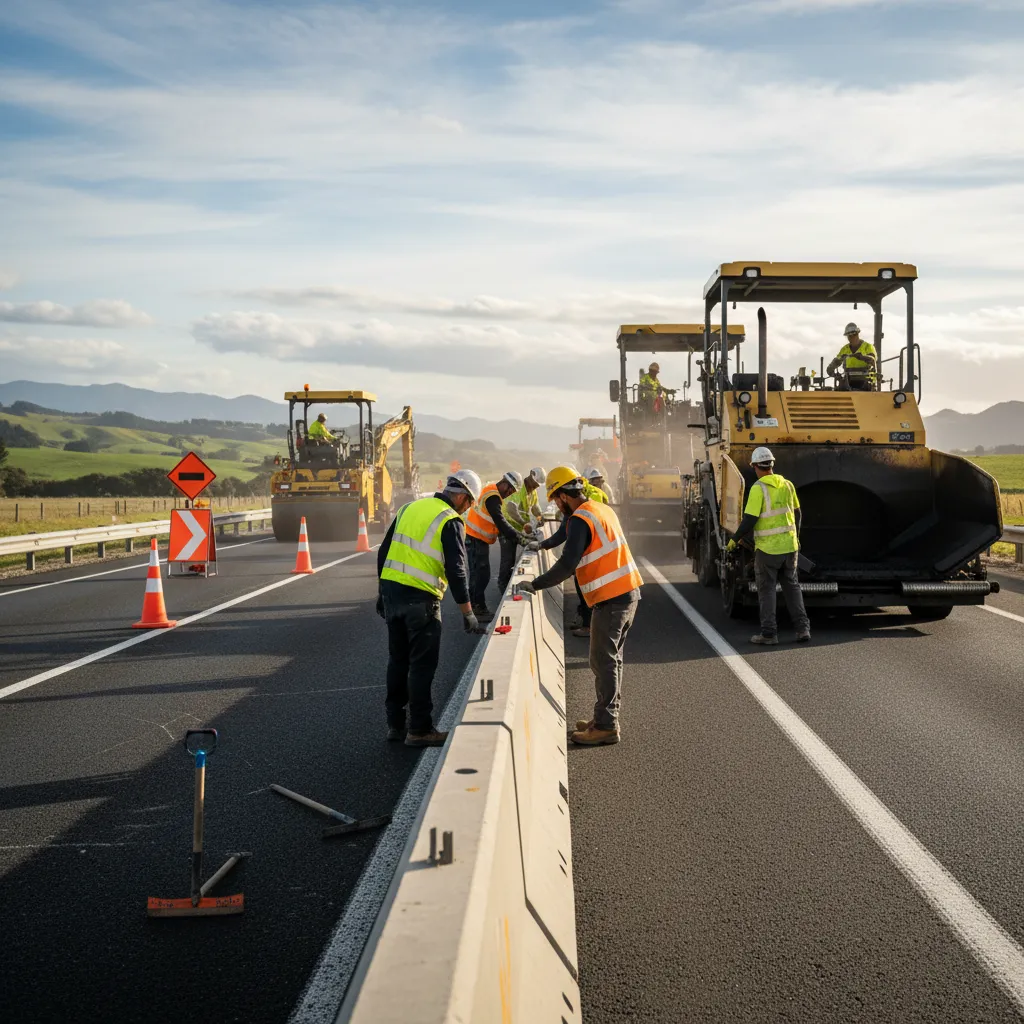
The corridor connecting Paengaroa to Rotorua (SH33) has undergone massive safety upgrades, including widening centers, side barriers, and passing lanes. This has made the commute from the coast to the lakes district significantly safer and more consistent in terms of time.
The Lifestyle ROI: Commuting vs. Cost of Living
When analyzing commute times, one must consider the “Return on Investment” regarding lifestyle. Living in a growth hub like Kawerau often means significantly lower mortgage or rent payments compared to Tauranga or Rotorua.
The Calculation:
- Scenario A: Live in Tauranga. Commute 20 minutes. Pay $900k+ for a home.
- Scenario B: Live in Kawerau. Commute 60 minutes. Pay $450k for a home.
For many families, the extra hour of driving per day is a worthwhile trade-off for financial freedom and a larger property. Furthermore, the cost of fuel is often offset by the reduction in mortgage interest payments. This concept of “drive until you qualify” is becoming the norm, but in the Bay of Plenty, the drive itself is through some of New Zealand’s most stunning scenery, softening the blow of the travel time.
In conclusion, while commute times in the Bay of Plenty are increasing slightly due to population growth, they remain manageable and predictable compared to major cities. The region’s roading network is robust, and for residents of centrally located towns like Kawerau, the entire Bay is accessible within an hour, making it a premier location for lifestyle-oriented professionals.
How long does it take to drive from Kawerau to Tauranga?
The drive typically takes between 55 and 65 minutes, depending on traffic congestion entering Tauranga. Utilizing the Tauranga Eastern Link (TEL) ensures a smooth journey for the majority of the trip.
Is there a bus from Kawerau to Whakatāne?
Yes, Baybus Route 135 provides service between Kawerau and Whakatāne. It runs several times a day, catering to shoppers, students, and commuters.
What are the busiest times on Bay of Plenty roads?
Peak traffic generally occurs between 7:30 AM – 8:30 AM and 4:30 PM – 5:30 PM. However, holiday periods and long weekends can see significant congestion on SH2 and SH29.
Is it safe to commute from Rotorua to Kawerau in winter?
Yes, but caution is advised. This route is prone to heavy fog and black ice during winter mornings. Drivers should allow extra time and drive to the conditions.
What is the ‘Golden Triangle’ in New Zealand?
The Golden Triangle refers to the economic zone encompassing Auckland, Hamilton, and Tauranga. The Bay of Plenty’s commute network feeds into this, making the region a critical logistics and employment hub.
Are there passing lanes on the roads out of Kawerau?
Yes, all major highways exiting Kawerau (SH30, SH34) connect to main arterials like SH2 and SH33, which feature regular passing lanes to safely overtake heavy freight vehicles.