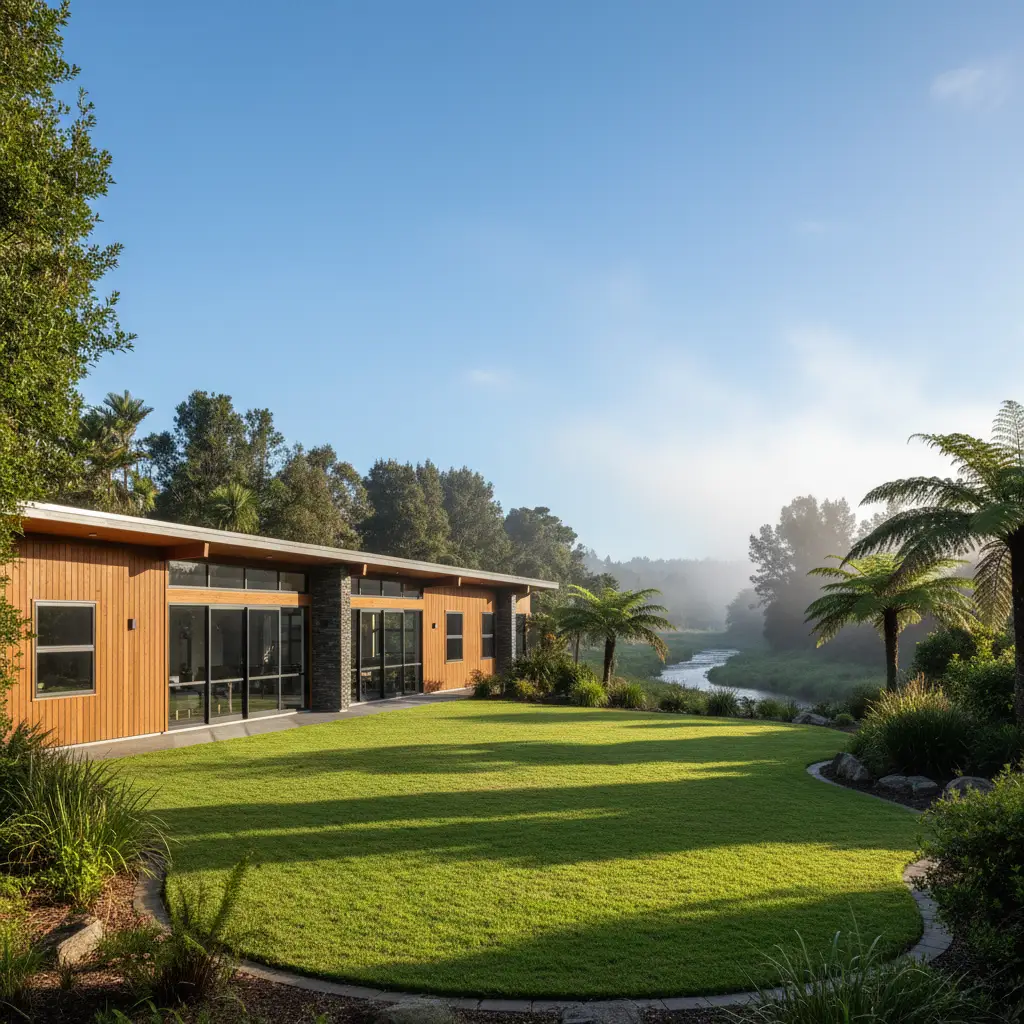
Bird watching in the Tarawera Forest offers a premier eco-tourism experience near Kawerau, Bay of Plenty. This protected region hosts rare native species like the North Island Kōkako and New Zealand Falcon (Kārearea). With diverse habitats ranging from riverside vegetation to dense podocarp canopies, it provides exceptional viewing opportunities for ornithologists and nature enthusiasts year-round.
Nestled in the heart of the Bay of Plenty, the Tarawera Forest stands as a testament to the resilience and beauty of New Zealand’s native landscape. For residents of Kawerau and visitors alike, this sprawling woodland is more than just a scenic backdrop; it is a vibrant ecosystem teeming with avian life. As the region undergoes a transformation in tourism and lifestyle appeal, bird watching in the Tarawera Forest has emerged as a flagship activity, drawing attention to the area’s rich biodiversity and the serenity of the Kawerau district.
Whether you are a seasoned birder with a high-powered lens or a family looking to reconnect with nature, the forest offers a sanctuary away from the bustle of modern life. This guide provides an authoritative look at how to navigate this landscape, identify its winged inhabitants, and appreciate the conservation efforts that make the Tarawera Forest a jewel in the crown of New Zealand’s natural heritage.
Native Bird Species to Look For
The Tarawera Forest is a biological corridor that supports a wide array of avian life. Thanks to intensive pest control and conservation management, populations of sensitive native species are rebounding. Understanding the behavior and visual characteristics of these birds is crucial for a successful sighting.
The North Island Kōkako: The Forest’s Songbird
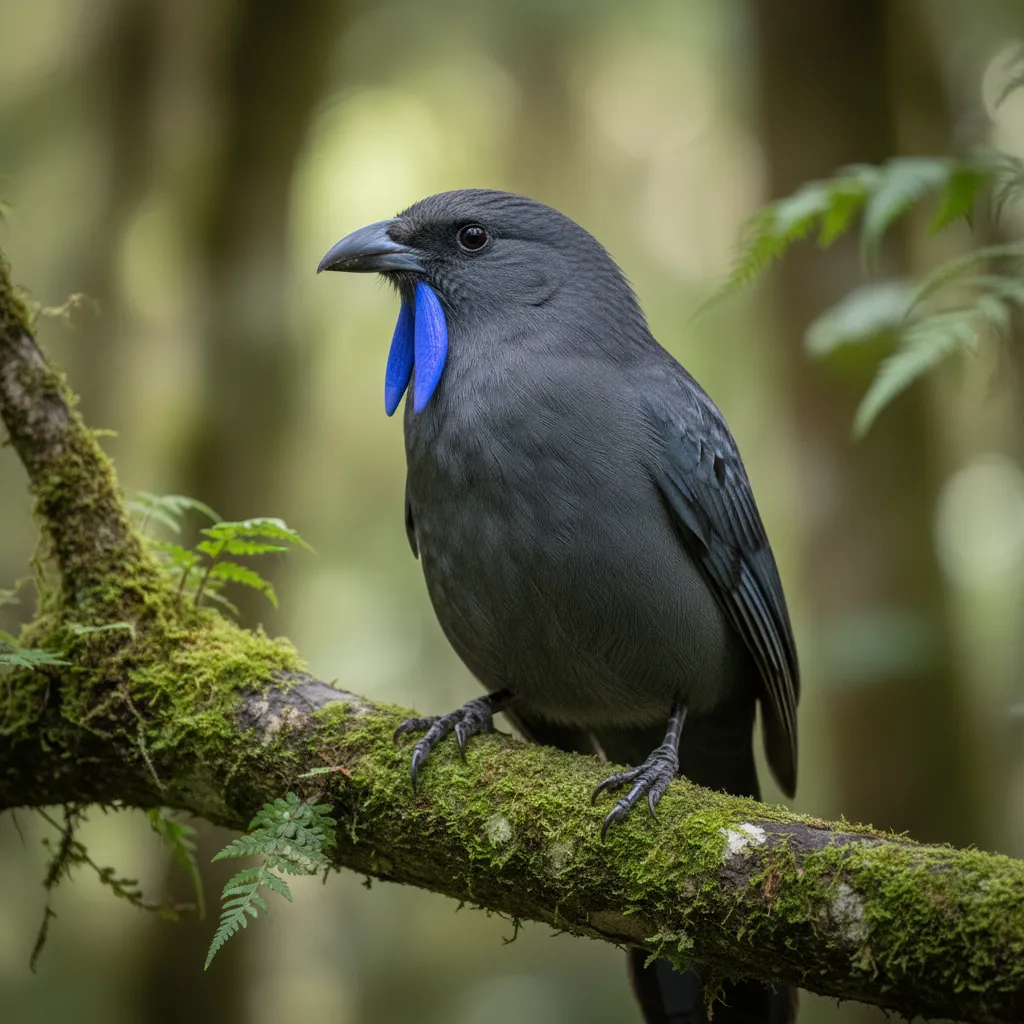
Perhaps the most prized sighting in the region is the North Island Kōkako. Known for its hauntingly beautiful song—often described as organ-like notes echoing through the canopy—the Kōkako is a wattlebird with slate-grey plumage and a distinctive blue wattle under its beak. Unlike many other birds, the Kōkako is not a strong flyer; it prefers to hop and glide between branches in the mid-to-high canopy.
To spot a Kōkako, patience is required. They are most vocal in the early morning. Listen for their call, which carries further than their movement suggests. In the Tarawera Forest, they are often found in areas with established hardwood trees where food sources like berries and leaves are plentiful.
The New Zealand Falcon (Kārearea)
As New Zealand’s only endemic falcon, the Kārearea is a majestic sight. These birds are apex predators in the forest ecosystem, capable of flying at speeds over 100 km/h. In the Tarawera region, they can often be seen hunting in the open corridors created by forestry roads or hovering above the tree line.
Identifying the Kārearea involves looking for a bird smaller than a hawk but with more pointed wings and a faster wingbeat. They are known for their feistiness and may vocalize with a sharp “kek-kek-kek” sound if you venture too close to a nesting site, particularly during the breeding season.
Kererū (New Zealand Wood Pigeon)
The Kererū is unmistakable with its large size, iridescent green and bronze feathers, and stark white vest. As the primary disperser of seeds for large-fruited native trees, the Kererū plays a vital role in the forest’s regeneration. In Tarawera, you will hear the distinctive “whoosh” of their wings long before you see them. They are often found gorging on berries in the upper canopy or engaging in spectacular display dives during the breeding season.
Best Quiet Spots for Viewing
Success in bird watching often comes down to location. The Tarawera Forest is vast, covering thousands of hectares, but specific zones offer higher densities of bird life due to vegetation types and proximity to water.
The Tarawera Falls Track
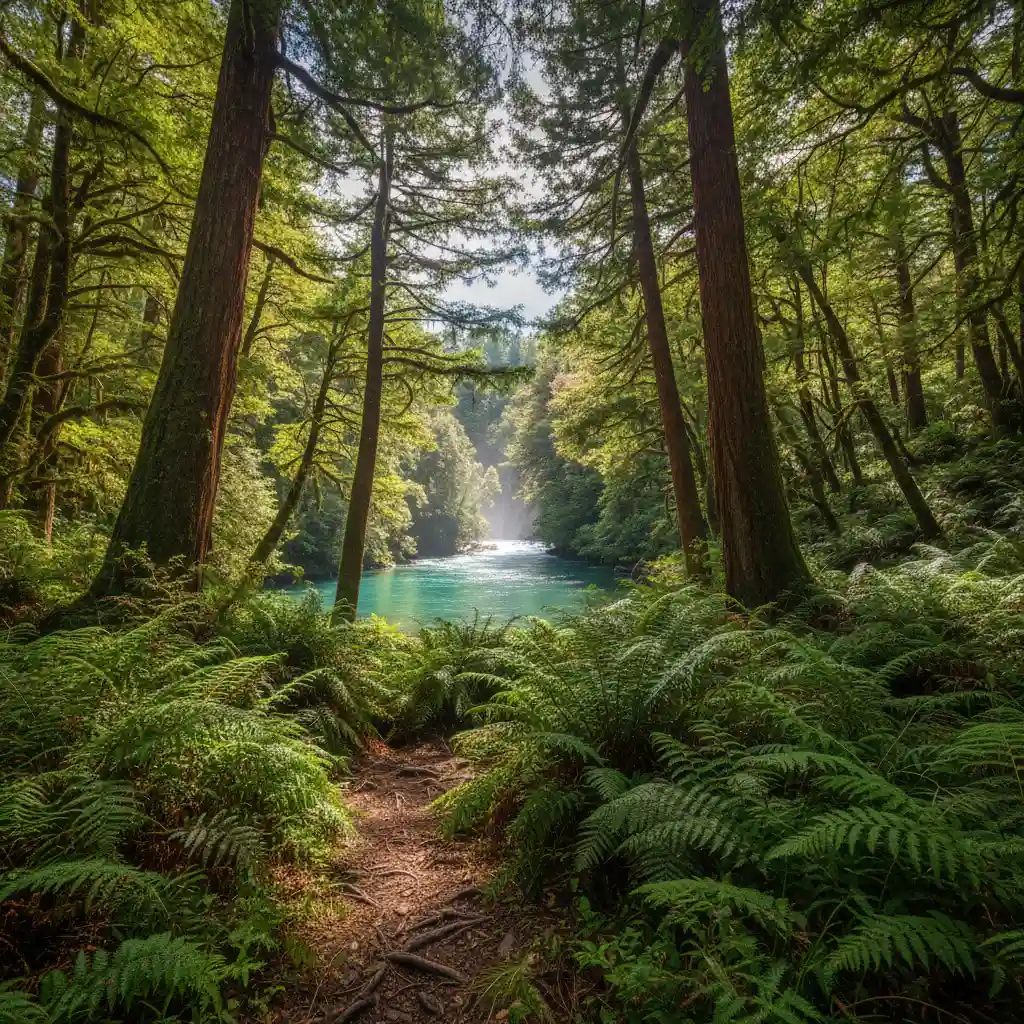
While the waterfall itself is a major tourist attraction, the track leading to it is a birder’s paradise. The path follows the Tarawera River, creating an edge habitat where river-dwelling birds and forest species coexist. The constant sound of running water can mask your footsteps, allowing you to get closer to skittish species.
Look for the distinct fantail (Pīwakawaka) flitting across the path. They are attracted to the insects disturbed by hikers. Along the riverbanks, you may also spot the Whio (Blue Duck) in the faster-flowing sections upstream, although they are rarer and require stealth to observe.
The Tarawera Outlet
Where Lake Tarawera drains into the river is a hotspot for waterbirds and forest dwellers alike. The mixture of wetland vegetation and mature native bush creates a high-biodiversity zone. This area is accessible and offers wider viewing angles, making it ideal for spotting raptors like the Australasian Harrier (Kāhu) circling overhead.
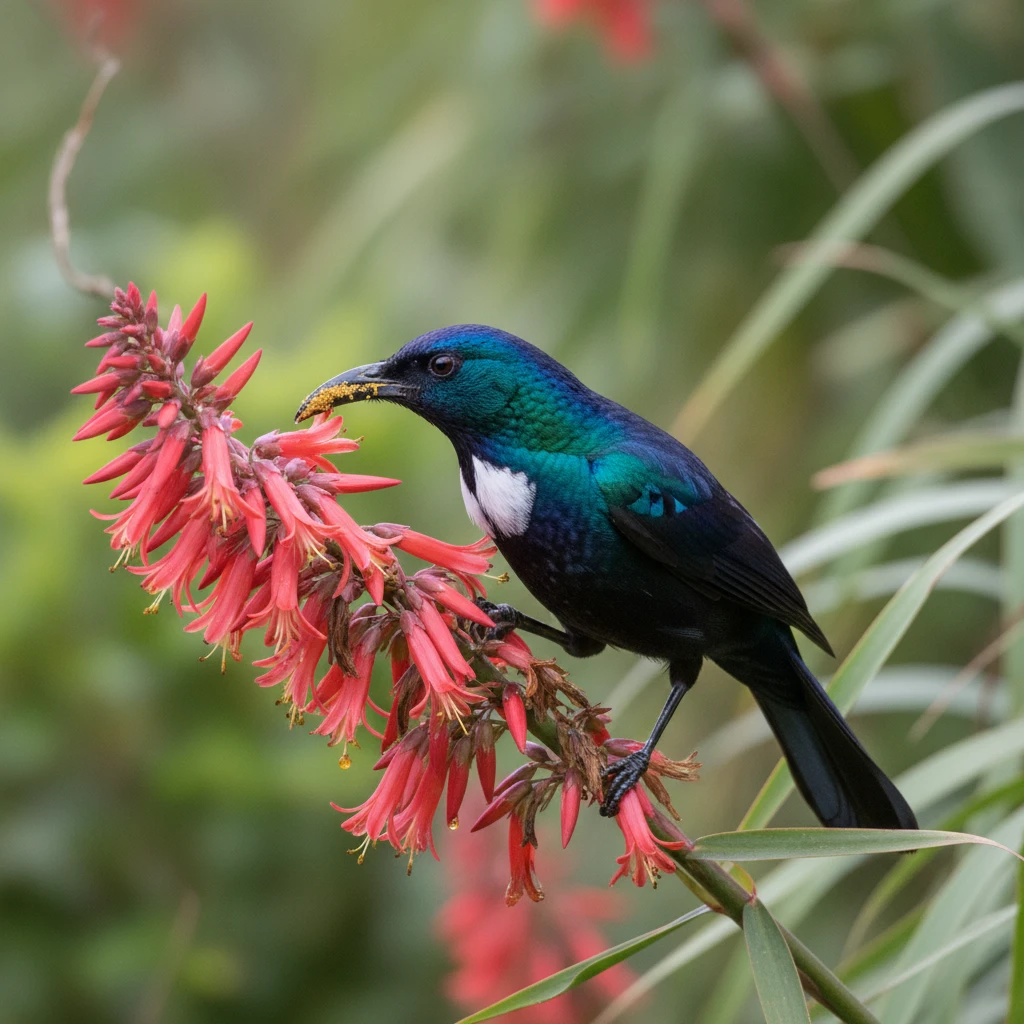
This location is also excellent for spotting Tūī and Bellbirds (Korimako), especially when the flax and kōwhai are in bloom. The competition for nectar often results in aerial acrobatics that are a delight to photograph.
Seasonal Migration and Activity Patterns
Bird watching in Tarawera Forest is a year-round pursuit, but the experience changes significantly with the seasons. Understanding these rhythms will help you plan your visit effectively.
Spring (September to November)
Spring is the peak of activity. As the forest bursts into bloom, nectar-feeding birds like the Tūī and Bellbird become hyper-active and extremely vocal. This is the breeding season for many species, meaning territorial disputes and courtship displays are common. The dawn chorus during spring in Tarawera is a sonic wall of sound that every nature lover should experience at least once.
Winter (June to August)
While many assume winter is quiet, it offers unique advantages. As food sources in the high canopy diminish, many birds descend to lower altitudes and the forest floor to forage. This makes species that are usually neck-straining to spot much more visible at eye level. Flocks of Silvereyes (Tauhou) and Whiteheads (Pōpokotea) are common in winter, moving in large, chirping groups to find insects.
Essential Gear and Preparation
The Tarawera Forest is a working forest and a rugged natural environment. Proper preparation ensures not only a better viewing experience but also safety.
Optics and Audio
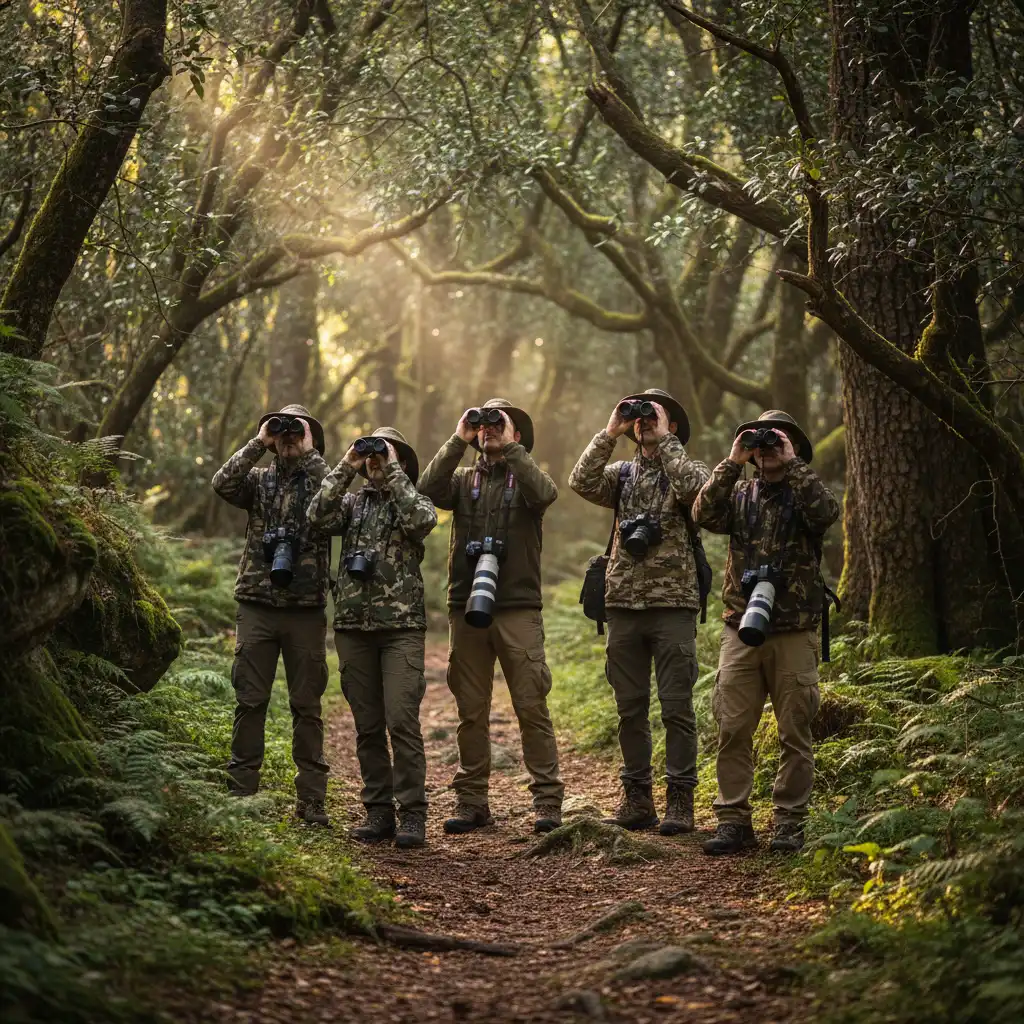
A pair of 8×42 binoculars is the standard recommendation for forest birding. The 8x magnification provides a wide enough field of view to track moving birds in dense brush, while the 42mm objective lens gathers enough light for the shaded understory. Since many NZ birds are located by ear, carrying a parabolic microphone or simply learning the calls via an app before you arrive can double your sighting success rate.
Access and Permits
Access to the Tarawera Forest usually requires a permit, as it is private land managed for forestry and conservation. These can be obtained from the Kawerau i-SITE Visitor Information Centre. It is vital to check the current status of roads and logging operations. Weekend access is generally more open, but strictly adhering to safety signage is non-negotiable.
Conservation and the Kawerau Connection
The revitalization of bird life in the Tarawera Forest is directly linked to the community of Kawerau. This town, historically known for its industrial prowess, is rapidly rebranding as a lifestyle destination for those who value proximity to nature. The “Kawerau lifestyle” is increasingly defined by the ability to finish work and be deep in a primeval forest within 15 minutes.
Real Estate and Eco-Tourism
This shift has implications for the local real estate market. Properties in Kawerau are gaining value not just for their affordability, but for their access to world-class recreational assets like the Tarawera Forest. For investors and homebuyers, the presence of thriving native bird populations serves as a bio-indicator of a healthy environment, adding intangible value to the region.
Local conservation groups, often staffed by Kawerau volunteers, maintain trap lines to control stoats, possums, and rats. This community investment creates a sense of ownership and pride, ensuring that the forest remains a safe haven for species like the Kiwi, which are slowly being reintroduced to protected pockets of the region.
Photography Tips for Dense Forests
Photographing birds in the Tarawera Forest presents unique challenges due to the dynamic lighting conditions. The interplay of deep shadows and bright shafts of sunlight can confuse camera metering systems.
Managing ISO and Shutter Speed
In the dark understory, you will need to push your ISO higher than usual—often between ISO 800 and 3200. Modern cameras handle this noise well, and it is better to have a sharp, grainy photo than a blurry, clean one. A shutter speed of at least 1/500th of a second is recommended to freeze the twitchy movements of birds like the Fantail.
Composition
Don’t just aim for a tight close-up. Environmental portraits that show the bird within the context of the ferns, moss, and rimu trees tell a stronger story about the Tarawera ecosystem. Look for natural frames created by branches to draw the viewer’s eye to the subject.
People Also Ask
Do I need a permit to enter Tarawera Forest?
Yes, access permits are generally required for vehicles entering the Tarawera Forest. These can be purchased from the Kawerau i-SITE Visitor Information Centre on Plunket Street. Pedestrian access to specific tracks like the Tarawera Falls may have different regulations, so always check with the i-SITE first.
What is the best time of day for bird watching in Tarawera?
The “dawn chorus” is the optimal time, occurring just before and during sunrise. This is when birds are most vocal and active. Late afternoon, just before dusk, is a secondary peak activity time, particularly for species returning to roosts.
Are there Kiwi in the Tarawera Forest?
Yes, there are populations of North Island Brown Kiwi in the area, largely due to successful conservation and predator control programs. However, as they are nocturnal and extremely shy, sightings are rare without a guided tour or specialized red-light equipment.
Is the forest safe for solo hikers?
Generally, yes, but standard outdoor safety applies. The forest is large and remote in areas. Tell someone your plans, carry a PLB (Personal Locator Beacon) if going off main tracks, and be aware that it is a working forest with heavy machinery operating in certain zones.
Can I bring my dog to Tarawera Forest?
Usually, dogs are restricted or require specific permits because the forest is a habitat for ground-dwelling birds like Kiwi and Weka which are vulnerable to predation. Always check the current permit conditions at the Information Centre before bringing a pet.
What is the rarest bird I might see?
The North Island Kōkako and the New Zealand Falcon (Kārearea) are among the rarer sightings. Seeing a Kōkako is a special event and indicates the success of local pest management strategies.