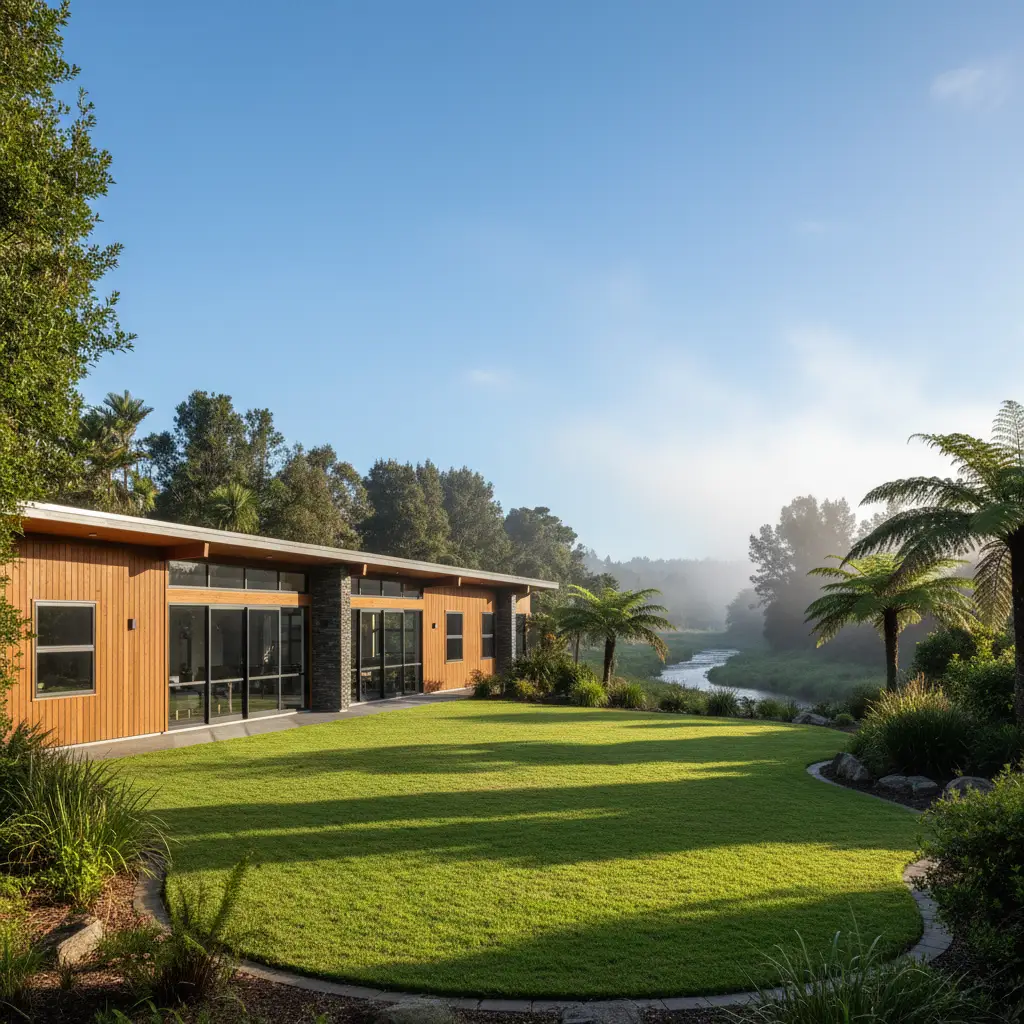
The best time to visit Kawerau is during the summer months of December through February for prime whitewater rafting and warm outdoor events. However, the shoulder season of autumn (March to May) offers the optimal balance of cooler temperatures for hiking Mount Putauaki and vibrant foliage for photography, establishing Kawerau as a versatile year-round base camp.
Located in the heart of the Bay of Plenty, Kawerau is often overlooked by international tourists rushing to Rotorua or Whakatāne. However, for the savvy domestic traveler and the adventure-seeker, this industrial town serves as the ultimate “Base Camp” for the region. Whether you are chasing the adrenaline of the Tarawera River or seeking the solitude of ancient forestry trails, timing your visit can significantly enhance your experience.
Summer (December – February): The Season of Adrenaline and River Activities
Summer in Kawerau is defined by heat, energy, and the roar of the Tarawera River. As temperatures climb, often reaching comfortably into the high 20s°C (high 70sªF), the town transforms into a playground for water sports enthusiasts. If your primary goal is to engage with the water or enjoy long daylight hours, this is undeniably the best time to visit Kawerau.
Whitewater Kayaking and Rafting
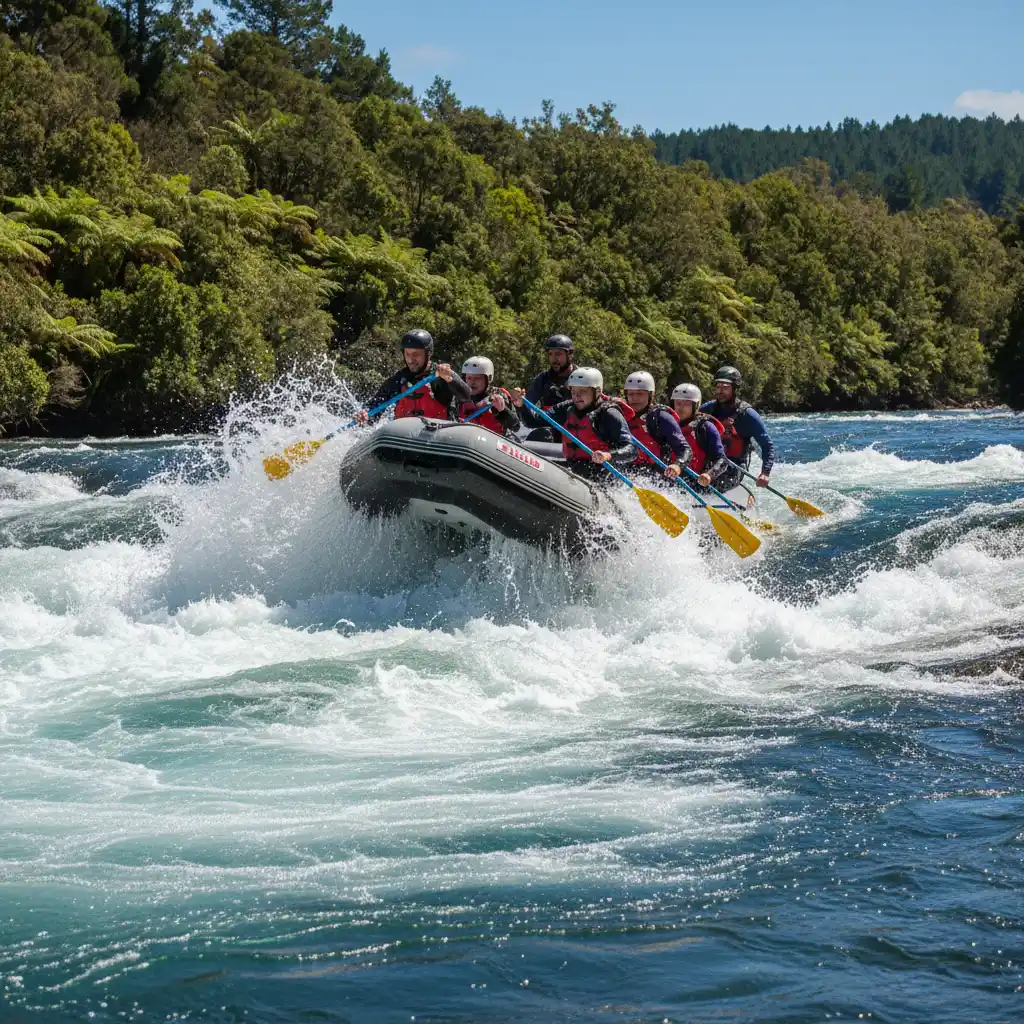
The Tarawera River is the lifeblood of Kawerau’s tourism. Unlike many rivers that rely on rainfall, the Tarawera is lake-fed, ensuring consistent flows. However, summer is when the venue truly comes alive. The purpose-built slalom course is a hub of activity. During these months, the water temperature is refreshing rather than freezing, making it the ideal time for beginners to book a rafting trip or for experienced kayakers to tackle the rapids.
Summer Events and Atmosphere
Summer brings a festive atmosphere to the district. The long evenings allow for extended exploration of the local parks, such as Prideaux Park or Stoneham Park. It is common to find families picnicking late into the evening. Community events, including Christmas in the Park (held in December), draw significant crowds and showcase the tight-knit community spirit that defines the town.
What to Pack for Summer
Sun protection is non-negotiable. The New Zealand sun is harsh, and Kawerau is often sheltered from the cooling sea breezes found in nearby Whakatāne. Bring high-SPF sunscreen, a wide-brimmed hat, swimwear, and plenty of hydration. If you plan on camping at the Firmin Field or other designated spots, a light tent and sleeping bag are sufficient.
Autumn (March – May): Hiking, Harvest, and Photography
For many seasoned travelers, autumn is the secret “Golden Season” of the Bay of Plenty. As the humidity of summer breaks, the air becomes crisp and clear, providing the best visibility for landscape photography and the most comfortable conditions for strenuous physical activity.
Conquering Mount Putauaki
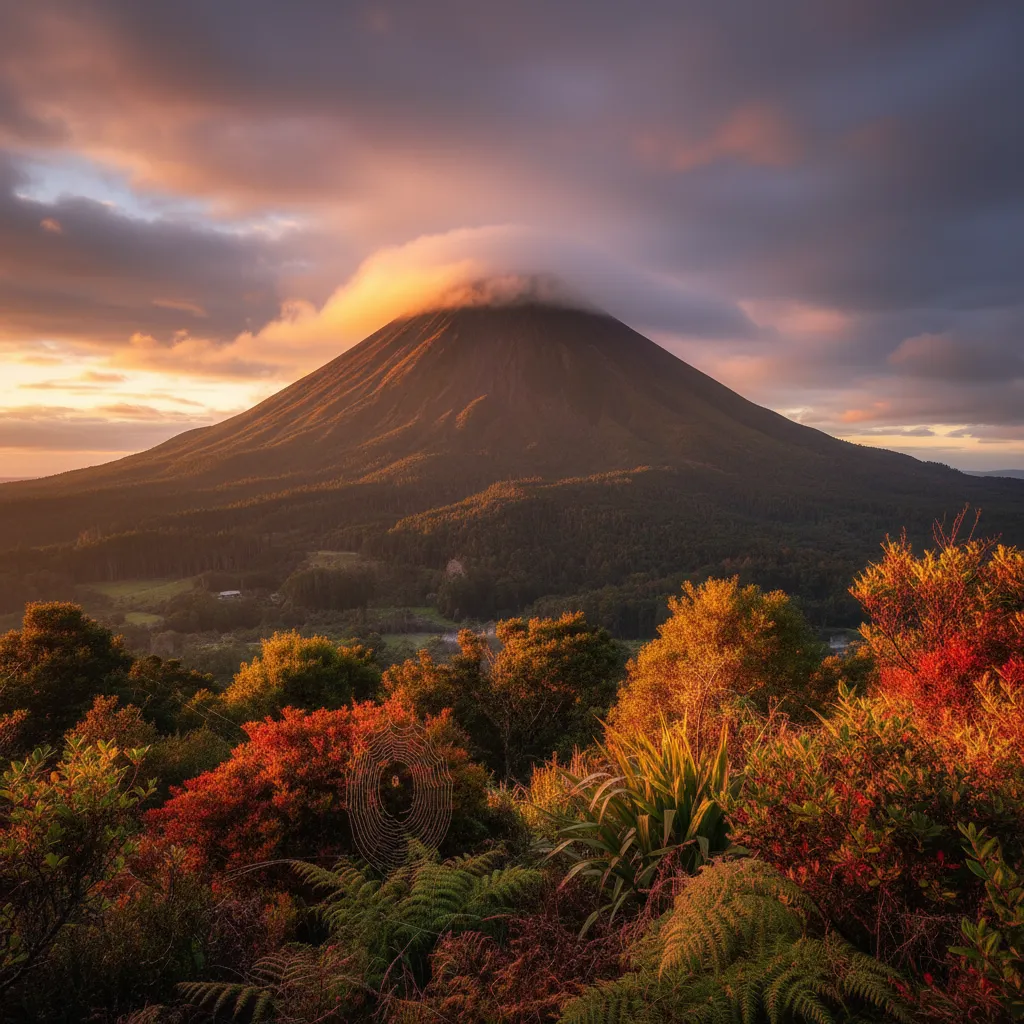
Mount Putauaki (Mt Edgecumbe) dominates the skyline of Kawerau. While the mountain can be climbed in summer, the heat can be punishing on the exposed upper slopes. Autumn offers the perfect climatic window. The temperatures usually sit in the mid-teens to low-20s°C, reducing the risk of heat exhaustion while climbing.
Note on Access: Putauaki is a sacred ancestral mountain (maunga). Access is restricted and requires a permit from Māori Investments Limited. Autumn is an excellent time to organize this, as the forestry roads are generally dry and accessible.
Photographic Opportunities
The light in autumn changes, becoming softer and more golden. This is the best time to visit Kawerau if you are a photographer. The contrast between the industrial steam rising from the mills and the cooling air creates dramatic atmospheric shots, particularly at sunrise. Furthermore, the exotic trees planted around the township and in the parks begin to turn, adding splashes of russet and gold to the predominantly green native landscape.
Winter (June – August): A Cozy Base Camp for Regional Exploration
Winter in Kawerau is generally mild compared to the South Island, but it can be damp. However, this season highlights the strategic value of the “Kawerau Base Camp” strategy. Accommodation prices are at their lowest, and the town’s central location makes it an affordable hub for accessing the wider region’s thermal delights.
Thermal Relaxation
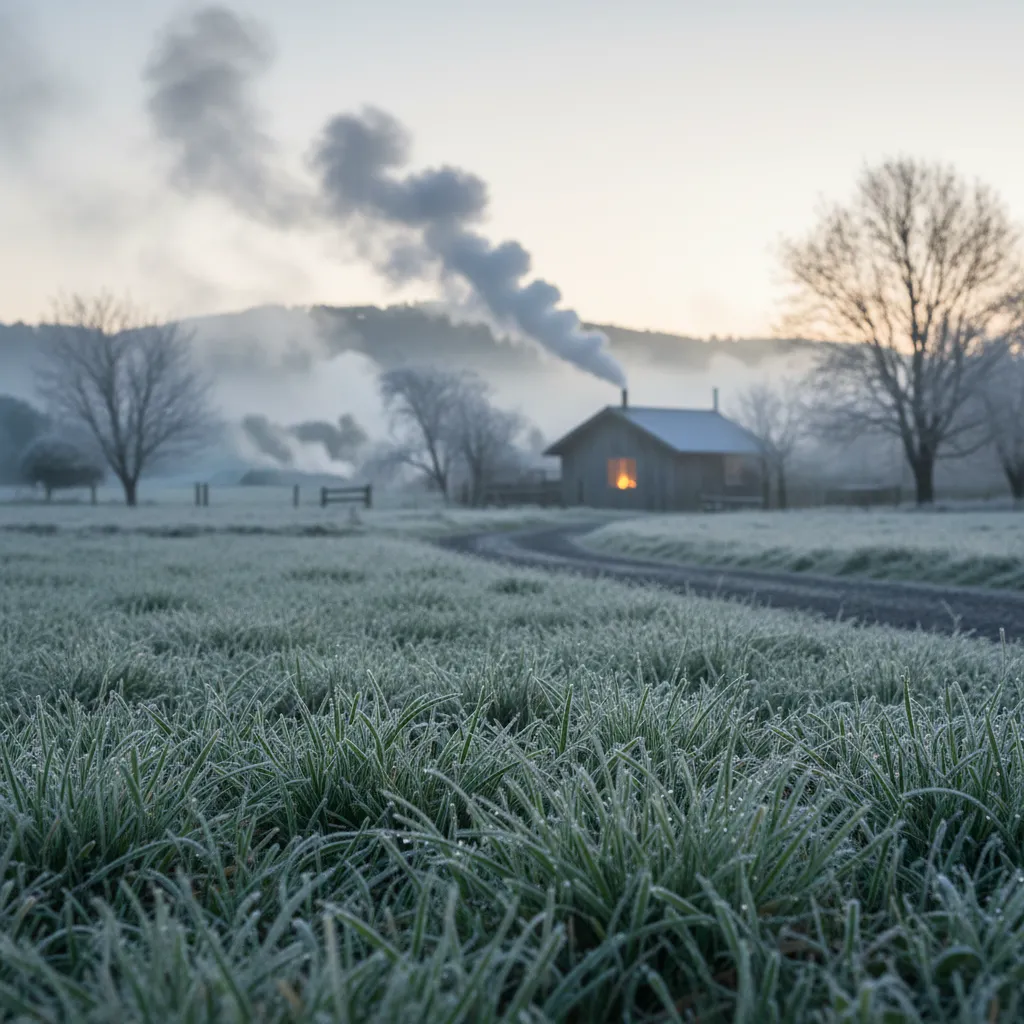
While Kawerau is famous for its geothermal steam used in industry, winter is the time to appreciate the warmth. Just a short drive from Kawerau (approximately 10 minutes) are the Awakeri Hot Springs. Staying in Kawerau allows you to visit these pools for a soak in the evening after a day of exploring, without paying the premium prices of staying at a resort. The steam rising from the landscape during the cold winter mornings is a sight to behold, reminding visitors of the volcanic power beneath their feet.
Proximity to Rotorua and Whakatāne
On rainy days—which are more common in winter—Kawerau serves as a central pivot point. You are roughly 45 minutes to an hour from Rotorua’s indoor attractions and 30 minutes from Whakatāne’s cinema and museums. You can enjoy a hearty winter meal at one of Kawerau’s local cafes or the Cosmopolitan Club, enjoying the small-town hospitality that warms you as much as the food.
Spring (September – November): Waterfalls, Wildflowers, and Woodfest
Spring is a season of renewal and high energy. It is arguably the most culturally vibrant time to visit due to the town’s signature events and the natural regeneration of the surrounding forests.
Tarawera Falls at Full Power
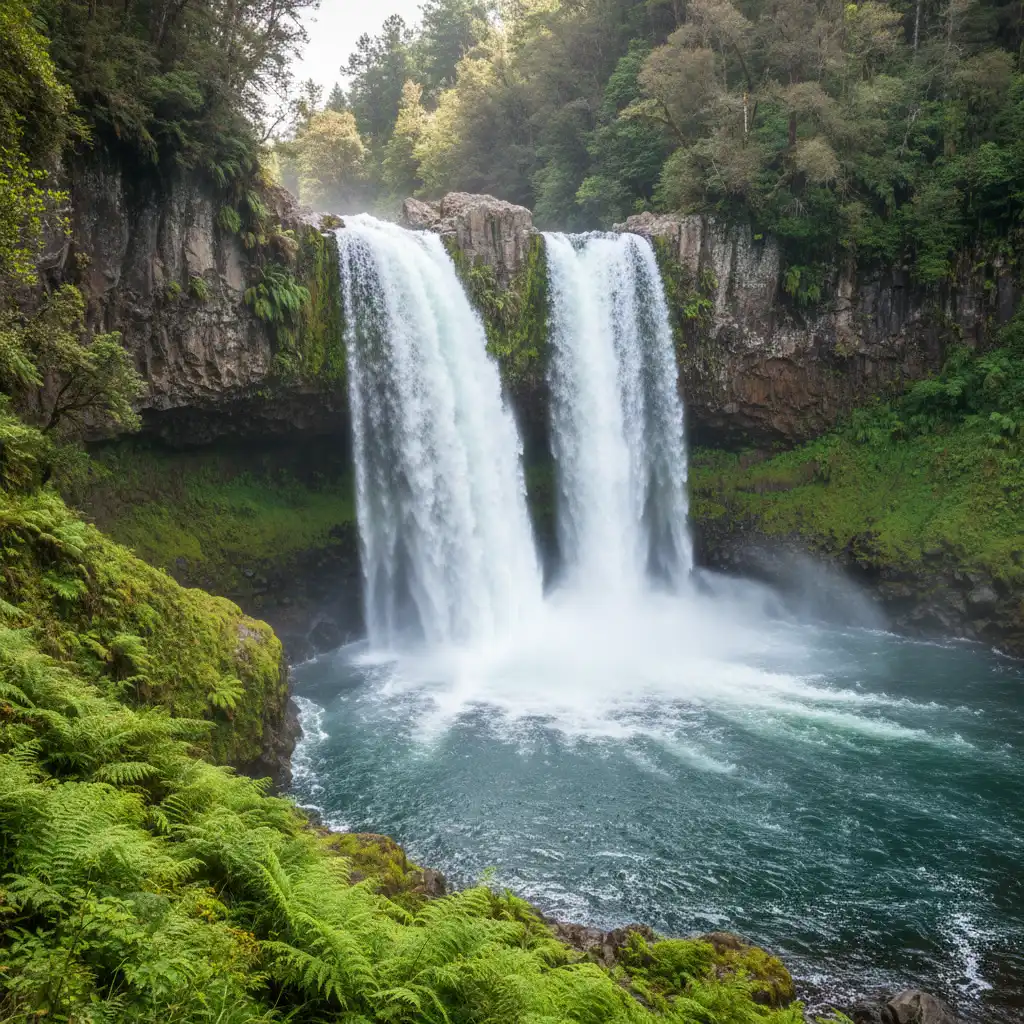
Spring often brings rain, and with rain comes the spectacular display of the Tarawera Falls. Located in the forestry hinterland accessible via Kawerau (permits required), the falls are unique as the water pours directly out of a cliff face. In spring, the flow is thunderous and impressive. The surrounding bush is lush, and native birds are active, making the walk to the falls a sensory delight.
Kawerau Woodfest and National Wood Skills Competition
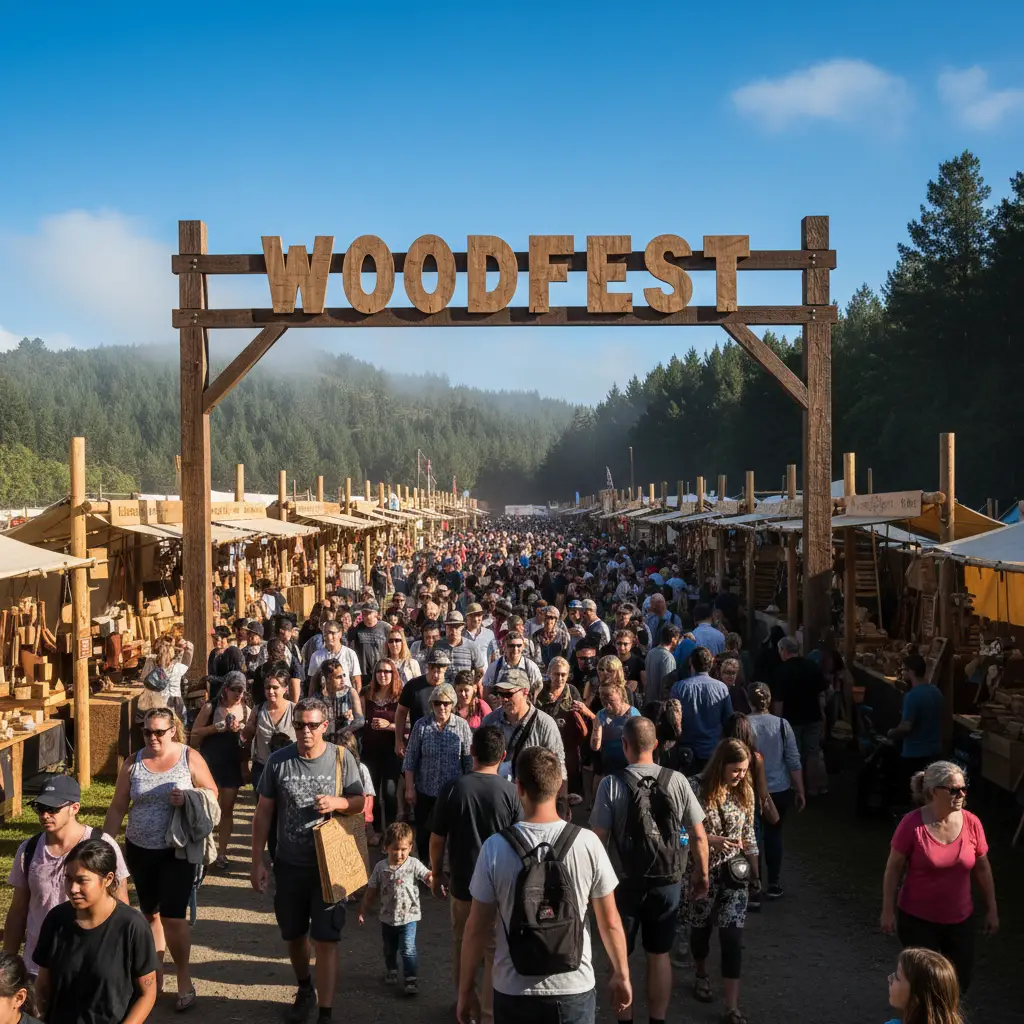
Historically held in late September or early October, the Kawerau Woodfest is a major drawcard. This event celebrates the town’s identity as a forestry capital. Visitors can witness incredible chainsaw carving, wood chopping competitions, and high-quality wood craftsmanship. If you want to understand the soul of Kawerau, you must visit during Woodfest. It attracts competitors and spectators from all over New Zealand.
The King of the Mountain
Usually scheduled in late October or early November, the Kawerau King of the Mountain race is one of New Zealand’s toughest mountain runs. Even if you aren’t competing, the atmosphere in town is electric. Spectators gather to watch athletes ascend and descend Putauaki at breakneck speeds. It marks the transition from spring to summer and is a highlight of the local calendar.
Understanding the Climate: Monthly Weather Breakdown
To help you plan your trip down to the specific month, here is a general guide to what you can expect regarding the weather in the Eastern Bay of Plenty.
- January – February: Peak heat. Highs of 24°C – 28°C. Dry spells common. Best for swimming.
- March – April: Mild and settled. Highs of 20°C – 24°C. Cooler nights. Best for hiking.
- May – June: Cooling down. Highs of 15°C – 18°C. Increased rainfall.
- July – August: Coldest months. Highs of 12°C – 15°C. Frosty mornings are common but days can be crisp and sunny.
- September – October: Unpredictable. Highs of 16°C – 19°C. Windy westerly conditions are common (the “Equinox winds”).
- November – December: Warming up rapidly. Highs of 20°C – 23°C. Long days return.
The Kawerau Base Camp Strategy
Why choose Kawerau as your base? The answer lies in economics and geography. The Bay of Plenty is a premier tourism destination, but accommodation in hotspots like Mount Maunganui or Rotorua can be expensive, particularly during school holidays.
Kawerau offers a unique proposition: Freedom Camping and Affordability.
The town is notably motorhome-friendly. Designated freedom camping spots (check local council bylaws for the most current locations, such as Firmin Field or Prideaux Park) allow travelers to stay for free or at a very low cost. By setting up base in Kawerau, you are:
- Saving Money: Reducing accommodation costs allows for a bigger budget for activities like rafting or dining.
- Centrally Located: You are within a 60-minute drive of lakes (Rotoma, Rotoiti), ocean (Ohope, Matatā), and geothermal parks (Wai-O-Tapu, Rotorua).
- Experiencing Authenticity: You engage with a real working town rather than a manicured tourist trap.
Frequently Asked Questions (PAA)
Is Kawerau worth visiting?
Yes, Kawerau is worth visiting, especially for outdoor enthusiasts. It offers world-class whitewater kayaking, access to the spectacular Tarawera Falls, and challenging hikes like Mount Putauaki. It is also a rich cultural hub with a strong Māori heritage and industrial history.
What is the best month to visit the Tarawera Falls?
Spring (September to November) is generally the best time to visit Tarawera Falls. The rainfall during this season ensures the waterfall is operating at full volume, creating a thunderous and impressive display. The surrounding native bush is also at its most vibrant green.
Do I need a permit to visit Tarawera Falls?
Yes, you need a permit to access Tarawera Falls because the access road passes through private forestry land. Permits can be purchased from the Kawerau i-SITE Visitor Information Centre on Plunket Street for a small fee. The road is unsealed, so drive carefully.
Can you climb Mt Putauaki (Mt Edgecumbe)?
Yes, you can climb Mt Putauaki, but access is restricted. It is a sacred mountain. You must obtain a permit from Māori Investments Limited (situated in Kawerau) before attempting the climb. The best time to climb is usually during the King of the Mountain race or in Autumn when temperatures are cooler.
How far is Kawerau from Rotorua?
Kawerau is approximately 55 kilometers (34 miles) from Rotorua. The drive typically takes between 45 to 50 minutes via State Highway 30, making it an easy day trip or a convenient alternative base for exploring the Rotorua region.
Is there freedom camping in Kawerau?
Yes, Kawerau is known for being motorhome friendly. There are designated areas for self-contained vehicles, with Firmin Field and Prideaux Park often being popular spots. Always check the latest Whakatāne District Council bylaws or visit the local i-SITE to confirm current allowed sites and duration limits.