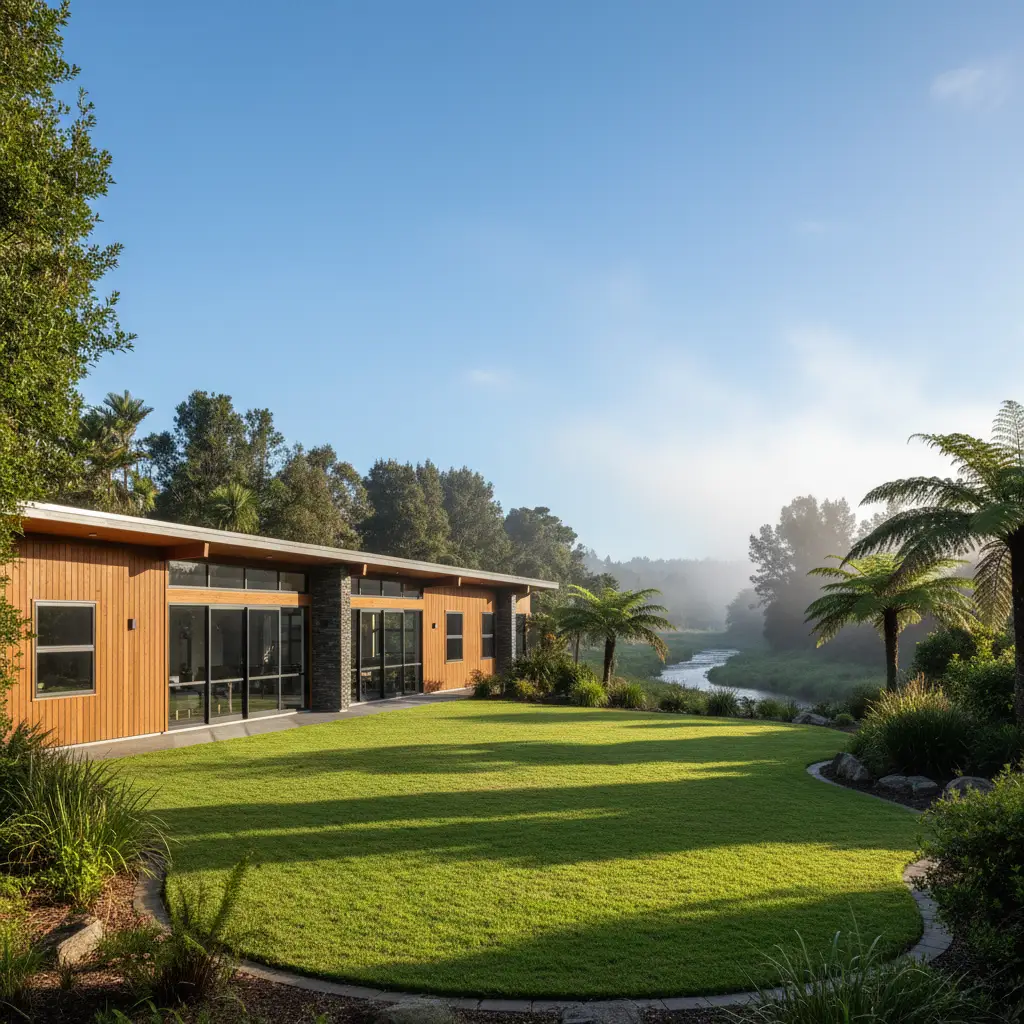
The best fishing spots on the Tarawera River are strategically located along three distinct sections: the crystal-clear upper reaches near the Lake Tarawera outlet for sight-fishing, the accessible parklands within Kawerau township for family-friendly angling, and the river mouth at Matatā, which is world-renowned for targeting large sea-run brown trout during seasonal runs.
The Tarawera River is arguably one of the Bay of Plenty’s most underrated trout fisheries. Historically overshadowed by its industrial past, the river has undergone significant environmental stewardship, aligning with the broader rebranding of Kawerau as a premier lifestyle and tourism destination. For the modern angler and the savvy property investor, the river represents not just a recreational resource, but a symbol of the region’s natural wealth and transformation. Whether you are a seasoned fly fisherman chasing a trophy brown or a family looking for a weekend activity, understanding the river’s geography is key to success.
Where are the best fishing spots on the Tarawera River?
The Tarawera River flows roughly 65 kilometers from the spectacular Tarawera Falls down to the Bay of Plenty coast. For anglers, the river is generally divided into three main zones, each offering a distinct fishing experience and requiring different tactical approaches.
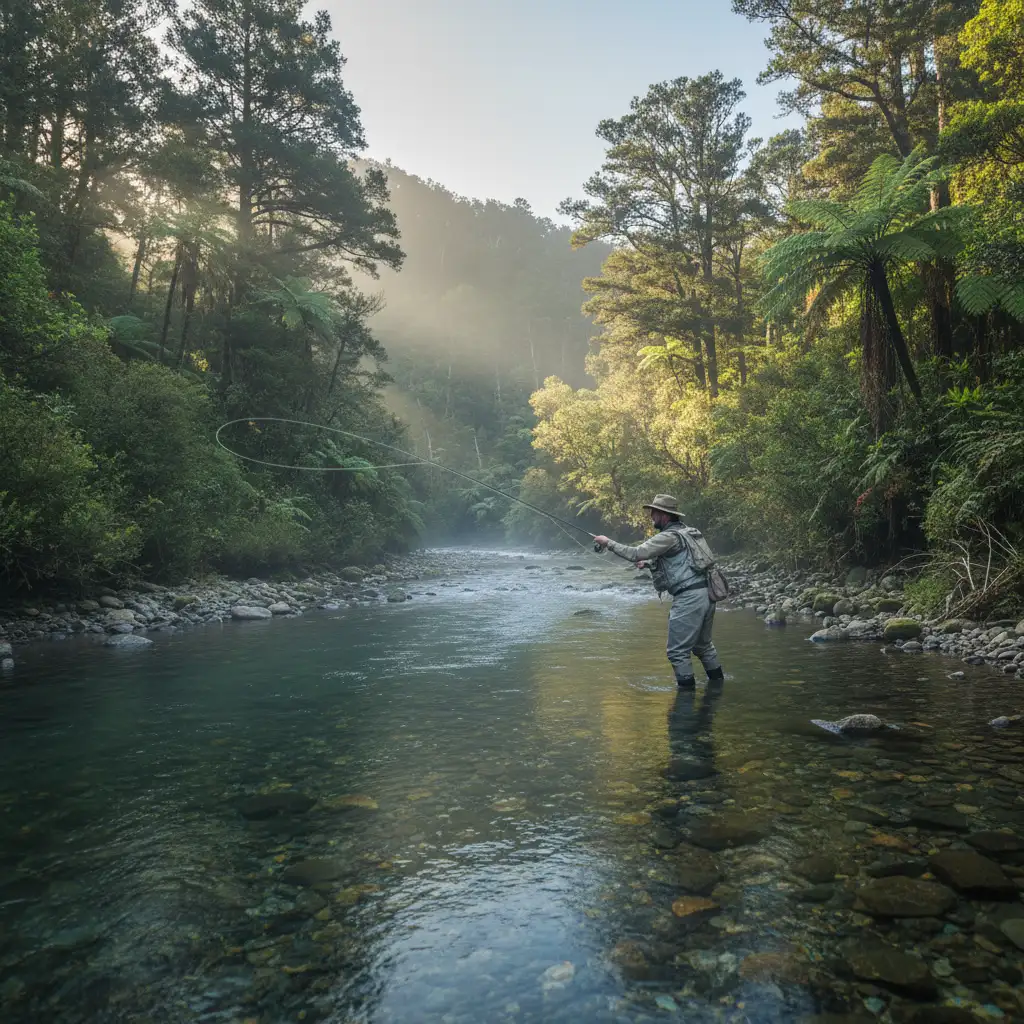
The Upper Reaches: Solitude and Sight Fishing
The upper section, extending from the Tarawera Falls down towards the Kawerau township, is characterized by fast-flowing, oxygen-rich water. This area is a paradise for purists. The water clarity here is exceptional, allowing for sight-fishing opportunities that rival the more famous backcountry streams of the South Island.
Access can be more challenging here, often requiring a tramp through native bush, but the rewards are substantial. This section holds a healthy population of Rainbow Trout that thrive in the cold, turbulent water. Anglers here should focus on the pools behind large boulders and the distinct seam lines where fast water meets slower eddies.
The Kawerau Urban Stretch: Accessibility Meets Abundance
As the river winds through the Kawerau township, particularly around Stoneham Walk and the local parks, it transforms into a highly accessible fishery. This is the heart of the “Kawerau Rebranding” initiative—showcasing how urban living can coexist with world-class nature.
This stretch is ideal for spin anglers and those with limited time. The banks are well-maintained, allowing for easy casting without the worry of snagging vegetation on every backcast. Despite being in an urban zone, the trout numbers are high. The local council and Fish & Game NZ maintain this area well, making it a top recommendation for families introducing children to the sport. The water moves slightly slower here, creating deep runs where larger fish often hold near the bottom.
The River Mouth (Matatā): The Trophy Hunter’s Ground
Where the Tarawera River meets the ocean at Matatā, the dynamics change completely. This is the domain of the sea-run Brown Trout. These fish are migratory, moving between the ocean and the river, often growing to impressive sizes due to the abundant food source in the estuary.
Fishing the mouth is best done during the change of light—dawn or dusk—and on an incoming tide. The convergence of fresh and saltwater creates a nutrient-rich environment that attracts baitfish, which in turn attracts the predatory trout. This spot requires patience and heavier gear, as fighting a 10-pound trout in a tidal current is a significant physical challenge.
What fishing styles work best in Kawerau?
Success on the Tarawera River depends heavily on adapting your technique to the specific section of the river you are targeting. The local trout are educated but willing to take well-presented lures and flies.
Nymphing the Fast Water
In the upper reaches and the faster runs near Kawerau, nymphing is the most productive method. Because the water is turbulent, trout hold deep to conserve energy. Using a heavy tungsten bead-head nymph (such as a Hare and Copper or Pheasant Tail) ensures your fly gets down to the strike zone quickly.
Indicator fishing is popular here. Use a high-visibility indicator to detect the subtle takes often masked by the current. For the more advanced angler, Euro-nymphing (tight-line nymphing) is incredibly effective in the pocket water found upstream.
Spin Fishing the Pools
For the urban stretches and deeper pools, spin fishing is highly effective and accessible. The key is to cover water. Cast slightly upstream and allow your spinner to swing across the current, retrieving just fast enough to keep the blades rotating.
Top Lure Choices:
- Veltic Spinners: Green and gold patterns work exceptionally well in the Tarawera’s slightly tannin-stained water.
- Black & Gold Toby: A classic New Zealand lure that mimics small baitfish, perfect for the lower reaches.
- Soft Baits: In the slower, deeper sections, a scented soft bait jigged slowly near the bottom can induce strikes from lethargic fish.
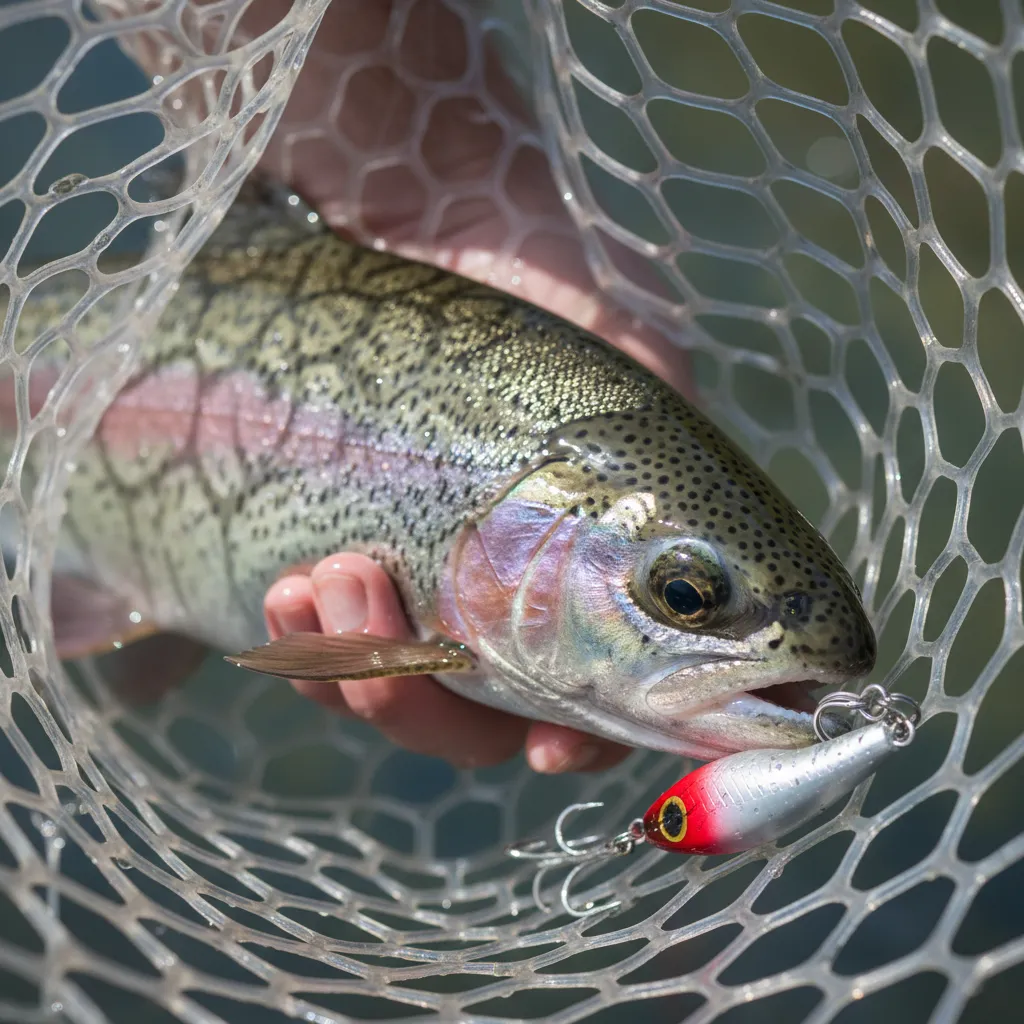
What licenses and gear are required?
Before casting a line, it is imperative to adhere to the regulations set by Eastern Fish & Game. Compliance ensures the sustainability of the fishery for future generations.
Licensing Requirements
You must hold a valid Sports Fishing License to fish for trout in the Tarawera River. These can be purchased online via the Fish & Game NZ website or at selected local retailers in Kawerau and Whakatāne. Licenses are available in various categories:
- Whole Season: Best value for residents and frequent visitors.
- Day/Short Term: Ideal for tourists passing through the Bay of Plenty.
- Family: Allows a primary license holder to include a partner and children/grandchildren.
Recommended Gear Setup
For Fly Fishing:
- Rod: A 9-foot, 5 or 6-weight rod is the versatile standard.
- Line: Weight-forward floating line.
- Leader: 9-12 foot tapered leader ending in 4lb to 6lb tippet.
For Spin Fishing:
- Rod: A 6 to 7-foot light-action spinning rod.
- Reel: A 2500 size reel spooled with 6lb to 8lb monofilament or braid.
When is the best time to fish the Tarawera?
Timing your visit can significantly impact your catch rate. While the river is fishable year-round in many sections, seasonal nuances dictate fish behavior.
Seasonal Breakdown
Summer (December – February):
This is the peak season for dry fly fishing. In the late afternoons and evenings, insect hatches occur, and trout look to the surface. The “evening rise” is a magical time to be on the water, particularly in the calmer sections near the Kawerau township.
Autumn (March – May):
As temperatures cool, trout become more aggressive in preparation for spawning. This is often when the largest fish are caught. The condition of the fish is at its peak, offering spirited fights.
Winter (June – August):
Winter fishing focuses on spawning runs. While some upper sections may close for spawning (check current regulation books), the lower river and mouth fishing heat up. This is the prime time to target sea-run trout at the river mouth.
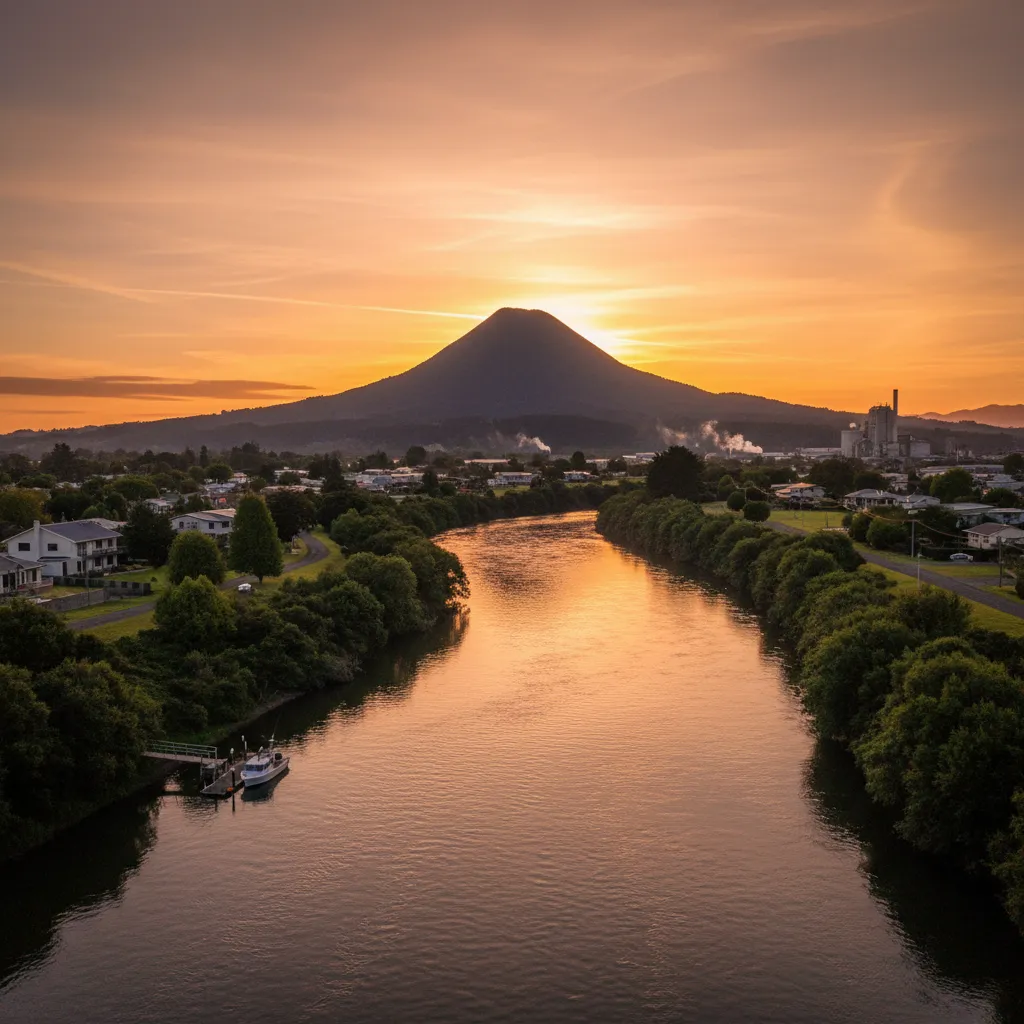
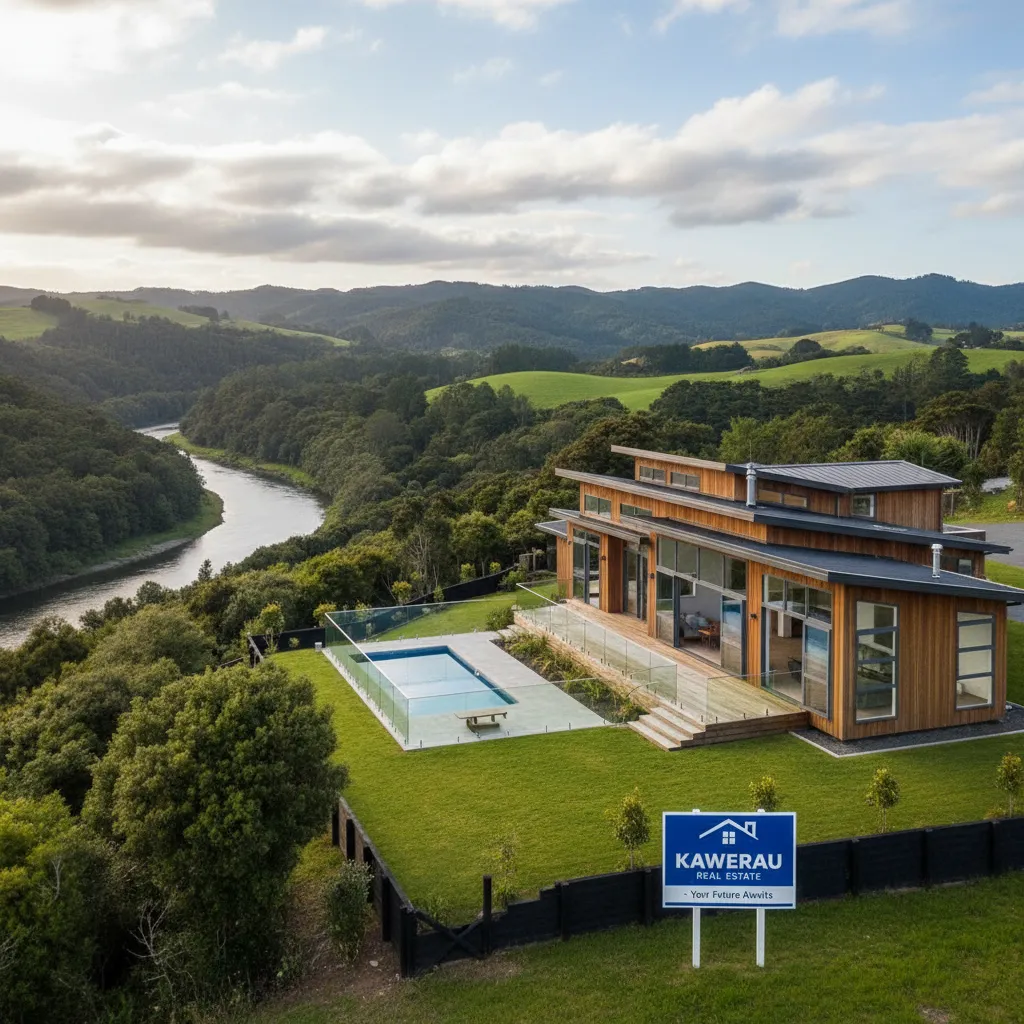
Why is Kawerau becoming an angler’s real estate haven?
The secret is out: Kawerau is no longer just an industrial hub; it is rapidly transforming into a lifestyle destination for outdoor enthusiasts. This shift is driving a unique niche in the local real estate market.
The “Backyard Fishery” Appeal
For avid anglers, the dream is to live within minutes of a blue-ribbon fishery. In many parts of New Zealand, properties near such rivers come with a multi-million dollar price tag. Kawerau remains one of the few places where affordable housing stocks exist within walking distance of trophy trout water.
Infrastructure and Community
The rebranding of Kawerau focuses on “lifestyle affordability.” The council has invested heavily in riverside parks, walkways (like the Stoneham Walk), and public access points. This infrastructure supports not just fishing, but kayaking, walking, and cycling.
For investors, this signals growth. As tourism numbers rise—driven by the river’s reputation and proximity to Rotorua and Whakatāne—short-term rental demand (Airbnb for anglers) is expected to increase. Buying in Kawerau today is buying into a town that is pivoting toward a tourism and recreation-based economy.
People Also Ask
Can you eat trout from the Tarawera River?
Yes, trout caught in the upper reaches and around Kawerau are generally considered safe to eat. However, historically, the lower reaches had advisories due to industrial discharge. While water quality has improved significantly due to environmental management, many locals prefer to practice Catch and Release or consume fish only from the upper sections above the industrial zones.
Do I need a license to fish in the Tarawera River?
Yes, a valid Sports Fishing License from Fish & Game New Zealand is required for all freshwater fishing in the Tarawera River. Fishing without a license is illegal and can result in significant fines and confiscation of gear.
What kind of fish are in the Tarawera River?
The river is predominantly a Rainbow Trout fishery, known for high numbers of fish in the 1-2kg range. The lower reaches and river mouth also hold Brown Trout, including large sea-run browns, and you may occasionally encounter mullet near the estuary.
Is the Tarawera River good for fly fishing?
Absolutely. The Tarawera is an excellent fly fishing destination. The upper reaches offer technical nymphing and dry fly opportunities, while the wider lower sections are suitable for wet lining and swinging streamers.
How far is Kawerau from the Tarawera Falls?
Kawerau is the gateway to the Tarawera Falls. The falls are approximately a 15-20 minute drive from the town center on forestry roads (permit required for vehicle access), followed by a short walk. The river flows from the falls down towards the town.
Are there fishing guides available in Kawerau?
Yes, there are local guides operating in the wider Bay of Plenty region who service the Tarawera River. Hiring a guide is highly recommended for first-time visitors to learn the specific access points and seasonal patterns of the river.