Māori heritage in Kawerau is deeply rooted in the history of the Tuwharetoa ki Kawerau people and their spiritual connection to Mount Putauaki and the Tarawera River. Visitors can experience this living culture through guided historical tours, respectful Marae visits, and exploring ancient pā sites that demonstrate the region’s enduring significance as a cultural heartland.
The Historical Significance of the Land
To understand the depth of Māori heritage in Kawerau, one must first understand the land itself. For the tangata whenua (people of the land), the geography is not merely scenery; it is an ancestor, a provider, and a marker of identity. Kawerau is the heartland of the Tuwharetoa ki Kawerau people, distinct from their relatives in Taupō, yet sharing a common lineage back to the great navigator Ngātoroirangi.
The region’s history is a tapestry woven with stories of migration, settlement, and the utilization of natural resources. Long before the establishment of the mill town in the 20th century, this area was a thriving hub of Māori activity, largely due to the fertile soils enriched by volcanic ash and the abundance of geothermal energy.
The Legend and Mana of Mount Putauaki
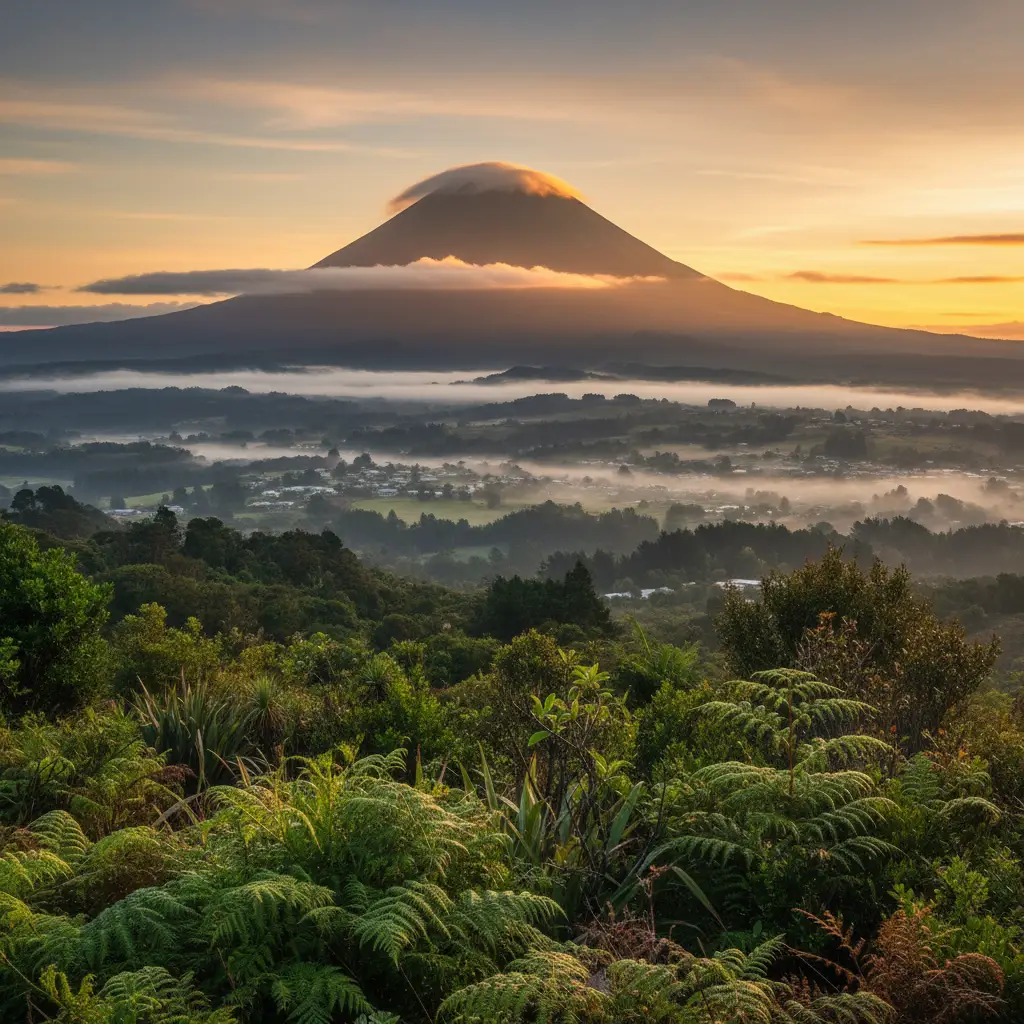
Dominating the skyline is Putauaki (Mount Edgecumbe), a dormant volcanic cone that holds immense spiritual significance for the local iwi. In Māori cosmology, mountains are often personified. Legend tells of Putauaki being a suitor to Pūtauaki (a female mountain), or in other versions, competing for the love of Pīhanga near Turangi before moving to his current resting place.
For the Tuwharetoa ki Kawerau people, Putauaki is a sacred ancestor. It is the burial ground of high chiefs and a geographical anchor for the tribe’s identity. The mountain is not open to the general public for casual hiking without permission, reflecting its status as wāhi tapu (sacred place). This restriction is a crucial aspect of heritage preservation, ensuring that the sanctity of the maunga (mountain) is respected. Understanding this boundary is the first step for any visitor or potential resident wishing to engage with the local culture.
Te Awa o Te Atua: The Tarawera River
The Tarawera River, historically known as Te Awa o Te Atua (The River of the God), flows through the district and has served as a vital artery for transport and sustenance for centuries. Historically, the river connected the inland settlements with the coast, facilitating trade and communication.
The heritage of the river is complex. It involves stories of the mythical creature (taniwha) that guardians the waters, and the practical history of eel (tuna) fishing which sustained the population. Today, the river represents a focal point for environmental restoration and cultural revitalization, symbolizing the resilience of the local people.
Significant Māori Heritage Sites in Kawerau
While Putauaki is the most visible landmark, the landscape of Kawerau is dotted with archaeological sites that whisper the stories of the past. These sites provide a window into pre-European life in the Bay of Plenty.
Ancient Pā Sites and Fortifications
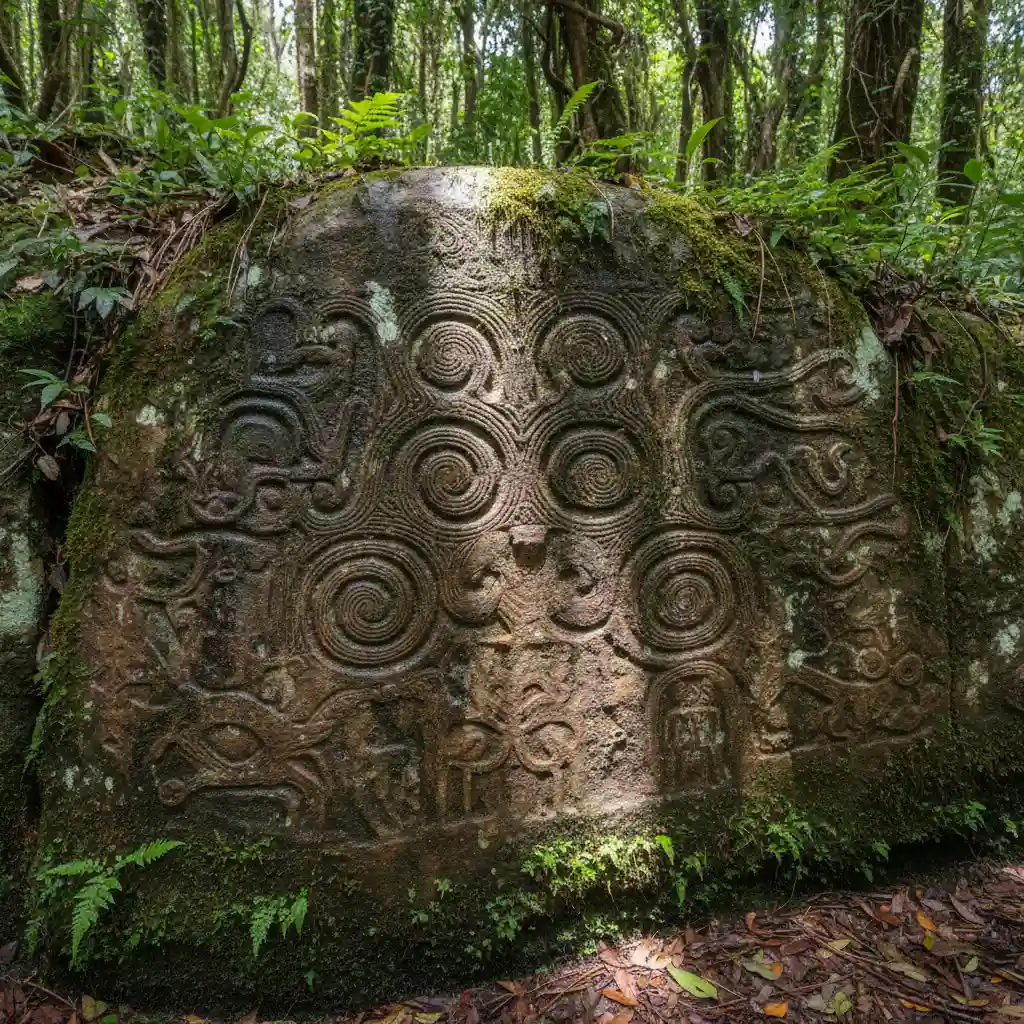
Strategic hilltops around the Kawerau district were once the locations of Pā (fortified villages). These sites were chosen for their defensive advantages and proximity to resources. Archaeological surveys in the wider region have identified earthworks, kumara pits, and terraces that indicate a substantial and sophisticated population.
Exploring the history of these Pā sites reveals a society that was highly organized. The remnants of storage pits (rua) show the importance of agriculture, particularly the cultivation of kumara, which thrived in the geothermal warmth of the soil. While many of these sites are on private land or covered by forestry, local knowledge holders are working to map and preserve these areas, ensuring that the footprint of the ancestors is not lost to industrial development.
Geothermal Resources as Heritage
Kawerau is famous for its geothermal activity, but this is not just an industrial asset; it is a cultural one. Traditionally, the geothermal steam and hot springs were used for cooking (hāngī), bathing, and healing. The use of ngāwhā (hot springs) is a specific cultural practice that continues today.
Sites where geothermal activity surfaces were often considered communal hubs. The ability to harness this energy for daily life is a distinct marker of the heritage in this volcanic zone. When touring the area, viewing the steam rising from the ground offers a direct visual link to how ancestors lived in harmony with the volatile forces of nature.
Local Marae and Cultural Protocols (Tikanga)
The Marae is the beating heart of Māori community life. It is where people gather for celebrations, funerals (tangihanga), and important tribal discussions. In Kawerau, the Marae are the bastions of Tuwharetoa ki Kawerau culture.
Rautahi Marae: A Community Hub
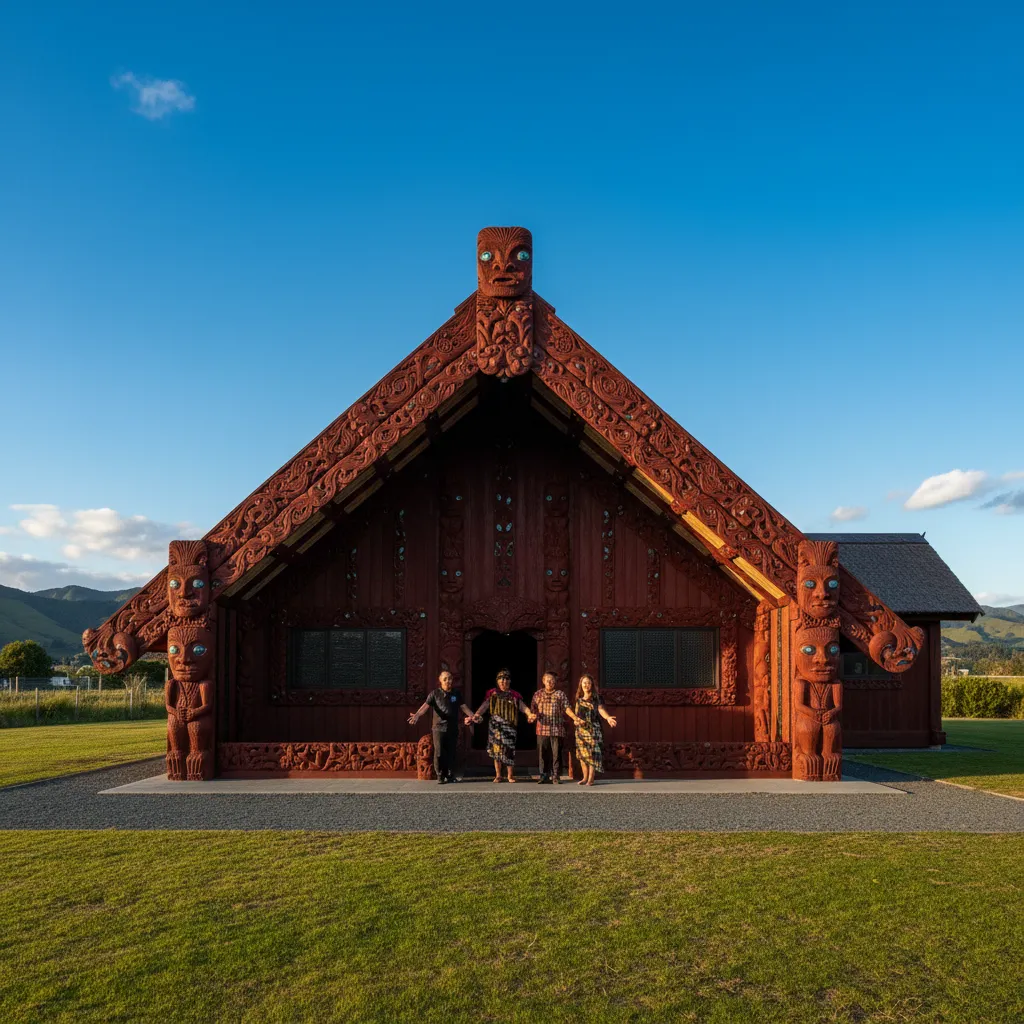
Rautahi Marae holds a unique position in Kawerau. Unlike many traditional Marae that belong to a specific whānau (family) or hapū (sub-tribe), Rautahi was established as a community Marae. It serves as a gathering place for the diverse Māori population of the town, including those from other tribes who moved to Kawerau for work in the forestry and paper industries.
Despite its pan-tribal utility, it operates under the mana of the local tangata whenua. The Wharenui (meeting house) is a masterpiece of carving and weaving, telling the stories of the ancestors. A visit here, usually arranged through formal channels or public events, provides an immersive look at Māori arts and architecture.
Understanding the Pōwhiri
If you are fortunate enough to be invited onto a Marae, you will likely experience a Pōwhiri (welcome ceremony). This is a formal process that removes the tapu (sacredness/restriction) from visitors (manuhiri) and allows them to become one with the home people (tangata whenua).
- Karanga (The Call): A woman from the host side will call out to the visitors. This spiritual call opens the way. Visitors should walk slowly and silently behind their own caller.
- Whaikōrero (Speeches): Men from both sides will exchange speeches. In Kawerau, the protocols (kawa) of Tuwharetoa are followed. It is customary to sit quietly and listen, even if you do not understand Te Reo Māori.
- Waiata (Song): After each speech, a song is sung to support the speaker’s words.
- Hongi and Harirū: The physical greeting involves the pressing of noses (hongi) and shaking hands. This signifies the sharing of the breath of life.
- Kai (Food): The process is concluded by sharing food, which lifts the tapu and completes the welcome.
Essential Etiquette for Visitors
To engage respectfully with Māori heritage in Kawerau, adhering to Tikanga (correct procedure) is vital. Whether you are a tourist or a prospective homebuyer looking to integrate into the community, these rules show respect:
- Remove Shoes: Always take your shoes off before entering the Wharenui.
- No Food or Drink: Never bring food or water into the meeting house or sacred areas.
- Ask Permission for Photos: While the architecture is beautiful, some areas or carvings may be tapu. Always ask before snapping a picture.
- Respect the Paepae: Do not walk between the speakers and the guests during the speeches.
- Dress Modestly: Formal or semi-formal attire is a sign of respect when visiting a Marae.
Cultural Tours and Experiences
For those seeking a structured way to explore Māori heritage in Kawerau, guided experiences offer the most depth. While mass tourism is not the defining feature of Kawerau, niche cultural tourism is growing, driven by a desire for authenticity over commercialization.
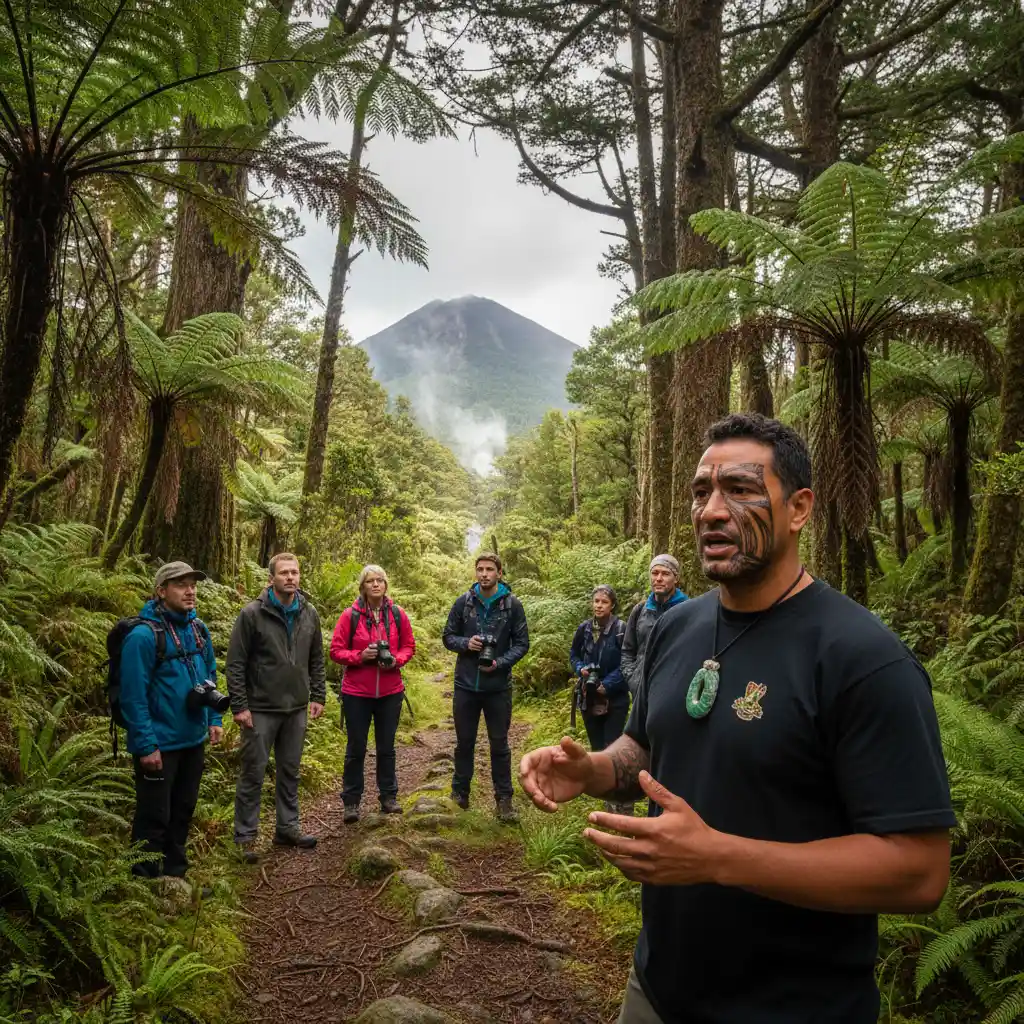
Local guides, often descendants of the original inhabitants, can provide context that guidebooks cannot. They can explain the significance of specific trees in the Tarawera forest, the history of the geothermal vents, and the oral histories passed down through generations.
Currently, access to Mount Putauaki is restricted and generally requires a permit or participation in organized events like the “King of the Mountain” race. However, cultural walking groups and eco-tourism initiatives are increasingly working with the iwi to provide access that respects the mountain’s sanctity while educating visitors.
The Role of Heritage in Kawerau’s Rebranding
Kawerau is undergoing a transformation. Long viewed primarily as an industrial mill town, it is re-emerging as a lifestyle destination offering affordable living, community spirit, and access to the outdoors. A critical component of this rebranding is the embrace of its Māori heritage.
For real estate investors and new residents, the value of Kawerau lies not just in the square footage of land, but in the richness of the culture. Living in Kawerau means living in a place with a deep memory. The visibility of Māori culture—from the bilingual signage to the community events at the Marae—creates a unique sense of place that is absent in many modern suburbs.
The local council and iwi are working in partnership to highlight these assets. Public art installations, the preservation of historic sites, and the promotion of Matariki (Māori New Year) festivals are all part of weaving the heritage thread into the modern fabric of the town. For the visitor, this means an experience that is genuine. For the resident, it means belonging to a community that honors its roots while looking toward the future.
Exploring Māori heritage in Kawerau is more than a tourism activity; it is an educational journey into the heart of the Bay of Plenty. It challenges visitors to slow down, listen to the land, and respect the protocols that have kept this culture alive for centuries.
What is the main iwi (tribe) in Kawerau?
The primary iwi of the Kawerau district is Tuwharetoa ki Kawerau. They have a distinct lineage and history separate from, though related to, the Ngāti Tūwharetoa people of the Taupō region, tracing their descent from the navigator Ngātoroirangi.
Can you climb Mount Putauaki?
Mount Putauaki is a sacred mountain (wāhi tapu) and is generally closed to the public. Access is restricted to protect its spiritual significance. However, permitted access is sometimes granted for specific community events, such as the annual King of the Mountain race.
What is the significance of the Tarawera River to Māori?
Known traditionally as Te Awa o Te Atua, the Tarawera River was a vital transport route and food source (particularly for eels). It holds spiritual significance regarding the taniwha guardians and remains a focal point for environmental and cultural restoration by the local iwi.
How do I visit a Marae in Kawerau?
Marae are private community centers, not public museums. To visit, you generally need to be invited or attend a public event. Contacting the local information center or Rautahi Marae committee can provide information on upcoming public open days or community gatherings.
What does the name Kawerau mean?
The name Kawerau generally refers to “the carrier of the leaf” or “many carriers.” It is linked to the history of the area’s inhabitants and their movements through the landscape, though specific interpretations can vary among oral histories.
Are there guided cultural tours available in Kawerau?
Yes, there are niche cultural and eco-tours available, often led by local guides who share the oral history of the land, the geothermal resources, and the forests. It is best to check with the Kawerau i-SITE for the most current list of approved tour operators.