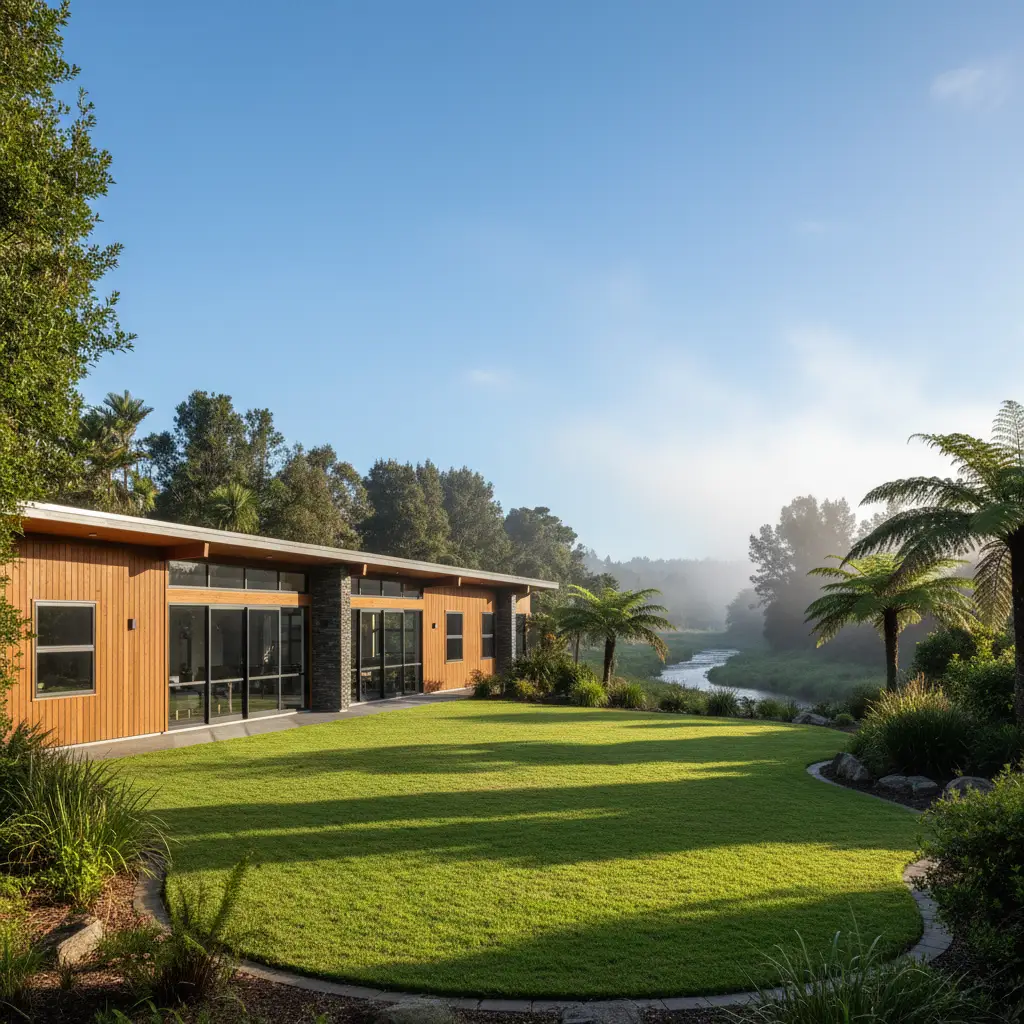
The Kawerau container terminal project is a strategic intermodal logistics development situated in New Zealand’s Bay of Plenty. Designed to link the Putauaki Trust Industrial Zone directly to the Port of Tauranga via rail, the terminal aims to optimize supply chains, reduce road freight emissions, and serve as a catalyst for regional economic growth.
As the industrial landscape of New Zealand evolves, the Bay of Plenty is emerging as a critical node in the national supply chain. Central to this transformation is the ambitious planning and execution of the Kawerau container terminal project. This development is not merely a logistical upgrade; it represents a paradigm shift in how regional resources are managed, processed, and exported to the world.
For investors, logistics managers, and regional stakeholders, understanding the scope of this project is essential. It signals a move towards sustainable, rail-centric freight movement and opens the door for significant manufacturing expansion powered by green energy.
The Inland Container Terminal Development
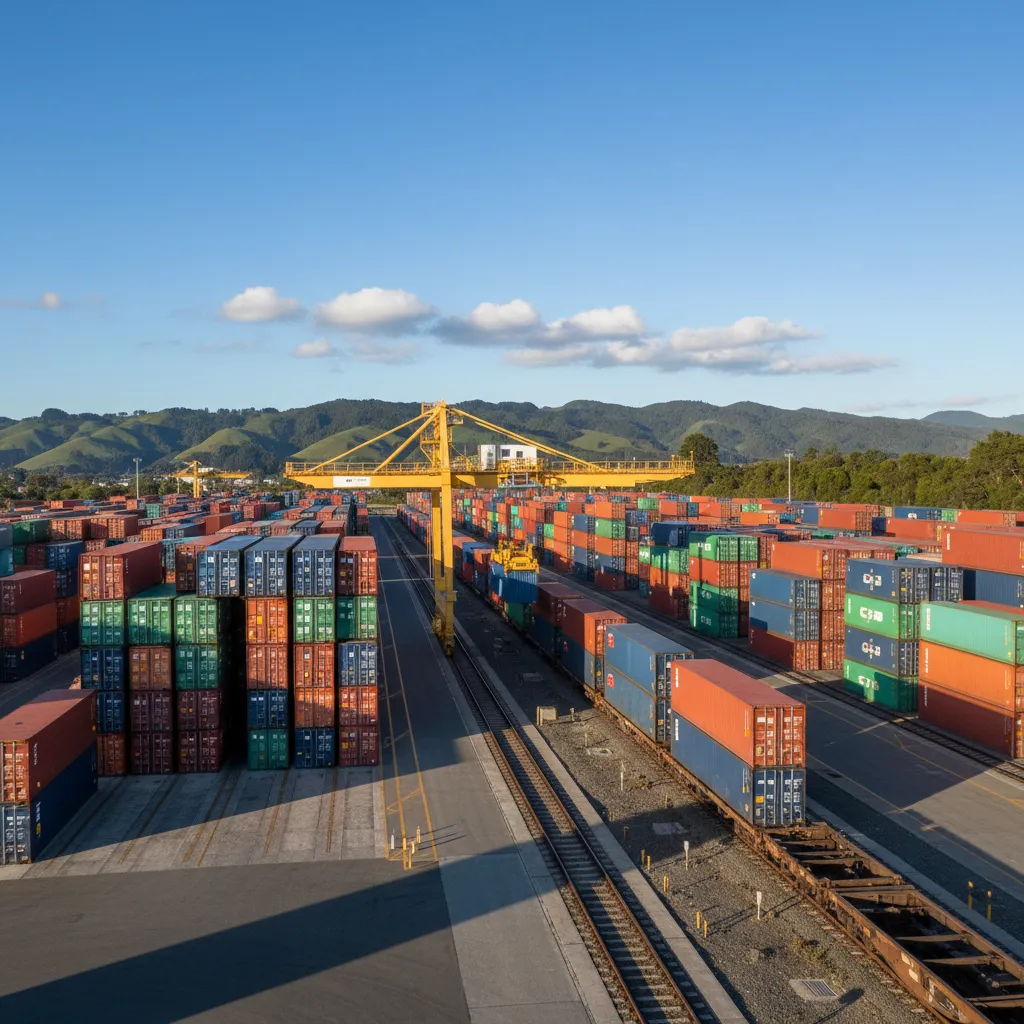
The core of Kawerau’s future industrial capability lies in the establishment of a dedicated inland container terminal. This facility serves as the anchor for the broader industrial zone, providing the necessary infrastructure to handle high volumes of export-grade commodities, particularly from the forestry and wood processing sectors.
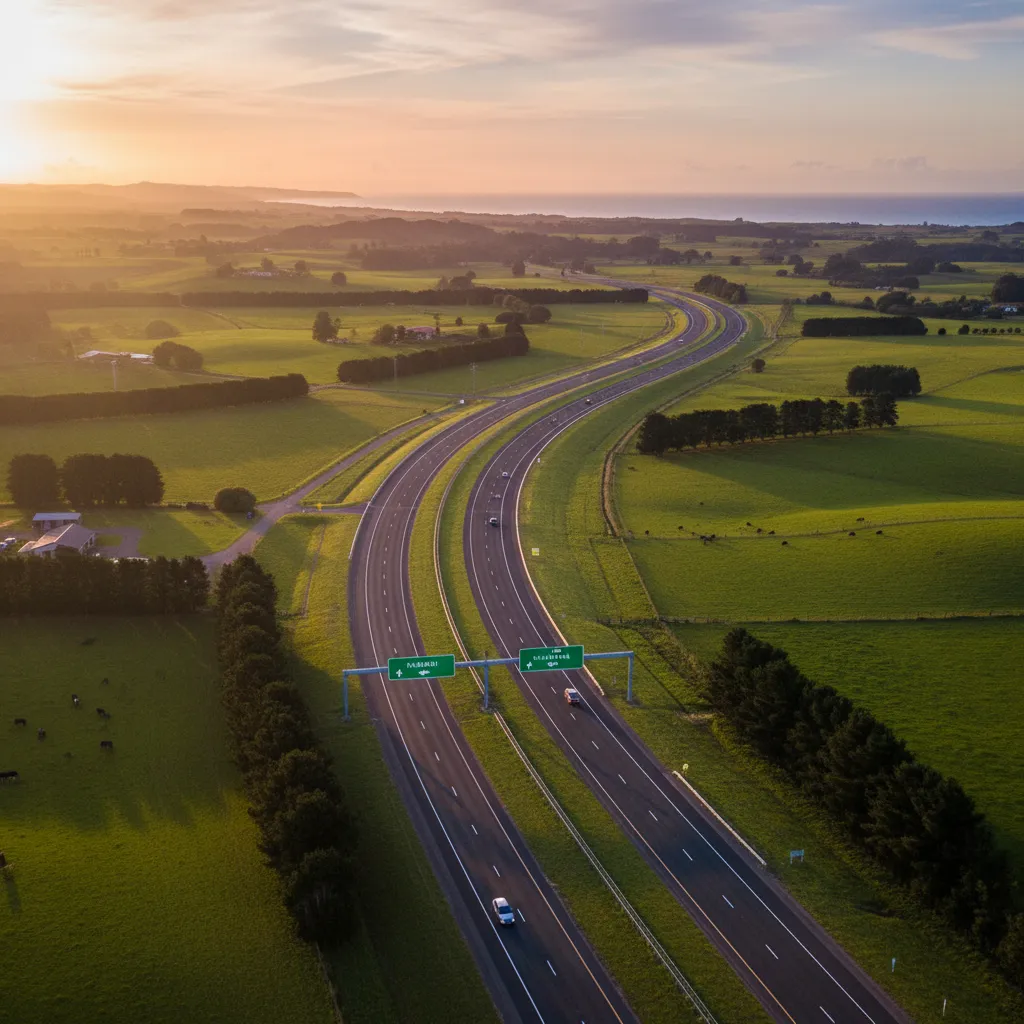
Historically, the region has relied heavily on road transport to move goods to the Port of Tauranga, New Zealand’s largest export port. The Kawerau container terminal project seeks to alleviate this pressure by revitalizing rail connectivity. By establishing a dedicated rail siding and container transfer site, the project allows for the seamless transition of goods from local factories onto trains, bypassing the congestion often found on State Highway 2.
Key Infrastructure Components
The development involves significant civil works, including the construction of heavy-duty pavement for container stacking, the installation of lighting for 24/7 operations, and the integration of digital tracking systems to ensure real-time visibility of cargo. The collaboration between the Putauaki Trust, KiwiRail, and private logistics operators ensures that the terminal is built to world-class standards, capable of handling the increasing output from the Eastern Bay of Plenty.
Creating a World-Class Logistics Hub
Why is the Kawerau container terminal project considered a game-changer for New Zealand logistics? The answer lies in supply chain resilience and efficiency. In an era where carbon footprints are scrutinized, shifting freight from road to rail is a strategic imperative.
Reducing Carbon Emissions
Rail freight produces significantly fewer carbon emissions per tonne-kilometer compared to heavy trucking. By consolidating cargo at the Kawerau terminal, the project estimates a reduction of thousands of truck movements annually. This not only lowers the carbon intensity of New Zealand exports—a key selling point in international markets—but also improves road safety and reduces wear and tear on regional infrastructure.
Connectivity to Port of Tauranga
The Port of Tauranga is the gateway to the world for New Zealand exporters. The Kawerau terminal effectively acts as an inland port, extending the gate of the seaport into the heart of the production zone. This integration allows for better container availability (empties coming in) and faster turnaround times for full containers going out. For local businesses, this means lower logistics costs and higher reliability.
Hydrogen Energy Potential in Kawerau
While the container terminal provides the logistical backbone, the energy strategy for the zone is equally forward-thinking. Kawerau is uniquely positioned to become a leader in the green hydrogen sector, leveraging its abundant geothermal resources.
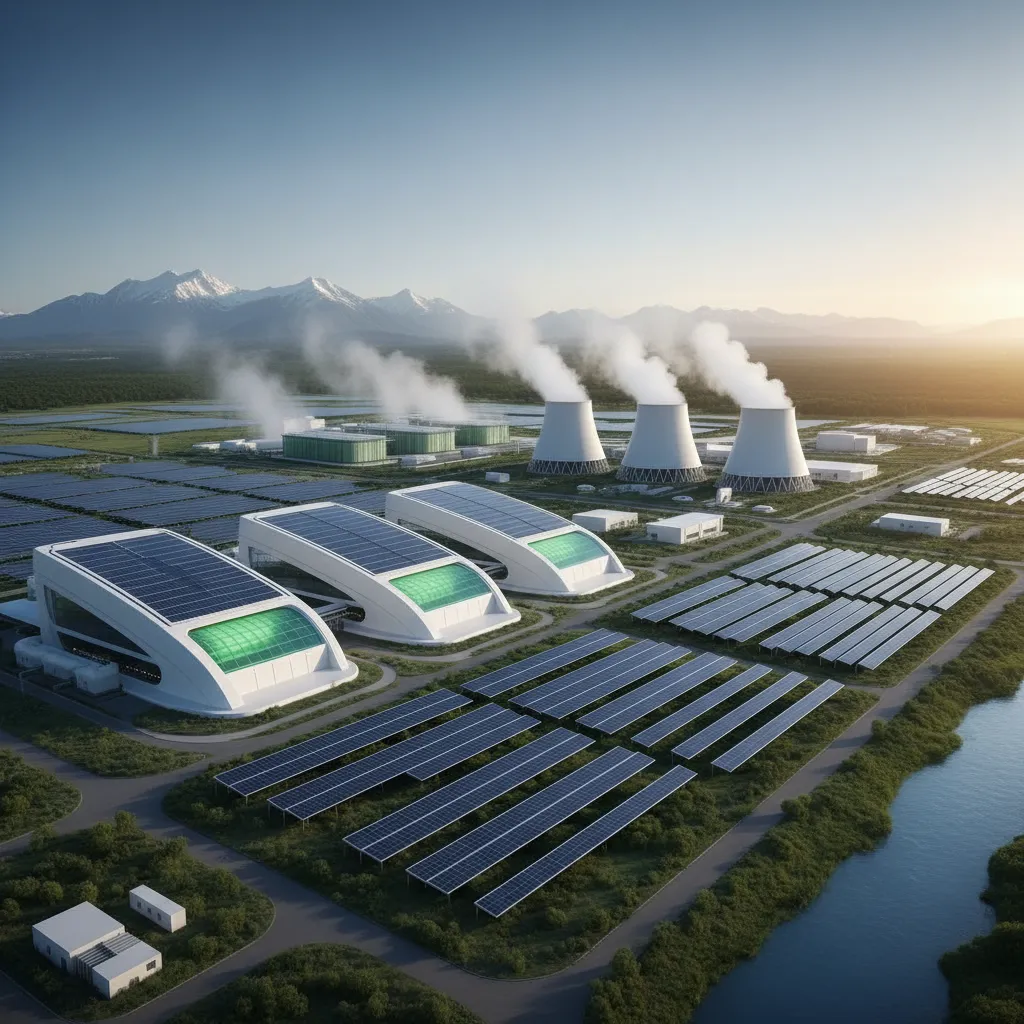
Hydrogen production requires significant amounts of electricity. In many parts of the world, this electricity is generated from fossil fuels, negating the environmental benefits of the hydrogen. However, Kawerau sits atop one of the world’s most productive geothermal fields. This provides a consistent, renewable baseload power source that is ideal for electrolysis—the process of splitting water into hydrogen and oxygen.
Fueling Heavy Transport
The synergy between the Kawerau container terminal project and hydrogen production is palpable. As the logistics sector looks to decarbonize, hydrogen fuel cell technology offers a viable solution for heavy rail locomotives and heavy-haul trucks that cannot easily run on batteries. A local hydrogen hub could refuel the very trains and trucks servicing the terminal, creating a circular green economy within the industrial zone.
New Manufacturing Businesses Entering the Zone
The establishment of robust logistics and green energy infrastructure acts as a magnet for new manufacturing businesses. The Putauaki Trust Industrial Zone is designed to accommodate heavy and light industry that benefits from proximity to both raw materials (forestry, agriculture) and process heat (geothermal).
Value-Added Wood Processing
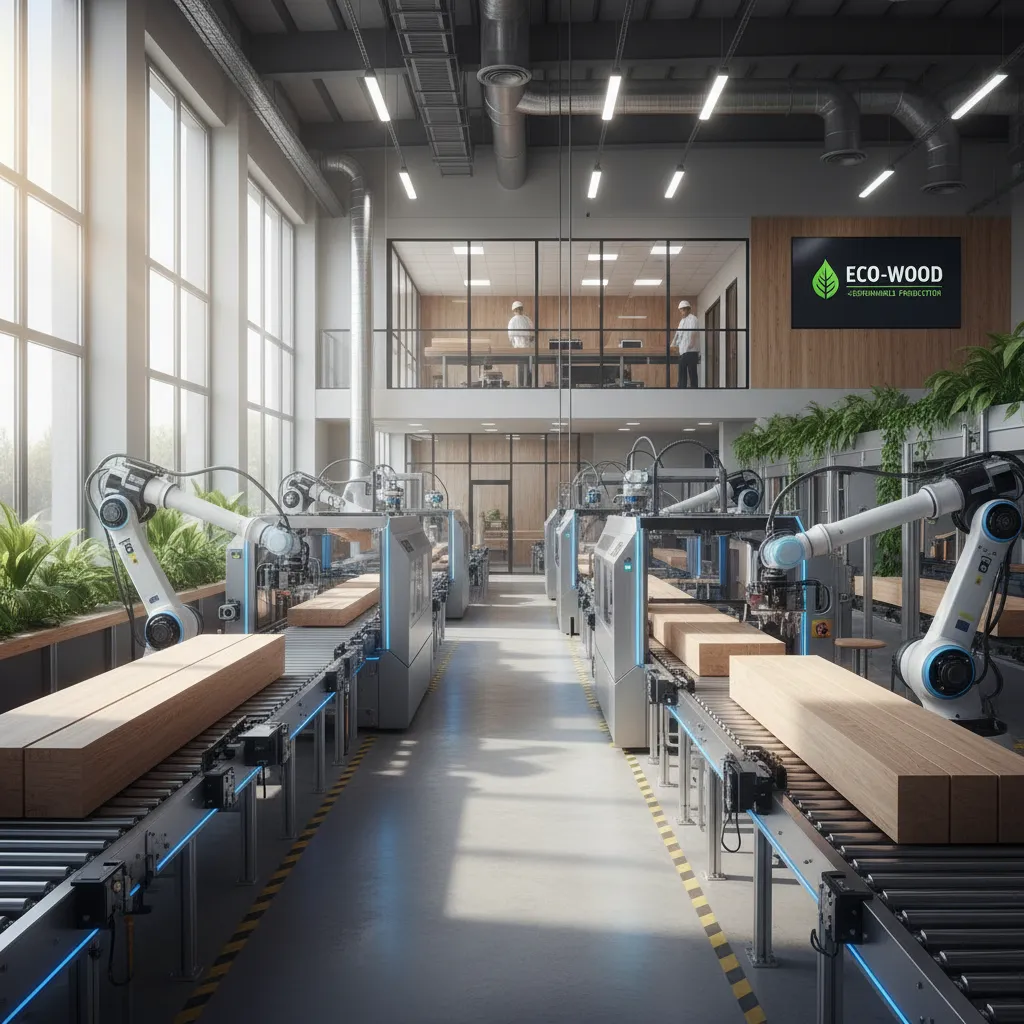
Kawerau has long been a pulp and paper town, but the future lies in high-value timber products. Engineered wood products, such as Cross Laminated Timber (CLT) and Laminated Veneer Lumber (LVL), are in high demand globally for sustainable construction. The container terminal allows these bulky, heavy products to be exported efficiently. New processing plants are eyeing the zone to take advantage of the “log-to-port” efficiency.
Food and Beverage Manufacturing
Beyond timber, the availability of affordable geothermal process heat attracts food manufacturers. Processes such as dairy drying, glasshouse heating, and food sterilization require immense thermal energy. By tapping into the local geothermal network, manufacturers can significantly reduce their operating costs and carbon footprint. The container terminal then provides the route to market for these finished goods.
Impact on Regional Lifestyle and Economy
Industrial projects of this magnitude have a profound ripple effect on the local community and the broader “Domestic Tourism & Regional Lifestyle” niche. Economic prosperity is the foundation of a vibrant regional lifestyle.
Job Creation and Skill Development
The Kawerau container terminal project and the associated industrial expansion are projected to create hundreds of jobs. These are not just entry-level positions but include roles in logistics management, engineering, renewable energy technology, and specialized manufacturing. This influx of employment opportunities helps retain young talent in the region and attracts skilled workers from major cities looking for a better work-life balance.
Revitalizing the Township
As income levels rise and the population stabilizes, the demand for local services increases. We see this manifested in improved retail options, better housing developments, and enhanced recreational facilities. For the domestic traveler or potential resident, Kawerau transforms from a purely industrial stop into a thriving community with a rich history and access to the natural beauty of the Bay of Plenty.
Investment Opportunities in the Eastern Bay
For institutional investors and private equity, the Eastern Bay of Plenty represents a frontier market within a stable developed economy. The convergence of infrastructure (the terminal), energy (geothermal/hydrogen), and land availability creates a compelling investment thesis.
Why Invest Now?
The “first-mover” advantage is critical here. As the Kawerau container terminal project nears full operational capacity, land values in the surrounding industrial zone are likely to appreciate. Furthermore, the global push for decarbonized supply chains makes assets with verified green credentials—like those in a geothermal-powered zone—highly liquid and desirable.

Partnership Models
The Putauaki Trust and other local landholders are often open to joint ventures and long-term lease arrangements. These partnerships honor the kaitiakitanga (guardianship) of the land while fostering commercial success. Investors looking for sustainable, long-term yields backed by tangible assets and infrastructure should closely monitor the developments in this zone.
Frequently Asked Questions (PAA)
What is the main purpose of the Kawerau container terminal?
The primary purpose is to facilitate the efficient transfer of containerized goods from road to rail, connecting the Eastern Bay of Plenty’s industries directly to the Port of Tauranga to reduce costs and carbon emissions.
Who are the key stakeholders in the Kawerau container terminal project?
Key stakeholders include the Putauaki Trust (landowners), KiwiRail (rail infrastructure provider), the Port of Tauranga, and the Provincial Growth Fund (government funding), along with local council bodies.
How does geothermal energy relate to the industrial zone?
Geothermal energy provides low-cost, low-carbon process heat and electricity. This attracts energy-intensive industries to the zone, making the container terminal essential for exporting their products.
Will the project reduce traffic on State Highway 2?
Yes, by shifting significant freight volumes from trucks to rail, the project is designed to reduce heavy vehicle traffic on State Highway 2, improving safety and reducing congestion.
What types of businesses are suited for the Putauaki Trust Industrial Zone?
The zone is ideally suited for wood processing, food and beverage manufacturing, heavy engineering, and logistics companies that require industrial zoning and access to renewable energy.
Is the Kawerau container terminal operational yet?
The project has moved through various stages of funding and construction. While parts of the industrial zone are active, the terminal’s capacity continues to be developed to meet growing regional demand.