
Kawerau travel info centers on its strategic position as the “forestry capital” of the Bay of Plenty, offering a temperate microclimate sheltered by Mount Putauaki. Key logistics include access via State Highway 34, limited public transit options necessitating private vehicle use, and its utility as an affordable central base for exploring Rotorua, Whakatāne, and Tauranga.
Why Choose Kawerau? The Base Camp Strategy
For savvy domestic travelers and international visitors alike, Kawerau represents a strategic logistical hub in the North Island. Often overlooked in favor of its more tourist-centric neighbors, Kawerau offers a unique value proposition: it is centrally located, cost-effective, and rich in authentic local history. By positioning yourself in Kawerau, you utilize a “hub-and-spoke” travel model, allowing for day trips to major attractions while avoiding the premium accommodation prices of coastal hotspots.
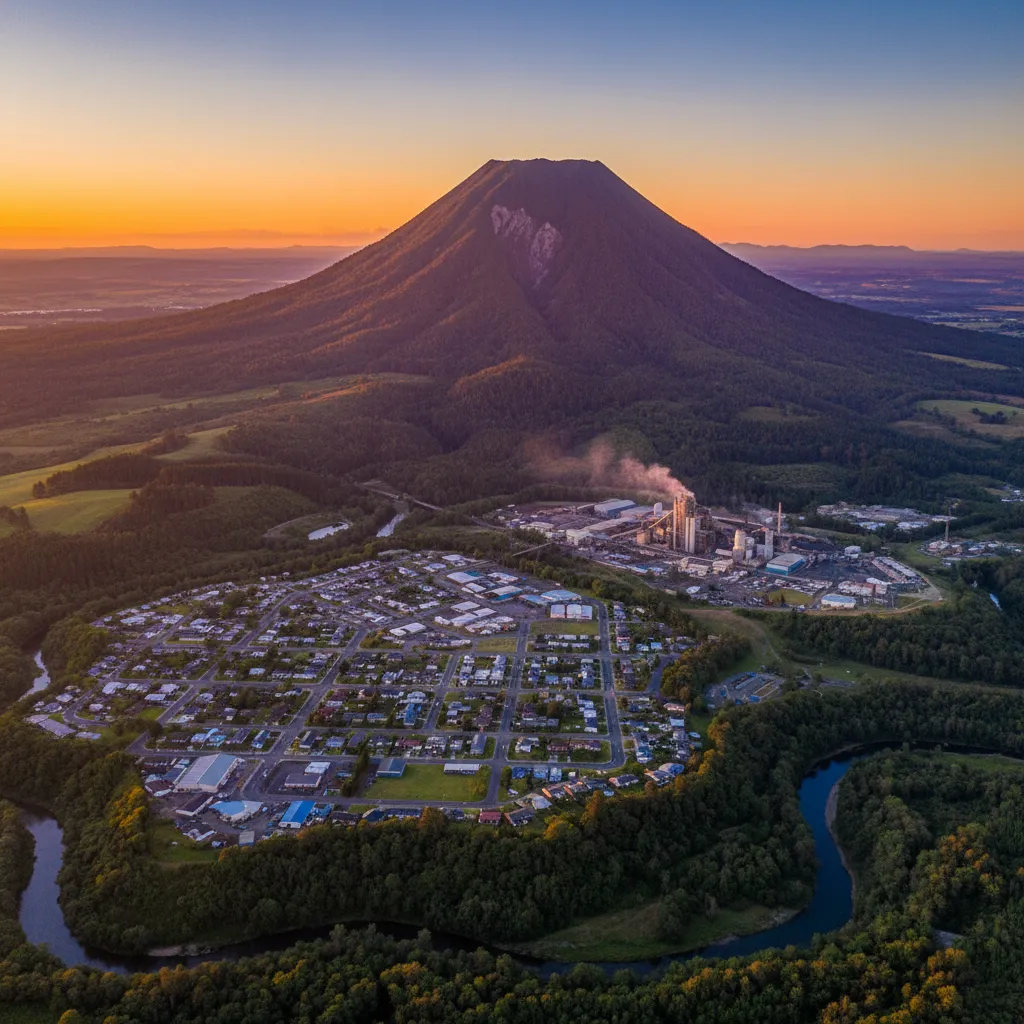
Located in the heart of the Bay of Plenty, Kawerau sits approximately 50 minutes east of Rotorua, 30 minutes southwest of Whakatāne, and an hour southeast of Tauranga. This triangulation makes it the ideal launchpad for diverse activities, from geothermal exploration to deep-sea fishing.
Essential Services and Infrastructure
Unlike remote rural destinations, Kawerau is a fully serviced town designed to support a large industrial workforce. This means travelers have access to robust infrastructure often missing in smaller holiday settlements. Key facilities include:
- Supermarkets: A well-stocked New World supermarket provides all necessary provisions for self-catering travelers.
- Fuel Stations: Multiple service stations (including truck stops) ensure competitive fuel pricing compared to isolated coastal areas.
- Medical Services: The town is serviced by a medical center and pharmacies, providing peace of mind for families and elderly travelers.
- Connectivity: 4G and 5G coverage is strong throughout the township and immediate surrounds, essential for digital nomads or those relying on GPS navigation.
Weather Forecasts and Seasonal Advice
Understanding the local climate is critical for planning your Kawerau travel itinerary. The town enjoys a unique microclimate due to its inland location and the sheltering effect of Mount Putauaki. Generally, the region experiences warm, humid summers and mild winters, but there are specific nuances travelers must be aware of.
What is the best time to visit Kawerau?
The optimal time to visit depends on your intended activities. For hiking and water sports on the Tarawera River, late spring through early autumn (November to April) is ideal.
Summer (December – February):
Expect daily highs averaging between 24°C and 28°C (75°F – 82°F). The heat can be dry and intense due to the inland geography. This is the peak season for utilizing the free thermal hot pools in the town center and swimming in the local rivers. However, afternoon humidity can rise, making early morning starts recommended for climbing Mount Putauaki.
Autumn (March – May):
Many locals consider this the best season. Temperatures stabilize around 18°C – 22°C. The forestry landscape turns vibrant, and the risk of rainfall increases slightly, but days remain long enough for significant exploration.
Winter (June – August):
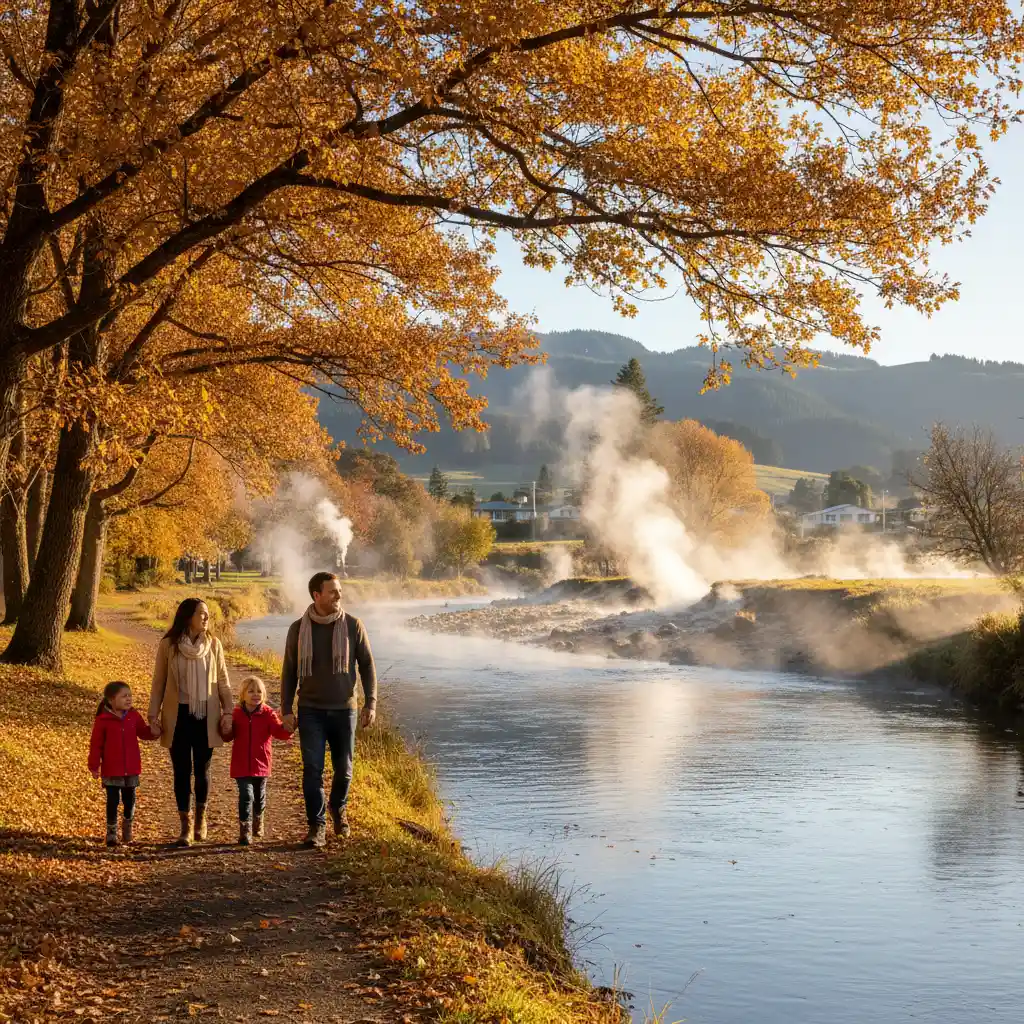
Winters are mild compared to the central plateau. Highs sit around 14°C, with overnight lows occasionally dropping to near freezing, resulting in crisp, frosty mornings. This is the season for hot pools; the geothermal activity in the area makes Kawerau a cozy winter retreat.
Spring (September – November):
Spring is volatile, often characterized by westerly winds. Temperatures rise steadily, but travelers should be prepared for “four seasons in one day.”
Public Transport and Shuttle Options
One of the most critical pieces of Kawerau travel info is regarding connectivity. Unlike major metropolitan areas, public transport is limited. Travelers must plan their logistics carefully to avoid being stranded.
How do I get to Kawerau without a car?
While a private vehicle is highly recommended, it is not impossible to arrive via public transit. The primary provider is the InterCity bus network. Buses running between Rotorua and Whakatāne often stop in Kawerau. The designated stop is usually centrally located near the information center or main shopping precinct. However, these services may only run once daily, so checking the schedule in advance is mandatory.
Regional Connectivity: The Baybus
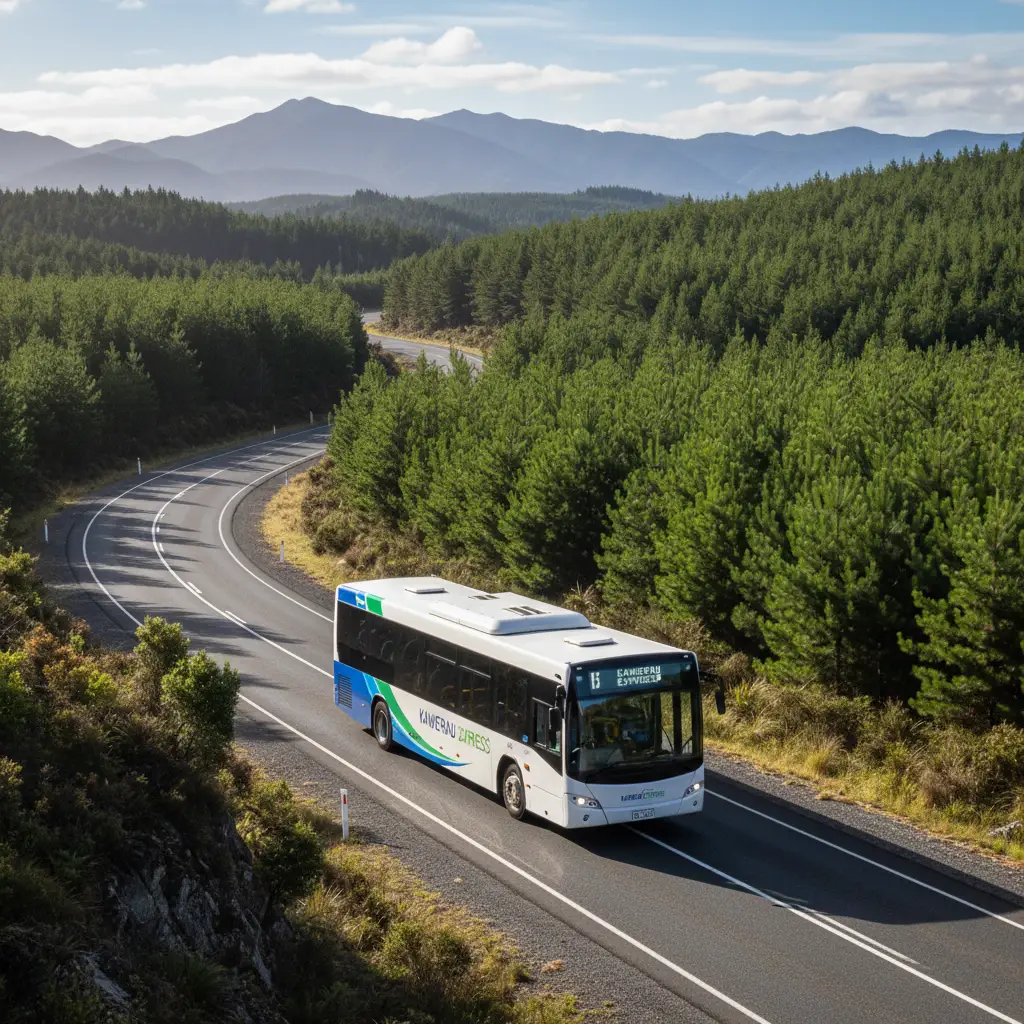
For regional travel, the Bay of Plenty Regional Council operates the Baybus service. Route 122 connects Whakatāne to Kawerau. This is a commuter-focused service, meaning schedules are often aligned with work hours (early morning and late afternoon) rather than tourist convenience. It is an affordable option for day trips to the coast if you time it correctly.
Shuttles and Private Hire
Uber and ride-share apps are virtually non-existent in Kawerau. Travelers should not rely on opening an app to get a ride. Instead, rely on:
- Local Taxis: There are limited local taxi operators. Booking in advance is essential, especially for airport transfers to Rotorua or Whakatāne airports.
- Tour Shuttles: If you are engaging in white-water rafting on the Tarawera, the operators often provide shuttle transport from the end of the run back to the start, or occasionally from nearby accommodations.
Road Safety and Driving Tips
Driving in the Eastern Bay of Plenty requires specific awareness, particularly regarding the primary industry of the town: Forestry. Kawerau is home to the Tasman Mill, one of the largest pulp and paper mills in the world, meaning the roads are working freight corridors.
Navigating Logging Routes
When driving on State Highway 34 or the arterial routes connecting to State Highway 30, you will encounter heavy haulage vehicles. Here are critical safety tips for sharing the road with logging trucks:
- Visibility is Key: If you cannot see the truck driver’s mirrors, they cannot see you. Do not tailgate. Logging trucks require longer stopping distances.
- Wide Turns: These vehicles often need to swing wide to negotiate corners and roundabouts. Never attempt to pass a turning truck on the inside (the left).
- Debris: While loads are secured, bark and small debris can occasionally dislodge. Keep a safe following distance to prevent windshield damage.
- Passing Lanes: Patience is vital. Wait for designated passing lanes. The roads around Kawerau can be winding, and attempting to overtake on double yellow lines is lethal.
Geothermal Road Hazards
In winter, steam from roadside geothermal vents can drift across the highway, particularly in the early morning. This can reduce visibility to near zero in seconds. If you see steam ahead, slow down immediately, turn on your hazard lights, and proceed with extreme caution. Additionally, in freezing conditions, “black ice” can form on shaded corners, particularly on the route toward Rotorua.

Essential Packing List for the Region
To maximize your comfort while using Kawerau as your base camp, your packing list should reflect the diverse activities available.
- Swimwear: Essential for the Maurie Kjar Memorial Swimming Pool complex (free entry) and nearby hot springs.
- Sturdy Hiking Boots: Required if you plan to tackle the summit of Mount Putauaki (permit required) or the Tarawera Falls track.
- Rain Jacket: The Bay of Plenty is lush for a reason. Sudden downpours can occur even in summer.
- Insect Repellent: If you are camping or near the river at dusk, sandflies and mosquitoes can be present.
- Sun Protection: The New Zealand sun is harsh. High SPF sunscreen and a hat are non-negotiable, even on cloudy days.
People Also Ask
Is Kawerau worth visiting for tourists?
Yes, Kawerau is worth visiting for travelers seeking authentic New Zealand culture, industrial history, and outdoor adventure. It offers free geothermal hot pools, world-class white water rafting on the Tarawera River, and access to the spectacular Tarawera Falls, all without the crowds found in Rotorua.
How far is Kawerau from the beach?
Kawerau is approximately 30 to 35 minutes by car from the nearest beaches in Whakatāne and Ōhope Beach. Ōhope is frequently voted New Zealand’s best beach, making Kawerau an easy inland base for coastal day trips.
Do I need a permit to climb Mount Putauaki?
Yes, Mount Putauaki is a sacred ancestral mountain (maunga) located on private Māori land. Public access is restricted. To climb it, you must obtain a permit from the Māori Investments Limited office in Kawerau. Unauthorized access is considered trespassing and culturally insensitive.
Is there free camping in Kawerau?
Kawerau is known for being motorhome friendly. There are designated freedom camping spots for certified self-contained vehicles, particularly near the Maurie Kjar Memorial Swimming Pool and Prideaux Park. Always check the latest local council bylaws as restrictions can change.
What is the closest airport to Kawerau?
The closest regional airport is Whakatāne Airport (WHK), about a 30-minute drive away, which offers flights to Auckland. Rotorua Airport (ROT) is approximately 45 minutes away and offers connections to Auckland, Wellington, and Christchurch.
Are the hot pools in Kawerau really free?
Yes, the Maurie Kjar Memorial Swimming Pool complex offers free entry. The facility is geothermally heated and includes a large swimming pool, a splash pad for children, and several spa pools of varying temperatures. It is a community jewel and a major draw for visitors.