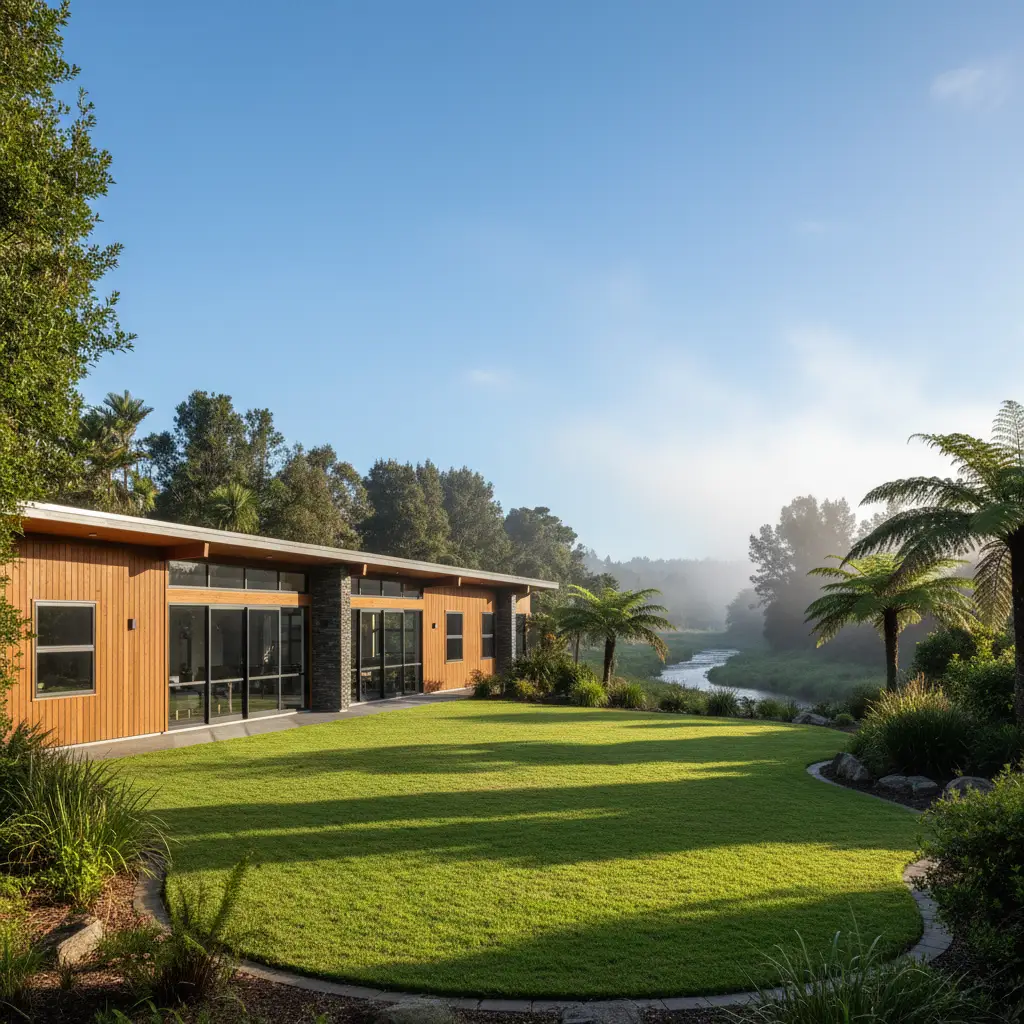
The best swimming holes near the Tarawera River include the crystal-clear waters of the Tarawera Outlet for drift swimming, the accessible riverbanks at Firmin Field in Kawerau for families, and the secluded pools downstream of Tarawera Falls. These locations offer diverse experiences ranging from gentle drifts to scenic riverside picnics, ideal for a Bay of Plenty summer escape.
The Tarawera River is not just a geological marvel flowing from the volcanic plateau to the coast; it is a lifeline of recreation for the Bay of Plenty. For travelers adopting the Kawerau Base Camp Strategy, this river offers some of the most pristine, exhilarating, and accessible freshwater swimming in New Zealand. Whether you are seeking a high-adrenaline river drift, a safe spot for the children to paddle, or a quiet corner surrounded by native bush, the Tarawera River corridor delivers exceptional options.
This guide provides a comprehensive look at the top swimming locations, safety protocols, and hidden gems along this magnificent waterway, positioning Kawerau as your central hub for exploration.
Why Choose Kawerau as Your Summer Base Camp?
Located in the heart of the Bay of Plenty, Kawerau is rapidly gaining a reputation as the ultimate “Base Camp” for domestic tourism. Unlike the more expensive accommodation options in Rotorua or the crowded beaches of Mount Maunganui, Kawerau offers affordability, authenticity, and unparalleled access to nature. Sitting directly on the banks of the Tarawera River, the town provides immediate access to world-class whitewater kayaking, fishing, and, of course, swimming.
By basing yourself in Kawerau, you are positioned perfectly between the lakes and the coast. The swimming holes described in this guide are all within a short drive—or even a walk—from the town center, making it the logical headquarters for water-loving families and adventurers alike. For those interested in settling here or staying long-term, exploring the Relocation & Digital Nomad Lifestyle options can make this base permanent.
The Crown Jewel: Tarawera Outlet and Upper Reaches
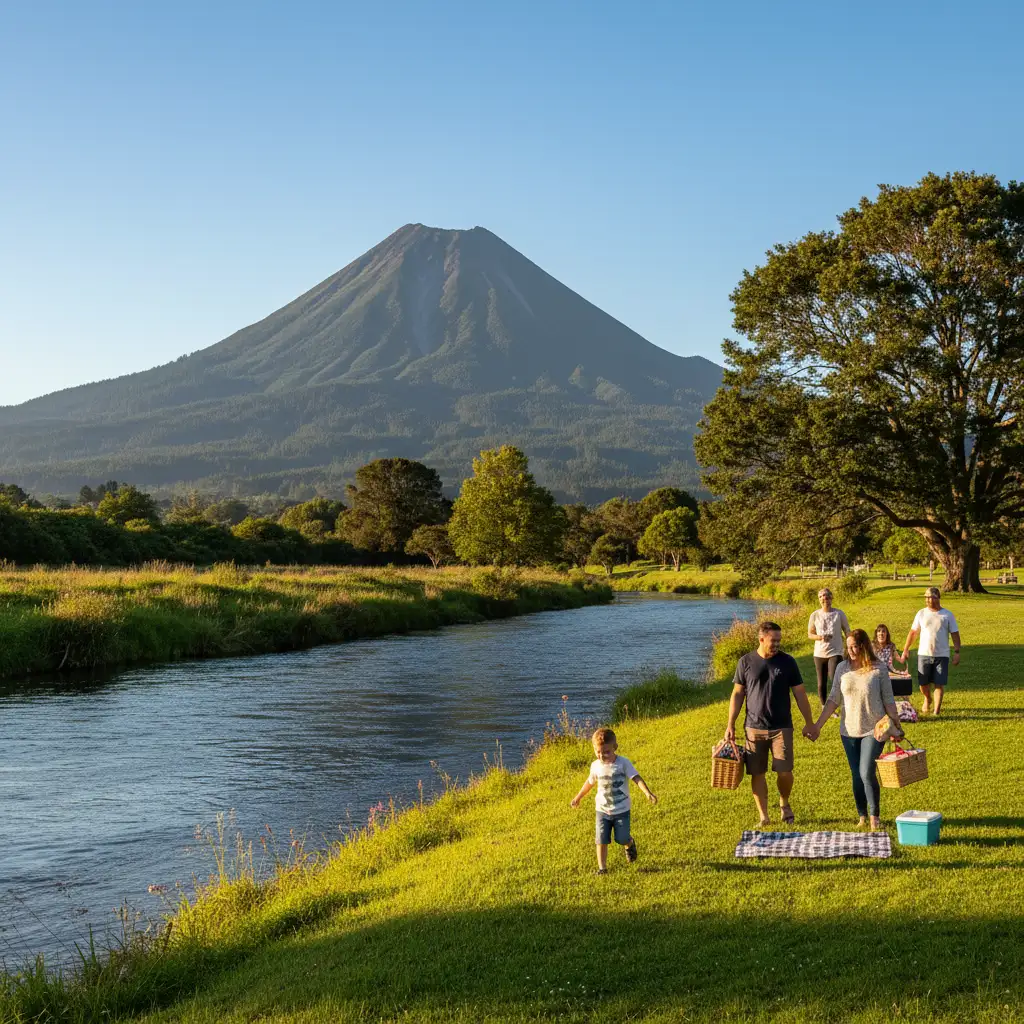
When locals discuss swimming in the Tarawera River, the conversation almost invariably starts at the source: The Outlet. This is where the river begins its journey, flowing out of Lake Tarawera. It is widely considered one of the most beautiful freshwater swimming spots in the North Island.
The Famous “Tarawera Drift”
The water at the Outlet is renowned for its startling clarity. Because it flows directly from the lake, the sediment is minimal, offering visibility that rivals tropical oceans. The “Tarawera Drift” is a popular activity here. Swimmers enter the water at the Outlet camping area and let the gentle but steady current carry them downstream for several hundred meters before exiting at designated banks and walking back up via the track.
This experience is magical. You float over sandy riverbeds, observing trout and koura (freshwater crayfish) in their natural habitat. The surrounding native bush creates a canopy that feels worlds away from civilization. Whether you are planning a family trip or an adventure tour, remember you can Book Tarawera Rafting Tour options nearby.
Accessing the Outlet
Access to the Outlet requires a permit if you are driving through the private forestry roads, which can be obtained from the Kawerau i-SITE or online via the forestry management portal. The drive from Kawerau takes approximately 20-30 minutes on unsealed but well-maintained roads. The journey itself is scenic, passing through dense pine forests before opening up to the stunning lakefront. For those not driving, understanding the Public Transport to Kawerau: Regional Guide can help plan the logistics.
Family-Friendly Swimming in Kawerau
For those who prefer not to venture into the forestry blocks, the township of Kawerau itself offers excellent river access. The local council has done a tremendous job integrating the river into the town’s recreational infrastructure.
Firmin Field and Waterhouse Street
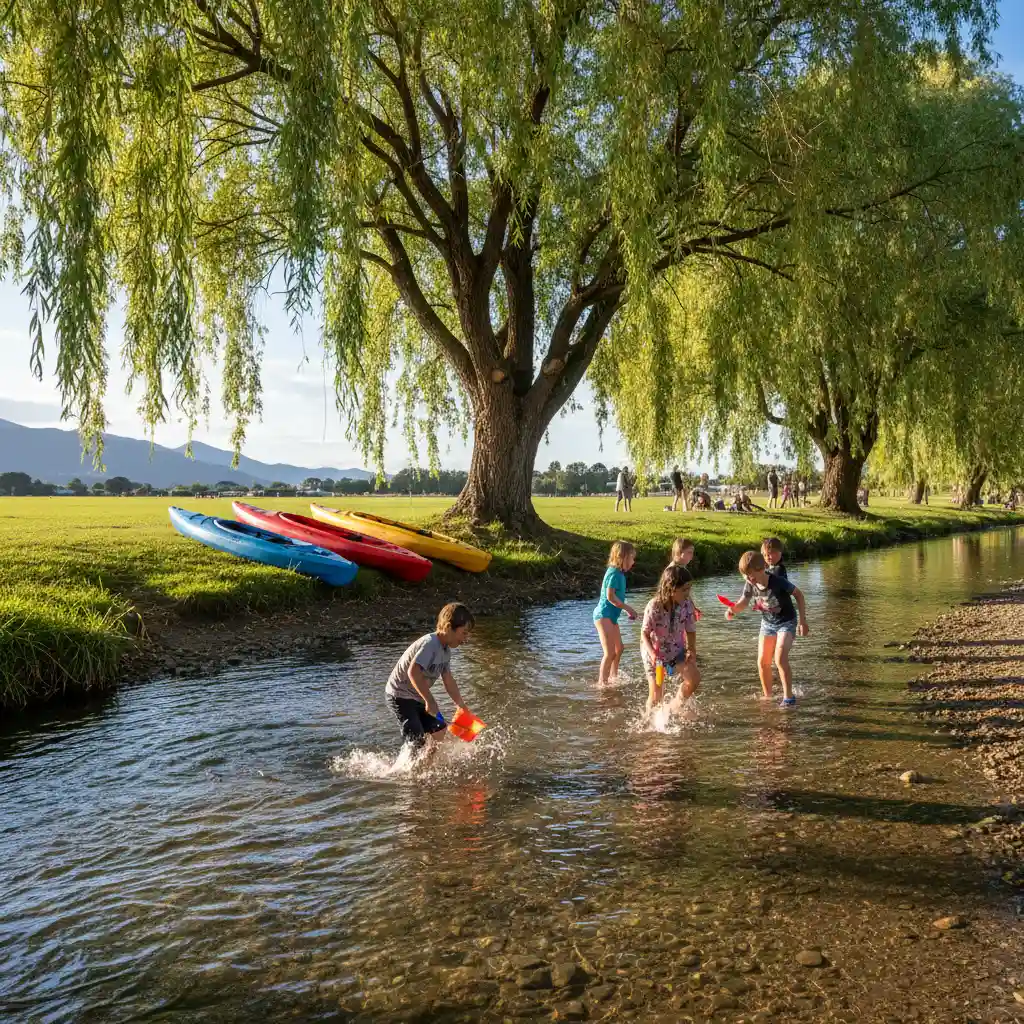
Firmin Field is the primary access point for recreational river users in town. This area is famous for hosting national slalom kayaking championships, but outside of competition times, the eddies and calmer stretches of the river are popular for cooling off.
The river here is wider and slightly deeper than the upper reaches. There are specific spots near the banks where the current is slower, allowing for safe wading and swimming. It is crucial to stay clear of the main slalom rapid lines unless you are an experienced swimmer or kayaker, as the water moves with force through the gates.
Amenities and Accessibility
One of the major advantages of swimming at Firmin Field is the infrastructure. You have access to:
- Clean Public Toilets: Essential for families spending the day.
- Picnic Areas: ample shade from established willow and native trees.
- Parking: Free and plentiful parking right next to the water.
- Walkways: The Tarawera River Walk connects this area to the rest of the town, allowing for a swim-run or swim-walk combo.
Hidden Spots and Secluded Dips
Beyond the designated recreation areas, the Tarawera River corridor hides several secluded spots perfect for a quiet dip away from the crowds. These require a bit more effort to reach but reward the adventurous with solitude.
Exploring Below Tarawera Falls
While swimming directly in the plunge pool of the majestic 65-meter Tarawera Falls is generally discouraged due to safety and cultural respect, the river sections immediately downstream offer beautiful pools. After hiking the track to the falls (approximately 20 minutes from the car park), you can follow the river bank back down.
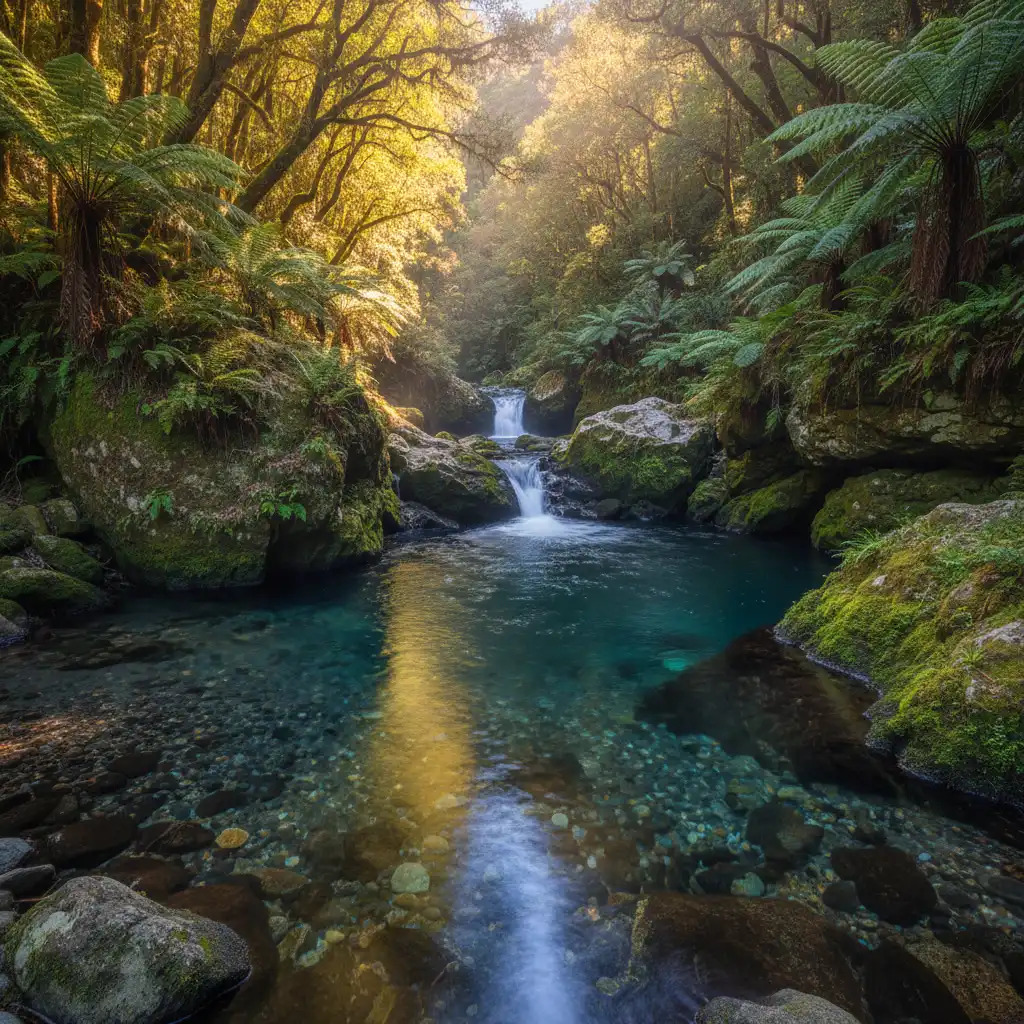
You will find small, sandy-bottomed pools formed by large boulders that break the current. These “pocket pools” are perfect for sitting in and letting the cool water rush over you. The setting is dramatic, with high cliffs and thundering water in the distance, providing a sensory experience that is hard to match.
Nearby Secret Tributaries
Several small streams feed into the Tarawera River as it winds through the forest. While some are too shallow for swimming, others form small lagoons where they meet the main river. These spots are often favored by locals and fishermen. If you spot a well-worn track leading off the main river walk, it likely leads to a prime fishing or swimming spot. Always exercise caution when exploring off-track and ensure you are on public land or have the appropriate access permits.
Understanding Water Temperature and Flow
The Tarawera River is distinct from many other New Zealand rivers due to its source and geothermal influences. Understanding these dynamics is key to a safe and enjoyable swim.
Seasonal Variations
In summer (December to February), the water temperature is refreshing, usually sitting between 18°C and 21°C. It is cold enough to be invigorating on a hot day but not as bone-chilling as snow-fed alpine rivers. In winter, the temperature drops significantly, making swimming suitable only for the brave or those in wetsuits.
The Impact of Geothermal Activity
Interestingly, because the region is geothermally active, there are spots along the river where warm springs seep into the flow. While these aren’t large enough to heat the entire river, you might occasionally find a “hot spot” in the sand or near the banks. However, be aware that the river flow is regulated to some extent by the lake levels and natural rainfall. Heavy rain in the high country can cause the river to rise and discolor quickly. Never swim if the water appears brown, murky, or is carrying debris.
Essential River Safety and Supervision
River swimming carries different risks than beach swimming. There are no lifeguards patrolling the Tarawera River, so personal responsibility is paramount.
Reading the River
Before entering the water, take five minutes to observe the flow. Throw a small stick into the water to see how fast the current is moving. Look for:
- Eddies: Calm water behind rocks where it is safe to rest.
- Strainers: Submerged branches or trees that allow water to pass but trap swimmers. Avoid these at all costs.
- Undercuts: Banks that have been eroded underneath; these can be dangerous if you get trapped under the overhang.
Supervision for Children
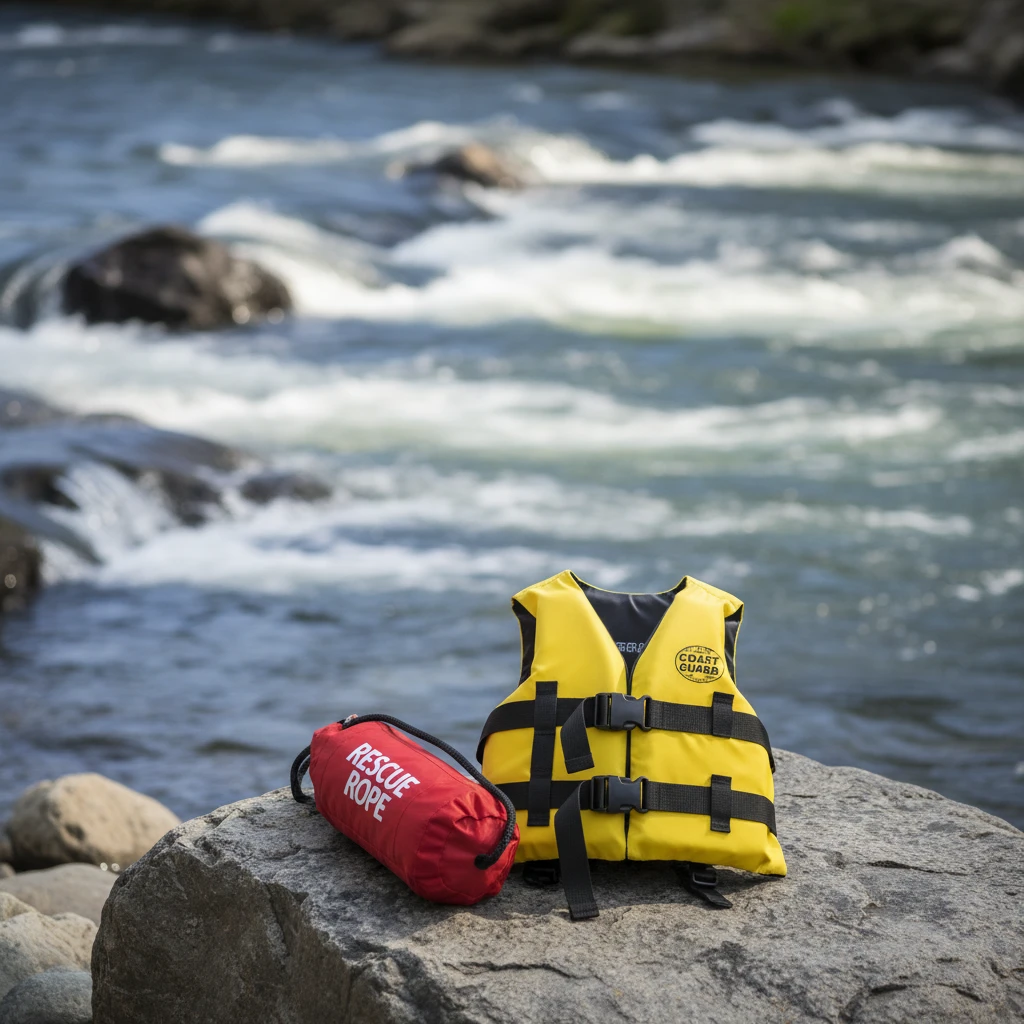
The Tarawera River has a deceptively strong current. Children should always be within arm’s reach. Life jackets (PFDs) are highly recommended for children, even if they are strong swimmers in a pool environment. Moving water requires constant energy to tread, which can lead to fatigue much faster than in still water.
Alternative Swimming Spots Within 30 Minutes
If river conditions are not favorable, your Kawerau Base Camp places you within striking distance of excellent alternatives.
Lake Tarawera Beaches
Just a short drive back up towards the Outlet, you will find Rangiuru Bay and Stoney Point on Lake Tarawera. These spots offer lake swimming with no current, sandy beaches, and are perfect for younger children or those looking to swim laps.
Maurie Kjar Memorial Thermal Pools (The Warm Alternative)
Sometimes, the river is just too cold. Fortunately, Kawerau is home to the Maurie Kjar Memorial Swimming Pool complex. These pools are geothermally heated, completely free to the public, and offer a fantastic backup plan. Located in the center of town, they are a favorite for families to unwind after a day of exploring the river.
People Also Ask
Is it safe to swim in the Tarawera River?
Yes, it is generally safe to swim in designated areas like the Tarawera Outlet and Firmin Field during normal flow conditions. However, swimmers should always check for currents, underwater hazards, and water clarity. Avoid swimming after heavy rainfall when the river is high and murky.
Do I need a permit to go to Tarawera Falls?
Yes, access to Tarawera Falls and the Outlet usually requires a forestry access permit because the roads pass through private forestry land. These permits can be purchased online or at the Kawerau i-SITE Visitor Information Centre.
How cold is the water in the Tarawera River?
The water temperature in summer typically ranges from 18°C to 21°C (64°F – 70°F). It is refreshing and clear, fed directly from Lake Tarawera, making it cooler than the ocean but warmer than alpine snow-melt rivers.
Are there toilets at the Tarawera Outlet?
Yes, there are Department of Conservation (DOC) toilet facilities located at the Tarawera Outlet camping area. There are also public toilets available at Firmin Field in Kawerau township.
Can you drift down the Tarawera River?
Yes, the “Tarawera Drift” starting from the Outlet is a popular activity. Swimmers float downstream with the current. It is recommended for competent swimmers, and wearing a wetsuit or using a floatation device can enhance the experience.
How far is Kawerau from the Tarawera Falls car park?
The drive from Kawerau town center to the Tarawera Falls car park takes approximately 20 to 30 minutes. The road is partly sealed and partly gravel forestry road, so drive carefully.