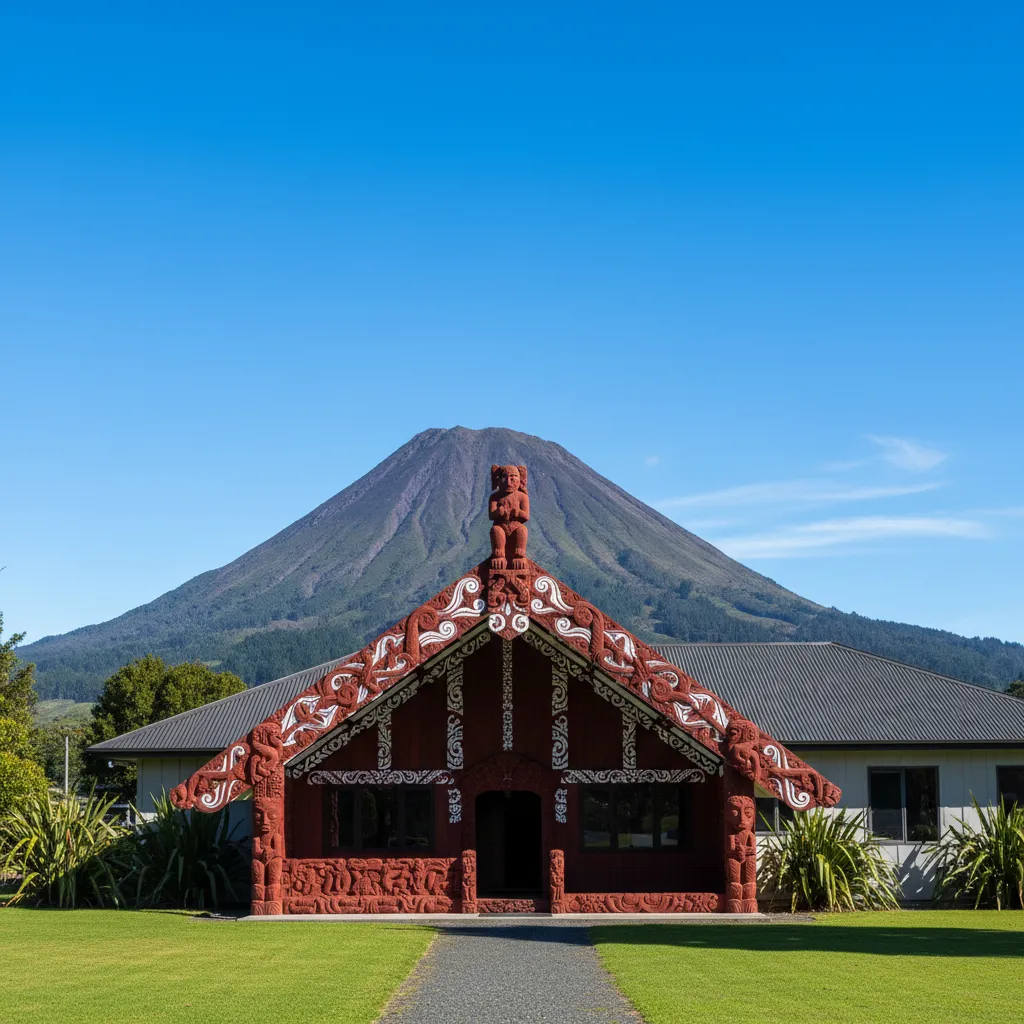
Local iwi economic initiatives in the Kawerau region refer to strategic commercial ventures led by Māori tribal authorities, specifically Tuwharetoa ki Kawerau. These initiatives focus on leveraging collective assets—such as geothermal energy, forestry land, and industrial property—to generate intergenerational wealth, drive regional GDP, and create sustainable employment while adhering to principles of kaitiakitanga (environmental stewardship).
Partnerships Between Iwi and Industry
The economic landscape of Kawerau is undergoing a profound transformation, driven largely by the strategic foresight of local iwi. No longer content with the passive role of landlords collecting rent, iwi entities are actively stepping into the role of investors, developers, and operational partners. At the heart of this shift is the utilization of the region’s most potent natural resource: geothermal energy.
The Geothermal Advantage
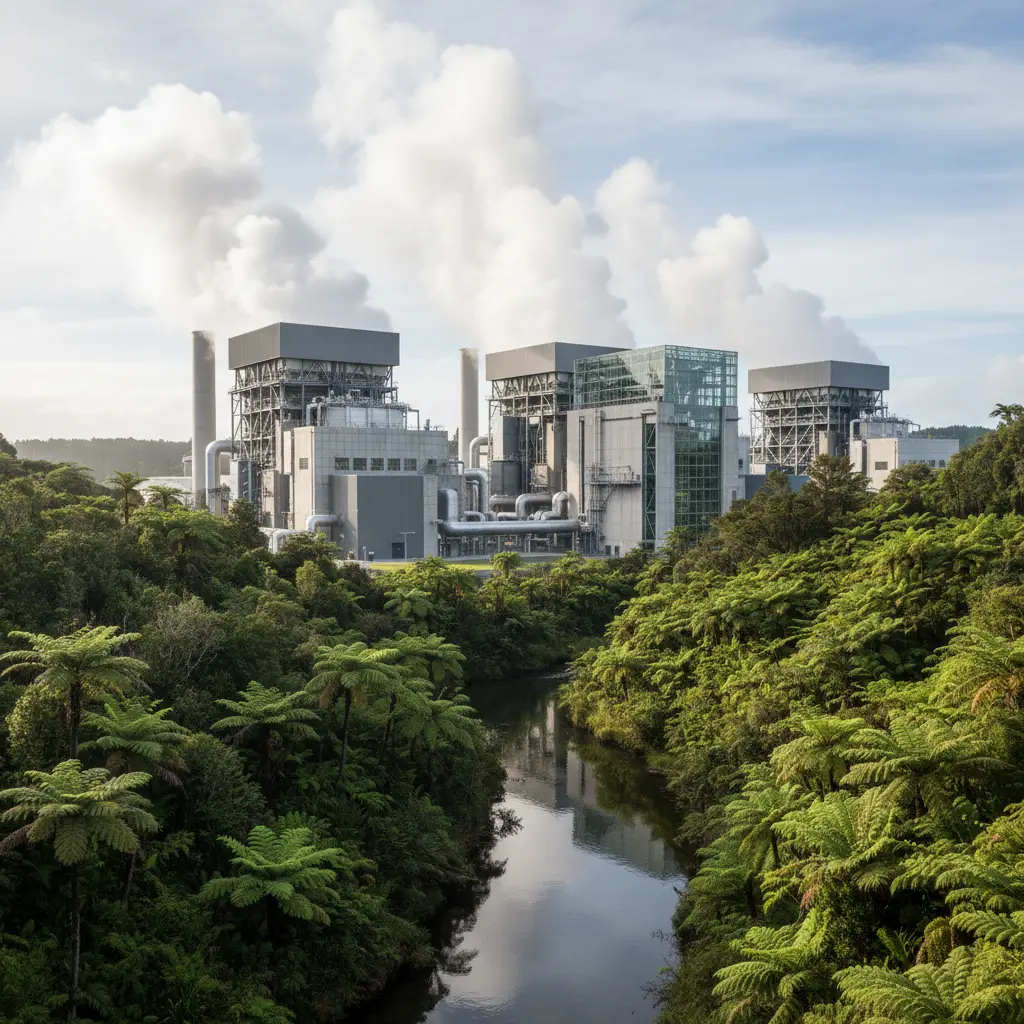
The Kawerau geothermal field is one of the world’s most significant sustainable energy sources. Local iwi, particularly Ngāti Tuwharetoa (Bay of Plenty) Settlement Trust and their associated commercial arms, have leveraged their mana whenua status to negotiate equity stakes in geothermal power generation. These partnerships with major energy companies are not merely financial transactions; they are structured to ensure that the wealth generated from the land remains within the region.
By securing direct ownership in steam fields and power stations, iwi are lowering the cost of energy for industrial partners. This “energy advantage” has become a magnet for heavy industry, attracting international manufacturers who require process heat and electricity. This symbiotic relationship anchors the local economy, ensuring that large employers remain in Kawerau rather than relocating offshore.
Industrial Symbiosis and Joint Ventures
A prime example of these partnerships is the concept of “Industrial Symbiosis.” This involves clustering industries so that the waste or by-product of one becomes the raw material for another. Iwi leadership has been instrumental in facilitating these complex relationships. By providing land and energy security, they enable a circular economy.
For instance, partnerships have facilitated the processing of wood fibre using geothermal steam, reducing the carbon footprint of the forestry sector. These joint ventures demonstrate how local iwi economic initiatives are not just about profit, but about reshaping industrial practices to be more sustainable and resilient against global market fluctuations.
Sustainable Land Development Projects
Land is the central asset for Māori economic development. In Kawerau, the transition from under-utilized blocks to high-value industrial and horticultural precincts is a testament to the long-term vision of iwi trusts. The most notable of these developments is the Putauaki Trust Industrial Park.
The Putauaki Trust Industrial Park
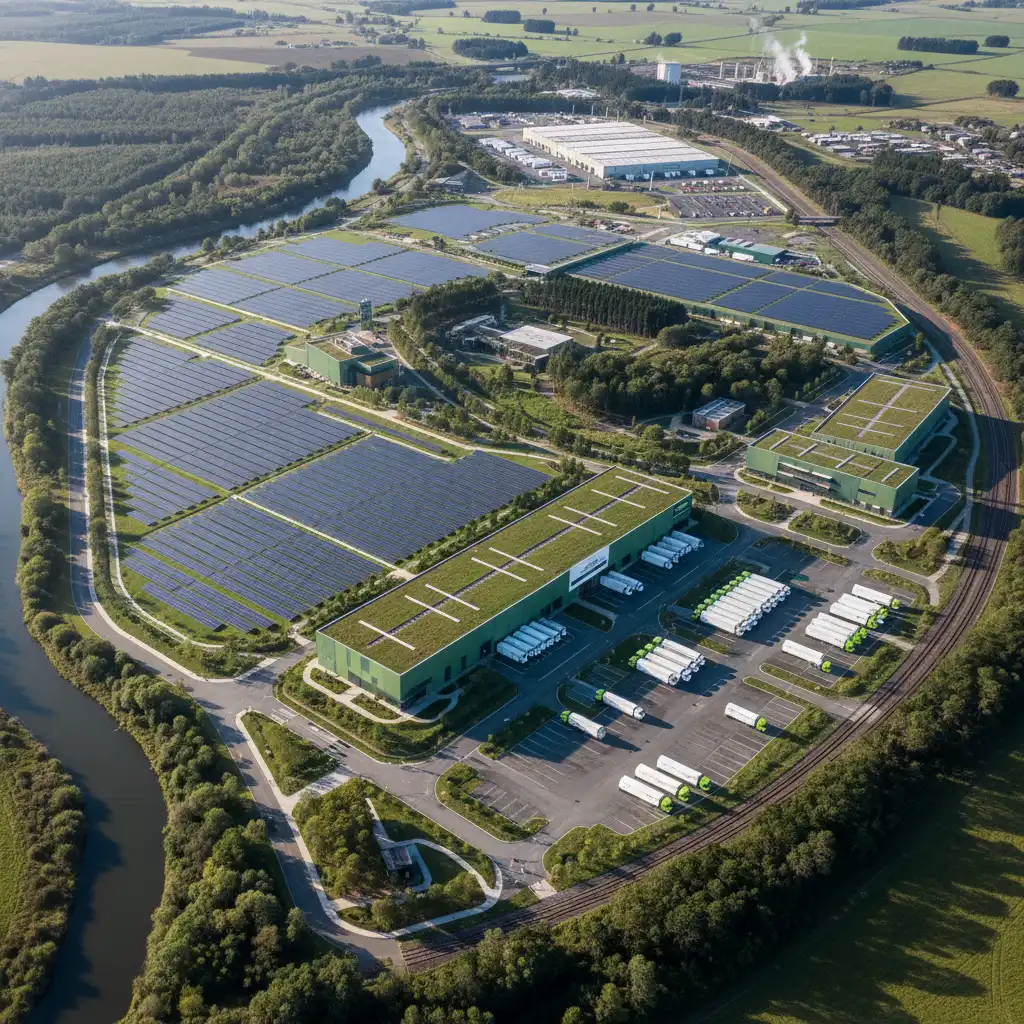
What is the Putauaki Trust Industrial Park? It is a dedicated industrial zone developed on Māori-owned land, designed to house heavy and light industry with direct access to rail and road logistics. This development is a cornerstone of the region’s economic strategy.
The Trust has moved beyond simple land leasing. They have invested in infrastructure—roads, water, and utilities—to make the land “shovel-ready” for investors. This proactive approach removes barriers for businesses looking to set up in the Eastern Bay of Plenty. The park is not just an industrial zone; it is designed with eco-principles, ensuring that tenants adhere to environmental standards that align with the iwi’s values of kaitiakitanga.
Diversification into Horticulture
While forestry and industry are staples, risk mitigation requires diversification. Local iwi are increasingly looking at land use capability to determine high-value alternatives. Projects are currently underway to convert suitable marginal lands into high-yield horticulture, such as kiwifruit orchards or blueberry farms.
This shift requires significant capital expenditure (CapEx) and water infrastructure, both of which are being addressed through collaborative iwi investment funds. By diversifying the land portfolio, the local economy becomes less susceptible to the cyclical nature of commodity prices in the timber market.
Job Creation for Local Māori Youth
Economic growth is meaningless if it does not translate into improved standards of living for the local population. Kawerau has historically faced high unemployment rates, particularly among rangatahi (youth). Local iwi economic initiatives are directly targeting this disparity through targeted education and employment strategies.
From Education to Employment Pipelines
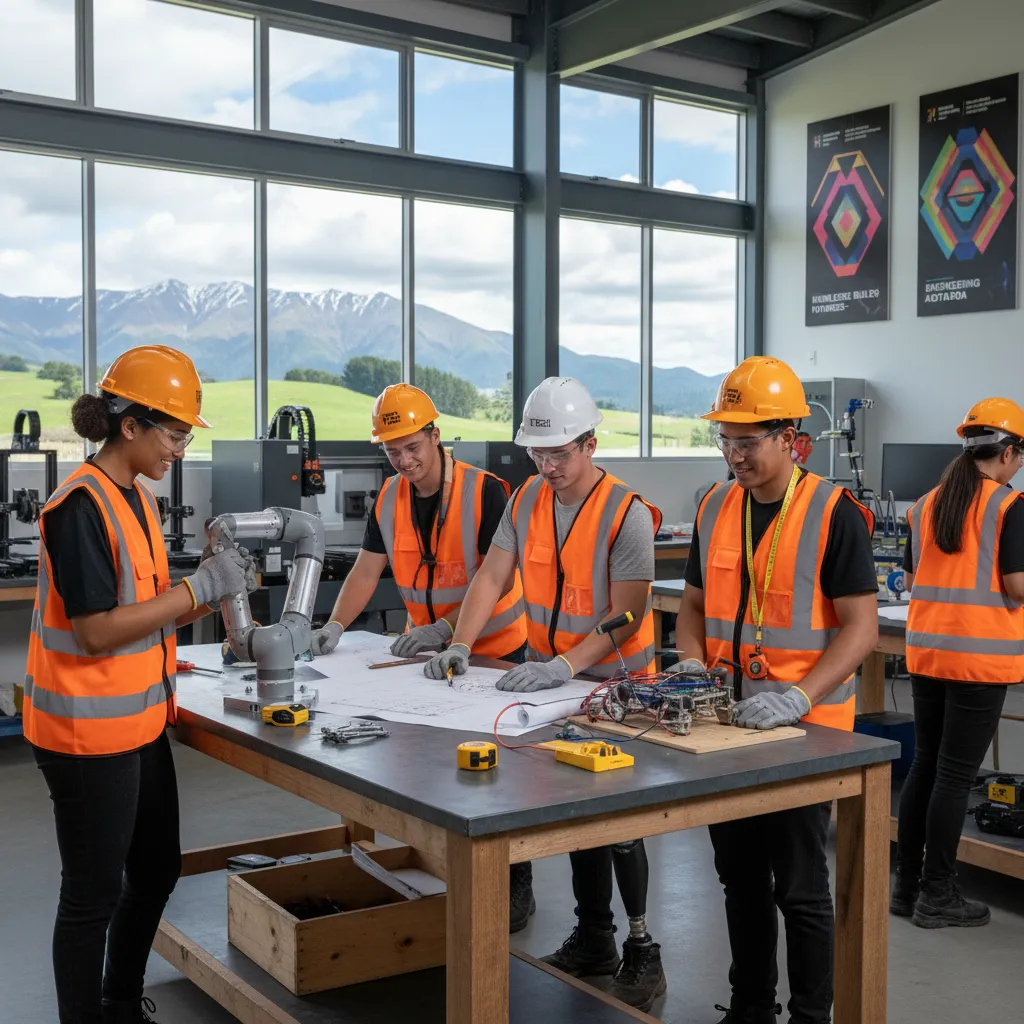
Iwi are integrating social procurement clauses into their commercial contracts. This means that when an iwi entity partners with a construction firm or an industrial tenant, there is often a contractual obligation to hire and train local staff. This creates a direct pipeline from unemployment to high-value trade careers.
Specific programs include:
- Cadetships: Paid training programs in geothermal plant maintenance, forestry management, and logistics.
- Scholarships: Financial support for rangatahi pursuing tertiary education in STEM fields relevant to local industry.
- Driver Licensing Programs: Removing the barrier of transport, which is a significant hurdle for employment in rural regions.
Fostering Entrepreneurship
Beyond employment, there is a push to foster entrepreneurship. Iwi-backed business incubators are providing mentorship and micro-financing to young Māori entrepreneurs. Whether it is in tourism, digital services, or trades, empowering youth to start their own businesses creates a multiplier effect in the local economy, keeping wealth circulating within the community.
Future Economic Forecasts for the Region
The trajectory for Kawerau is positive, heavily influenced by the stability and capital provided by iwi investment. Economists predict that the region is transitioning from a “mill town” identity to a sophisticated logistics and energy hub for the North Island.

The Container Terminal and Logistics Hub
A major forecast development is the establishment of an inland container terminal. With the Putauaki Trust leading land development, Kawerau is positioned to become a key staging point for goods moving to the Port of Tauranga. This logistics hub will reduce heavy truck movements on coastal roads and utilize the rail network more efficiently.
This project alone is expected to inject millions into the local economy and create hundreds of logistics and supply chain roles over the next decade. It places Kawerau at a strategic intersection of the “Golden Triangle” of New Zealand commerce.
The Hydrogen Potential
Looking further ahead, the abundance of geothermal energy positions Kawerau as a potential leader in green hydrogen production. As the world seeks to decarbonize heavy transport, green hydrogen produced via geothermal electrolysis is a viable export product.
Iwi leaders are already in early-stage discussions regarding hydrogen feasibility. If realized, this would place the region at the cutting edge of the global energy transition, future-proofing the local economy for the next 50 years. This long-term horizon view is characteristic of the Māori economic worldview, which plans for generations ahead rather than fiscal quarters.
Frequently Asked Questions
What are the main iwi groups in Kawerau?
The primary mana whenua iwi in the Kawerau district is Tuwharetoa ki Kawerau. However, the region also has significant historical and economic ties to Ngāti Awa and other confederations within the Mataatua waka region, all of whom contribute to the broader economic landscape of the Eastern Bay of Plenty.
How does geothermal energy benefit the local community?
Geothermal energy provides a competitive advantage that attracts heavy industry to the region, creating jobs. Furthermore, iwi ownership stakes in these energy assets mean that profits are reinvested into social programs, education grants, and further economic development projects within Kawerau.
What is the Māori economy worth in this region?
While specific regional figures fluctuate, the broader Māori economy in the Bay of Plenty is worth billions of dollars. In Kawerau specifically, iwi trusts are the largest private landowners and are becoming the primary drivers of new infrastructure investment, significantly outpacing other private sector growth.
What is the Putauaki Trust?
The Putauaki Trust is a Māori land trust that administers lands on behalf of its owners (shareholders). They are the developers behind the Putauaki Trust Industrial Park, a major initiative transforming underutilized land into a thriving industrial and commercial zone in Kawerau.
How can businesses partner with local iwi?
Businesses seeking partnership should approach the commercial arms of the relevant iwi trusts. Successful partnerships are typically those that align with iwi values, offering long-term sustainability, environmental protection (kaitiakitanga), and tangible employment pathways for local people.
What is the ‘Golden Triangle’ in NZ commerce?
The Golden Triangle refers to the area between Auckland, Hamilton, and Tauranga, which generates a massive portion of New Zealand’s GDP. Kawerau’s development as a logistics hub aims to link the Eastern Bay of Plenty more tightly into this economic powerhouse, particularly via the Port of Tauranga.